Interview with Barima Owusu-Nyantekyi
0April 24, 2013 by Ville Raivio
‘I’m somewhere between 28 and 32, presently working in the architectural world as a project administrator, whilst beginning to train as an interior designer. I’m a History graduate, but my true passion was always English, as well as Painting/Drawing, which was more than manifest in a great deal of my school reports. Ironically, my nous for historicism and research is more developed now that I’m not yoked to the foibles of higher learning. I’m essentially free of [familial] complications.
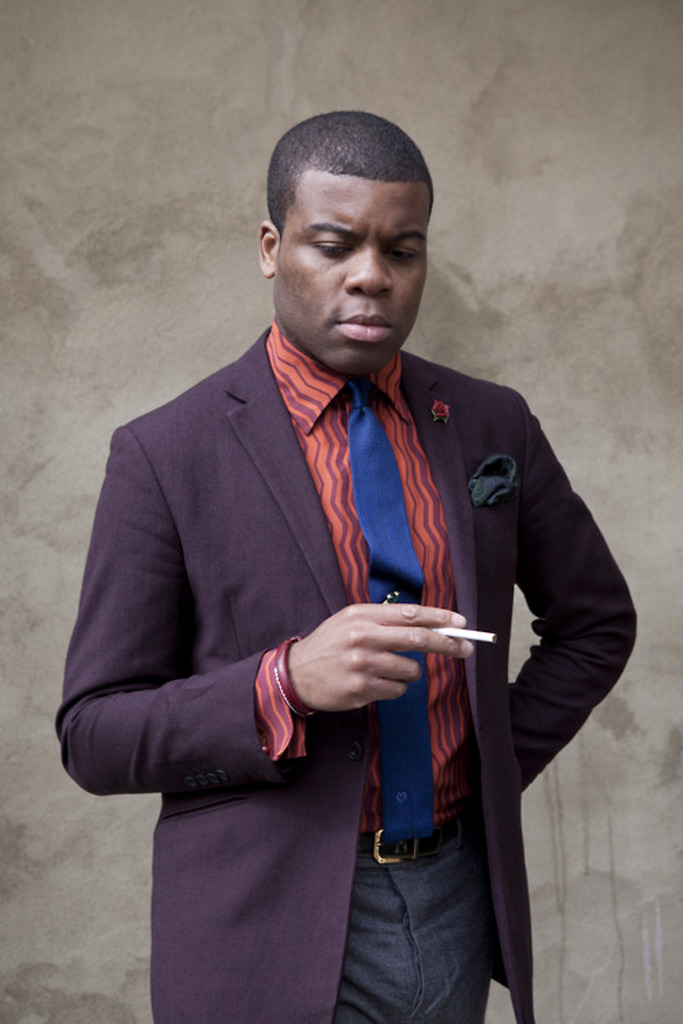
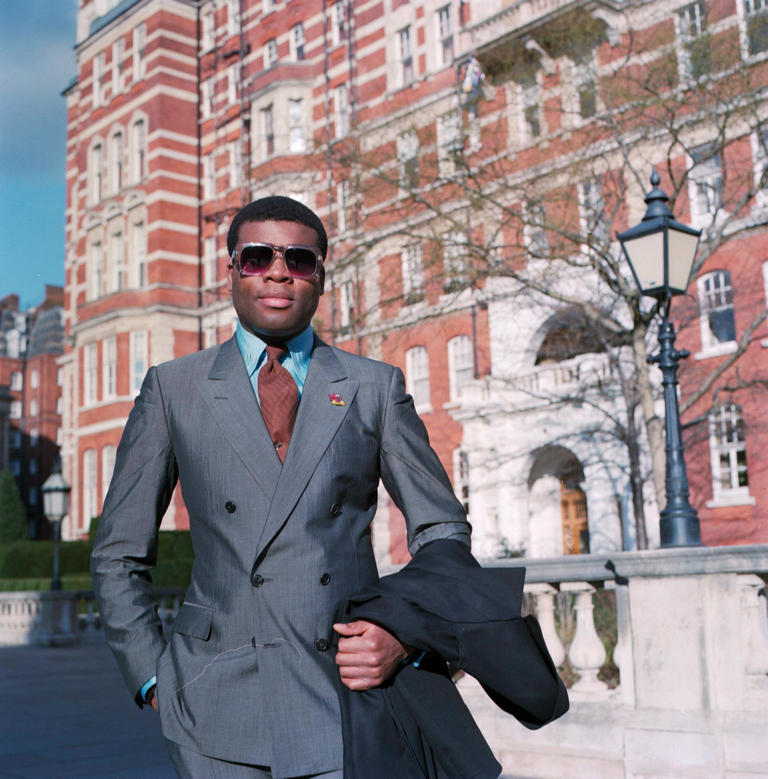
My parents tended to be amused, bemused or appreciative, as regards my presentation; sometimes a particular outfit could elicit that trifecta all at once. My father has long adored tailoring, and being a little taller than him, I’ve received a good deal of his clothes, which I tend to have adjusted. This allows him to joke about “stealing [his] look,” or “not doing justice” to old pieces. Occasionally, he forgets that he has handed something down, which is a different discussion entirely. [My knowledge comes] predominantly from books, the internet, my father and my friends. Fun socks are a poor investment.
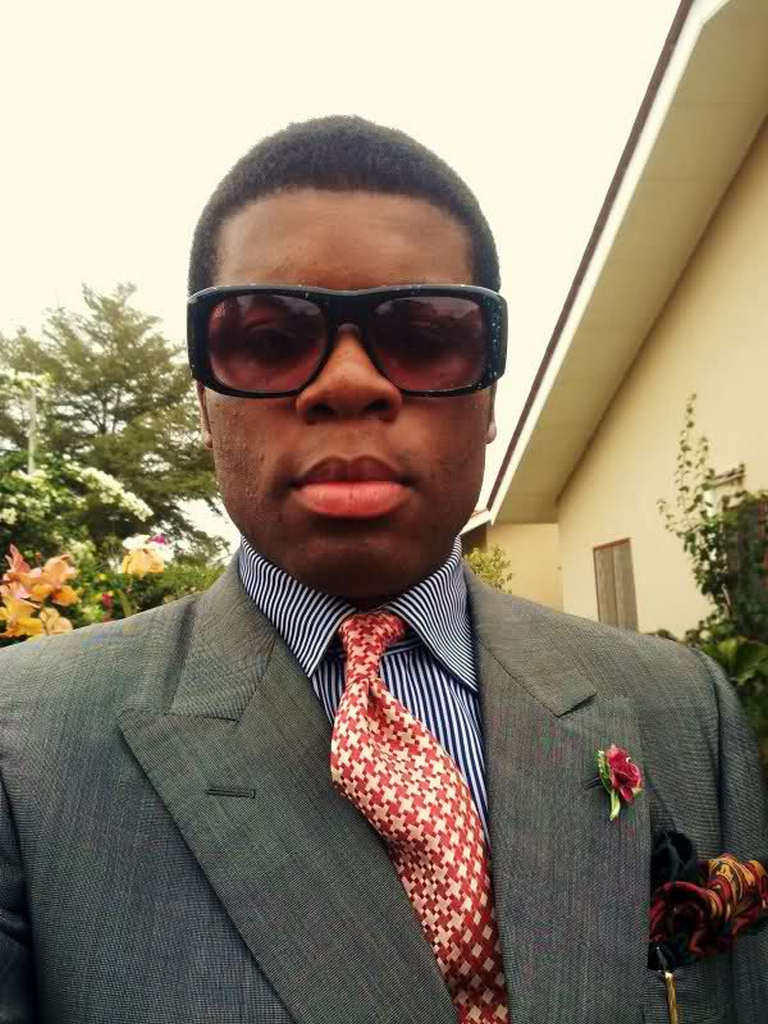
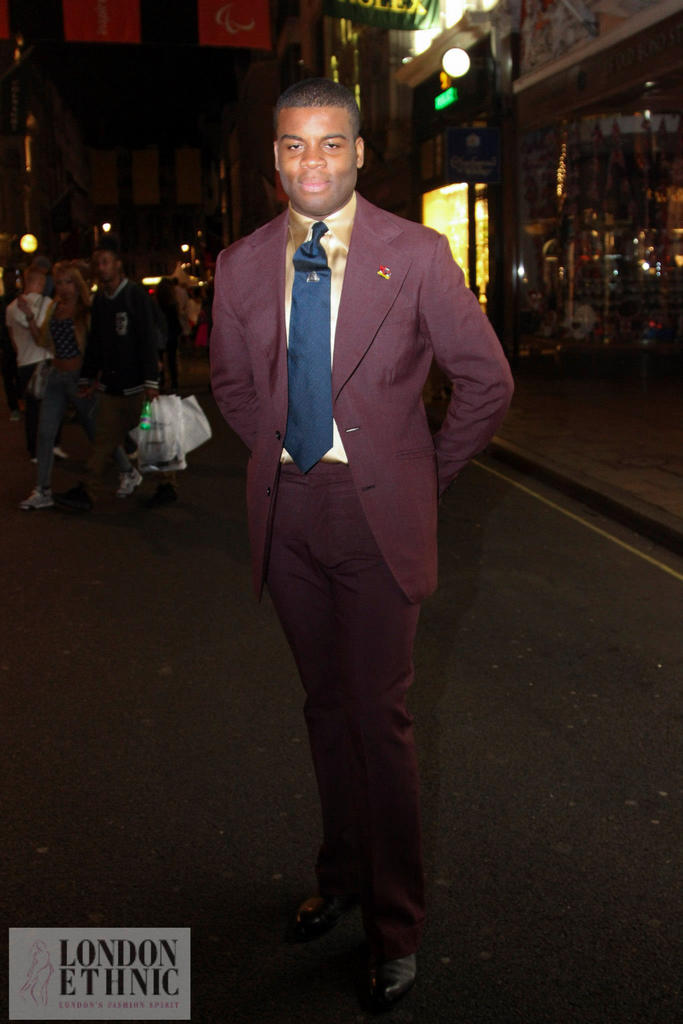
I’ve had a lifelong interest, since my parents were very generous in acquiring clothes for me throughout childhood and so I came to understand the fundamentals of staple garments, diversity and adaptation. It was important to them that when I accompanied them to grownup occasions, I should appear complementary and appropriate; indeed, I was 4 when I first recall donning black tie. Moreover, they are both aesthetes with a highly developed appreciation of art, design and general splendour. Aside from the social aspect, I grew up in the age where Michael Jackson was taken completely seriously and in turn repaid this emotional investment tenfold, so as a fan, I found it alluring how he could present such unique slants on the traditions and precisions of evening and militarywear, in particular. He embodied The Showman in a way that is quite lost today, wherein one personalises formality to enhance a performance, as his forebears James Brown and Fred Astaire did. I would say that sort of tailored flamboyance definitely made a lasting impression.
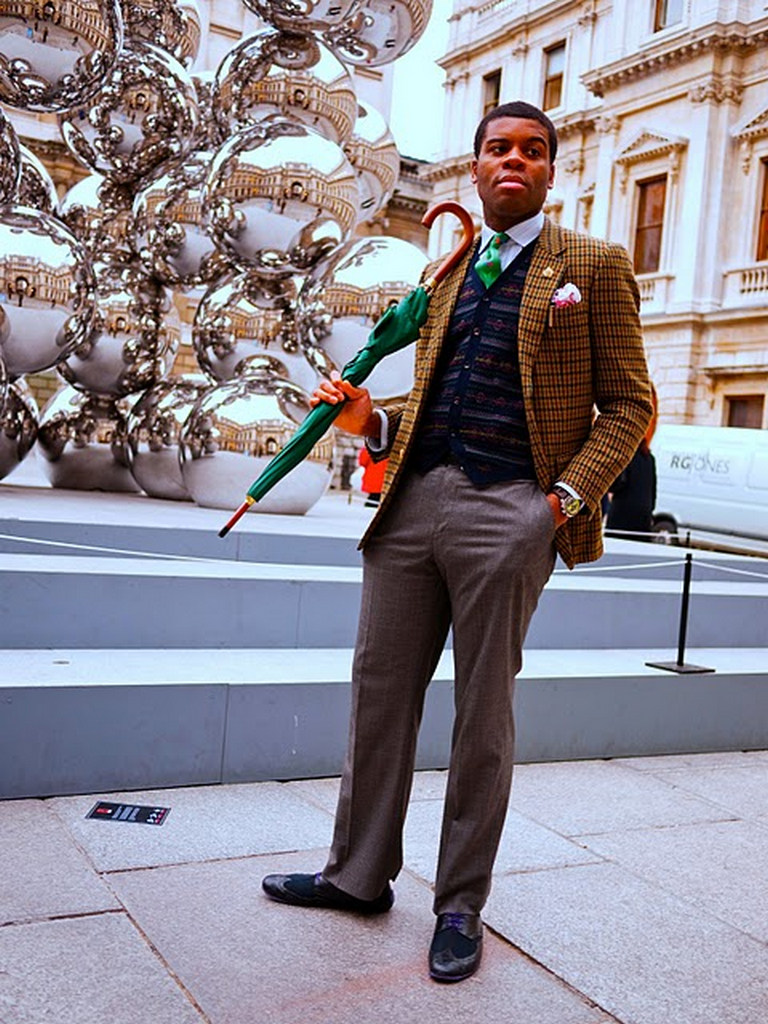
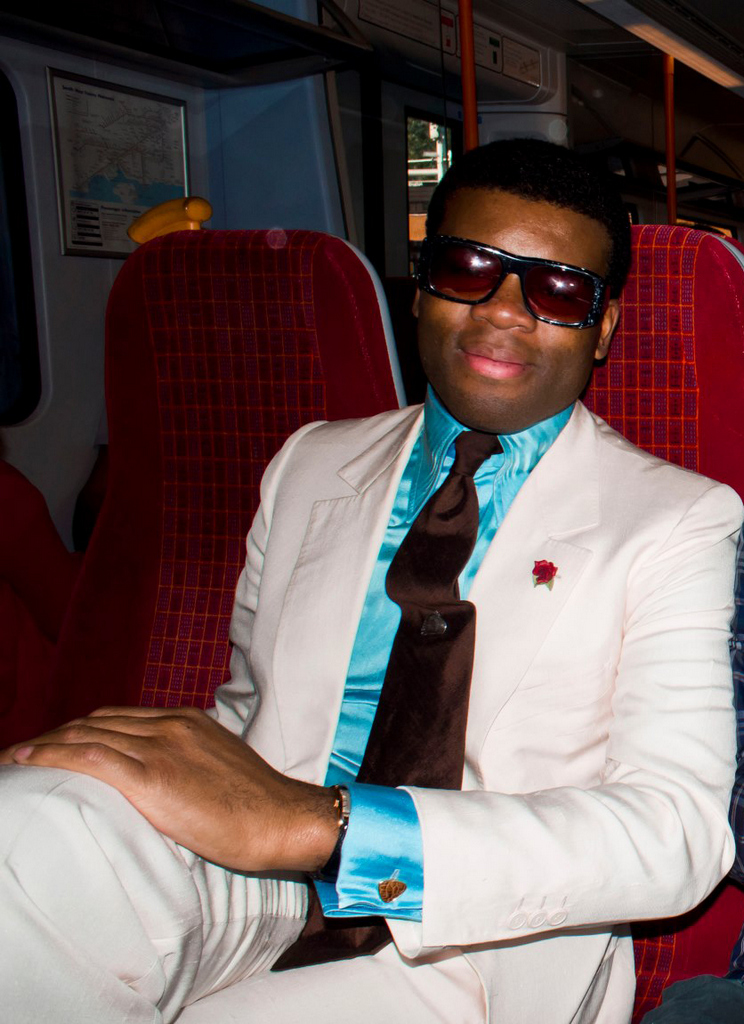
I always keep an eye on fashion, especially for the dialogues it opens and the coherent, attractive ideas that occasionally arise. Certainly, I chased some trends as a teenager with the usual adolescent mix of insecurity, tribalism and a desire to appear unfamiliar to authority figures, but finding my way back to the classics has never precluded noticing what else is around me. I may only be competent at assembling tailored looks rather than creating an intrinsically more challenging and potentially interesting dressed-down mode, but fashion-as-design connects to my capacity for expressiveness and communication. And as some designers produce wares that I find suitable, I’ll happily purchase a “fashion piece” if I think it’s saying the same thing I am. Call it a form of xenomania.
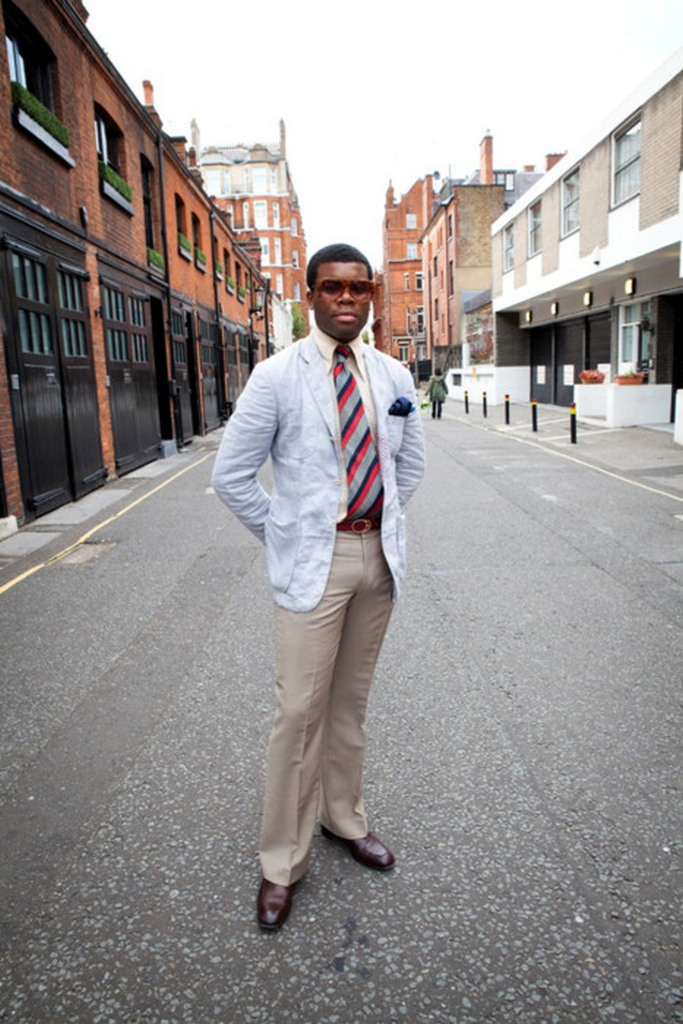
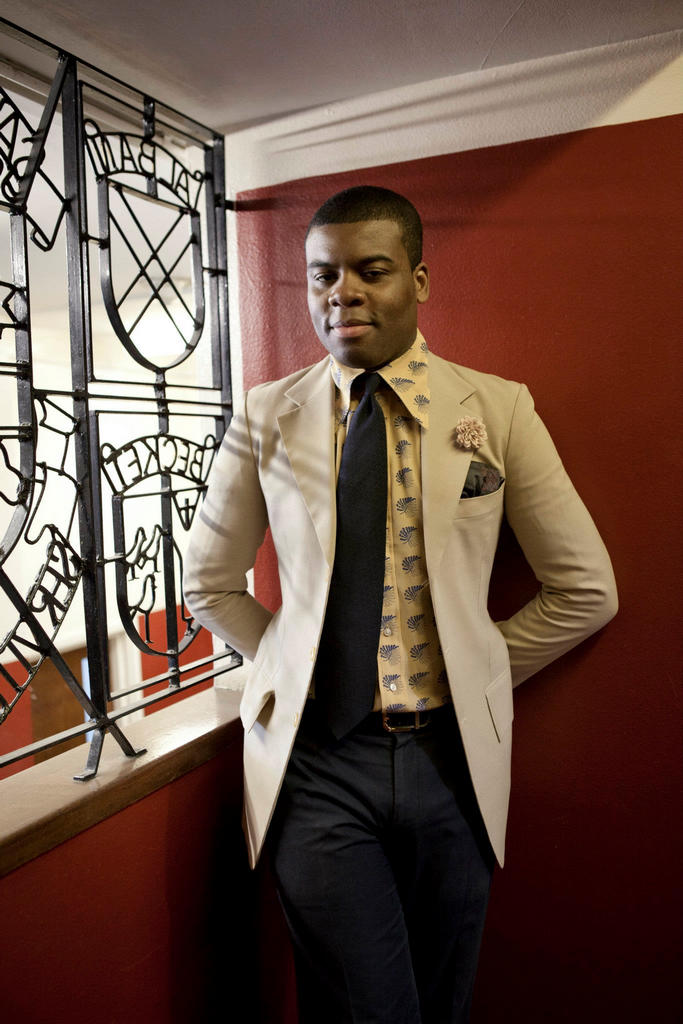
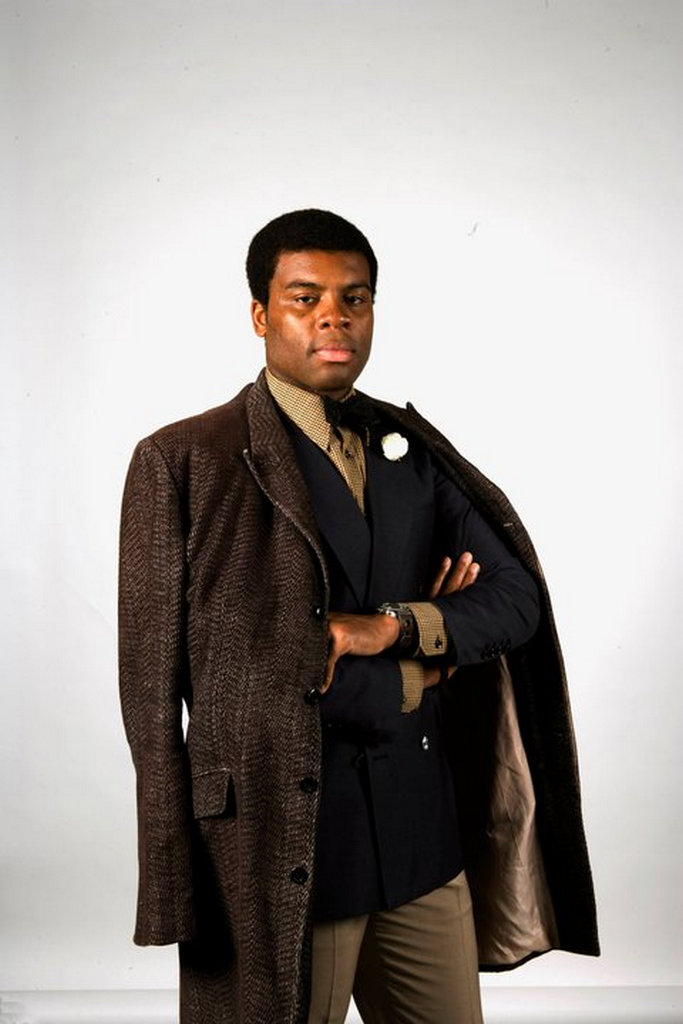
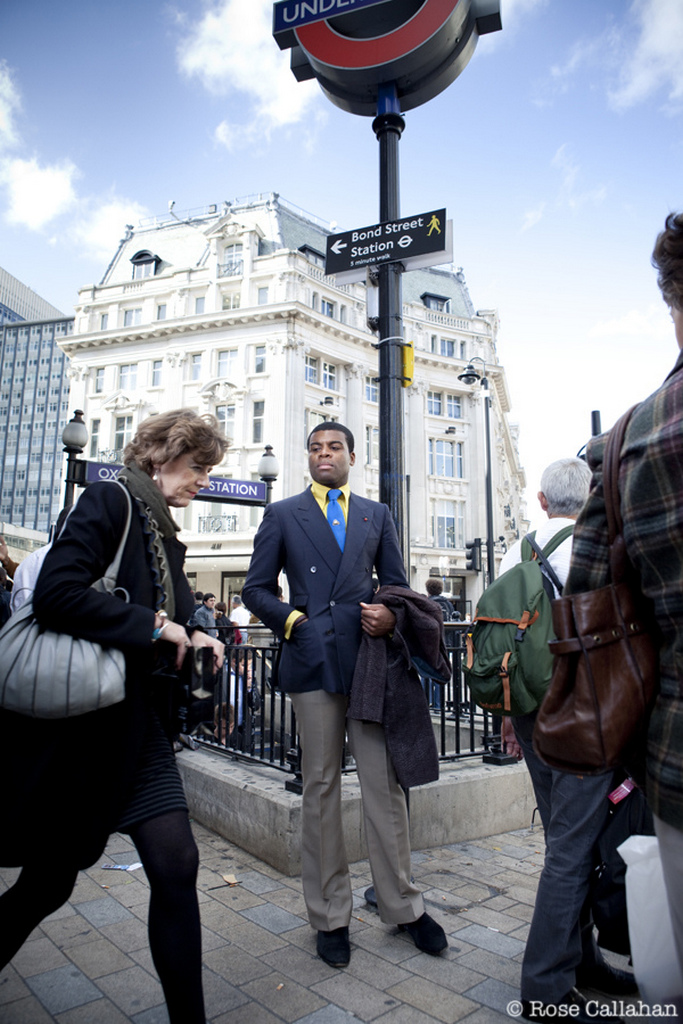
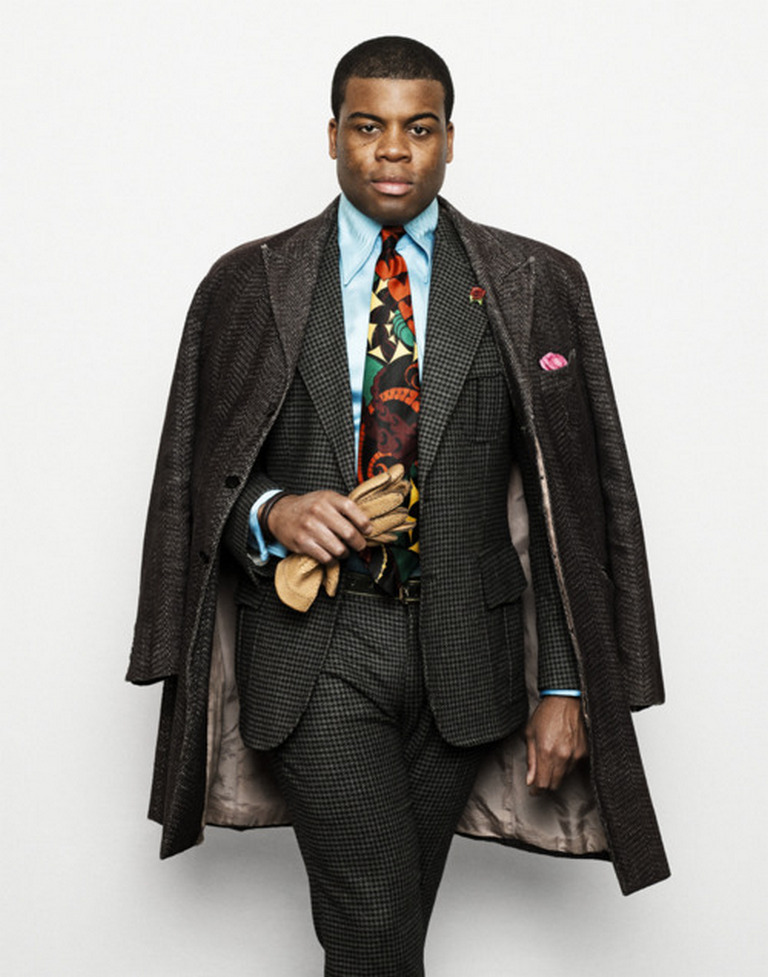
Despite being a Ghanaian Britisher, I’m usually drawn to the Continental makers, thriving or defunct, like Angelo Roma, Francesco Smalto and Yves Saint Laurent. In the made to measure and bespoke realms, I’ve a very lightweight suit from Graham Browne Tailors in the City of London and a mid weight cotton one from the haberdashers Pokit in Soho. I also tend to supplement with designer and high street pieces, as well as other finds from the 1930s to the 1990s. [My style is] introverted.
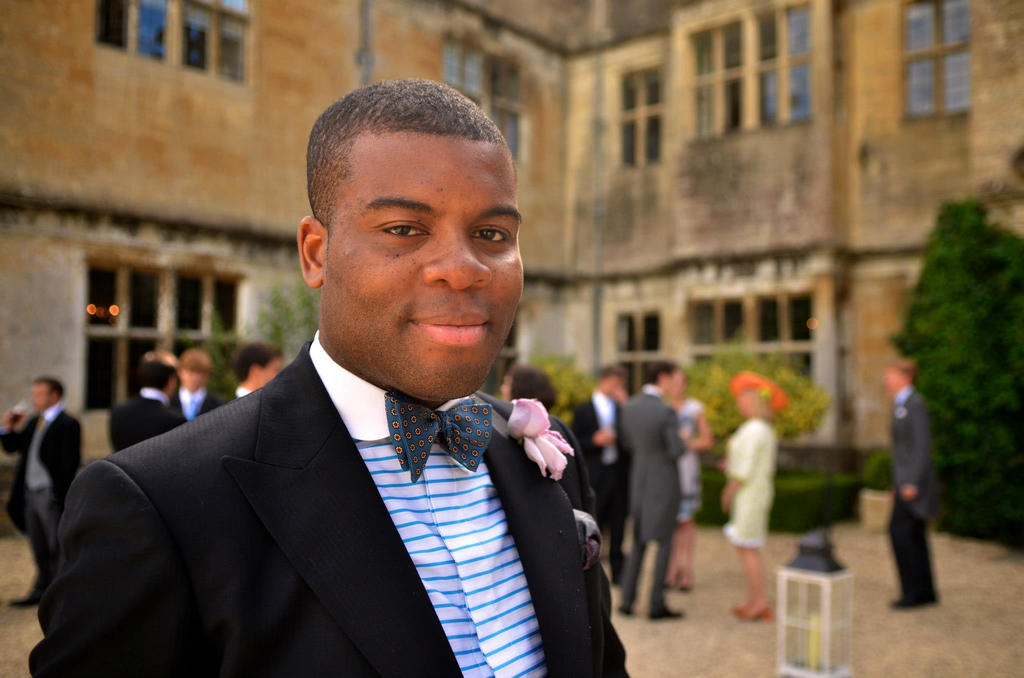
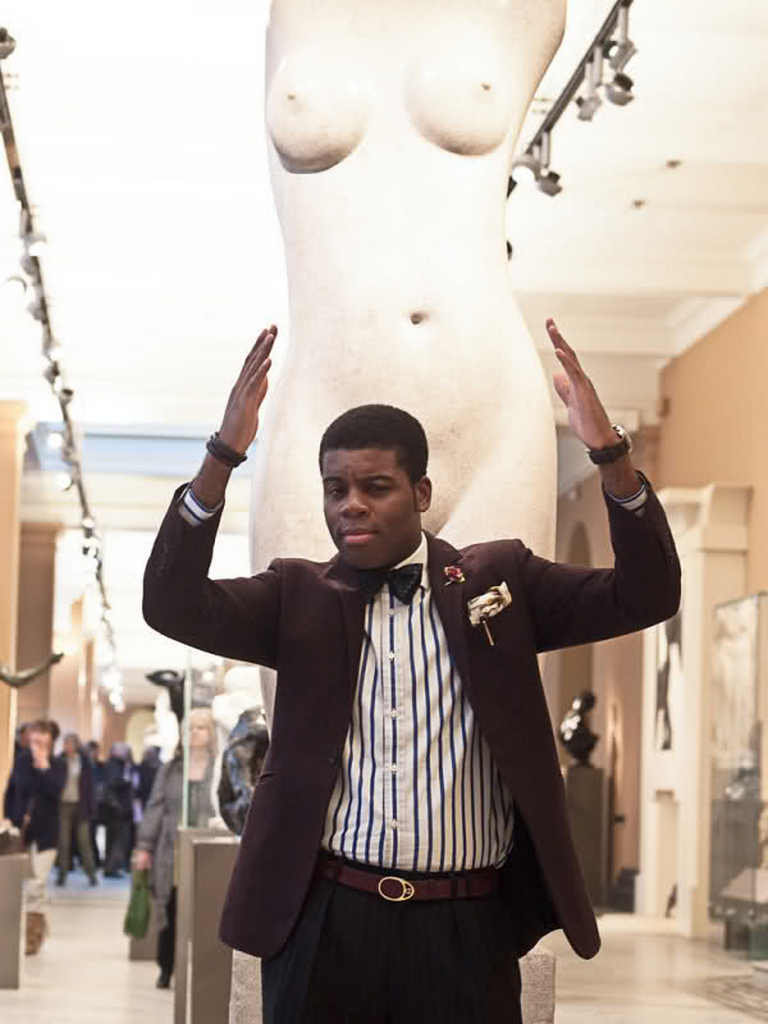
I started Mode Parade to have a consistent writing outlet; it’s as much a diary as it has ever been a column. Although I’ve formed some relationships through it, the site was never intended to be more than that. I just focused it on the subjects in which I felt most knowledgeable. I draw, both for pleasure and for study; at some point, I’d like to return to painting. I read, albeit not as often as I’d like; fiction, photography, architecture, design, diaries and biographies are my main topics. I’m taking an amateur interest in photography and cameras. I have a music collection that would take an age to categorise and organise exactly. I know a small amount about food and drink, or at least their consumption, but I particularly enjoy cocktails and am starting to learn cooking recipes in my off hours. I adore film and television. I’m a spectacle on a dancefloor. I like to visit the theatre and opera, whenever possible. And I adore redheads.
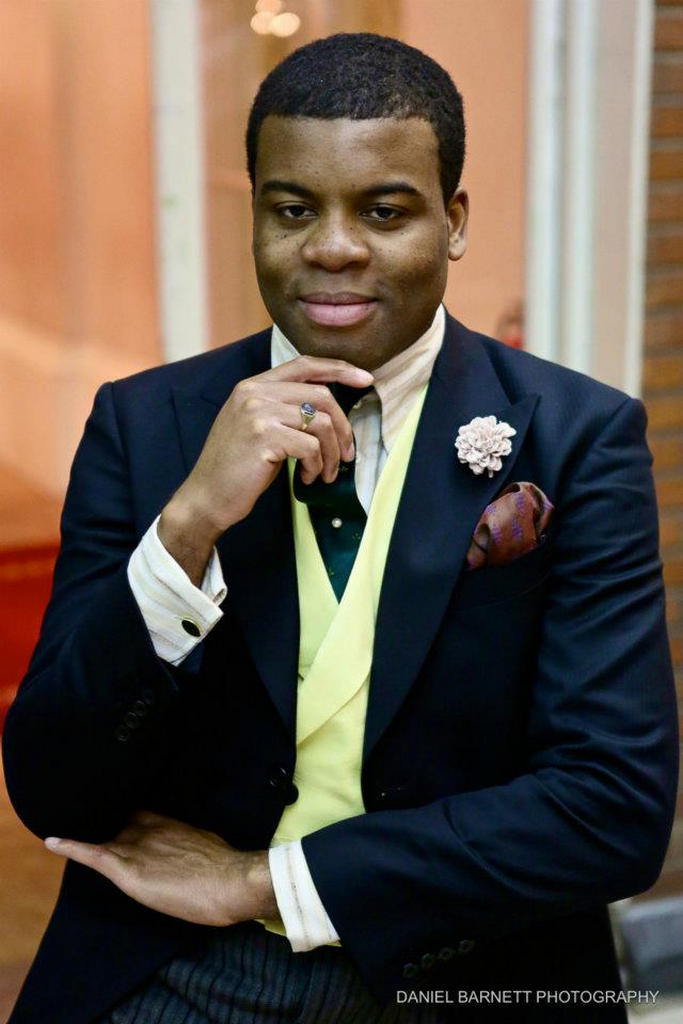
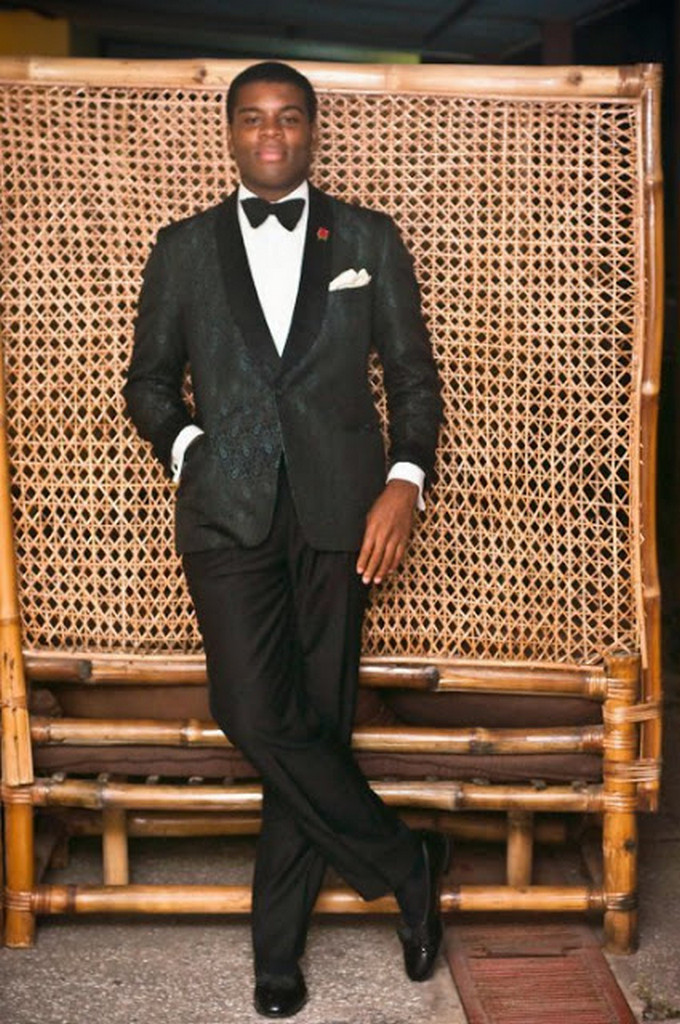
I doubt my effect [on your readers] would be as powerful as the legacy of, say, Sasha Grey on young men, but I advise developing aesthetic notions and then ruthlessly editing them – the old “Find out what works for you alone” advice, really. A full time commitment to tradition is already somewhat anomalous, not to mention ostensibly trendy, to the world at large in these grab-bag days, so don’t make it self-consciously fussy for its own sake and don’t fret over whether it’s more or less attractive to whatever gender or species one seeks to bed down with – it’s always possible to adapt to the occasion. Gimmickry will almost always be apparent to keen observers; worse, you’ll notice it, too. And don’t only look for gospel truths – that’s how tyrannies get started.’
Picture credits:
- Alex Wilson
- Alex Wilson
- London Ethnic
- Barima
- Barima
- Barima
- Alex Wilson
- Barima
- Barima
- Jamie Archer
- Daniel Barnett
- Barima
- Alex Wilson
- Rose Callahan
- Anthony Lycett
Category Bloggers, Interviews, Men of style, Styleforum
Boyerism
0April 24, 2013 by Ville Raivio
‘Never buy anything that can only be worn with one outfit; a tie that can only be worn with one certain suit or jacket is an expensive tie no matter what it costs.’
~ G. Bruce Boyer, in his interview with Keikari
Category Quotations
Military Creases
1April 23, 2013 by Ville Raivio
Military creases, or military press, are a set of razor-sharp creases ironed on the sleeves, back and body of a uniform shirt. Three of these should be pressed on the backside, beginning just below the shoulders and running down to the bottom of the hem. Two are set on the body and run down from the shoulders to the hem directly through the center of both breast pockets. One crease is pressed on each sleeve, running from the cuff to the shoulder seam. For added ironing excruciation, all creases should run razor straight and spaced evenly. Today, efficiency is key and most uniform shirts are made with sewn-in creases. Those seeking a more presentable look will iron the creases.
According to military enthusiast Joshua Curtis, military creases were born out of conveniency rather than an urge for decoration. Uniforms and shirts were best stored and transported in neat, tight folds, which lead to sharp creases on all folding points. Starch was heavily used to facilitate the packing of thousands of military apparel. What may make all of this interesting to Keikari’s reader is one Prince Charles.
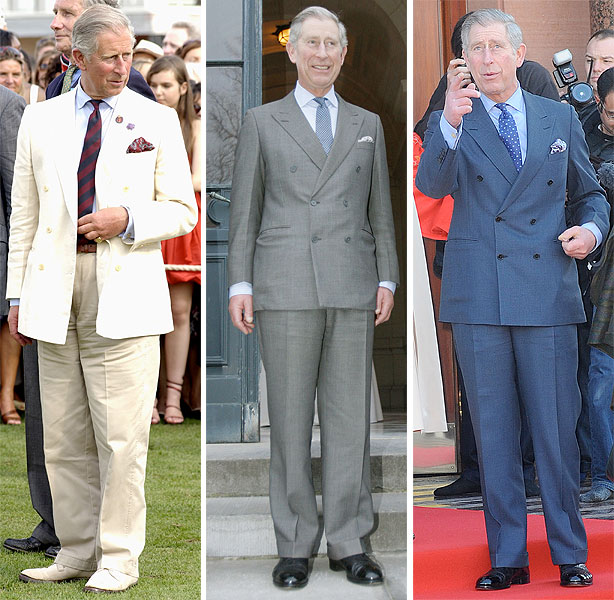
On occasion, he has sported creased sleeves on his suit and odd jackets, most likely an eccentric choice picked up during HRH’s time in the British navy. Uniform jackets can be pressed just as shirts for storage and transportation, though sleeves are usually ironed to their natural rounded state before wear. For the most part, Charles has followed suit. Pressed sleeves have at times been in the vogue during the first decades of the 20th century. The habit has since close to disappeared, save for the occasional retired military man or eccentric prince. Each to his own.
Category Eccentricities, Jackets, Suits
Interview with Rory Duffy
0April 23, 2013 by Ville Raivio
‘Thirty year years old, fifth generation, Savile Row-trained, award-winning master tailor. Trained for seven years by the finest artisans in the British Isles. Golden Shear Award winner and former apprentice of the founders of Savile row, Henry Poole & Co. Learned to sew from my mother aged 8, spent my childhood hand-sewing and knitting, growing up in the countryside. At school, when the other boys would go out and play ball, I would remain in the classrooms sewing with the girls. My mother was a keen seamstress, making her own shirts and dress in rural Ireland where clothing was expensive. Trained by her father, a third generation tailor, who was trained by his father.
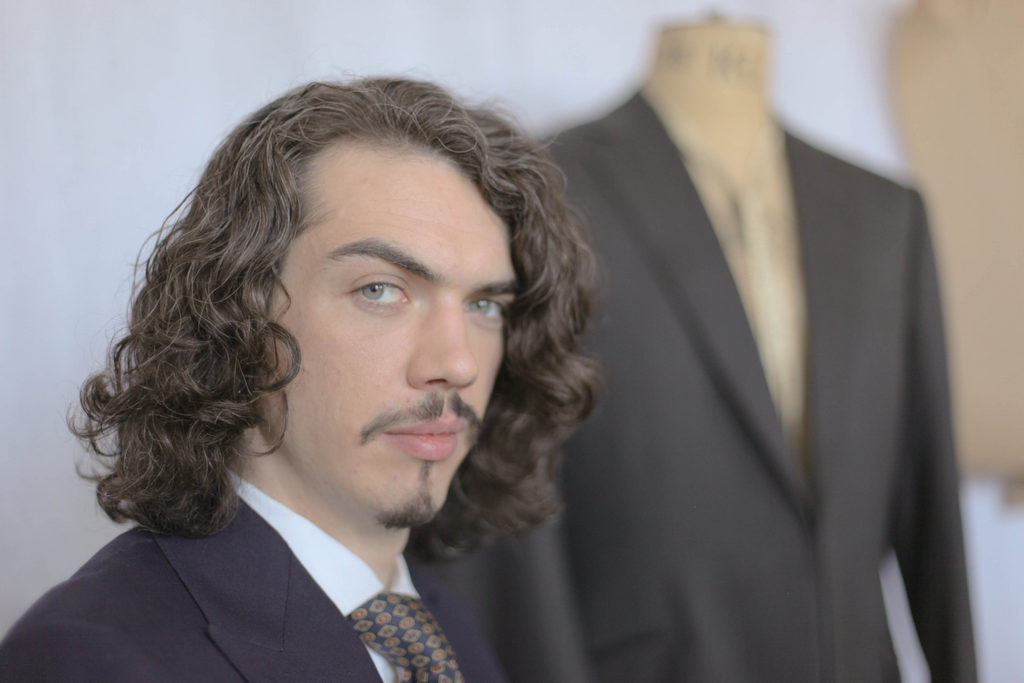
Always loved suits, wore my first suit to my holy communion, and have maintained the passion since. Opting at age 16 to wear a suit to the bars and clubs, rather than jeans like my peers. My father is a business executive, who wore a suit every day to work. I never liked the fit of his suits, even when I knew nothing.Began my apprenticeship aged 18 after leaving school. Soon realised that no one trained Master Tailors and that being in the trade meant specializing. Moved between companies, learning different aspects of the trade. My first master taught me pressing, production tailoring and military wear. The second taught me cutting from blocks and pattern drafting. My third master was specialized in trousers and waistcoat making, he also taught me cutting.
A diploma from the London College of Fashions Handcraft Tailoring course helped to consolidate my training before joining the ranks of Henry Poole as an apprentice coat maker under Paul Frearson. After completing my own apprenticeship, I was asked to train an apprentice of my own, elevating me to master of an apprentice at age 26. My apprentice went on to win the Golden Shear in 2013, four years after myself. My wife is a well-known fashion designer. I believe she enjoys the perks of having a tailor at home. Having me alter her clothing and slim down her skinny jeans. More rock chick than business professional. Mother is very proud that I am keeping her family tradition alive. She gifted me her father’s cutting book and tools when I finished my training. They still tell everyone they meet that I won the Golden Shears.
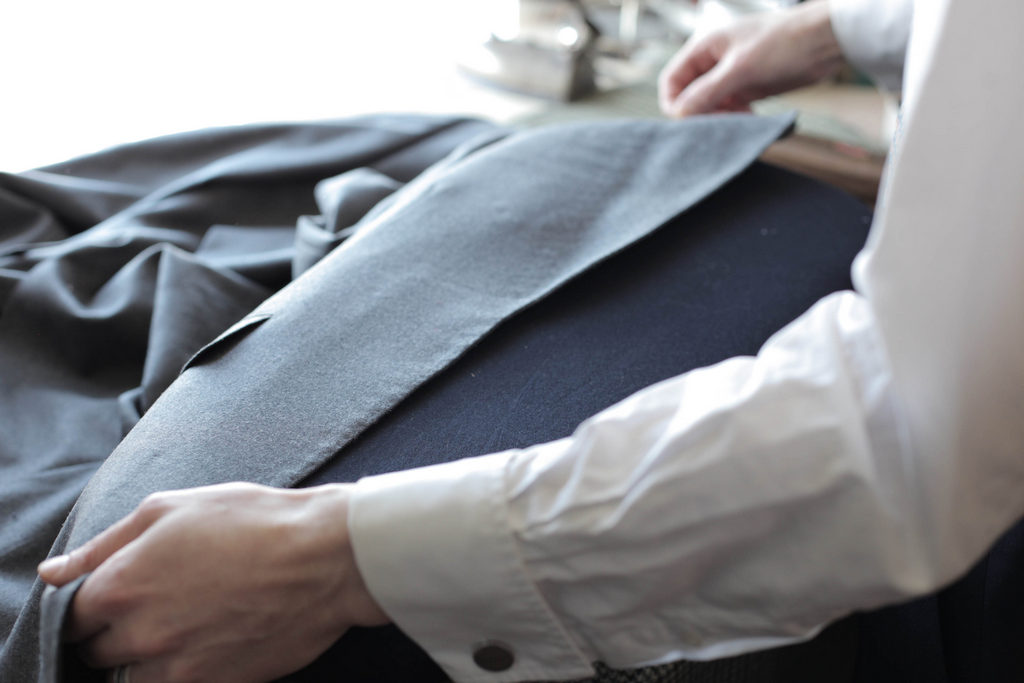
Although my style may appear classical, it really is contemporary. Influence is drawn from old world styles, but the cut and fit are considered modern. My brace top trousers are cut slim and close to the body, buttoning at the wearer’s navel. Classic styling leans towards a proportionate cut and fit complementing the wearer’s physique. Fashion focuses on the designer’s statement rather than the wearer’s body type. [My cut is] classic tailoring techniques with a contemporary style. I have a library of books, most from the Tailor & Cutter academy. My grandfather’s book, The Science of Pattern Construction for Garment Makers by B.W Poole, is my go-to book for draft and making. It’s the most comprehensive book in my collection, covering a wide variety of tailoring topics. I have learned a lot from tailoring from books, particularly regarding women’s wear, cutting and making.
I am a snob, I don’t wear other people’s clothing. No jeans or t-shirts in my wardrobe, only bespoke suits made by me. I wear my own clothes very day, brace top trousers are my sweat pants. For shirts I go to TM Lewin’s Jermyn st London. It has always been my intention to start my own business. Since I began my training, I felt that in order to be complete control one must learn all aspects of the trade. My wife moved to New York so I moved with her, and so I founded my business in NY. The goal of my company is to make modern suits in a traditional fashion that complements the wearer’s physique.
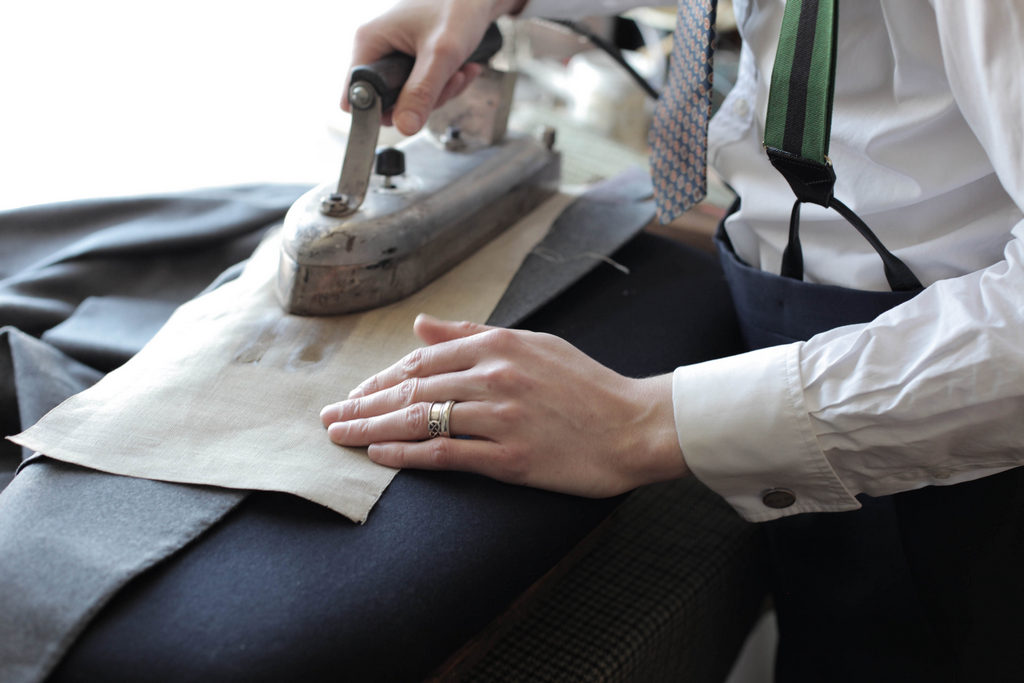
My suits are cut with emphasis on the chest and waist. Chest drape is built into the coat, complemented with a low, nipped waist to accentuate the figure. Trousers are high-waisted to elongate the leg and give height to the figure. The leg is cut slim with a slight break at the shoe. I look to the history of men’s fashion for inspiration, styling boards and cutting books give a great insight into men’s clothing from the 20th century. I also frequent vintage stores to look at old suits and note their details, like how they fastened the fly before zips were popularised.
Tailoring is my hobby and my past-time, I use my blog as an outlet to educate the masses. Fit is one thing that seems to escape most people in and outside of the trade. There is a misconception that in order for a suit to fit, it must look as though it was sprayed on. Close-fitting and a good fit aren’t the same thing. Balance is also another key factor when it comes to having a well-fitting suit. The correct length through the front and back allows the coat to hang correctly.
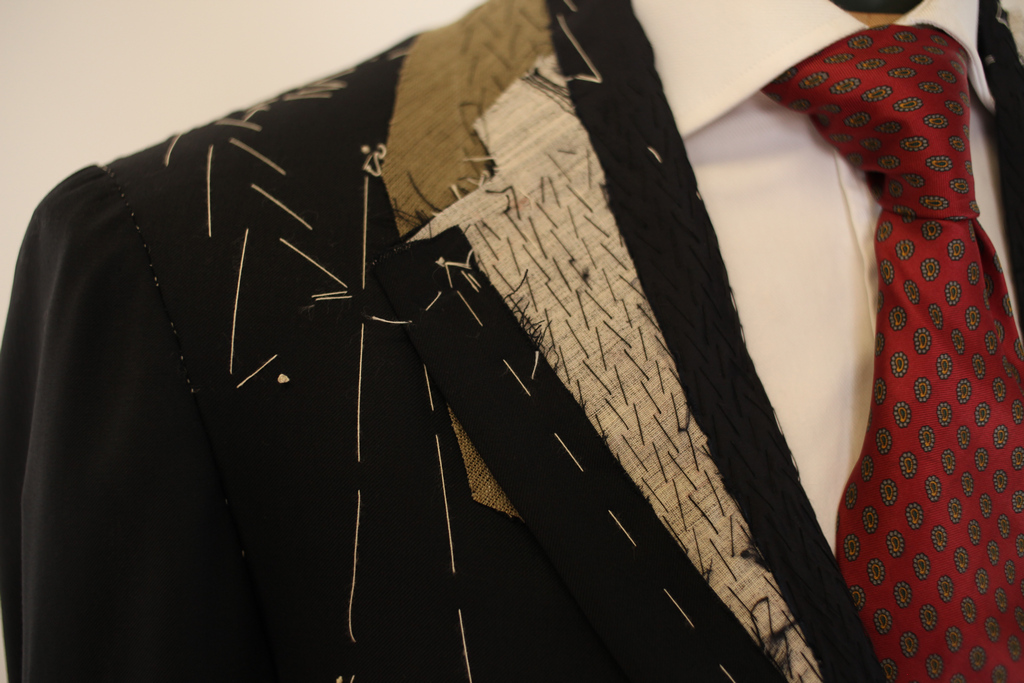
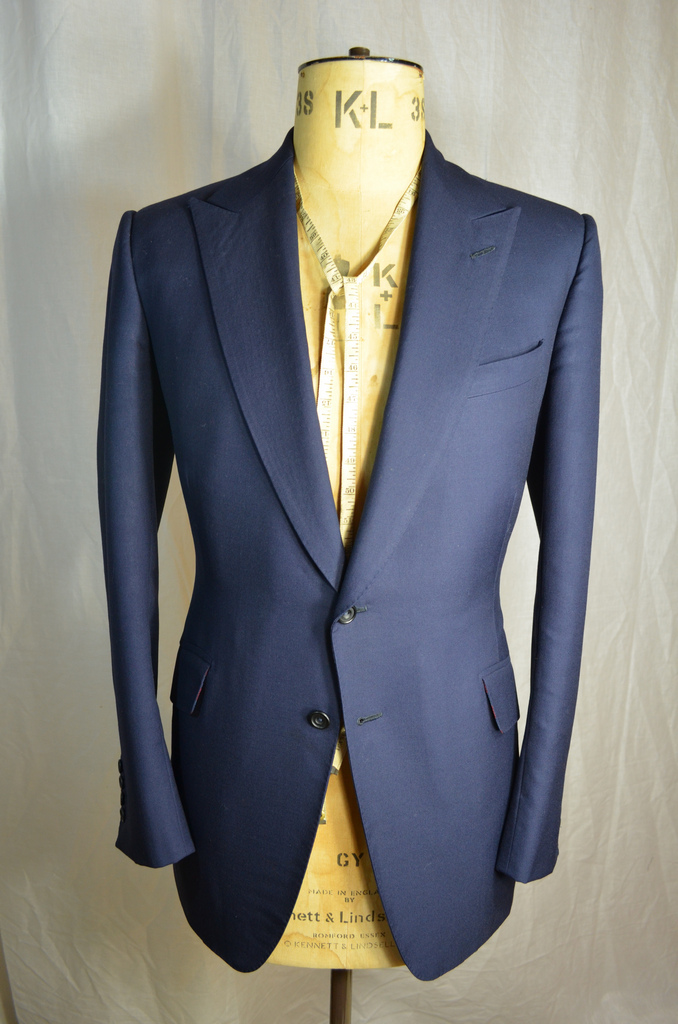
My pet hate with RTW is the drag at the front button, it’s unsightly and a result of either excess on the front balance, or the coat being cut too straight. My coats are cut “crooked” to close, giving enough length through the front to allow the button to close unhindered. Bespoke clothing are considered a luxury, but they really are an investment, a prosperous appearance is an asset that all would benefit from. Besides running my own business and training two young apprentices, I also teach at the prestigious fashion college Parsons the New School, as a lecturer on the Bachelor of Fine Arts menswear. [My hobbies are] teaching pattern cutting, men’s tailoring and how to fit.’
Pictures: © Rory Duffy
Category Interviews, Notorious, Savile Row, Tailors
Woolf in Quote
0April 23, 2013 by Ville Raivio
‘Without a single noble, important, or valuable action to [Beau Brummel’s] credit, he cuts a figure; he stands for a symbol; his ghost walks among us still.’
~ Virginia Woolf
Category Quotations
Copyright © 2013 Ville Raivio