Interview with Russell Howarth
1April 22, 2013 by Ville Raivio
‘Russell Howarth, 44, Head Cutter at Graham Browne Bespoke Tailors with 8 Years City and Guilds apprenticeship. When I was a teenager I was a mod and that interest in sharp suits made me want to make suits. I got a job at a East End CMT workroom. For the first three years I did nothing but tailoring, spending my evenings remaking patterns and trying out different ways of making sleeves. My knowledge has come from as many areas as possible, from the people I’ve worked with, from books and experience trying out things for myself. If something works, then I used it, if not, then you know not to do it again.
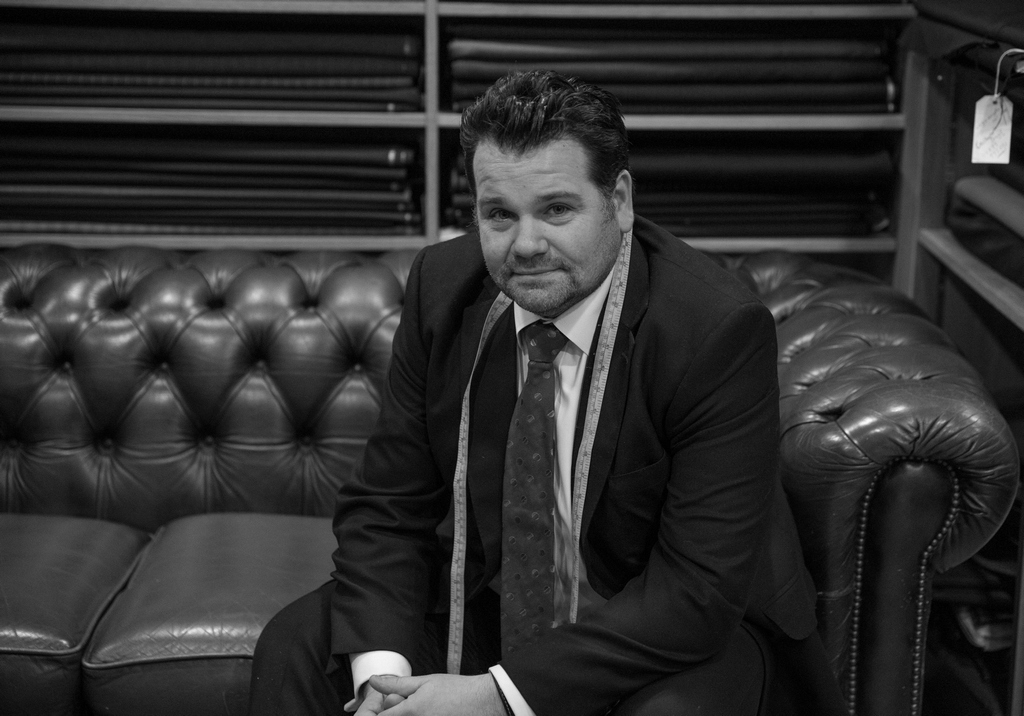
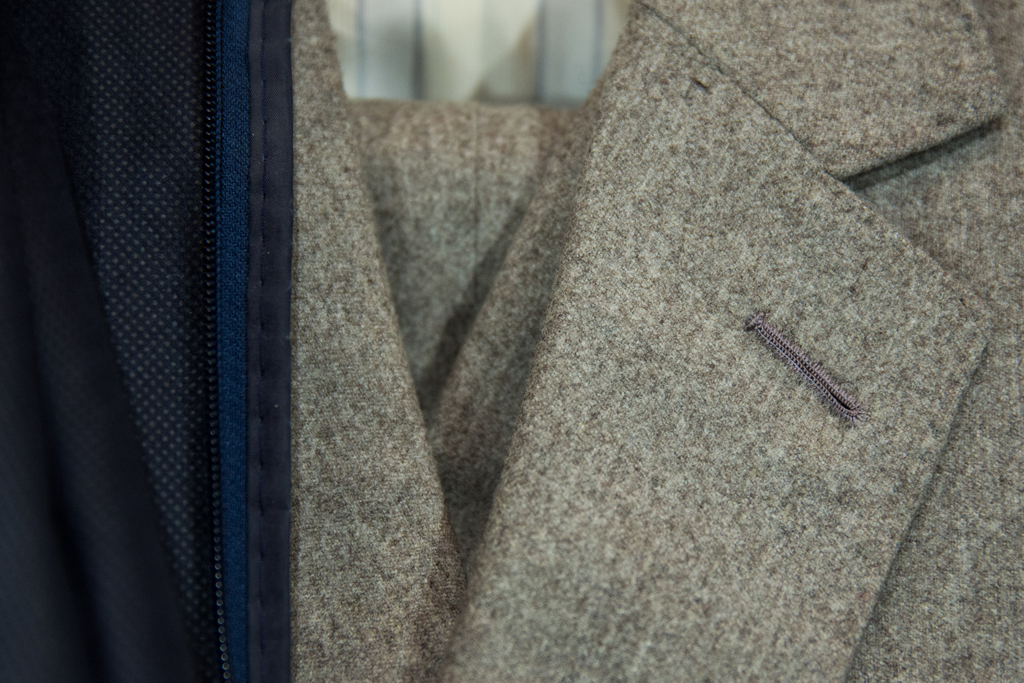
I dress in a classic English style, traditional suitings and strong English structuring. Our house cut is military-influenced due to past experience as a military tailor. A waisted suit with a semi-roped shoulder. However, we have a very flexible approach to house style and take into account what the customer wants. Recently there has been a lot of demand for Neapolitan style soft tailoring, so we have been making a lot of softer, lighter suits and jackets.
The shop, Graham Browne, is fourty-years-old, mostly producing suits for city workers. I bought the business 5 years ago and have continued to produce suits that fit well for city workers. In the last few years we have also started to expand our repertoire to Neapolitan jackets and more unusual work. We have undertaken everything from capes to Norfolk jackets to uniforms. I used to play lacrosse when I was younger and play golf now.
It’s best to invest in classic pieces that are well made. A good piece of tailoring will last many years, so choose something you will want to wear for many years. Don’t get wrapped up in buying brands. Know what is well made and what fits you. This will last longer and look better than a suit that is from a brand, but is not well made. It’s good to get informed about quality.’
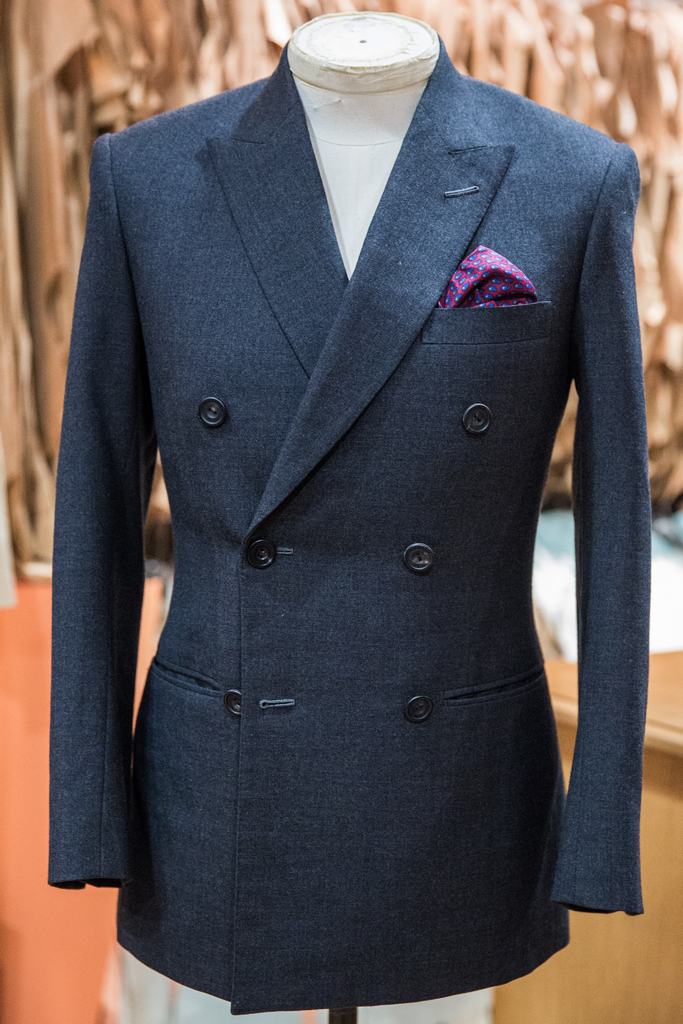
Pictures: © Russell Howarth
Category Interviews, Tailors
Kangaroo Leather Characteristics
0April 21, 2013 by Ville Raivio
Kangaroo leather is, if not the hardiest, among the most hard-wearing leathers available. Unlike cow and calf leather, the most commonly used materials in shoemaking, kangaroo hides do not contain sweat glands or erector muscles, and its fat content is slim to none. Kangaroo hides also feature a highly uniform shape throughout, from the surface to the flesh, while these fibres in cattle hides run as a complex pattern to all directions. These characteristics lead to kangaroo leather’s great tensile strength and fine retention, even when split. The leather is also lightweight, with a smooth surface, much like calf.

Kangaroo leather is usually 1 cm to 1.2 cm thick. When split to 20% of original thickness, the hide holds between 30 to 60% of the tensile strength of the unsplit hide. Calf, the go-to leather of fine shoemakers, split to 20% of original thickness holds only 1-4% of its original strength. Kangaroo leather is lighter and stronger than the hide of a cow or goat, with ten times the tensile strength of cowhide and is 50% stronger than goatskin. A full kangaroo hide costs around 70 Australian dollars to individual clients, with leather merchants trading in lower prices.
Kangaroo leather is used in motorbike leathers, car upholstery, military boots, football boots, fashion accessories as well as whips. For some sad reason most shoemakers have abandoned this fine leather. In the first decades of the 20th century, great American shoe factories crafted exquisite footwear with kangaroo as a choice among others. While most calf leather shoes from this period, still intact after close to a hundred years, are cracked, dried up or otherwise in poor condition, I have seen kangaroo pairs hold up astoundingly well. The pairs do have obvious wear, but their surface looks much cleaner, with far less creasing than their calf brethren. The pairs have convinced me to give the material a go on my future shoe orders. There is no comparison to kangaroo leather.
Further reading:
http://www.vintageshoesaddict.com/mens_shoes/exotic_leather_shoes.htm
http://www.packerleather.com/kangaroo-leather.html
Picture: © Vintage Shoes Addict
Category Materials
The Ivy League Look
0April 21, 2013 by Ville Raivio
The Ivy League Look is a minimalist blog dedicated to presenting a historical view through articles, photographs, reminiscences, and advertisements, of an American style of men’s fashion of the mid-20th century known as “The Ivy League Look” or “The Ivy Look.” This site does not present modern-day iterations of this “look”; it is shown in its original context as an American style worn during this specific era. Most of the site’s content is made up of old print ads, showcasing apparel from various American makers of Ivy repute, with most space given to Brooks Brothers. Several scanned magazine articles present the reader with a rare glimpse of the golden Ivy years.
http://theivyleaguelook.blogspot.com
Category American style, Links
Interview with Masaru Okuyama
1April 21, 2013 by Ville Raivio
‘I’m 36 and a shoe maker, graduated from Nihon (Japan) University college of art. I have a wife and 2 children. My wife is the best supporter and sympathizer of my shoemaking. [My parents] were very surprised and, in fact worried, when I said that I want to quit my job and start shoemaking, when I was 29. Now all of them are good supporters. The first pair that I found the magic of shoes from was the Edward Green “Chelsea.” I was actually still very young, maybe around 24. I felt like I became very mature and it made me confident of myself when I was wearing that pair. That pair made me discover that shoes can change peoples’ minds, not only their appearance.
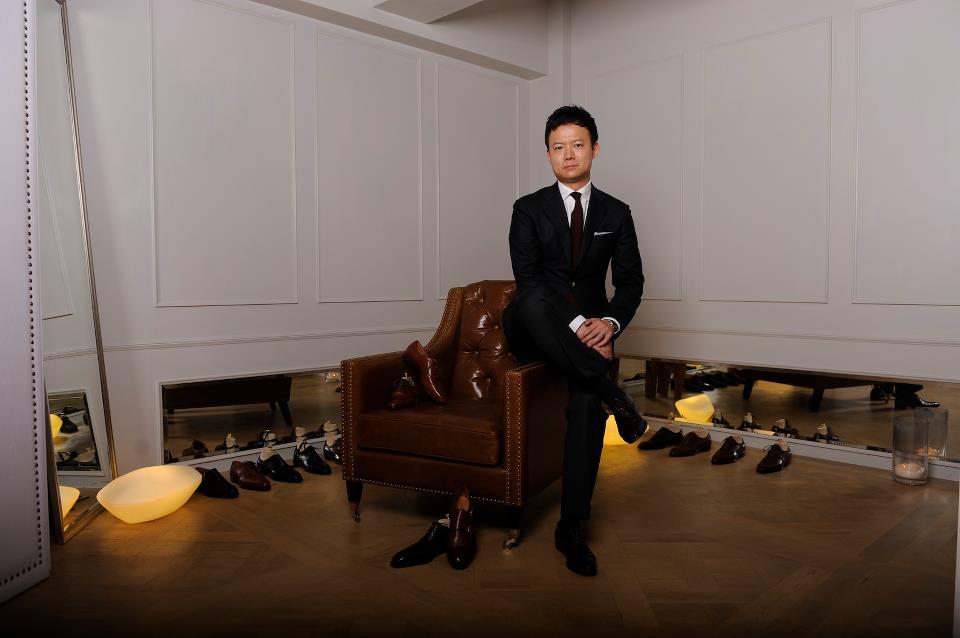
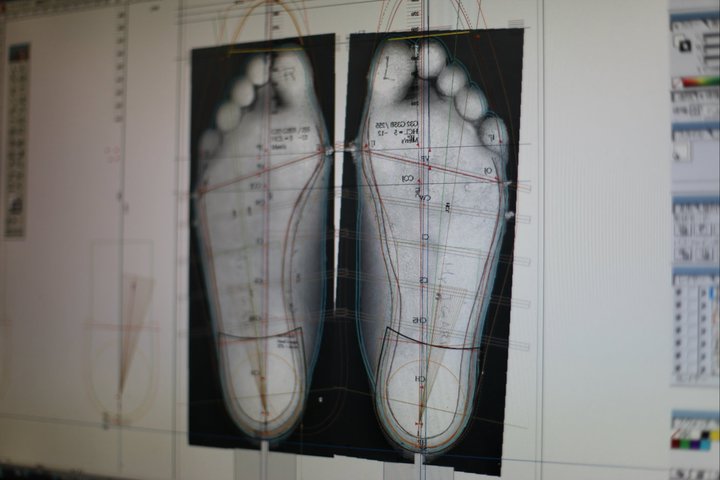
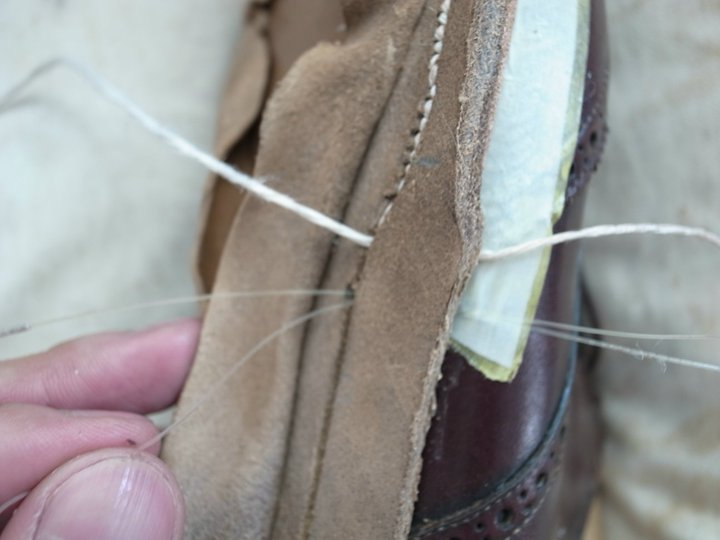
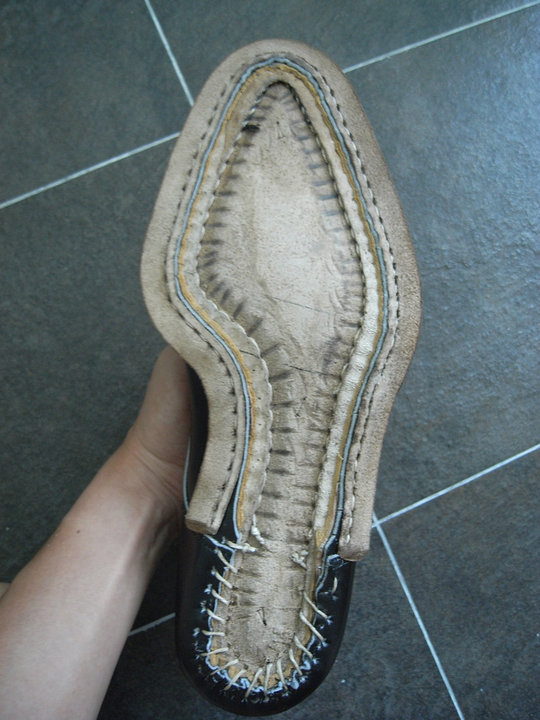
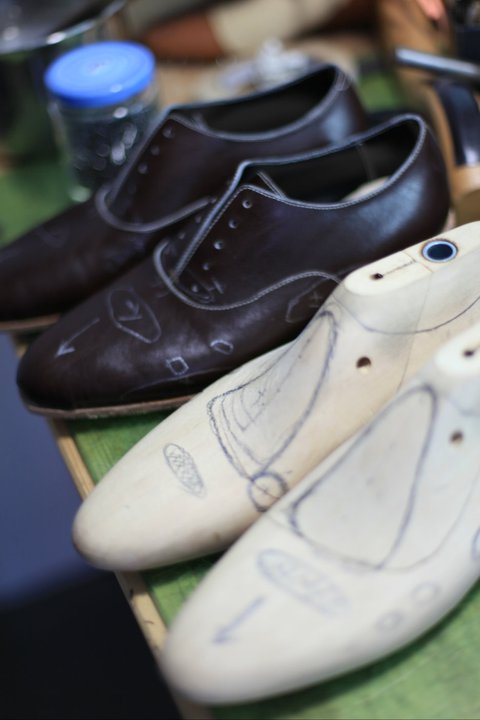
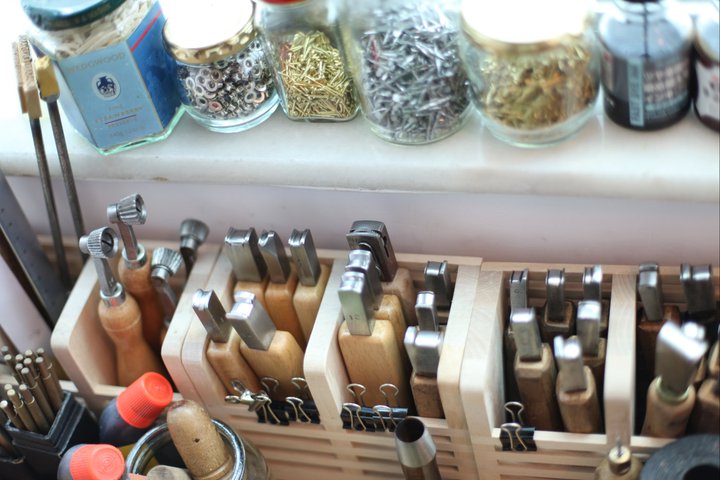
First, I learned shoemaking in a school in Japan, after that I made shoes for my friends, relatives, friends of my family…etc. Same as my shoes making, I like elegance in simplicity. One of my favorite styles from my collection is the One piece wholecut. I like the style with strong simplicity. I think the biggest difference between Goodyear-welted shoes and hand-sewn welted shoes is in the insoles. Goodyear-welted shoes need coarse cloth on the insole, this makes the whole shoes very hard, but hand-sewn welted shoes can keep the leather’s original flexibility.
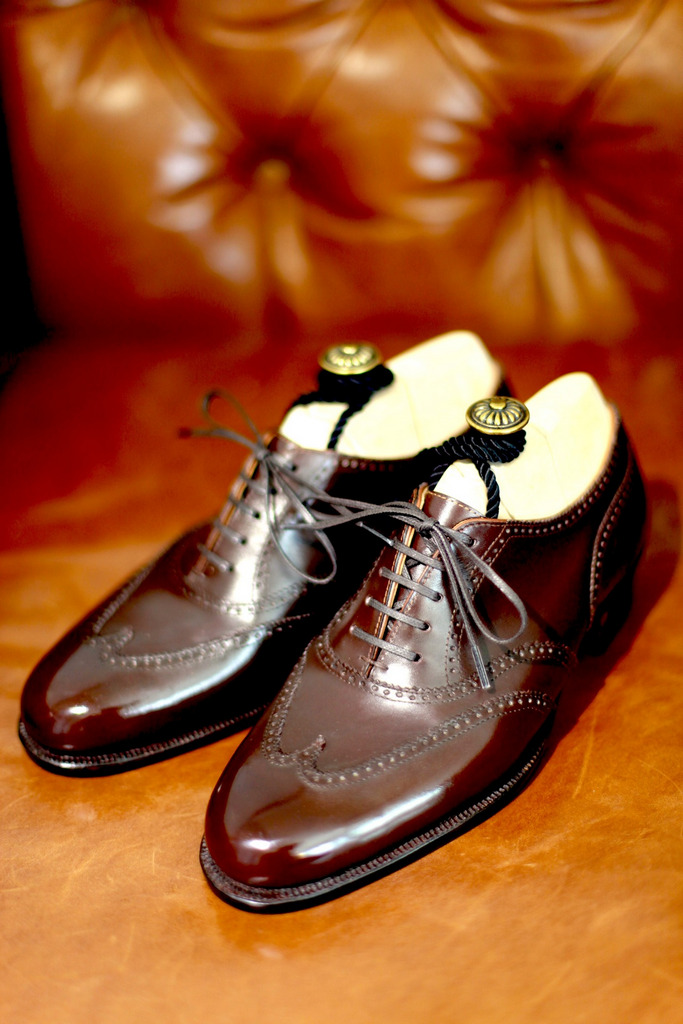
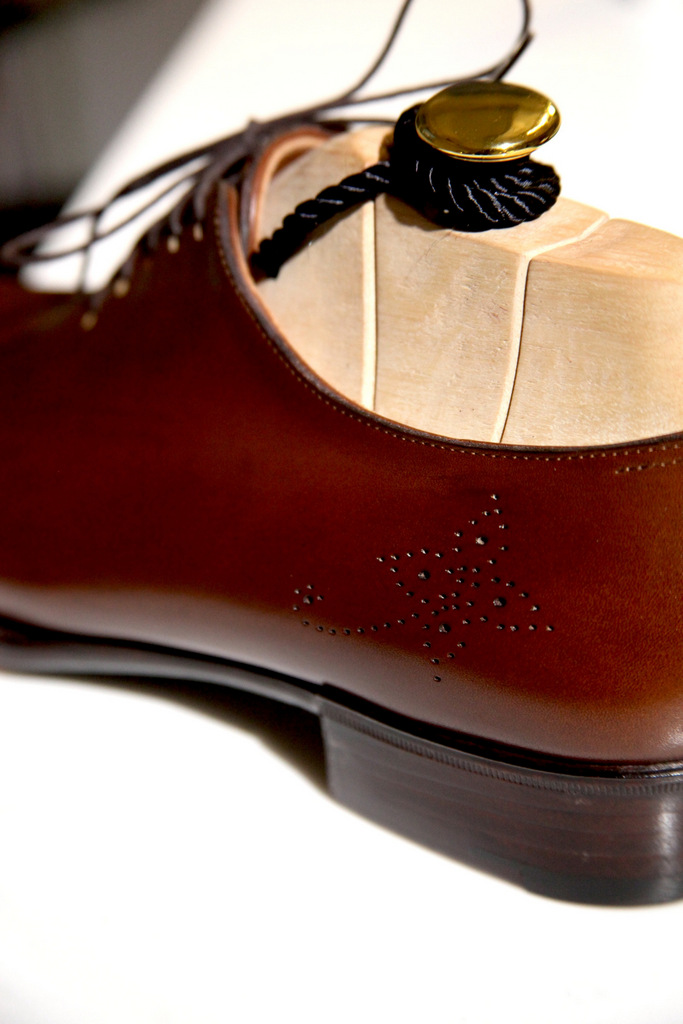
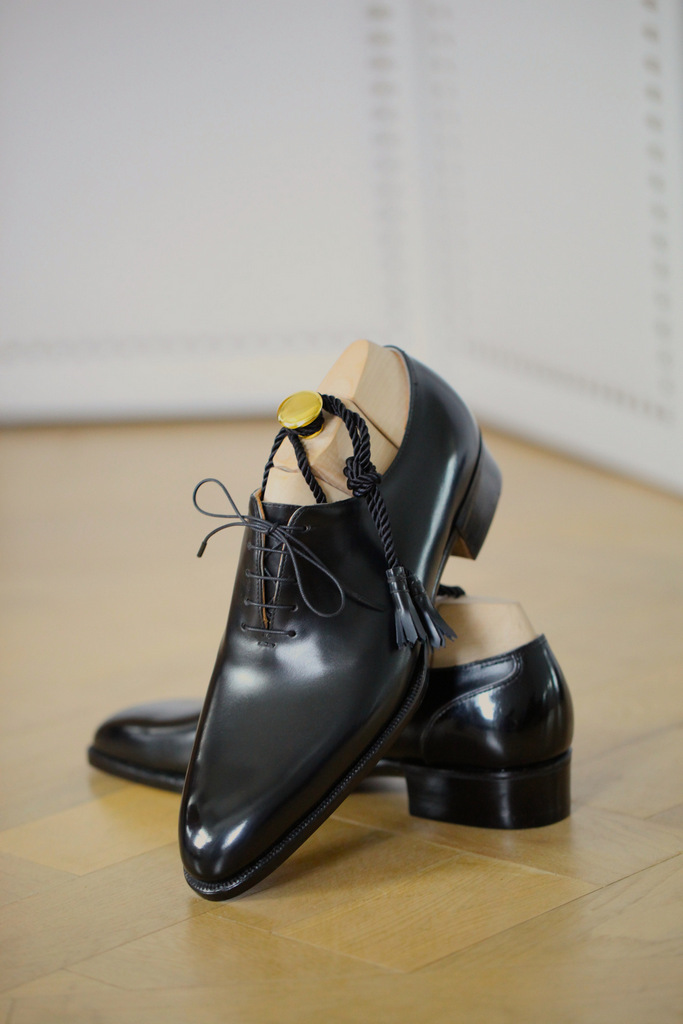
Bespoke shoemaking is very personal. It’s not only buying something and going.
I need to meet the client at least 3 times for delivering one pair of shoes, so it’s like doing some project together. So you should find a cordwainer you feel comfortable to work with. But more than that I believe it is the 縁 (en), which means fate in Japanese. [My style] is subtle elegance. Now all my passion besides shoemaking goes to my 2 kids.
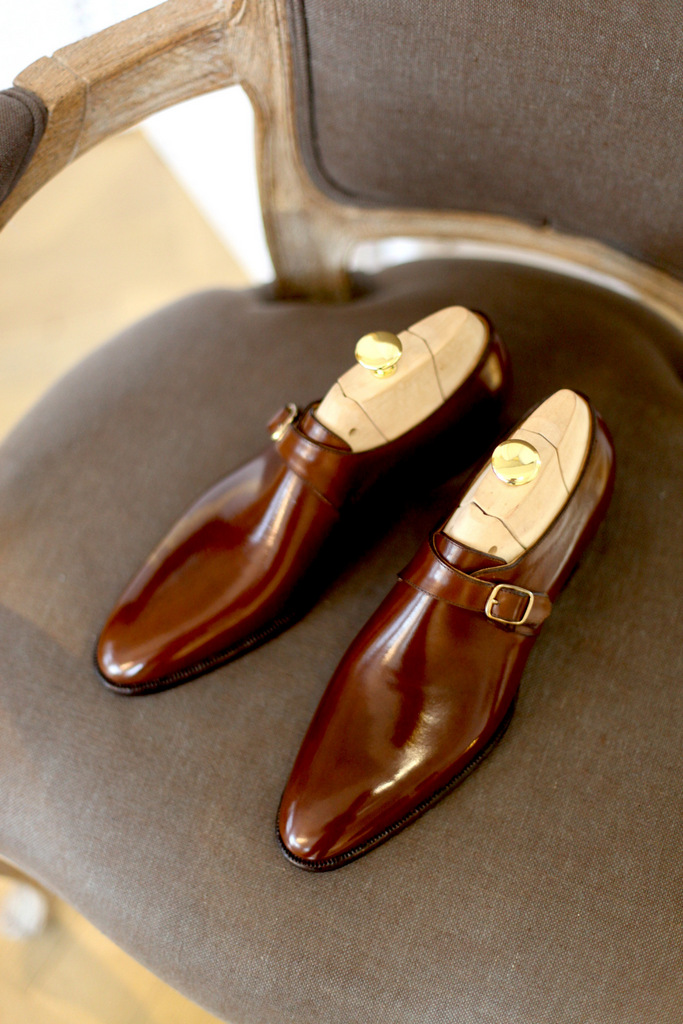
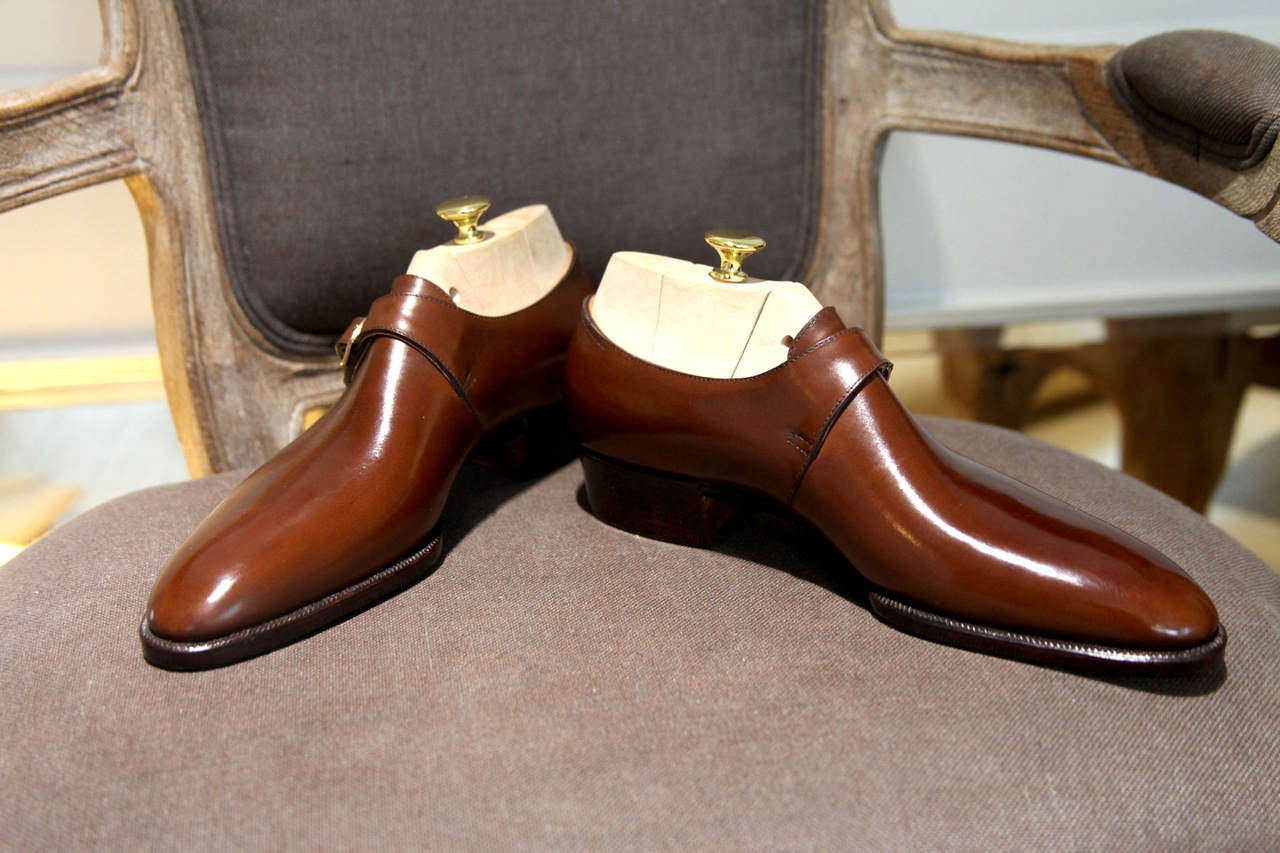

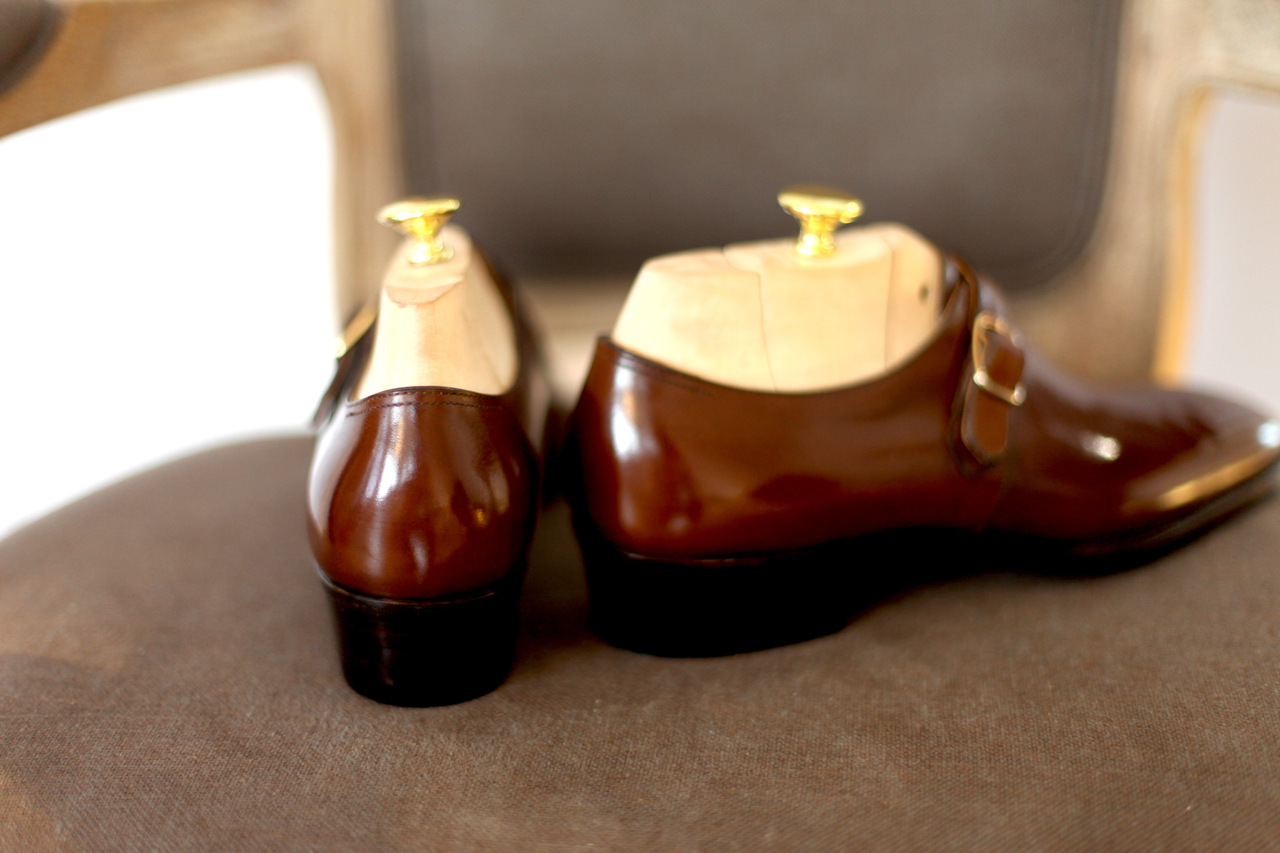
First of all, buy as expensive shoes as you can afford, which are from decent shoemakers, not from mega fashion brands, and give that pair the best care you can. It will tell you what you should do next with shoes, and also with your life.’
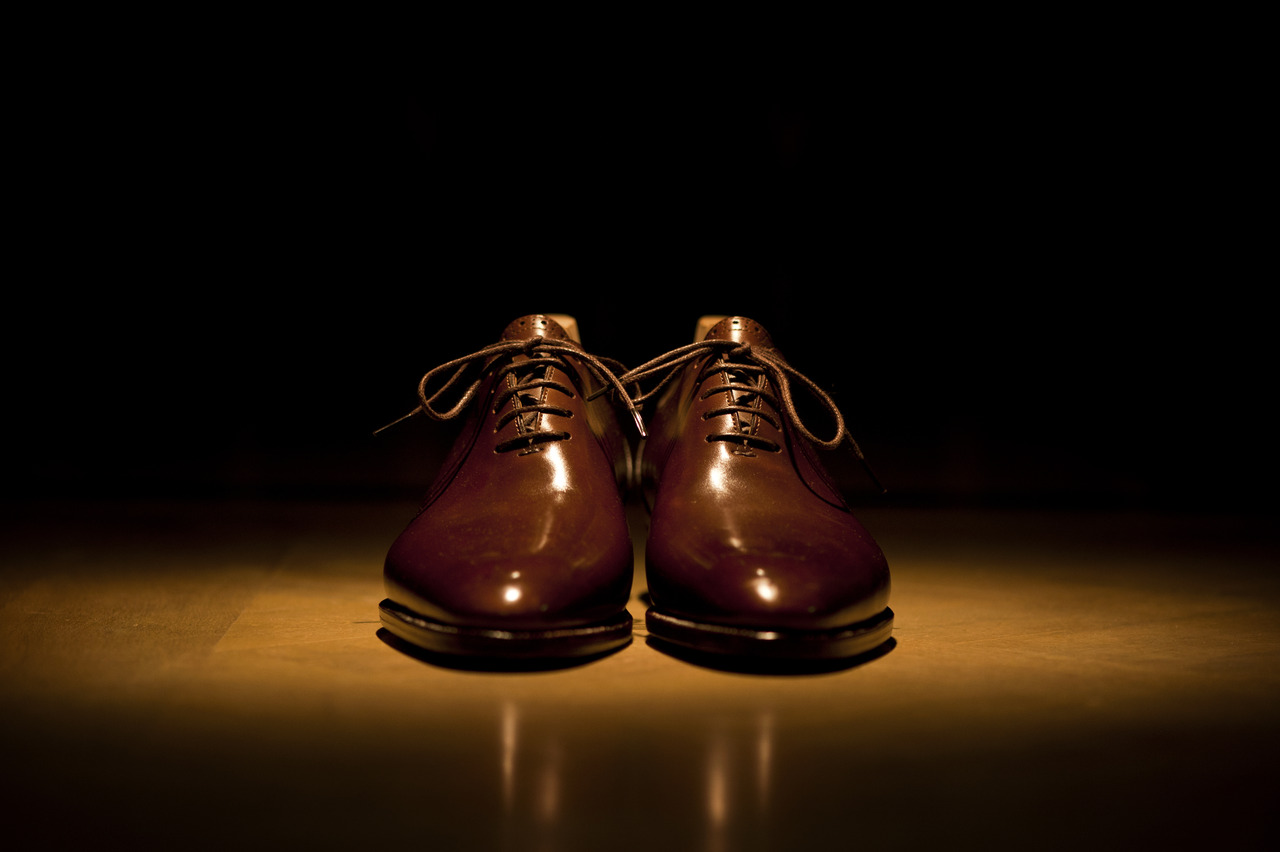
Pictures: © Masaru Okuyama
Category Cordwainers, Interviews
Charles Dickens
0April 21, 2013 by Ville Raivio
‘Probably every new and eagerly expected garment ever put on since clothes came in falls a trifle short of the wearer’s expectations.’
~ Pip, penned by Charles Dickens, Great Expectations (1861)
Category Aphorisms
Copyright © 2013 Ville Raivio