Interview with Wale Oyejide
4April 26, 2013 by Ville Raivio
‘I am 32. I am currently working as designer and creative director for Ikiré Jones, but prior to this, I was a practicing attorney/lawyer. I have a Bachelor’s/University Degree in Computer Science, and a Juris Doctorate (Doctor in Law). At only 5 months, my daughter is too young to understand how crazy her father is. As she gets older, she’ll probably assume everyone’s dad is like me. I’m not sure if this is a good or a bad thing. I’m lucky to have a wife that is very supportive of my interest in clothing. My family isn’t as enthusiastic about menswear as I am, but they have gradually come to accept that this is a passion of mine. In the beginning, they definitely thought it was a bit strange, because it seemingly came from nowhere. Growing up, I really didn’t have an interest in menswear.
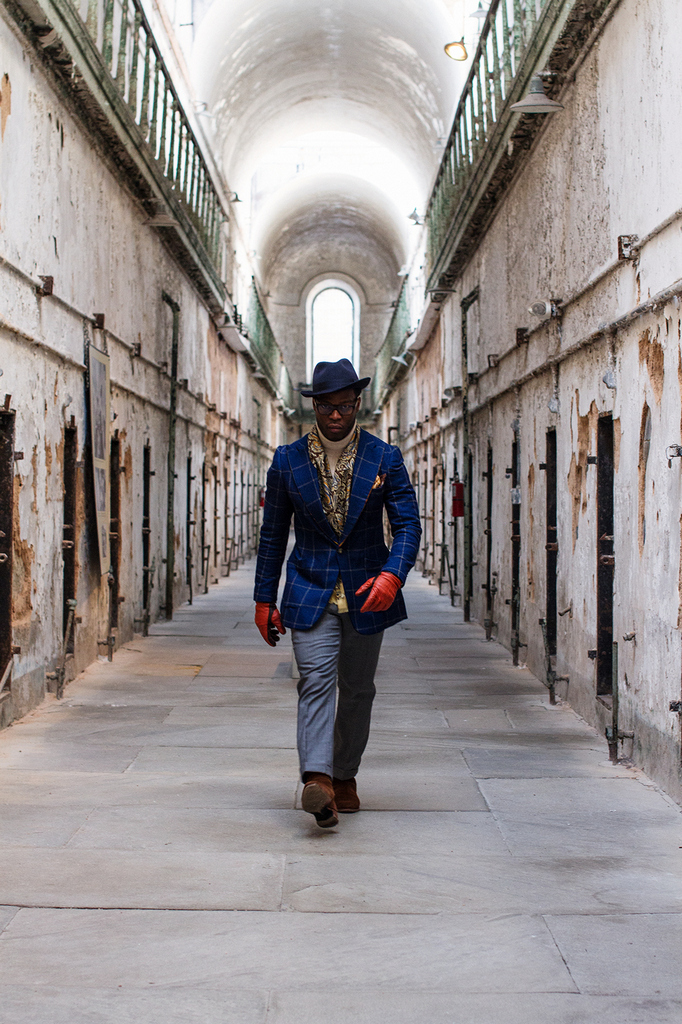
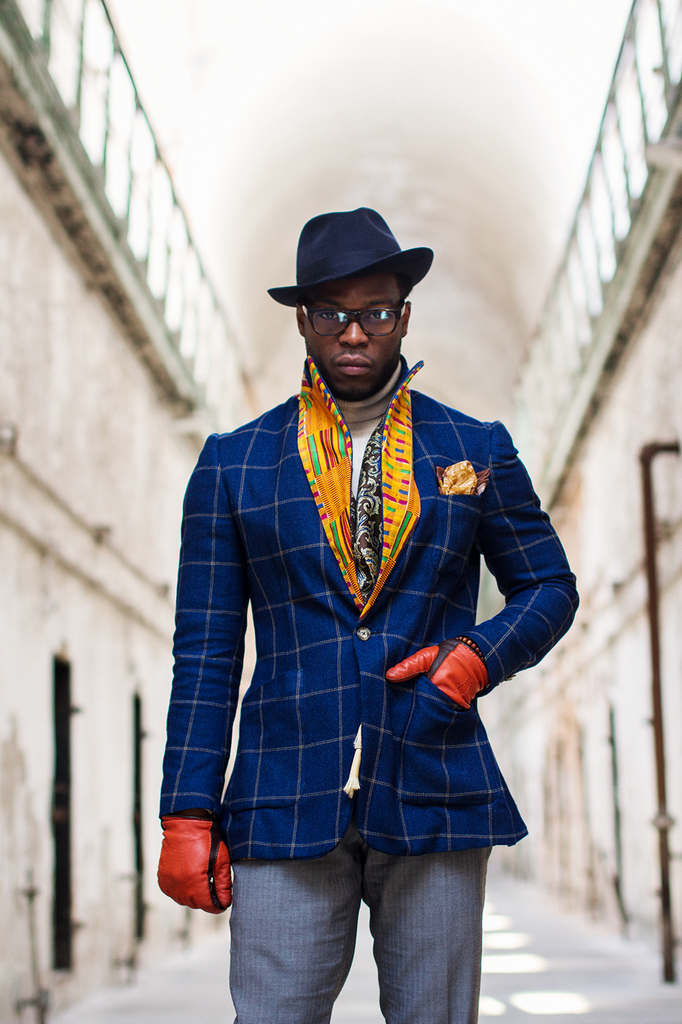
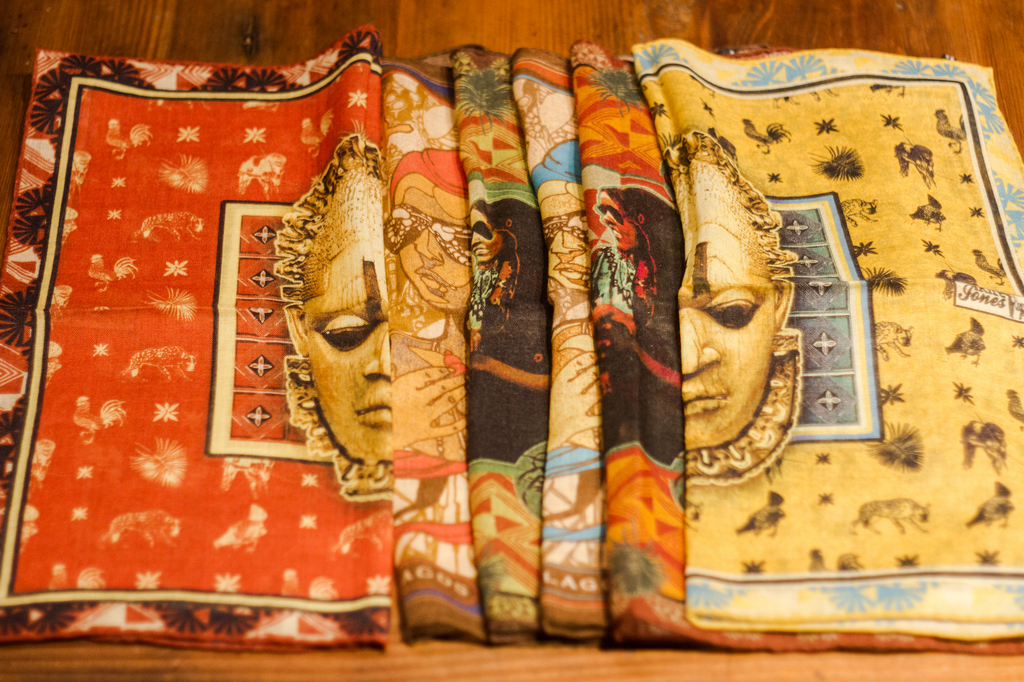
All pictures feature apparel from Ikiré Jones
I would say my strong interest in clothing arose in my mid 20s after I had completed university. The interest simply arose out of a desire to feel better about myself, and, of course, to look more attractive to women (specifically my girlfriend at the time). I gravitated toward a more elegant look. I wouldn’t say that I was drawn specifically to classics, but there is certain coolness and mystique that comes from an image of a man in a well-cut suit. Most men can relate to it, and at some point, most men have wanted to look that cool. I was no different. I just became more enthralled than many of my peers did. I’m not opposed to the idea of fashion at all. But as I’ve gotten a little older, I have settled into a certain idea of myself, and how I would like to be perceived. That image I have of myself tends to differ from the “here today, gone tomorrow” trends that one sees on the covers of many fashion magazines.
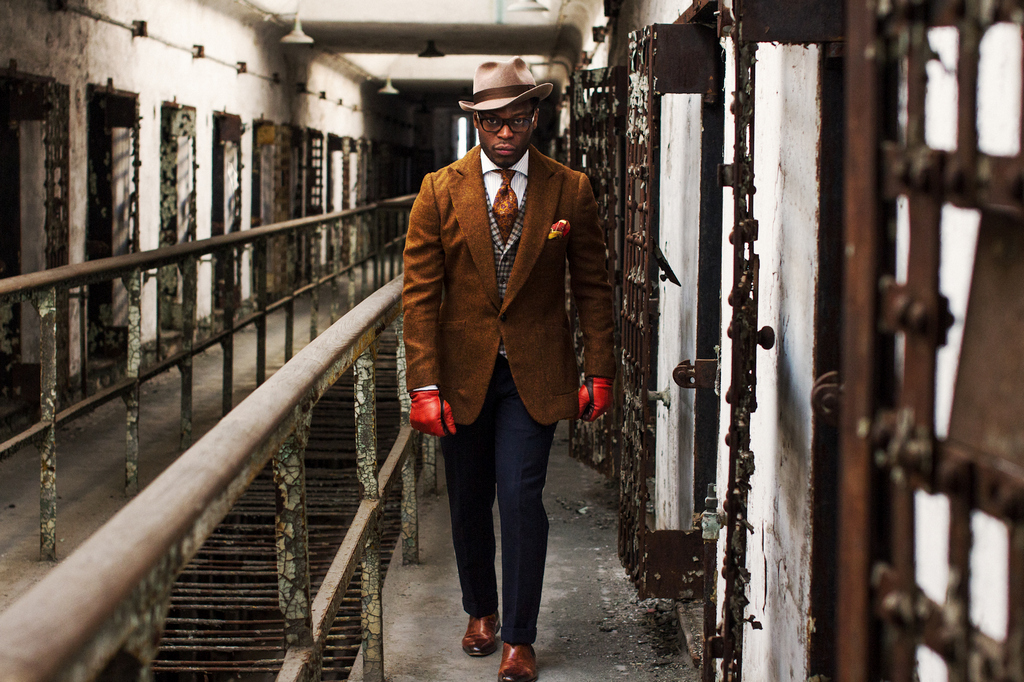
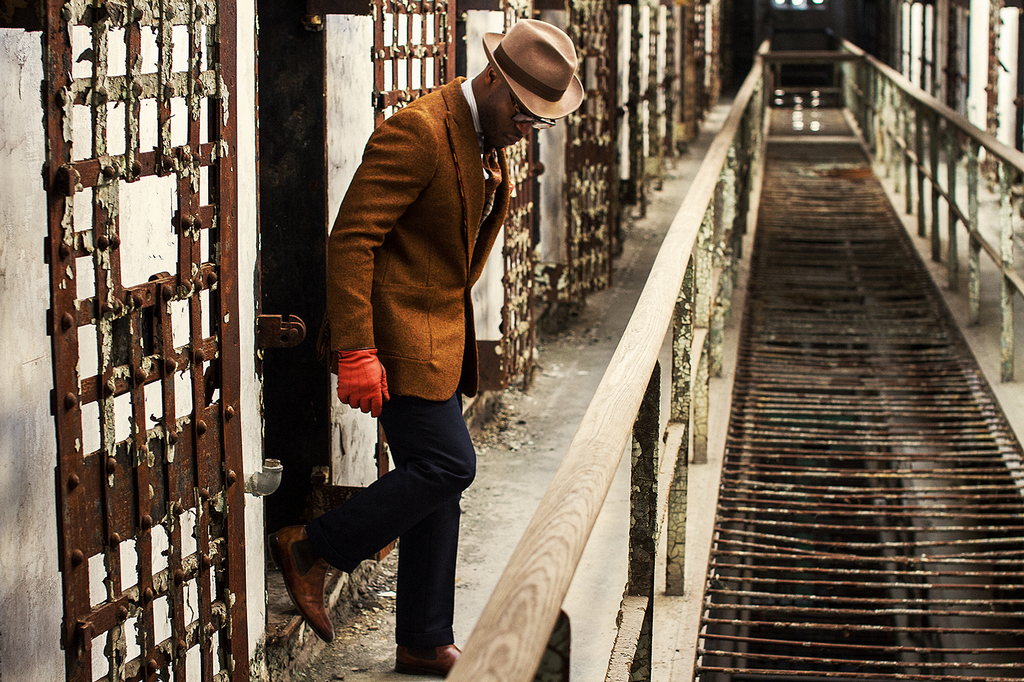
Most of my knowledge has come from the internet, and sites like Styleforum or Keikari. With the surge of the internet, the past decade has allowed menswear enthusiasts to spread their knowledge and clothing addiction very quickly. If one is interested, he can live on any corner of the world and learn about classic menswear from people an ocean away. I would describe the way I dress as bold, but not over the top. I’m not one of those people who revels in being a peacock or looking like a circus character. That said, I do enjoy a bit of flash. What’s the point of dressing if you don’t keep yourself interested and bring a smile to strangers’ faces? Back when I purchased ready to wear, I was a big fan of Phineas Cole (an offshoot of “Paul Stuart”). As far as tailors, I have previously used Lee Baron in Hong Kong.
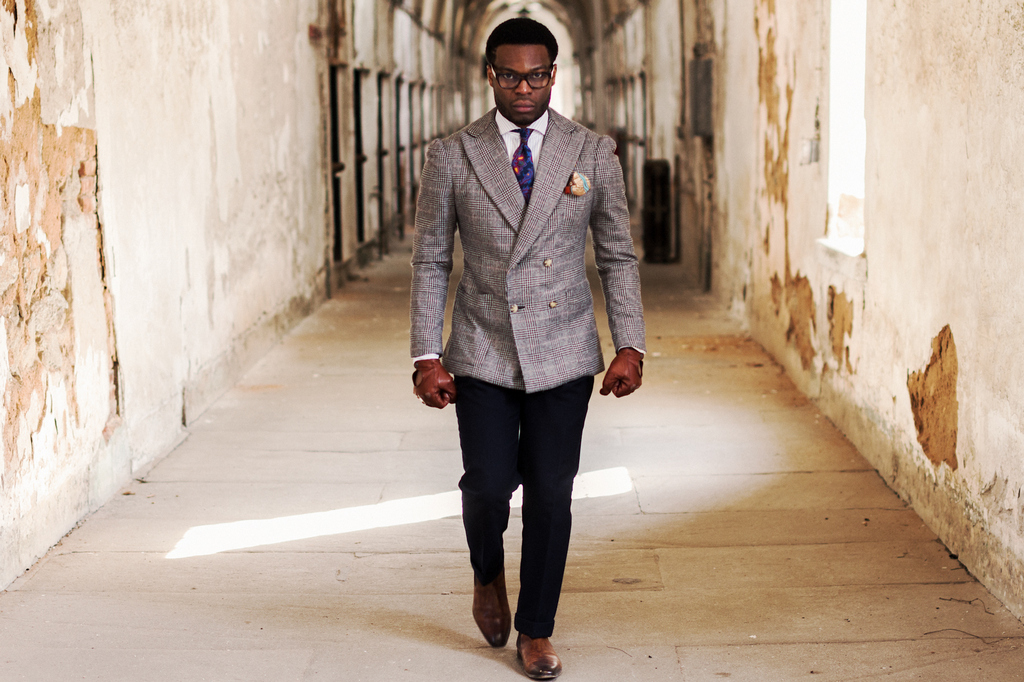
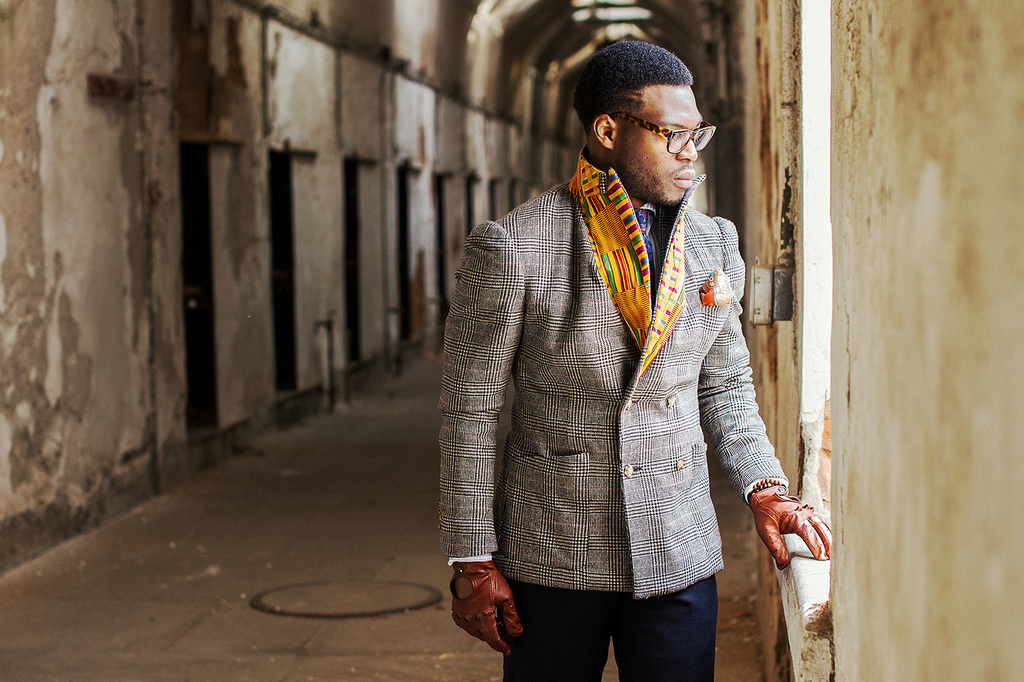
My personal site was initially a creative outlet. I had stopped making music (a previous hobby of mine), but still wanted a way to express my ideas. I used the site (www.lessgentlemen.com) as a vehicle to write about my personal philosophies and accompanied these thoughts with pictures of my style. I founded Ikiré Jones because I saw a void in the menswear market. Although there are many designers of African descent, I wasn’t aware of any that were combining Italian style tailoring with African aesthetics. West Africa is known for its use of bright tropical colors, and I wanted to see how this would look when paired with European fabrics.
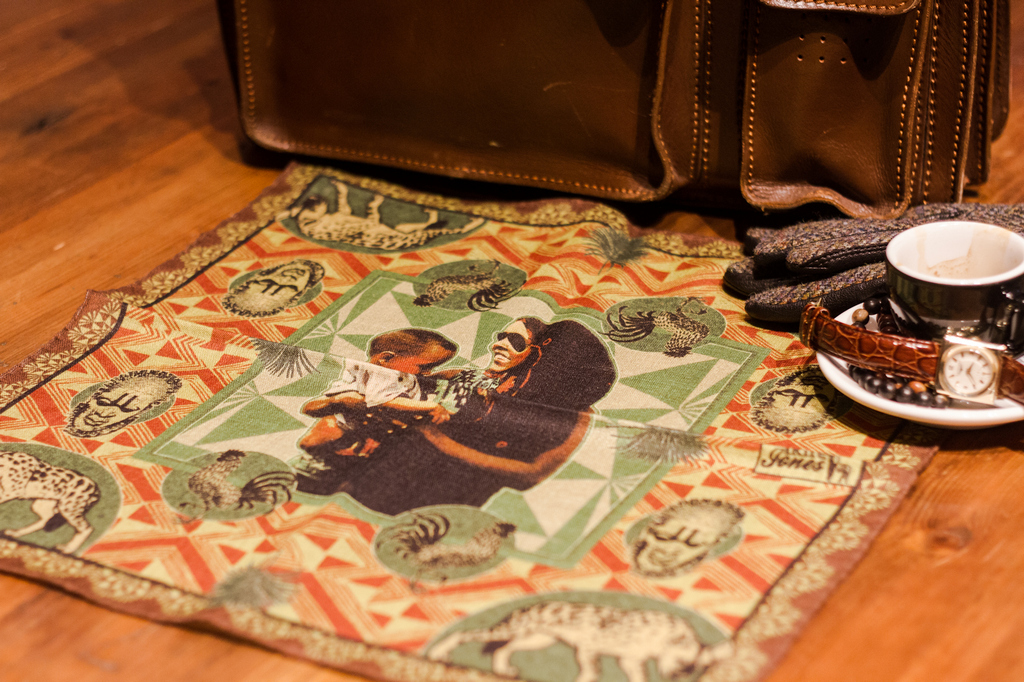
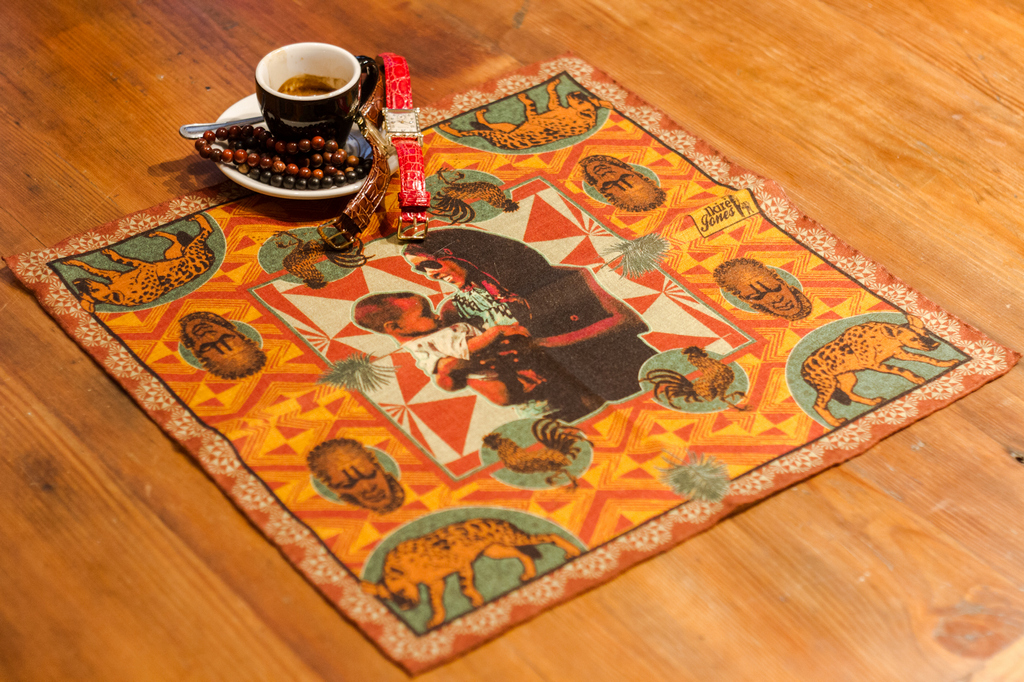
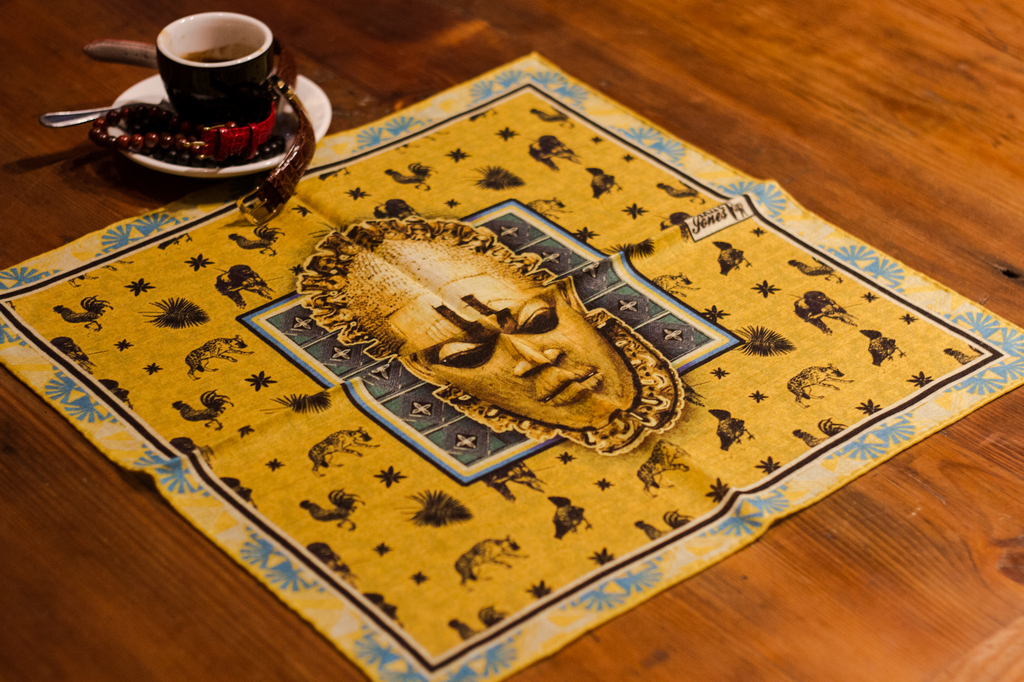
I also enjoyed the scarves and squares made by brands like Hermès, Rubinacci and Drake’s of London, and thought it would be very interesting to create similar designs from an African perspective. In other words, I wanted to translate classic European styles into an African language. It isn’t my intention to specifically reach the African American community. I don’t want people from different backgrounds to feel alienated simply because my designs are inspired by Africa. The beauty of the modern world we live in is that cultures are swapped and have begun to overlap. We all borrow from each other, and can be inspired by each other. So while I hope to reach many African Americans, I am just as interested in reaching Europeans and Asians as well.
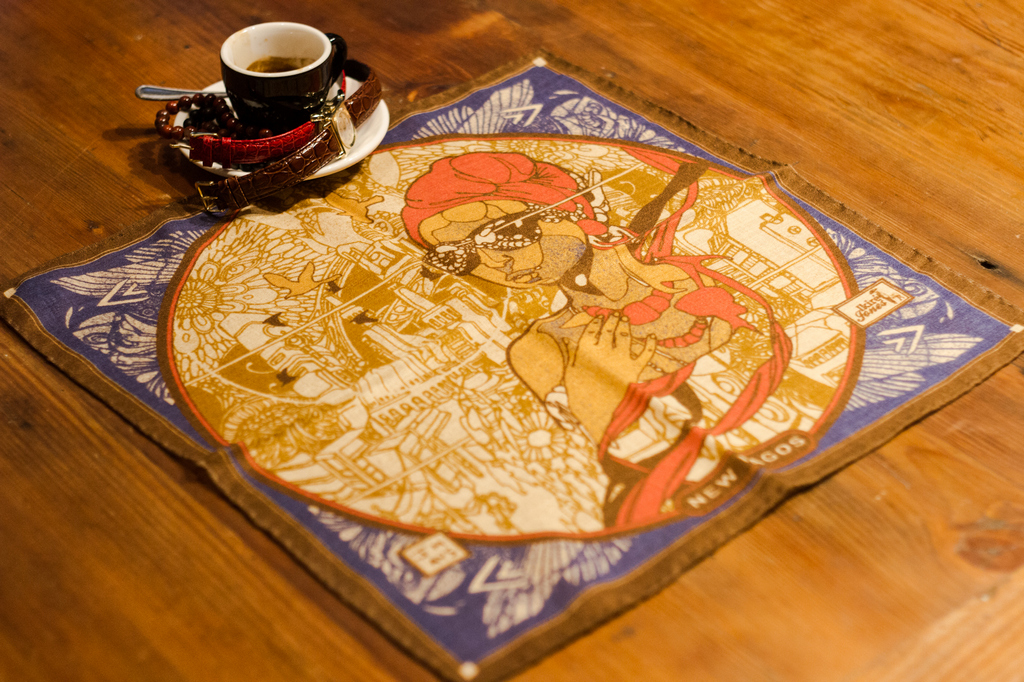
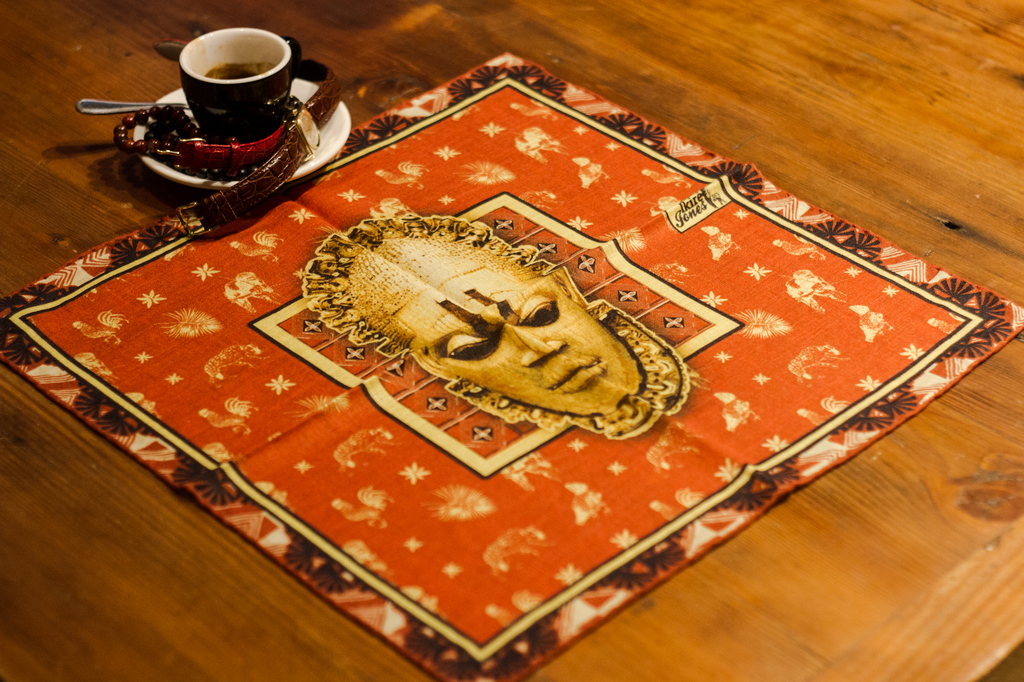
There is no doubt that they have never seen anything like Ikiré Jones before. To be fair, there is nothing new under the sun. No idea is completely original. All a designer can do is hope to provide a new interpretation of an old idea. With Ikiré Jones, I think we have been successful at widening the classic menswear lens, by giving it a new perspective. What we do is still classic, but it is classic in a different way. I am still a big fan of music. For me, a perfect weekend is time spent at home with my family with some jazz playing as I dive into a new novel.
I think there is a common notion that style is inherent and cannot be taught. This is probably true to a degree. However, style is just a matter of self discovery. Everyone has an ideal self: A perfect vision of who they want to be, or who they want to look like, when they close their eyes. This isn’t necessarily just about what clothes you wear, but about the kind of man you want to be. Every day, we strive toward this ideal. Some days, we fall back, some days, we grow better. Style is no different. Every man should feel free to experiment and try things, until he finally reaches that comfortable spot. Clothes are just clothes. They won’t change who you are, but they will teach you about yourself. It’s a bit of a paradox, but the clothes you wear outside can teach you about the person you are on the inside.’
Pictures: © Wale Oyejide
Category Bloggers, Interviews, Men of style, Naples, Styleforum, Tradesmen
How To Fix Squeaky Shoes
0April 25, 2013 by Ville Raivio
If brand new shoes squeak, voicing the reader’s presence in all locations, they can be returned to the store for repair or replacement. Most sellers will abide in courteous fashion as the problem is among the most irritating ones. Many squeaks result from either the heel pad or the shank. The first of these troublemakers is easy to fix: the heel pad it torn gently away from one of its corners. The foam pad can be removed entirely or replaced with a new, trustworthy version, and affixed with glue.
Shanks, on the other hand, demand a visit to the local cobbler, who will either replace the shank or nail it in place through the outer sole.Other options include using baby powder on the tongue or under the sockliner, if either of these happen to be the culprit. If the heel has become loose, it should be glued or nailed to its proper form. Pairs worn without socks may squeak from the sheer apostasy of this act, or simply from the wearer’s skin rubbing against the lining. Baby powder may help. Some pairs squeak due to excessive moisture, and should be properly dried with plenty of inserted magazine paper. If all else fails, it may be time to let the old pair go.
Patrik Löf in Quote
0April 25, 2013 by Ville Raivio
‘You can try to persuade people and go into discussions about the financial, environmental and aesthetic perks of premium shoes, but what it all comes down to is your gut, you have to be able to feel for a pair of shoes. It’s like love; it doesn’t always make a lot of sense.’
~ Patrik Löf, in his interview with Keikari
Category Quotations
Interview with Carl Goldberg
1April 25, 2013 by Ville Raivio
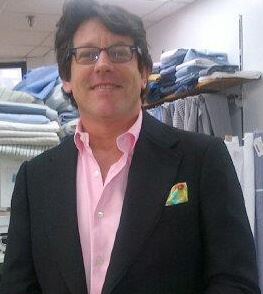
‘I’m 55 and a”Custom Shirtmaker.” BBA in marketing from George Washington University, presently single. Daughter, 19, freshman at U. of Vermont, studying Enviromental science. Loves to go shopping with me, but is happy buying at H&M, Urban Outfitters, Forever 21, and Uniqlo. I am often appalled at the quality of the purchased garments. Son, 22, will be going back to grad school to get an advanced degree in Econ/math. Has no interest in dressing well. He inherited that trait from his mother’s side. Hated having his Bar Mitzvah suit made by Mr. Ned.
My family owns an Army & Navy Surplus store in Philadelphia. I grew up in the clothing business. My father has passed, my sister now runs the business. It is a much smaller business than when I worked there as a kid. In the 60/70’s and early 80’s the business was amazing. I. Goldberg sold inexpensive Military surplus clothing, and durable and lower cost workwear (not the overpriced retro stuff sold today), Levi, Lee and Wranglers. Converse, Chuck Taylors, Frye boots. western shirts and sweatshirts, sailor bell bottom jeans. You could buy a used overcoat for $20. I have a coat that was pulled out of a container of several hundred coats. This coat was made in 1953 in France. The coat is very heavy and very warm, it needs relining, but is still serviceable.
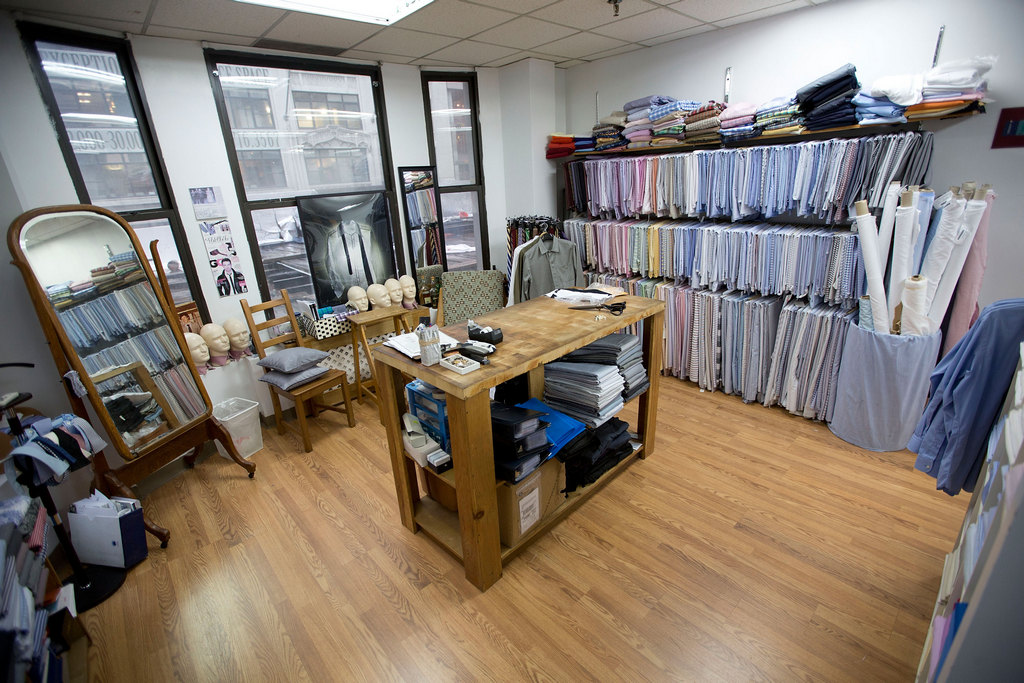
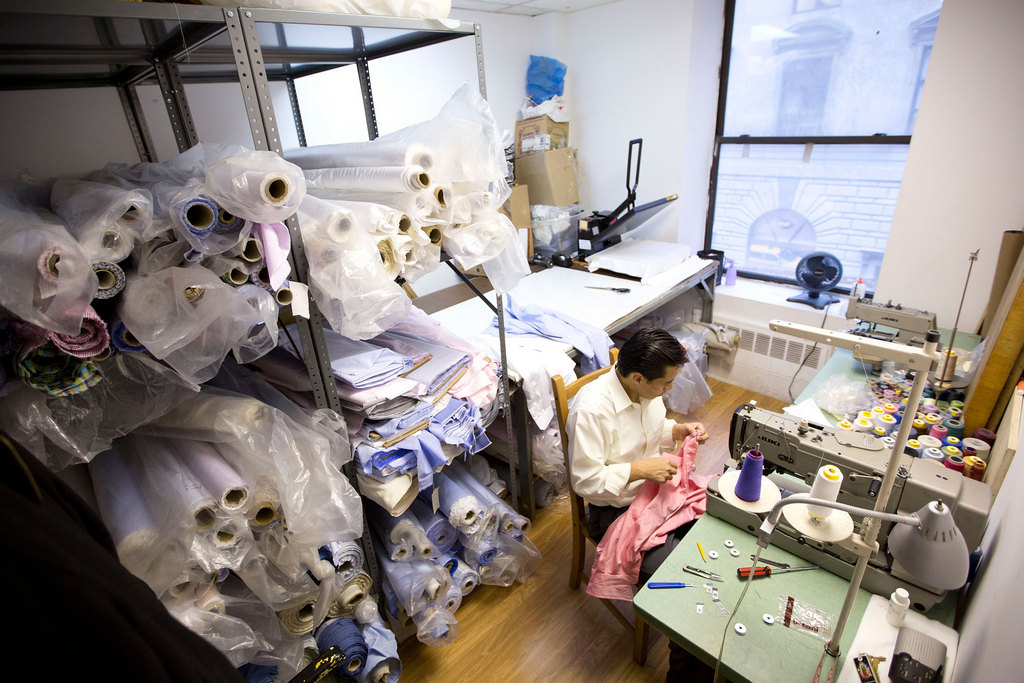
Business was excellent. It allowed my father to buy custom made clothing that was his passion. He bought his first custom made suit when he was 16. Later in life, he had suits made by two French tailors, Smalto, and Feruch. Shirts came from Lanvin (the finest shirts I have ever seen!), shoes from John Lobb Paris. I do wear his suits and occasionally several pairs of shoes. I still use his beautiful Lanvin ties. My father was my sartorial influence. I have no true technical skills…I am really only a salesman who is good with a tape measure.I have learned by talking to other shirtmakers. I learned quite a bit from Markar Sahamian of Paris Shirt. He made shirts for me when I first started out. I have learned about fabrics, by talking with the people from the mills.
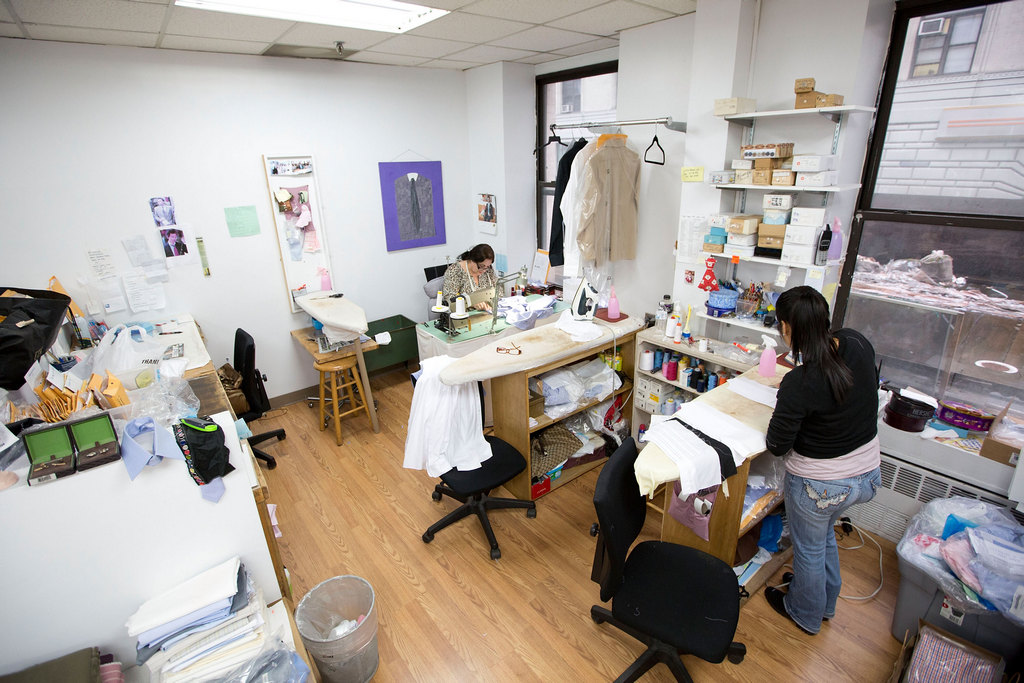
After working several jobs in the clothing trade, I realized I could start my business without a lot of capital. I sold custom made suits in addition to shirts. It was slow going at first. I made plenty of mistakes, but over time my business grew. The internet clothing forums were a big help to my business. By answering questions from the forum members, my reputation grew. Interestingly, my customer base became younger.
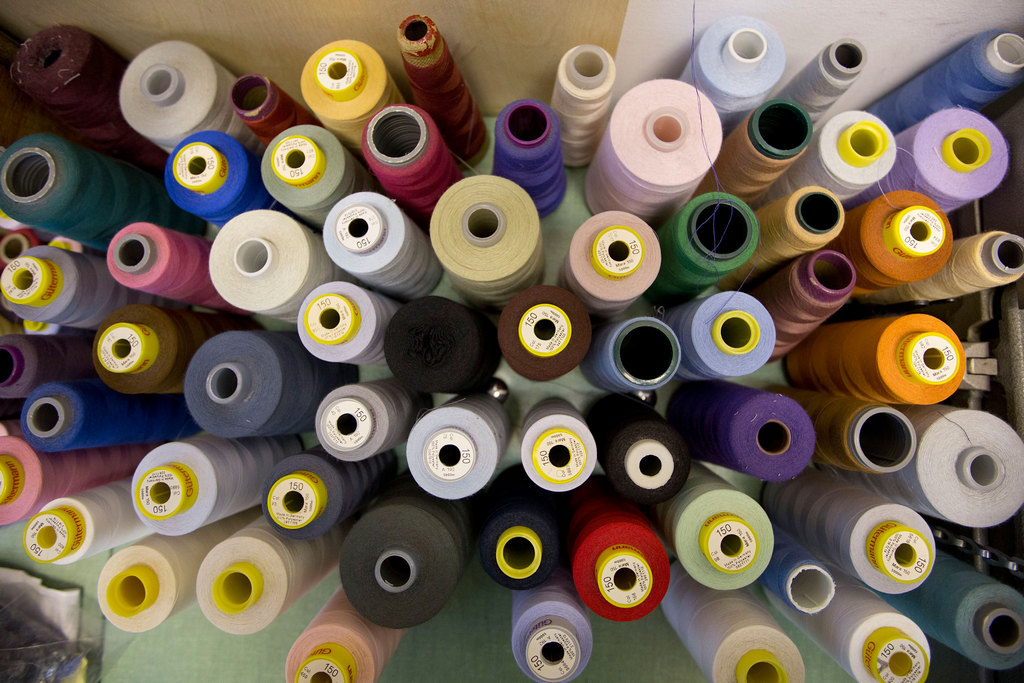
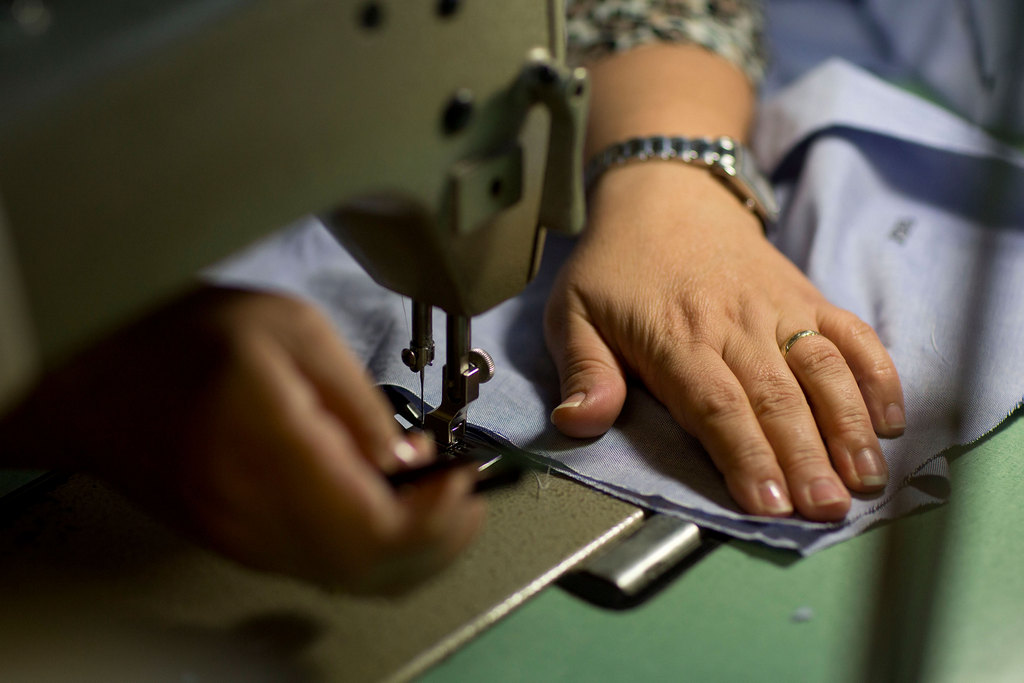
I am not shy to make somewhat obnoxious looking shirts. Bright colors, larger plaids, prints. I also have plenty of basic blue shirts. I do not wear white shirts that often. I use all types of fabrics. I am partial to older fabrics in slightly lower yarn counts. I have some fabric woven in England, that dates back to the 60s/70s. Great fabrics. I do not have a specific style. Customers have been requesting trimmer fitting shirts. Though I make many shirts for Broadway shows, I am more interested in Off-broadway and experimental theater. I go out to hear friends play in various bands in smaller clubs as well as newer Indie rock bands.
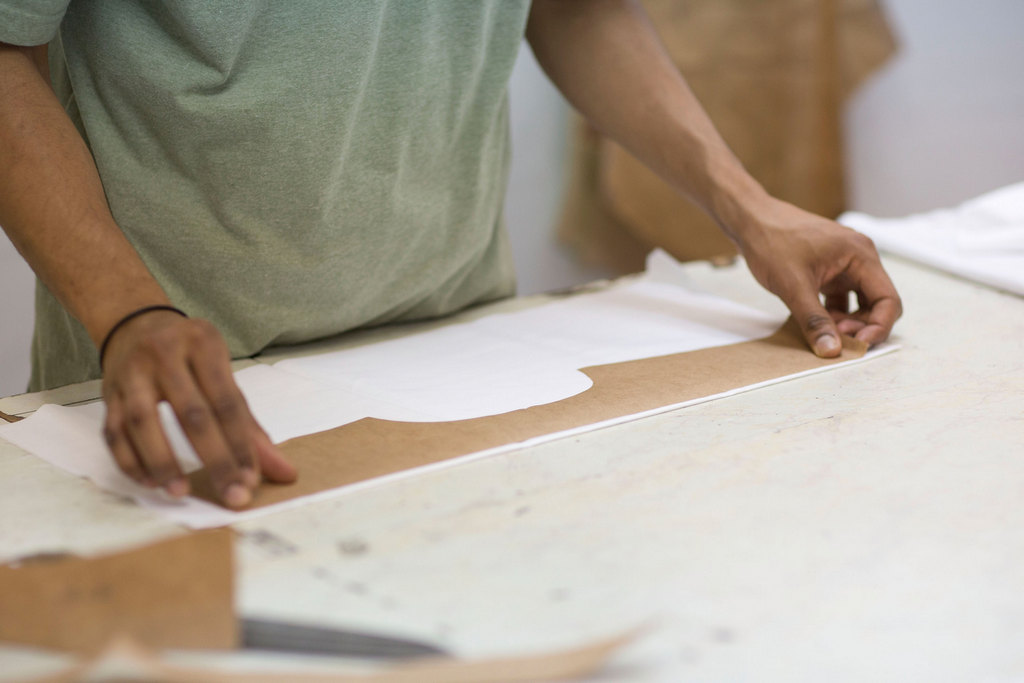
Notice how older well-dressed men put their outfits together. Don’t be afraid to try things on, and dont shop for anything important with your wife or girlfriend. Dont be afraid to take a few chances. Buy quality, not necessarily the most expensive. Buy fewer, better-fitting items than lots of clothing that may or may not fit. You need to figure it out by yourself, or find a guy friend whose style you admire and shop with them. A good clothing salesman will not push clothing on you that does not fit or look good. A good clothing saleman wants repeat customers. Dont be afraid to ask other guys where they have purchased something that looks good to you.’
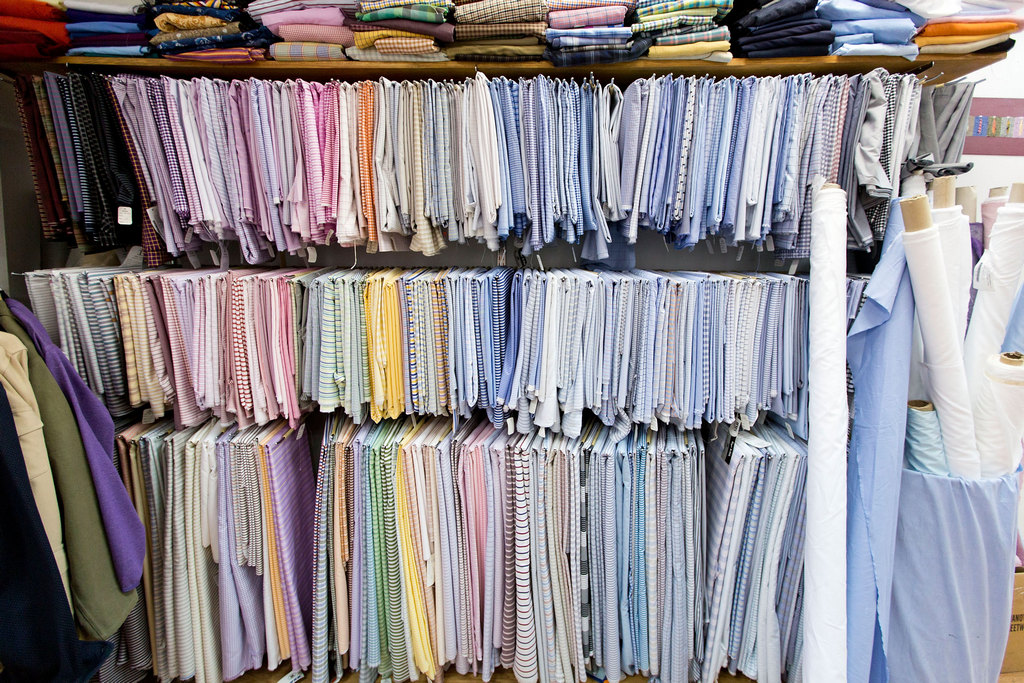
Pictures: © CEGO and Kai D
Category Interviews, Shirtmakers, Styleforum, Tradesmen
Bridle Leather Characteristics
0April 24, 2013 by Ville Raivio
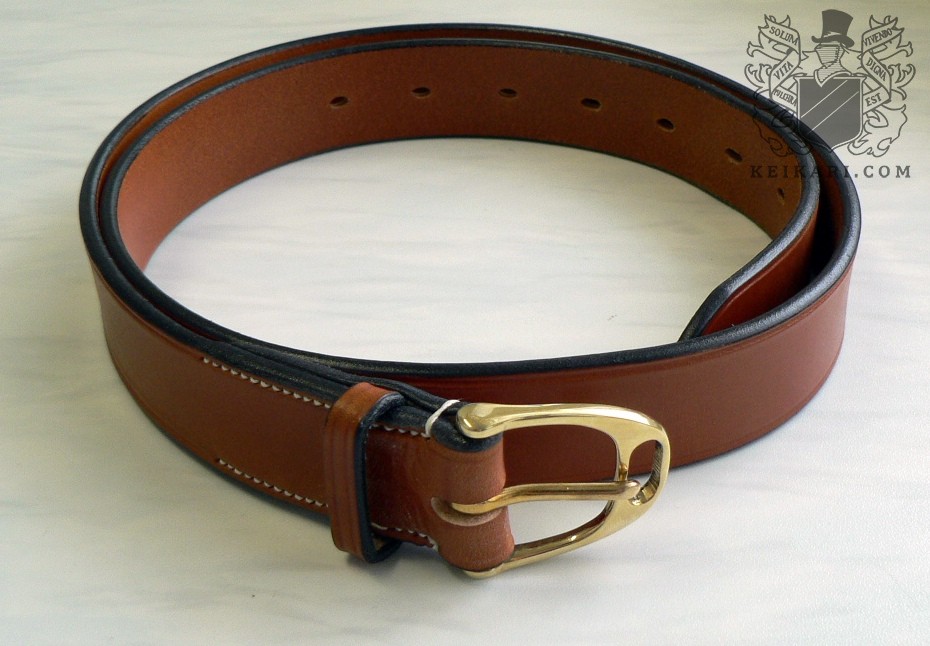
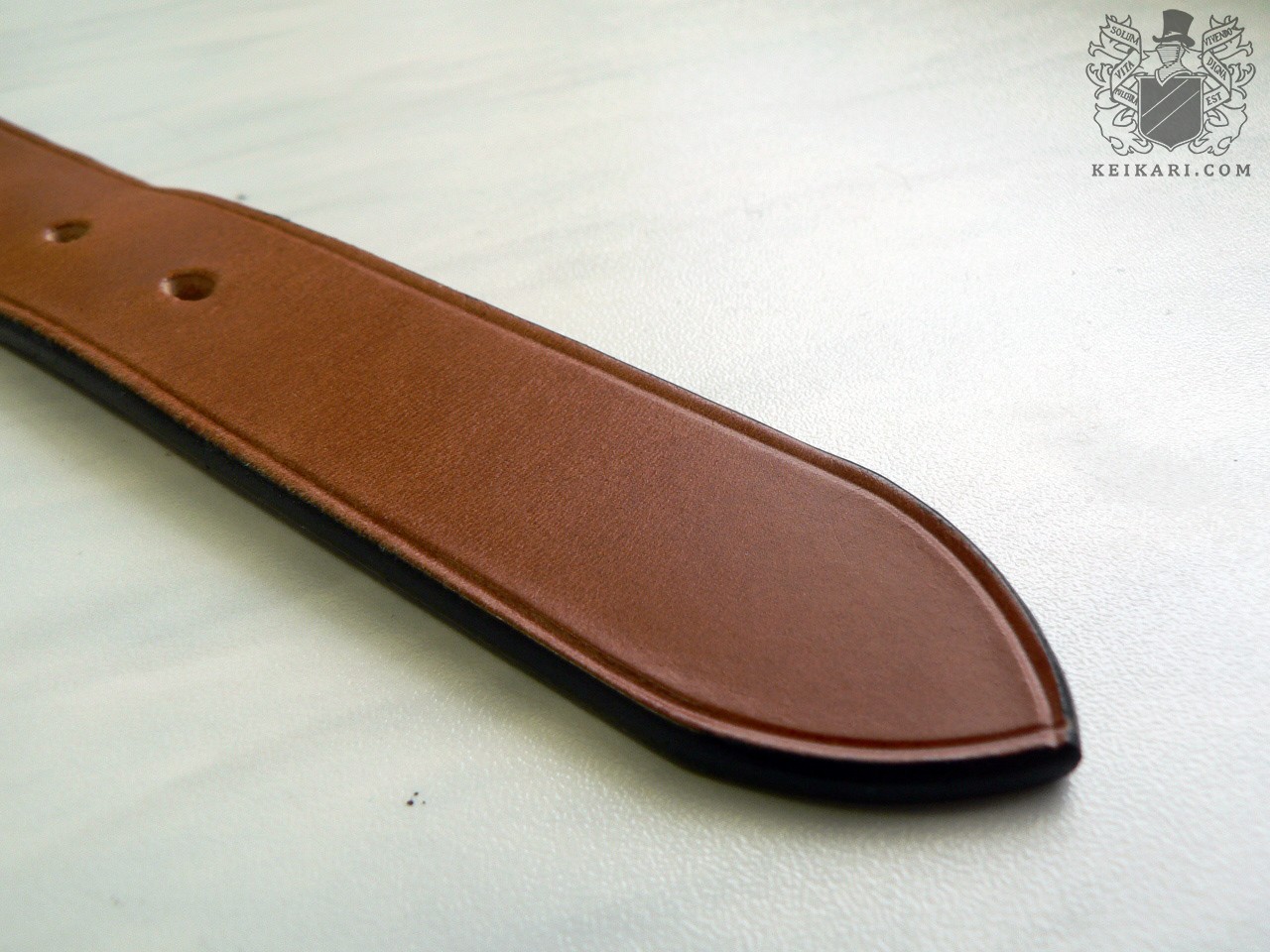
Bridle leather is tanned cowhide treated with a special finish, and named after its historical use in riding bridles. The hide’s both sides, flesh and grain, are treated with a multitude of natural greases and tallows, then finished off with natural waxes. These stages require time and patience, which make the material more expensive than regular chrome-tanned hides. Bridle leather surface must be smooth and flexible to feel comfortable on the horse’s skin, thus both grain and flesh are treated in similar way. The leather’s high grease and wax content prevent drying and cracking, and guarantee both strength and durability to all goods, even in heavy-duty use.
With time and wear, waxes and oils may rise to the surface of bridle leather, forming what is termed a bloom or white patches. This is normal, and a sign of true bridle leather. The bloom can be buffed away with a soft cotton cloth, and afterwards the leather can be sniffed thoroughly for smart nasal pleasure.
Among the tanneries producing bridle leather today are the renowned British makers J&E Sedgwick&Co. Ltd. and J&FJ Baker&Co. Ltd. American bridle leather is made by Hermann Oak Leather and Wickett&Craig. Australia is home to Greenhalgh Tannery Pty. Ltd. Bridle leather has mostly been used for bridles, reins, saddles, belts and various bags, though this thick, oily material will serve equally well in most leather products. Stationaries, dog collars, picture frames, writing pads, pen cups and iPad cases are a small selection of bridle leather use. Most British bagmakers favour bridle leather for its strength and durability, which combine to make the leather peerless when the two attributes are sought.
Copyright © 2013 Ville Raivio