G. Bruce
0March 4, 2013 by Ville Raivio
“Craftsmen are artists, they give their hearts and lives to their work, they are more interested in perfection than riches. They are always the most interesting people.”
~ G. Bruce Boyer
Category Aphorisms
Interview with P. Johnson
0March 4, 2013 by Ville Raivio
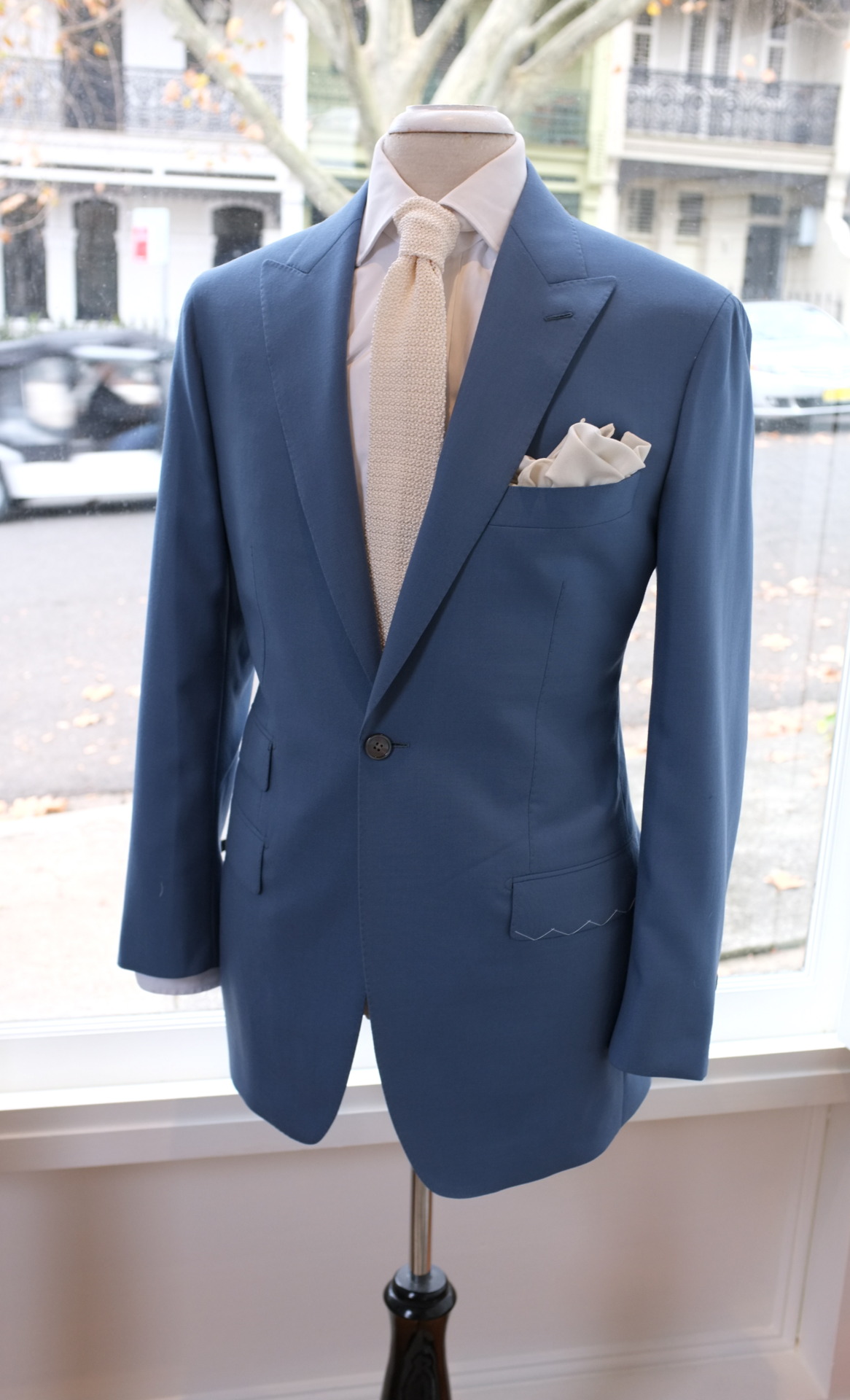
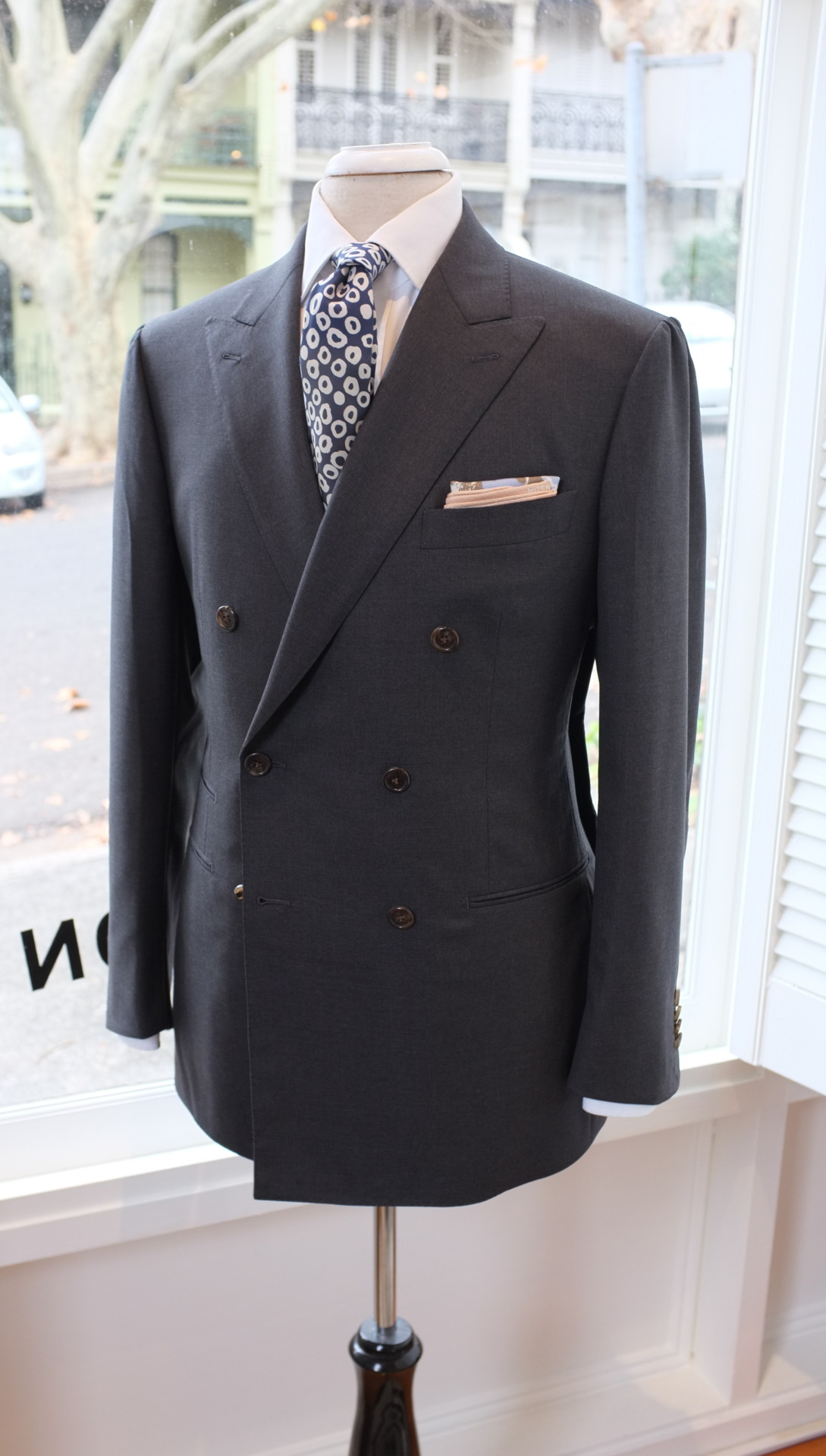
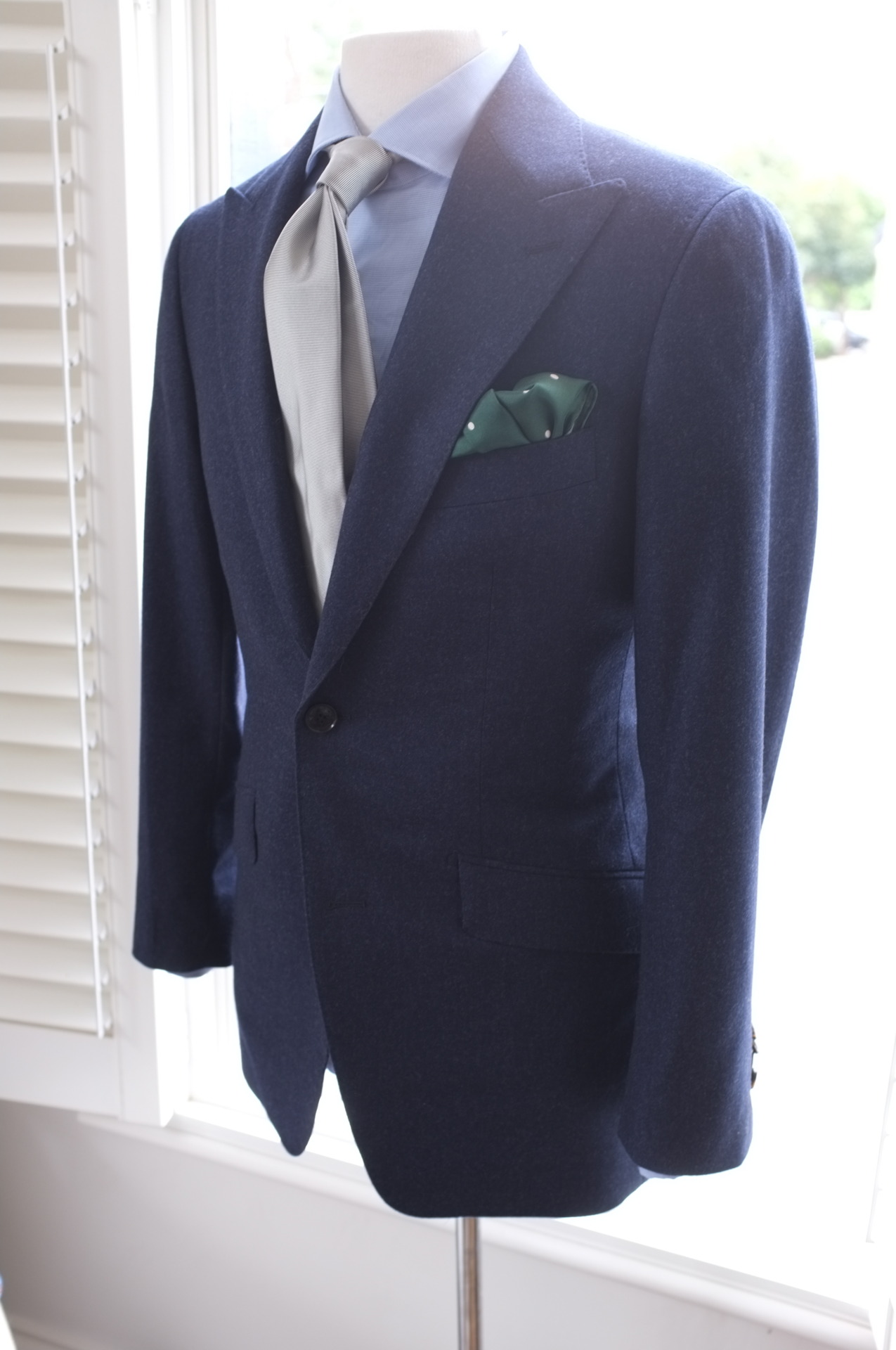
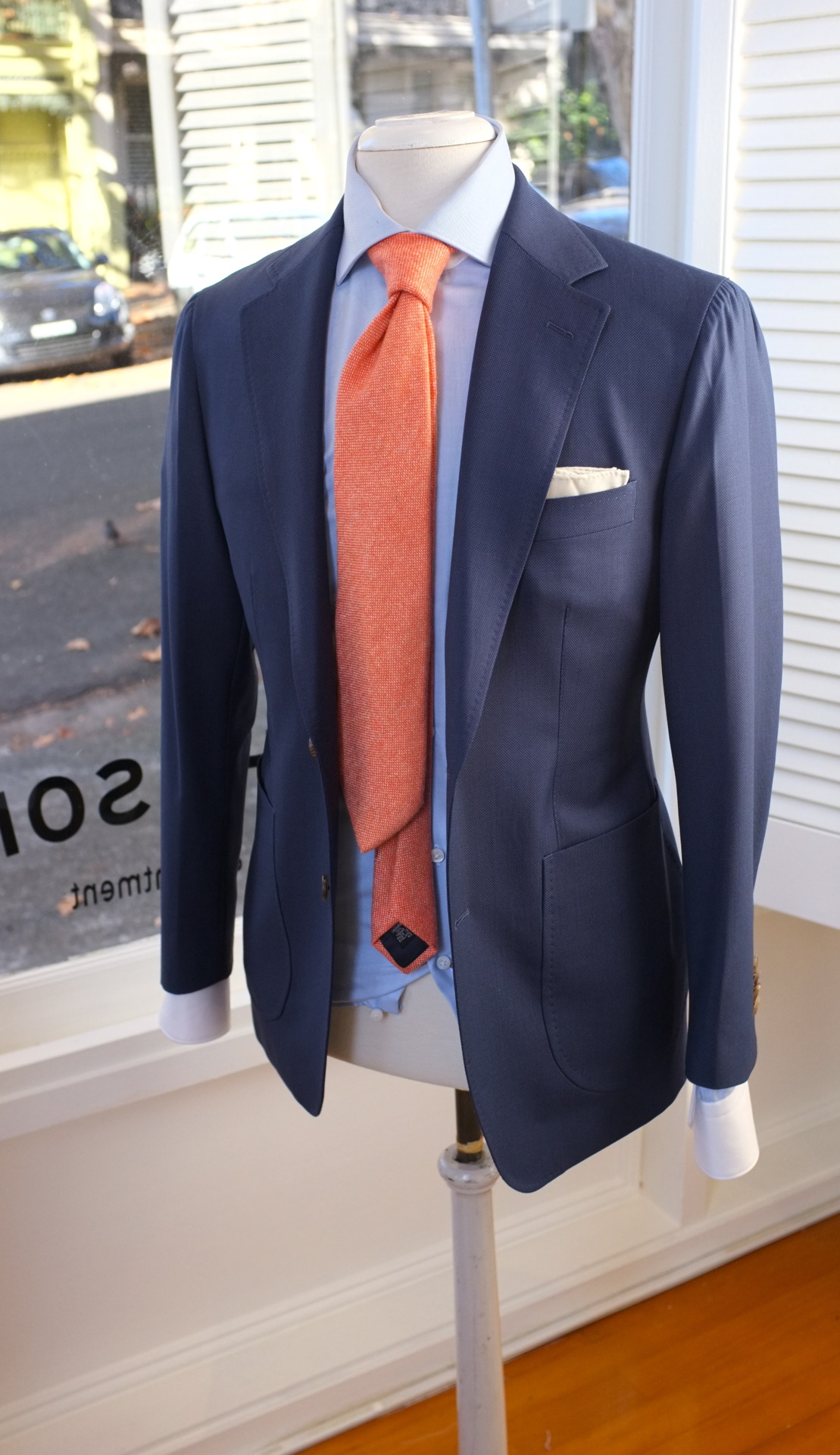
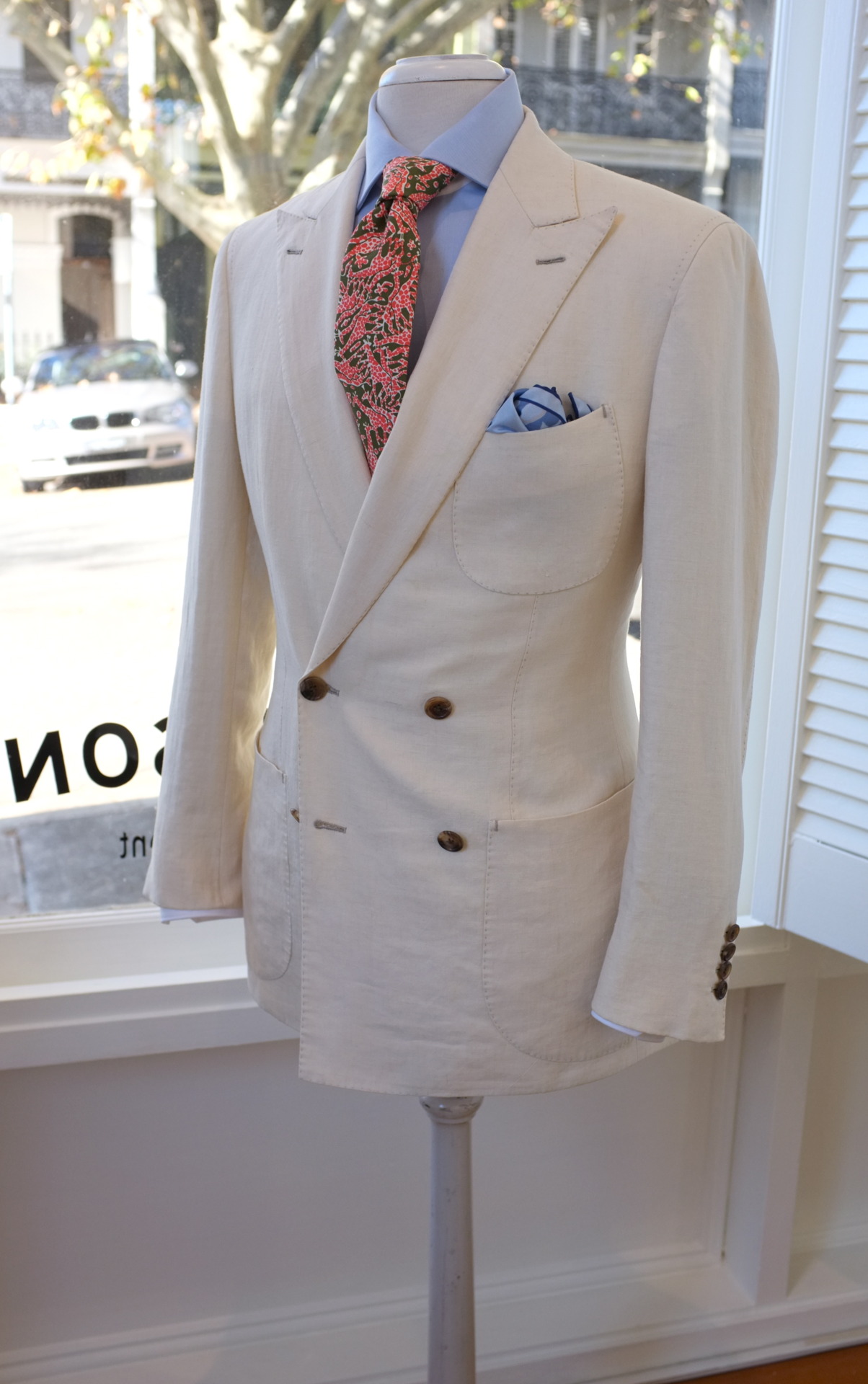
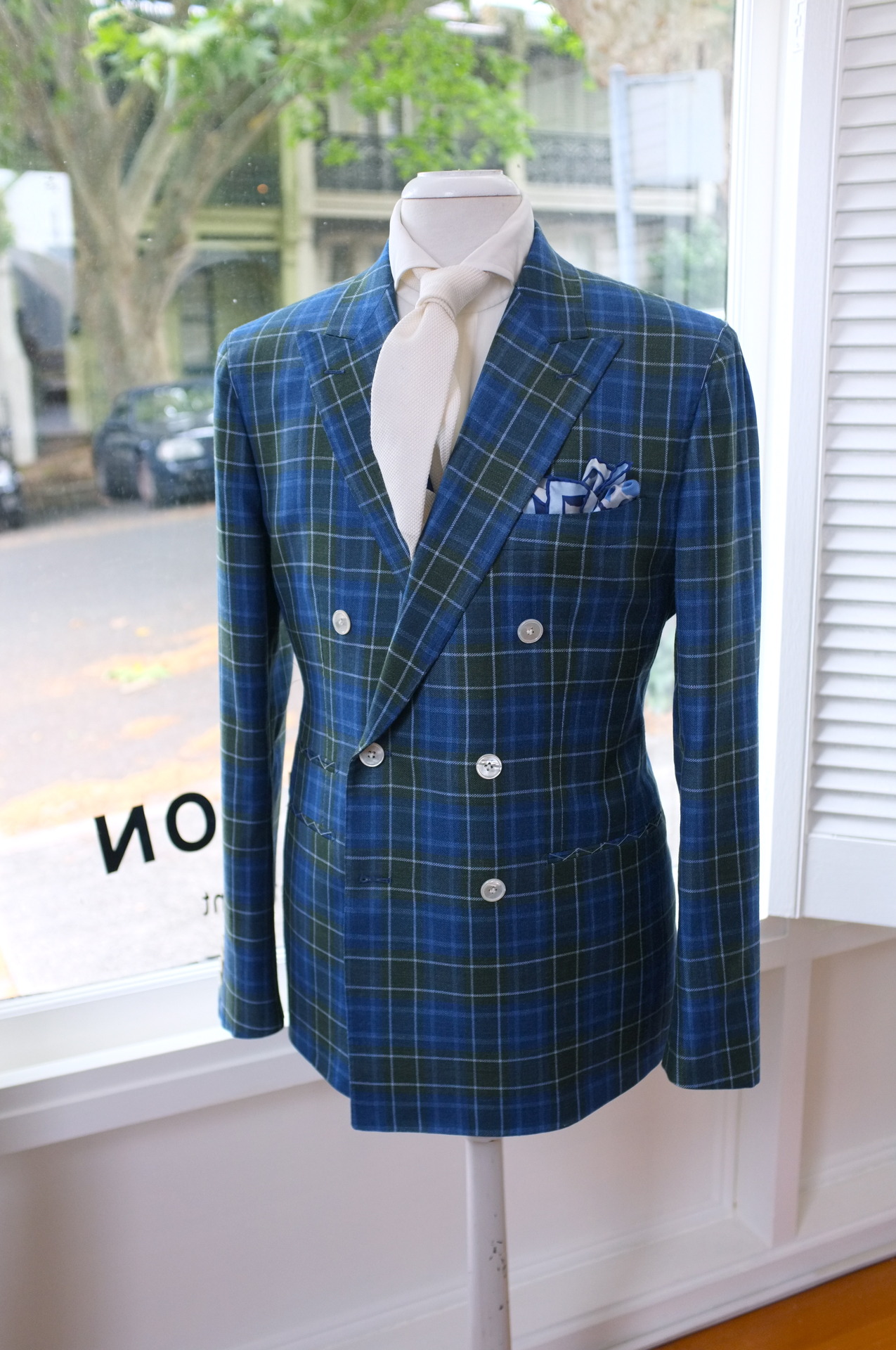
“[I’m] 30ish and a Tailor with a Bachelor degree in Science with a major in Oenology, Then I studied pattern making and Menswear at Central st Martins collage and the London college of Fashion but more importantly I worked under Robert Emmett in London for 9 years. I have a wife, Tamsin who is an interior designer (tamsinjohnson.tumblr.com). She has influenced me a great deal especially in relation to color. Also my business partner and best friend Tom Riley has been a big influence on me. Stylistically my step father influenced me the most. I used to sneak into his dressing room and stare at his suits. Back then we lived in the country so he wore a lot of tweeds and riding outfits. Henry Poole were his favourite tailors. He was very English in his tastes, which I love for country kit. He is a true gentleman and from a young age he helped me appreciate the tailoring a Savile Row. I feel pretty chuffed that he lets me make his suits now.
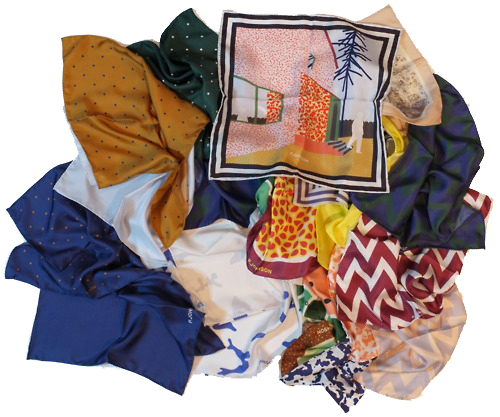
[I’ve gathered my knowledge by] mostly by watching others and then by lots of doing. I am still improving. [My style is] pretty sporty and fresh but with attention to quality and detail. We try to approach each client with fresh eyes. We are all pretty different not only physically but also in personality, so you can’t have a generic approach. Saying that we do probably cut our suits more for the modern man, slightly less cloth than a classic cut. We use a lighter construction, softer shoulders and perhaps a more minimal approach when it comes to styling. I think that classic clothing is more relevant and practical for the modern man. [Media coverage] keeps me off the streets. [My hobbies are] gardening – I love gardens, planting something on a hope that it will grow is good for the optimism.
Start with some basic pieces that you can get maximum versatility from. Say a navy cotton suit is a good start for a young guy. You can dress it up as a formal suit, you can use the trousers and jacket as separates, you can easily add colour and interest with accessories etc. Also cotton is durable so it will last. The other main tip would be to trust your own instincts, nothing is wrong, there are no rules.”

Category Interviews, Men of style, Tailors
G. Bruce Boyer: Eminently Suitable
0March 4, 2013 by Ville Raivio
The great chain of being well-suited starts with awe. This amalgam has been shared by all the interesting persona I’ve had the pleasure of interviewing, from bloggers and arbiters of style to journalists. One often finds the beginnings in childhood, in the form of a groomed grandmother, rakish uncle, tailored father or in the many creations we enjoy through the television. These are figures that raise awe. Characters like Hercule Poirot, Sherlock Holmes, John Steed and Sebastian Flyte would still work as vehicles of drama without their shared neat looks. With fabrics, weaves, patterns and colours they are much more. If not the events in childhood, then the pangs of adolescence will raise new thoughts towards style. To blend in one must dress accordingly, as shining out takes much more and is allowed to fewer still. Clothes, then, become an important part of growing up and yet another skill men are presumed to master. As with all life cycles, books offer advice for those with patience.
G. Bruce Boyer, a noted American menswear journalist and editor, whose articles and essays have been published in Cigar Aficionado, Esquire, The New York Times, GQ and Town&Country, among others. Instead of fashion, Boyer has focused on tailored, classic apparel and often goes to great lengths to rarify articles with quotes and quips from the finest pens. His text Politics, Dress, and Image begins with a quote from Dickens’s Oliver Twist, another piece, The Business Suit, is flanked by a statement from 1627, given by a preacher in Balm from Gilead to Recover Conscience. Boyer is distinguished due to the strength of his prose. This is inevitable as he was a professor of English literature for seven years before venturing off to pen menswear articles for Town&Country. Like he states in an interview with Keikari, ‘I’d say I’m interested in clothing in both a fashion and an academic sense.’
I feel most current menswear articles are but shoddily disguised advertisements for the highest payer, but this was not always the case. Before Boyer came Gentry magazine, Esquire, Apparel Arts and similar publications aimed to describe the latest changes in dress and etiquette along with advances in materials. While they did serve to promote certain goods and services over others in line with editors, the texts had – and still have – journalistic merit. Boyer raised the medium on another level by applying high style to everyday commodities, a sort of enjoyable mix of sense and sensibility. While apparel do raise spirits and mark boundaries between the everyday and occasion, they are still clothes. While prose writing and cultural history can be applied to elevate the things we wear, ultimately they are still meant for use.
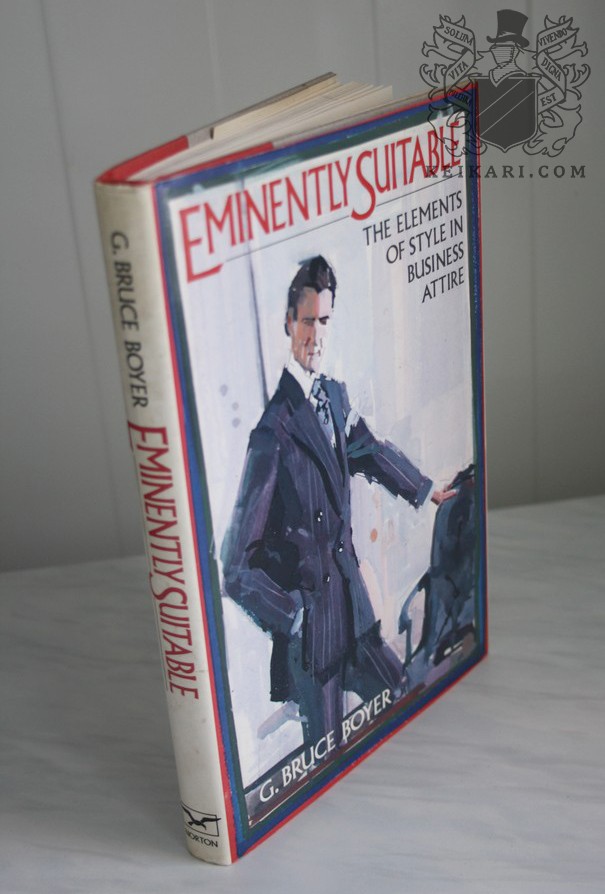
Eminently Suitable – The Elements of Style in Business Attire is a collection of Boyer’s essays. Originally offered in 1990 by W.W. Norton&Company, no new prints have been published. Copies are scarce, but not scarce enough to make it an expensive collector’s piece. Should the reader become interested in extending his bookshelf, copies can be found on eBay and various webstores specializing in used books. The tome is partly dated, some stores have closed down and wares have changed with the times. Sedately illustrated, Eminently Suitable is not a book for beginners. It does offer a glossary of tailoring terms for impressing random acquaintances, but the reader is partly left in dark in Boyer’s verse. No examples of coherent combinations for beginners are pictured. Instead Boyer offers selected pieces on the history of clothing, their semantics, dress according to body types, the differences between RTW, MTM and bespoke – with high prose.
For the most part, the print is still among the finest menswear books in English, especially the essay on sprezzatura is elementary reading for any man. Boyer’s essays serve as vehicles for learning, acquainting the reader with some basics of style and its lexicon. These are simple. As in so many of life’s great things, in tailored style simplicity is key. ‘Simplicity in character, in manners, in style; in all things the supreme excellence is simplicity.’
Eminently Suitable contains the following paragraphs:
- Preface
- Politics, Dress, and Image
- The Business Suit
- Drape, Zoot, Drape
- Suiting the Man
- Fitting Everyman
- The Art of Dressing
- Contemporary Design and Designers
- Grooming for Business
- Glossary and Appendix
Interview With László Vass
0March 3, 2013 by Ville Raivio
“I’m 65 years old [the interview took place last year], head of the Vass Shoes Ltd., shoe maker at the master level, with 2 daughters, one of them, Eva, is the CEO of our company, and she now runs the business. When I was young, 14-18, I learned shoe making in school. I loved it, so I’ve decided to make it perfect, so at the age of 23 I decided to make it to the master level. Then, when it was possible, in 1978, I set up our company. [My hobbies now are] collecting contemporary art, paintings and sculptures.
There are four or five other good shoe makers on the [Hungarian] market. But everybody has his own brand and design. There are a few young people who are learning how to make shoe at the moment. They are still interested in the trade. The other shoe makers are a little bit different from us. The quality and the lasts are different. They are making different combinations, too. They are using their models, we ours. One of the most important details is the last, choosing the perfect cut, leather, and to this is added the classic designs and ABSOLUTELY perfect 100% hand made quality. [My favourite is the] Budapest model.
The Köneman Publishing company in Germany made it possible to make my book. They offered to me the chance to work together with Magda. It was good. I am working more today since we are so well known, but I am always staying on the ground with two feet. My advice: less is more. It is better to have two or three pairs of good handmade shoes instead of 10 less good, cheap, trendy shoes. The handmade shoe has always a story and we can repair it.”
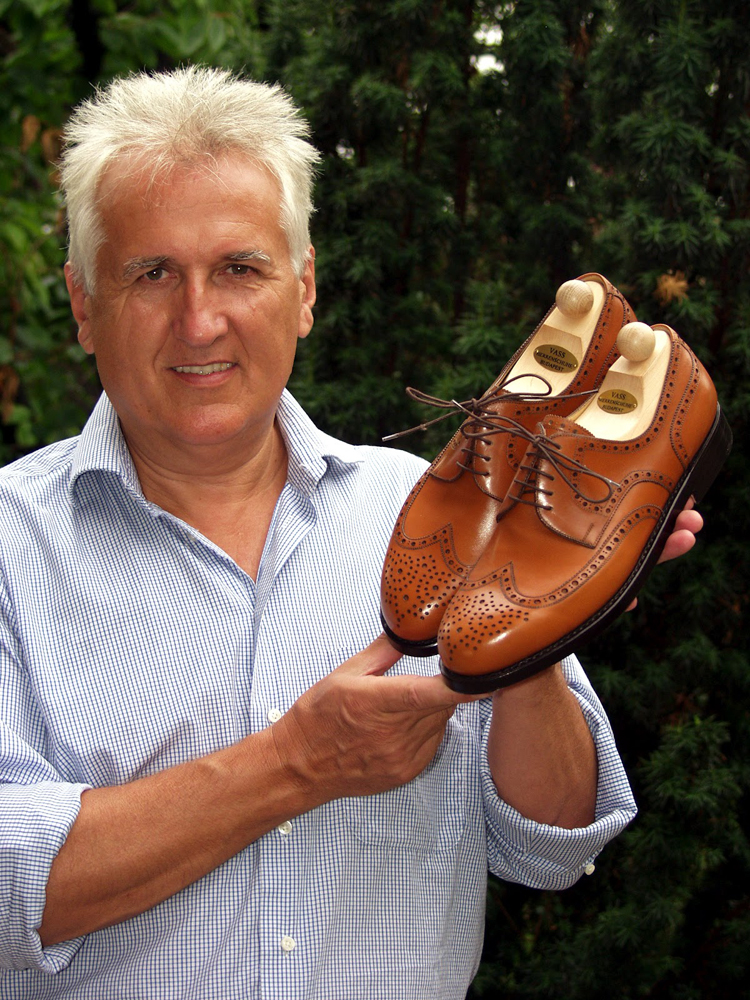
Picture: © László Vass
First published in Finnish on the 30th of April 2012.
Category Cordwainers, Interviews