Barathea
0March 3, 2013 by Ville Raivio
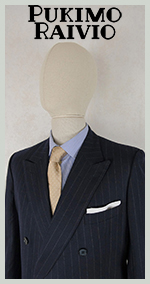
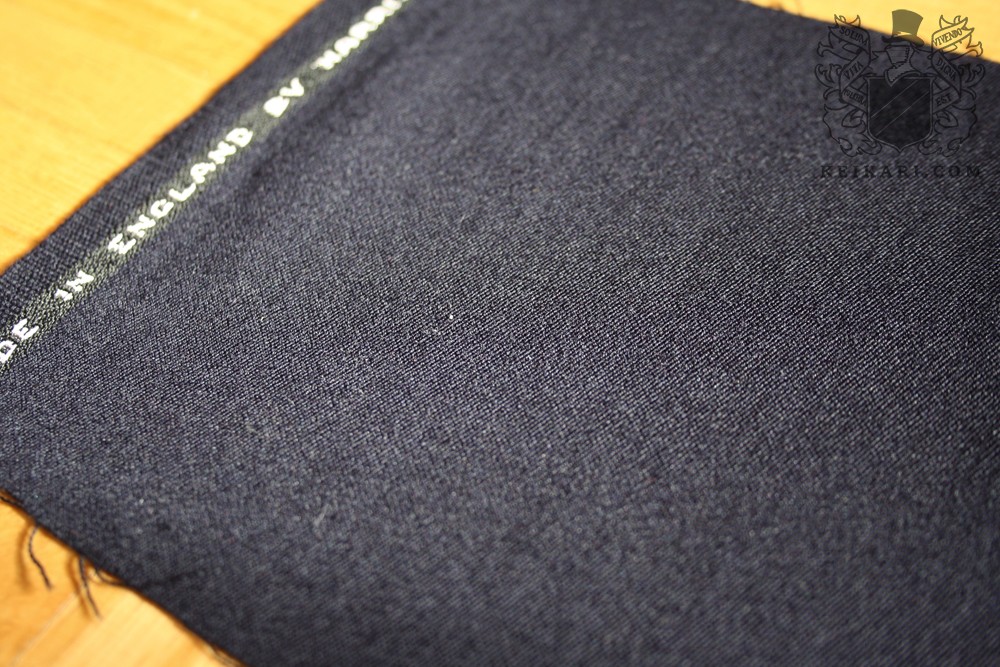
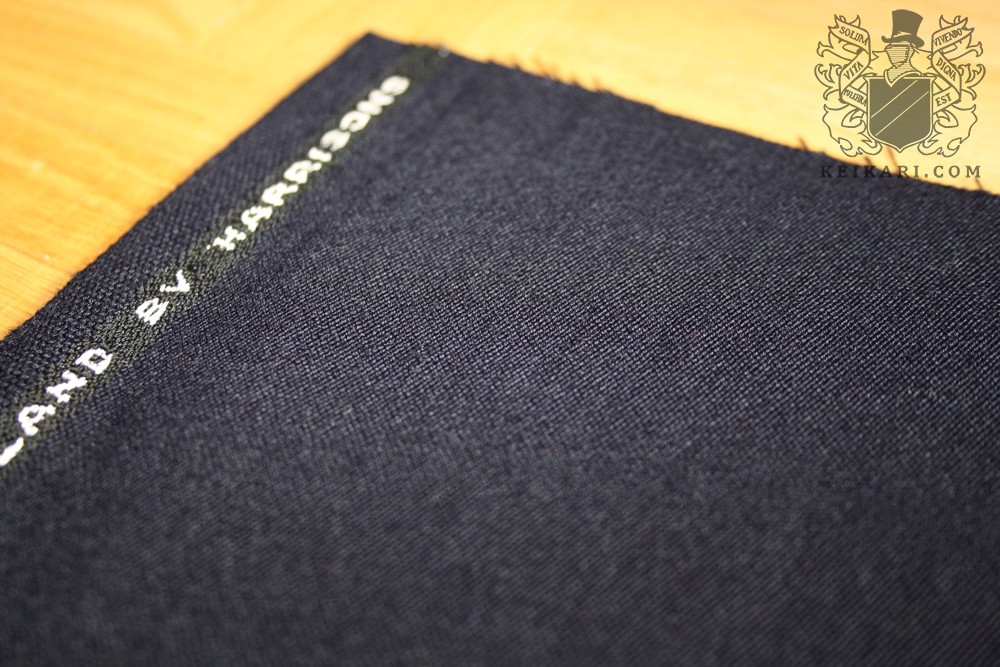
Barathea wool was born in England as a mourning cloth. The fabric can be made from cotton, wool, silk or synthetic blends. It is usually made from worsted yarns in a close twill hopsack or broken rib weave. Two weft yarns cross each warp yarn to create a strong, durable fabric. When pulled, the weave stretches very little and most fabrics have a weight of 300 to 500 grams. The cloth has a fine texture, a matt finish and a slightly pebbled surface with slight regular twill lines running in opposite directions. The cloth has a similar surface on both sides. Today barathea is used mainly for men’s tailored formalwear: morning and evening dress, mess dress and Highland formalwear as well as dinner suits.
Category Fabrics, Formalwear
Men’s Ex in English
0March 3, 2013 by Ville Raivio
The eccentric Japanese menswear magazine Men’s Ex is still not available in English. For us not versed in Kanji the publication is reduced to a pretty picture book. One man aims to change this one page at a time. The Styleforum member nutcracker has kindly translated and offered some shoe-related articles from ME online. I’m grateful to him and hope my readers enjoy nutcracker’s scanlations. The spreads do leave a hunger, though, and one can’t but help to wonder why the publisher hasn’t launched an international version yet.
Category Links
Interview With James Sherwood
0March 2, 2013 by Ville Raivio
“I am swiftly approaching forty and must admit it makes one take stock of occupation, aesthetic and finances. My occupation has evolved in the last decade from being a runway reporter and diamond correspondent for the Financial Times and the International Herald Tribune to writing books about Savile Row and Fashion at Royal Ascot, curating archives for Henry Poole & Co (the founder of Savile Row in 1846) and the Savoy hotel, broadcasting largely about bespoke and royal style and editing the annual Louis Vuitton Guide to London. Of late I’ve started working with the Savoy on acquiring an art collection and redecorating signature suites named after famous guests such as Callas, Coward, Chaplin, Monet, Churchill and Dietrich.
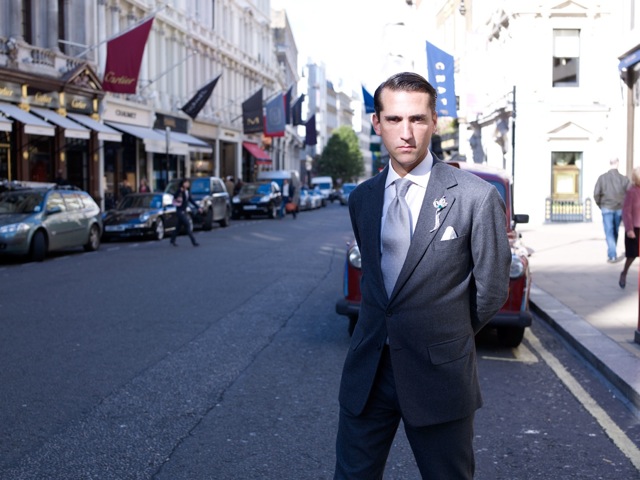
Though I wanted to attend St Martins aged 16 on a foundation course for fashion, my parents insisted I read a BA in English Literature. Smart move as it turns out. When I finally did get to St Martins to read my MA in Fashion Journalism I’d already been published various newspapers and magazines and should have left education to plough straight into a professional life. After St Martins, I worked briefly for Tatler but floundered until by pure fluke I was asked to write a weekly fashion column called Style Police for the British newspaper the Independent on Sunday. My four years as the Style Police kicked-off my fashion publishing career.
I do not have children – rather in the spirit of Beau Brummell and the Duke of Windsor who were perhaps Peter Pan characters and far too vain and/or inept to take the responsibility that children inevitably bring with them. Perhaps this is a case of arrested development. I would say however that my better half is in equal measures interested and exasperated by my obsession for bespoke tailoring. I learned everything I needed to know from black and white Hollywood movies on Saturday morning television and an incredibly glamorous grandmother who said to me of her penchant for diamonds and furs ‘we like nice things, you and I, don’t we’. Everyone needs a mentor and I learnt from the best.
I think I had an awareness of fashion as a means to create a point of difference and interest from other people from a terribly young age: say five or so when I first went to London with my parents to watch the annual Trooping the Colour ceremony celebrating the Queen’s official birthday. I was aware of Savile Row but working in fashion for the first decade of my career was necessarily keen to follow rather than lead. I was the first person in the queue for Vivienne Westwood’s Marlene Dietrich print denim, Raf Simmons frayed sleeveless shirts, Margiela tromp l’oeil shirts with buttons printed on the plackett and the early Prada synthetic suits designed by Neil Barrett. My moment of clarity about classic clothing grew with an increasing disenchantment with the menswear runway shows in Paris and Milan. The models were teenagers. I was in my thirties and the time seemed right to go back to formality and develop a uniform. The suit, shirt and tie is a uniform but it contains infinite variety and subtleties that it takes a lifetime to perfect.
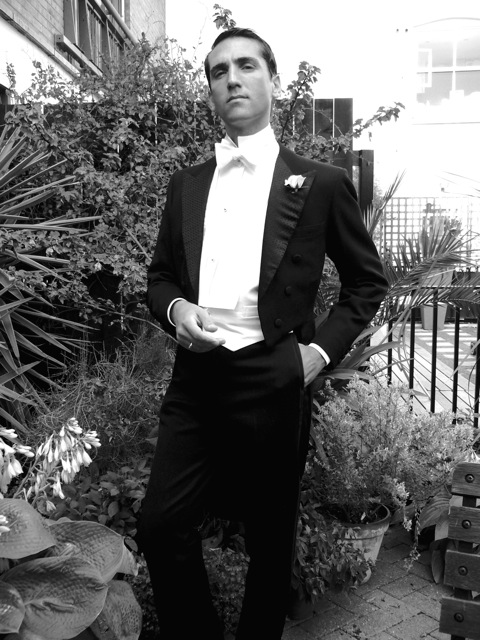
When I started my career in fashion there wasn’t a world wide web. I remember the conversion from faxing newspaper copy to email. In fact, back in the day we used to file twice daily fashion reports from the shows and ring in to copy takers and speak the copy over the telephone. It all sounds positively Jurassic. So, no, my knowledge of clothing came primarily from books, fashion magazines and observing London street style since the age of 16.
My style is not old school English aristocratic. It uses that language as a starting point and I am sure I would pass unnoticed on the streets of 1920s London. But there is a little more adventurousness in the clash of colours and patterns in shirts and ties, a more body conscious cut to Savile Row suits and bravery in the choice of cloths and weights for my suits. In 2006 I was commissioned by Pitti Imagine Uomo to curate the first retrospective of 200 years of Savile Row tailoring at Palazzo Pitti in Florence. I had unprecedented access to the archives of all the great tailors and the opportunity to commission 40 bespoke suits for the show that really challenged the cutters to push Savile Row beyond the grey flannel or chalk stripe suit and demonstrate that there are no limits to the creativity of a bespoke tailor over and above the taste level of the customer.
I have been fortunate to have had suits made for me by the true greats on Savile Row. Anderson & Sheppard is my tailor for softer suits that are unimpeachably correct and comfortable. I adore Huntsman head cutter Patrick Murphy and the Huntsman cut that makes men look like heroes and incidentally makes you lose a stone on putting on the suit. Ede & Ravenscroft have made all my formal attire such as morning tails for Royal Ascot. Henry Poole & Co make my most trusted favourites such as the Churchill chalk stripe. I am a great fan of Soho tailor Sir Tom Baker who makes what I would call showstoppers such as black sequin dinner jackets as does Mark Powell who has recently cut a scarlet cashmere corduroy DJ and matching black trousers for me. Nick Hart, founder of Spencer Hart, makes snappy 60s inspired cocktail suits that always hit the spot after dark. For made-to-measure I would look to Edes, Reiss’s personal tailoring service and for a little luxury however fragile Italian houses such as Zegna.
My goal is to show that Savile Row has always been more adventurous than fashion however fleeting. I don’t think changing your wardrobe bi-annually makes sense to a contemporary man. A man’s style ages like a fine claret. It doesn’t pop twice a year like a bottle of champagne. I became increasingly frustrated with the catwalk when it started to pillage the past rather than move forward and began to repeat itself every three or four seasons. Though it’s not one of my major concerns, there is an ecological argument for spending £3000 on a bespoke suit that will last a lifetime if you keep your figure rather than buying more ‘stuff’ because a fashion designer decrees that a drop crotch or a bum freezer jacket is the look of the nano second.
Books are a game changer compared to newspaper journalism. There is something incredibly satisfying on working on a book such as Savile Row: The Master Tailors of British Bespoke and knowing it will last longer than 24-hours. People’s attention span is so short today – largely thanks to the Internet – and a book demands your attention and your time to appreciate it. I spent two years working on the Savile Row book and it was I think time well spent. Television is a different proposition. It reaches a vast audience in a short time but the trend is always towards dumbing down and it is a challenge to present Savile Row – a family that makes a virtue of discretion and understatement – to an appreciative audience in a media obsessed by fast fashion and instant gratification.
Without sounding too pompous, style is I think more of a vocation than a hobby. You have to feel passionate of course and take pleasuring in clothing. But for me it is a declaration of pride in British style and self-respect that I don’t slob around every day in sportswear. I find this in itself disrespectful when on a street in a major metropolis. As for other passions, I have never lost my love for literature and am an avid reader. I swim every morning at 7am to keep sane quite frankly and this helps counterbalance my nocturnal hobby of cocktails, jazz clubs and London restaurants such as Wilton’s, Sheekey’s, Cecconi’s and Bentley’s. Duke’s Bar is another favourite hobby because Alessandro mixes the best Martinis in London.
OK, I wouldn’t underestimate the ingenuity of youth. If you’ve got a reasonable figure, the stock models for ready-to-wear should fit with a bit of nip and tuck from a local tailor. As long as the shoulder line is strong, you can sculpt the waist and take up sleeves. Vintage is still a rich seam to mine. I got by for years vintage shopping and taking prize finds to a back street tailor to perfect. The formal style is as much about attitude as it is about bespoke suits or affording the best that Savile Row can provide. Knowing how you’d like to appear to other people is the first step. There is plenty of time to explore this world at your leisure and when your wallet allows you to dig deeper. ”
Pictures: © James Sherwood
~Originally published in Finnish on the 4th of October 2011
Category Arbiter Elegantiae, Interviews, Men of style, Savile Row, Writers
The Paddock Cut
4March 2, 2013 by Ville Raivio
The Paddock cut is a rare sight. Pictorial examples are scarce, mostly harking back to the first decades of the 20th century. The earliest dated picture I found of the Paddock cut is from 1925, portraying the young Prince of Wales. Some pictures from L. Fellows and similar illustrators show jackets and suits in Paddock cuts, and notable wearers include the likes of the Duke of Windsor, John F. Kennedy and Anthony Eden. This eccentric cut has never been favoured as much as its easy cousins, the two- and three-button cuts. Even single-button cuts, which have become rare in jackets and suits of today, have seen more popularity in decades past. The Paddock’s name may come from the inspection lot, the paddock, on horserace tracks.
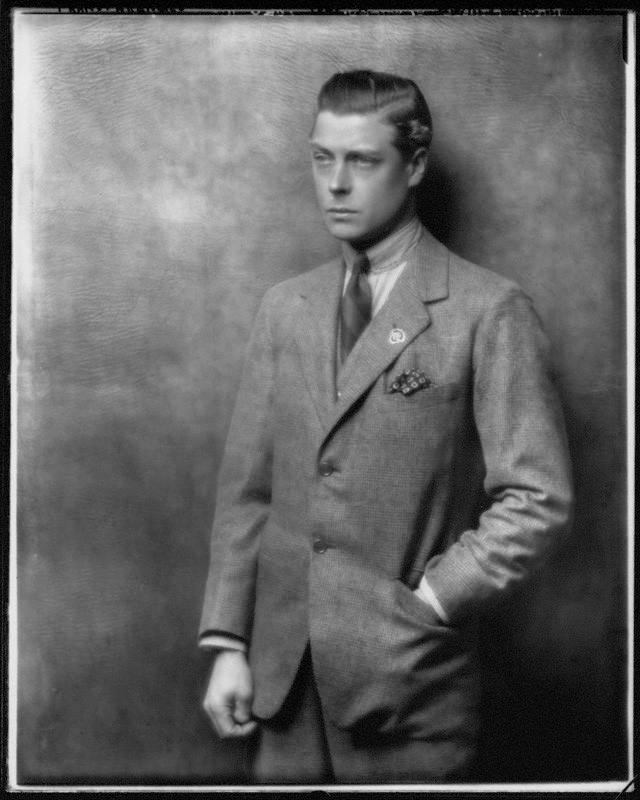
The young Prince of Wales sporting a Paddock cut in 1925
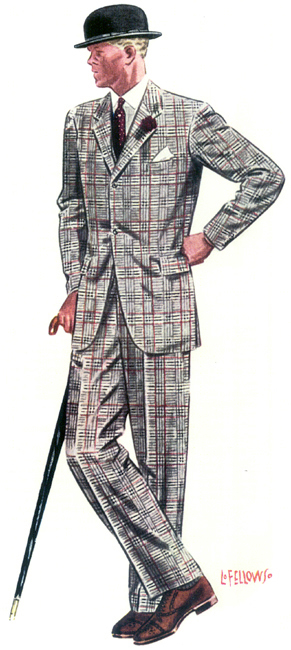 As recorded by Laurence Fellows
The style is characterized by its notably high button stance: the jacket is fastened with both two buttons. The lower one is placed close to the natural waist, the other one an inch or two higher. The Duke of Windsor, given his visible position as the arbiter of Western men’s style, took liberties and buttoned freely. In pictures his jackets and suits are seen with both or just a single button closed. All Paddocks are, naturally, single-breasted. On the picture below, Anthony Eden is seen favouring a rarefied Paddock with peak lapels instead of the regular notch ones.
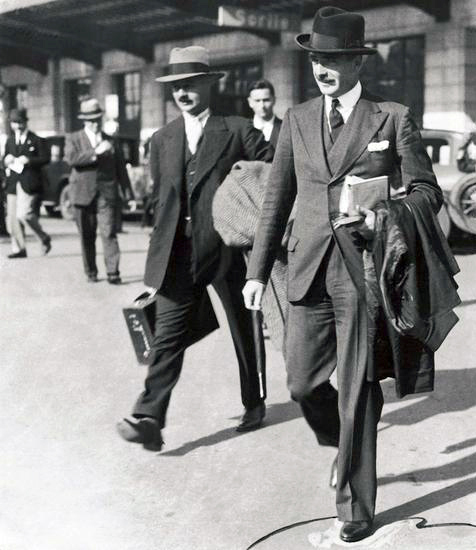 Peak lapel Paddock with Eden’s signature Homburg hat
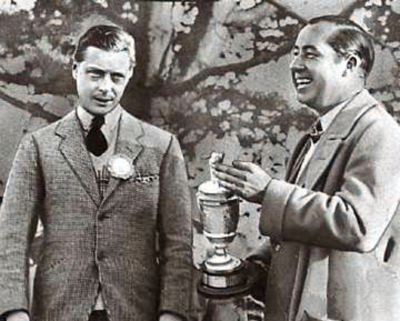 The Duke of W. with a victor in polo coat
The Paddock’s high button stance gives the torso an illusion of added height, and examples surviving to this day are both suit jackets and odd jackets. I have never seen a real-life Paddock walk by or read of a modern maker who still cuts in this style. Perhaps this is due to the look’s eccentricity; things not often seen become more or less dated or odd. The cut is different and will always stand out. Looks come and go, fashions fade, only some of the many stick. The Paddock is not one of them. Still, a reader looking for something whimsical can opt for a Paddock or two with the help of a skilled tailor. Buttonholes struck a bit higher, buttons sewn in place and the cut lives to another day.
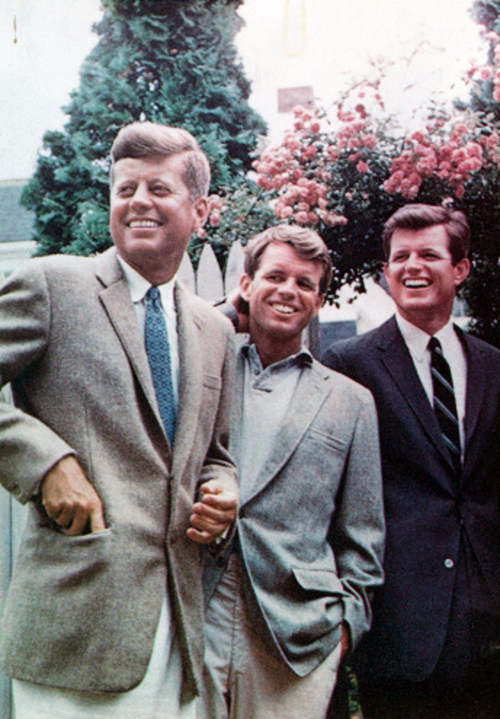
Brothers Kennedy with JF in a Paddock jacket
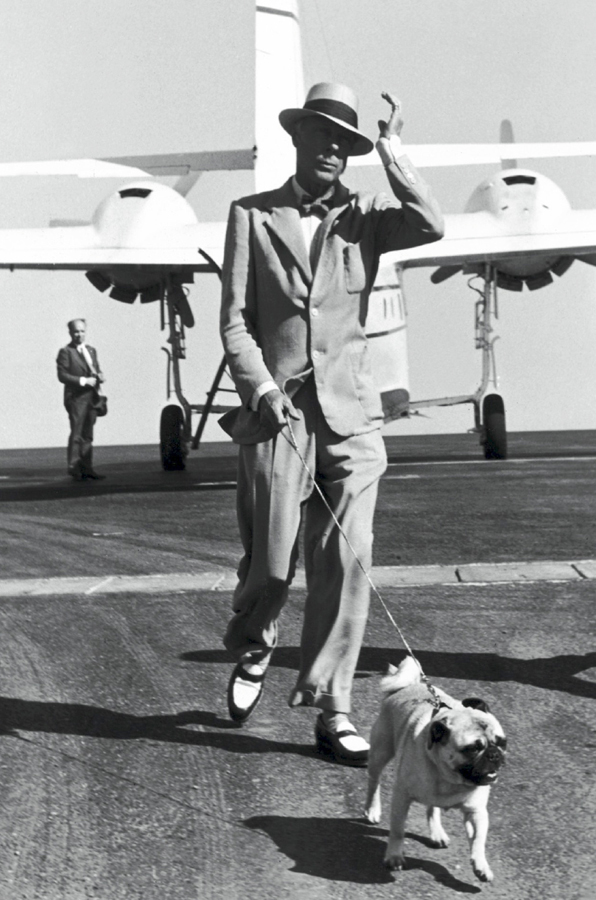
The DoW escorting a pug
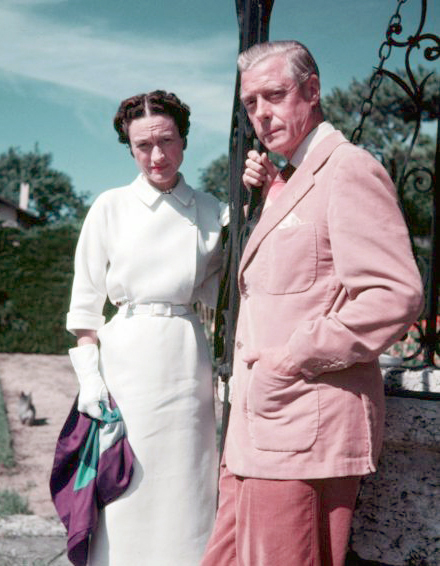
The Duke’s take on gardening in style
Photos: original uploaders
Category Eccentricities, Jackets, Suits, Vintage
Interview With Karl Matthews
3March 1, 2013 by Ville Raivio
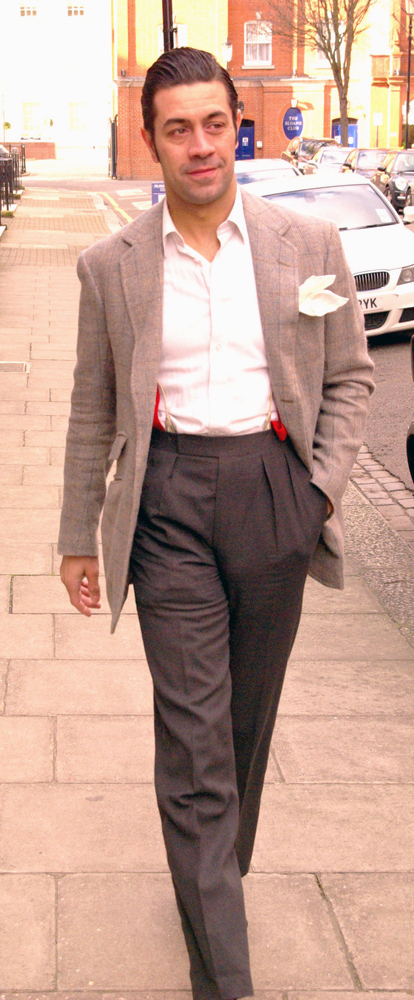
‘I am 36 and I am a Savile Row bespoke tailor. I recently announced the birth of my first child on my blog. My uncle ran a local mens formal wear shop where I worked at the weekends. At 14 he taught me how to take up a pair of trousers and dress the mannequin in the window. I guess these early influences may have ignited my interest in classic clothing. From here I enrolled in the local college to study fashion where I discovered Alexander McQueen, who inspired me to apply for an apprenticeship at Anderson & Sheppard. Both I and my fiancée are enjoying family life.
As the focus is on tailoring I will briefly sum up my background:
- Joined Anderson & Sheppard in 1998 as an apprentice
- Trained under the late Alan Pitt, Mauro Vito Calo (Now at Richard Anderson), Paul Griffiths (English Cut), John Hitchcock (Anderson & Sheppard MD)
- One of the only people in Savile Row to do every element of the business. Cutting, Tailoring and Front of house.
- With Anderson & Sheppard for 12 years
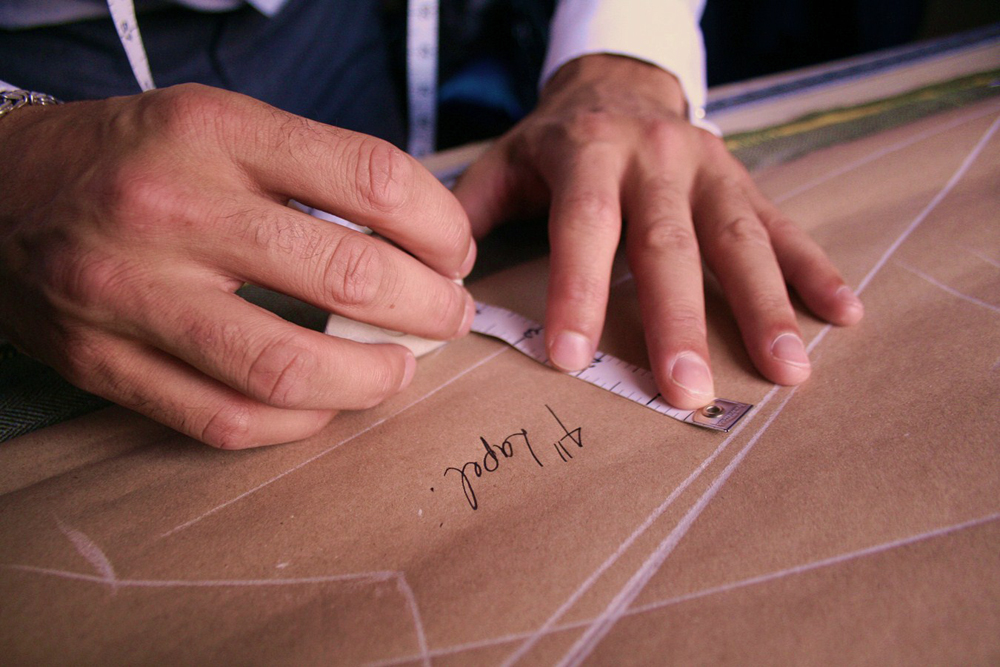
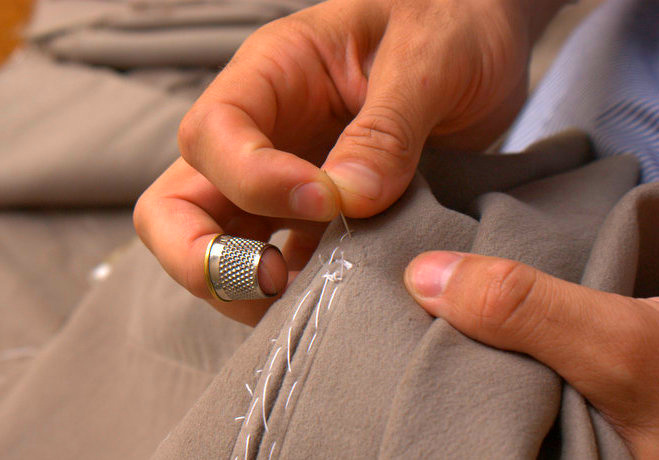
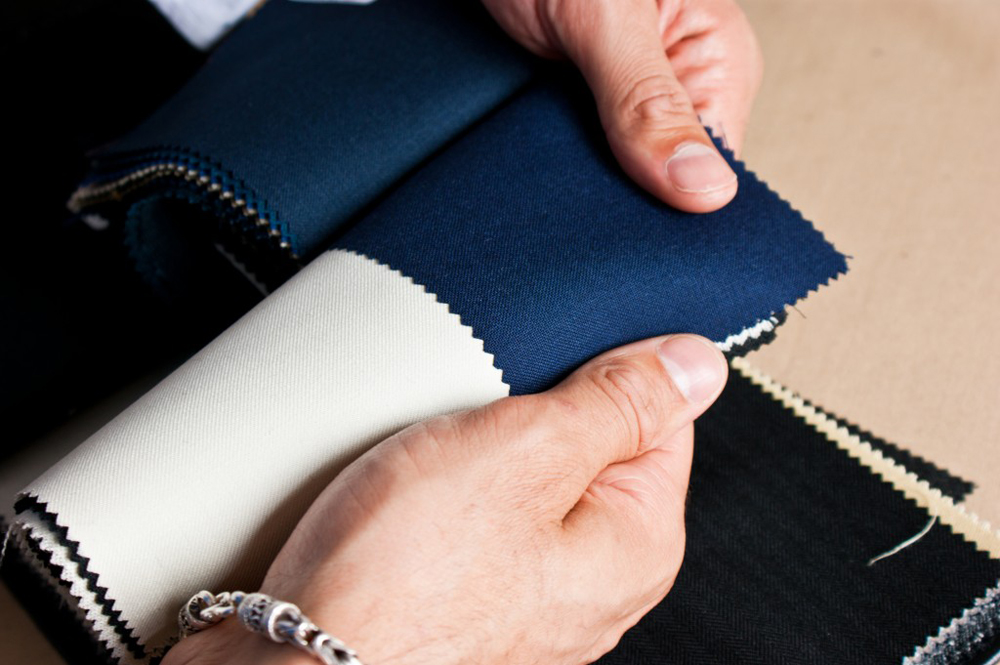
I had a great time learning the traditions and skills of becoming a bespoke tailor, the pursuit of perfection will always be and continue to be a tough road but I guess it’s just what drives you. I travelled the world with Anderson & Sheppard promoting bespoke tailoring abroad through various exhibitions, I was heavily involved in styling the companies clients and creating a range of accessories. All these experiences have made me the tailor I am today. When I joined there was no plan, I soon became engrossed in the world of bespoke tailoring, knowing I was working with one the most prestigious tailoring house in the world, I loved the atmosphere and buzz of the street. Every house has its own secret with Anderson & Sheppard’s being its softness and drape. One day it dawned on me that I would love to have something unique, I wanted to have something I could call my own.
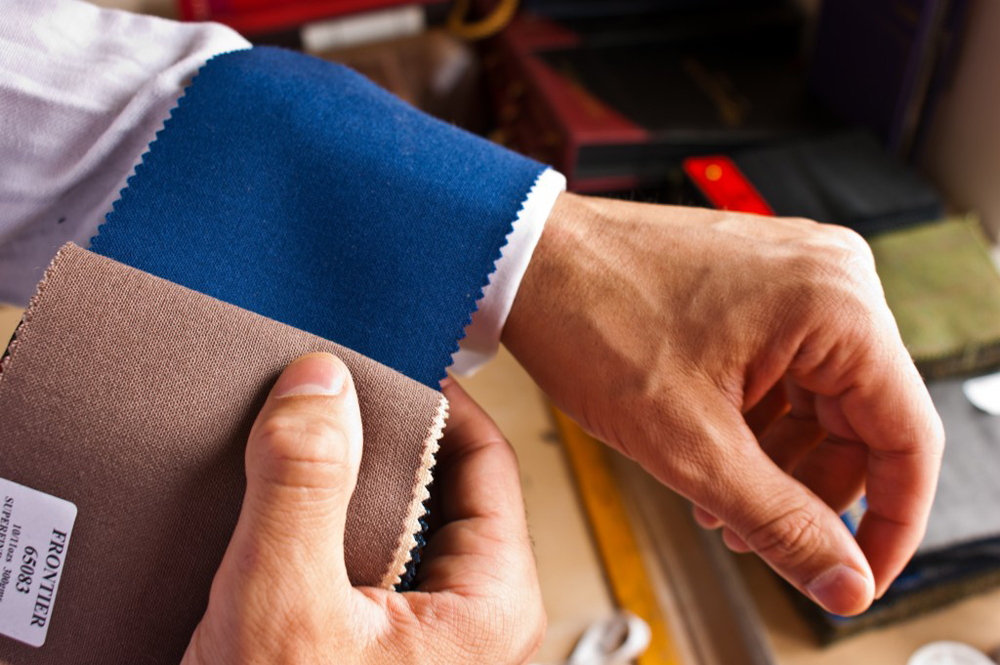
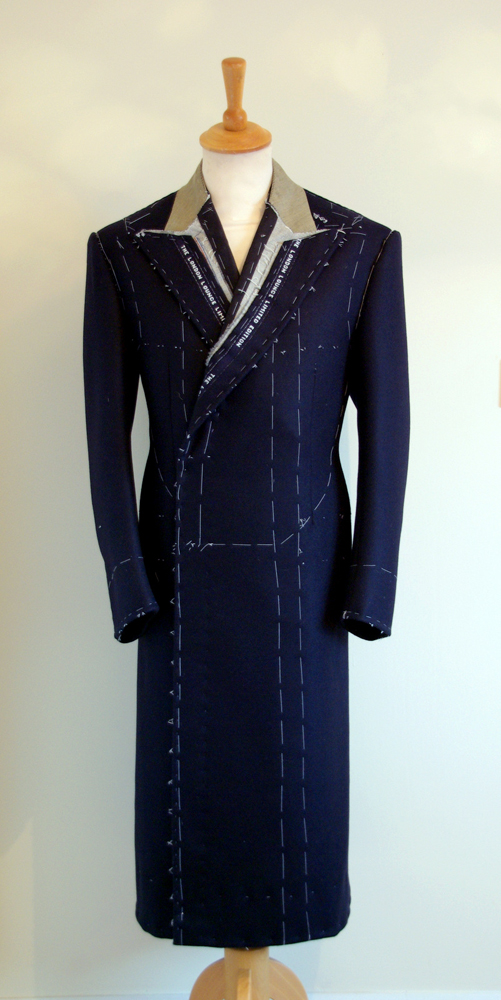
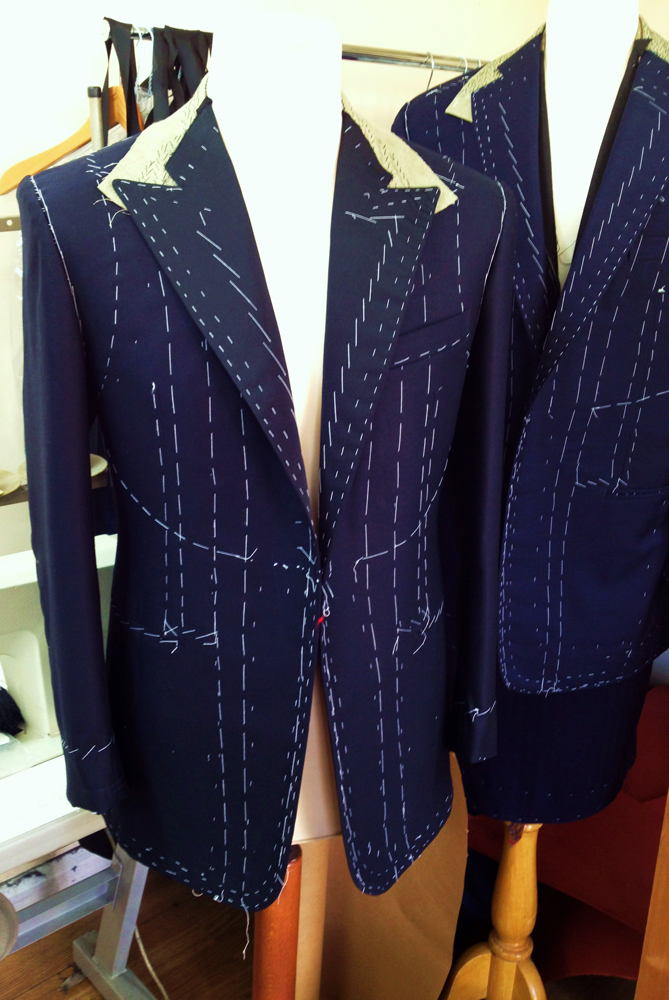
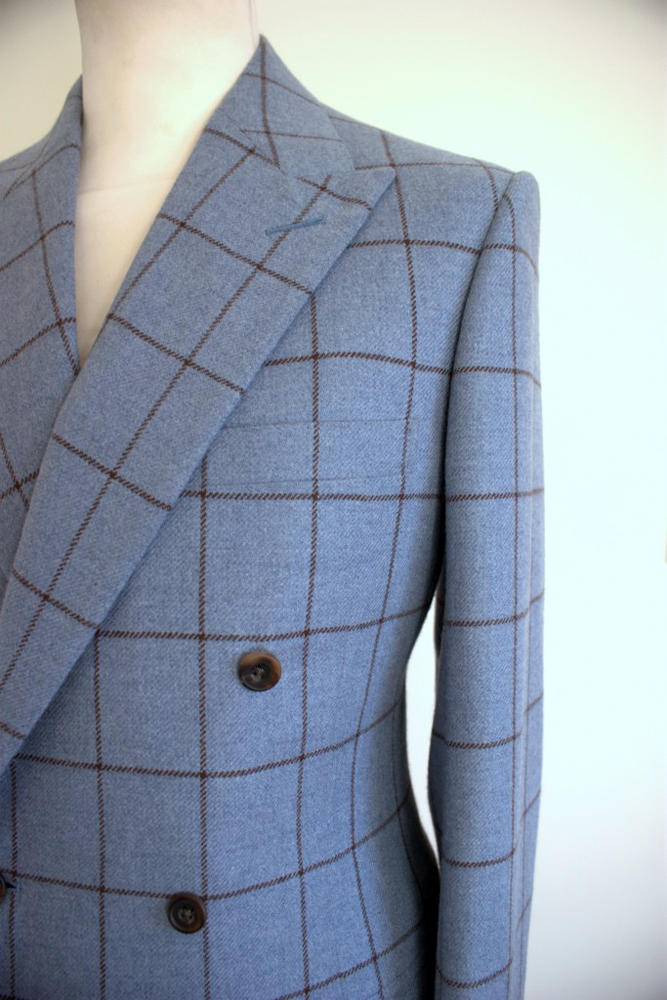
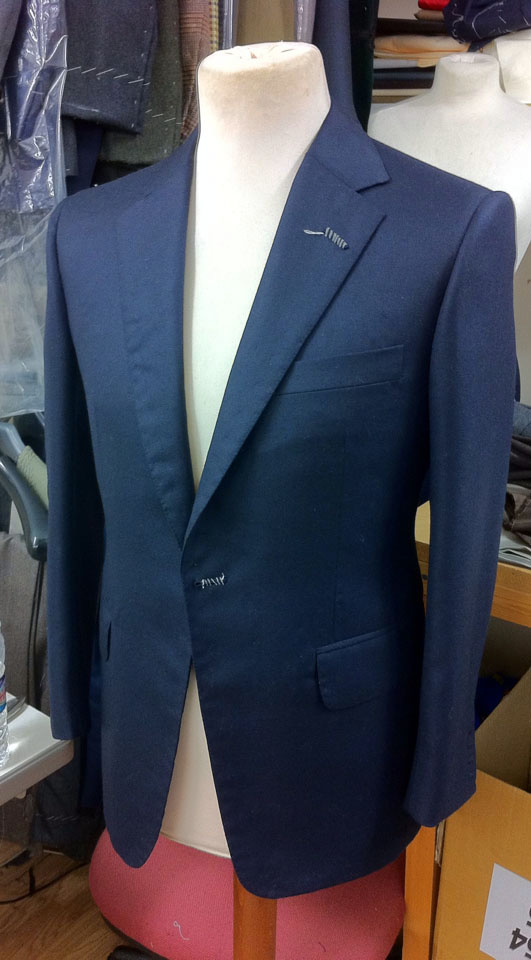
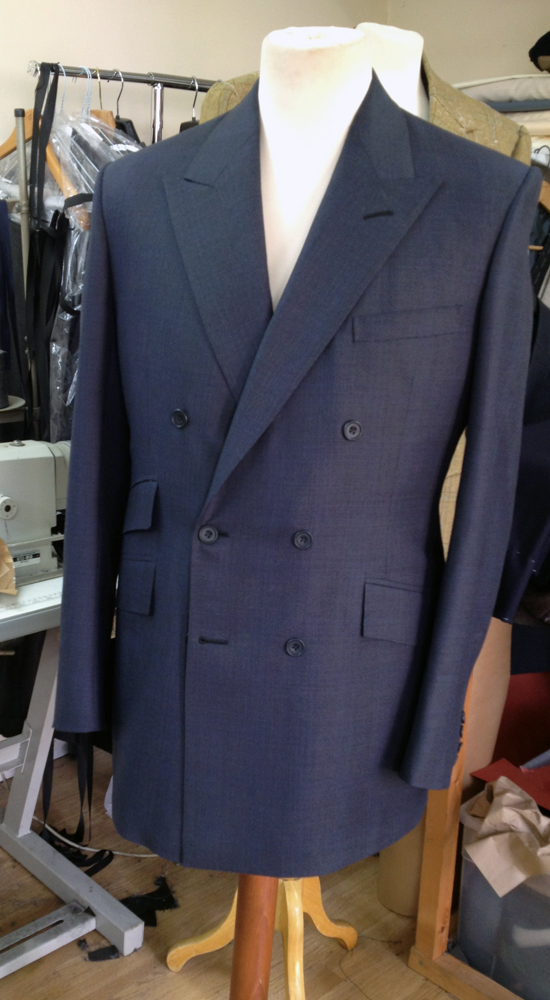
Taking influence from my roots I wanted to create a softly structured garment, so I have re- configured the drape chest, delicately suppressed waist and combined this with a natural shoulder to express masculinity. My own personal style is the same as my approach to tailoring, relaxed and elegant. I like to push boundaries with well thought out combinations; it’s not about throwing colour together just to stand out, it about confidence and self-expression, I will always go with what feels right.
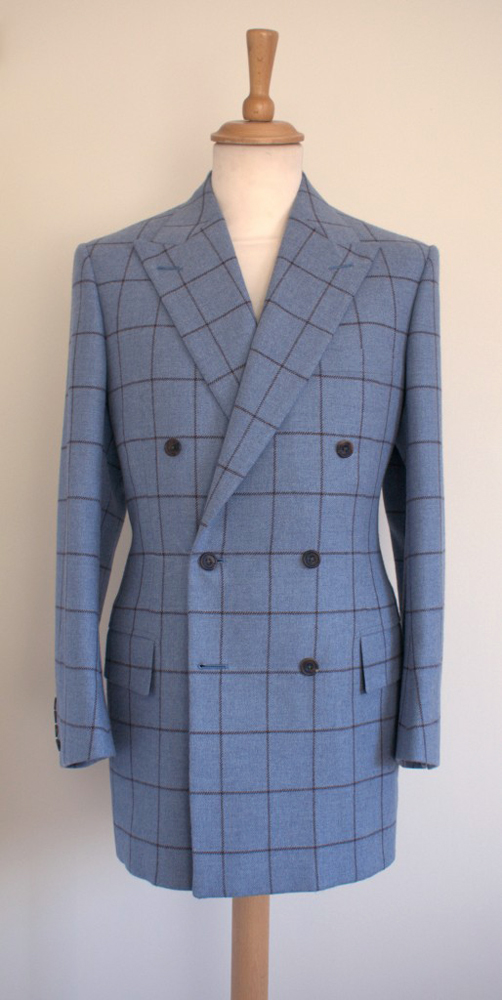
The customer should choose my firm because:
- We have a heavy focus on personal style, we believe the bespoke process should be fun, exciting and an adventure into self-expression
- Age
- Accessibility (we work around you)
- Innovative, we are traditionalist with a modern edge
- Bespoke Only
- Down to earth
- Competitively Priced
- Have acquired the skills from some of the most highly ranked Savile Row tailors in the world
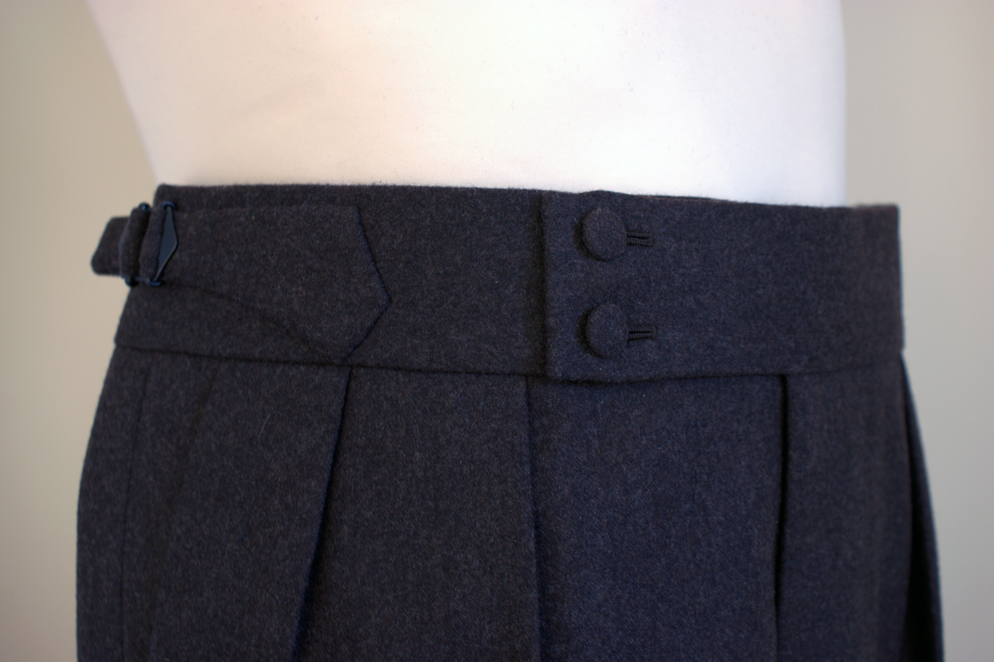
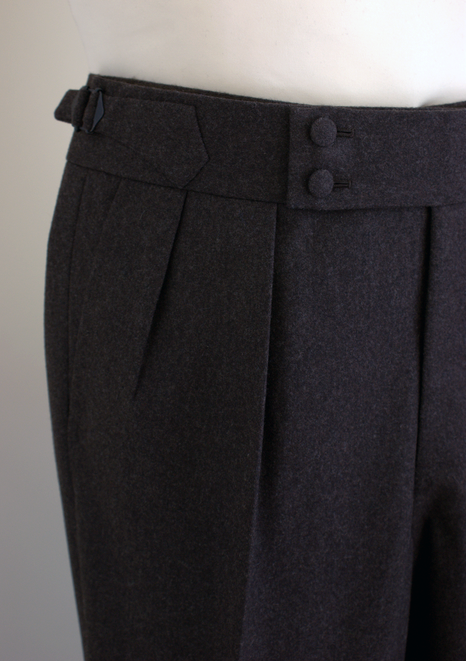
Raised waistband with cloth-covered buttons
12 years working for Anderson & Sheppard has provided me with the substance and the tools to create beautifully crafted garments, so with that installed in me, I am able to focus more intensely on styling garments without having to stick to a ridged house styles, we can cater for the more style conscious client. Our house style is fluid and carries influences from all that I have learnt from the row and is confident enough to push boundaries.
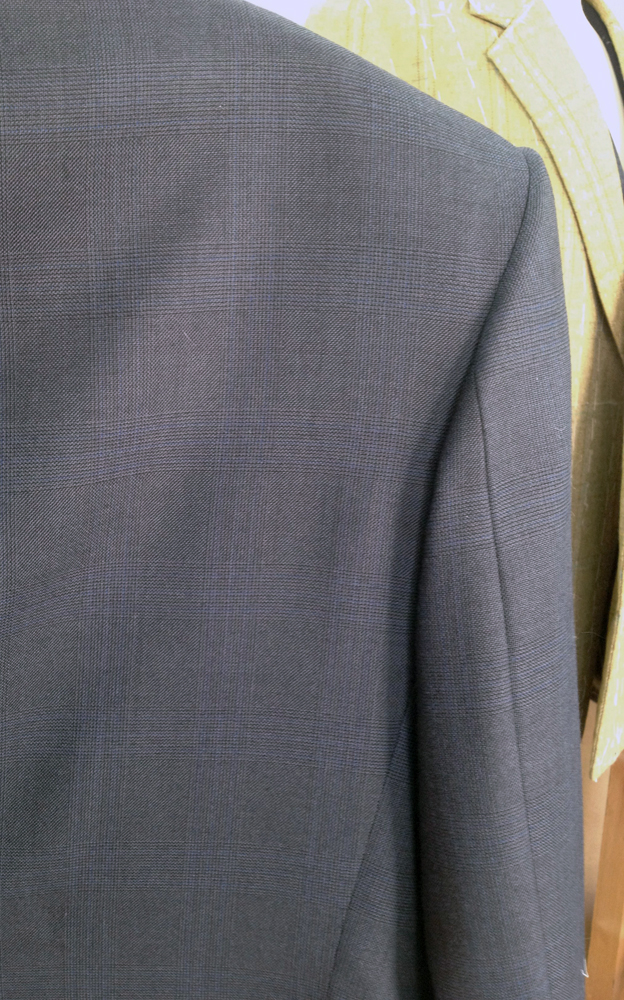 Soft and clean lines
I love the art of perfumery and I have a keen interest in blending my own fragrance, one of my most admired perfumers is Fredric Malle who I was lucky enough to meet during my time at Anderson&Sheppard.
It’s important to start with the classics like Navy and Grey as they are extremely versatile and can be worn at almost any occasion. From here I always suggest moving into sports jackets and separate trousers because at this stage you start to develop and eye for combinations, textures and patterns, again don’t go to elaborate at first take small steps unless you are feeling really confident. By this time you’ll have a tremendous awareness of what works for you, leaving you free to begin experimenting.’
Pictures: © Karl Matthews
Category Interviews, Savile Row, Tailors
Copyright © 2013 Ville Raivio