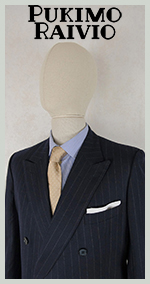
Interview with Matt Spaiser from The Suits of James Bond
0March 7, 2013 by Ville Raivio
“I’m 25 years old and work as a graphic and web designer, I studied graphic design at university. My mother always appreciated that I’ve dressed well, and my father also shares an appreciation for fine clothing. Though my brother doesn’t dress anything like me—he dresses far more casually—he often asks me for advice when clothes shopping. James Bond really got me interested in clothing, mostly from Connery’s Bond. The overall simplicity of his suits, shirts and ties appealed to my already restrained sense of style, but the small, unique details in his clothes really drew me in. Things like cocktail cuff shirts, trousers with side adjusters, and a waistcoat with lapels. I’m a detail-oriented person and I love the things that go unnoticed by most people. My knowledge comes from books, tailors and communicating with people in online forums.
I’m a very logical person, and fashion doesn’t make any sense to me. My body hasn’t changed much from this year to last year, so why should the clothes I wear be different? Alan Flusser’s books do a great job of explaining why classic proportions always look best. Clothes should work with the body to create the most attractive and the most comfortable fit. I appreciate the reasons why a suit jacket should cover the behind, why a jacket’s fastening button should be at the waist, and why trousers should sit at the waist. Because low-rise trousers are fashionable it doesn’t mean most men should wear them. There are plenty of good reasons why trousers have never before had such a short rise.
My personal style is very traditional, and I always try to dress things up a bit. I’m mostly a fan of English style, with a little American thrown in. My interest in the older Bond clothes—particularly Anthony Sinclair’s and Douglas Hayward’s styles—has made me come to prefer the softer English tailoring. But I still like the more structured Savile Row style as well. I live in New York and my favorite ready-to-wear clothes available there are from Polo Ralph Lauren, Paul Stuart and, of course, Turnbull & Asser. My favourite shirtmaker I’ve used so far is Frank Foster, who has probably done more wardrobe work on the Bond series than anyone else. I love how he makes an English-style shirt but with a closer attention to fit and finish more like you’ll find in Italian shirts.
After seeing too many people write online that Sean Connery’s Bond suits had flat front trousers and that the three-piece suit in Goldfinger is sharkskin wool—the trousers have double forward pleats and that suit is a glen plaid—I decided I needed to create a resource that looks at these iconic clothes in better detail. I wanted to examine the clothes as clothes, not so much in the context of the films. I’ve received great feedback and welcome people to comment on what I write about. I’m not always right and I appreciate it when people point it out. I’m very interested in music, particularly jazz and classical music. These days it’s mostly just listening to music and attending concerts, though I enjoy playing a number of instruments myself.
Dressing well commands respect. Neat, well-fitting clothing is always important, whether you’re dressing casually or formally. Sports jackets should be just as well-tailored as a dinner jacket. It’s also important to know what you like, and don’t let fashion tell you that what to like or dislike. For the past few years people have often told me that I shouldn’t be wearing pleated trousers, and it’s mostly salesmen who want to sell me the flat-front trousers they have on the rack. But for twenty five years before that nobody would have said that. I like classic English style, so I wear forward-pleat trousers. It’s great to find inspiration in what others wear, and much of my inspiration comes from James Bond. I don’t dress exactly like James Bond, but rather I’ve let Bond help me develop me own style. Be conscious of the clothes you’re wearing them and why you’re wearing them. If you’re simply copying James Bond, a classic film star, a member of British royalty or any other well-dressed man, you’re just wearing costume.”
http://thesuitsofjamesbond.com

Category Bloggers, Interviews, Styleforum
The EdT Trick
0March 7, 2013 by Ville Raivio
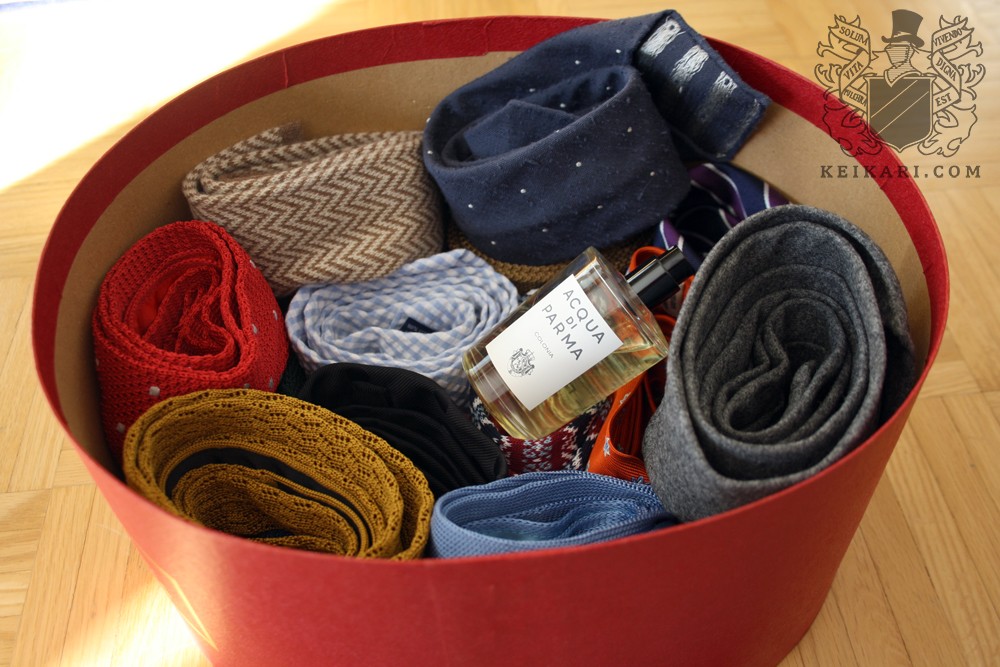
New purchases have a tendency to smell. The odour is usually a combination of materials, factory, storage and store, not always leading to a favourable result. The smell will fade in time as the owner’s apartment and body odours take effect with the piece. Thorough airing will usually help, but then there are these tenacious buggers which positively reek. My trick is simple: a spray or two from the reader’s favourite EdT is often enough to cover factory smell. I treat all handkerchiefs, scarfs, ties, jackets, coats, suits and so on with this method. As with all things in life, moderation is key. To this day I haven’t managed to make any asthmatics faint.
Category Tips
Interview with Lorenzo Cifonelli
0March 6, 2013 by Ville Raivio
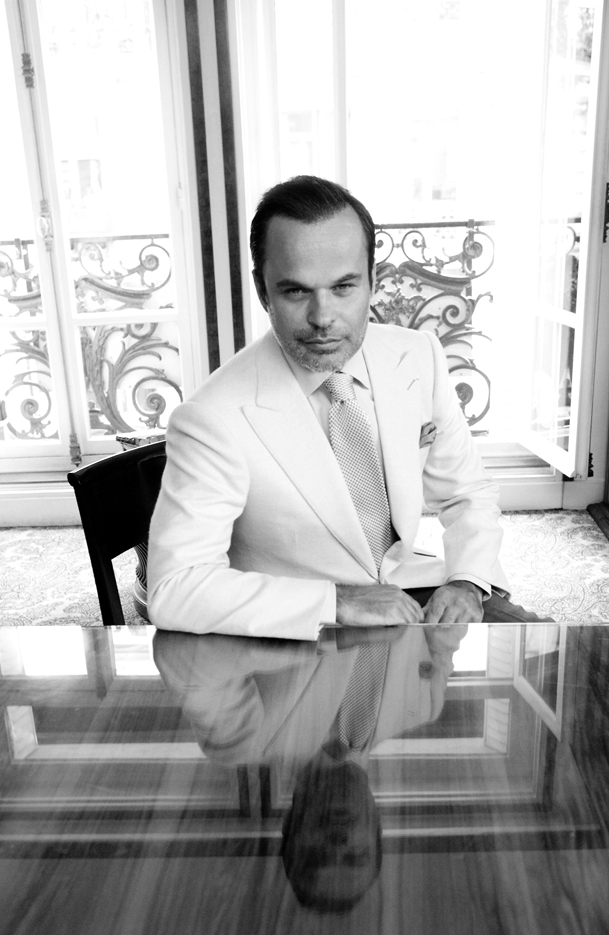
“I’m 43 years old and currently the master tailor at Cifonelli with my cousin Massimo. I knew that I would like to become a tailor since the first time saw my grand-father working in the workshop. He was always a success model for me. His way of working and his style are still inspiring me. I made a master degree in economy in Paris and also some studies in London. I have two little girls who are still too young for being educate to this amazing universe but one thing that I can tell you is that they love to see their father in the workshop ! :) I’m still working with my father and the family spirit is a real strenght in Cifonelli. Again I learned it because i grown in this universe since I was a child ! I also read a lot of book, particulary english ones for the secrets of tailoring. But you have to practice a lot to feel it well ! :-)
I’m wearing casual plans and I like to mix different style of wears and fabrics ! I don’t have a specific style in fact – just my own ! Cifonelli was found in Roma in 1880, now our showroom and worshop are located in Paris at the 31st rue Marbeuf inside “Gold Triangle”. We have a worldwide clientele and we are always travelling for meeting our customers all around the world. The Cifonelli style is a mix between the italian style, the cut and lightness, english for the structure and french for the quality of work and finishes.
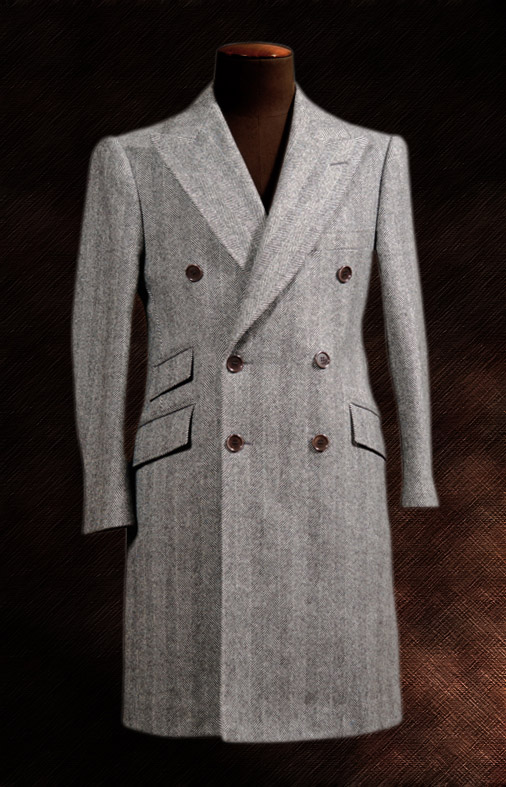
I always wanted to perpetuate the work of my great father and also to learn and show to the world our specific “savoir-fair”. But I’m also interested in a kind of fashion because it’s our modern world. My priority is understand how people live and always to show of curiosity for making contemporary suits. That’s why we are promoting the idea of “contemporary couture”. We are looking for the good balance between classic and modern style. That’s the Cifonelli vision. Always thinking to a new way of reinventing tailoring. You can see this spirit on a lot of jacket models : http://cifonelli.com/
I’m still the same and it’s always a pleasure to meet interested people. My cousin and I are proud to talk about our passion. We are not famous, but just well known for the quality of our garments… and that’s our first pride ! like to travel and that’s a very exciting part of my tailor job. The effervescence of Tokyo and New York is very stimulating and sometimes it’s a source of inspiration. Music can be also a way to find new ideas, I play guitar since years… And I’m also a tennis player on sunday ! :-)
Since some years, we can see that people are going back to the traditional and artisanal work. The authenticity and personalization is now required, that’s why I’m pretty sure that tailoring will continues to grow and catch the interest of many customers particulary for young people. I like to meet them, a lot are questioning me particularly on internet which is an amazing support with websites like yours ! The only that I could tell them is that in life as in its style, it’s important to be proud of its choices. And especially to assume them ! That’s the first thing that I tell to my customers!”
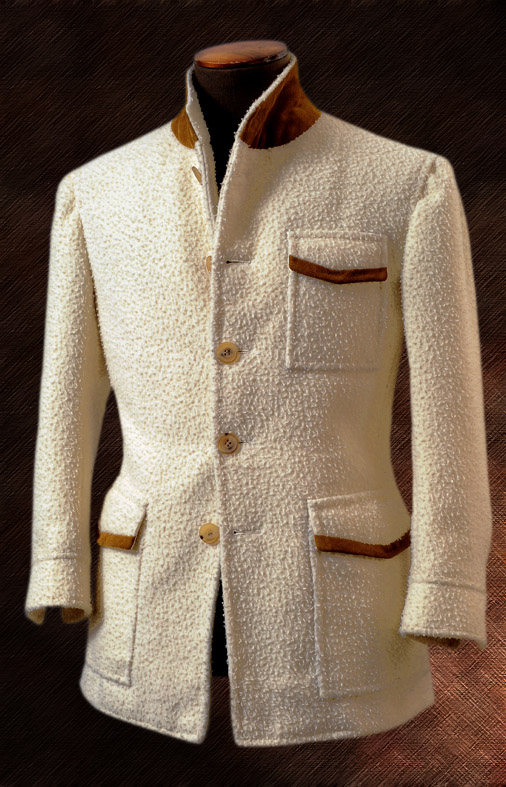
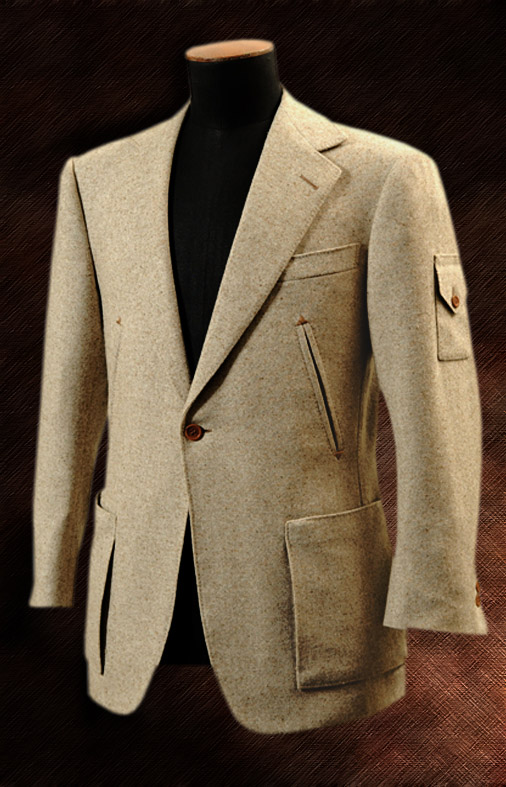
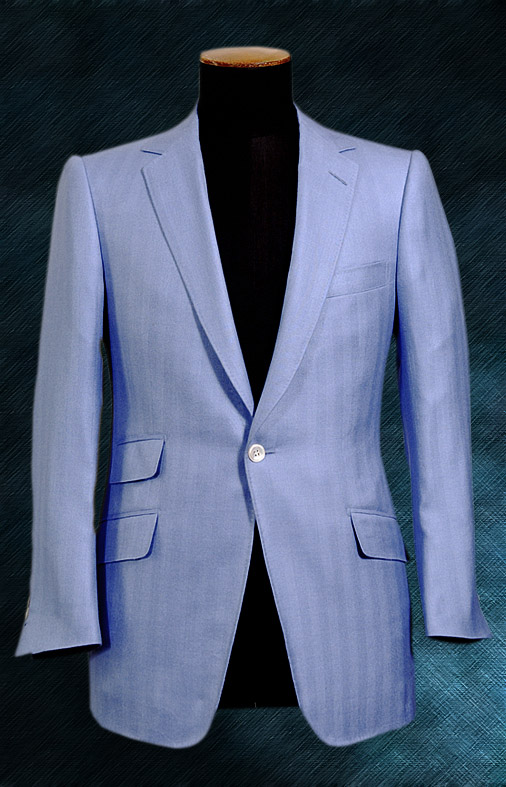
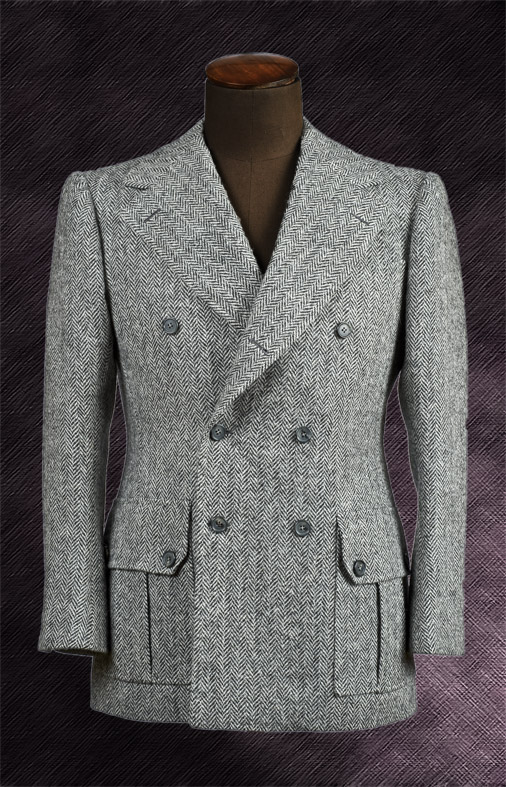
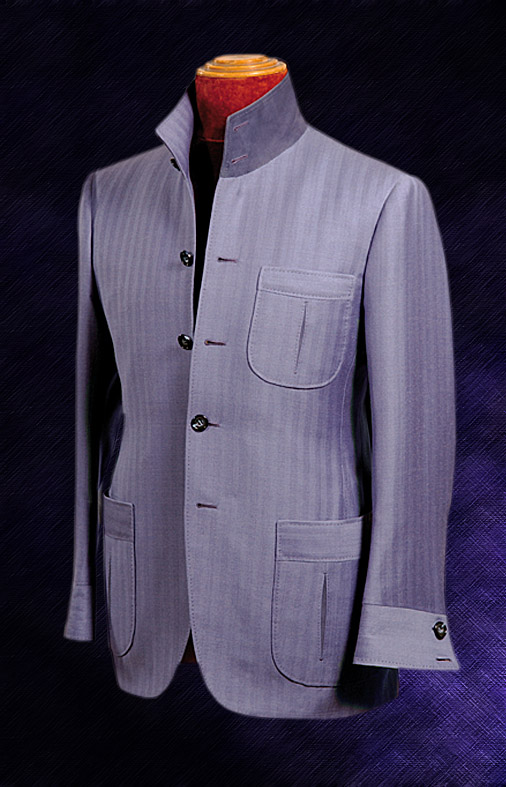
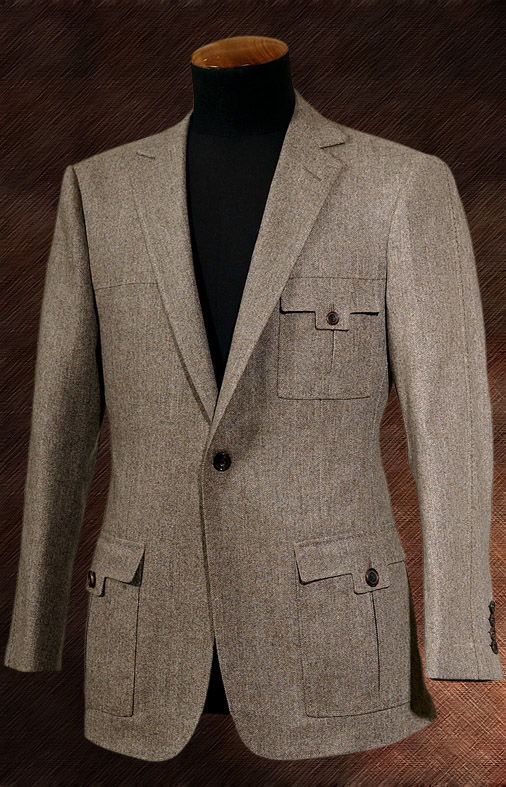
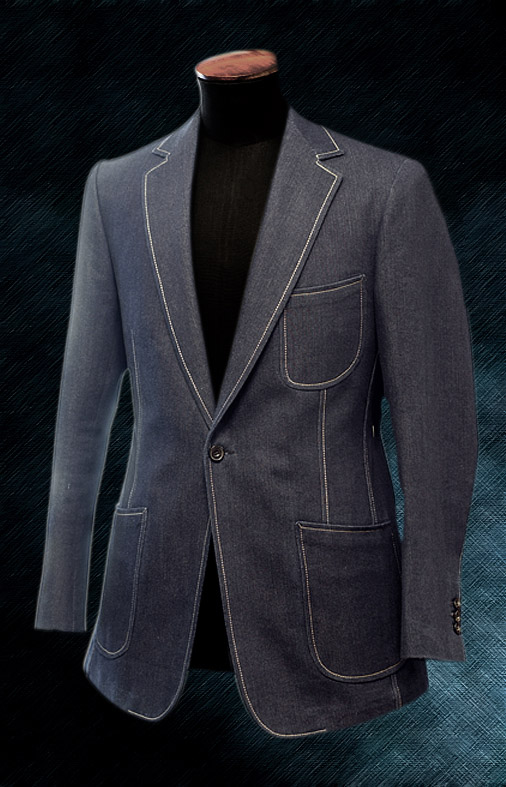
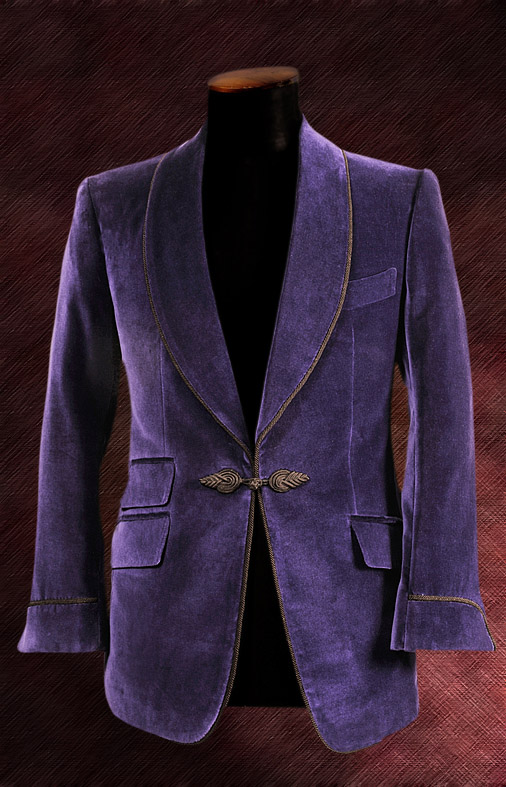
Pictures: © Cifonelli
Category French style, Interviews, Men of style, Tailors
Cotton Flannel
0March 5, 2013 by Ville Raivio
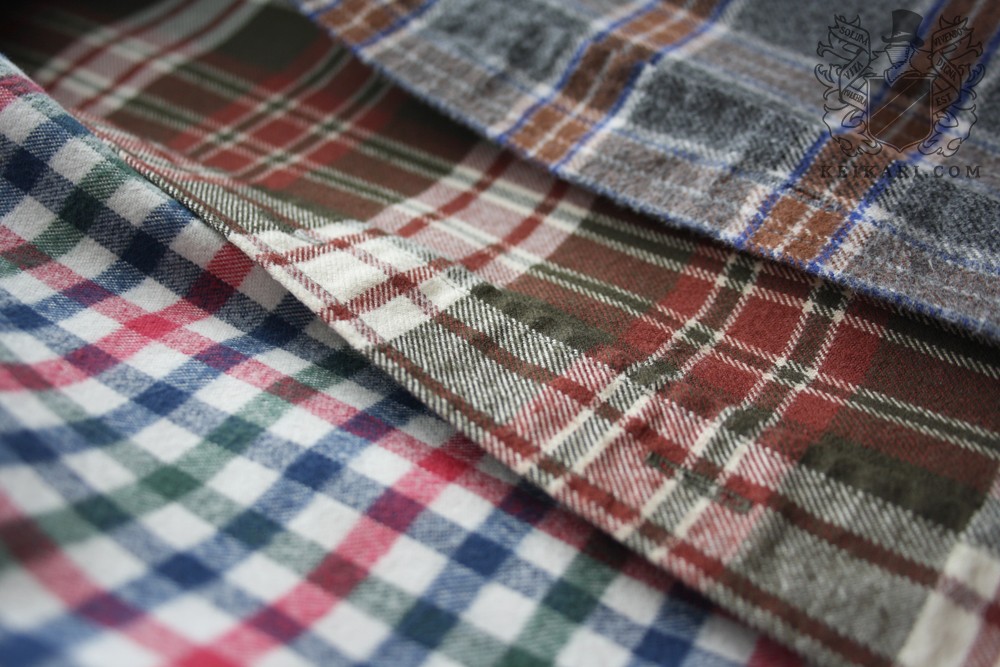
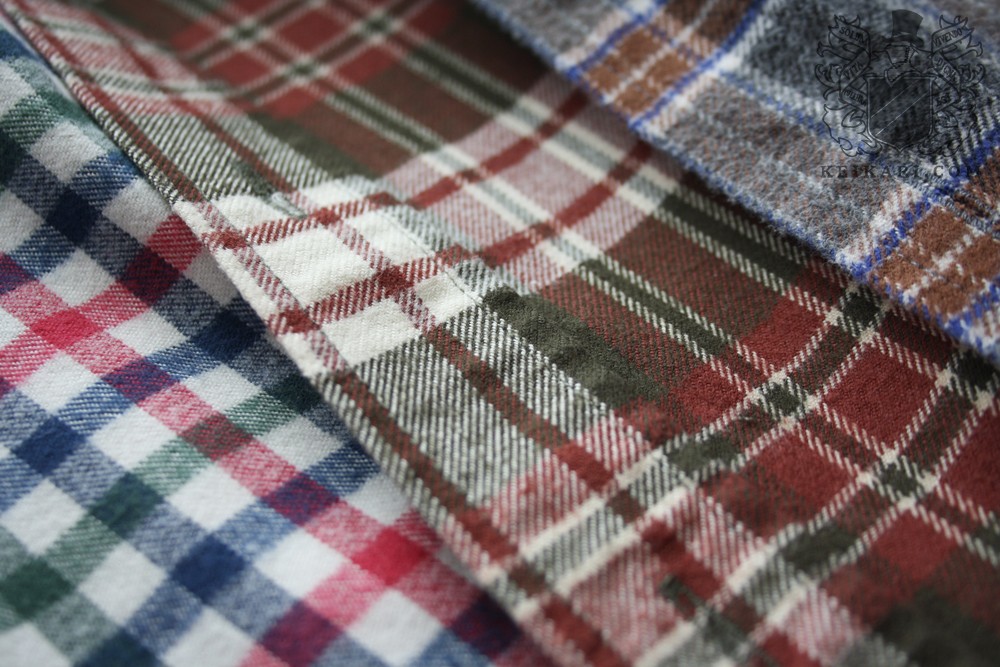
The Random House Dictionary has this to say: ‘Flannel, origin 1300–1350; Middle English flaunneol, perhaps dissimilated variant of flanyn, sackcloth; Welsh; compare Welshgwlanen, woolen article, equivalent to gwlân, wool + -en suffix denoting a single item. Flannel was born in the 17th century Wales, and was originally made of wool and without a nap. Most woolen fabrics have a slightly raised and fuzzy surface, called a nap, but with flannels the weave is made up of loose yard and the weft is raised with mechanical combing to make a kind of nap. Thanks to its brushed surface, flannel grabs and retains the body’s warmth more effectively than plain fabrics. During the 20th century, cotton flannel grew in popularity as an alternative to wool.
Like its woolen cousin, cotton flannel is a warm and durable fall and winter option. Unlike said posh cousin, cotton flannel is still a bit burly. Generations of lumberjacks, prisoners, farmers, sportsmen and ultimately grungeheads have placed their trust in flannel shirts or trousers over alternatives. Most cotton flannels are woven with a plaid or tartan pattern, making them quite a loud option. Jackets and jumpers are the answer. When any loud pattern is kept mostly covered, they are subdued. The Duke of Windsor often applied this maxim in his Fair Isle sweater vests, which screamed only moderately under tweed jackets. For those seeking warmth purged from hyperactivity, monochrome flannels are the best option. Due to cotton flannel’s thickness and fuzzy surface, it is best left for leisure wear in autumn and winter. In the land of the shivering, the flannel man is king.
Category Fabrics
Interview with Mati Ventrillon
0March 5, 2013 by Ville Raivio
“39 years old, designer-maker of Fair Isle knitwear and an Architect. I came to live in Fair Isle in 2007. I grew up in Venezuela, my father was French and my mother Venezuelan. I live with my husband David and two children, Sebastian 8 years old and Saskia 4 years old. My husband David is an artist and has always been involved with my business; a year ago when I decided to start an online business we sat together for three days designing the website, now every time I need to update the website is a job we do together. Also I am always asking his opinion about colour combinations and pattern balance when I am designing a garment. My children both knit, Sebastian can knit on his own simple garments like scarves and hats, and Saskia is learning the basic stitches; they both like to watch me working and are always telling me about new colour combinations I should try. Sebastian likes to design garments.
My parents are both dead. I have two elder brothers living in Canada. When I moved to Fair Isle my eldest brother was very concerned about my financial future and my career as an Architect. Then when I started knitting he became more supportive and encourage me to start my own business. My brothers were very proud when I was selected for the GREAT campaign during the Queen’s Jubilee Celebrations; they put a photograph on Facebook of the 10 foot Flag at Oxford Street! As a child I used to ‘customize’ my clothes and ‘design’ pieces that a friend will make for me. I remember designing a wardrobe for my trip to Egypt in 1999 using linen, chiffon and cotton. Also dressing like a boy from the 20’s; wearing shorts with braces and knee high socks when I was at high school and one of my jobs while at University was in a men’s clothier selling Ermenegildo Zegna suits, but I never took it seriously. It was when I moved to Fair Isle and after 4 years of learning the skills from the local knitters that I actually considered designing knitwear.
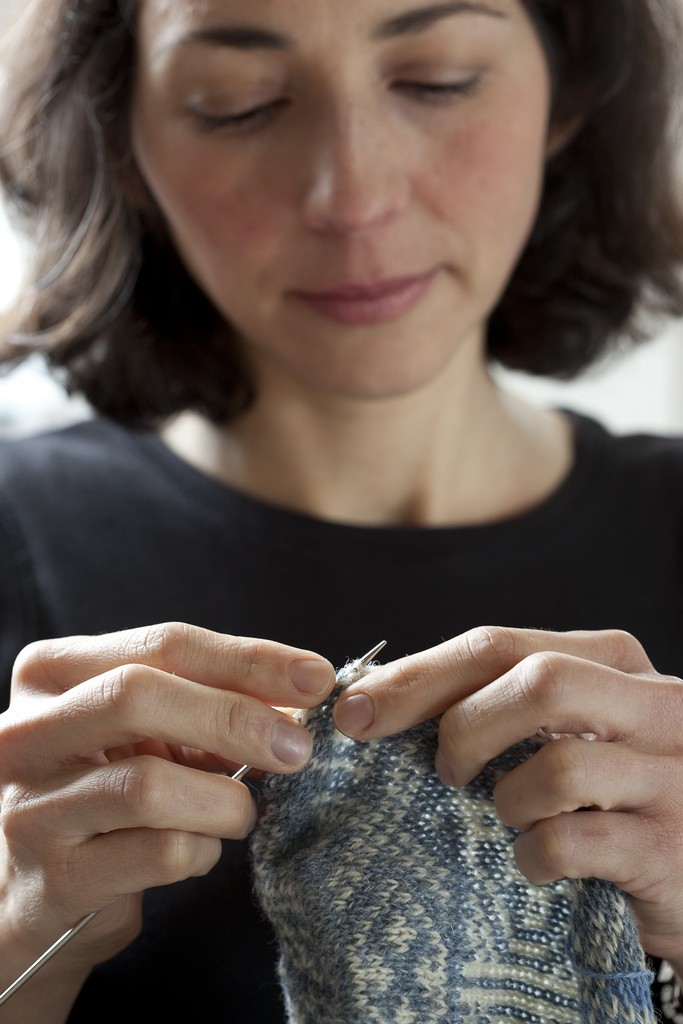
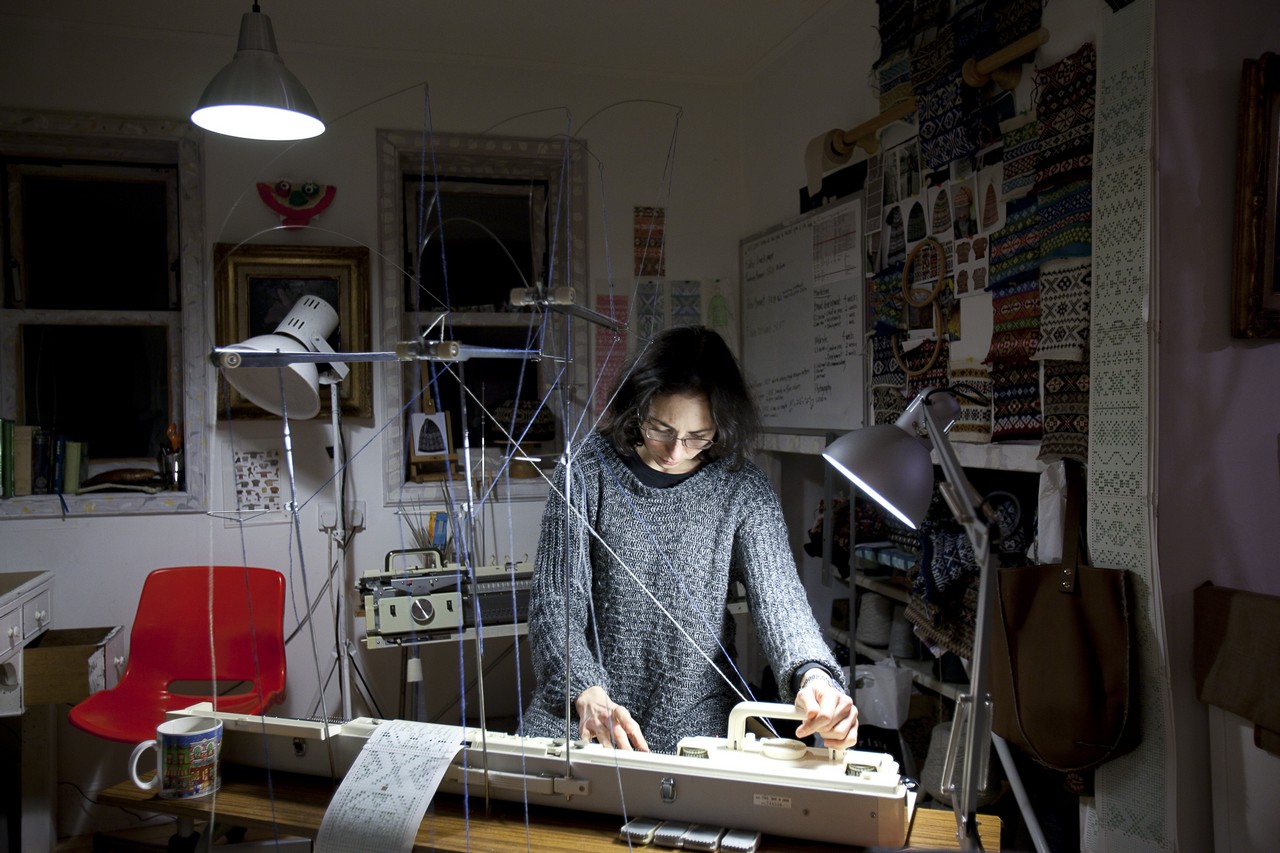
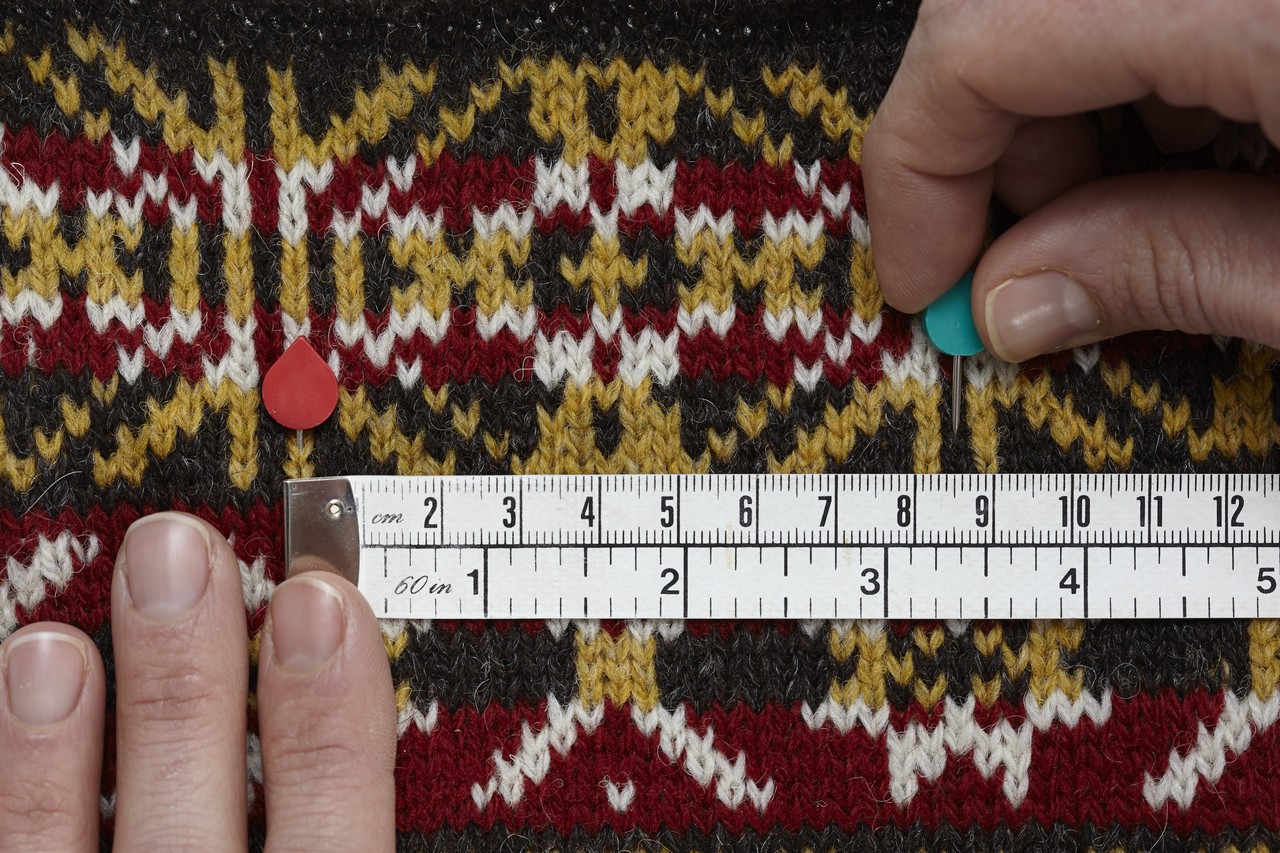
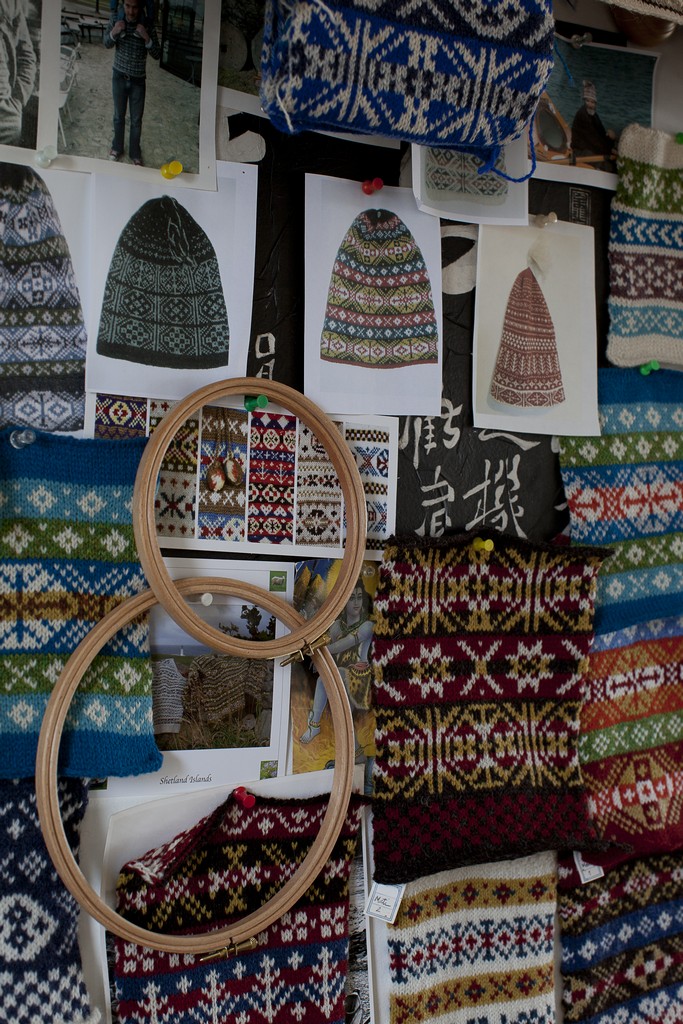
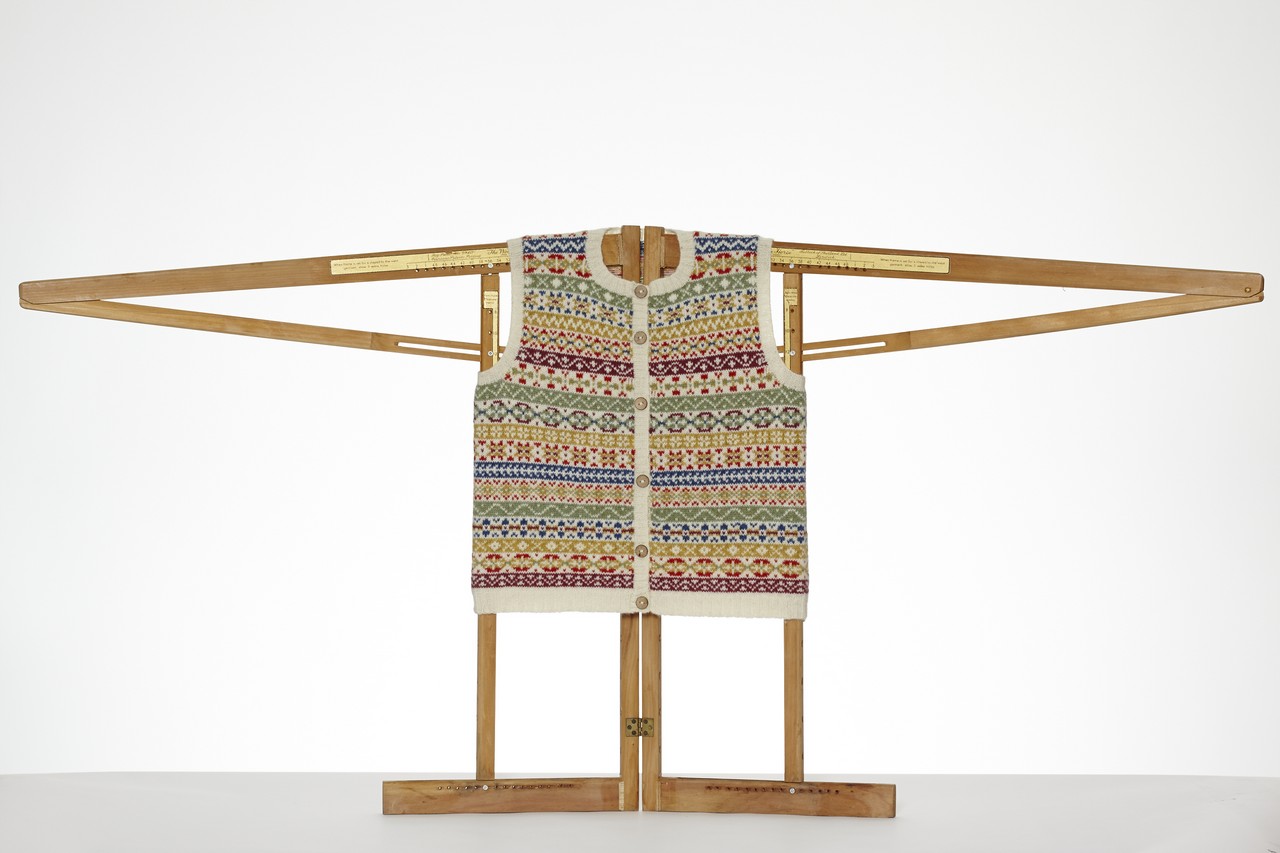
I offer a bespoke service of Fair Isle Knitwear. I design the garments individually according to the customers requirements and make them to fit; I do not work with standard measurements. The pattern designs are based on museum pieces and traditional patterns exclusively used in Fair Isle. When a costumer places an order I will contact him offering to discuss colour and pattern preferences, then I will produce three swatches/samples and e-mail them for the costumer to make a choice. Once the sample is agreed I will invoice the costumer when I am ready to start knitting. Each garment is hand-frame knitted and hand-finished using 100% Shetland wool. Depending on style a garment can take between 14 to 20 hours. The waiting period is normally 2 weeks, but at present I have bookings until March.
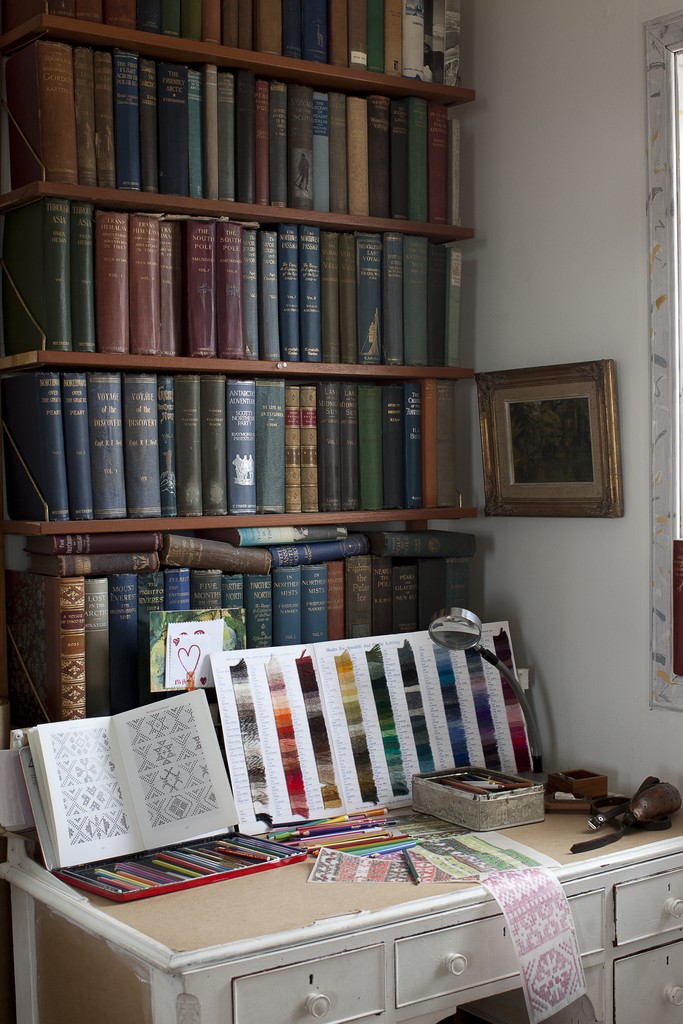
My knowledge of knitwear comes from the knitters in Fair Isle; it has been a hands-on learning. I started training as a finisher in 2007 and gradually learned to knit and shape the garments with the hand-frame knitting machine. During this period I researched the traditional patterns and styles in the Shetland museum archives, the library and with the local historian. In 2011 I applied for an Art scheme with Shetland Islands Council and trained with Barbara Ridland, a local textile artist. I don’t think I have a ‘style’. I am practical, I like simple clear lines and always wear black, navy blue or grey with the exception of a pale green winter coat. My company has been running for a year.
There are three other knitters in the island, they prefer to sell locally to the visitors and cruise ships. I like the challenge of designing for the customer, every garment is always a new adventure for me because every body is different, there is not one size 40″. I am very active, I like scuba diving, swimming, climbing and cycling but Fair Isle is quite limited for sports so when my husband and I plan our holidays we always try to combine it with cycling; in 2006 we cycled from London to Greece with my son Sebastian, who was two years old then, it took us five months. I also enjoy baking and cooking.
The best maintanence tip for wool is to wash it as little as possible but when you do have to wash it:
1) Do it by hand with a delicate soap.
2) Let the garment soak without scrubbing.
3) Rinsing water at exactly the same temperature of the washing.
4) While drying gently stretch back into shape.
5) Press by steam ironing at low temperature with a tea towel on top to protect the fibre.”
http://www.fairisleknitwear.co.uk/
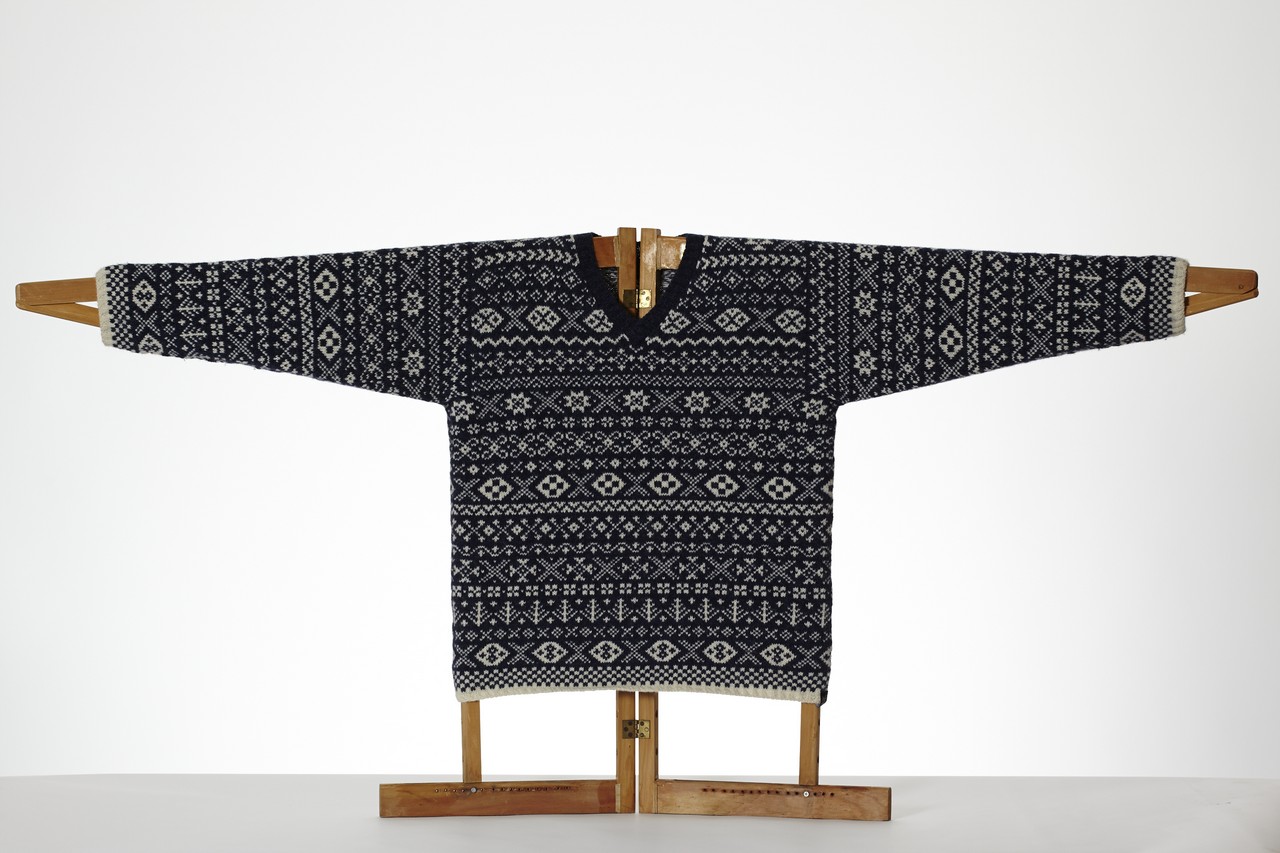
Pictures: © Mati Ventrillon
Category Interviews, Knitwear, Tradesmen
Copyright © 2013 Ville Raivio