
A Short History of Cufflinks
2October 9, 2013 by Ville Raivio
In the beginning, there was a shirt. Its guise changed with the times since men took to them at around 3,000 BCE, or so the story goes according to Women’s Work. The first 20,000 Years by Elizabeth Wayland Barber. Working men and the poor wore theirs as work garments, grandees reserved them strictly for underwear. Cloths, details and collars reflected their time, but the main interest of this little history of sorts lies in cuffs. Small, decorative ruffles appeared around wristbands on the 16th century but these were kept in place by strings or ribbons tied through little holes. As always, kings and courts set the pace peoples danced to. The sunny Louis XIV, for one, was a hoarder of finery and jewellery but still wore strings. In the last years of his era, some fashionable men took to wearing identical or similar buttons coupled with a chain, boutons de manchette, attached to their ruffles. These quickly turned into grand acts of wealth and stature, guaranteeing steady incomes for talented miniature painters and jewellers. Cuffs evolved to better meet the fashion of the age and for displaying these artworks. Imitation jewels were favoured by the less grand in coin and coiffure.
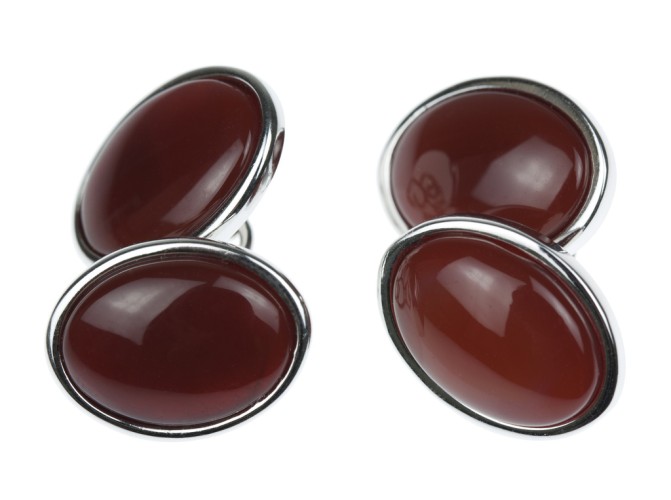
The Victorian age was penetrated by starch. Stiffy, starched collars and cuffs marked the spot of gentlemen around Europe, America and The Commonwealth. Cuff links instead of buttons were needed to better slip through the hard cuffs, both single and foldable double-length ones. Detachable collars and cuffs allowed a varied look for the frugal, struggling clerks and such, who couldn’t wash their laundry daily but who also were not tied to physical labour. Cuff links displayed taste, wealth, insignias, mementos as well as memberships to clubs, universities, regiments and so on. A new industrial invention paved the way. In the 19th century, electroplating fine metals onto humble ones allowed the less privileged to ornament their cuffs. In America, George Krementz patented a machine with a similar function as Civil War cartridge shell-machines which made one-piece collar buttons and cufflinks. Most companies ordered cuff links either for advertising or as gifts for employees or executives. Around 1840s, the longer and foldable French cuffs arrived as a fashionable model. The Random House Dictionary states that the very term, cuff link, was first recorded at 1895 to 1900. Silk knots should also be mentioned. These humble, colourful and cheaper cousins of metal cuff links arrived to the stage in 1904 when Charvet used them as simple fitting and display links.
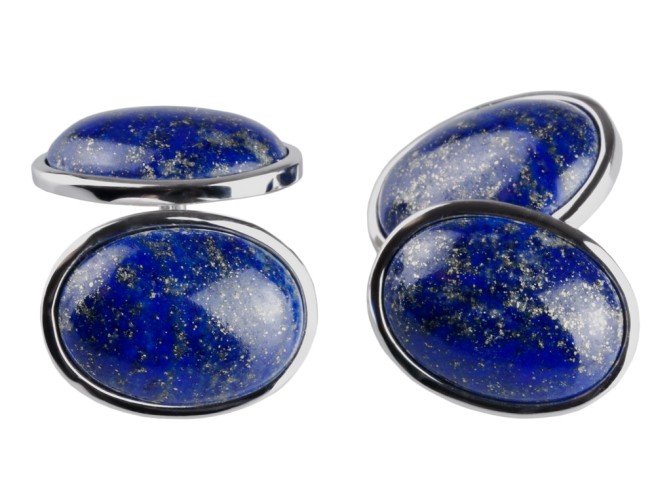
Snap-on cuff links were wildly popular during the 1910s to 1930s. Many a man lost their favourite pair when the snap became undone while romping around the city. The Duke of Windsor, ever so often touted as The Tastemaker of the 20th century, helped to bring about the demise of cuff links. He much preferred comfort and softness, which everything starched was a far cry from. His choice of attached, softer collars and button cuffs signaled the changing times, the details of which were quickly spotted by journalists and disseminated by fashionable magazines likes Apparel Arts and Esquire. French cuffs became markedly more formal than before, best reserved for the smartest offices as well as black tie and white tie occasions. Still, the 1950s saw some popularity for the stirrup cuff link type. As tailored apparel was steadily replaced by sportswear, which fits all and suits no-one, French cuffs and cuff links lost their popularity among the masses, what with all that fuss, trouble and bore. While on the whole the ‘80s was a grand sartorial purgatory, that age of excess did bring a new-found interest for cuff links. Much can be forgiven for this, more is best forgotten. The men who enjoy beautiful things, grand occasions and going through some loops still wear and enjoy links on their cuffs, our three-hundred-year-old links to the past.
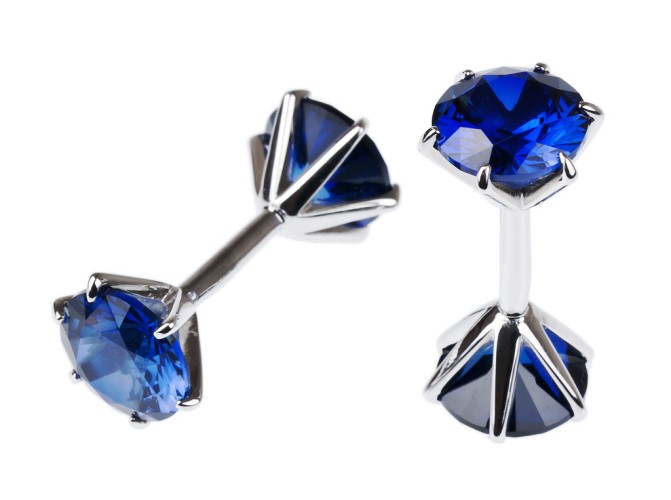 Photos: Kent Wang
Category Accessories, Essays
Neapolitan Shoulder Explained
1October 8, 2013 by Ville Raivio
A few years ago, Luca’s turquoise eyes and grinning face wasn’t spread all over the Internet to become the meme of Neapolitan ease it is today. The Rubinacci family’s tailoring empire wasn’t such a well-known destination with branches on nearly all continents, fortunellos weren’s gracing the limbs of dapper men in London and NY, and the Neapolitan shoulder was new and enticing. Back then, trailblazers, both men and jackets, had returned from the seaside venue and were in the know. Michael Anton was one of them and he had much to say, to show, to teach.
‘There are three things that can distinguish a Naples-made or Naples-inspired coat shoulder. The first is a lack of padding. The second is a pleated sleevehead. And the third is what the Neapolitans call the spalla camicia, or “shirt shoulder”.’
http://www.askandyaboutclothes.com/forum/showthread.php?49543-Neapolitan-Shoulder-Explained
Category AAAC, Glossary, Italian Style, Jackets, Links, Naples
Chesterfield Has It
0October 8, 2013 by Ville Raivio
‘The difference between a man of sense and a fop is that the fop values himself upon his dress; and the man of sense laughs at it, at the same time he knows he must not neglect it.’
~ Philip Dormer Stanhope, 4th Earl of Chesterfield
Category Quotations
Dandyism.net
0October 7, 2013 by Ville Raivio
Dandyism.net is back. The site took a virtual grand tour (or hiatus from creditors) while its creator delved deep into traditional, natural-shouldered American dress over at Ivy-Style. Very true to its name, Dandyism.net spreads the wonders of dandyism for the man who cares. English social dandyism and French literary dandyism shake hands as the site’s main men, known as The Junta, unearth lesser-known dandies, turn their biabolical monocle on books on the topic, pass judgement on the forum or share articles and reading tips for the eager student.
I feel the site is worth a look for any man with a penchant for dressing well. There is much to learn of what’s been said or written about the phenomenon before, and French literature is never wasted on a humanist. There’s Beau, too. While Beau Brummell never wore a suit, much of his dicta are with us; woollen cloths instead of silks, a restricted palette, fabrics following the natural contours instead of creating new ones, navy blue colour, tidiness and that indescribable something. I could call it je ne sais quoi, but that would be very jejune of me.
Cary Grant’s Button-down Shirts with French Cuffs
0October 6, 2013 by Ville Raivio
Yes, the legends are true: Cary Grant, that style icon, Hollywood favourite, transatlantic enunciator and second Greatest Male Star of All Time wore button-down shirts with French cuffs (at least a few times on camera). The Rules are clear in that this act was categorically wrong. Button-down shirts were originally sportswear and among the softest of collars, while French cuffs are stiffies best reserved for the loftiest of occasions and venues. Grant’s shirts, then, are menswear bastards — and yet, there they are. He chose them, he wore them, he didn’t give a damn. All this goes to show that The Rules can be broken with no great harm for the reputation of style icons. The end result is very much like licking one’s elbow: it can be done, perhaps with the help of natural talent and a few dislocated joints, but likely not worth the trouble.
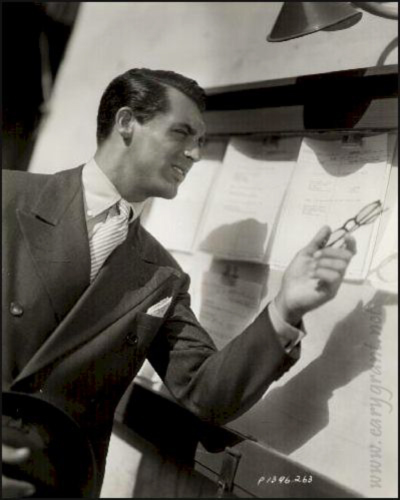
Photo: Carygrant.net
Category Eccentricities, Etiquette, Style Icons
Copyright © 2013 Ville Raivio