Anatomy and Review of Edward Green Shoes
6February 22, 2013 by Ville Raivio
Edward Green is a renowned shoe factory from Northampton, England. With a large selection of understated ready to wear models in dozens of colours and finishes, the maker has offered Goodyear-welted British footwear since 1890. During its history it has catered to the needs of well-heeled men around the world, several heads-of-state included. The current catalogue is available online at Issuu’s website, showcasing 47 models in eight lasts. Some pairs are only available for special orders. EG offers a made to order service, allowing its customers to choose the desired model, last, leather type and colour as well as sole material. The possibilities are vast. Regular and antique leather colours combined, EG offers close to three dozen leather options along with shell cordovan, alligator and the other exotic hides. If regular MTO pairs are not enough, the customer can opt for Top Drawer. This service grants him more handwork, and an extensive finishing which both lead to a shoe closer to leather art than mere footwear.
The factory clicks its leathers and lasts them by hand, but soles are gemmed and attached by machines. The maker has developed its leather colours and finishes with an Italian tannery, and is known for its burnishing treatment. For me, the last number 202 represents the quintessential English RTW shoe with its lightly chiseled toe, contoured lines and close fit on the heelcup and instep. EG has used this last nearly one hundred years, and its other lasts are derived from it. The company has only three British competitors on its price-range, Lobb Paris, Alfred Sargent Handgrade and Gaziano&Girling. Due to its grand reputation and high standards, the maker has a solid customer base around the world. The factory charges around 600£ for its regular pairs, MTO is around 750£ and up, Top Drawer is a bit more than one thousand pounds. EG’s own shoe trees are close to 70£. Naturally, hand-stitched pairs and all boots have a surcharge. With all this is mind, I was keen to have a go at EG’s shoes and see for myself what’s in a name.
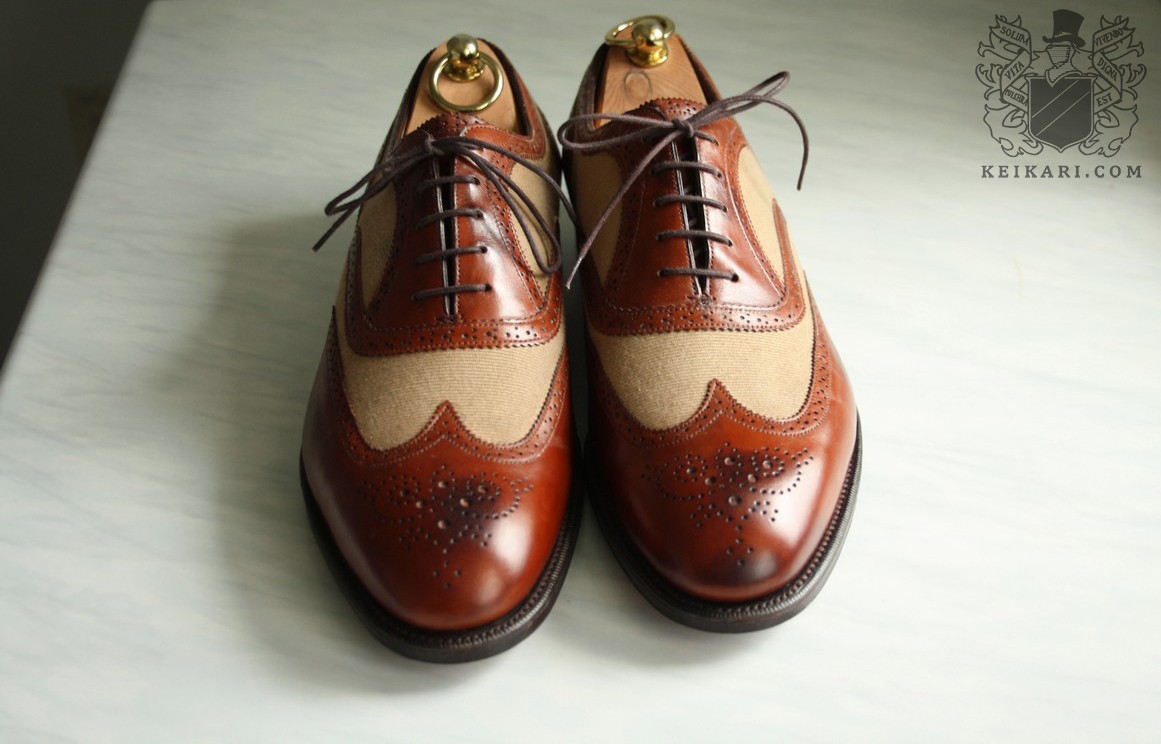
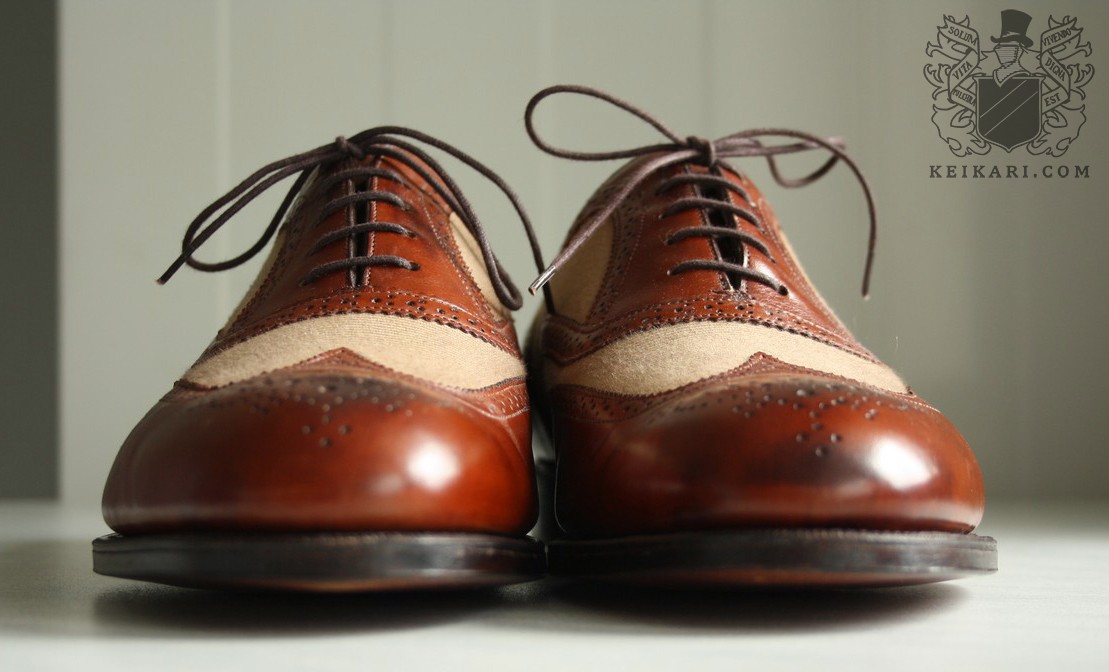
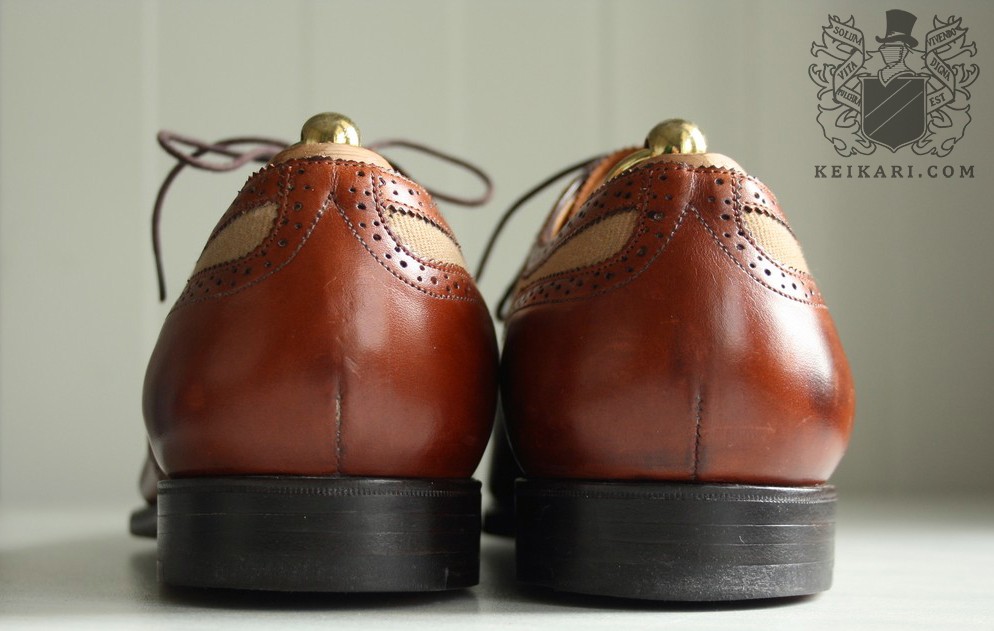
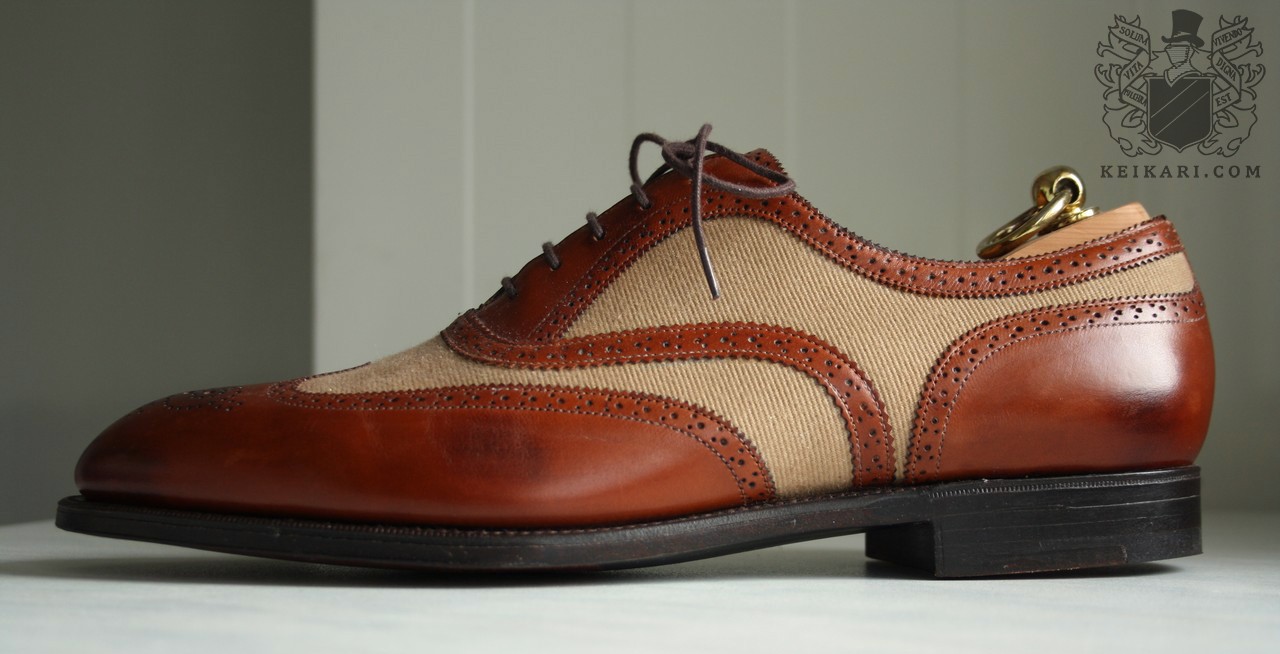
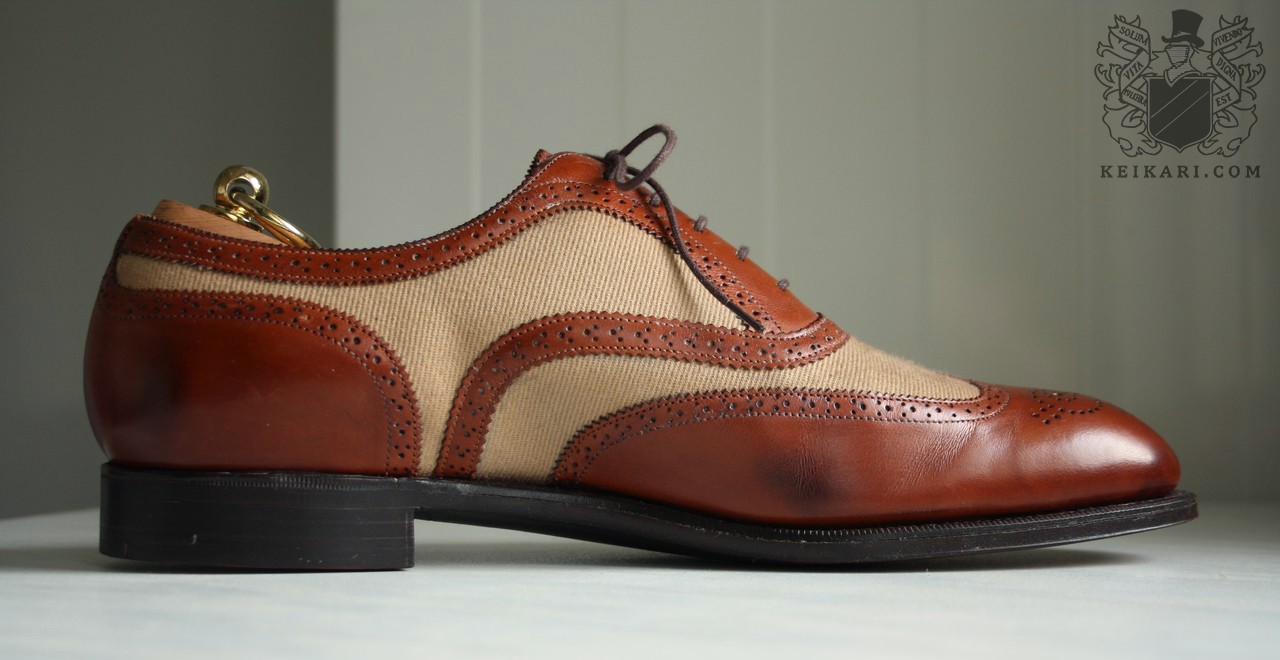
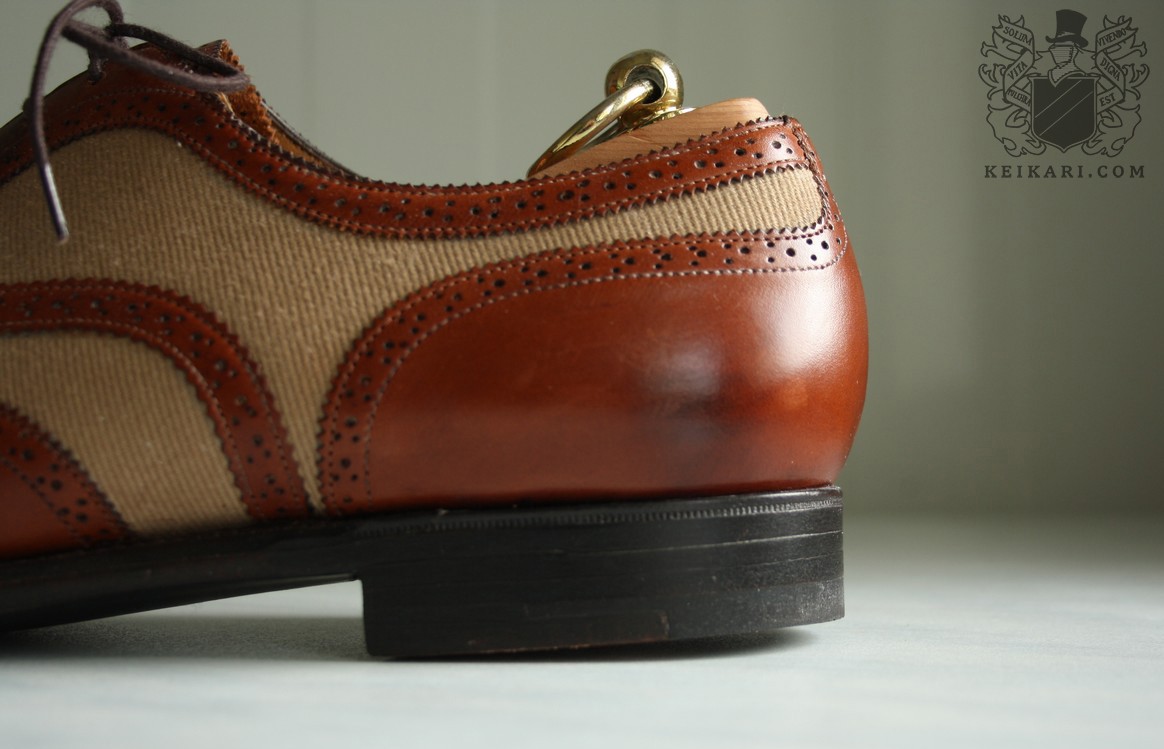
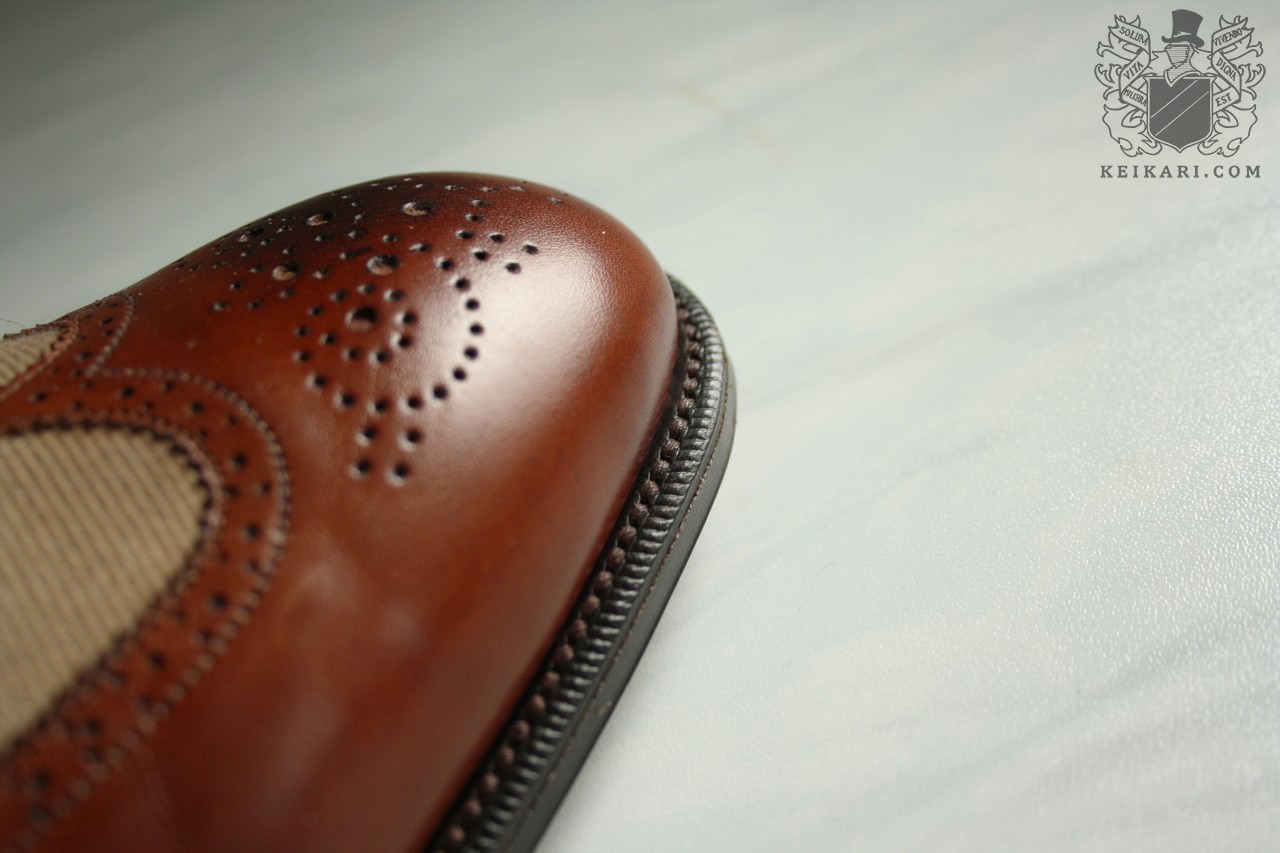
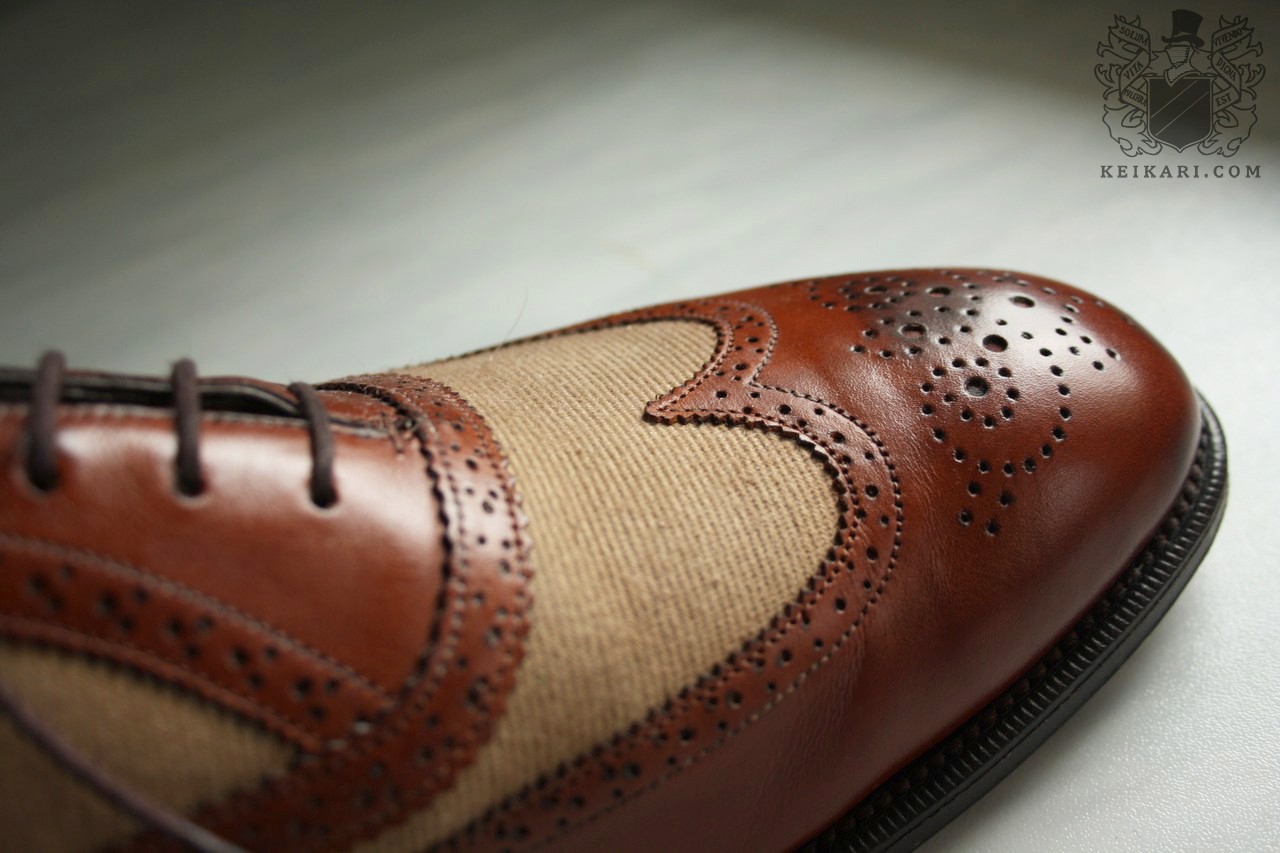
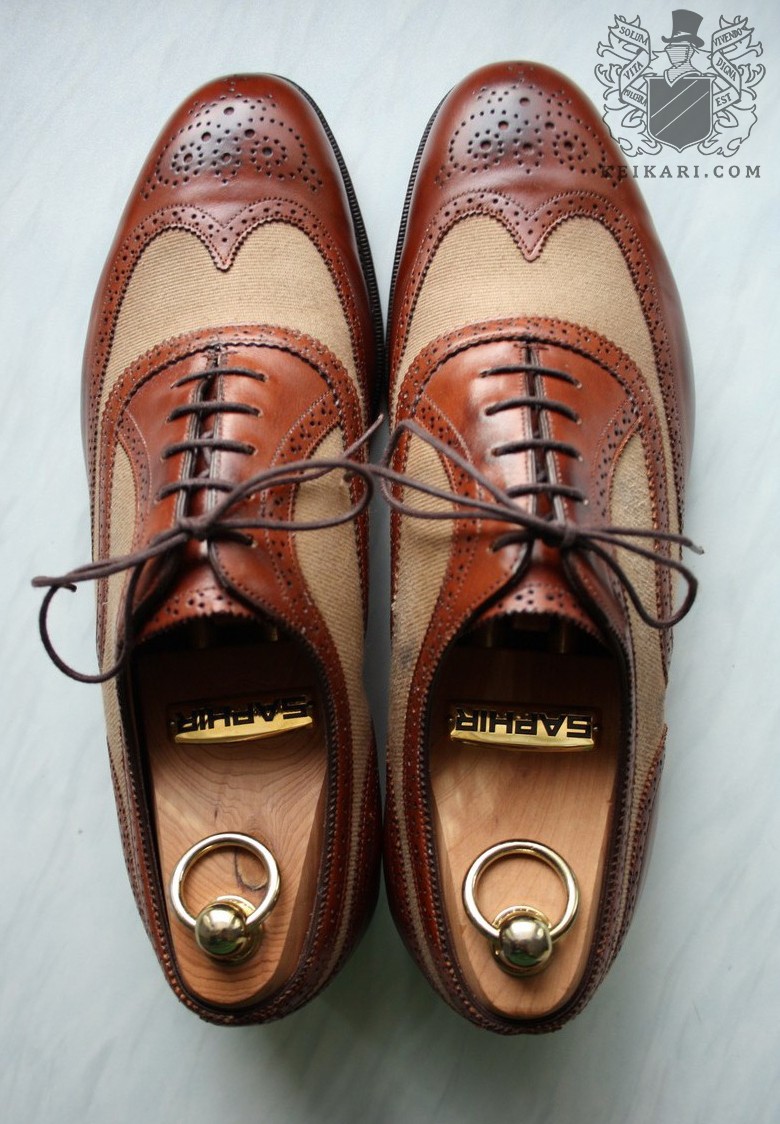
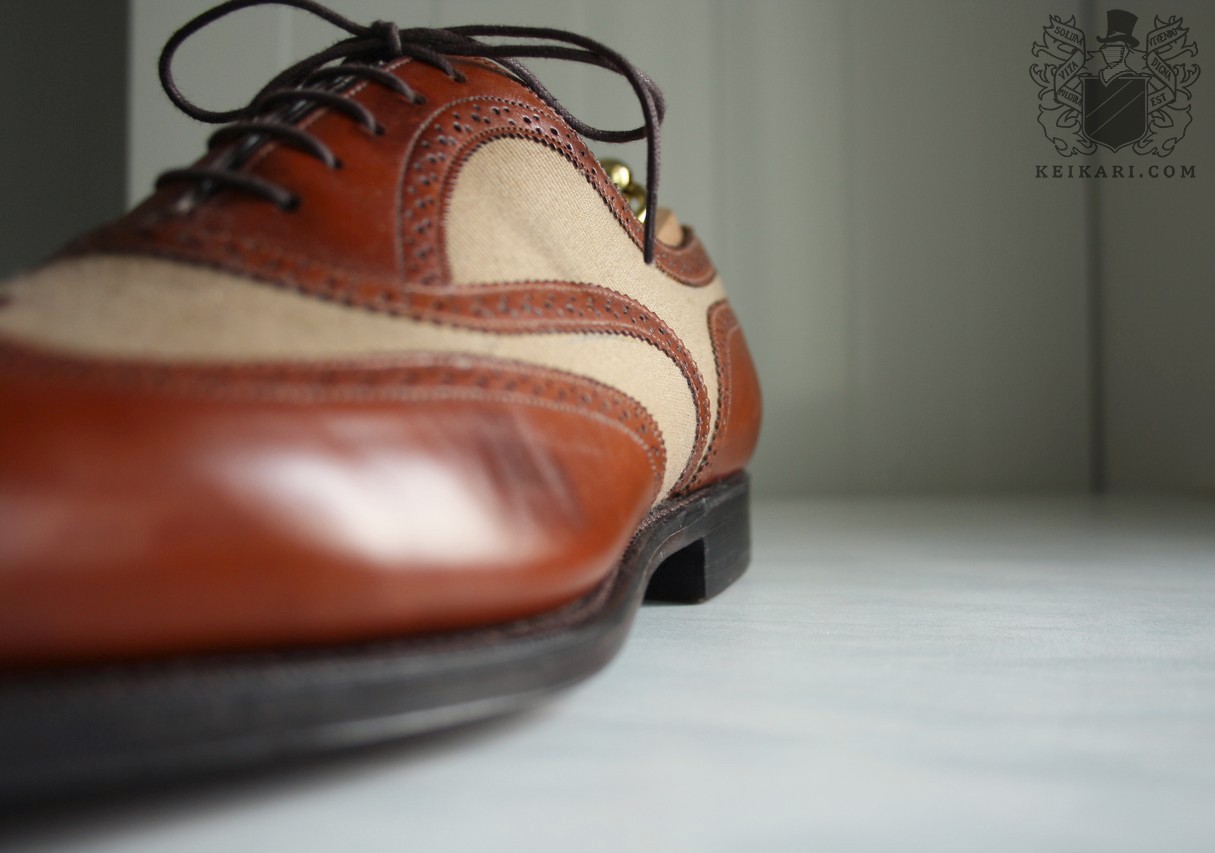
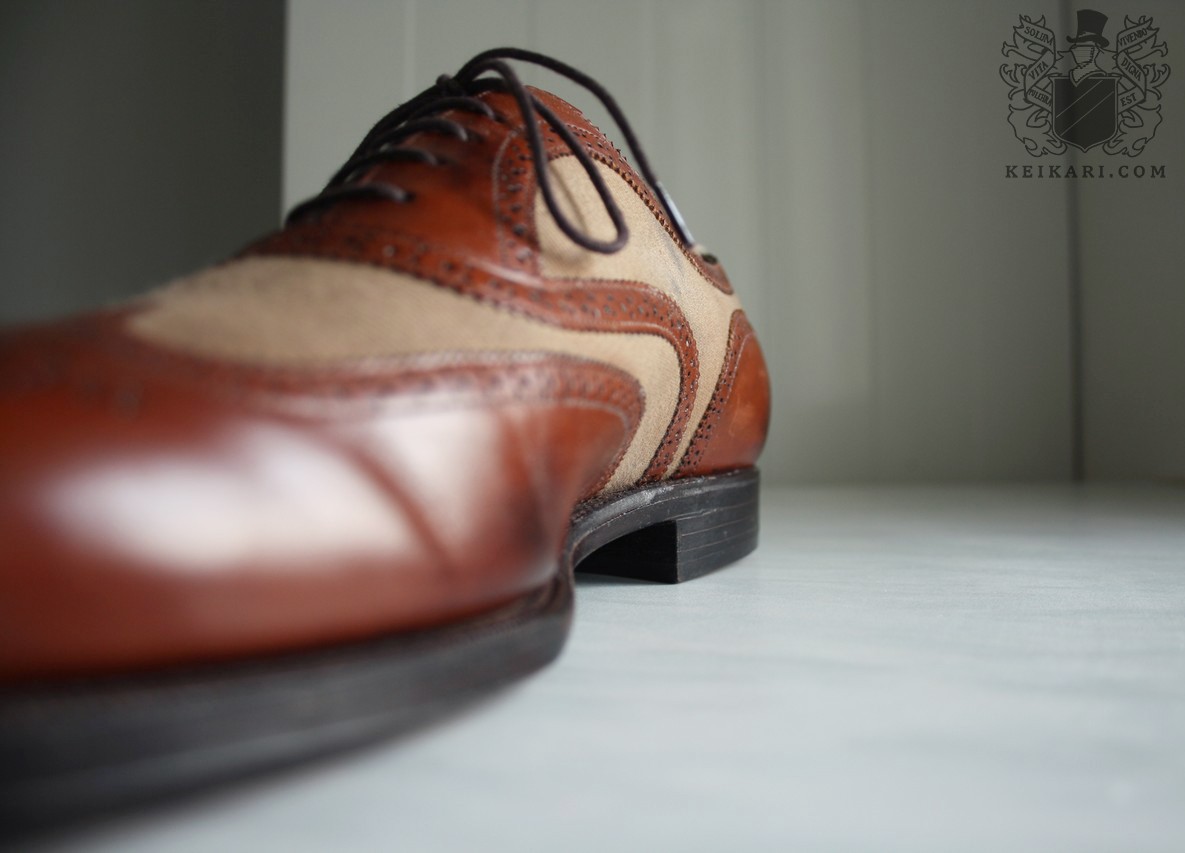
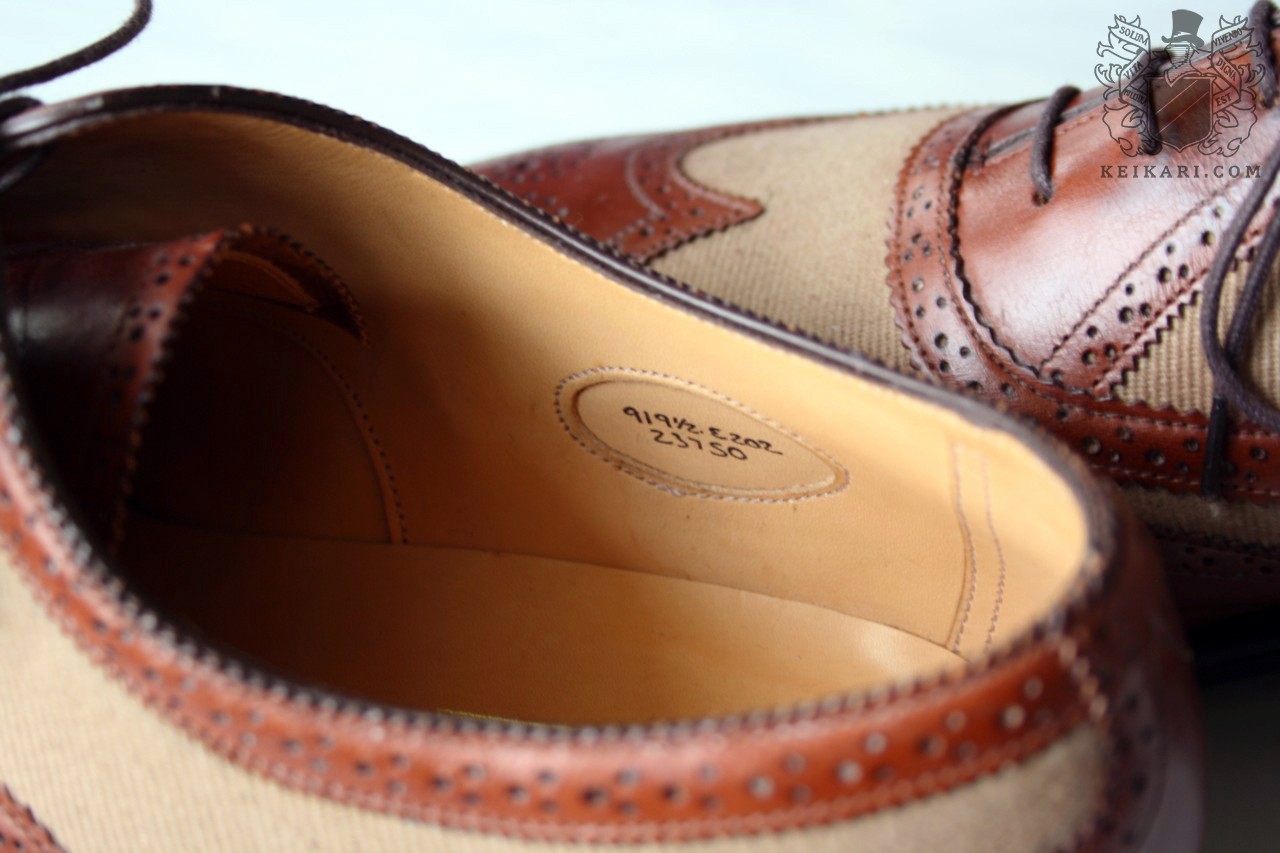
The example pair is EG’s model Malvern III, a summertime spectator shoe made from chestnut calf and beige cotton canvas, with last 202. The first thing I noticed was the heelcup. It’s form is unlike anything else I’ve handled, my closest reference was a vintage pair from Cleverley’s bespoke workroom. The heelcup is extremely round and protruding, and when worn has a glove-like, close fit. The cup also features a strong leather backing inside, guaranteeing the strongest support I’ve met in a RTW pair. As no heelcup alone leads to a great shoe, the last is also form-fitting on the instep and ball of foot. Its curves are not as aggressive as the likes of G&G’s pairs, but sculpted enough to lead to a pleasing form. The last 202 both looks slender and fits like the proverbial glove, with a glove-soft leather lining.
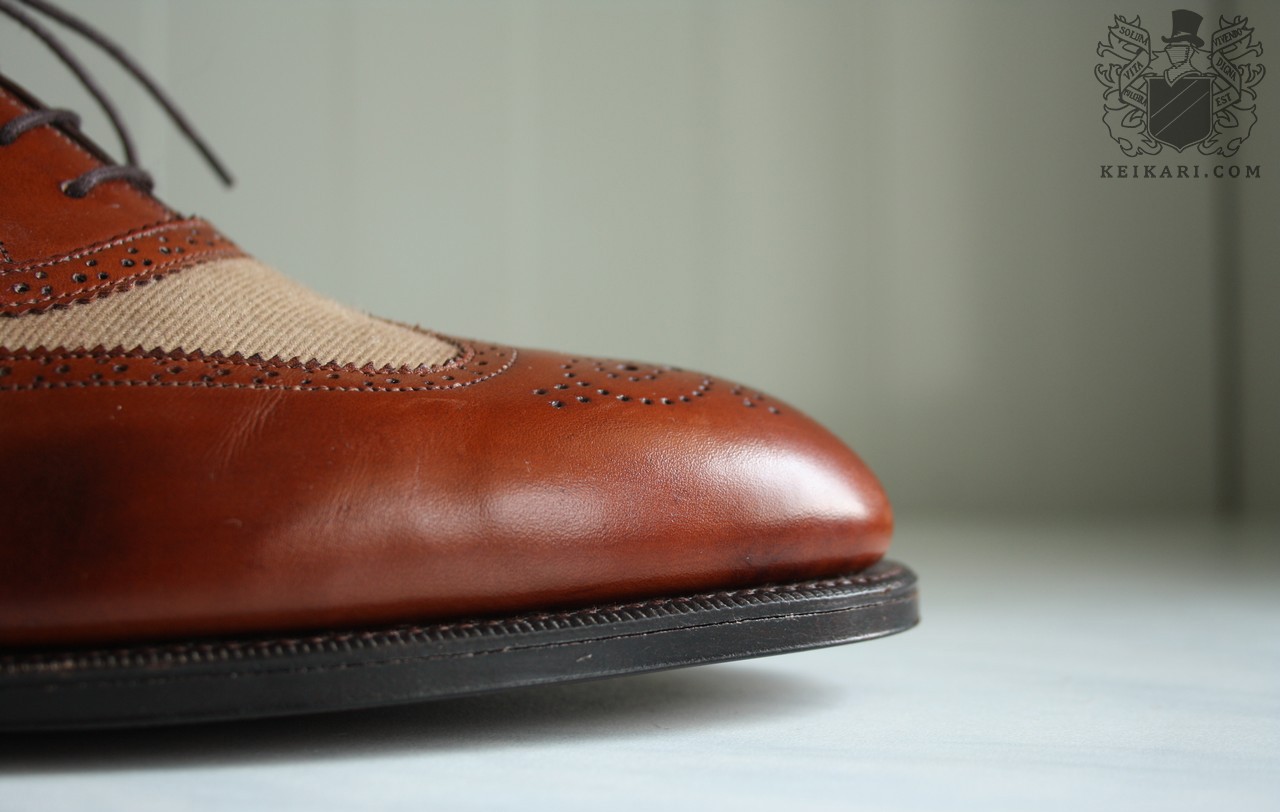
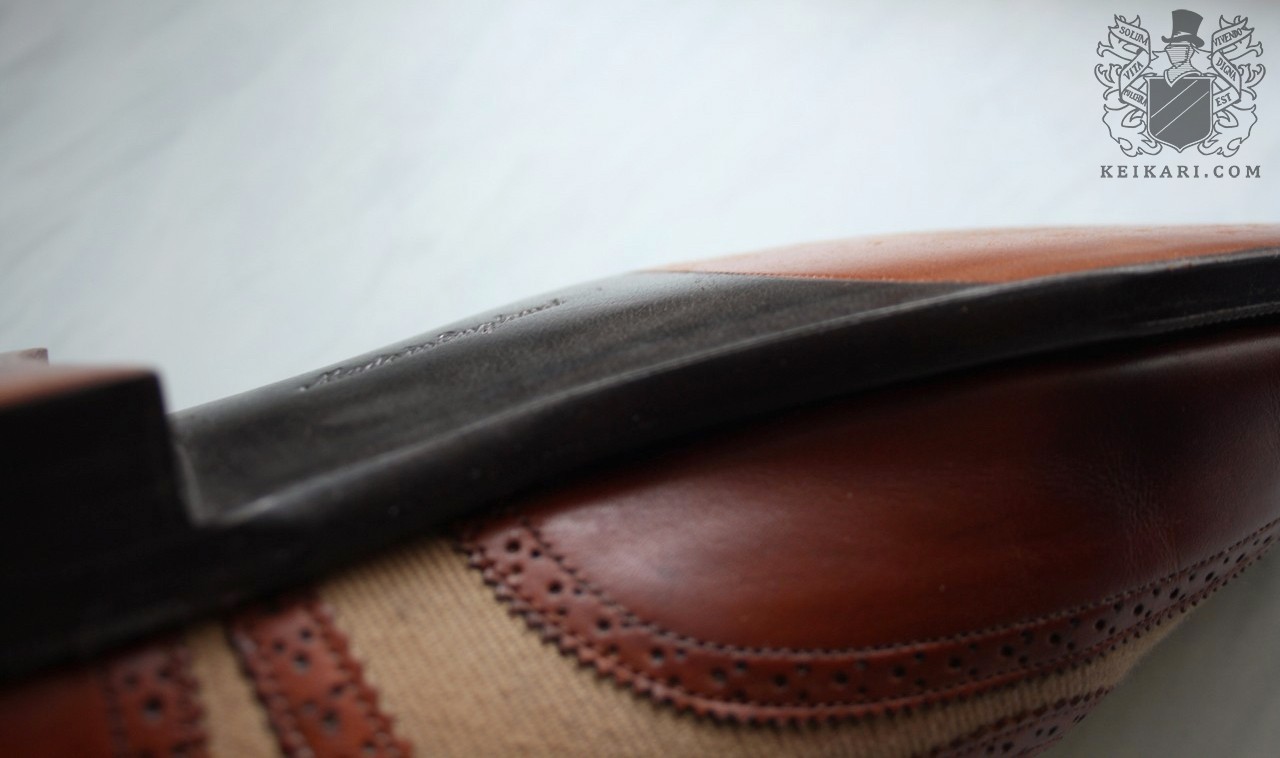
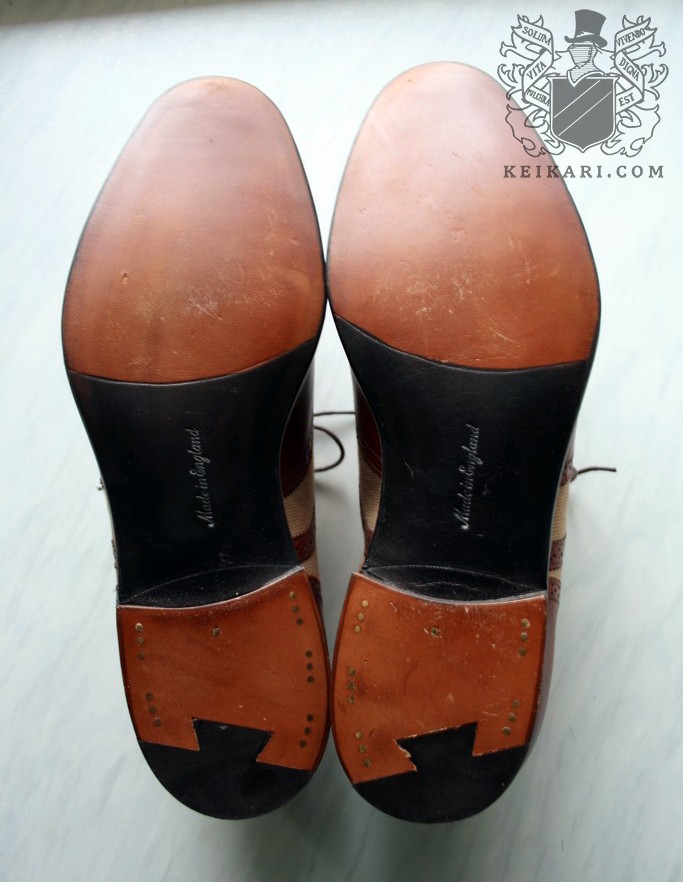
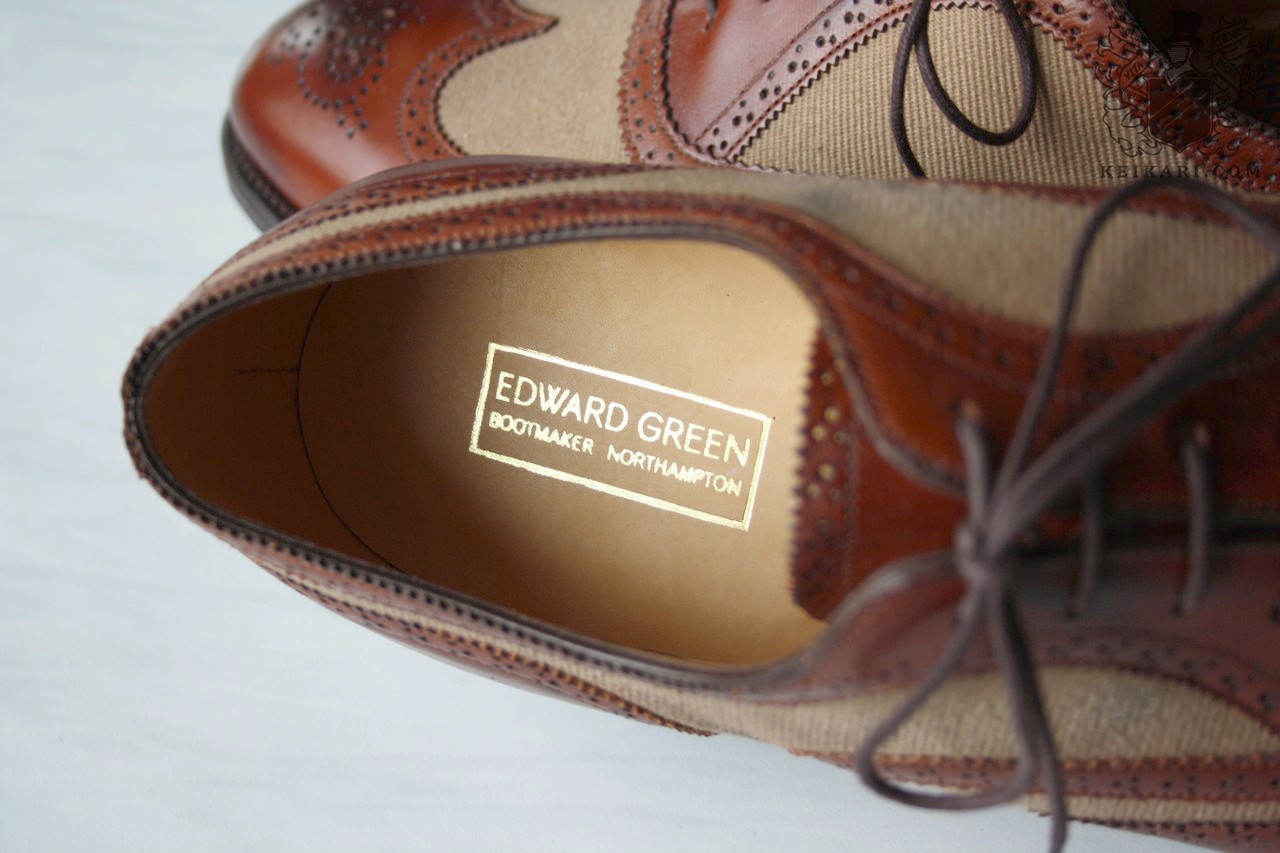
The uppers have a burnished finish on the tip and instep, precisely struck brogue medallion and an eccentric brogue perforation struck askew, and made up of one medium hole with two small ones instead of one large with two small ones. The toe is round and mildly chiseled, the welt is thin and narrow, Goodyear-stitching is dense and clean. The canvas upper has a brushed, clean surface, oak bark leather soles are neatly finished with a modestly shaped waist. The leather lining is by far the softest I’ve fondled, and features a small oval setting inside for EG’s factory markings.
The question remains now, whether EG’s shoes are worth their high prices. I will say yes, with a caveat. The finishing, attention to details and materials are wonderful, but the last is key: 202 pleases both my eyes and my feet. It gives any pair a wonderful shape, unsurpassed support and a phenomenal fit — and yet, EG’s pairs are gemmed. If the reader is unfamiliar with this method of construction, there’s plenty of info online. I will be writing about the topic later on Keikari. Gemming can fail, and it does, not often enough to raise alarm but every now and then. For the price, the factory of Edward Green offers a grand shoe. Its competitors outside the UK, however, offer more thorough constructions for the same prices or less, mostly due to lower wages. Still, this is like comparing apples and oranges. If EG pleases, it’s never a foul choice. “The finest shoes in England for the discerning few”, like the factory slogan goes.
Category Footwear, Northampton
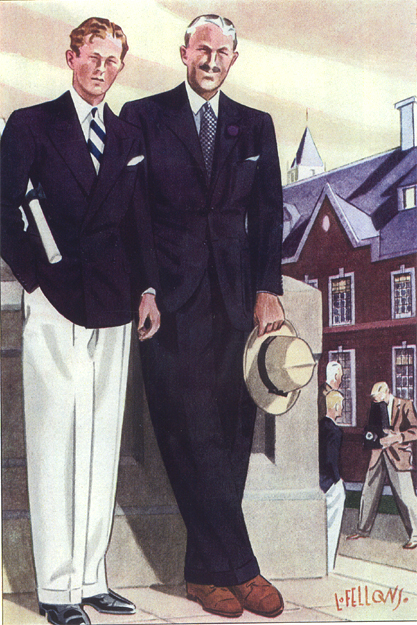
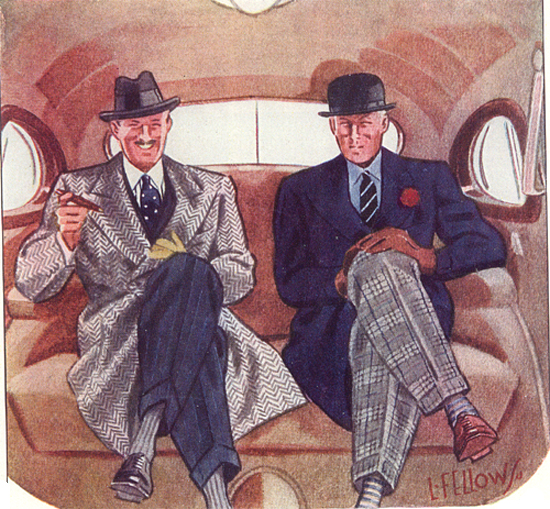
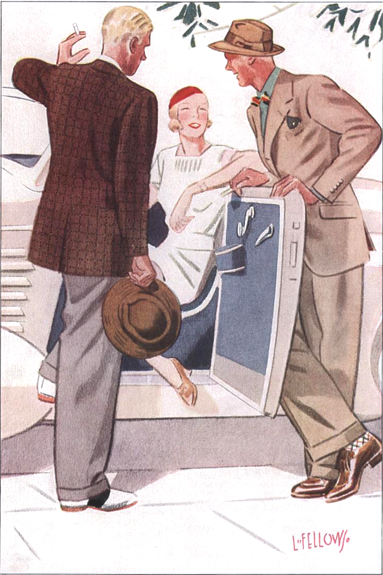
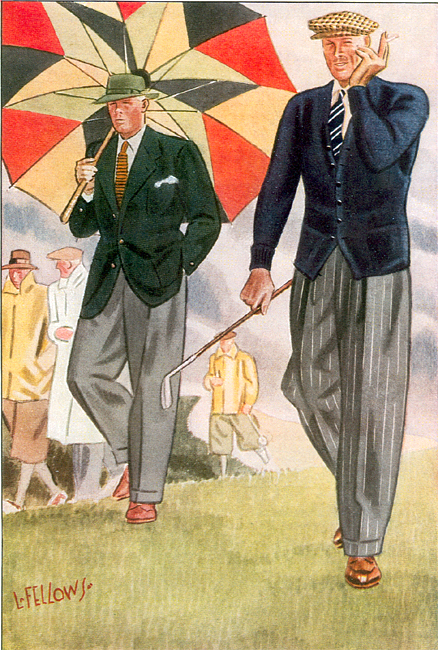
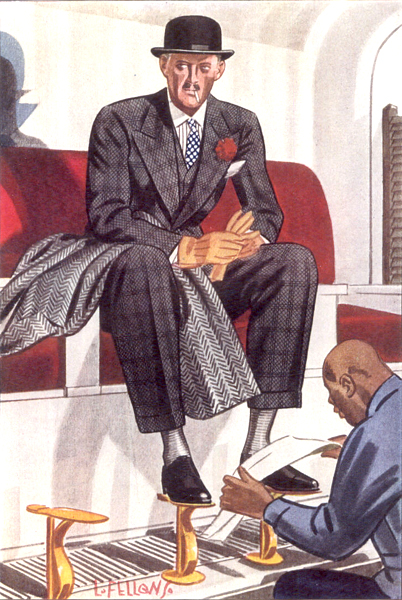
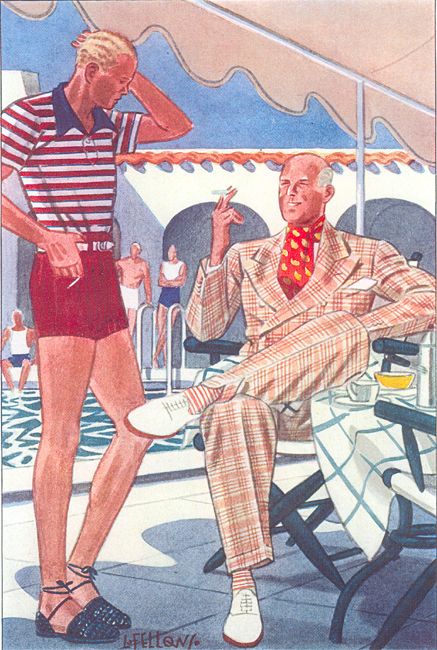
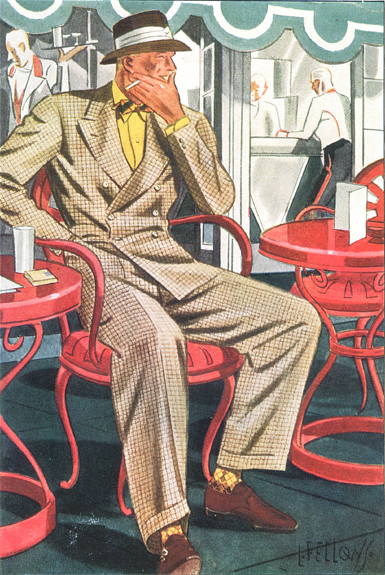
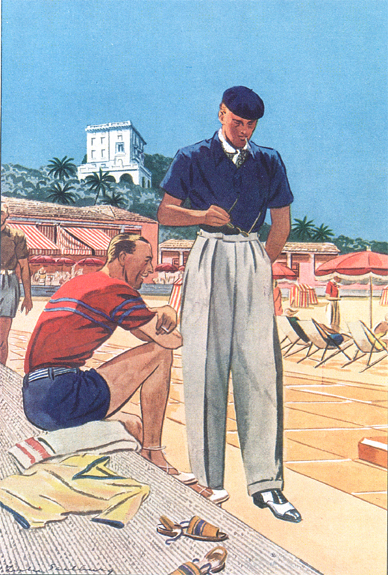
L. Fellows Collection
7February 22, 2013 by Ville Raivio
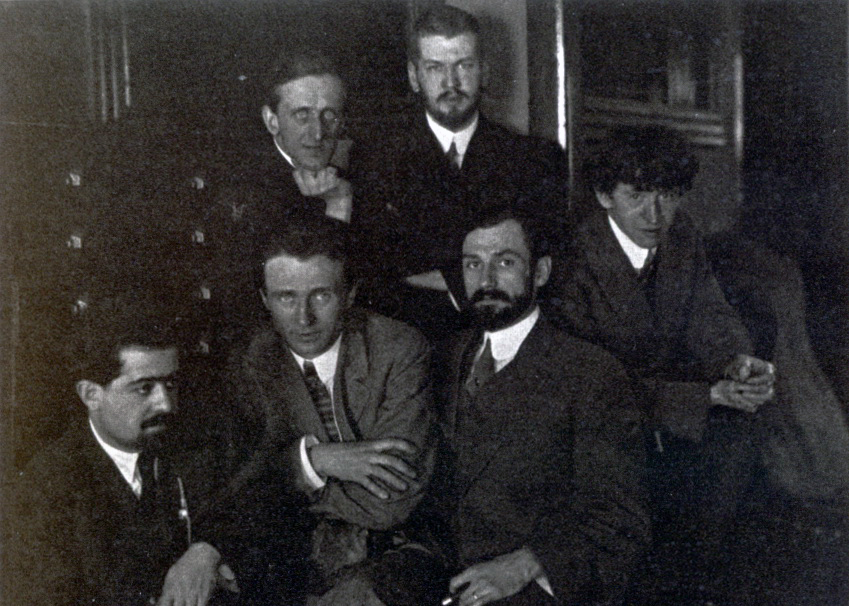
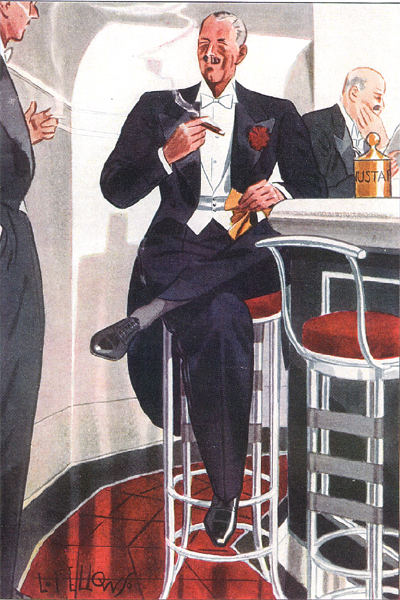
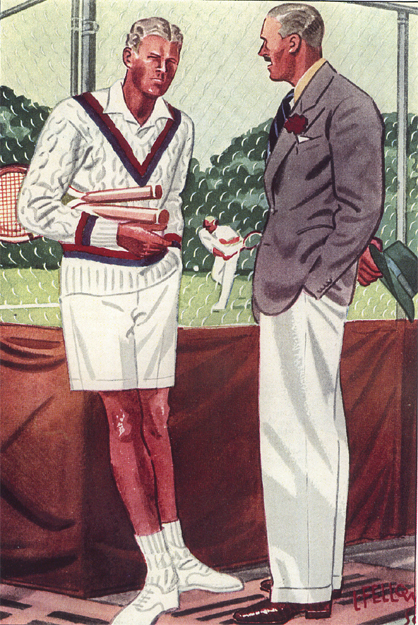
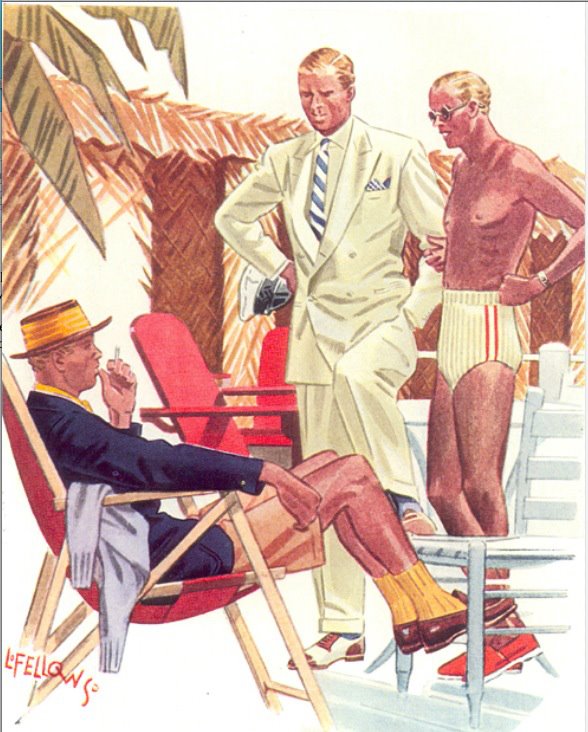
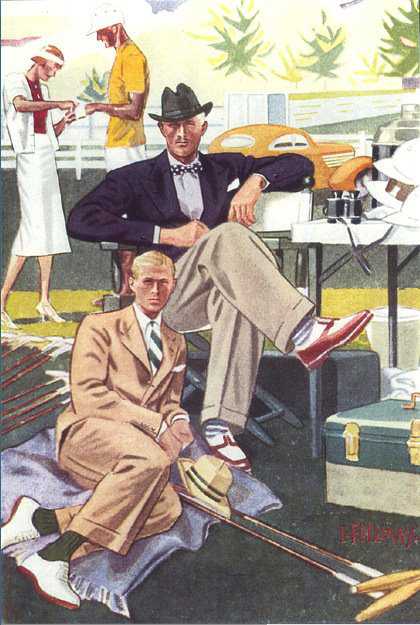
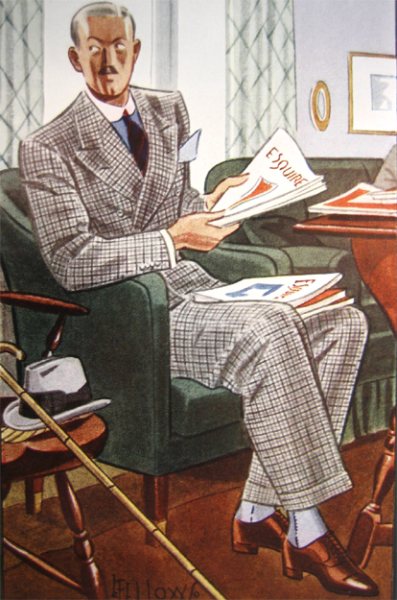
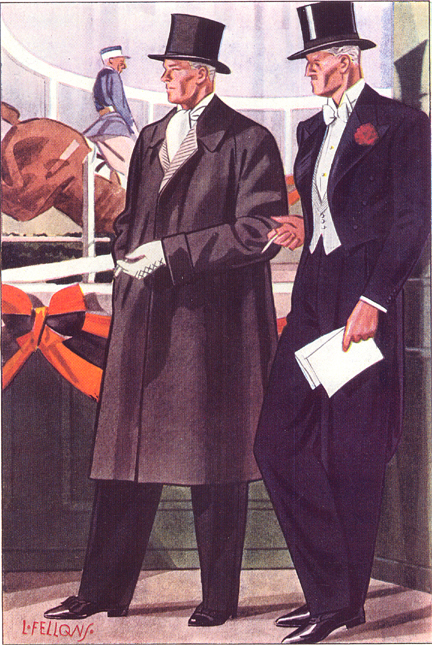
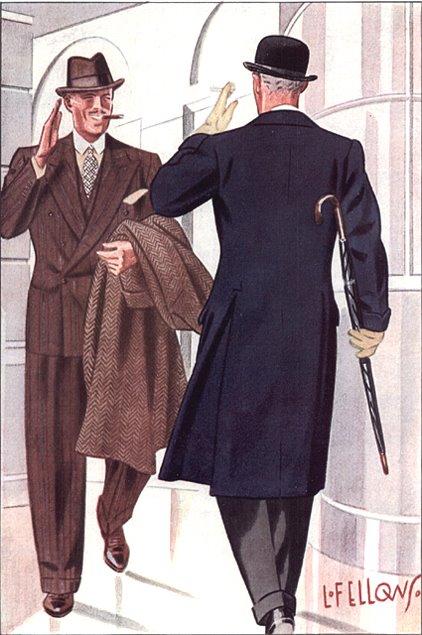
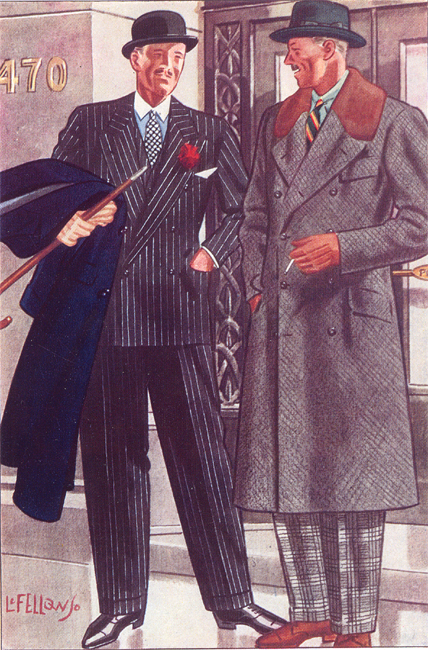
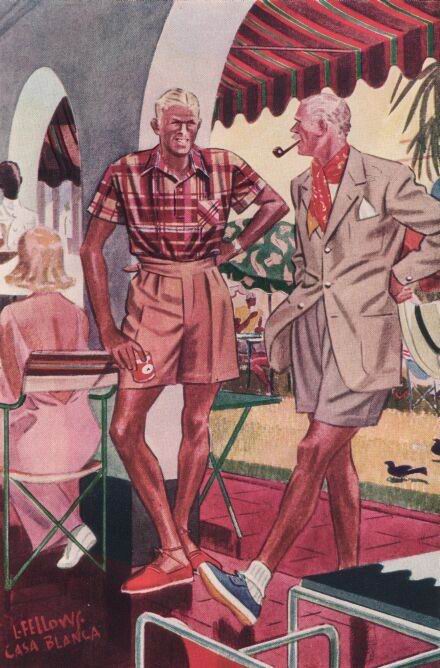
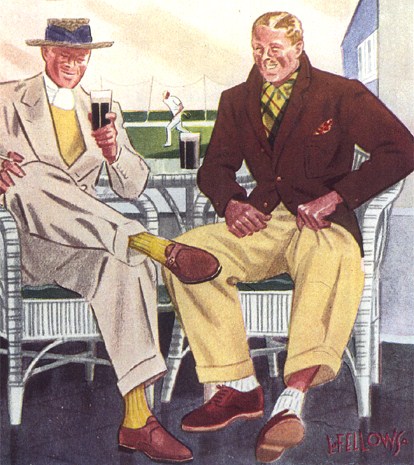
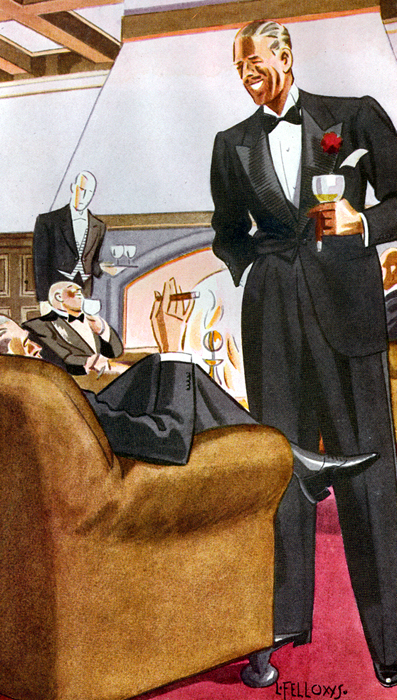
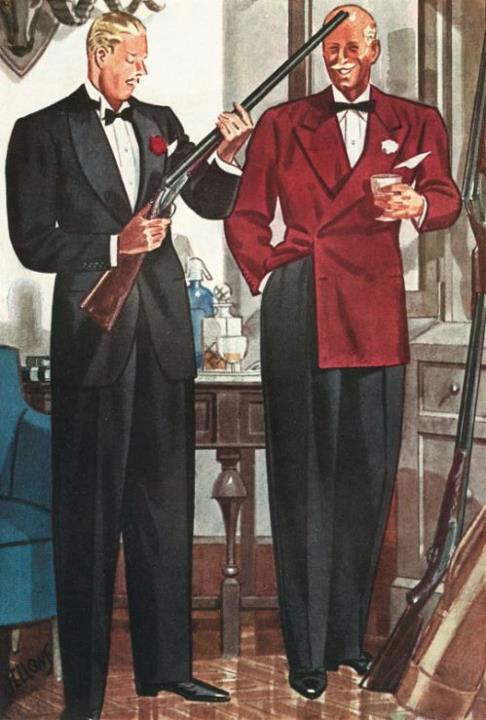
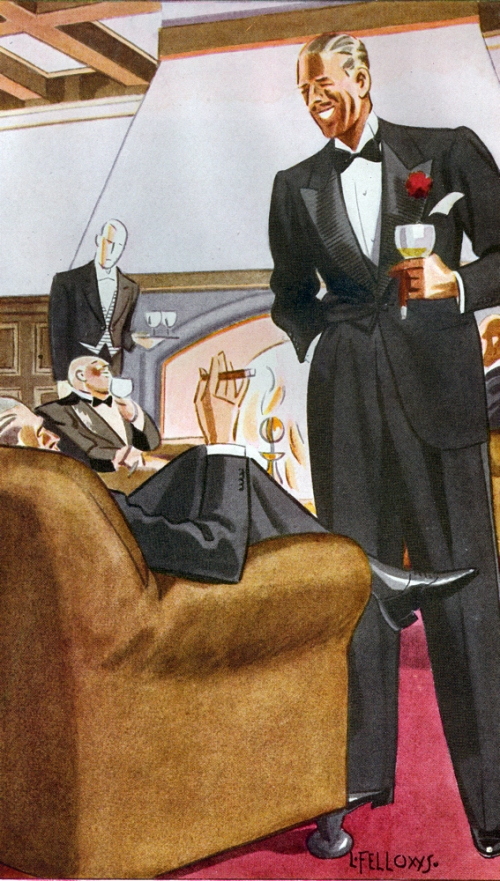
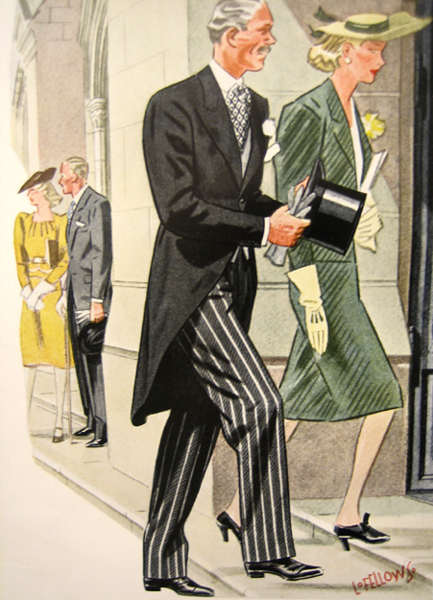
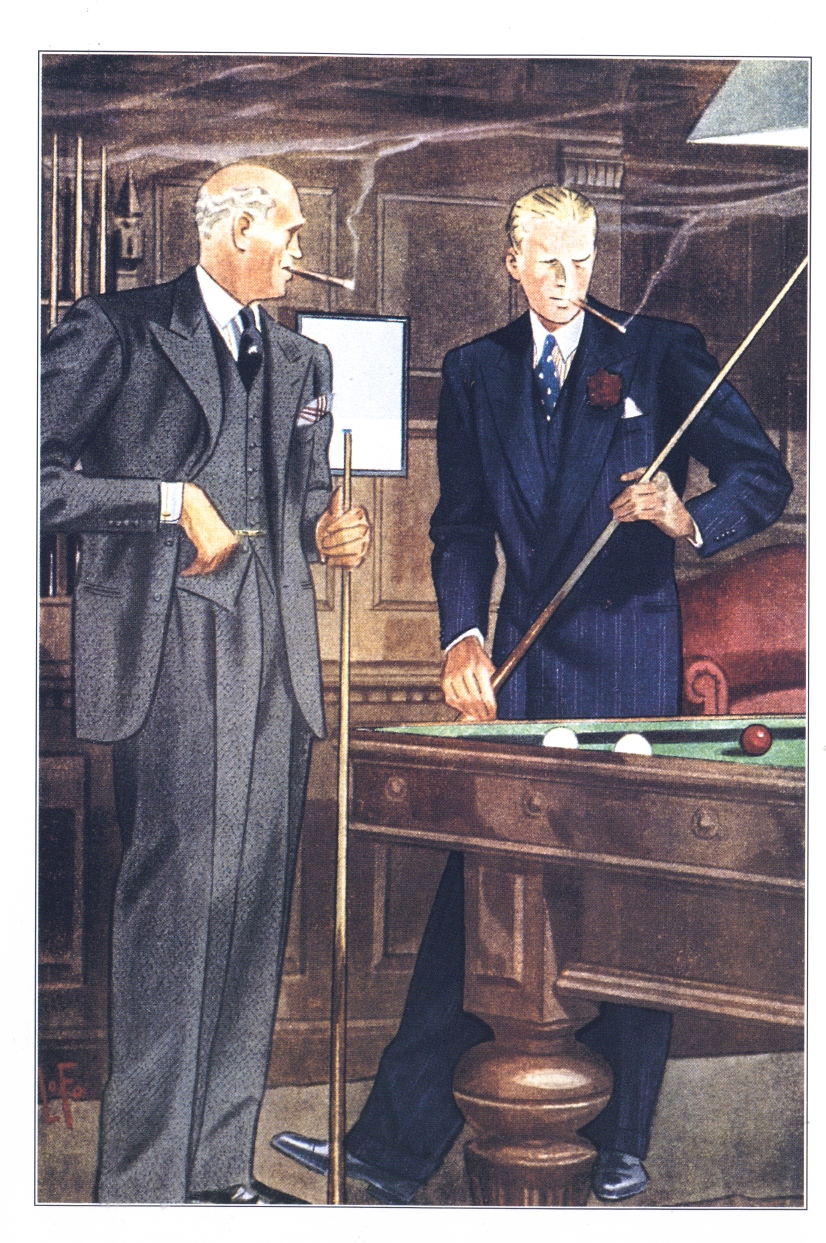
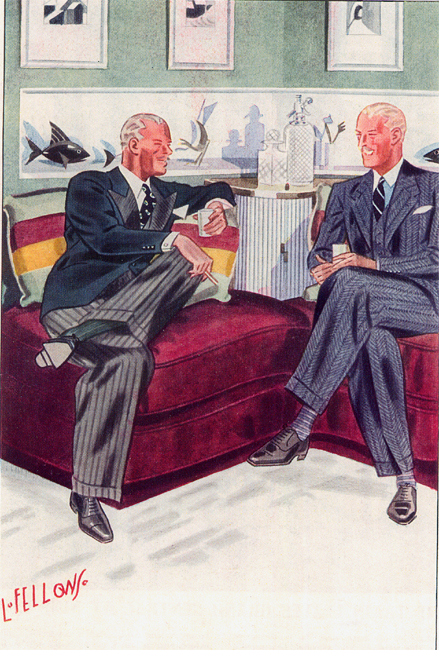
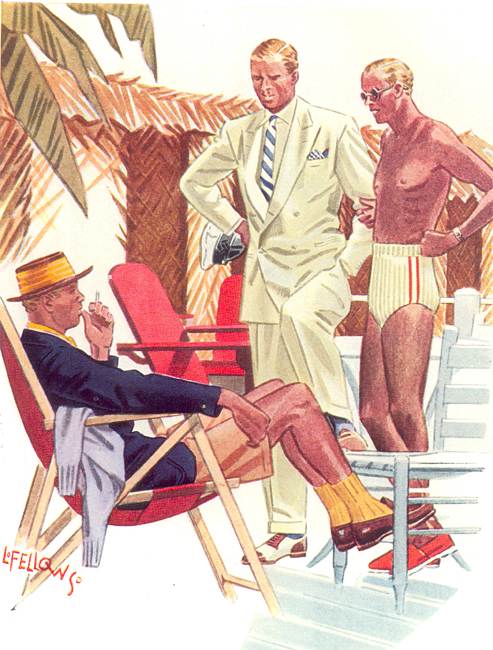
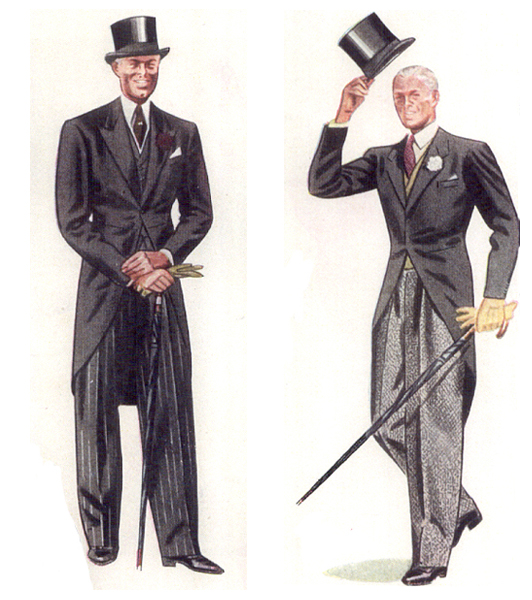
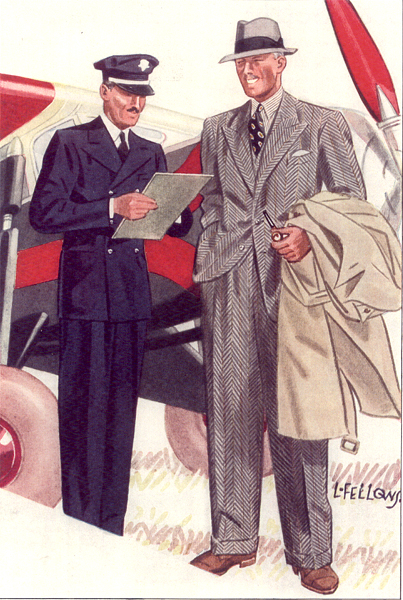
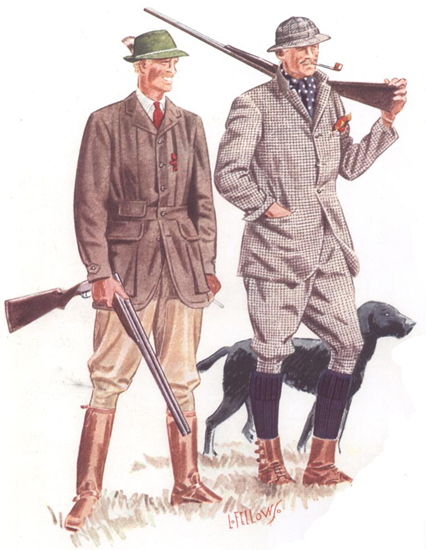
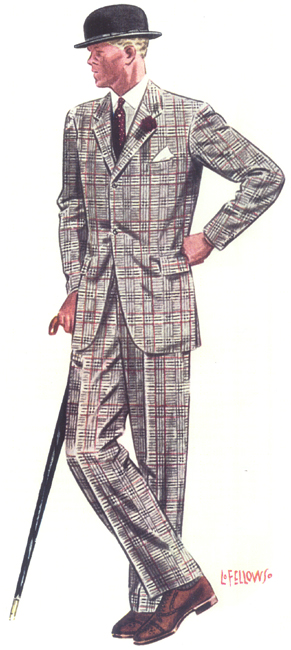
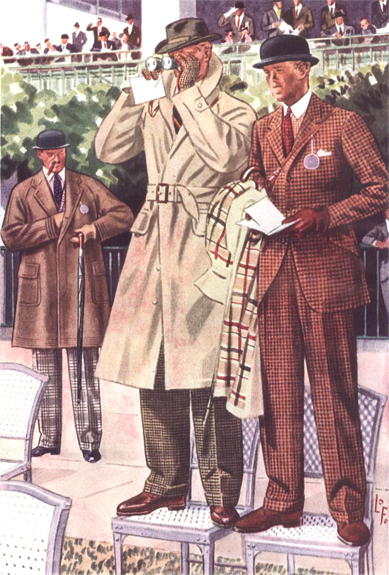
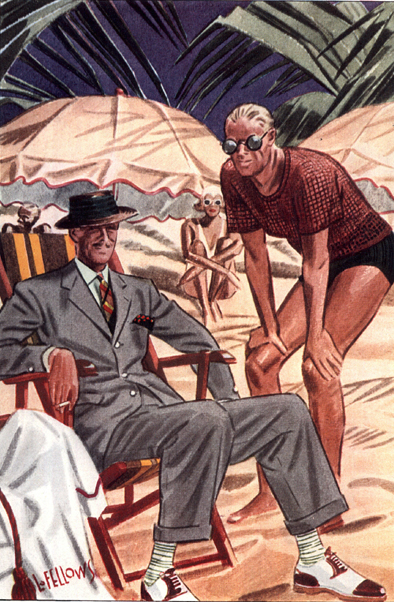
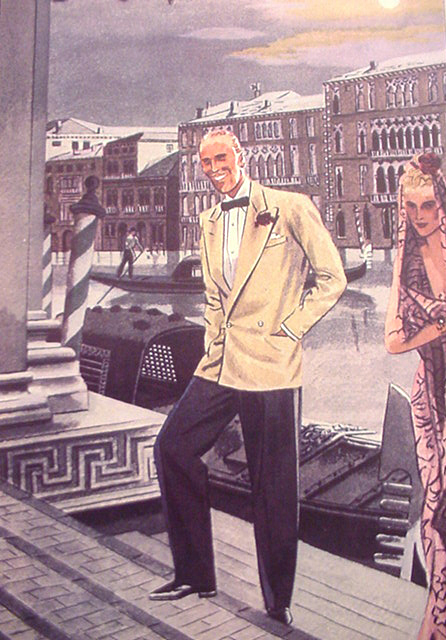
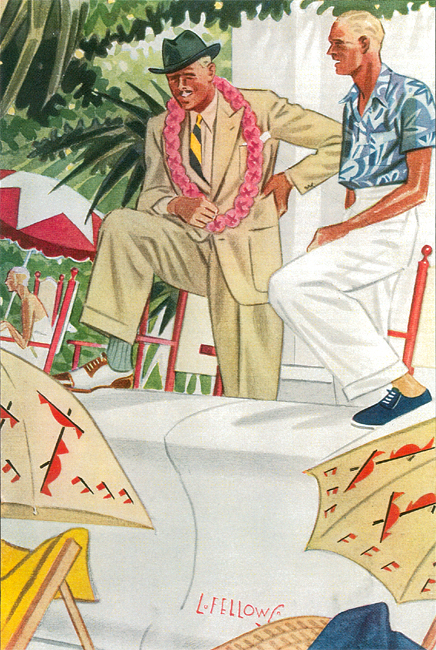
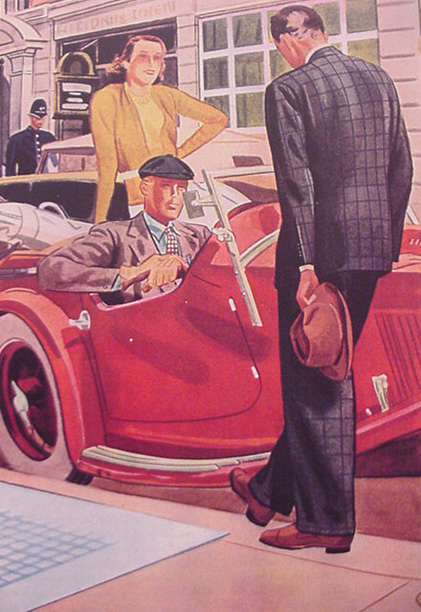
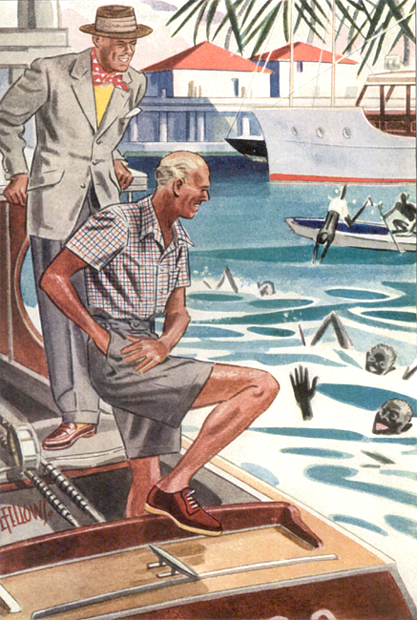
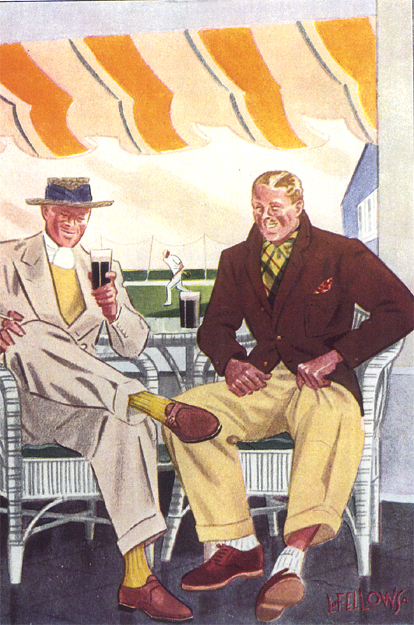
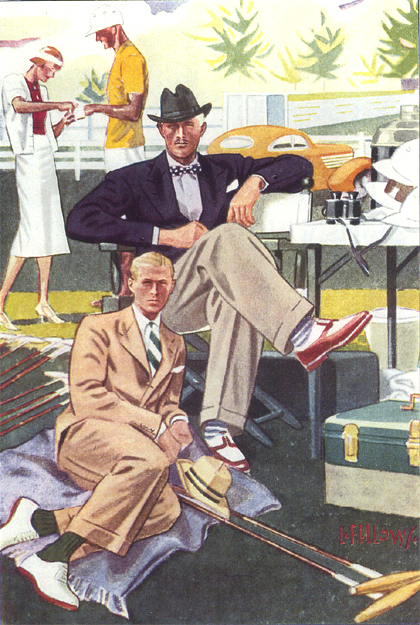
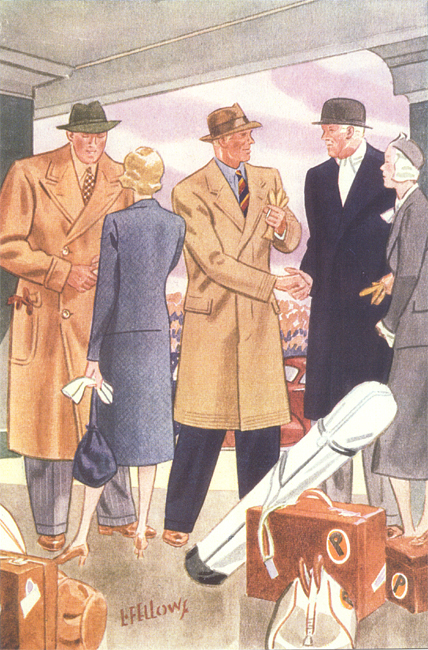
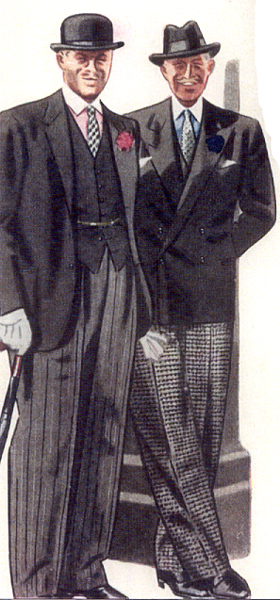
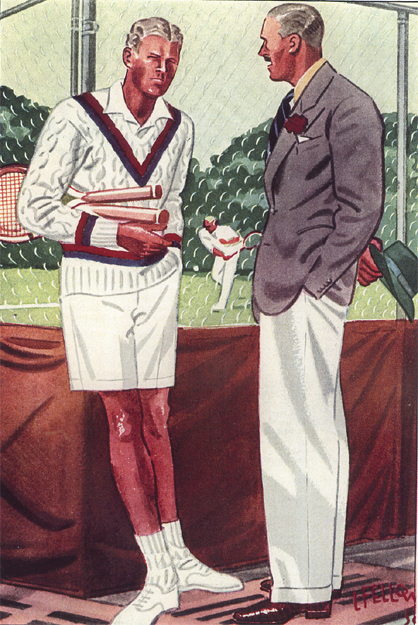
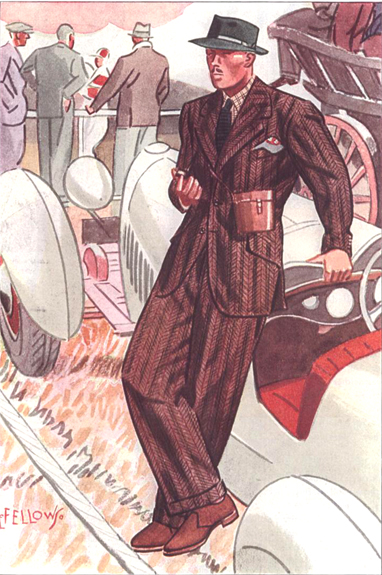
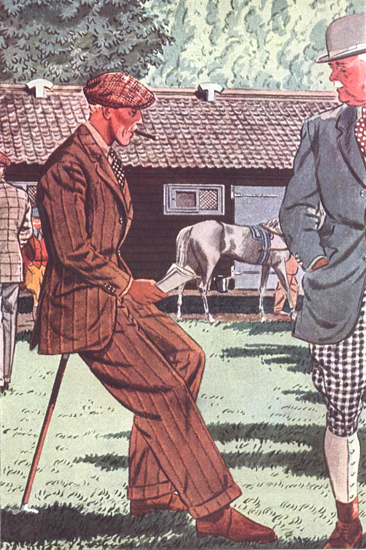
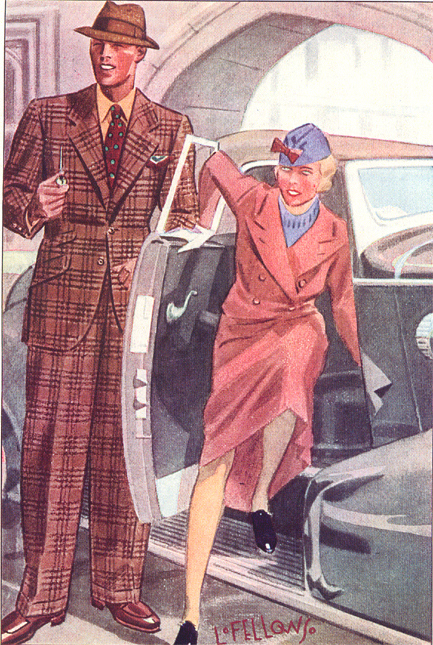
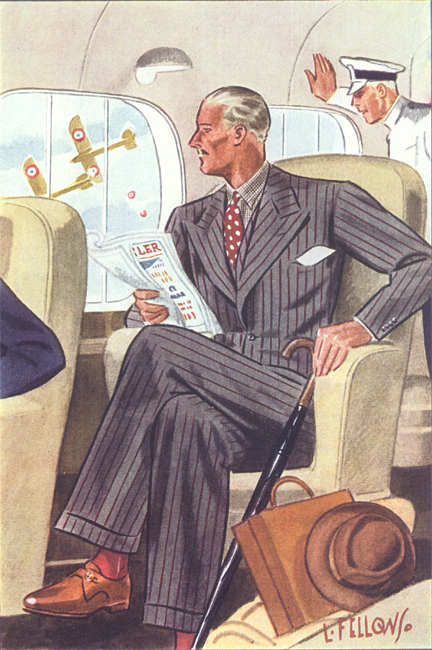
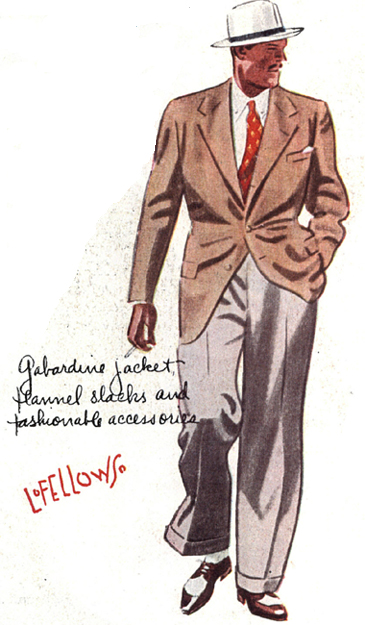
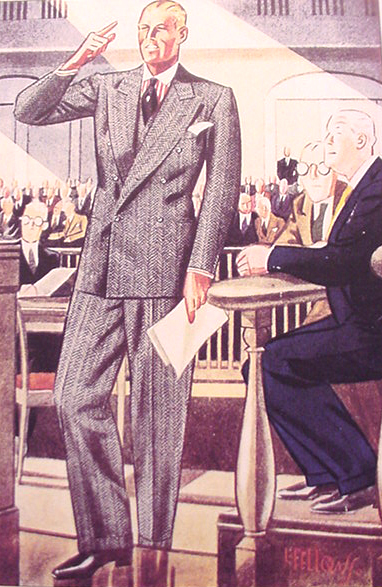
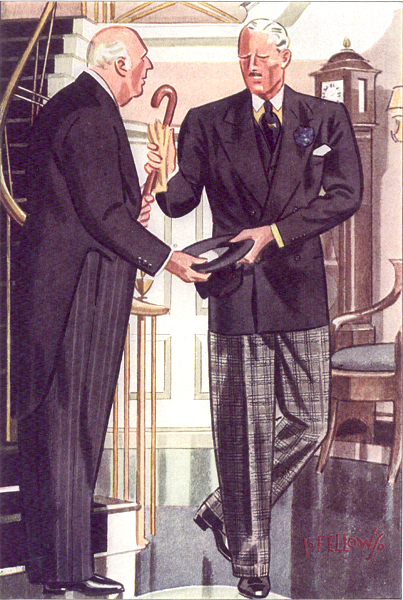
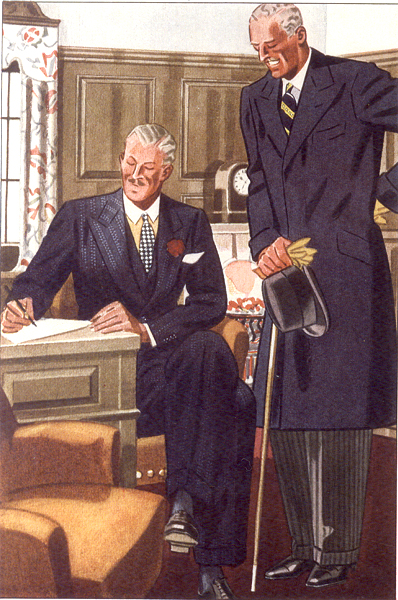
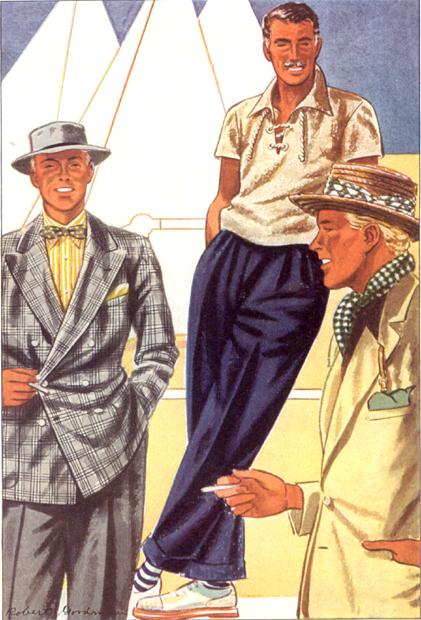
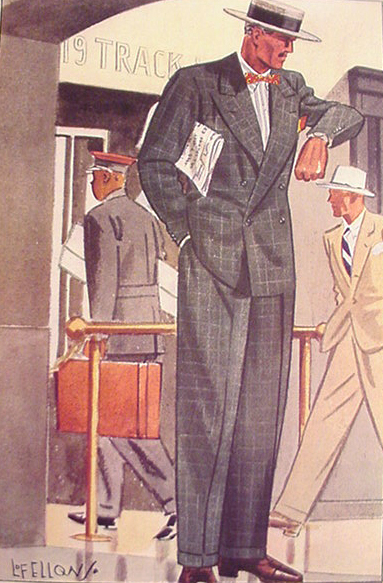
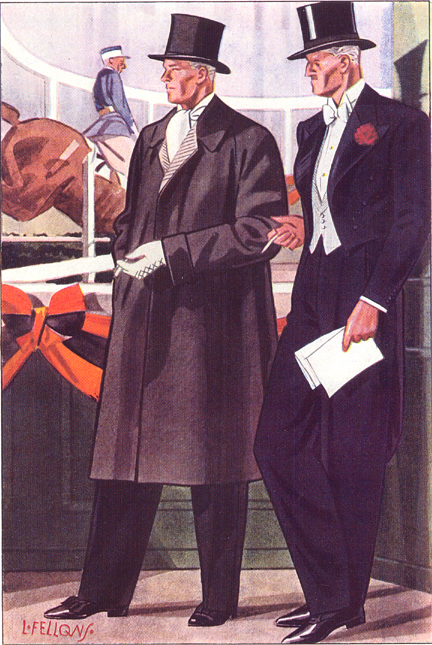
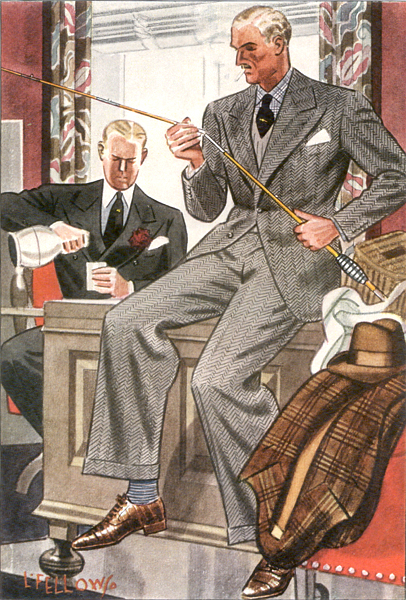
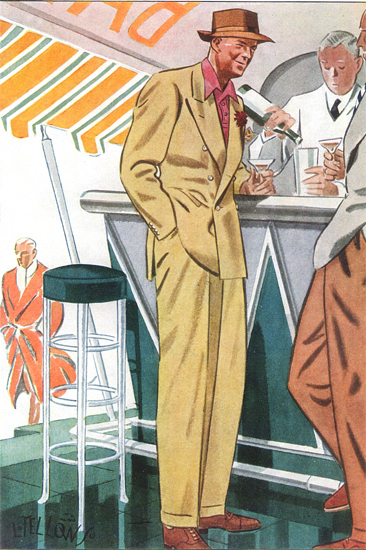
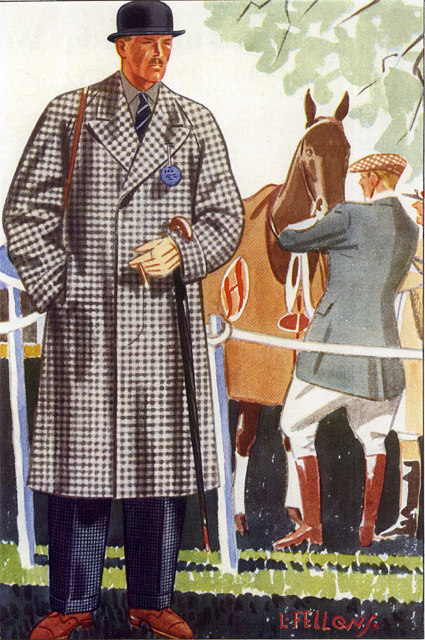
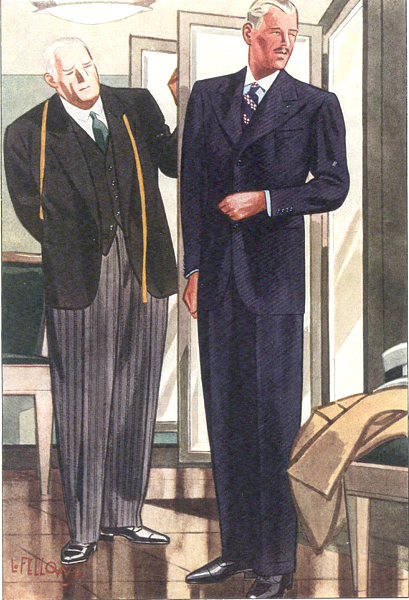
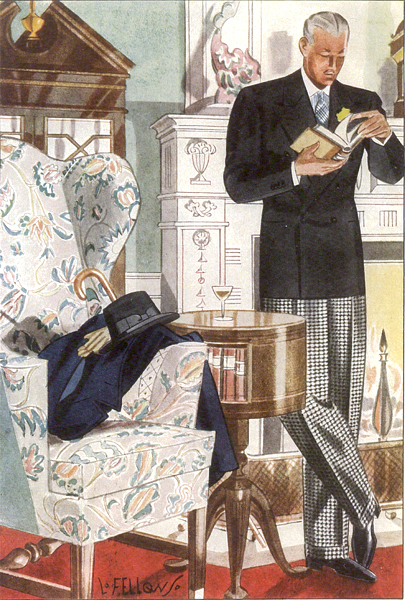
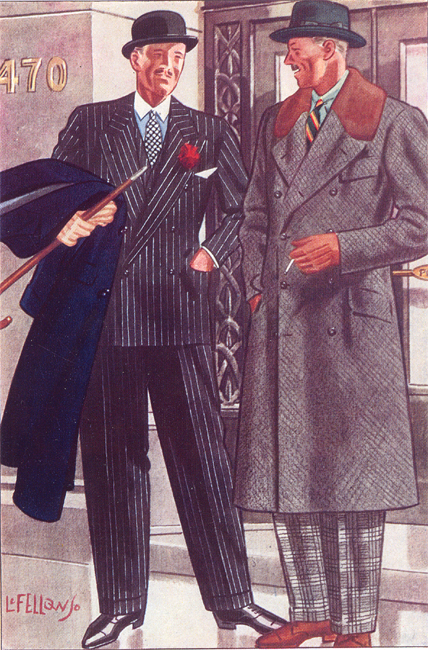
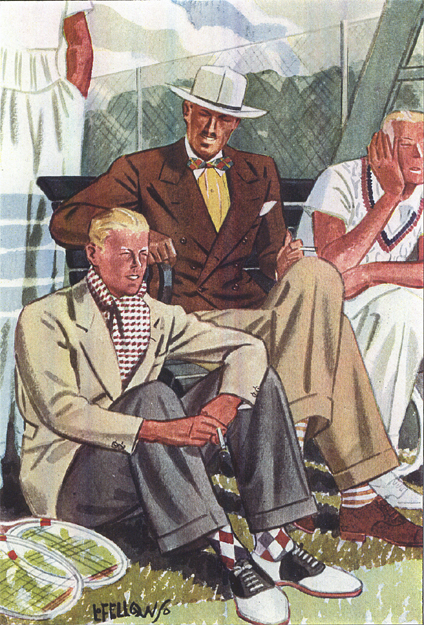
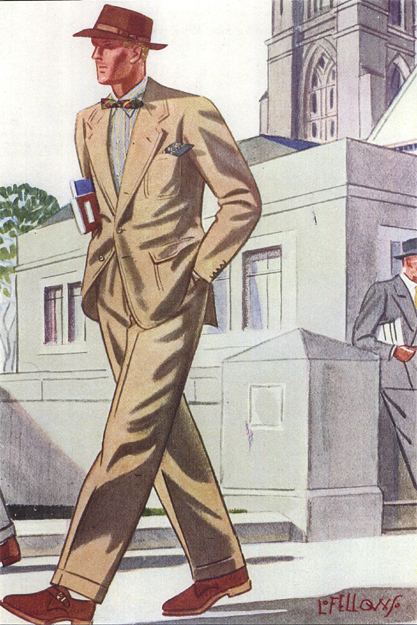
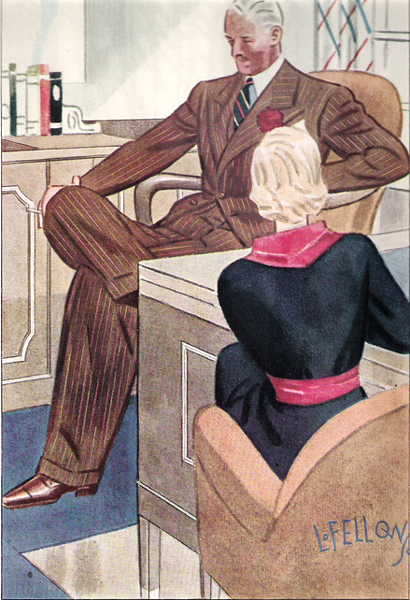
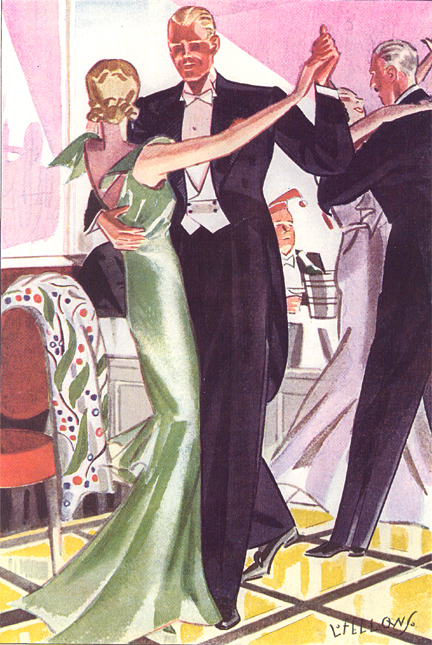
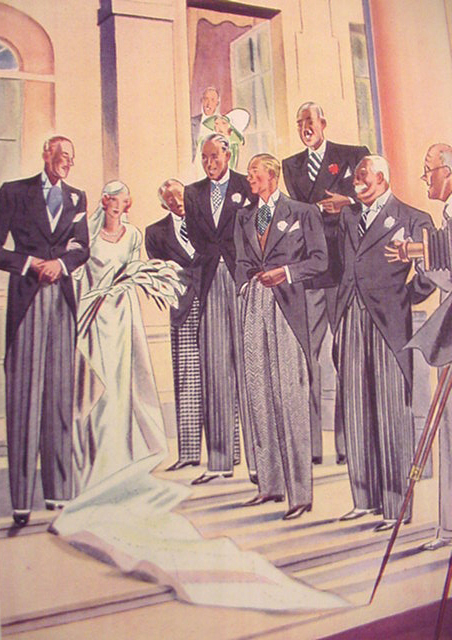
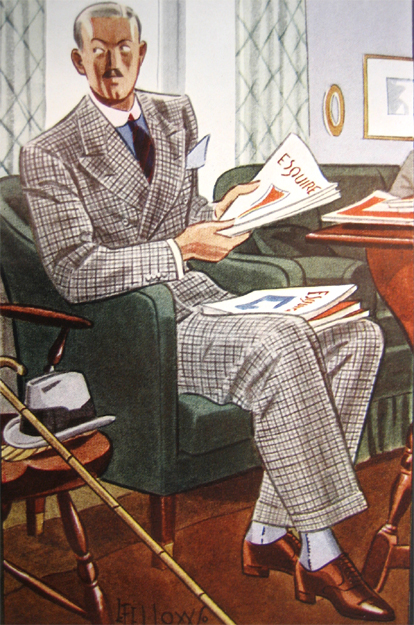
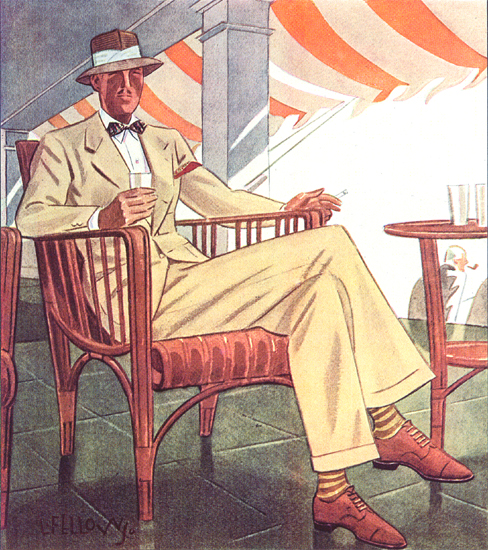
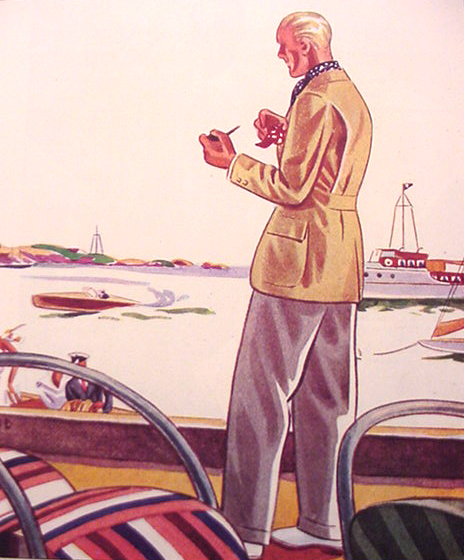
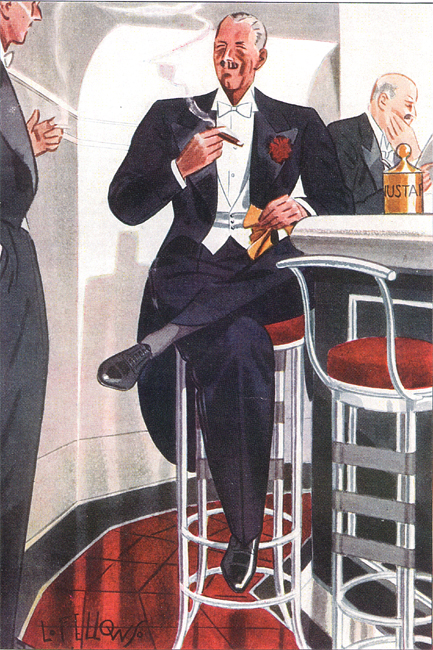
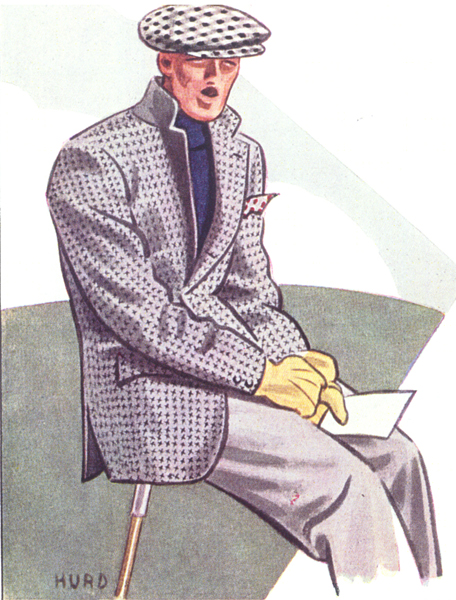
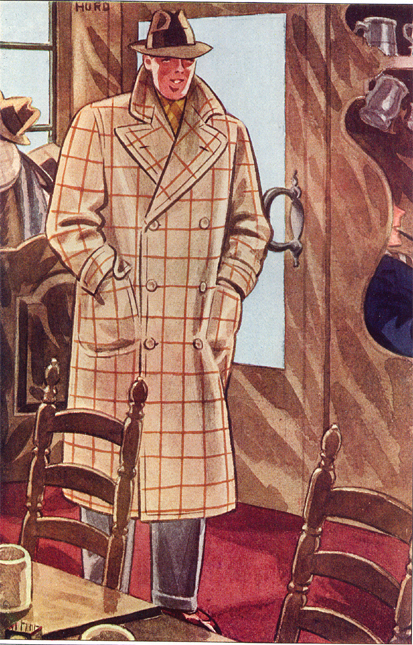
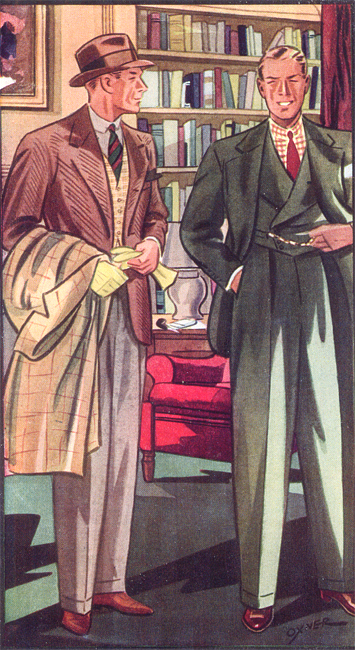
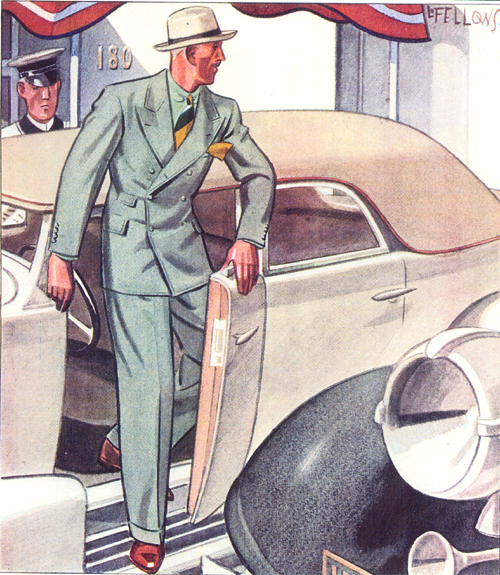
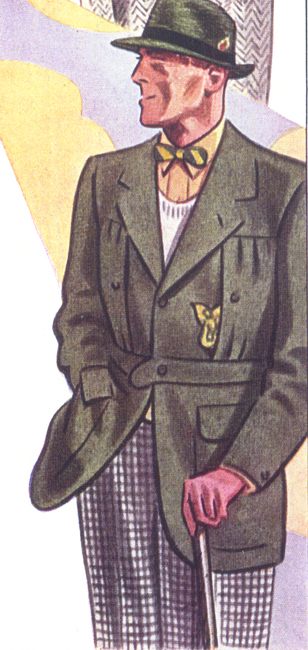
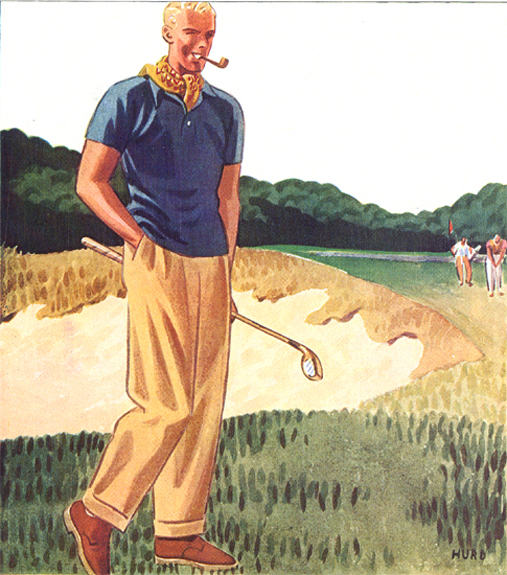
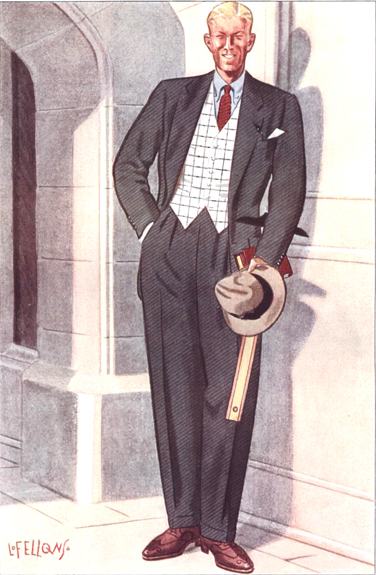
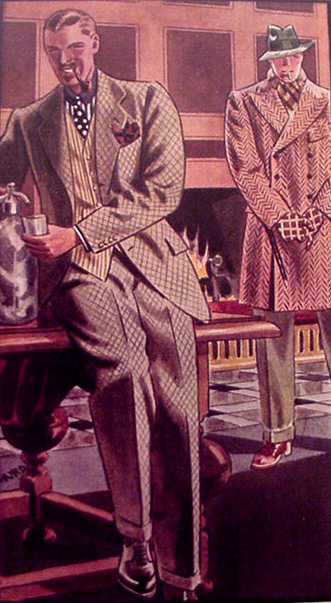
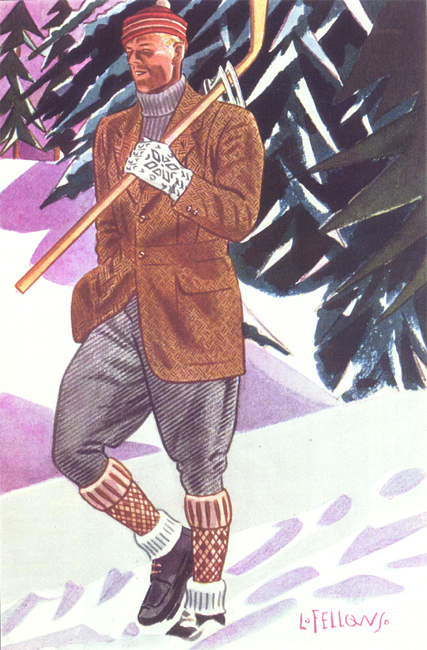
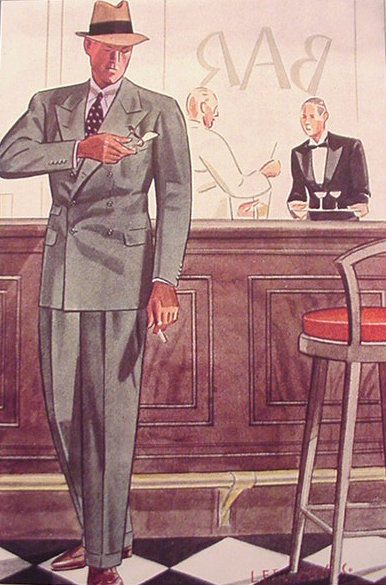
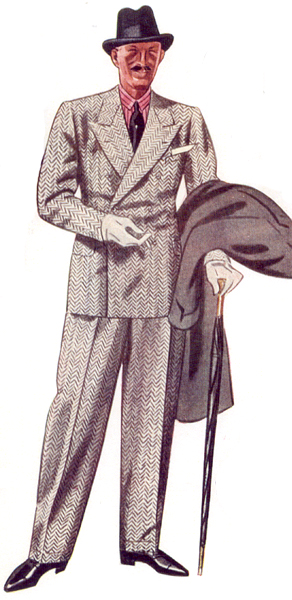
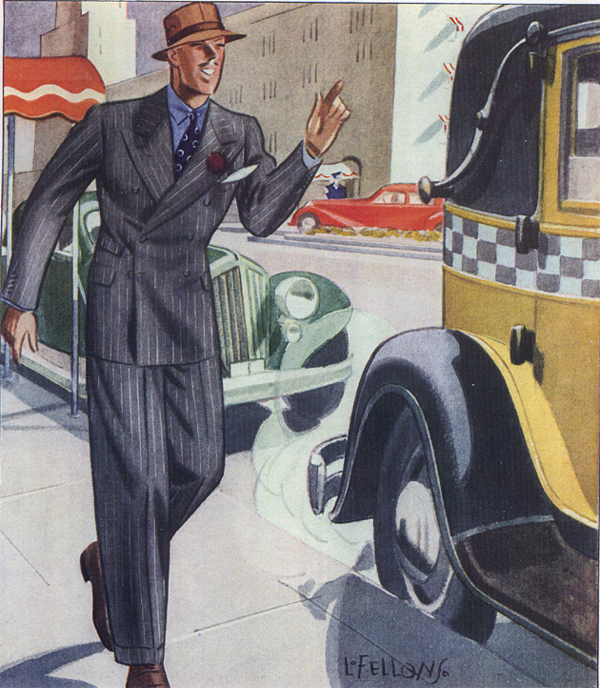
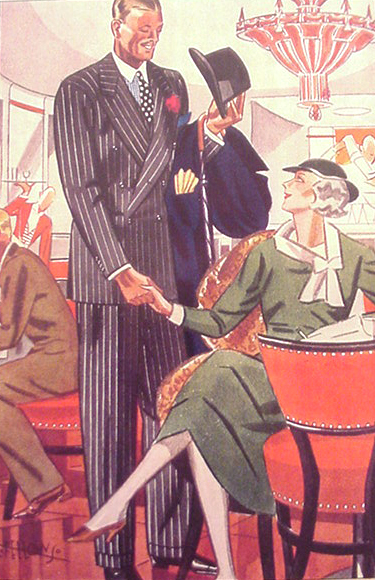
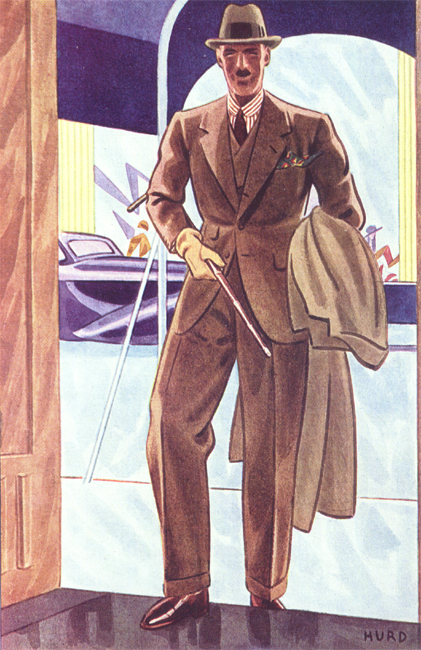
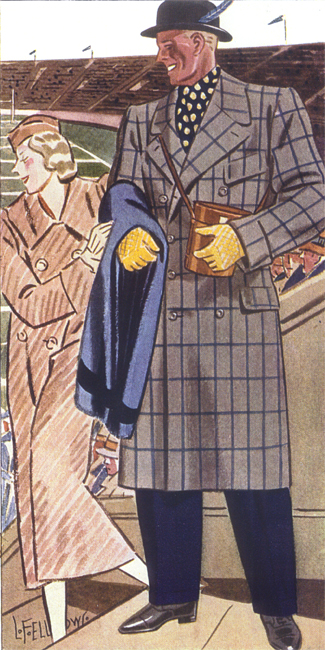
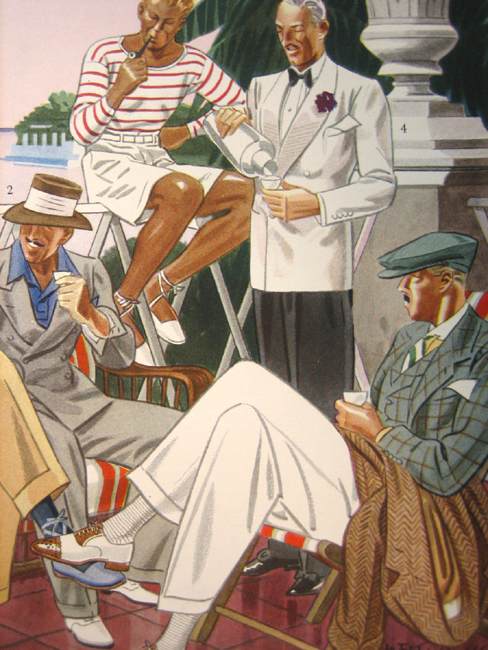
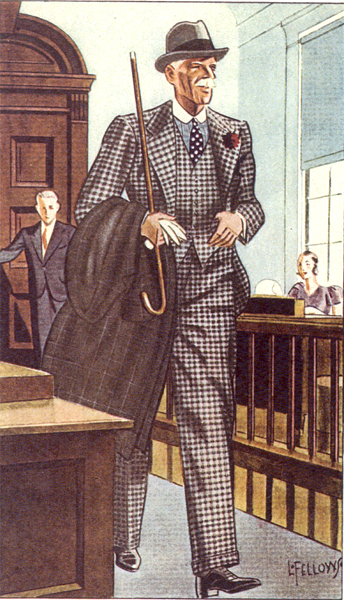
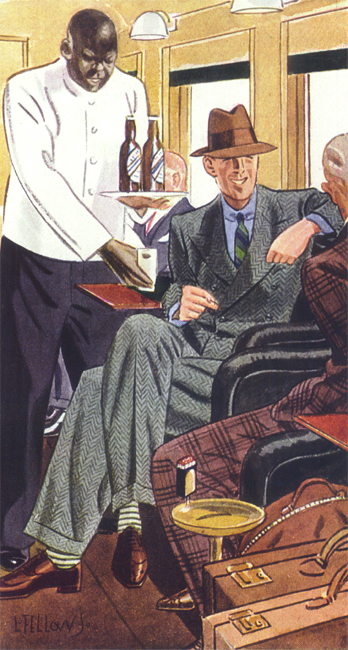
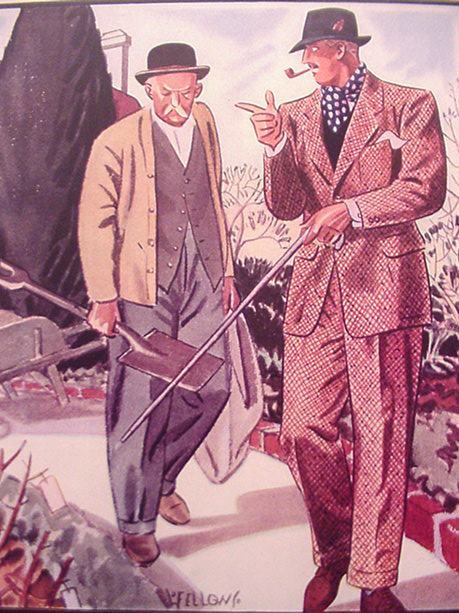
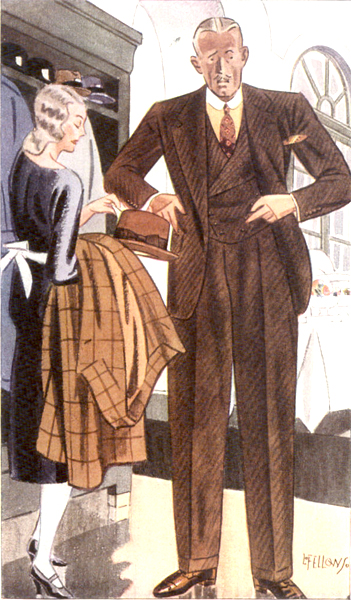
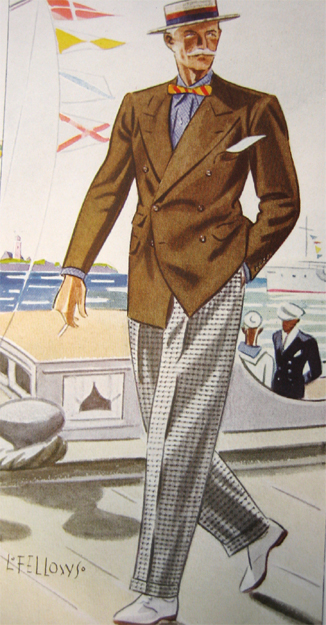
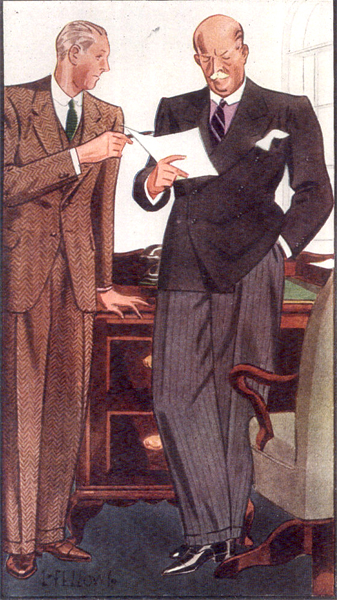
Those in the know have no problems identifying the unique style of one L. Fellows. For inspiration and admiration I have collected a small number of menswear illustrations from the pen of this renowned artist. I’ve added publishing years to photo captions when available. If clicking through all these 94 prints is cumbersome, I have uploaded the whole selection in a Winrar file on another site. Pictured below in the black’n’white photo is Fellows himself (upper row, right) in the company of fellow illustrators. Many more Fellows illustrations can be found on The London Lounge forum online, though approving new members sometimes takes a very long time.


Category American style, Arbiter Elegantiae, Inspiration, Vintage
Interview With Alan Flusser
0February 22, 2013 by Ville Raivio
“Age 66 [two years ago, when this interview took place], occupation — bricklayer. Graduate of University of Pennsylvania, took textile courses at FIT and illustration courses at Parsons. Have two daughters, 28 and 31, and one wife; yes they all appreciate fashion and my enthusiasm for it. My brother is a writer and my parents deceased. My father was considered something of a dandy in his day and my Mother had a lot of personal style. My sense of style was developed before websites existed, and, yes, I am a long-time student and, I guess, now an authority on men’s fashion and style. As you know, I’ve penned 5 books on the subject.
[As for my style], you should look on the web or in my books for reflections of my style. I wear my own custom made and designed clothes mixed with some designer, second hand, vintage clothes in a highly eclectic, improvisational manner. I do design most of my clothes that I can. Otherwise I fill in with elements of other sources that I find along the way, such as Polo, Puma, Nike, Belgian shoes, Gucci loafers, Western clothes, etc.
My goal in writing is to inform, teach, educate, and generally demystify the rare art of masculine dressing. Dressing The Man is by far my most important book. I will launch a new website this month which will contain a tremendous amount of new visual and written material relative to the larger subject of dressing well. [Regarding Wall Street,] I designed Michael’s wardrobe to project the image that the costume designers wanted for him. I was already custom-making these kind of clothes for our Wall Street customers, and it was nothing more particular than those clothes that my custom customers as well as myself were sporting back in those days. They attracted attention because this kind of highbrow dressing was generally not available to the larger fashion-buying public.
Style is not really a hobby of mine, it’s more a way of life. My hobbies include tennis, writing, sports cars, interior design, and my children, which are not really hobbies. [Regarding style tips,] that’s a difficult question to answer in limited words. I would recommend the reader to find collections of old Apparel Arts magazines, Esquire Magazines from its inception thru the 1950s, French Adam Magazines, to study the first four chapters of Dressing The Man, start reading the Rake magazine, rent old Hollywood movies, aka Fred Astaire movies, etc., etc., get a job working for Ralph Lauren. While this is hardly a definitve list, it should give someone a point of departure.”
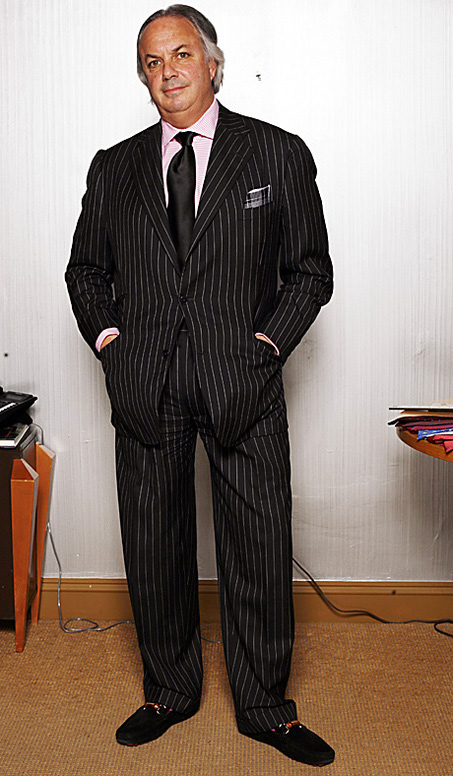
Picture: © Noah Addis
~ Originally published in Finnish on the 16th of October 2011
Category Arbiter Elegantiae, Designers, Interviews, Men of style, Writers
Virginia Woolf
0February 22, 2013 by Ville Raivio
“Vain trifles as they seem, clothes have, they say, more important offices than to keep us warm. They change our view of the world and the world’s view of us.”
-Virginia Woolf
Category Aphorisms
Caring For Brogue Shoes
0February 22, 2013 by Ville Raivio
Any great brogue pair is a wonder and a pain. Pleasant for the feet, joy for the eyes — and yet, a troublesome pain to clean. After applying cream or polish, the said gunk will inevitably get stuck in the many little holes on the pair. An oft-repeated tip is to choose a toothpick for cleaning brogue perforations and medallions, but each passing year these picks will mount up and end up wasted. What I propose instead is a thick steel needle. This helpful tool will clean and reach even the smallest of holes, but remain in service for as long as its kept in proper place.

As a small example of the work a thorough cleaning can make is a pair of vintage Florsheims. The right shoe’s perforations are full of cream, the left one has been picked clean. The tiniest of minutiae can make a world of difference.
Copyright © 2013 Ville Raivio