Prince Charles’ 40-year-old Lobbs
0April 28, 2013 by Ville Raivio
Prince Charles does love his Lobbs. A few years ago, British newspapers, ever hungry for headlines and pun-filled titles, turned their heads to HRH’s shoes. A quick search through their picture archives and a call to Lobb’s decreed that his shoes were indeed some four decades old, patched several times to hide cracks and still keep the pair in rotation. The result is an eccentric pair with an inimitable patina, exuding old entitlement and frugality. Here’s hoping my pairs will hold true after four decades of staunch service.
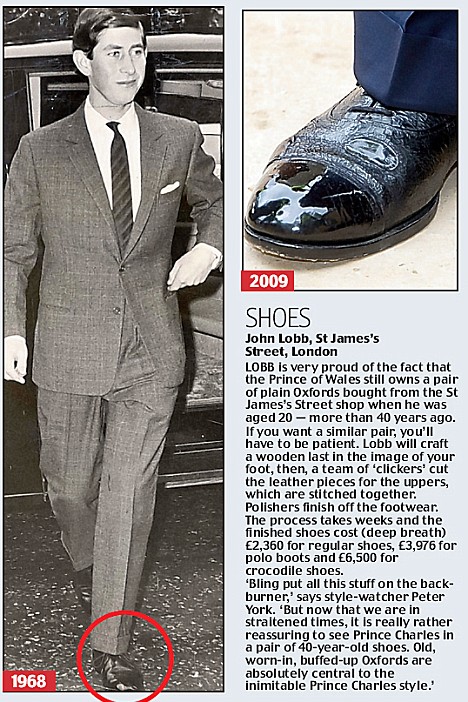

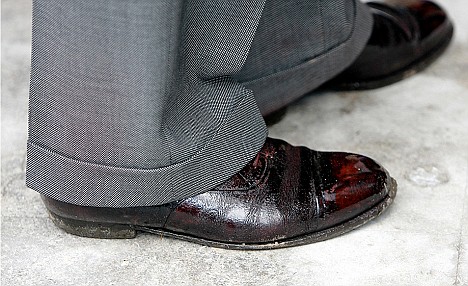
Pictures: © original uploaders
Category British Style, Eccentricities, Footwear
How to Wear an Odd Vest
2April 28, 2013 by Ville Raivio
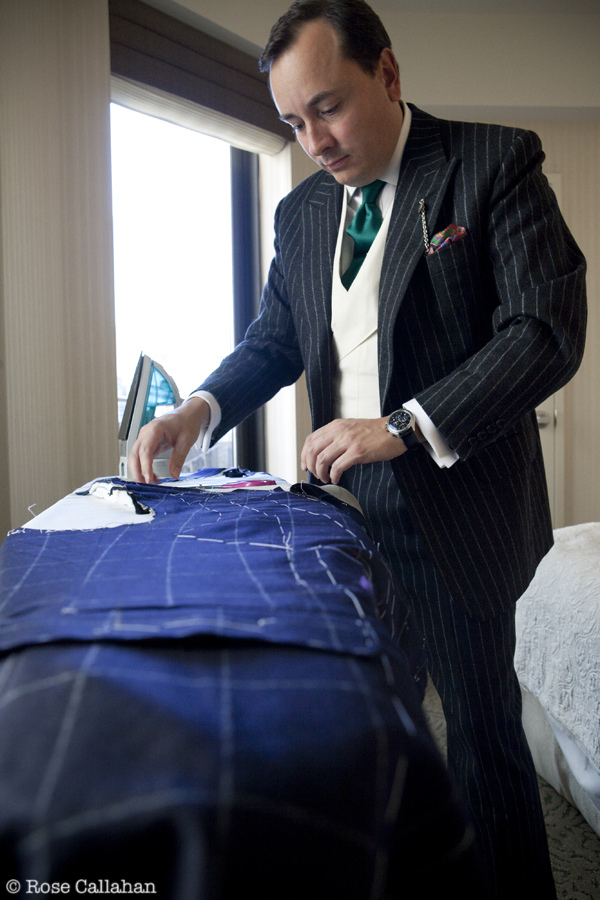
Odd vests, or waistcoats in Blighty, are tailored vests sold without a complementing jacket and trousers. They are surely among the rarest sights on the street or office, though not as odd or impractical as their name suggests. Victorian portraits and pictures are filled with examples of fancy vests, crafted from Chinese silks or softest velvets, the choice of gentlemen around Europe and America. ‘Apparel Arts’ and ‘Esquire’ prints from the 1920’s onwards portray a rarefied conception of the American man: homburgs and fedoras join hands with reverse-calf shoes and odd vests.
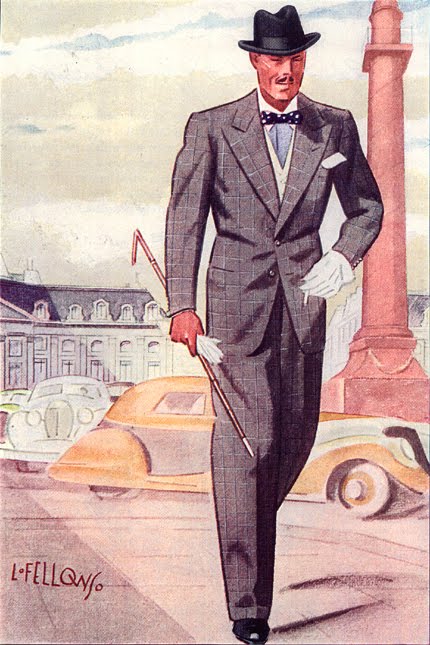

One Beau Brummell preferred cashmere vests, which may just be the optimal use for this fine fabric: unlike trousers and jackets, vests are rarely subject to abrasion. A cashmere vest provides great warmth and several years of use. Anthony Eden, a bit of a clotheshorse himself, favoured white notch-collar linen vests in summertime, as mentioned in Spokane Daily Chronicle. As well as bringing some warmth during fall or winter, odd vests hide blousing shirts or ample guts. One vested layer of colour or pattern may enliven an otherwise dull appearance.
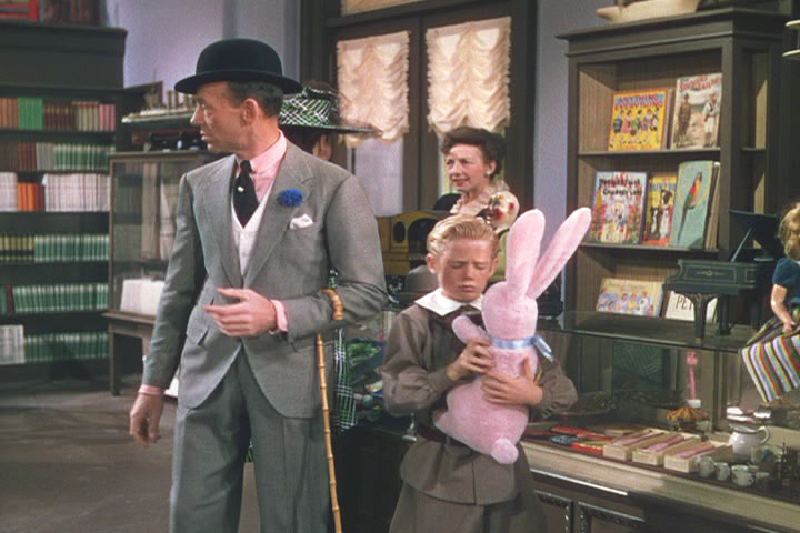
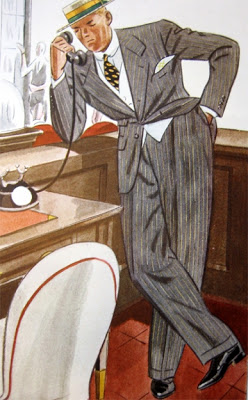
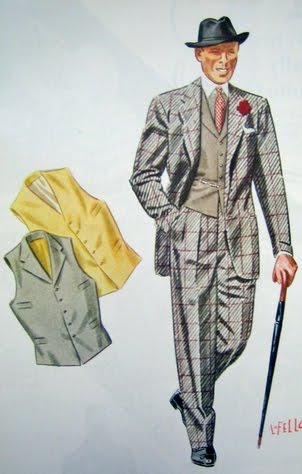
Odd vests dimished greatly, along with three-piece and double-breasted suits, with World War II and its subsequent fabric rationing. The advent of better housing, air-conditioning and relaxed social mores lead to vests being regarded as something quite fussy, definitely sultry or most unnecessary. The 1970’s, though now largely reagarded as a sartorial mistake, were the last decade to meet hordes of regular three-piece users. The yuppie years dealt a death-blow. Most examples in use today are pale in colour and remain as part of formalwear, namely morning suits, with which they bring a touch of colour to an otherwise somber, grey look. Thus, weddings and formal horseraces are the usual venues for odd vests, save for the occasional ‘fun’ Christmas vest. Yet they can be much more.
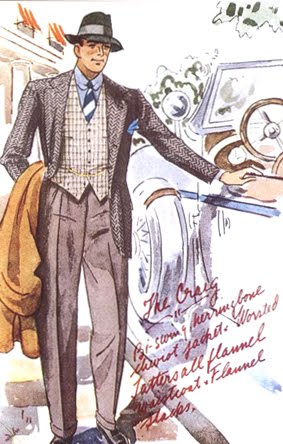
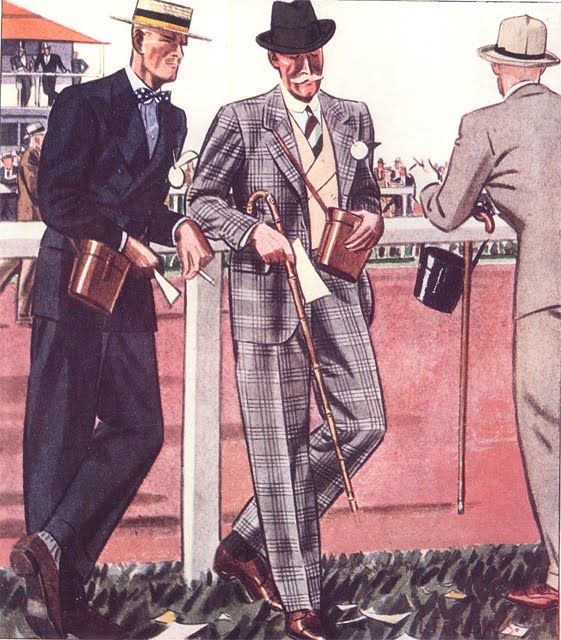
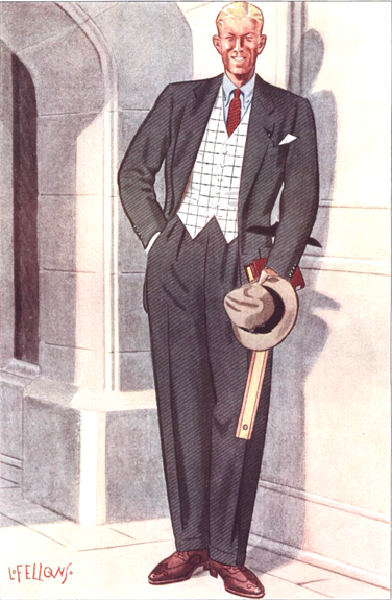
Odd vests can be cut and made from any material, yet not all fabrics work as separates. Stripe suitings are a clear example. Historically, odd vests have been favoured in complementing colours and textures. Tattersall vests with nearly everything, white or cream linen in spring and summer, pastels with morning suits, tweed vests in country use, strong shades in doeskin vests. Velvet and flannel odd vests are other options. Clear rules for odd vests cannot be laid down, as light colours have been worn with darks and displayed widely in prints or ads. Even Tattersall vests, usually loud and bright countrywear, have been opted with suitings. What can be noted, though, is that odd vests are usually lighter in colour than jackets or trousers. I feel odd vests are among the most difficult pieces in any wardrobe, best reserved for advanced studies in fabric and pattern matching. Pictures and prints are the best guides, unless one has perfect taste. This tends to help. Odd vests, then, are best worn simply with confidence.
Portrait: © Rose Callahan
Category Formalwear, Jackets, Suits, Vests
Interview with Jan P. Myhre
0April 28, 2013 by Ville Raivio
’52 years of age. Bespoke Shoe and Bootmaker. Lithographer, Art Director, Shoemaker, which includes the crafts Lastmaker, Pattern Cutter, Closer and Maker. I am not married, no children either. [I became interested in shoemaking] at the age of 17, asking the local shoemaker to make me a pair of boots. He excused himself in a way that I understood he was unable to execute the craft. So, I started on the process myself – making all the mistakes possible. But, I started at the bottom, which was absolutely correct! My mother warned me already at the age of 17. Since 1981, I spent 6 years fumbling with leathers and tools, thinking and dreaming…until I went to London and John Lobb in 9, St James’s Street. I ordered a pair of shoes and a pair of trees. In 1992, Jonathan Lobb came to visit me in Oslo, and we have been friends ever since.
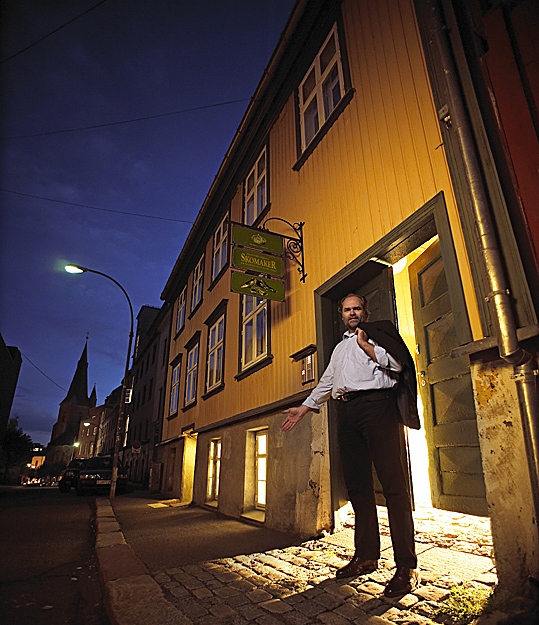
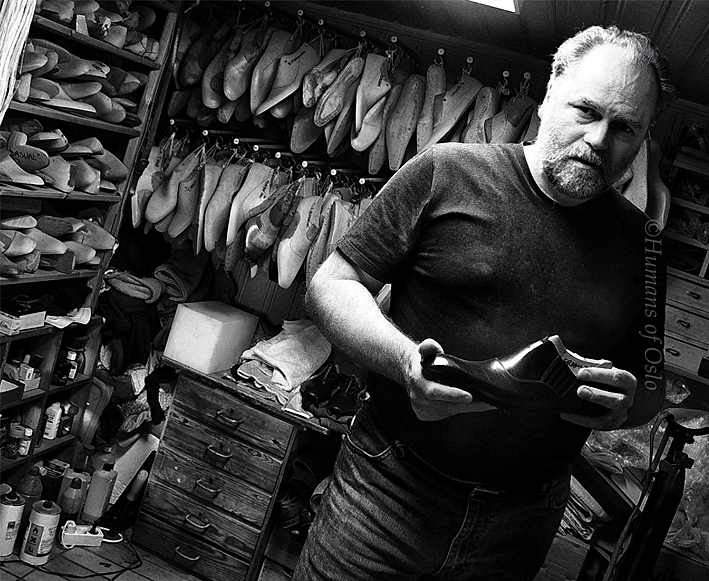
[My company] started when I discovered the interest within myself as a 17 years old boy. Until I was 27, I did not know what to expect. I needed more detailed knowledge and decided to see John Lobb in 1987. After that day everything changed. I had a goal and knew more about how to get there. At least, that is what I was thinking at the time. I have made my own way since I started, so I haven´t been busy considering how I was received, really. It is all about hard work and I understood that when I was introduced to the Lobb “school”. You penetrate the surface when you realize that you are capable of making shoes on a high level – that fit. It can take 20 years to achieve that. If you manage to stay focused, you might be lucky enough to experience that your success rate will also increase as you get older. There is always something to learn. A beginner’s mind is important.
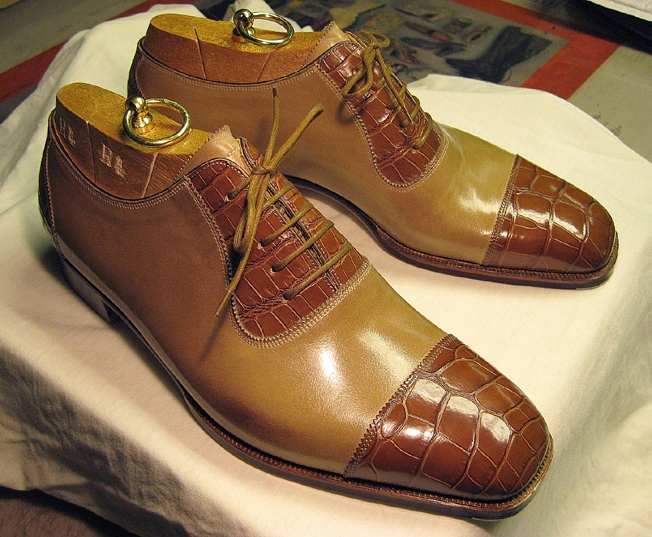
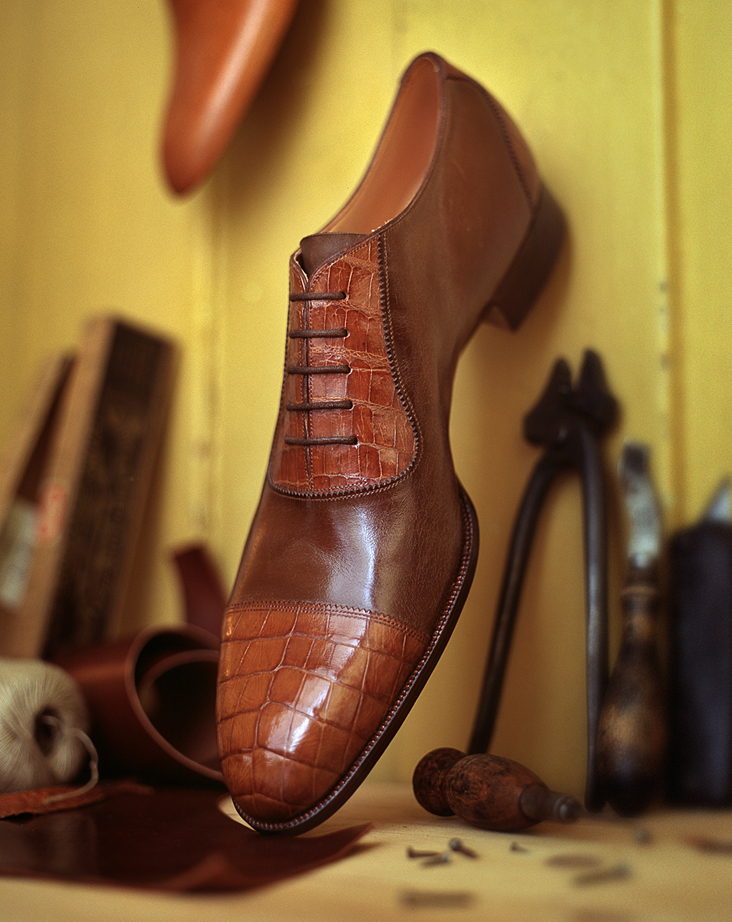
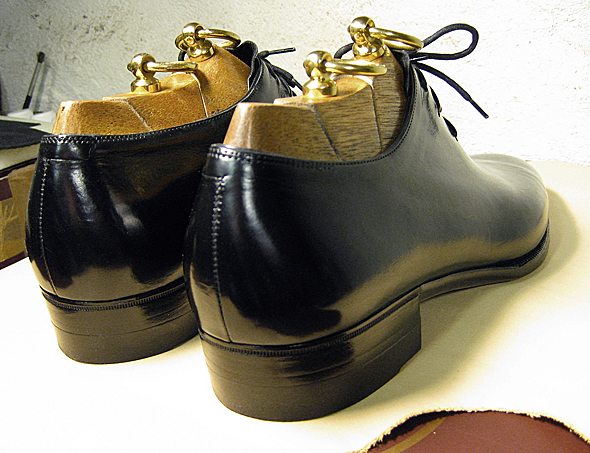
There are so many models to choose between, but I tend to prefer the basic cuts, like Oxford’s and Derbies in different styling, brogues, elastics etc. [My house style is a] rather snug fit, that is a common comment from customers, but there are always irregularities. Some can’t get them tight enough! The Bespoke culture came into the world when times were different. A modern man has, of course, the contemporary phase under his skin, but should seek the knowledge and marvelous discovery about the secret world of comfort in the old timers’ way of thinking. That involves comfort, style, pride, and self confidence.
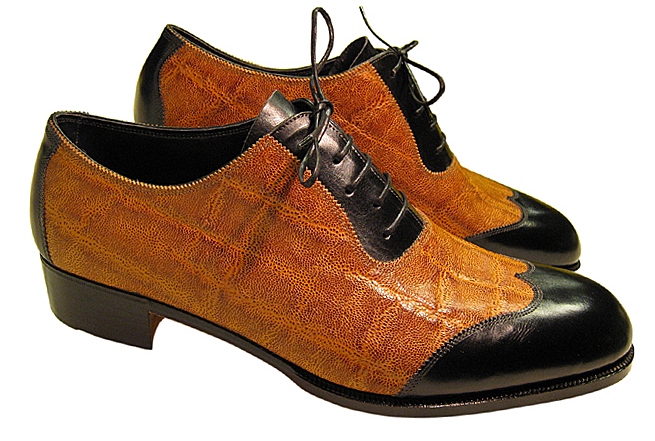
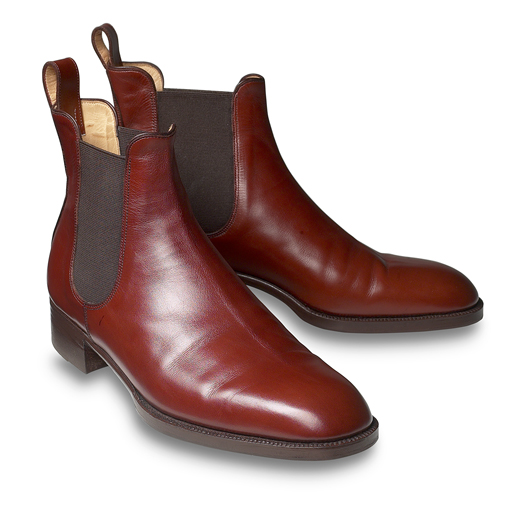
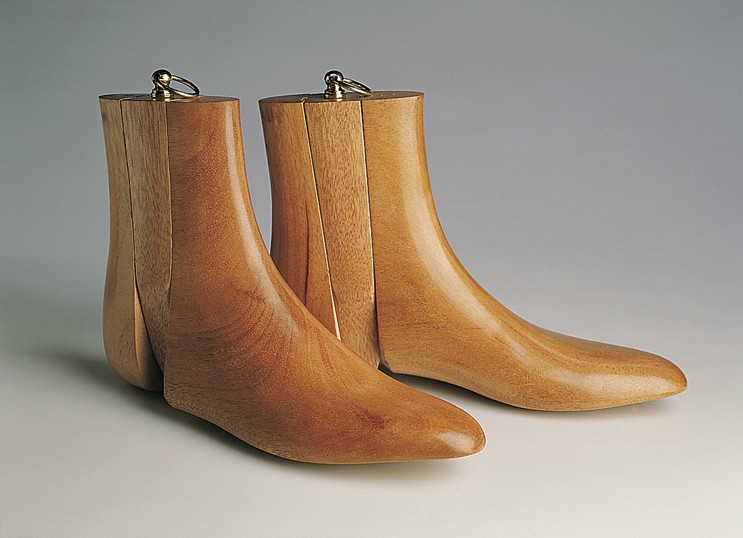
I have several suits, tuxedos etc., but I tend to prefer slightly more casual wear. To make a Bespoke suit, or dress, I would make an appointment with Tom Mahon in London. He has the touch and the cut. I have so far not used him myself, but he would be my definite choice – when I choose to do so. Traditionally, a Cordwainer is a repairman. I am a Bespoke Shoemaker and do only repairs on my own shoes and boots on the customers own lasts. There are many different “schools” in shoemaking. If one wants an artisan to do the shoes, you should try to find someone who is able to do the whole process of the shoe.
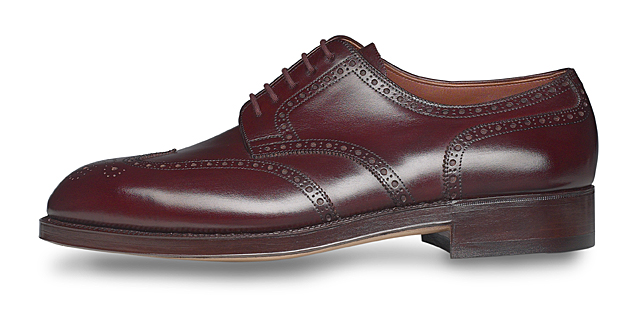
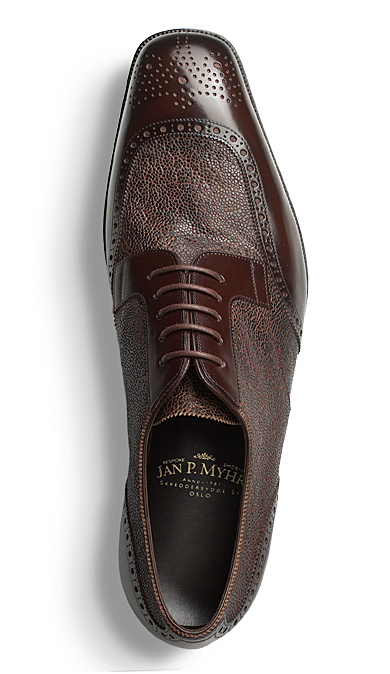
It is only then you can expect the true contact with the Maker and the right feel. This kind of shoemaker has had you in his mind since the day he took the measurements for the shoes. You will never experience that otherwise. But, of course, there are always exceptions and I do not know all of them, even though all the best makers can fit into a letter page. Everything connected to this craft is a matter of experience, not only by the shoemaker himself. It is a relation you are starting before choosing which shoemaker to use, and I would claim without doubt that this is the most important attitude for a novice – to realize that the key is to build up experience together. This you will receive in the end of the day.
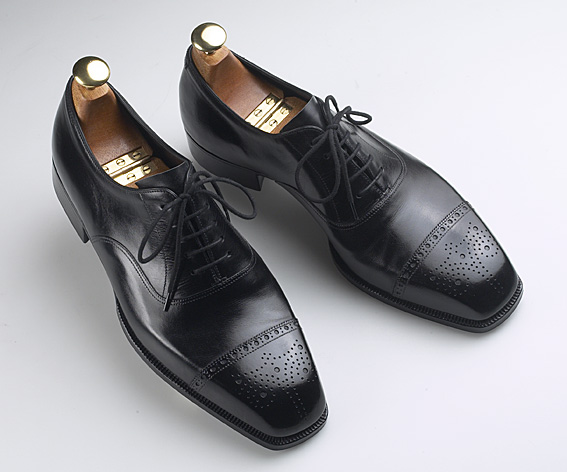
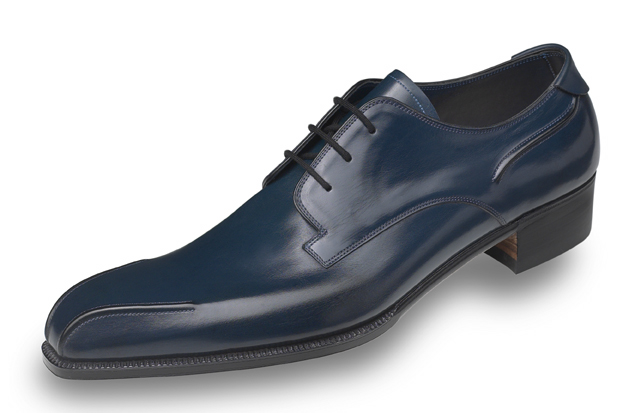
[My hobbies are] Ducati motorcycles and driving them, of course! Seek to obtain an attitude as a potential customer where you act towards others with respect and cautiousness, never loose the curiosity and urge to learn about the essence of things. Try to find the Shoemaker you can build a relation with, and see how you are getting on through your first meeting. Let the Shoemaker understand that you have patience and the right kind of attitude towards the craft and tradition. Listen to your new friend and ask questions before you decide how to spend it.’
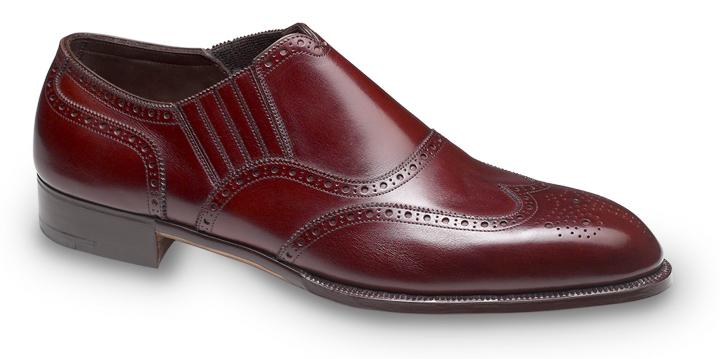

Category Cordwainers, Interviews
Prince Philip’s Style
0April 28, 2013 by Ville Raivio
A few years ago, Financial Times devoted a column to the style of Prince Philip. Menswear journalist Mansel Fletcher lists the key elements this royal consort has sported for some sixty-odd years, naming the key name behind his sartorial edifice. Philip’s tailor is John Kent, who does mention a ‘brushing room’ where the consort’s apparel is kept in order.
http://www.ft.com/cms/s/2/d4b384ca-8d54-11e0-bf23-00144feab49a.html#axzz1OWnpyVEr
Category British Style, Links
Patrick Bateman
0April 27, 2013 by Ville Raivio
‘Now, John, you have to wear clothes in proportion to your physique. There are definite dos and don’ts, good buddy, of wearing a bold striped shirt. A bold striped shirt calls for solid colored or discreetly patterned suits and ties.’
~ Patrick Bateman in Bret Easton Ellis’s ‘American Psycho’
Category Quotations
Copyright © 2013 Ville Raivio