Interview with Nick Ashley from Private White
0November 22, 2013 by Ville Raivio
‘I’m 56 years old and a fashion designer. I went to 13 schools, none of them private, as conforming was a problem. I’ve two daughters; Lily, 21, film maker, helping me with the PW visual image, and Edie, 17, fashion student. Both are proud of their famous grandmother, and plan to help me when they can. When I finished fashion school, I joined my parents’fashion business, so they reacted quite well as I helped build it into a giant! My hobbies: dirt bike racing, desert racing, car rallies, Dakar rally, helicopter flying, cooking.
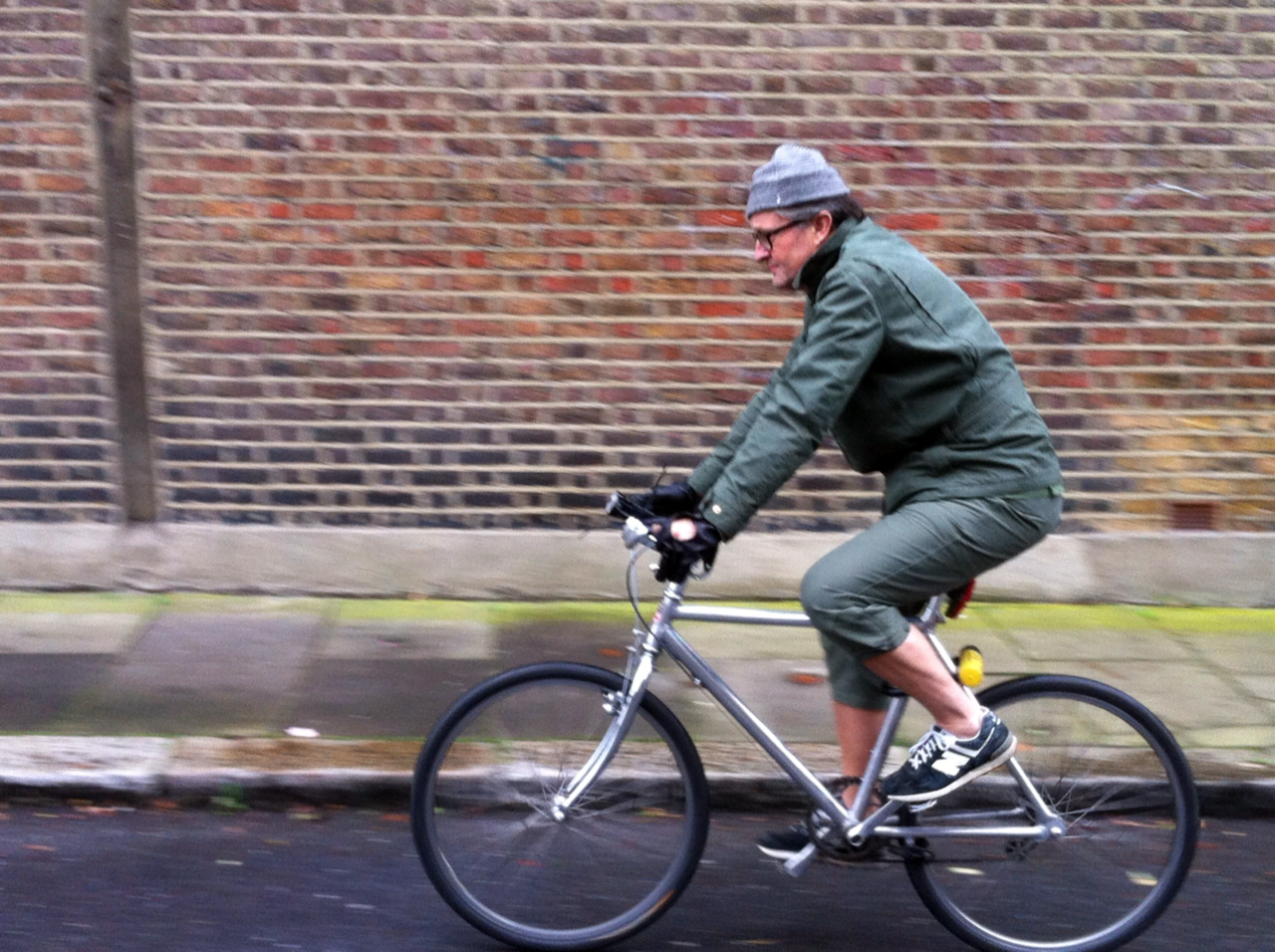
I was born into an environment that was all about making things, even though my parents could not afford a home (we lived in tents), they always had a fantastic workshop, so that was my inspiration, and why I got interested in clothes. There is a principal in British men’s dressing that when a man walks into a room you should notice the man before his clothes, this is based on the wearing of classics. Any changes made to these classics should be really carefully done, and for a reason, otherwise the delicate balance is upset. I learned to gather knowledge from my mother, the designer Laura Ashley. She taught me the principle of looking behind before going forward, the importance of evolution in design, then adding on the relevant technological updates in order to make the product more practical for today’s society. We used to spend a lot of time in museums and archives, I still do and this is the best part of my work because the editing of old and new can be done “on the hoof” while looking at old stuff and planning how to modernise it.
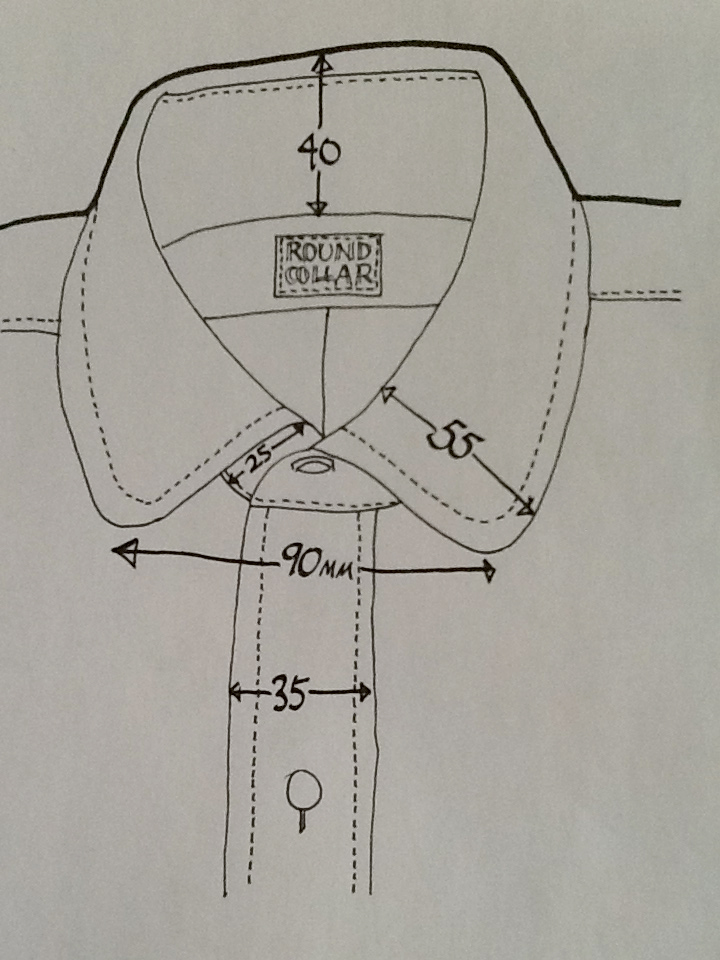
Freehand technical sketch for Private White
My own style is quite eclectic, I have never had a problem with expressing myself. I was brought up on a farm in Wales, at junior school the other boys all looked the same; pudding basin haircut, duffle coat and Wellington boots. I used to look like Jimmy Hendrix! When I went into the sweet shop, the lady said, “yes, miss!” It didn’t bother me then, and I still continue to have fun with some cranky outfits, the only difference now is that I have two daughters, each with an “objective” view on how their dad should look…and they both prefer cord trousers, cashmere jumpers and brogue shoes, but I’m still too young for the grandpa look! I use myself as a guinea pig for new Private White products. If I get too many negative reactions to something, then I may not run it…immediately. So, to sum up, my own style is eclectic.
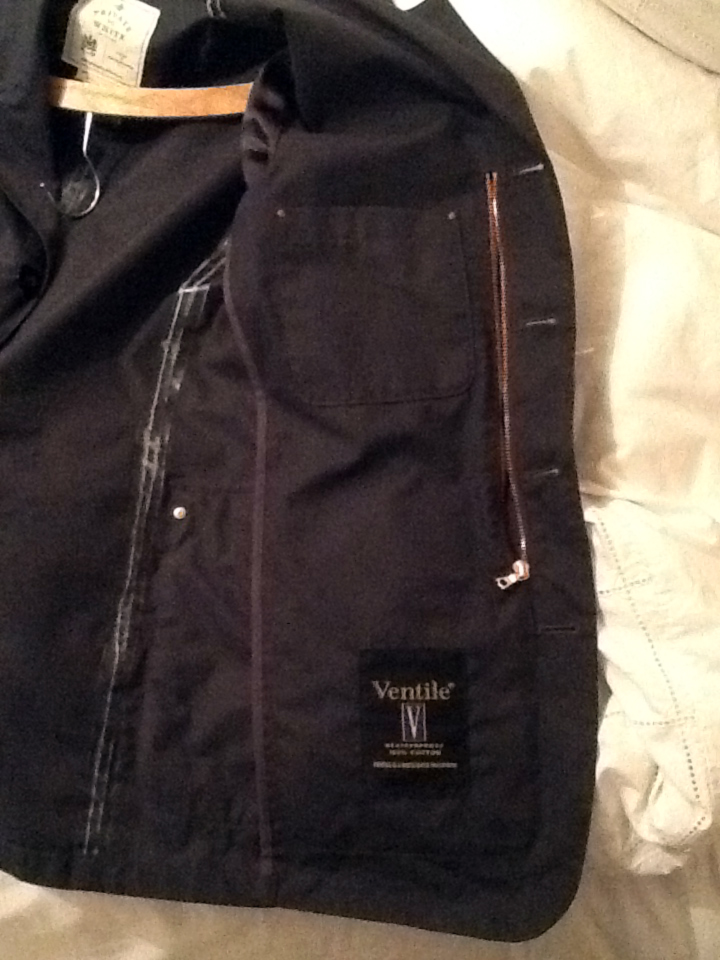
All in the details: tablet pocket behind wallet pocket
Private White is the last coatmaker in Manchester, the whole of the Global clothing industry was founded in Manchester, and when we are gone, that is the end of the Holy Grail. We are throwing resources at keeping this last finger hold on the cliff edge of the manufacturing industry; we have added a woolen mill in Yorkshire, a cotton mill in Lancashire, and a pledged flock of Wensleydale sheep to supply the wool. This month we will open our factory shop, the products inside that shop will have been made from sheep to shop within a fifty mile radius of the factory. These facts alone make Private White worth a visit. My designs are a matter of taste…I am a people watcher, I am inspired by people.
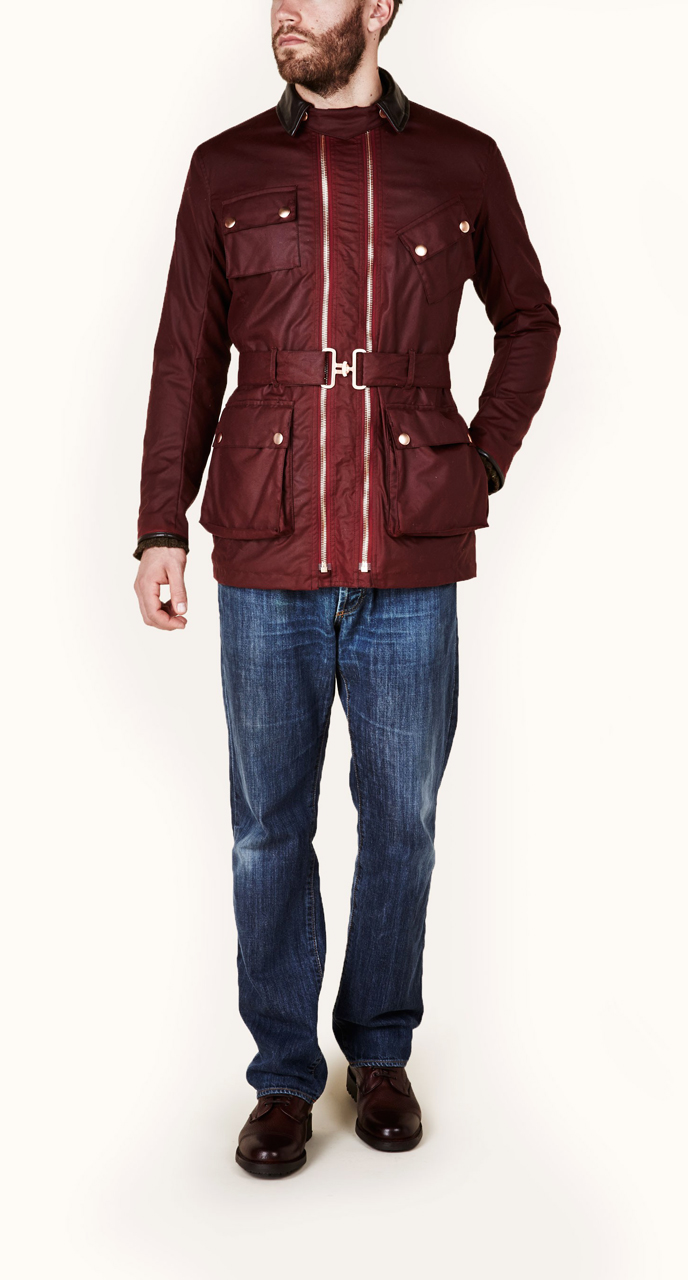
Twin Track Jacket in Red Waxed Cotton
I joined Private White because I did not want to see the very last coatmaker in Manchester close down. I went straight to the factory, sat down with Mike Stoll, my friend of 25 years, and he introduced me to James Eden, the great grandson of the founder. James was prepared to throw everything into getting the business on its feet again, Mike and I are his support. It is very emotional, a brand needs an emotion, that’s what the customers radar picks up on. I started work straight away. The Private White “House Style” is very subtle. Our heritage as coat makers dictates that we specialise in outerwear, the layer that keeps you warm and dry. Our founder, Jack, was a private in the army, and soldiers make fantastic designers — they have to design stuff while dodging bullets! All of the above is more than enough to get on with, I believe that the customer should be in charge of their own look, we just give them the component parts. I do have to put outfits together though, and if you want to categorise the brand, I have coined a phrase “Techno-Retro” that just about sums it up, it is Gentlemen’s outerwear that has been updated.
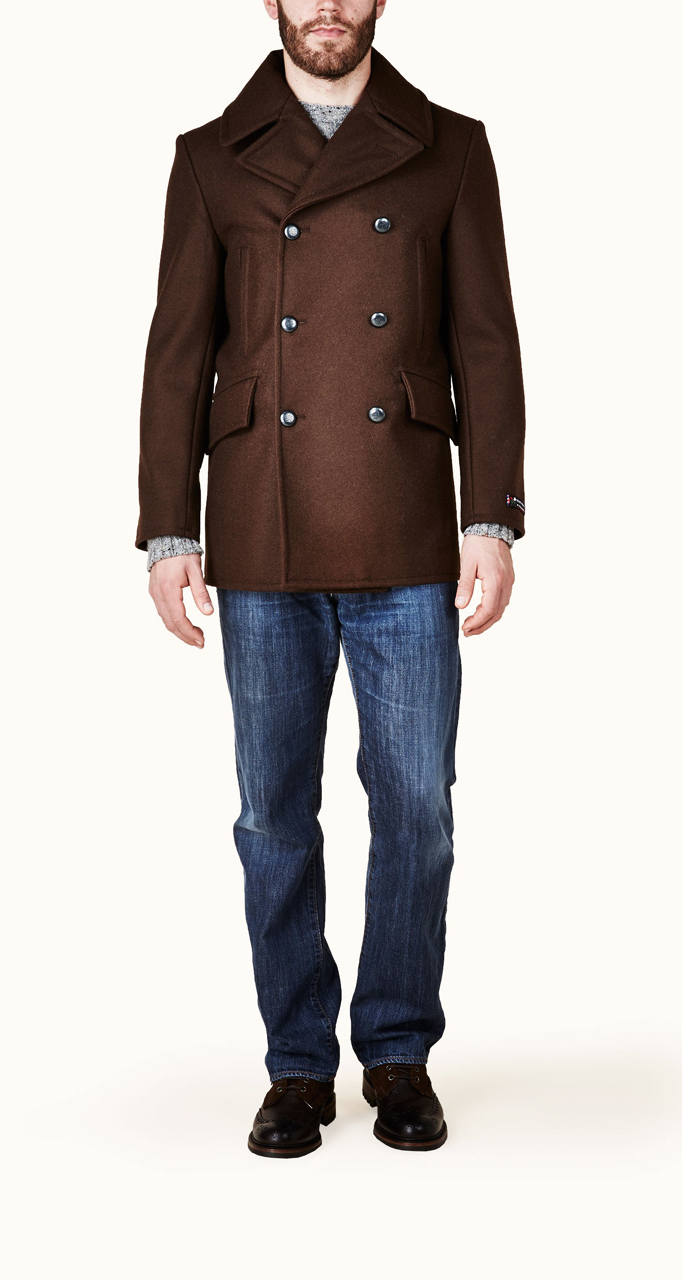
Manchester Pea Coat in Brown Melton wool
I work a lot with museums and archives; in fact, I consider the whole of the British isles to be a museum these days, I like to consider the past before going forwards, that way evolution is respected, and modern technology is added so the product becomes more relevant to our lifestyle right here and now. My favourite Brands are Anderson&Sheppard, they have not only a bespoke service, but they will disassemble your suit, steam the pieces, adjust, then re-assemble for you, that is a proper tailor shop, and Cheaney shoes, who will sell you a new pair of shoes, then will re-sole them at the factory for the entire time that you own them. I like to be able to buy clothes from the factory or workshop where they were made, it helps to form a relationship with possessions.
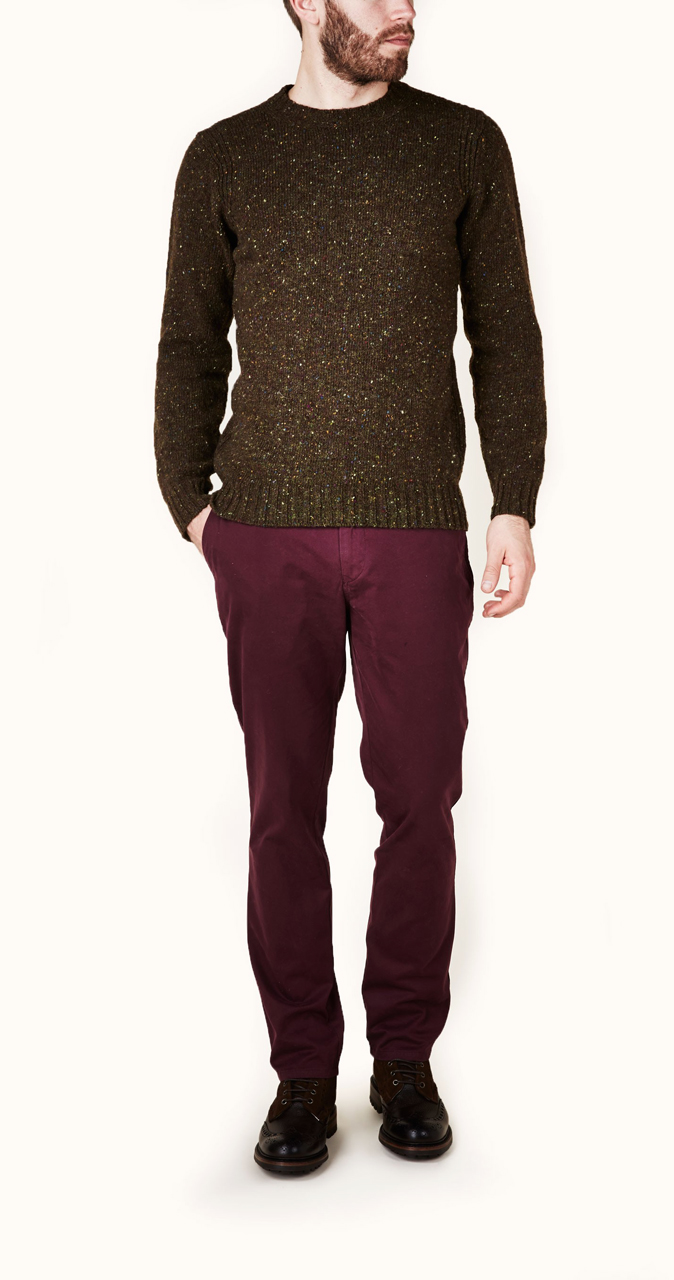 Donegal Wool Cadet Sweater in Khaki colour
My favourites in the [Private White] collection are either in our archive, or have been abandoned somewhere! It is one of life’s frustrations that the best-selling products are not always the designer’s favourites, there is a mismatch between what designers want people to wear, and what they actually buy, maybe because we have to work so far ahead, but I can never seem to get the timing right! This is not at all a problem, merely an observation, OK, a frustration!
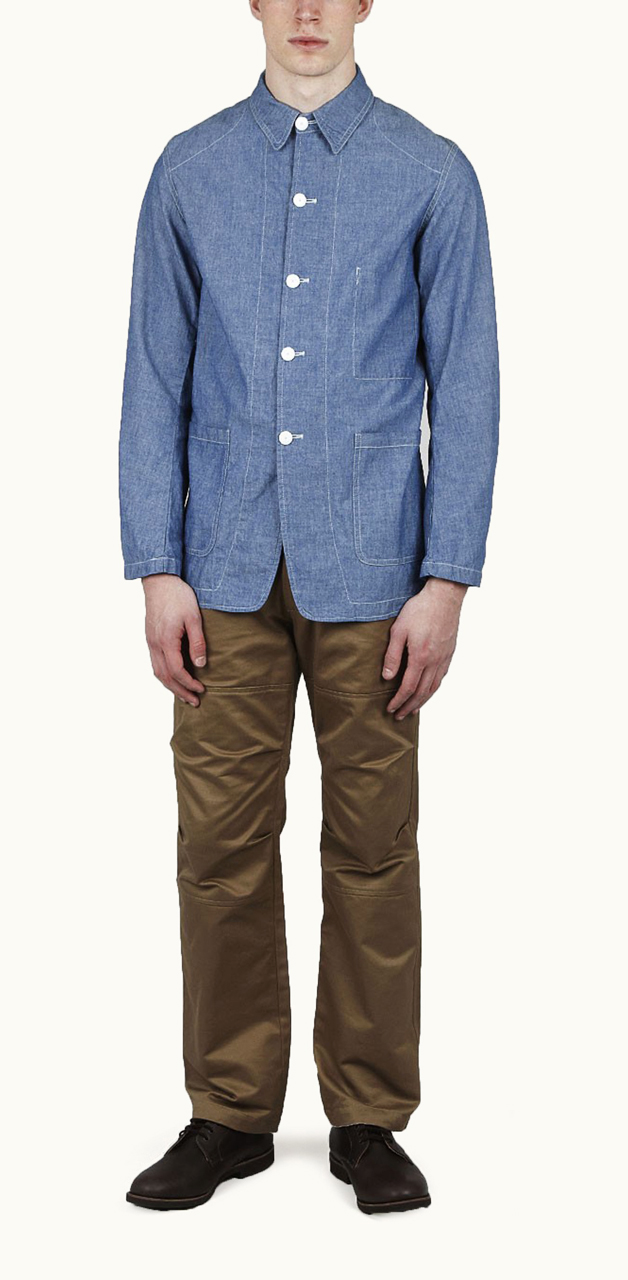
Inspired by British Army tropical wear, Private White’s shacket in chambray
My definition of style is when someone has a confident sense of themselves; they may know all the rules and are therefore qualified to break them if they feel like it. Clothes are a reflection of how you feel on the inside, displayed on the outside, so some people make a really nice read! What I’d like more men to know about military-inspired clothing is that soldiers make great fashion designers. The outfits they wear can save their lives, they have to design the clothes with bullets flying at them so there is no bullshit or wasted effort; if an extra pocket is needed, or if something needs to be re-enforced or strengthened, then it happens.
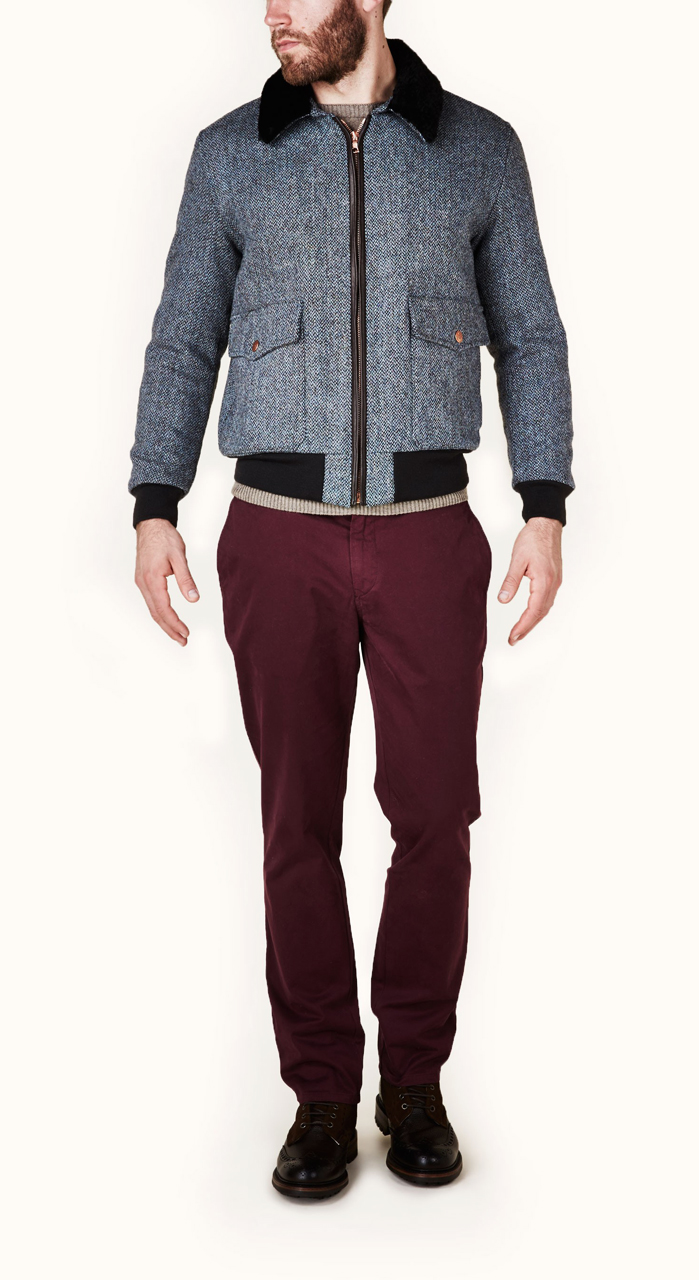 G1 Harris Tweed Flight Jacket
What I’d like more men to know about military clothing is that it’s made to the highest possible specifications of any clothes in the world, and they are ferociously expensive to produce for civilian wear. This starts with the construction of the fabric and just doesn’t stop. I decided that if we are to make our clothes in the most expensive factory in the world, then we should construct them in the best possible way, like military clothes. The cost confuses people because they expect tailoring for that price, but our customers want casual clothes that are constructed to tailoring standards, made in Manchester. All things considered, we are fantastically good value.’
Photos: Nick Ashley and Private White
Category British Style, Designers, Interviews, Quality makers, Web stores
Interview with Michael Hill from Drake’s
1November 20, 2013 by Ville Raivio
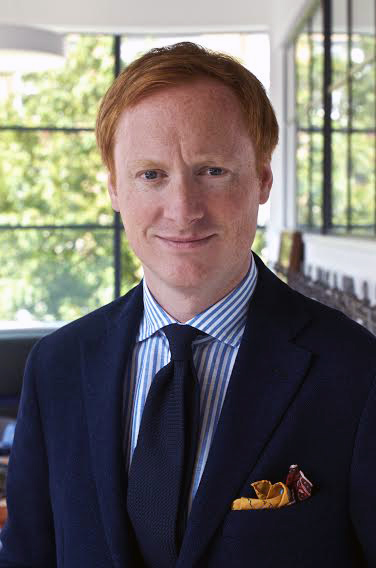
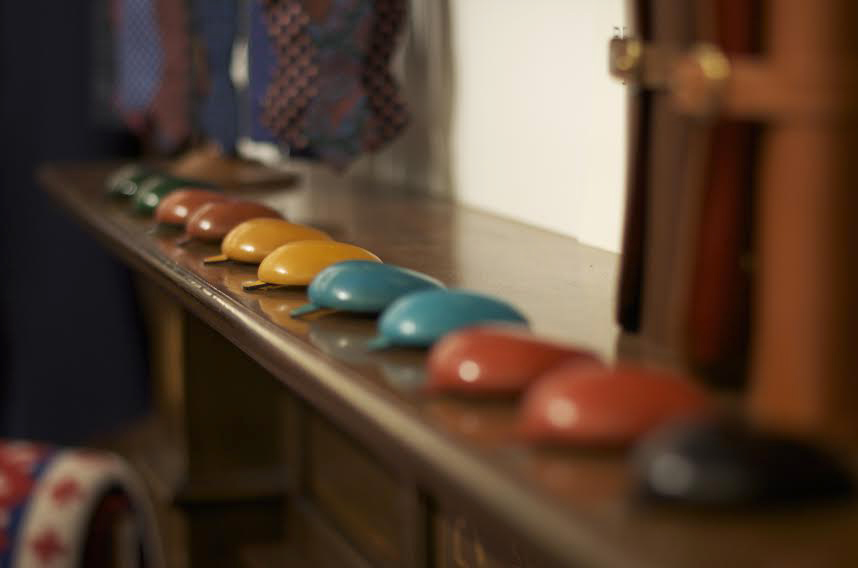 All photos feature accessories designed by Michael Hill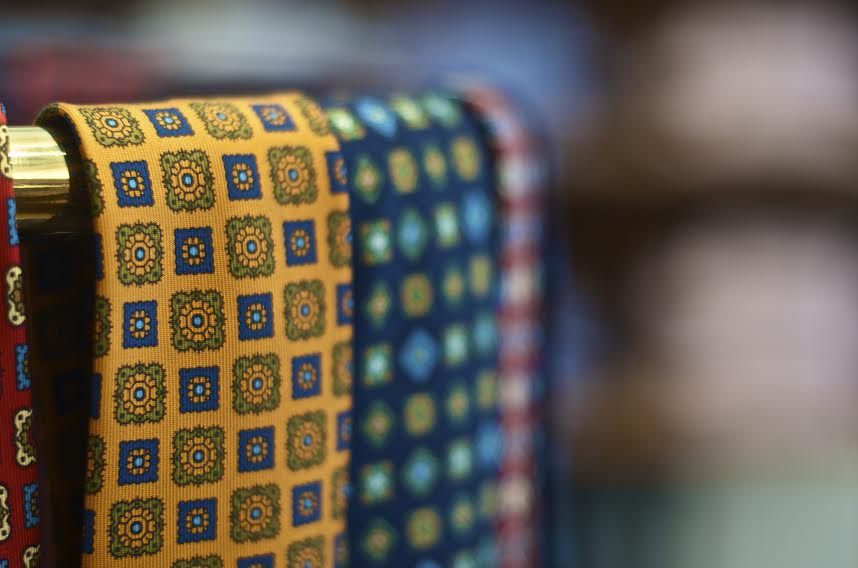
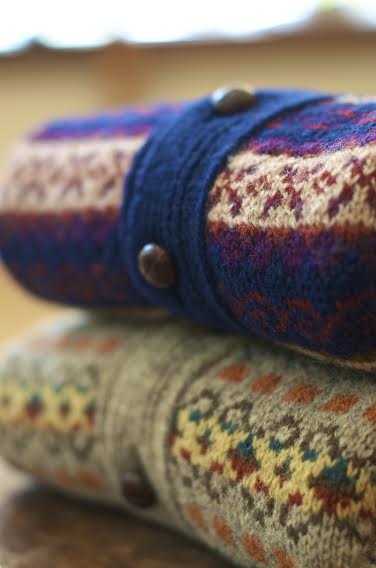
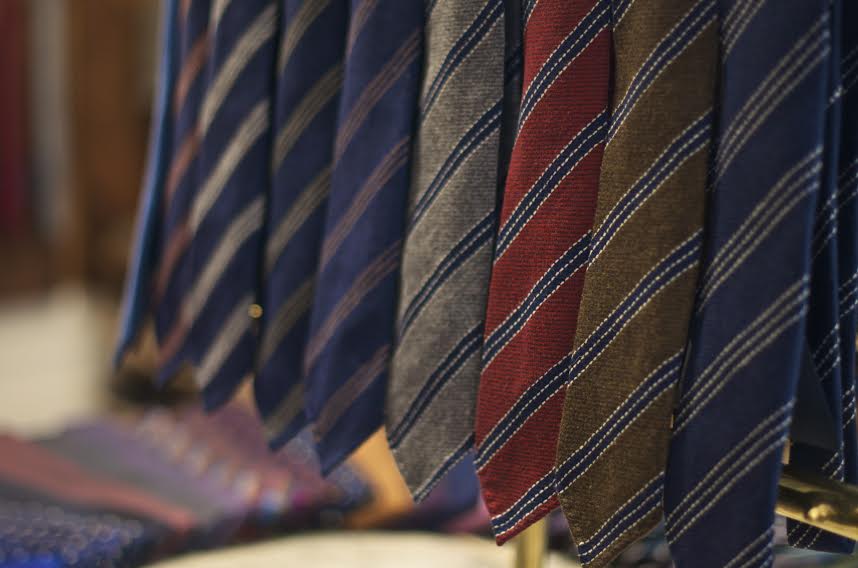
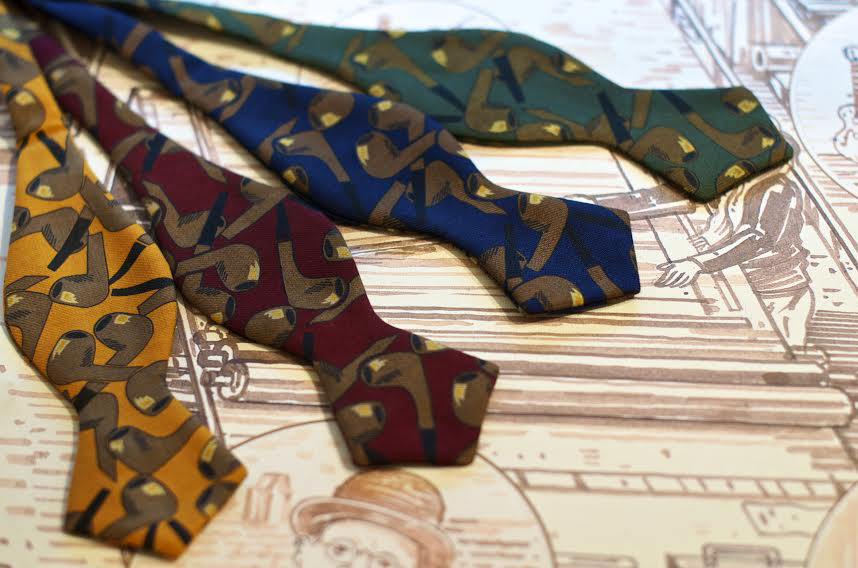
Category British Style, Designers, Interviews, Quality makers, Web stores
Suede Shoes in the 1920s England
0November 19, 2013 by Ville Raivio
‘I was brought up…to think that suede shoes were only worn in private by consenting adults.’
~ John Taylor, Tailor&Cutter Magazine
Category Quotations
Interview with Vicki Vasilopoulos from Men of the Cloth
0November 19, 2013 by Ville Raivio
VR: Your age and occupation?
VV: Writer/Director/Producer in my 40s.
VR: Your educational background?
VV: I have a BA in Journalism from NYU, and have studied fashion at the Paris Fashion Institute and the Fashion Institute of Technology (FIT).

VR: Have you any children or spouse (and how do they relate to your tailoring enthusiasm)?
VV: My husband Glenn is not what I would called “sartorially obsessed.” He’s more of an intellectual and an outdoors type.
VR: …and your parent’s and siblings’ reactions back in the days?
VV: I’m afraid to say that my parents barely understand what I do as a writer or filmmaker (which is not uncommon, of course)!
VR: What other hobbies or passions do you have besides films?
VV: I love gardening, hiking and being out in nature, cooking, reading non-fiction, and going to the movies!
VR: How did you first become interested in documentaries, and when did you turn your eyes to tailors as subject matter? Why these gentle craftsmen instead of, say, fashion?
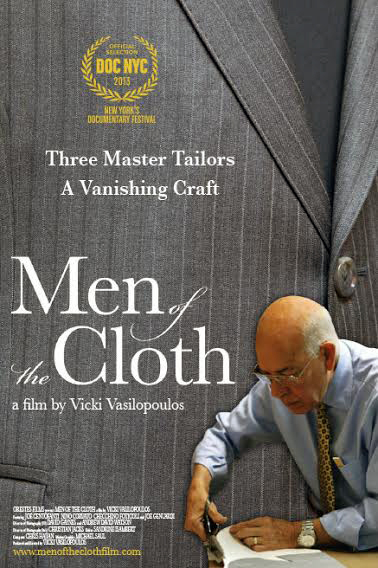
VV: Although I have a fashion journalism background, I’ve always been fascinated with handmade things and authentic creative expression. My own father was a craftsman who worked with his hands. I discovered the world of master tailors on a reporting trip to Italy about 14 years ago and it changed my perspective. At the same time, I had become increasingly fascinated with filmmaking and started taking courses at The New School in New York. I remember seeing Agnes Varda’a film, “The Gleaners and I” (Les glaneurs et la glaneuse) and was really excited about her style and technique. I realized that Italian master tailors were like the last of the Mohicans; they personified a disappearing craft — and one that deserved to be documented and celebrated. I decided that these unsung heroes were the perfect subject for a film that take you into their world and shows you the visual and aural poetry of their craft and ateliers.
VR: How have you gathered your knowledge of directing – from books, in-house training, workshops or somewhere else?
VV: I’ve taken dozens of workshops and seminars in all aspects of documentary filmmaking — and I’m always reading books on directing and producing.
VR: How would you describe your own dress? Which RTW makers or tailors do you favour?
VV: I like fairly classic silhouettes with minimal ornamentation, but I do love color. Some of my favorite designers are Ralph Lauren, Oscar de la Renta, Calvin Klein, Dries Van Noten, Alberta Ferretti.
VR: How did you select the tailors to feature in Men of the Cloth?
VV: Joe, Nino and Checchino were master tailors at the top of their field but were also incredibly simpatico and compelling individuals. They had such a way of expressing their passion that I knew they would be perfect for a film. Their individual career trajectories also complemented each other and added nuance to the structure of MEN OF THE CLOTH.
VR: What did you learn from these tailors?
VV: I learned a bit about the complexities of human anatomy, the importance of achieving the balance in a jacket, how a bespoke suit is constructed so that it moves and breathes with the person wearing it. Most importantly, I learned what an incredibly gift it is to find your true calling in life.
VR: When is the premier and how does one buy tickets?
VV: The World Premiere is at DOC NYC, New York’s documentary festival, on Tuesday November 19th and Thursday November 21st. Tickets can be ordered online or purchased at the box office of the IFC Center in Greenwich Village (The Tuesday screening is already Sold Out).
VR: Who or what inspires you?
VV: I’m inspired by artists and creative types of every stripe – photographers, filmmakers, graphic artists, composers, writers, and poets — anyone with a singular vision who tells us something new about the human experience.
VR: What is your definition of style?
VV: Style is the ability to project your individuality with the way your present yourself to the world.
Category Film Folk, Interviews
Copyright © 2013 Ville Raivio