Matthaeus Schwarz, the Original Menswear Buff
0June 30, 2013 by Ville Raivio
Today’s link: BBC News shares the story of an eccentric accountant from the 16th century. For four decades, Matthaeus Schwarz commissioned, amassed and modelled for painters a vast collection of outfits to complete what can only be described as the oldest fashion book in history. WAYWT before WAYWT, the article is one fun read to all style buffs online.
http://www.bbc.co.uk/news/magazine-22766029
Category Links, Reading, Vintage
Interview with Nick Hilton
0June 30, 2013 by Ville Raivio
VR: Your age and occupation?
NH: 65, Clothing merchant.
VR: Your educational background?
NH: Private secondary schools, Bard College (BA) 1970.
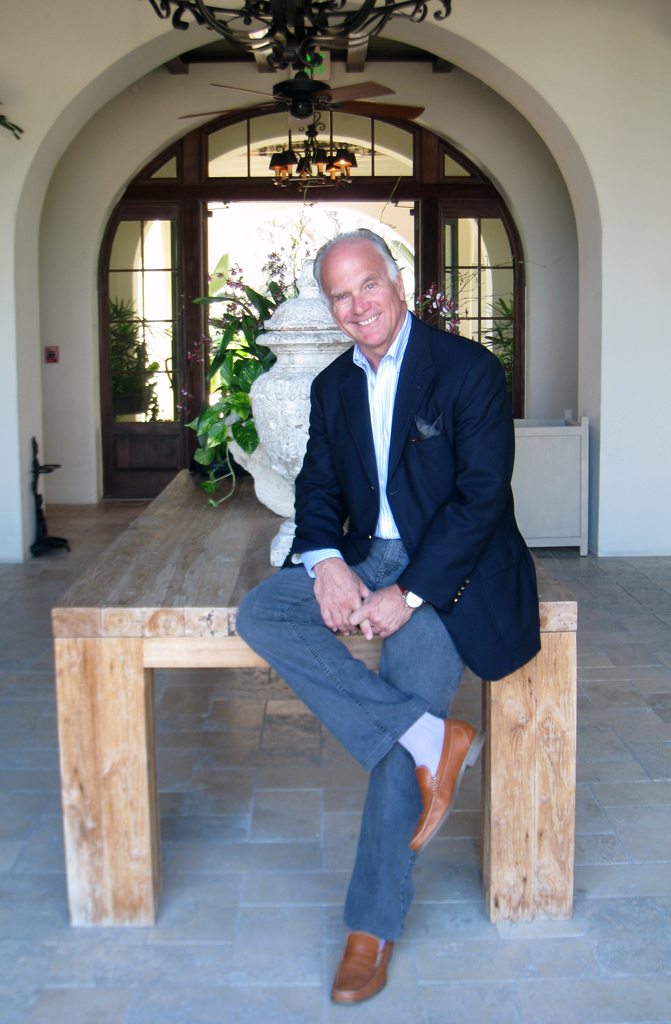
VR: Have you any children or spouse (and how do they relate to your style enthusiasm)?
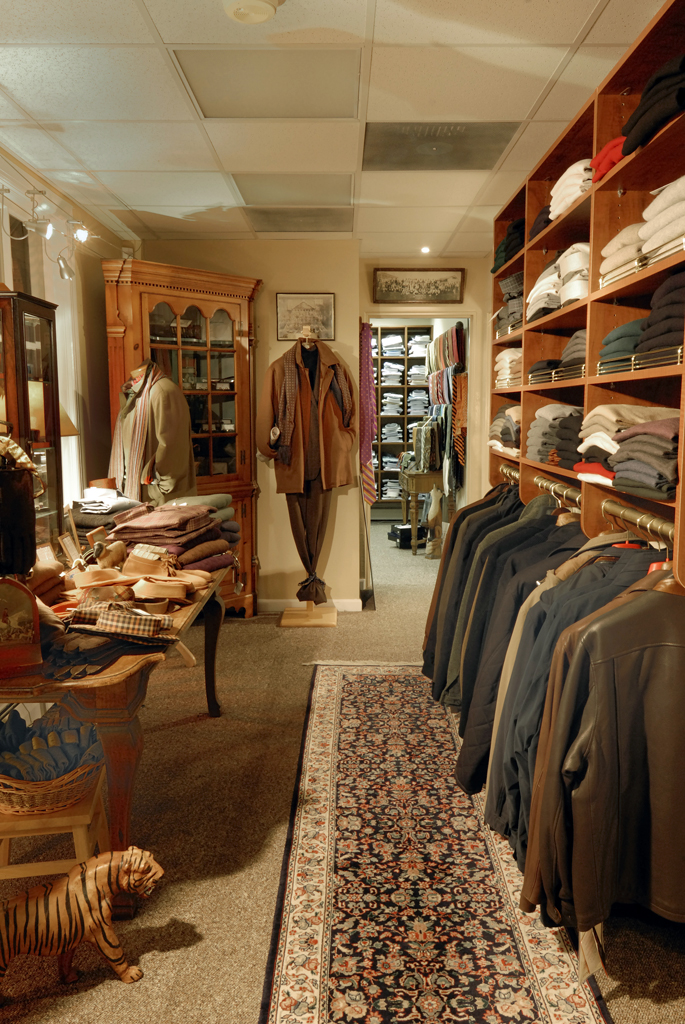
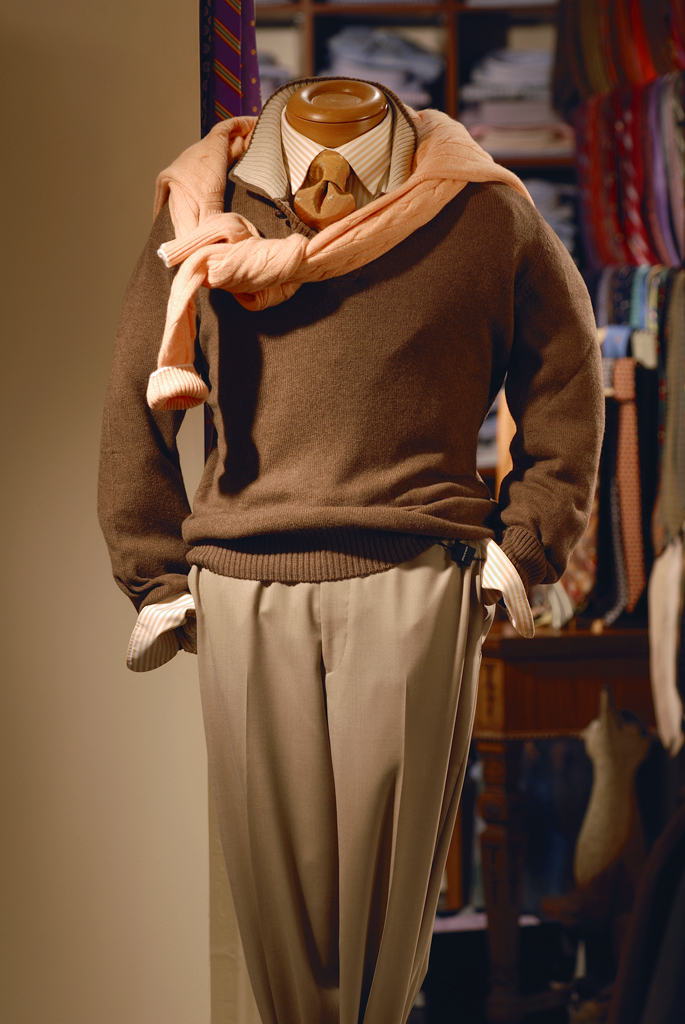
NH: Strange question. My wife, Jennifer, is my partner in business and the manager/buyer/merchandiser of our women’s department. We make all of our major buying decisions (lines to carry, overall strategic planning) together. We have 2 sons, the younger is involved in the marketing of our shop and is in the process of (re)building our on-line store. Our daughter is an advertising director of styling for Polo Ralph Lauren.
VR: …and your parents and siblings’ reactions back in the days?
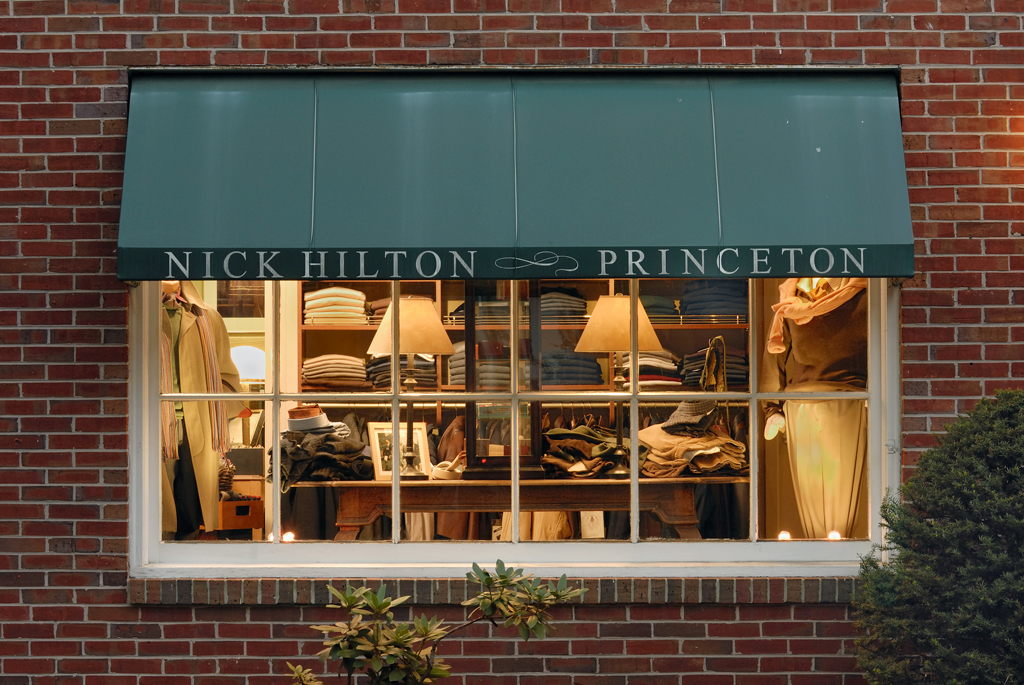
NH: My family, on my father’s side, has been in the clothing business since they arrived in America in the 1880s. Nevertheless, my parents thought I was nuts to go into the business when I did; at first I thought they were right. But somehow I wound up being the designer of our wholesale line at the age of 28 or so, and it turned me on despite the difficulty of manufacturing quality apparel in the USA in the later 20th century.
VR: What other hobbies or passions do you have besides apparel?
NH: I play music and take photographs, but my major avocational concern is helping alcoholics and addicts to recover and lead “normal” lives.
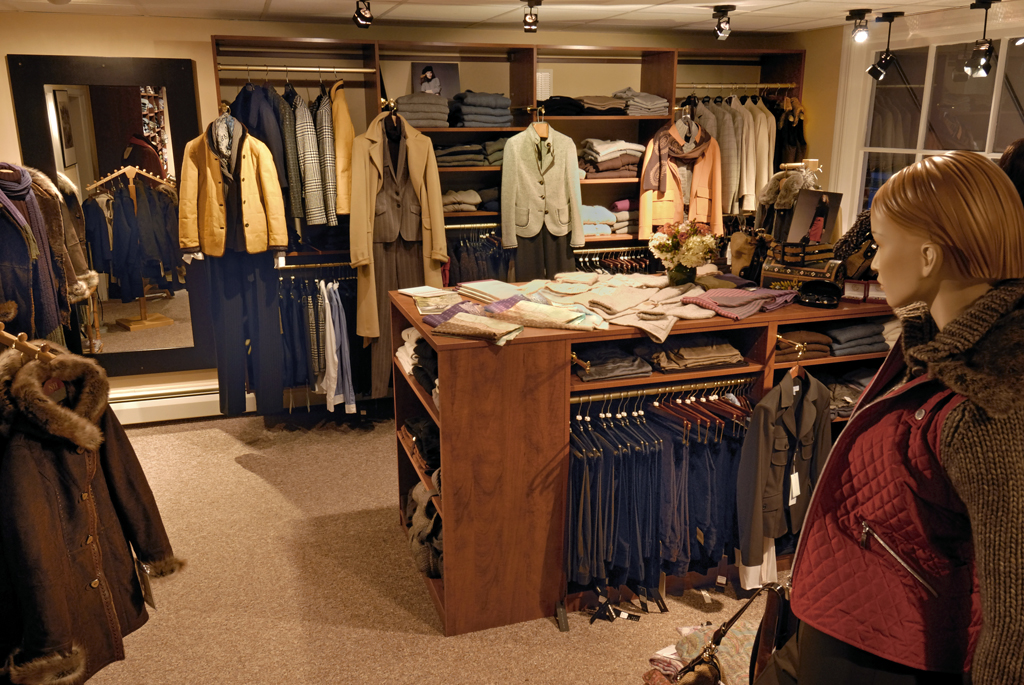
VR: How did you first become interested in clothing, and when did you turn your eyes towards classic apparel? Why classics instead of fashion?
NH: Hard to escape it, really. My father was an icon of Ivy League sensibility, a Princeton and Harvard B. School alum, as well as a really talented designer and a master marketer. You couldn’t be around him and not get it, which I did as a kid, and it lasted as a formative influence. My grandfather had a different take: he was a classic post WWII New York bon vivant and he dressed in a classic, but not “Ivy” style — more like the jazz greats or movie stars of the 1950s. Suave is how I’d put it. But both of them had one thing in common: they knew you could never fake quality. Only the authentic thing, the original, will do. NO BULLSHIT. Ever. That is the essence of classic style: it’s the real thing. Fashion, as I understand it, is new for newness’ sake, pushing the envelope, like modern in the artistic sense, great for hanging on walls maybe; but clothing should not call attention to the wearer. That’s indicative of character traits that are just, well, not on. Ostentation, excess pride, lack of solidity. What does the clothing say about the wearer? Not to say trends are bad; things change. But good style adapts the trend into itself and moves the individual along a continuum. Skirts for men, for example, are exciting fashion, but bad style.
VR: How have you gathered your knowledge of apparel — from books, in-house training, workshops or somewhere else?
NH: All of the above, plus living and working overseas, especially Italy.
VR: How would you describe your own dress? Have you any particular style or cut philosophy?
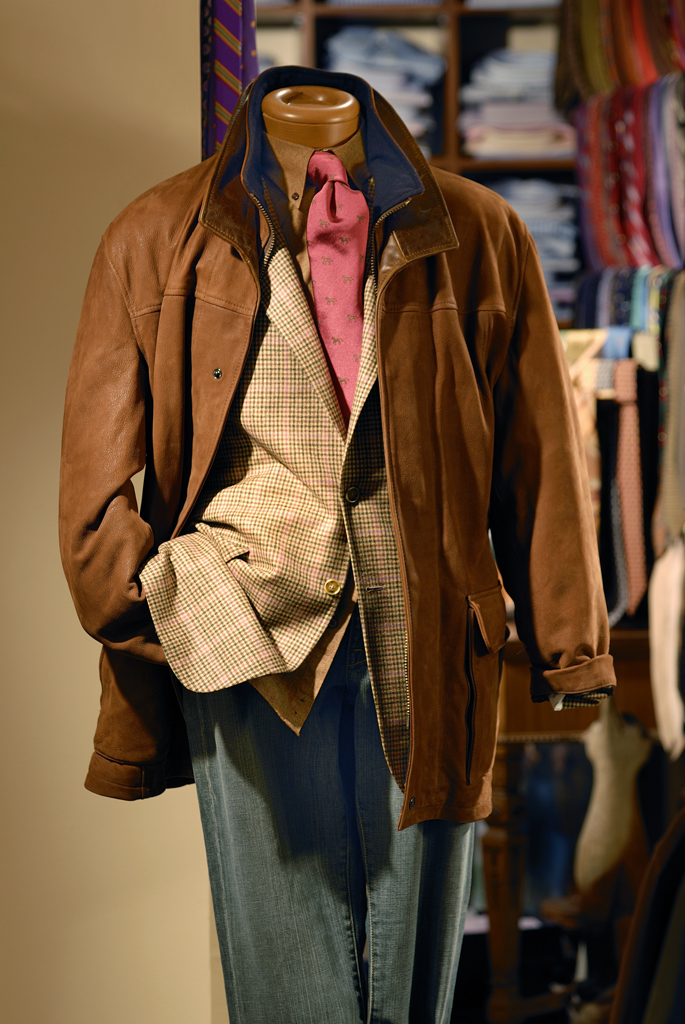
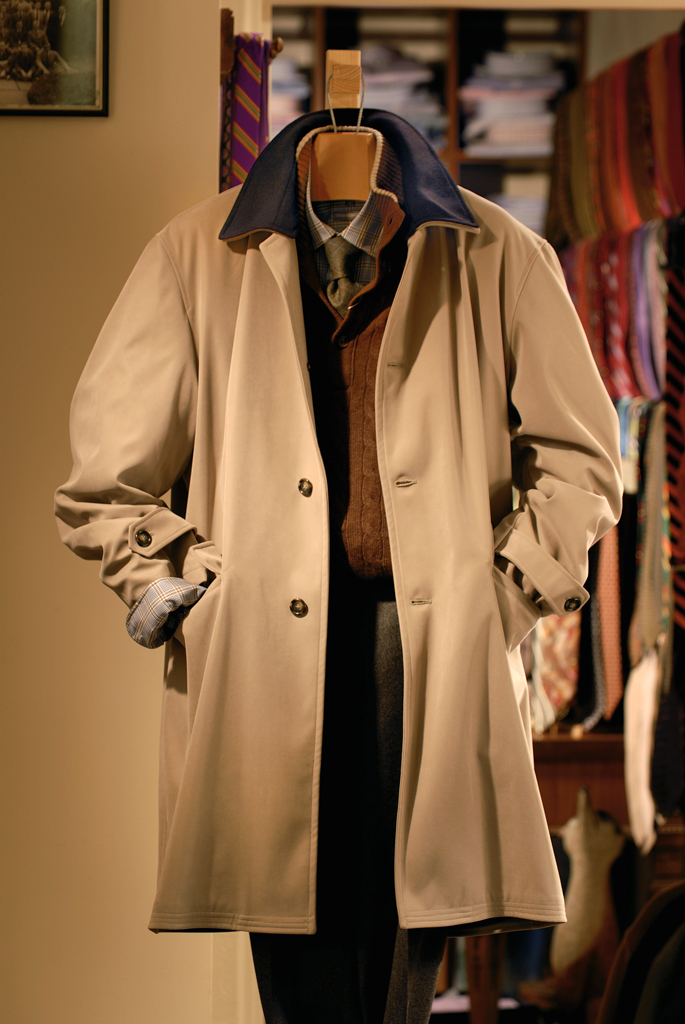
NH: Comfortable elegance.
VR: Which RTW makers or tailors do you favour?
NH: To wear or to sell? Zegna is wonderful but too commercial to carry. I can sell Canali all day long, but it doesn’t fit me very well. Brioni fits me perfectly, but I couldn’t sell it with any enthusiasm because it just ain’t worth the money. Hickey Freeman fits and is worth the money. If I were going to add a line it would be Isaia.
VR: Please tell us how your store was born and what goals you had in the beginning. How have you been received so far?
NH: Short version: while still a designer/importer, I had an idea to open an outlet store, but friends suggested a real, high-end shop such as the ones we were selling to. Eventually I turned the wholesale business over to a licensee who tanked it, but the store grew almost 20% every year for 10 years in a row, despite a slowdown from September 08 through March 09.
VR: I’ve read that you decided to re-establish the Hilton brand. What lead you to this in 2002?
NH: I assume you’re referring to Norman Hilton.
A) I had enough money to buy the brand back from the SOBs who stole it in -96.
B) I wanted to go nationwide with a custom-tailored product that we’d designed and we needed a label. Norman Hilton still has some resonance in parts of the US. The label has come to mean different things since then, however.
VR: How would you describe the goods Nick Hilton offers?
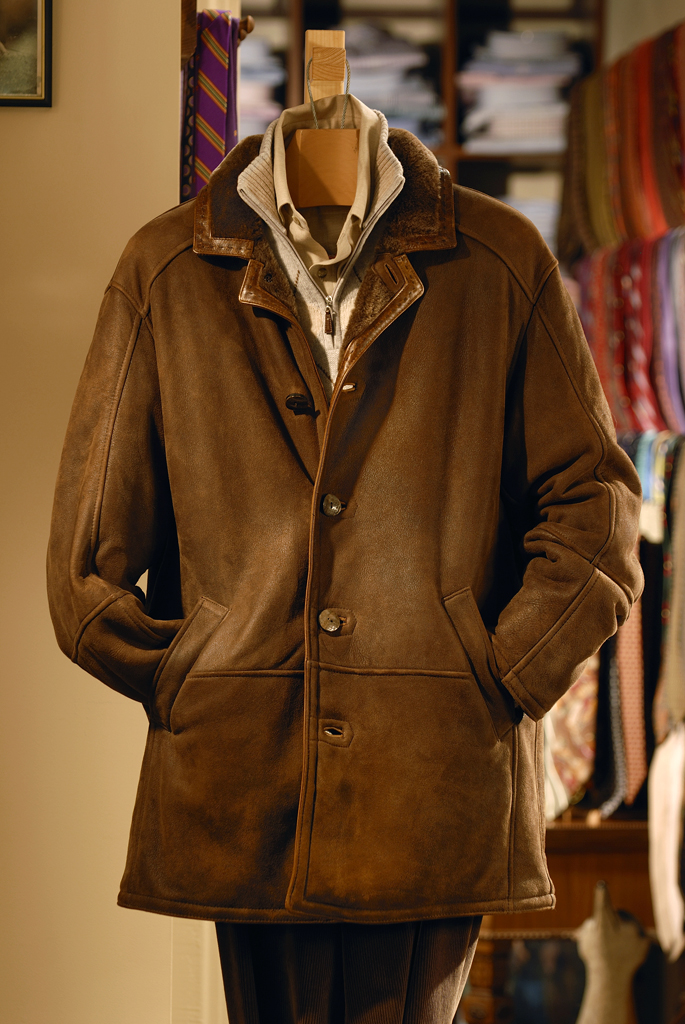
NH: Good taste, good quality, worth the money. The things we sell are good for you.
VR: I trust there are plenty of menswear stores in Princeton — why should my readers visit you?
NH:
1.) Authority. We know. The others don’t.
2.) Quality (beauty, durability, and comfort) in products.
3.) Kind, friendly, honest, patient, dependable, courteous service.
VR: What’s your definition of style?
NH: That which gives the wearer an air of confident, dignified grace. Style is the personal definition of the individual; it is the refinement of the person, the definition of his or her character. Clothing does not have style; people do.
VR: Who or what inspires you?
NH: T.S. Eliot, Winston Churchill, Mahatma Gandhi, people who struggle without giving up, George Harrison, Mother Theresa, Ralph Lauren, Tao Te Ching, my father, Emmet Fox, people who are kind, Dhammapada, Martin Luther King, Jr., Jackson Browne, Boz Scaggs, and everybody I meet, because they are either positive or negative examples of how to live.
VR: Over the years you must have learned quite a bit about apparel. Is there something you wish more men would know? This is a great opportunity to make a lasting influence on my younger readers. Most of us aren’t blessed with rakish relatives, which makes learning about style a challenge later in life and yet another trait men are supposed to master. All tips and thoughts are valuable.
NH: All throughout the history of humanity, from Socrates and Plato down, people have had mentors. I suggest that the young(ish) person develop an open-minded, willing-to-learn attitude about personal style. The thing that deadens the personality and removes the creative elan vital from a person is unwillingness to take direction and guidance from someone who is an expert. So, when someone asks me how to learn about dressing, here’s what I say: ‘Go to a store where you like how the people (who work there) look, and let them teach you. Ask questions. Listen to the answers. Be open minded. It’s a process, not a destination.’
Pictures: © The Hilton family
Category American style, Interviews, Quality Stores, Tradesmen, Web stores
Alan Cornett in Quote
0June 30, 2013 by Ville Raivio
‘I think we can (or at least ought to) recoil in horror at, say, wearing pajamas on an airplane. Or men wearing flip flops to church. Or anyone wearing crocs at any time. These are signs of cultural decay, manifestations of the same ills that lead to moral and political breakdowns.’
~ Alan Cornett
Category Quotations
Sea Island Cotton Characteristics
0June 29, 2013 by Ville Raivio
Cotton is everywhere. Nearly 25 million tonnes of raw cotton fabric is grown annually, with six countries holding the production reins: China, Brazil, India, Pakistan, the USA and Uzbekistan produce more than 80% of all cotton. This wobbling heap of white cellulose consists of four commercial cotton species, of which one towers over others. Extra-long staple cotton, academically known as Gossypium barbadense, grows the longest fibres of at least 3.5 centimetres, which lead to strongest yarns and softest fabrics. The species is grown in all suitable climates around the world, with several regions lending their names to raw materials: American Pima, Egyptian Giza, Indian Suvin, Chinese Xinjiang, Sudanese Barakat and Russian Tonkovoloknistyi. These products make up only 8% of annual cotton harvest. Yet one is differerent. The G.b. species grows its longest, softest fibres on the West-Indian Sea Islands, which lend their name to Sea Island cotton.
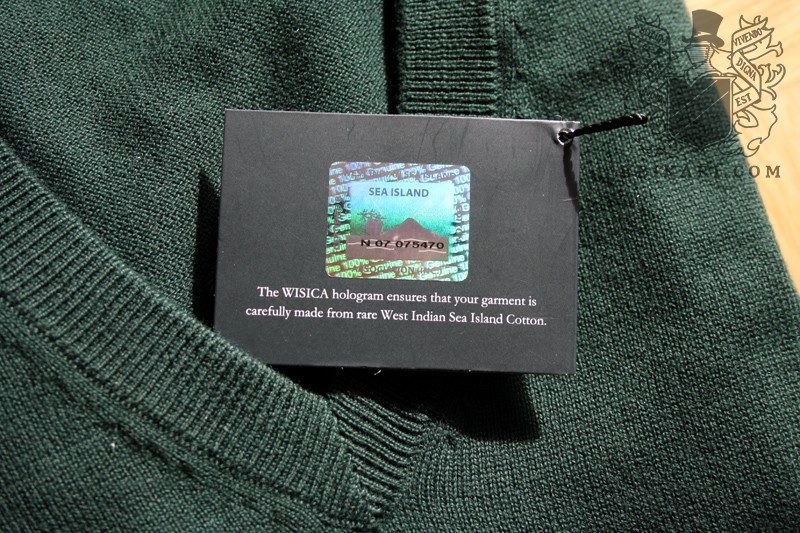
For three centuries now, the islands have offered a unique climate for cotton: plentiful rain, endless sunshine, wet and dry seasons and high humidity year-round. When combined with the particular strain of G.b. grown on the isles, these help Sea Island cotton grow fibres of up to 6 cm. The raw material has a uniform texture, high tensile strength, luster and a soft hand. Its qualities also allow the material to be spun and woven into very high yarn counts, though I’ve found no particular difference in the look of SI clothes over regular cotton ones. In short, Sea Island cotton has the feel of cashmere or silk and the strength of cotton. The material has been certified and its distribution and production has been overseen since the end of WW2 by the West Indies Sea Island Cotton Association, whose WISICA hologram acts as proof of the real deal.
Out of the 25 million tonnes of cotton produced each year, around 0,008% is Sea Island cotton. Its price is five times that of G.b. grown elsewhere, with largest buyers on the so-called luxury market with established makers, such as John Smedley, Ike Behar, Pantherella, Zimmerli, Brooks Brothers and Ralph Lauren. The reader should take note of origin, though, as most makers simply buy regular Gossypium barbadense cotton and label it as ‘Sea Island cotton’, ‘Sea Island cotton quality’ or ‘Sea Island quality’. Without the WISICA proof, the material will be nice, but not the elusive stuff from West Indies. Quality comes with a price. Sea Island cotton shirts retail for several hundreds in all major currencies, the same goes for knitwear. One use remains quite chep and handy. SI socks can be found for a bit under 20 euros, close to 15 pounds or some 30 dollars. I’ve owned SI pieces over the years and found the legends true: Sea Island cotton has no comparison in softness and clothes made from the material should come with parental advisory tags. This cotton is pornographic.
Category Materials
Interview with Charlie Trevor from Equus Leather
0June 29, 2013 by Ville Raivio
‘I am 37 years old. I own and manage Equus Leather, or Equusit Ltd as we are formally known. My trade is saddlery and leatherwork, but as in any small growing business I wear many hats (which is handy, I am somewhat of a hat enthusiast; both metaphorically and actually, provided they are tweed). My education is somewhat of a mixed bag, my school education was not especially glorious and perhaps is better glossed over! I was not an enthusiastic student as a child and looked forward to the end of the school day more than the start! I have an undergraduate degree in Finance, a random choice in the context of my occupation, but actually a very interesting topic and one that has been extremely useful in business.
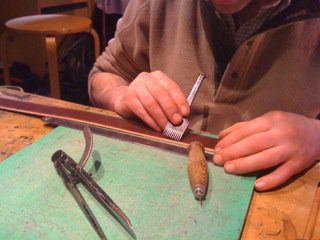
Punching holes into a lined and raised belt
Before university I became a qualified riding instructor – again somewhat random but the combined background in Equestrianism and Finance has been formative in developing a love for leatherwork and the ability to turn an enthusiasm into a business. I am a country person and my hobbies mostly revolve around my dogs and horses and the countryside. I love the wild places of England and my heart is in the empty uplands of northern England. I am an enthusiastic runner and ran my first marathon last year, very slowly! I confess also a weakness for fast cars, preferably with large V8s.
I have neither children nor spouse as yet, but Dawn and I are due to be married in August of this year. Many of the readers of this will know Dawn, she runs the order and customer management for the business and deals with a lot of the details that makes things tick. I am very lucky to be able to work with my future wife and for us to spend our time together doing something we both enjoy. Like many entrepreneurs before me I have a tendency to be fairly thick skinned in the face of other peoples skepticism! We have grown consistently and quickly since the business first started which has I think reassured most family reservations. I love beautiful things and always have done and given my background with horses leather work and saddlery seemed a natural thing for me to do. Leather is such a beautiful material and so satisfying to all the senses when tanned, finished and made into something lovely.
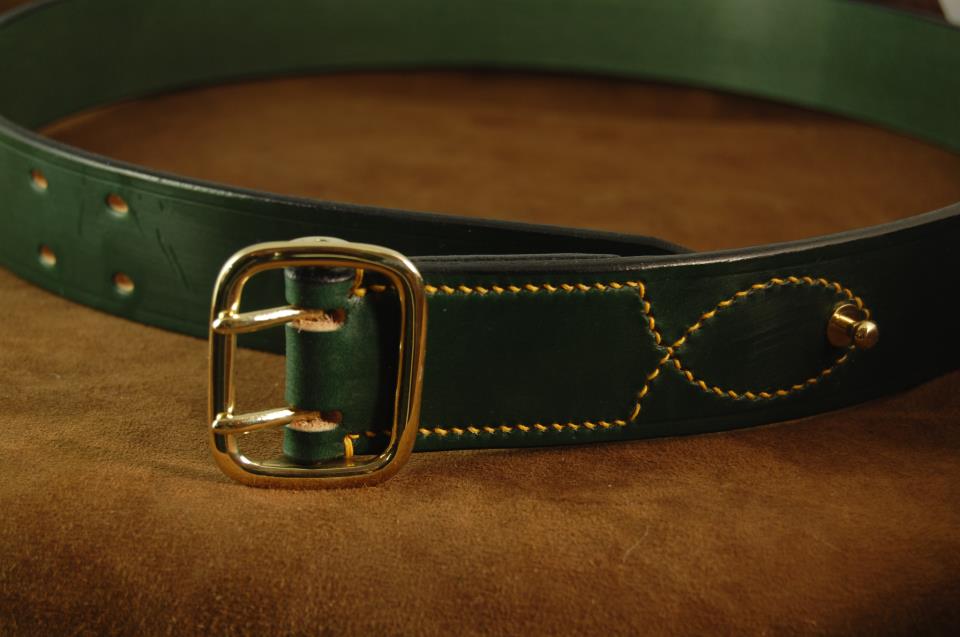
I have made thousands of belts and other things over the years and it still gives me a great deal of satisfaction to make something that I can be proud of. When I was a young man I was based with a Master Saddler who had trained and qualified with a London firm called W. H. Giddens, a firm later incorporated into Swaine Aidney Brigg I believe. I was lucky to have someone to set me on to a path where making the things I considered beautiful turned out to be an achievable goal, and more or less the rest is history – I discovered a craft that would keep me endlessly amused trying each day to make better things today than yesterday.
I have done all of these things over the years, and am now in the position of training our own makers as well and passing on my experience. I have worked with and trained under 2 excellent Master Saddlers over the years and I still pick their brains when I’m developing new products. I have also worked alongside a master silver smith and jeweller who have helped us really push the quality and finish of our metalwork. The saddlery trade has been mature for many hundreds of years so there are a number of excellent books around which are consulted from time to time, but you can’t beat talking to and working with those who have spent their lives in the trade. As time goes by though I appreciate that more than anything you learn a craft through your own experience and through your own finger tips, with all the tuition in the world your hands have to be able to make what intellectually you understand how to construct. A craft is much more than the ability to follow a set of instructions, the real art is in the ability of your hands to manipulate your tools in to making something beautiful and this is what takes a lifetime to develop and a journey I hope I am only a short way through. This is a very satisfying contrast to the more cerebral nature of my Finance degree and other aspects of my work managing the business.
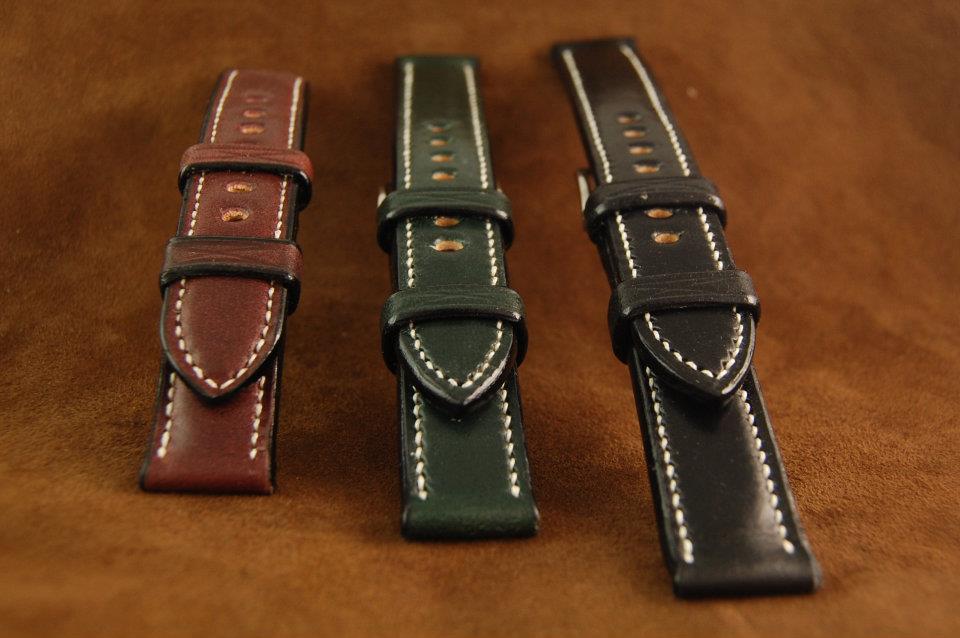 Watch straps
I have been working with leather since I was 20 years old (a very long time ago!), but Equus as a business. selling the way it does over the internet. was born 5 years ago. Other than for the business to be a success, I don’t think we really had any specific goals in those days and whilst I have always been a believer that quality will sell. it has been a pleasant surprise how well what we make has been received all around the world. I’m lucky that the internet has completely changed the way business works, a previous generation of craftsmen watch the demand for their skills die in the face of ever increasing mechanization and cheap imports, we have the opportunity to communicate one to one with enthusiasts and people who value quality all over the world, and we live in an age where we as craftspeople can explain why we do what we do and what the benefits are and for that I’m very grateful.
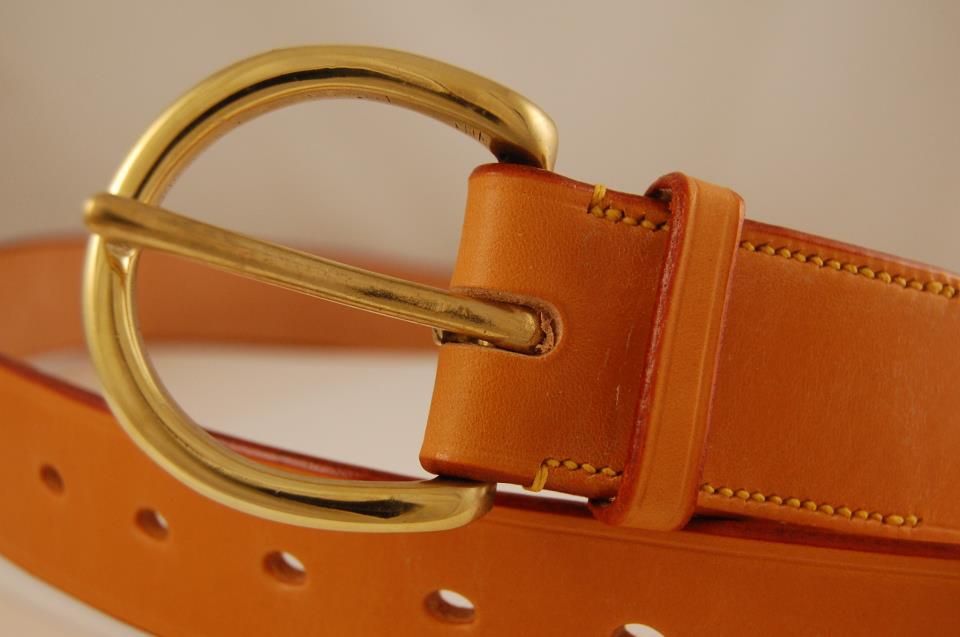
I think it’s fair to say that day to day I am somewhat scruffy! A working workshop with sharp tools, leather fragments, dye, naked flames and polishing compounds is not the place for good clothes, but when not in the workshop I tend toward traditional English dress. I nearly always wear something made from tweed and I wear natural materials – wools, and cottons, I hate plastic in any of its incarnations. I particularly like RM Williams trousers – not very English but very well made, Viyella checked shirts for casual wear and have tweed from a number of makers and mills, but often made up by Bookster who makes things well.
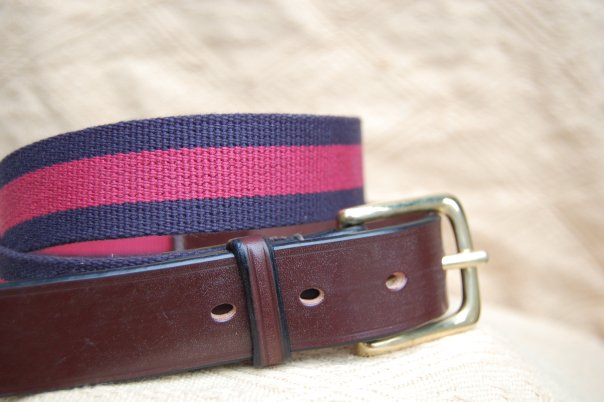
I wear suits infrequently but my most recent buy is a rather nice pinstripe by Gieves and Hawkes. My formal shirts tend to come from Jermyn Street makers. I am a big believer in buying expensive things infrequently, so what I buy tends to be fairly expensive but lasts for a lot of years – a philosophy I also apply to what we make and I think also the view of most of our customers. In a world where everything seems to be disposable I frequently feel somewhat out of step, but I’m afraid that don’t actually worry me very much! I think the disposable culture is being increasingly shown to be a false economy and unsustainable in the long term and the resurgence of interest in quality despite the financial climate is evidence of this. My current clothing project if for my own wedding latter this summer where I will be wearing a traditional Morning Suit.

I believe we offer a beautiful, entirely handmade product made by people passionate about what they do at an extremely fair price. We are one of the very few companies left who actually make you a belt to order, that is the belt you receive, with all your customizations and choices, is made just for you, it isn’t out of a packet from a store room shelf. That means you get exactly what you want and means we can offer a huge range of choices. Just our West End belt for example has around 2,500 permutations without starting to think about customisations to thread colour, edge colour, hole placement or other details. I also believe making things this way means you get a better product. Each belt (or anything else we make) is made from start to finish by one person, and that person is making the belt to your order details for you personally.

I believe strongly that its much more likely something will be made well if it is for an owner with a name not for a stock shelf and I make sure that the lists we use in the workshop each day always have the eventual owners name as well as an order number. I do all this to make sure we make you the best thing we can because that’s the right thing to do and if we look after you, our customers, you’ll look after us. As well as making beautiful things we do our best to make sure our customer service is personal, helpful and doesn’t let our leather work down. Pleasingly this is a social and business philosophy and experiment that whilst old fashioned, is working and our order book is always busy.
In short, I hope I can describe them as beautiful and functional. They are there to do a simple job, to hold up their owners trousers. I aim to make belts that fulfill that simple purpose but in the process become old friends over many years of use and whose eventual loss or passing is mourned. I want to make products that people love and have a visceral reaction to — things that are used but treasured.
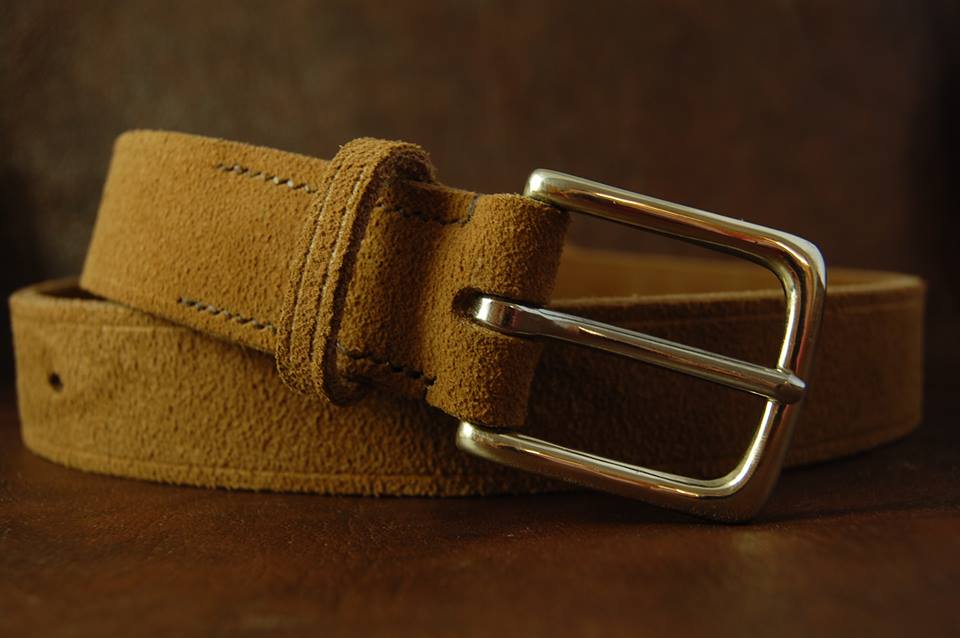
New addition: chunky suede
To me, English bridle leather is the best choice for what we do, but then, given I am an English saddler, I would think that! In all seriousness, though, it has a worldwide reputation as the best leather of its type available and looking at the output of the top makers of belts, briefcases and even wallets you’ll see that English bridle is a recurring theme. It is strong, dense, flexible, beautiful to look at when new but ages gracefully and lasts a very long time. From the point of view of us as makers, it is generally forgiving to work with, through our Baker’s oak bark tanned leather is much harder to work with than our Sedgwick leather.
It is one of the most expensive leathers to buy, including the French and German calf leathers that are so hyped by the industry, but its expense is justified by its longevity and the quality of work that can be made from it. Many leathers can be found that have one or some of the qualities bridle leather does but none seem to combine all of them. I struggle to diversify our product range because all the leather I look at is judged in comparison with the bridle I work with every day and as a result I am very, very picky.
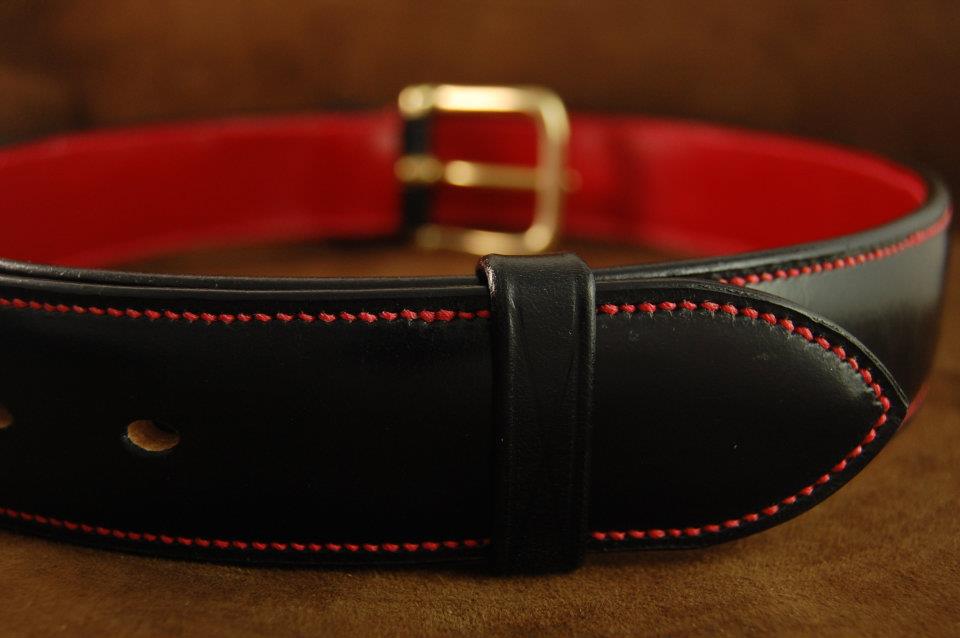
Lined and raised: close to 1,000 lock-stitches
Leather is quite a technical subject and specific tips would probably be of more use to those in the trade than those shopping for finished goods, but my general tips, both leather-related and not, are:
1) Buy beautiful things you love — life is too short to own things that you don’t love.
2) Buy well-made expensive things from sources who can demonstrate to you you’re paying for quality, not marketing. You will get something that is cheaper to own over the long run than something cheap and you’ll also have the satisfaction of owning something lovely.
3) Don’t wear plastics in any shape or form unless sport is involved.’
http://www.equusleather.co.uk/
Pictures: © Equus
Category Interviews, Leatherworkers, Quality makers, Web stores
Copyright © 2013 Ville Raivio