Interview with Mathias Berg from Berg&Berg
3July 13, 2013 by Ville Raivio
‘I’m 33 years old and I run the accessories brand Berg&Berg with my wife. I used to work in PR and marketing before entering the world of menswear. I have a degree in business and economics from the Norwegian School of Economics and Business Administration (NHH). I run Berg&Berg with my wife Karin, she’s the other Berg in Berg&Berg. We have a son together, but no plan to rename the brand Berg&Berg&Berg. We definitely share an enthusiasm for style, and that was one of the reasons why we started the brand together in 2009.
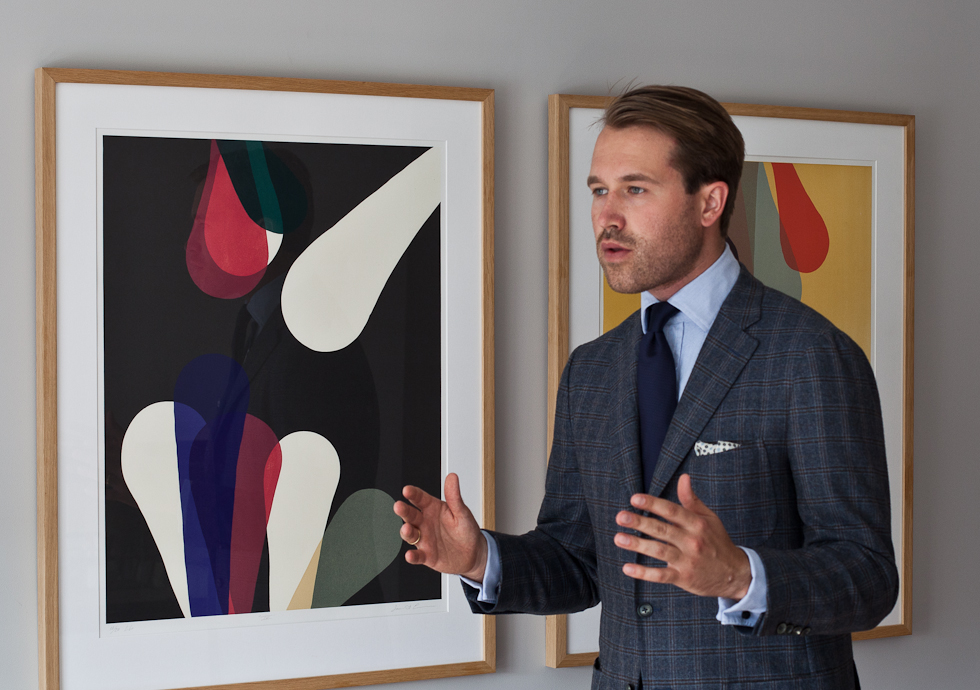
I never really was that extravagant as a kid, besides nagging a bit about getting Ralph Lauren shirts and new Nikes. My brother is quite into clothes as well, and both my parents have always appreciated style, although they are not into fashion or clothing in a big way. I guess I have been encouraged, and never had the hide my interest in style. I love all things visual; art, furniture design, graphic design, watches. I also love to read, particularly American authors — I have a fascination with American history and culture. I also tend to listen to music 24/7.
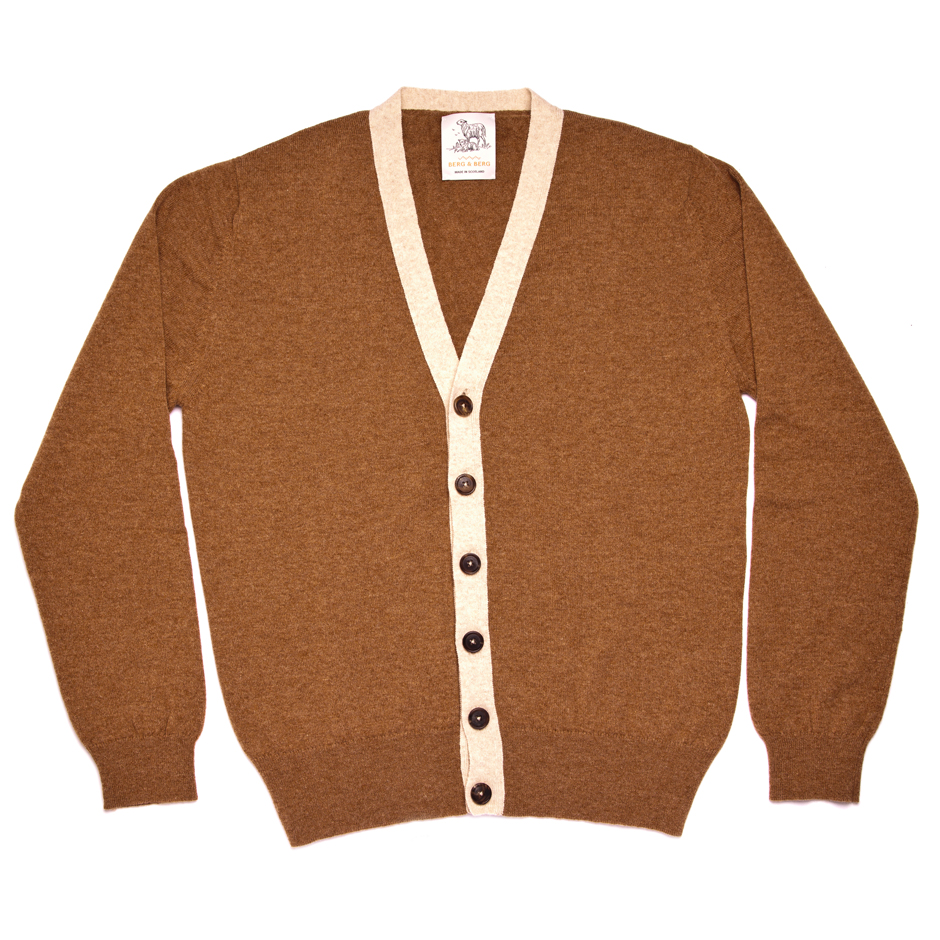
I guess I have always been more or less interested on clothes, and from an early age loved getting new sneakers and jeans. With regards to classic style, I remember reading Roetzel’s book The Gentleman, which I borrowed from my father-in-law in 2001. The world of Savile Row, Jermyn Street and Italian tailoring fascinated me enormously. About the same time I remember reading a very extensive article about London tailors and shirt makers in Cigar Aficionado magazine (I don’t smoke, so I really don’t know why I read that magazine). I think I read that article 50 times. The following year, Karin and I went to London and as a student I could not afford a Turnbull&Asser shirt. However, I bought a pair of boxer shorts at Harvie&Hudson. The fit was, of course, terrible. That is not to say I’m a tweedy classicist only. I also to some degree follow street wear and fashion, and can appreciate a Real McCoy sweatshirt, an Engineered Garment Parka or the latest Prada runway show as well as classic menswear.
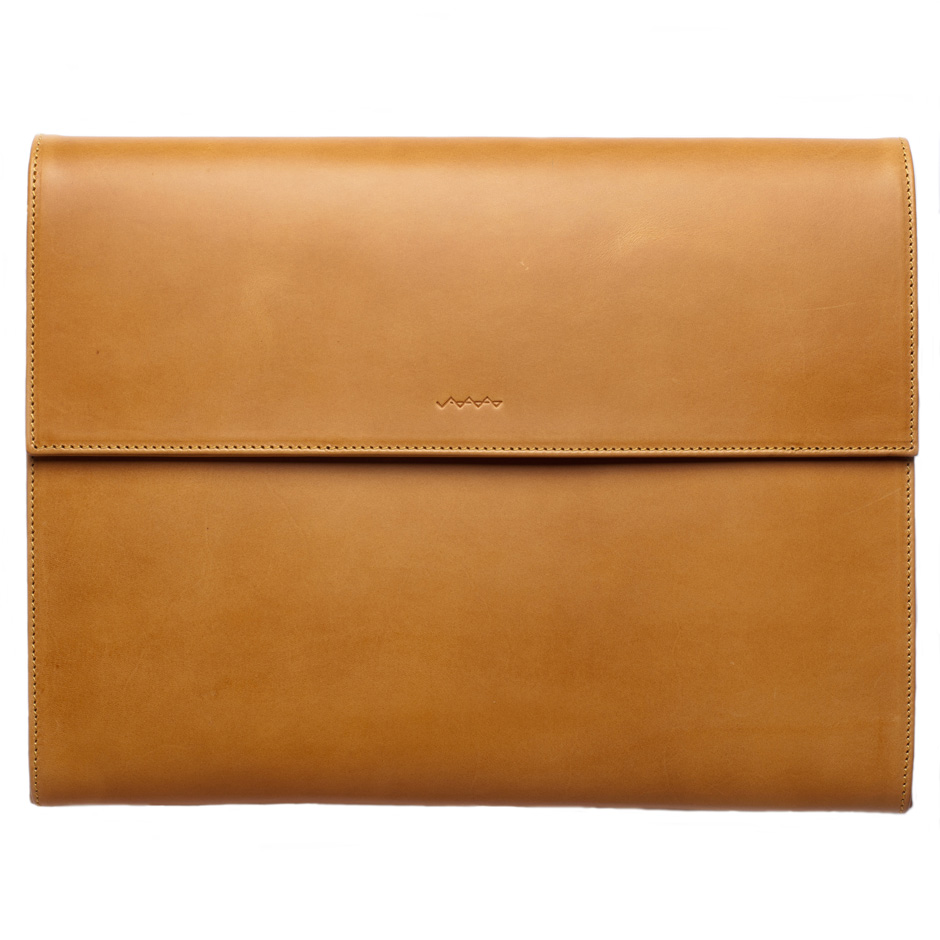
I have mentioned Roetzel’s book and I have also found Alan Flusser’s books valuable reads. The menswear book I think I have enjoyed the most is Styleforum legend Manton’s The Suit. Speaking of Styleforum, I have spent way too many hours on that site, although I’ve never been a very enthusiastic poster. Today I, of course, follow various Tumblrs and blogs and a few magazines. For visual input, the Japanese menswear mags are great. My definition of style: great fit and proportion with interesting but unassuming details. It would be wrong not to say that I’m inspired by the visual overload that is the Internet.
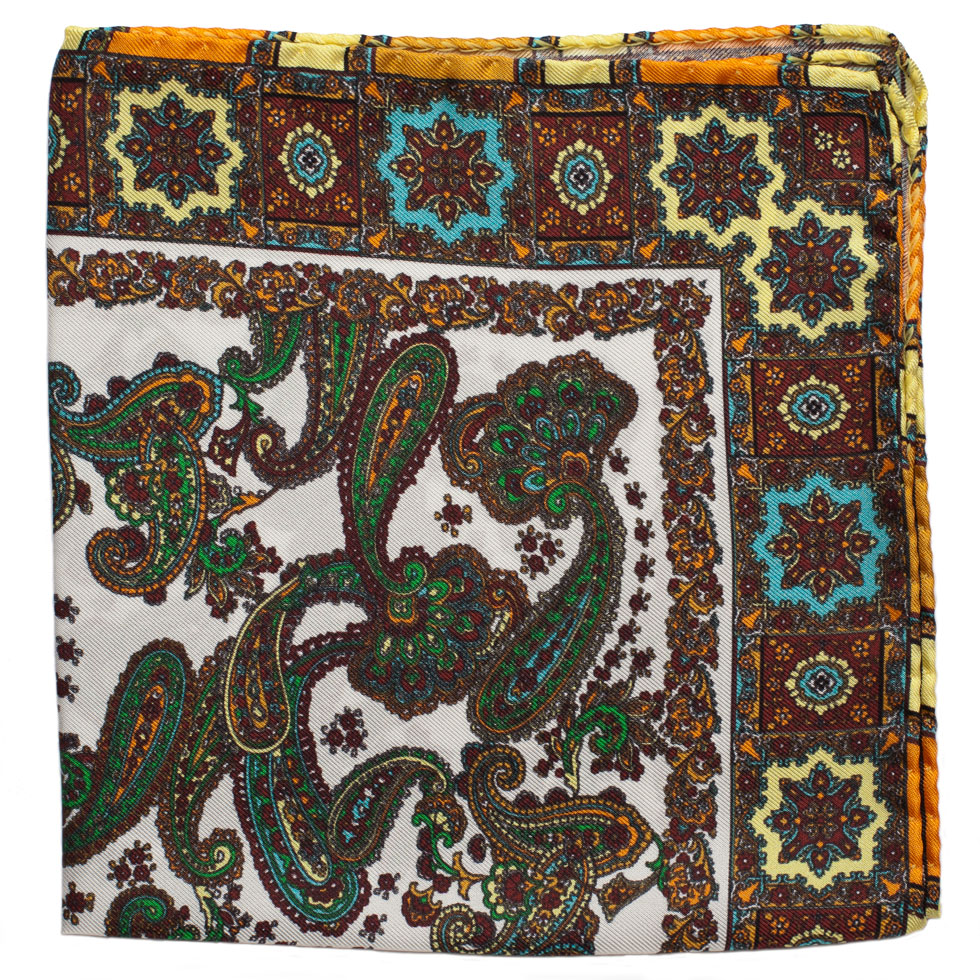
I dress quite simple. I prefer dark colours, navy and grey, and rougher textures. Oxford shirts, solid navy ties. Grey flannel pants, olive cotton pants, raw denim. Cordovan or suede shoes. [Apart from Berg&Berg’s goods,] I think Isaia is a very inspiring brand, and the one jacket I own from them is by far my favourite garment. Their new sister brand Eidos also looks very promising. Caruso is also a fascinating brand. With regards to shoes, I usually prefer Carmina and Alden. I also love buying outerwear, particularly for fall/winter: Mackintosh, Gloverall, Aspesi, Fay, Sealup and Herno are all brands I appreciate.
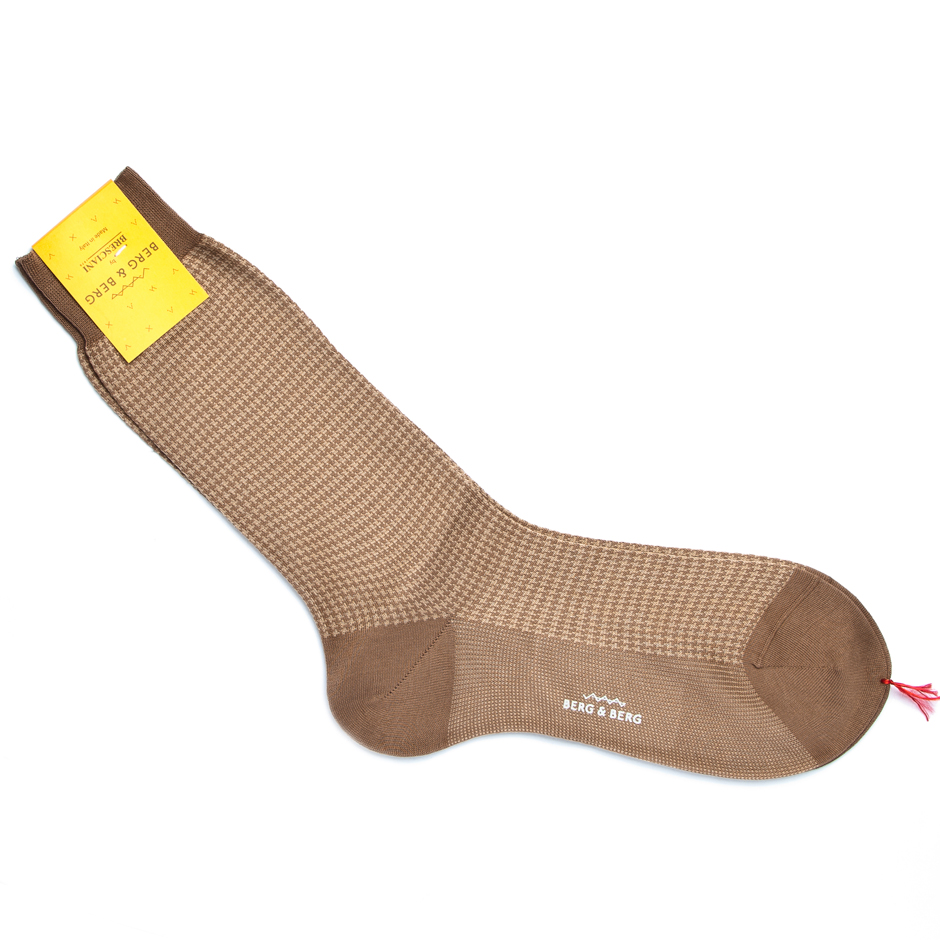
We launched our brand and web shop in November 2009, at first only as a part-time project of passion — we both still had normal white collar jobs back then. We really wanted to create something real, not only memos and PowerPoint presentations, and after considering a few options, starting an accessories company seemed like the most exciting idea. We travelled to Italy, looked for the best manufacturers and suppliers and the project was born.
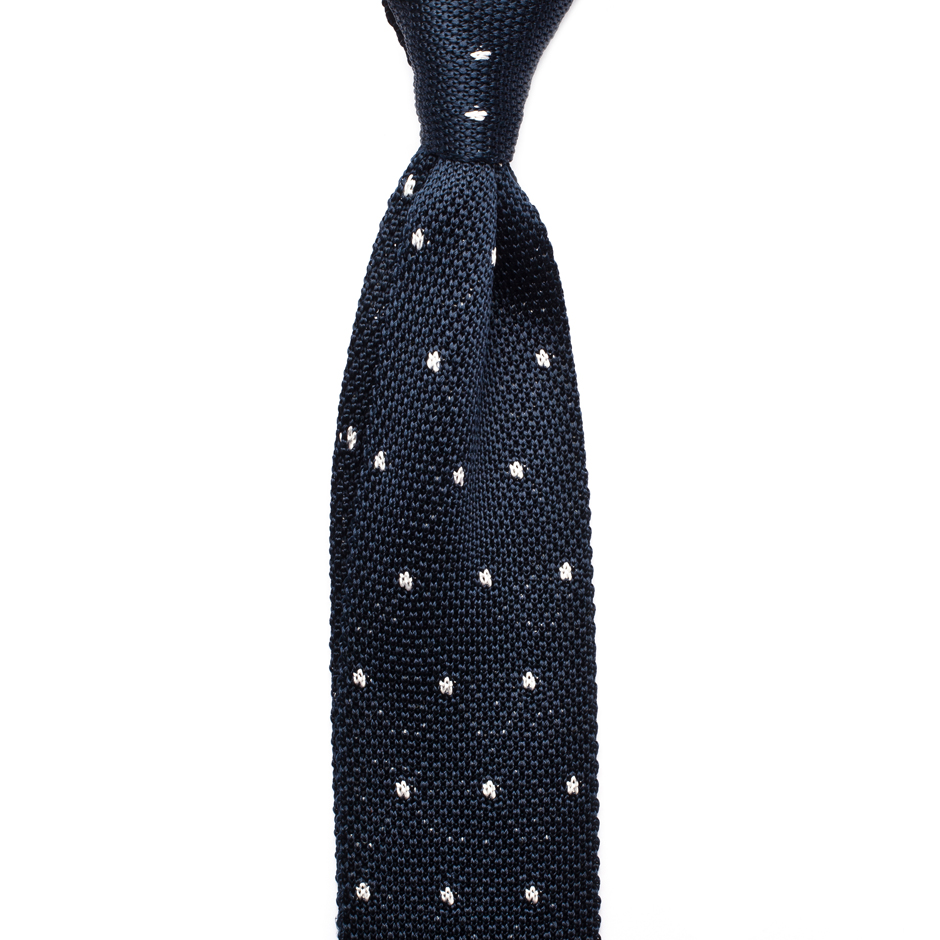
To see something you have designed turn out great and then hopefully appreciated by a customer is a great feeling. [We share the load as follows:] Mathias: Product Development, Business Development, Marketing, Branding, PR. Karin: Finance, Business Development, Operations. Berg&Berg could be summed up in two sentences: Classic with a modern Scandinavian point of view. Great value for money. I guess the last answer pretty much sums it up. If you like our point of view on the classics and like getting your money’s worth, Berg&Berg is for you.
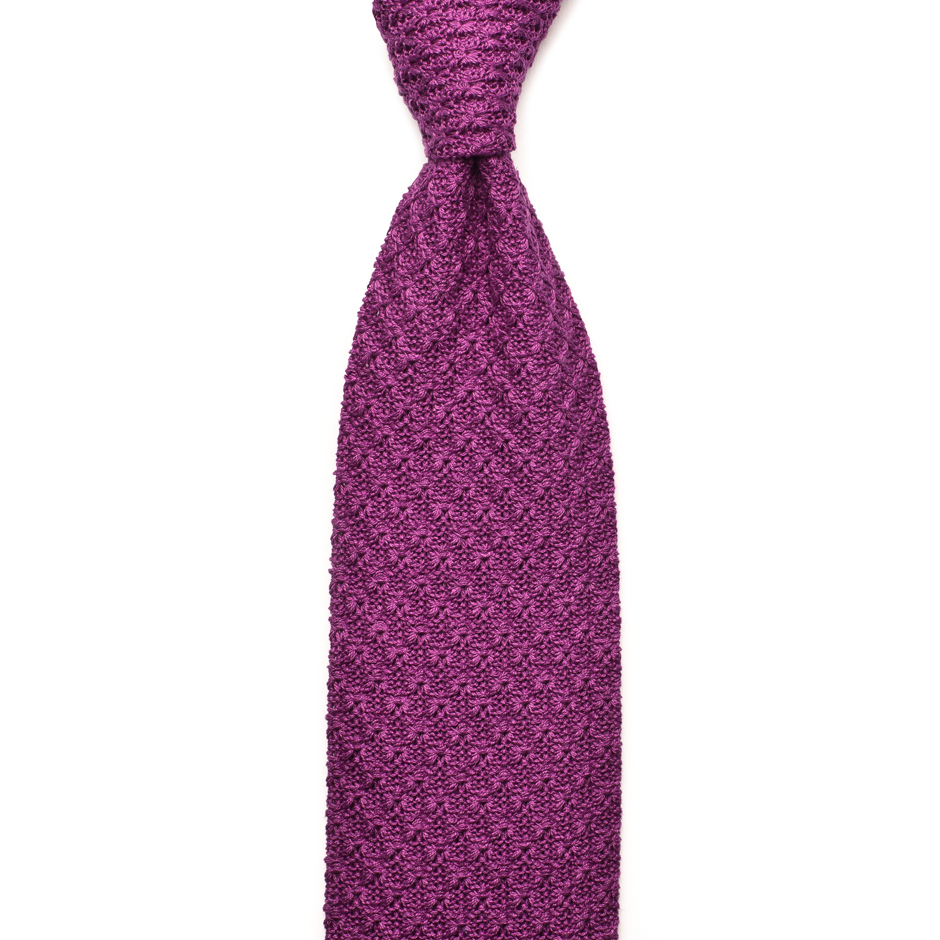
I think it’s quite important to understand what looks good on you and what you are comfortable in. If the short, unlined jackets that are popular right now make you look stocky and strange, then perhaps go for something longer and more structured. If tassel loafers make you feel self-conscious, they are perhaps not for you. This is a process that takes time, and everybody will make some mistakes along the way. With regards to shopping, I tend to have “these are the items I need this year” -lists in my head. Then it’s easier not to impulse buy something that looks great, but which I don’t really need. Slightly boring perhaps, but it works.’
Pictures: © Berg&Berg
Category Interviews, Quality makers, Tradesmen, Web stores
George Bush, the Menswear President
0July 13, 2013 by Ville Raivio
Yes, yet another link to Buzzfeed’s fine collage of Bush senior exuding Ivy/prep/trad/younameit charisma. Before the Internet began spouting style sites on more or less traditional American dress, I couldn’t tell one pres from another. This goes to show how tailored clothes do talk, but the language is subtle and demands attention. Deck shoes, shaggy dog sweaters, madras jackets, blue blazers, the works — Bush got style.
GQ provides more shots for those just can’t get enough.
http://www.buzzfeed.com/briangalindo/21-photos-that-prove-bush-41-has-always-been-one-stylish-gq
http://www.gq.com/style/profiles/201307/george-h-w-bush-prep-style-icon?printable=true
Category American style, Links
Interview with Oscar Udeshi
0July 12, 2013 by Ville Raivio
‘I am a 1974 vintage and director of Udeshi Ltd. with B(Sc.) Economics, M(Sc.) Philosophy both from the London School of Economics. No children, no spouse. My parents were proud when I showed in Paris as one of the youngest designers ever, was invited to Pitti Uomo as a rising star, and invited to various shows in Europe. They have always been supportive. I first became interested in clothing probably when I recognised my father still wearing suits on a Sunday when no other father did, and how his suits were always sharper than my friends’ fathers’. It probably didn’t hurt that his family had the agency for Dormeuil fabrics in Zanzibar. I am passionate about design in general, with a particular emphasis on automotive form, architecture and engineering. I also occasionally indulge in cigars, champagne, Bordeaux, single malt whiskies and gastronomy in general. I also try and discover at least three new places every year.
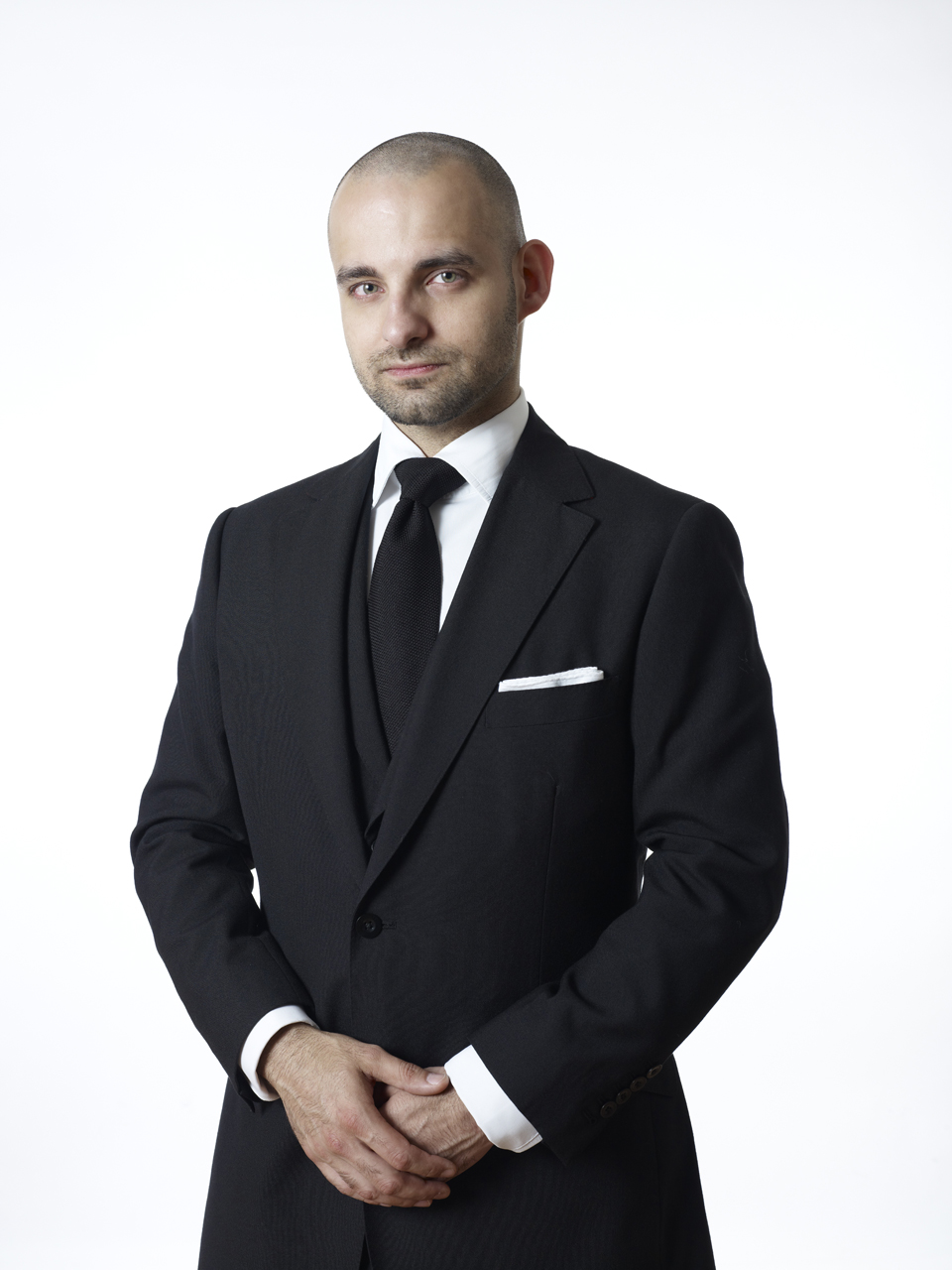
One can find knowledge and inspiration everywhere. I have a few hundred books, a few thousand magazines, countless discussions and sometimes heated debates with my peers. I am passionate about films and will watch a scene over and over again to get a shirt cuff detail, or a close up of a fabric, etc. I also had a fair few clothes before I started my sartorial journey, and took apart the ones I liked to see how they were made, how they were cut, how they were trimmed. I was also fortunate to have one of the last Jermyn street bespoke shirt makers show me a few things.
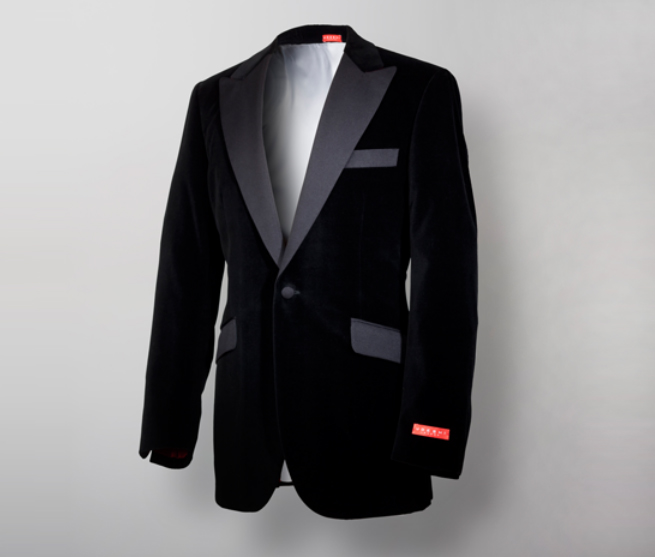
Velvet dinner jacket
[My personal style is] square peg, round hole. My own dress may be very conservative (three piece Fresco charcoal suit, white Sea Island shirt with cocktail cuffs and black grenadine tie) to a little eccentric shall we say (floral printed jeans with woven linen polo shirt with our Italian suede wholecut loafers). My style is not loud, but there is something different, perhaps a twist, an unusual paring, and the clothes are made for me, so they fit not just my frame, but also my personality. I don’t necessarily want people to stare and point and wear clothing that screams: look at me! I would like them to think that there is a well-dressed elegant man. There is not one piece that screams, but the overall effect is pleasing to the eye, that my dress is balanced and harmonious.
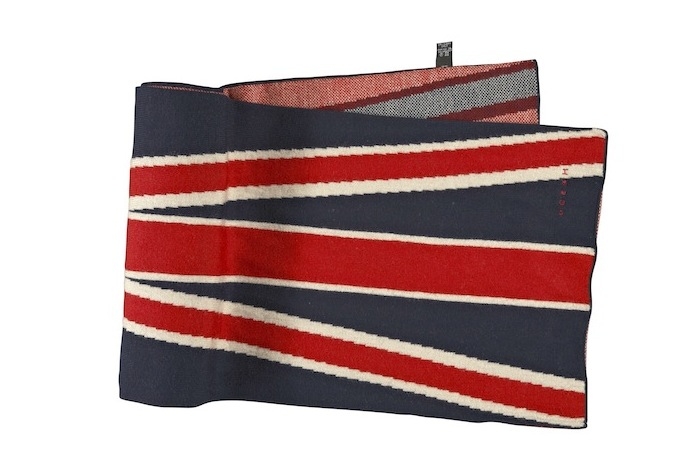
Union Jack scarf
I am lucky that I have the infrastructure or source close at hand to make almost anything I want, so I don’t have too much experience with other companies’ RTW or tailors’ offerings for over a decade. I also stand erect with my very own idiosyncrasies and stylistic preferences that make buying RTW a challenge for me. I am partial to military uniforms, which are very functional pieces of equipment and I have a small collection of navy pea coats. I do go to the “market,” so to speak, to look at what is out there and in New York I stop by one of the bigger J. Crews to see what colours they are using for this season, and their knitted jackets. I go to the RL mansion for theatre, Century 21 to see what has been cast off, and Brooks Brothers to see what middle America could be wearing, but unfortunately rarely does. I have a soft spot for Uniqlo. It is designed down to a price but they have some quite good pieces, in particular their lightweight down jackets that I use for commuting as an intermediate layer. Their fits are a different story, though. Barbour’s Beacon range has a few interesting things now and again — other times it is just over designed and gimmicky.
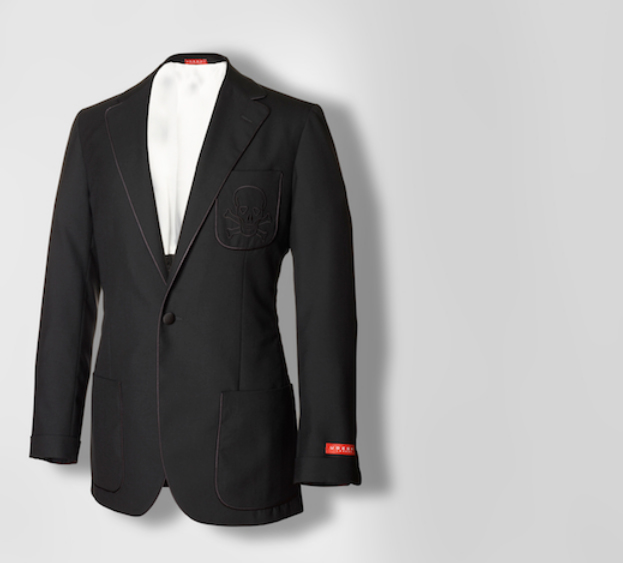
Skull and cross bone jacket with piping
[My business] started when I couldn’t find what I was looking for. I thought my requests at the time were fairly normal, but proved to be quite demanding and exacting. After having a fair amount of clothing made for me (over 50 suits, more than 100 shirts – I stopped counting at one hundred) and still not entirely satisfied, I thought it couldn’t be that difficult. I started to learn everything I could about style, men’s sartorial history, fabrics, cutting, sewing, finishing, and sartorial rules.
Friends and colleagues commented on my style and frequently asked me where I got that shirt from, or that suit. I would send them to a tailor that I used to use, but they were never entirely happy with the result and approached me to make it for them instead. In 1999, I started the company and have been going since. We scaled back on our wholesale side as I was not always happy with the service, or rather lack of service that some of our clients were experiencing in some of our wholesale accounts, and decided to focus my attention on our own store.
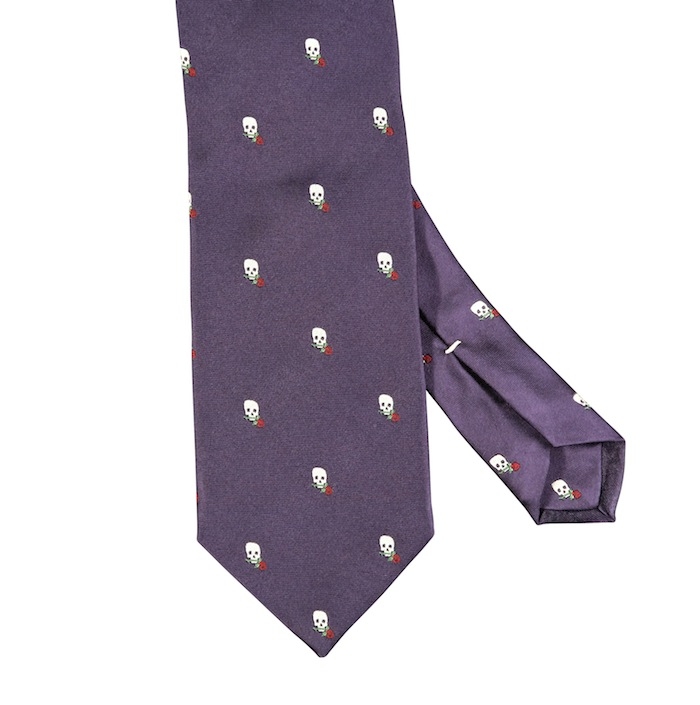
Goldfinger tie
Our house cut is very English, some would say Huntsman circa 1970s, others Savile Row sharp, but without the stuffiness. We use very light to no shoulder pads, soft canvas, similar to an American sack suit of the 1950s, but the shape and form is achieved through cutting. Our signature style is a waisted one button single breasted jacket with slanted pockets, a high gorge with a fish mouth lapel that is slightly French, and, for casual jackets, slanted patch pockets with hidden ticket pockets. For shirts, it is either our Connery or extreme collar with cocktail cuffs with our signature red gussets and under gauntlets. For jeans, it would be our heritage jeans with side adjusters and back pockets set in to the yoke
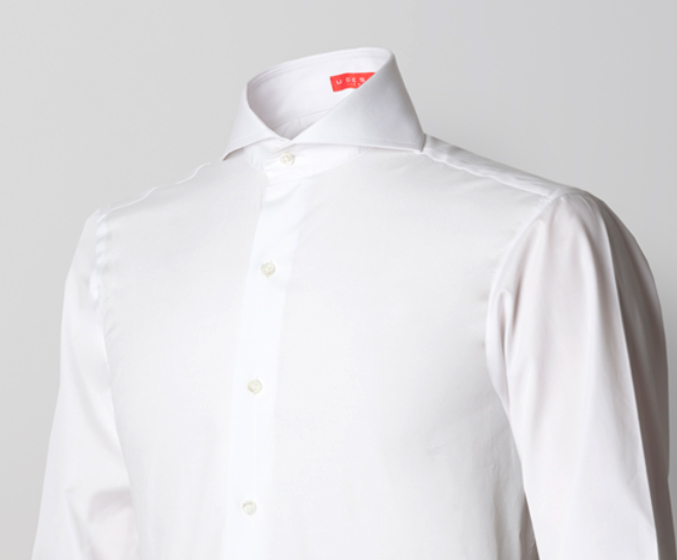
Extreme cutaway shirt
I wouldn’t classify our style as classic, nor is it fashion. I like to think we walk that fine line between the two. We are not stuck in the past making suits out of 16 Oz cloth that are bullet proof, nor do we make clothing out of parachute silk nor suits that look like little boys’ school uniforms that have shrunk in the wash. Classic style, by definition is classic and one will find something that fits, but isn’t always stylish. Fashion is of the moment, and stylish, it is the style of the time, but doesn’t always fit. My brand is a link between the two.
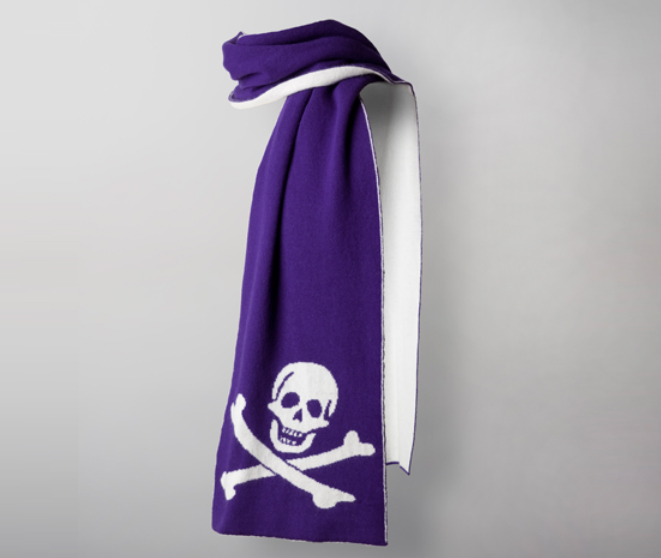
Skull and cross bone scarf
We don’t claim to be for everyone, we in fact don’t want to dress everybody. We are individuals and we make clothing for individuals. We don’t have a big press machine that churns out stories or recolours its check every few years, nor pretend that we have reinvented the wheel. We don’t live off our past glories from the previous century or the one before that. Nor do we make in the Far East or in countries where sweat labour is the norm, not the exception. We can trace back who made what, when and where. We also will not sell you something that we think is not right for you, be it due to fit, style, colour or just isn’t suited to your personality. We are not on a commission structure; we want the client to come back again and again. We build relationships with our clients, and at times we get invited to their weddings and their children are named after us.
We will not do something that we think is in appropriate for the client, badly designed or just not a good idea. We are always happy to listen to the client, but be prepared to be asked questions of why something is wanted a certain way and for what purpose. Lastly, the person who will be doing the fitting, his surname is on the neck label, so literally his name and reputation is on your neck.
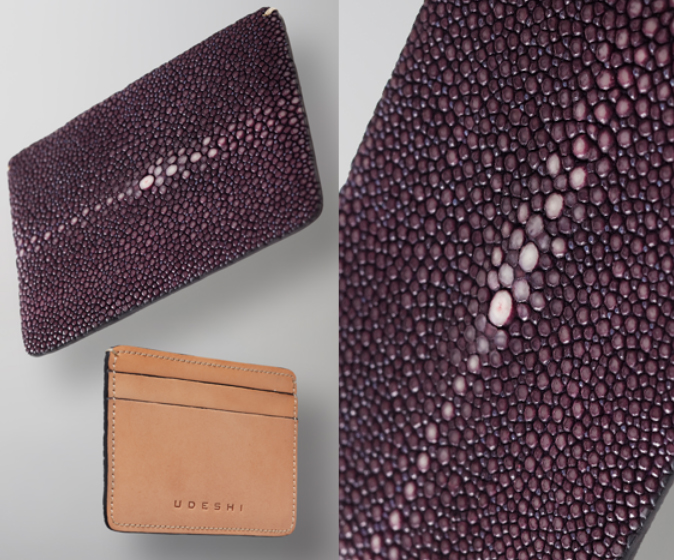
Stingray credit card holder
Inspiration can be found anywhere. Old books, films, novels, people on the street, the photographs of Slim Aarons, William Claxton. Architecture as well, as a building for me is not just about one room, but how the exterior interacts with the interior, where the building is located, how it will be used and by whom — I apply the same principles to my clothing. Making a stand out jacket is by itself not the end goal, but how it fits, where it will be worn with what trousers and accessories, by whom at what time of day, and so on. Thus, when I am designing a collection or a suit for a client, I take all of these factors in to account. For example, in New York, few of my clients who live in a certain part of Manhattan will walk great distances in winter in a suit — they usually have a car waiting, so making a heavy warm suit for that kind of client is a non starter as they will be too warm in a meeting or restaurant with the jacket on. My clients also inspire me. A certain polo playing client lamented the fact that he had to remember studs and cufflinks for his dinner shirt for the formal functions he attended all over the world, and he would inevitably misplace/lose a stud or a cufflink somewhere along the way. We already made fly front dinner shirts, so it wasn’t too much of a step to pair these with our cocktail cuffs to create a dinner shirt that required neither cufflinks nor studs.
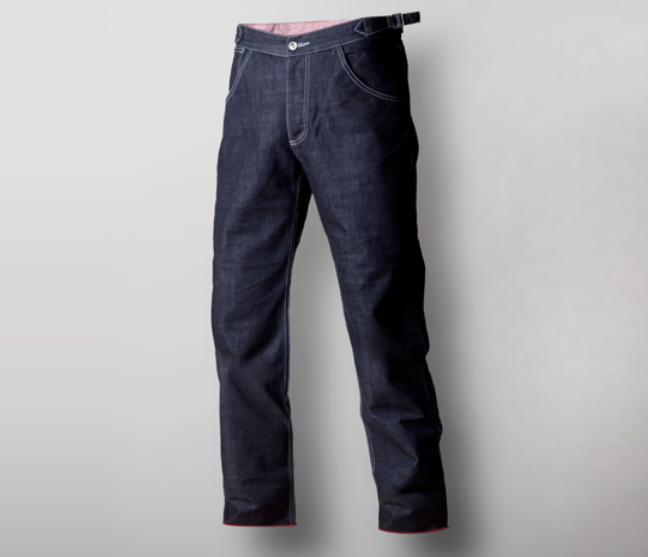
Heritage jeans with side adjusters
I don’t think I have a definition of style. There are certain outfits that I like and would say are in good taste, and others that I personally find just plain wrong, but that is evaluating them from my point of view with my preferences and cultural / sartorial baggage. I would rely on Orson Welles’ quote: “Style is knowing who you are, what you want to say, and not giving a damn.”
Men’s clothing nowadays is very functional, World Wars and rationing saw to that. If one understands a little about the history and the reasons for the supposed “rules of dress”, and with a bit of common sense, the sartorial learning process becomes a very pleasurable and logical journey. For example, the shirt sleeves should always be longer than the suit sleeves, as it is cheaper to replace a shirt than a suit. Shirt sleeves, though, should not be that long to cover the hand. A shirt is not meant to keep your hands warm, that is what gloves are for. When you look at your watch, the sleeve should pull back to reveal the watch, if it doesn’t, the sleeve is too long and the cuff will sit too low and wear prematurely.
Tying a bow tie is the same knot as tying your shoe laces. Usually the length of the bow tie is wrong, either too short or long, which will never tie properly. It all is really quite easy, once you know how. Men usually are impatient, so if something is taking too long, you are probably not doing it correctly.’
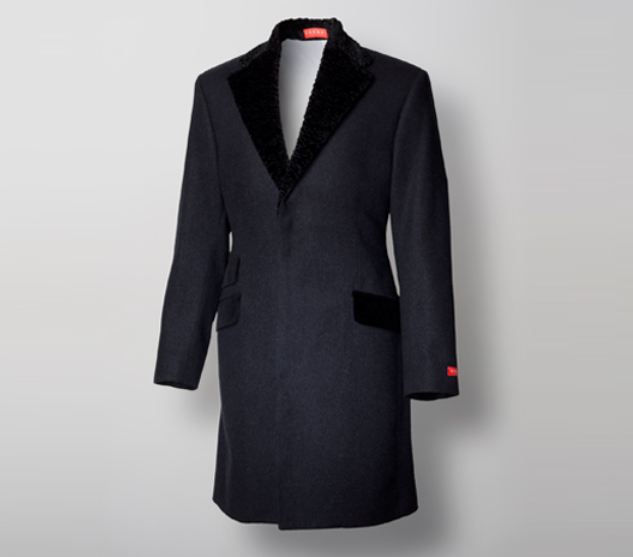 Astrakan overcoat
Pictures: © Udeshi
Category British Style, Interviews, Mayfair, Quality makers, Tradesmen, Web stores
The Illustrated Version of The Art of Wearing Clothes
0July 11, 2013 by Ville Raivio
Yes, yet again I’m referring to George Frazier’s grand essay on the fineries of body drapings. Maxminimus has gone through the effort of collecting the faces of those mentioned by Frazier to gather an illustrated version. The whole is a welcome addition for any style nerd born too late to know who’s been who several decades ago.
http://maxminimus.blogspot.fi/2011/06/george-frazier-illustrated-art-of.html
Interview with Mircea Cioponea from Claymoor’s List
2July 10, 2013 by Ville Raivio
‘I am 33 years old and I am a Chartered Accountant. As I was born in Bucharest, my first choice in terms of education was The Bucharest University of Economic Studies. I confess that initially I was more attracted to study history but the years after Ceausescu’s fall were rough. So I have chosen a very lucrative profession and, to be honest, I fall in love with it every day. Living in a rich cultural environment, such as Bucharest, gave me the opportunity to open my mind. It is remarkable how many elegant gentlemen you can find in a city that, unfortunately, doesn’t have a very good image abroad.
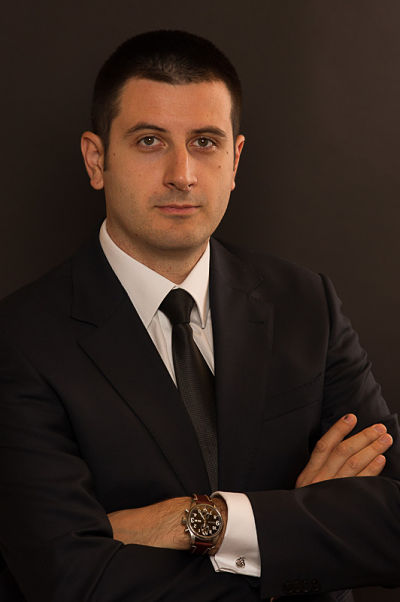
And it’s a pity because the city is growing very fast into a fashionable place and has a specific diversity that you cannot find in any other Western city. I am very happy to be married with a very open-minded person. She encourages my passion every day and she is very critical on my work and that helped me a lot over the years. She is a doctor and we now expect the arrival of our first son.
The seeds of this passion [for footwear] were planted by my uncle Ioan (John) Cocea, an old-world gentleman. He worked in the Ministry of Chemistry, this is how it was called during the Ceausescu Era, and was a very dapper man. When he arrived in Bucharest after the end of WW2, the city was still a cosmopolitan place and the fashion did not have time to change into a dull communist uniform. His style was influenced by old-regime gentlemen and I guess he passed this classic style influence to me. He was a colourful spot in an otherwise grey environment characterized by the everyday pressure of the Communist Party. He had a very varied wardrobe and even now I remember his grey double-breasted suit and his polished oxford boots. His influence was very powerful and even now when I buy a pair of shoes or a jacket I think of what he might say about it.
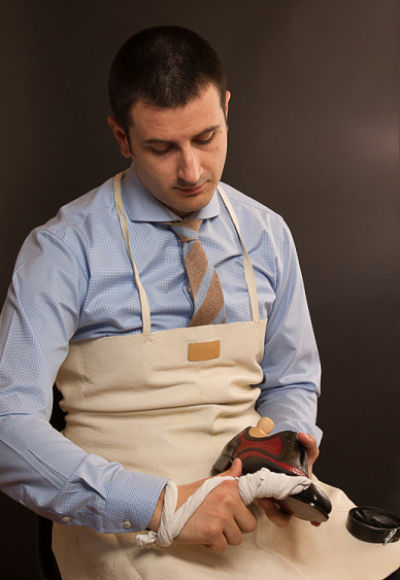
The second Gentleman that had a significant impact on me was Radu Morariu the Manager of Maftei’s (Bucharest branch). A few years ago I entered the Maftei shop looking for a pair of long-wing brogues and I ended up leaving the shop a few weeks later with very beautiful bespoke two-tone brogues and a very good friend. From the start I was charmed by Radu’s personality and his passion for shoes. Since then, we have become good friends and I owe him a large part of my practical knowledge of shoes (we once cut in two pieces a very beautiful suede Goyser-stiched shoe; at the time it was beyond my dreams to cut a hand-made shoe just for observing the construction).
He has a vibrant personality and we have spent many evenings talking about shoes, suits or leathers. He made me aware of the fact that life is full of colours and, in the end, style has everything to do with colour. Perhaps due to the grey colours of the Communist Regime we were unable, in the years after the Revolution, to put colour into our clothes but lately there’s been a plethora of colours on Bucharest’s streets. The third gentleman is the famous Hungarian shoemaker László Vass. As a teenager, I traveled to Budapest quite a few times and it was my little guilty pleasure to visit his shop even if the prices were at the time prohibitive for me. Nevertheless, his shoes fed my dreams…
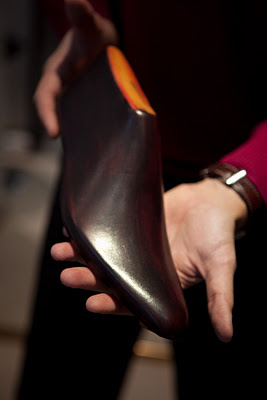
I would say that books and the Internet information are useful but in the end you must feel shoes and polish. You must make a connection between the information and real life. So, to answer your question, I gathered my knowledge from books and media and practice my skills on real shoes. And I always use every opportunity to visit local shoemakers when I travel. There is delight in seeing how shoemakers put their skills into work in Florence, London, Vienna or Budapest. Regarding shoe polishing, there is nothing in the world that could replace experience. So, the key factor is practice and practice again…
I consider myself to have, in terms of style, a British heart in an Italian body. Living in a Latin country, bright colours and light textures attract me a lot. In terms of RTW/MTO shoes, I am a great fan of British Goodyear shoes. They offer superior comfort compared to any other shoe construction method. From the start, I began by wearing different RTW shoes. After a while, as I passed into MTO and Bespoke, I consider that the most important part of a shoe is the invisible part — the welt. This is the shoe’s heart.
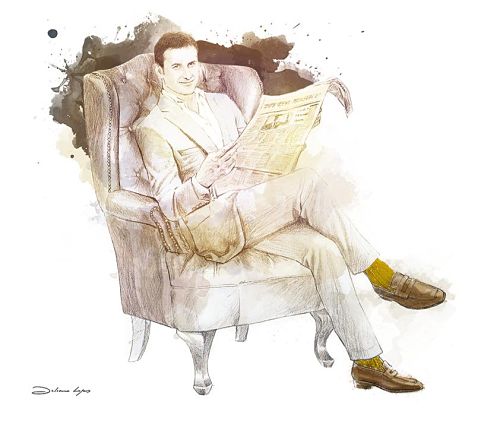
From what I have experienced, my top five shoemakers list would be: Gaziano&Girling , László Vass, Maftei (Vienna), Edward Green and Crockett&Jones. Carmina is another brand with a bright future. I have a pair of brown Carmina loafers that I wear everyday and I am very pleased with them. A few days ago, I received a pair of Vass Antiqued Brown Oxfords and I’ve fallen in love with them from the first sight — or should I say first step…
Claymoor was born as I wanted to show a look into the Men behind the brands, their stories and their dreams. It is not about the shoes, it is about the Artists who create the miracle called the Shoe. Behind every shoe there is a story. So, basically Claymoor’s List is the List of Exceptional Artists. I have been well-received so far thanks to my readers. I am not interested in having a site that’s attractive for a lot of people. I am aiming to reach the true shoe lovers, the Gentlemen who experience quality footwear and who appreciate exceptional products. I am aware that I will never have huge numbers of visitors and, frankly, I don’t want that. Like Oscar Wilde once said, “Everything popular is wrong.”
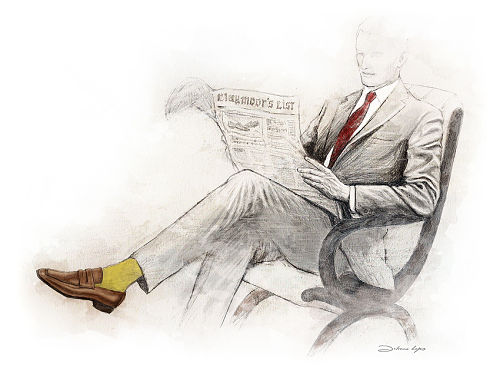
I have some interesting plans for the future. I am in discussions with a US magazine for starting as guest writer and I have just started writing for a Romanian luxury magazine. Beside this, I am trying to focus on my shoe shine service and, of course, on my job. Believe me, it is not easy to be a blogger, accountant and soon a father… Besides shoes, I like to travel a lot, ride the bike and to read.
First of all, never buy shoes expecting that the image or brand name guarantees quality. Never go for bespoke or special made-to-order shoes before precisely knowing what you want. And always remember that what is good for one gentleman could be the worst choice for the other. Shoes are made for walking, not for displaying the person’s status. I very much like an episode of Seinfeld in which he said, “Now they show you how detergents take out bloodstains, a pretty violent image there. I think if you’ve got a T-shirt with a bloodstain all over it, maybe laundry isn’t your biggest problem. Maybe you should get rid of the body before you do the wash”. So, if you buy shoes just for the way they look and those shoes will make you crippled, perhaps personal image isn’t your biggest problem.’
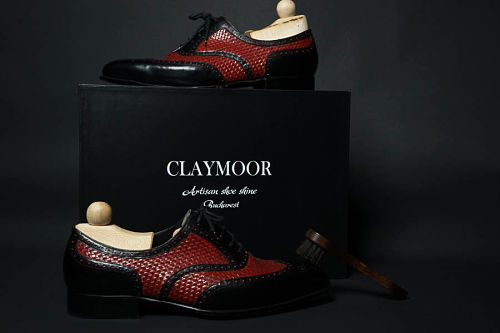
Pictures: © Mircea Cioponea, Simion Buia, Juliano Lopes
Category Bloggers, Interviews, Links
Copyright © 2013 Ville Raivio