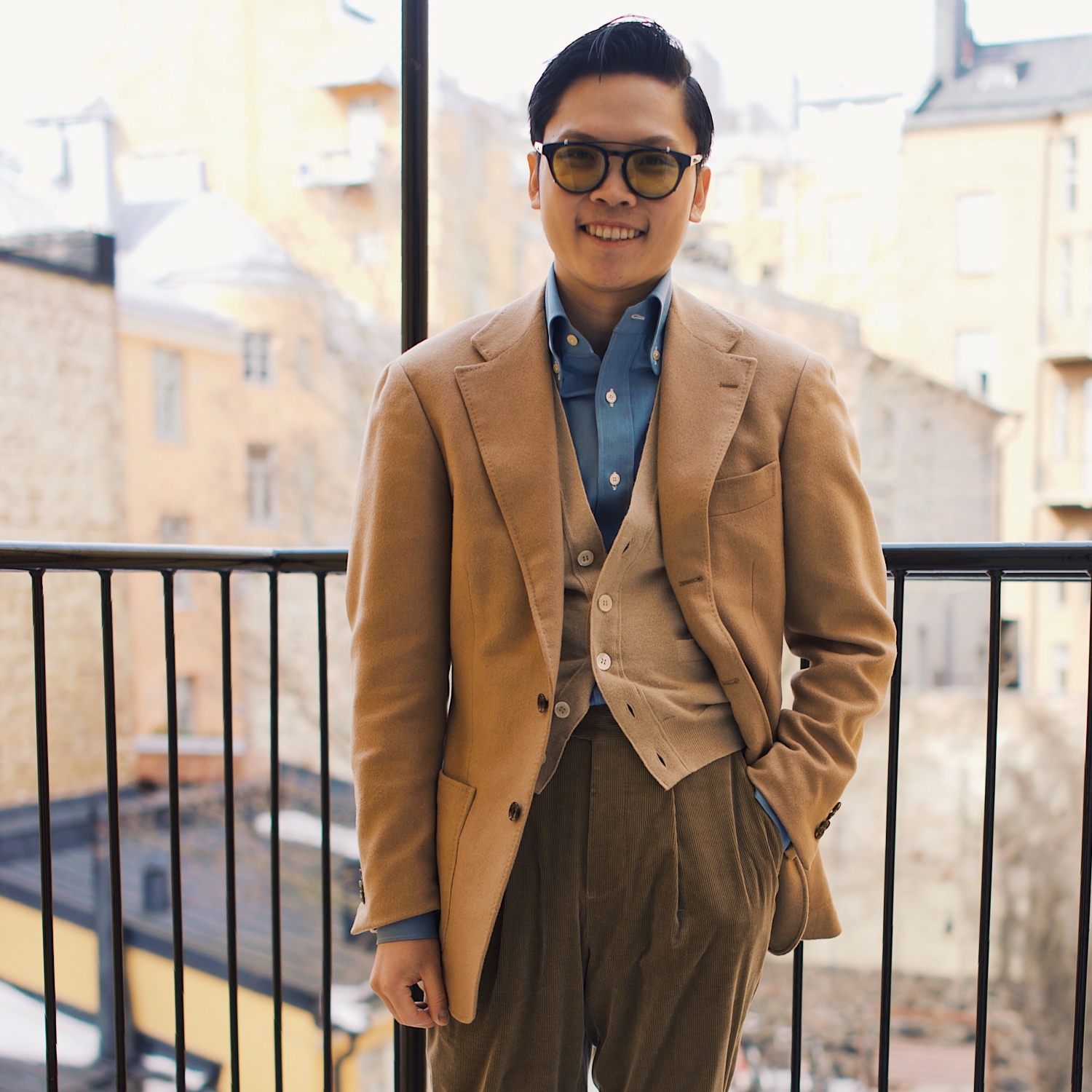
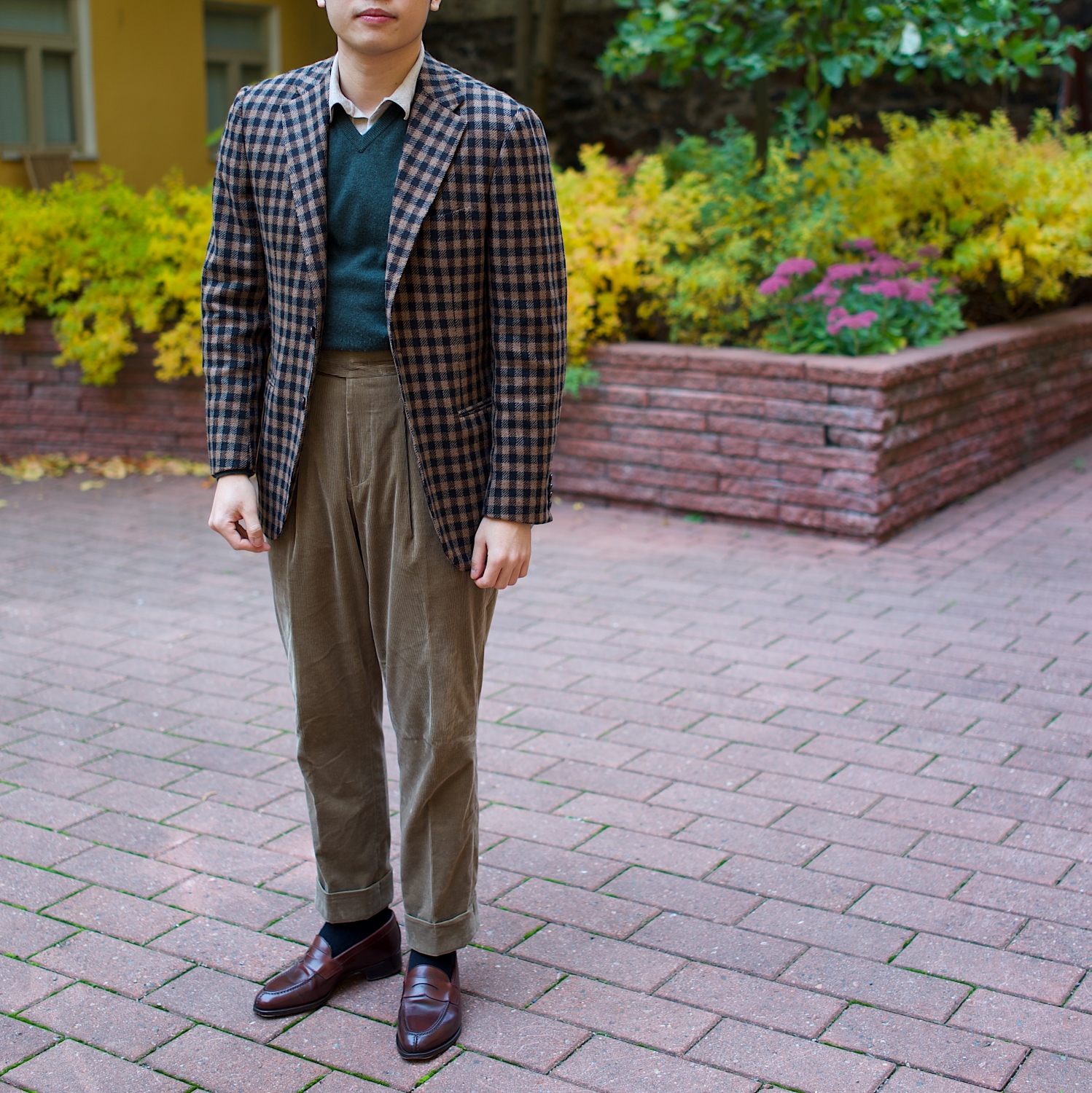
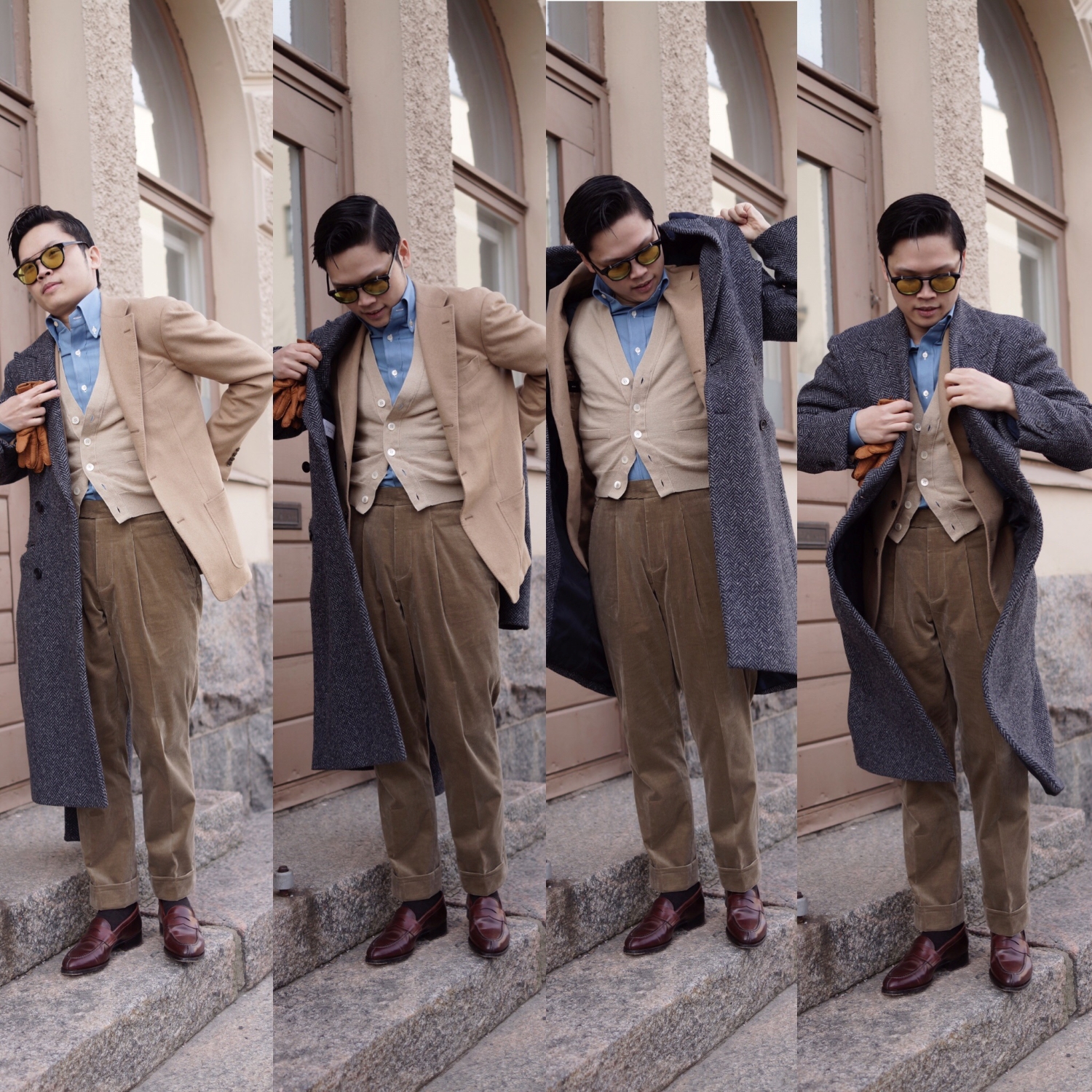
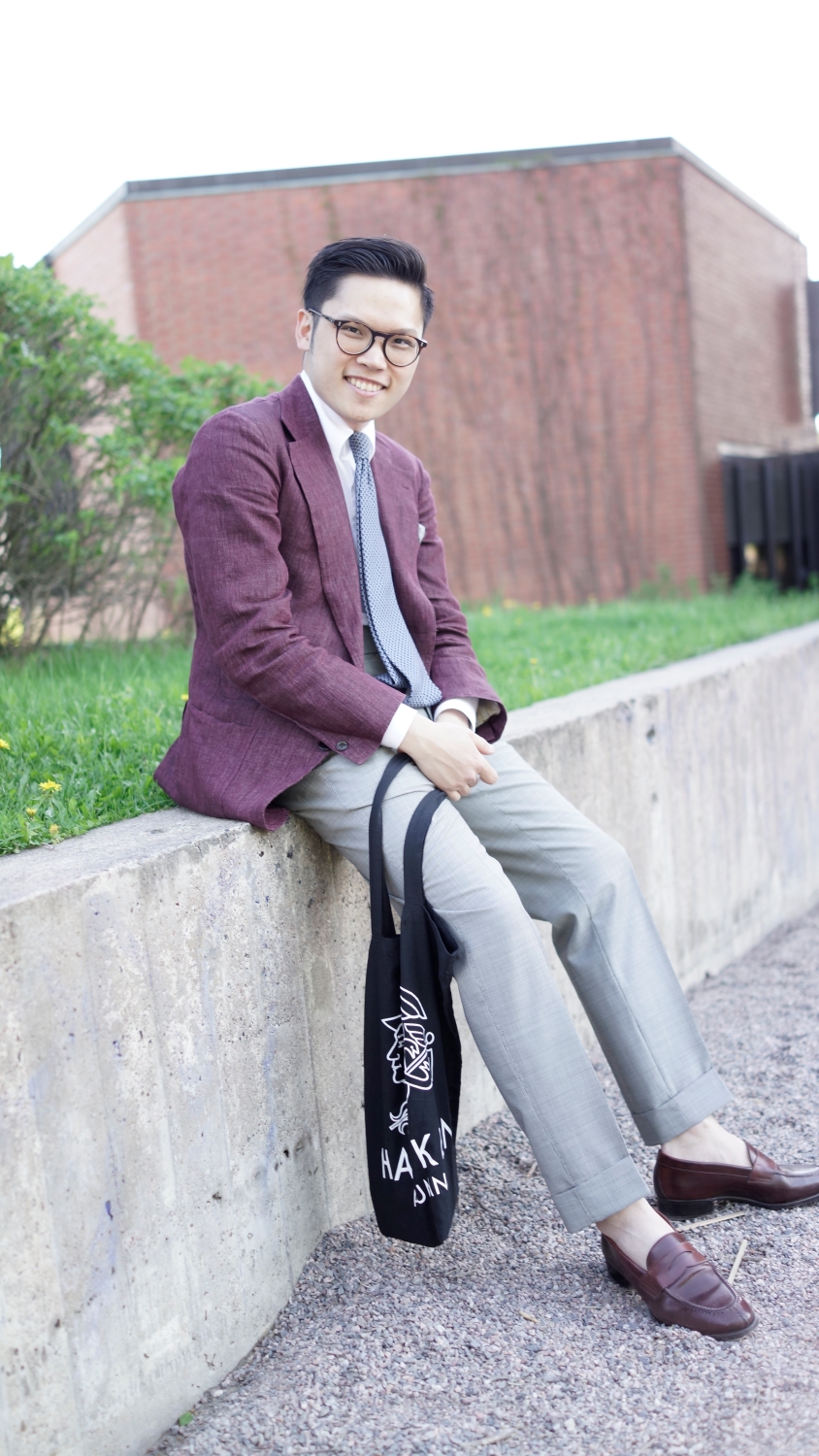
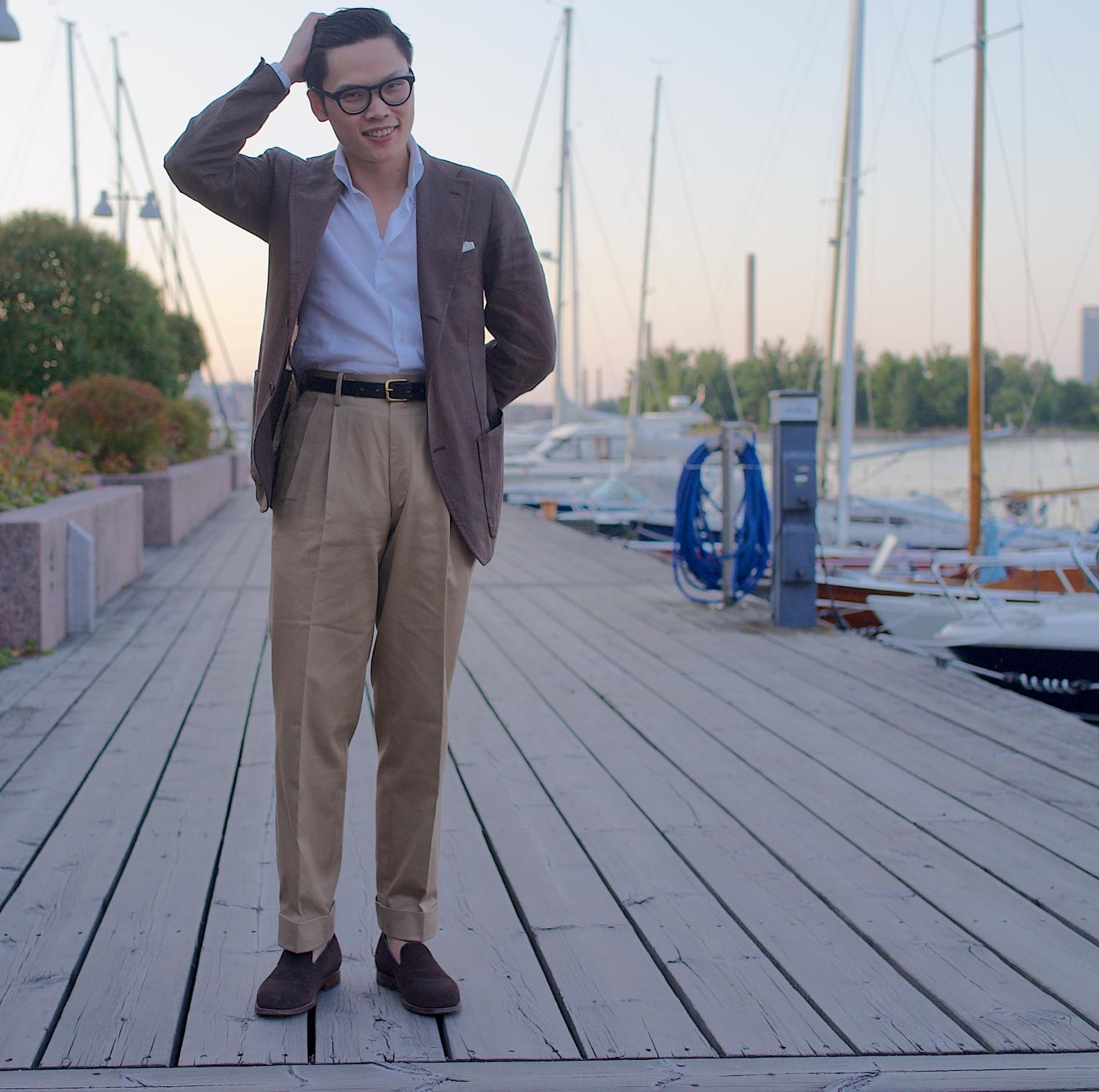
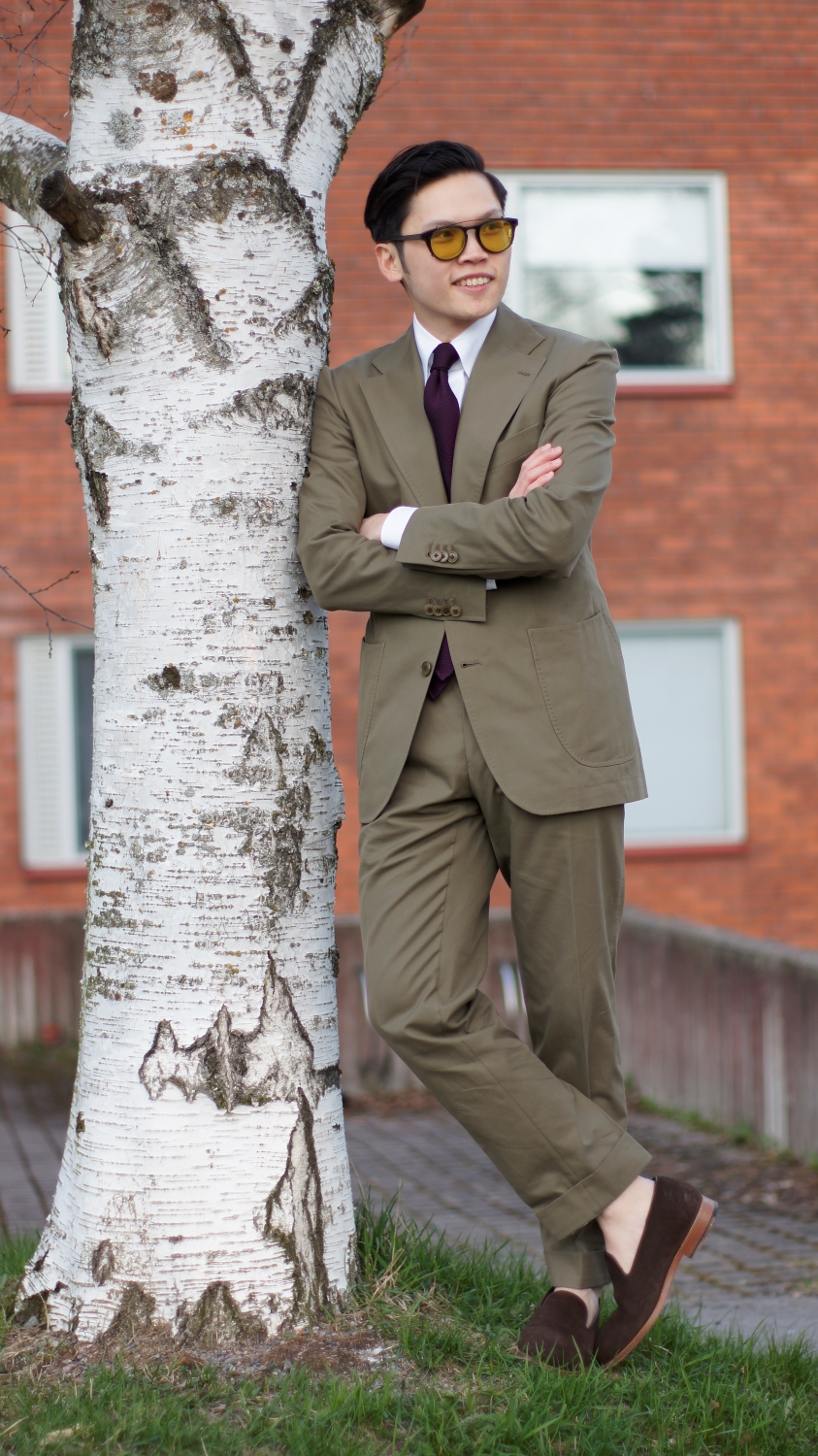
An Interview with Tai Nguyen
0November 16, 2019 by Ville Raivio
Category Interviews, Men of style
Unethical Working Conditions in the Italian Tanning Business
0November 11, 2019 by Ville Raivio
Category Italian Style, Notorious, Tanneries, Videos
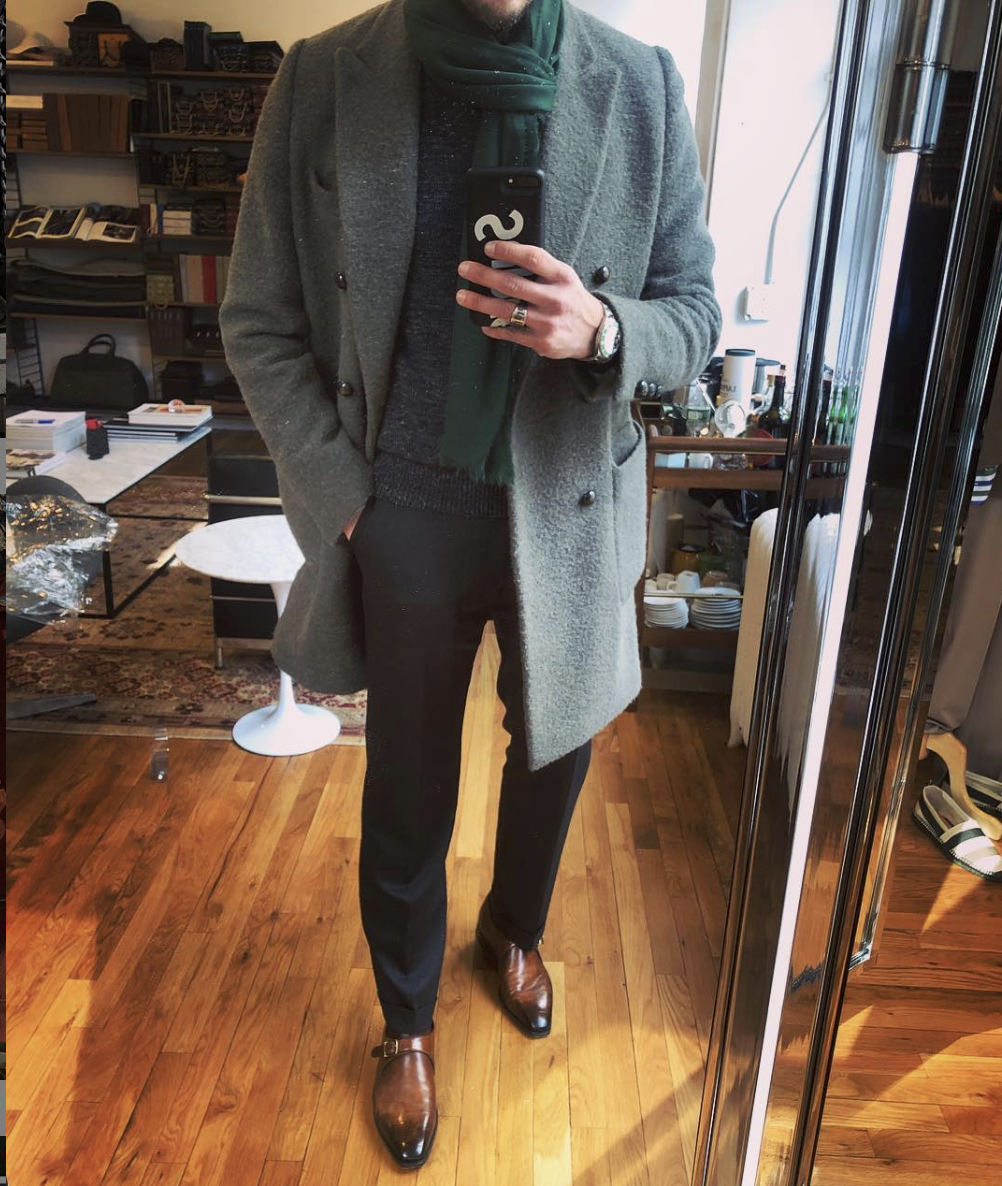
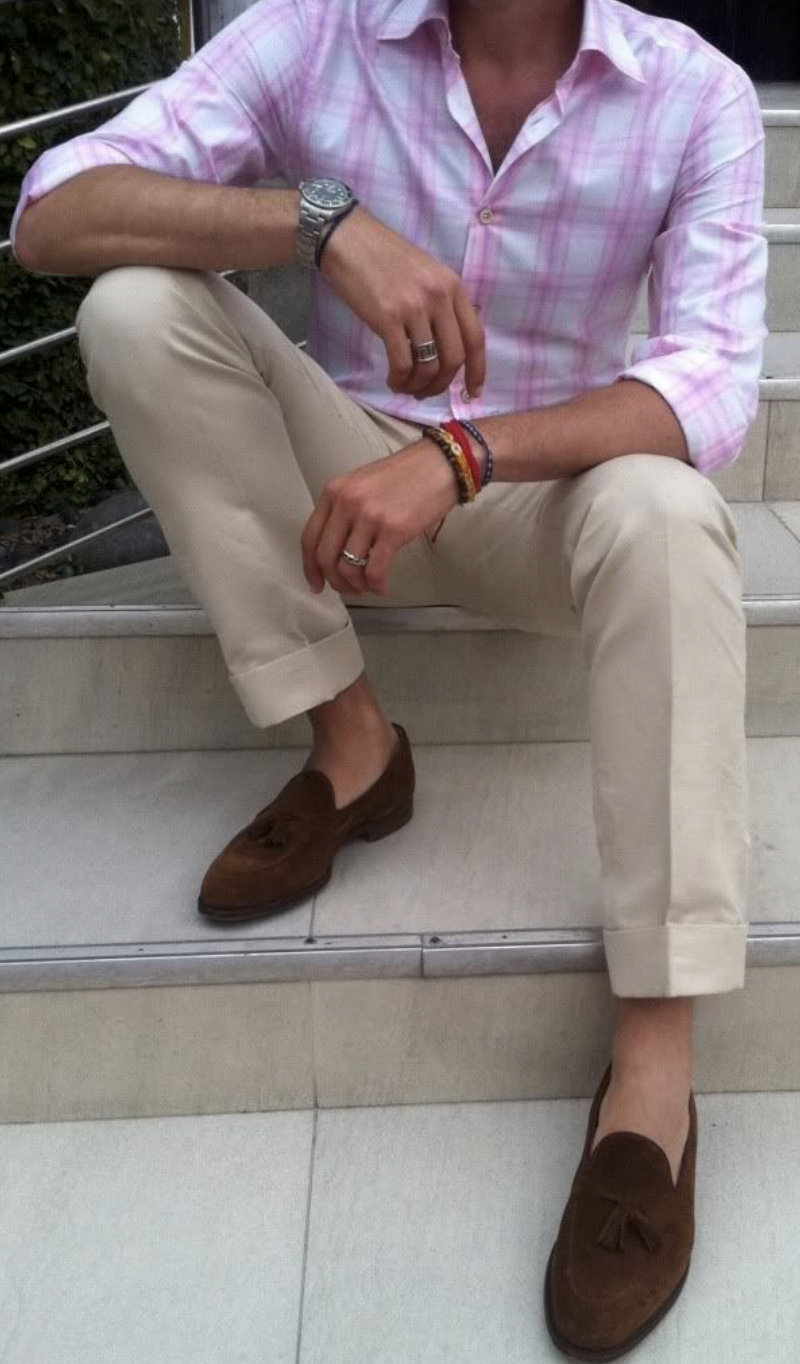
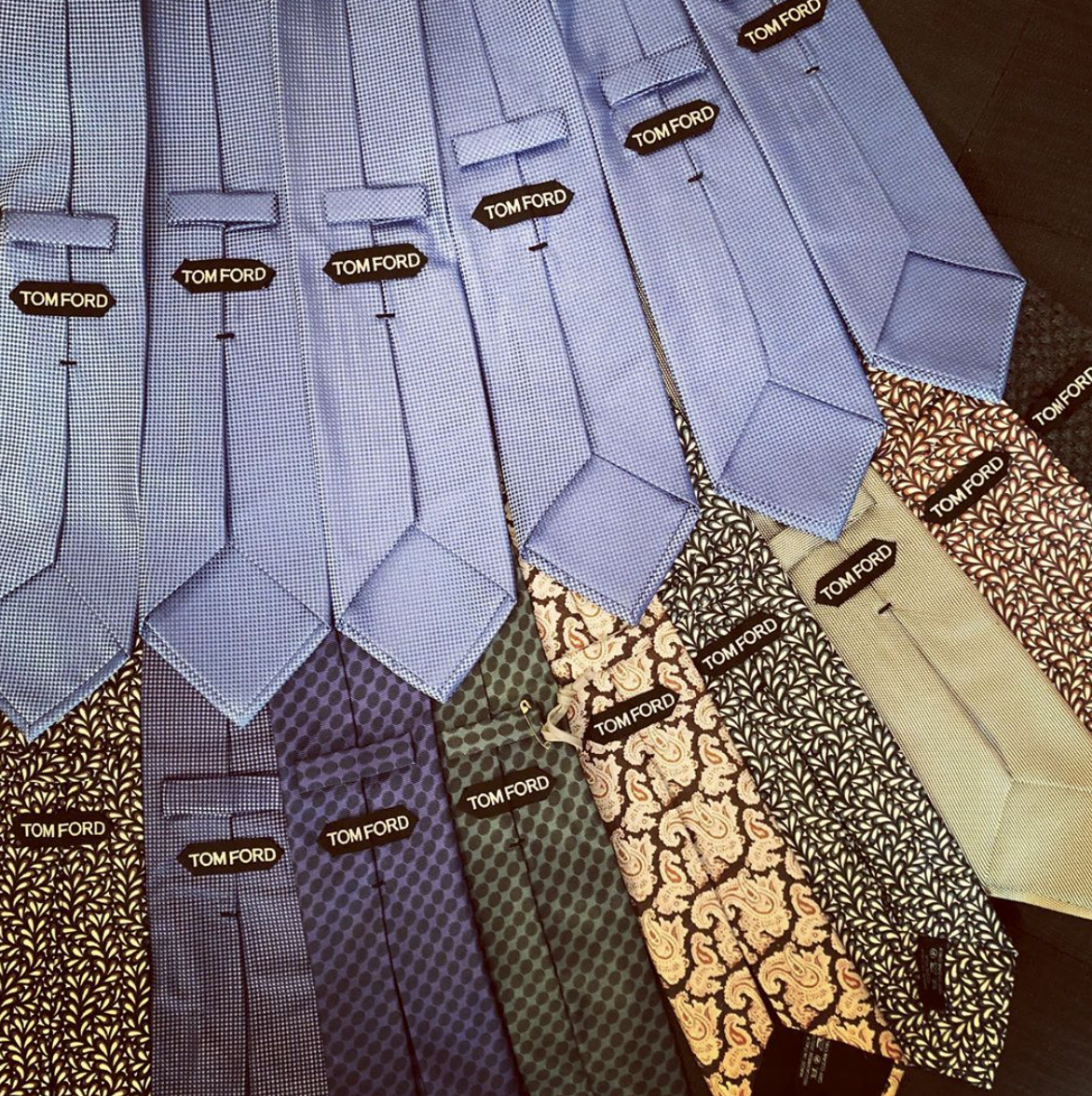
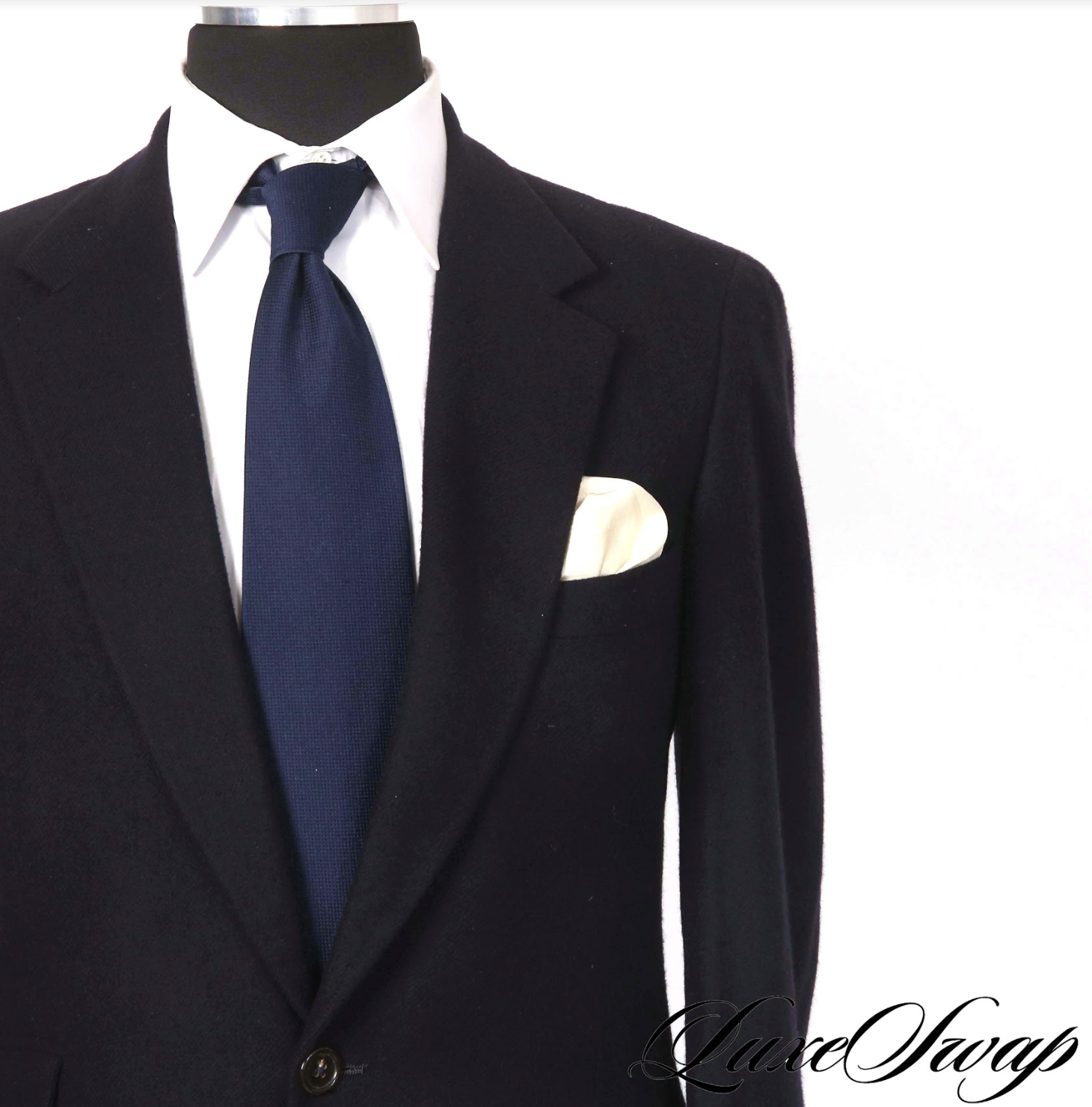
An Interview with Matthew Ruiz from LuxeSwap
0November 2, 2019 by Ville Raivio
Category Interviews, Tradesmen, Vintage, Web stores
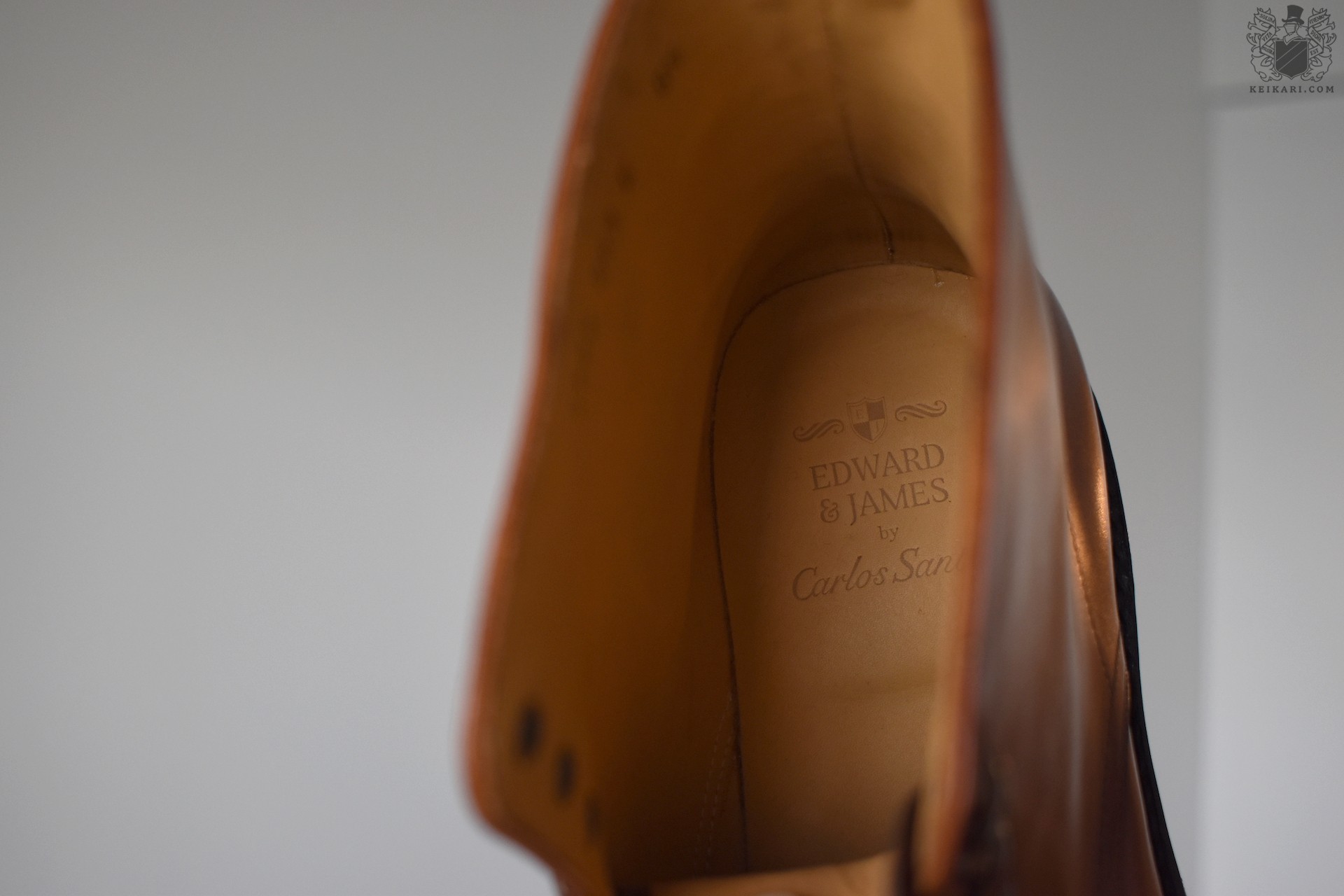
Anatomy of Carlos Santos Shoes
0October 23, 2019 by Ville Raivio
Carlos Santos is a Portuguese shoe factory that was founded in 1942. Santos himself began the gentle craft of shoemaking, aged 14, at Zarco, a factory he was able to buy for himself in 2002. The factory is in São João da Madeira, a town known in Portugal as Capital do Calçado, capital of shoes, as the area has a concentration of shoemaking similar to Northampton in England. After purchasing the premises, his name began to appear on the factory’s pairs. Still, at the beginning at Zarco, he helped out at accounting but was not pleased to work with papers. When there was time enough, the young Carlos slipped away from the offices to visit the packing area or the factory floor to gaze at shoes. It turned out that designing and making shoes was the thing.
Today the maker is specialised in Goodyear-welted men’s footwear as well as patinas developed in-house. Their less expensive pairs have Blake-stitched soles. For the latter, CS uses crust leathers which are dyed from scratch. Carlos Santos was not very well-known up until the 2010s, when the maker began to reach more retailers and was marketed better. CS previously concentrated on well-priced men’s shoes for other companies, made at the Santos factory in Portugal but marked with the names of others. The factory favours French and Italian calfskins for uppers, and the designs are classic but there’s also room for experimentation. CS pairs have leather insoles, full cork fillers, leather board heel stiffeners, celastic toe stiffeners in their regular lineup. Today Carlos Santos produces over 70 000 pairs of shoes each year, most of them private label work for client companies.
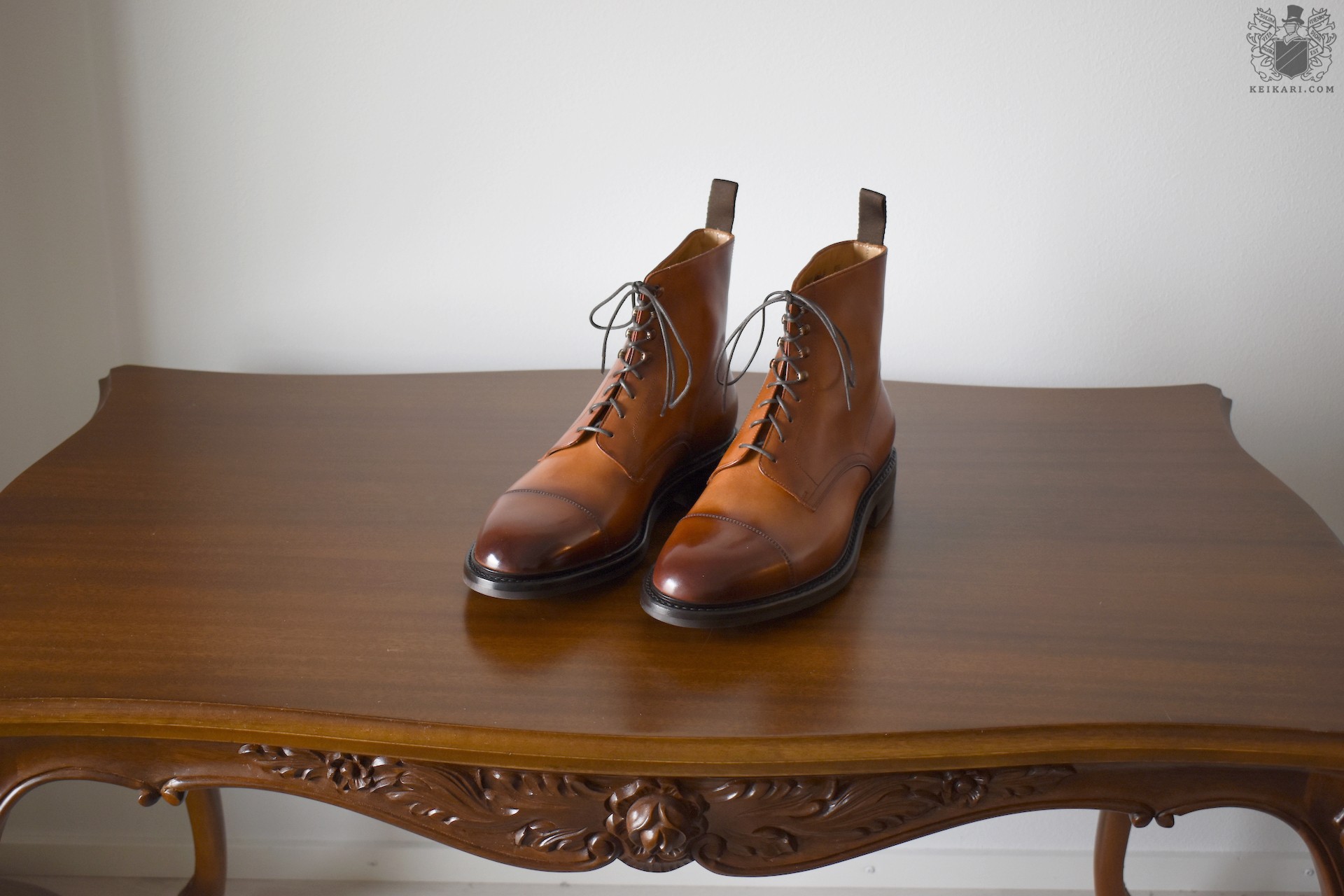
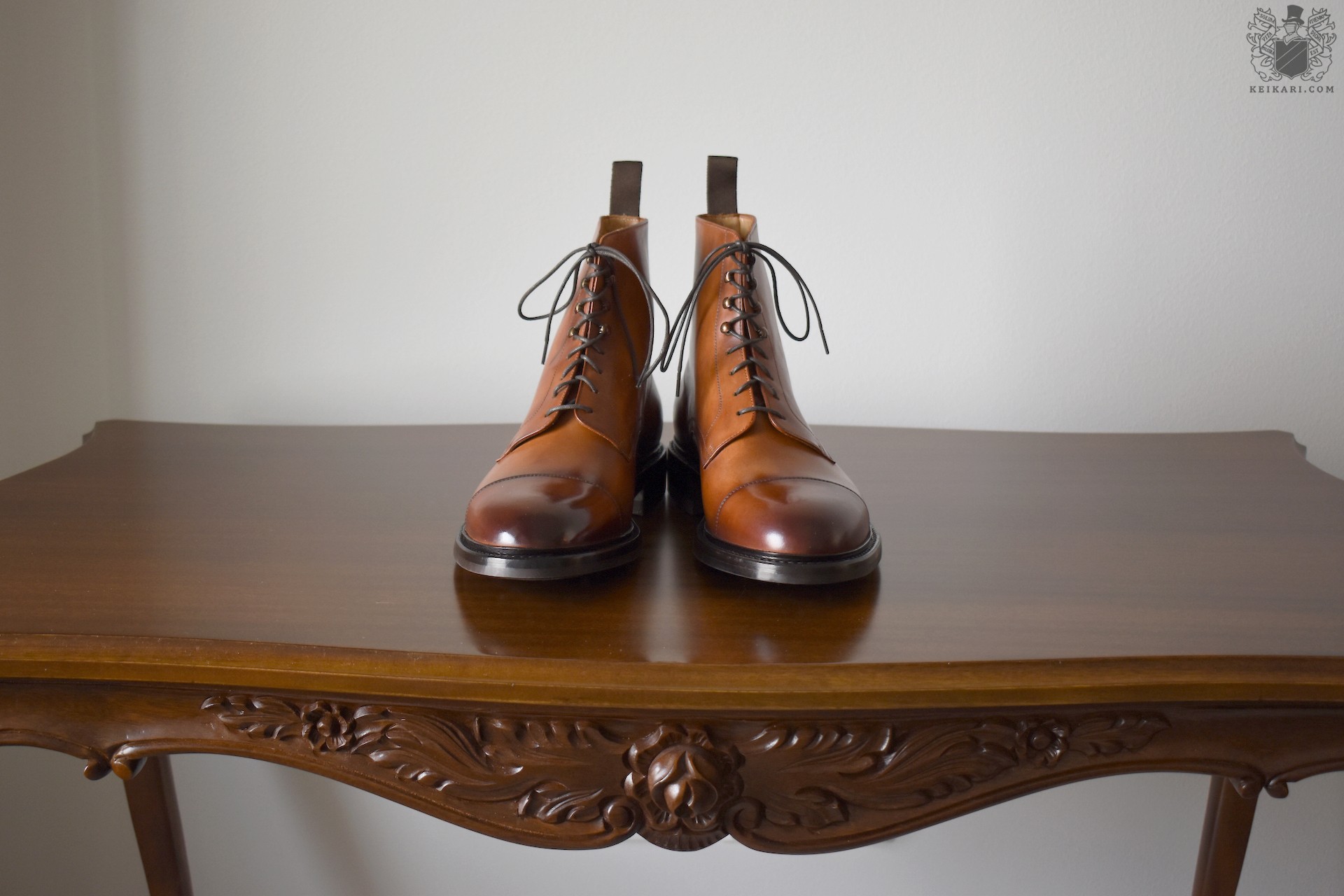
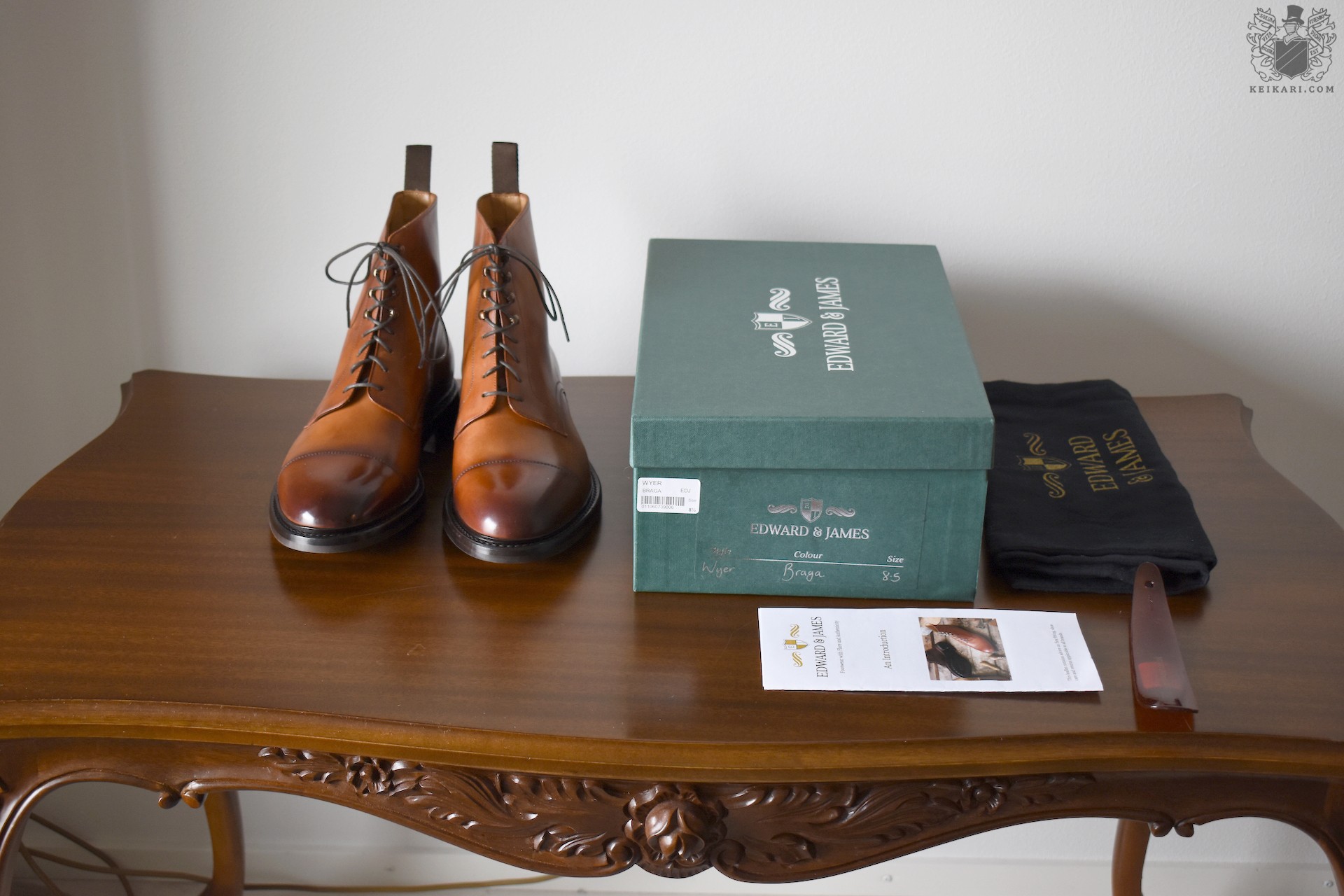
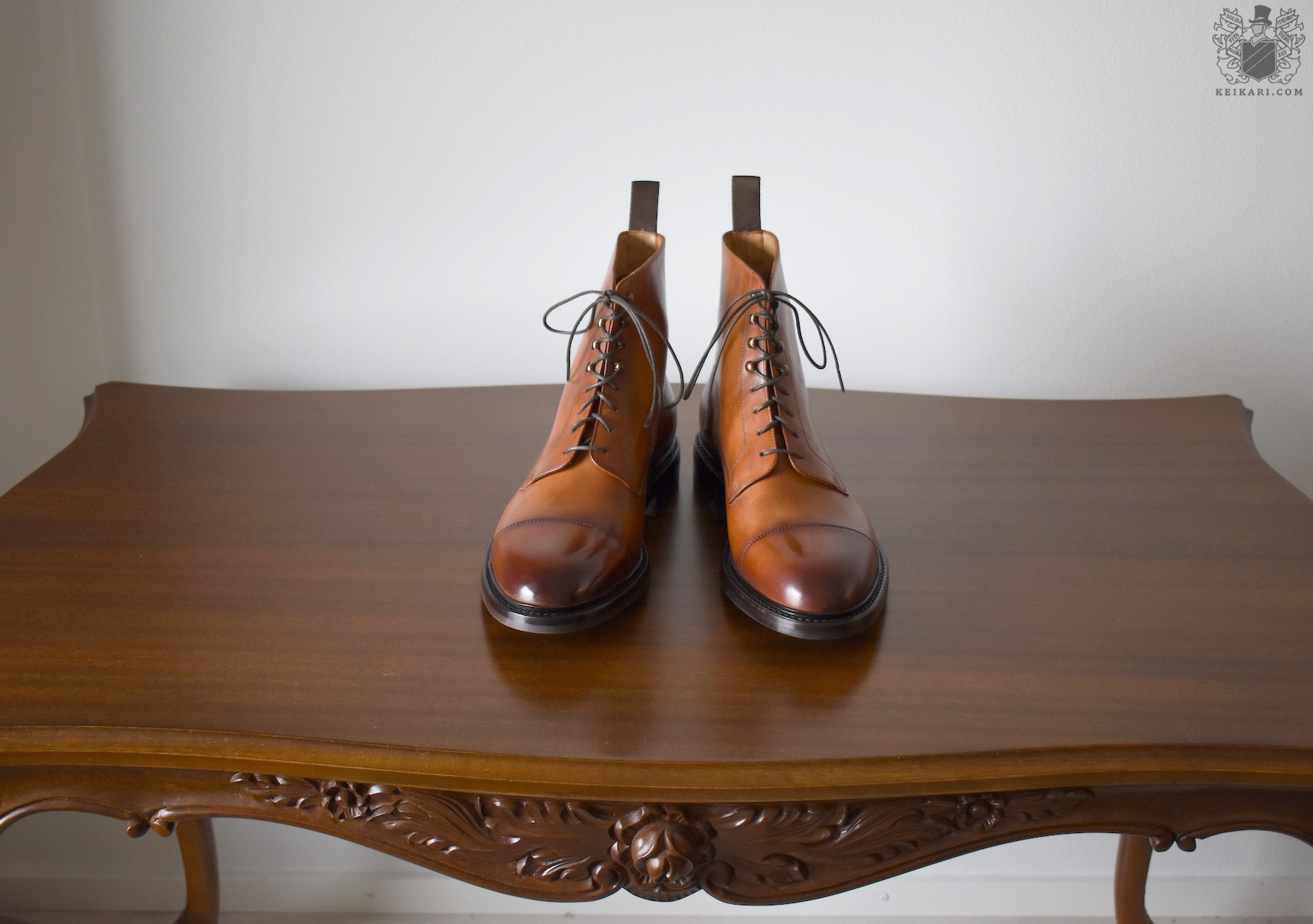
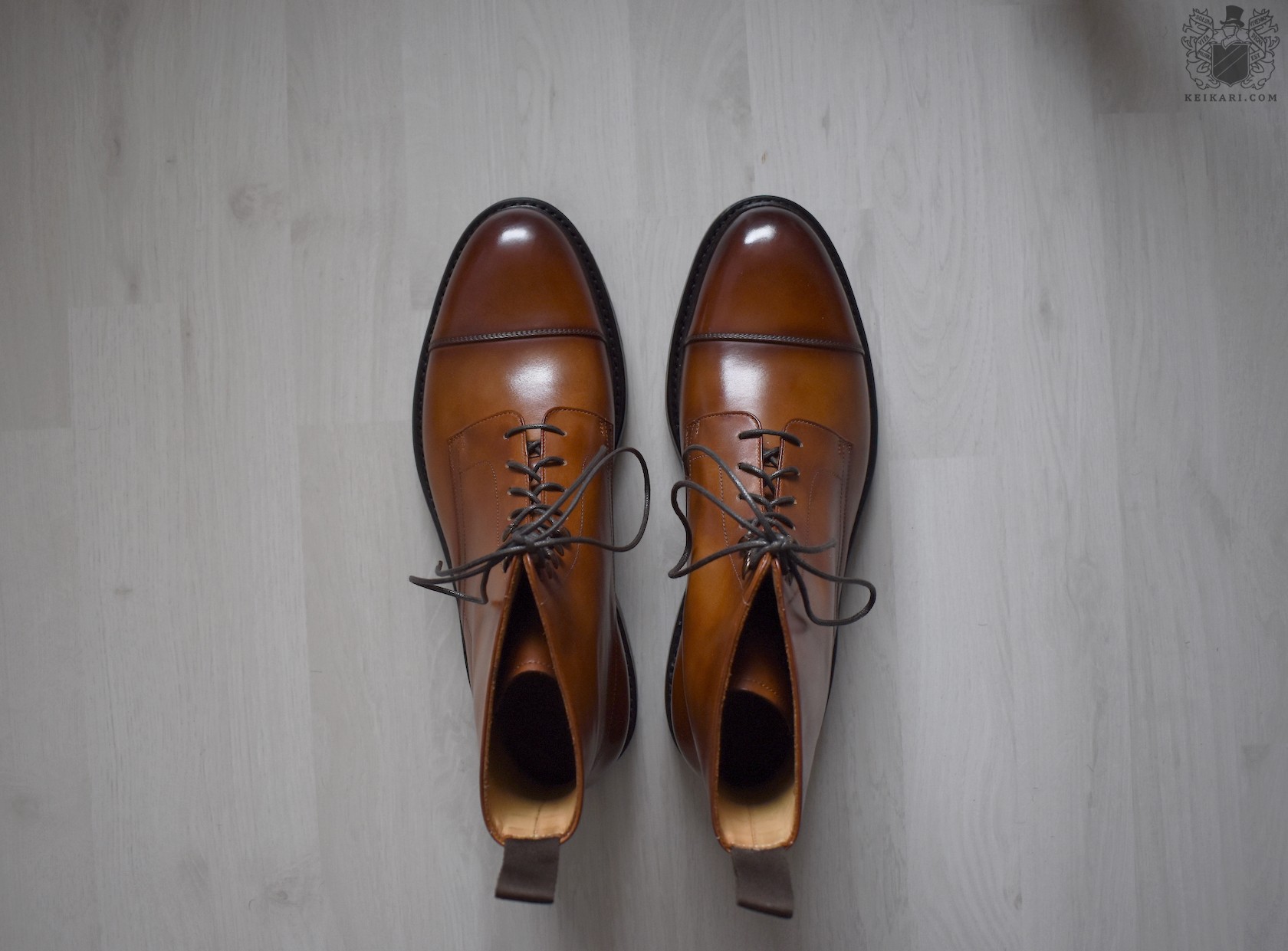
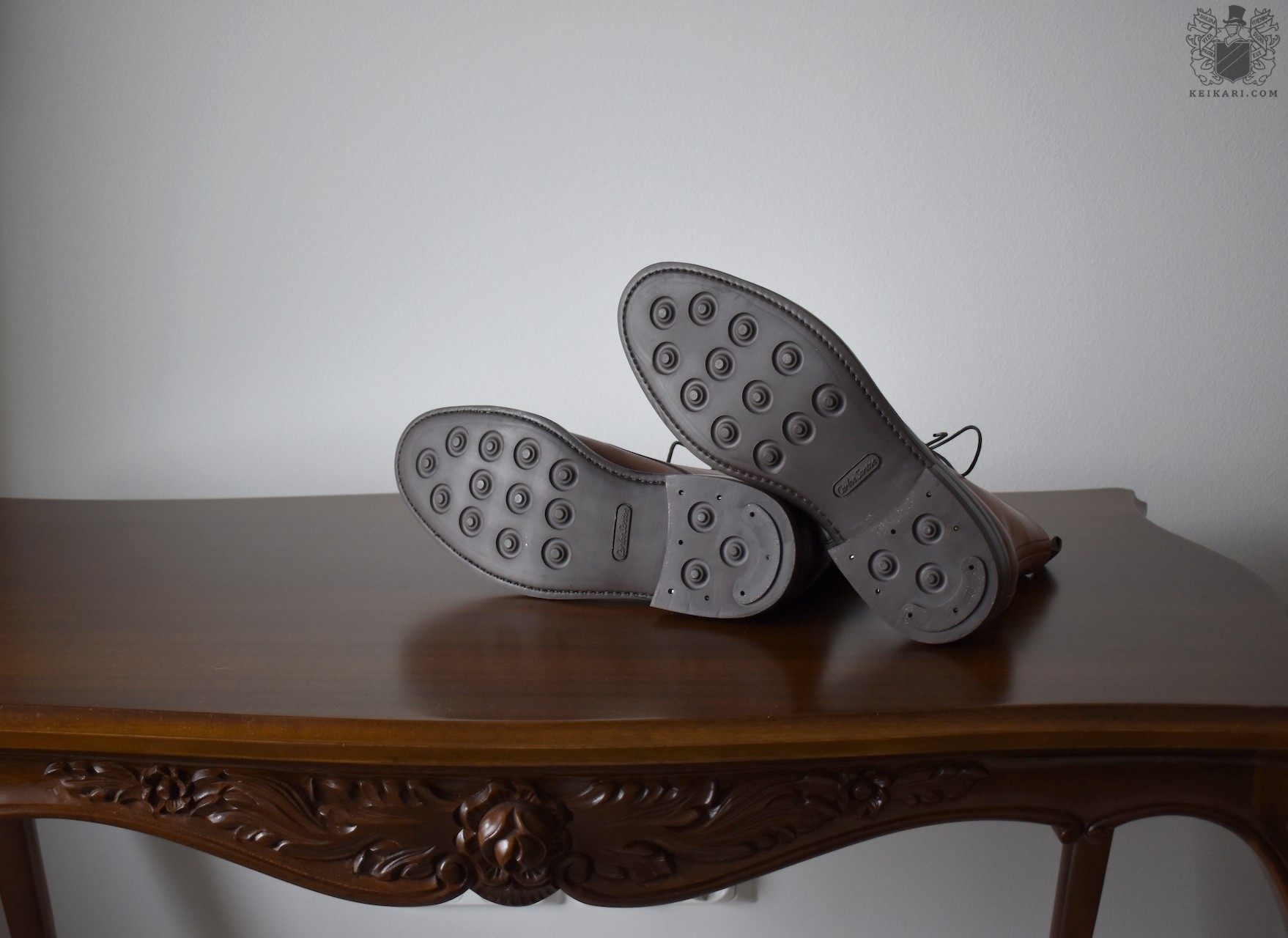
Today’s example pair is The Wyer model, a clean cap toe derby boot which sports the Braga patina developed by Santos — and it really is the highlight. I call the design clean as there are no exceptions from the lines of a classic cap toe boot, and the proportions of the pieces are swell. Coming to think of it, the plain design only highlights the patina better. The Braga colouring is dark brown at the tip of the toe, medium brown around stitching, and mottled, light brown elsewhere. It looks superb and interesting. Only time will tell how the colours age and how they stay in the leather, though.
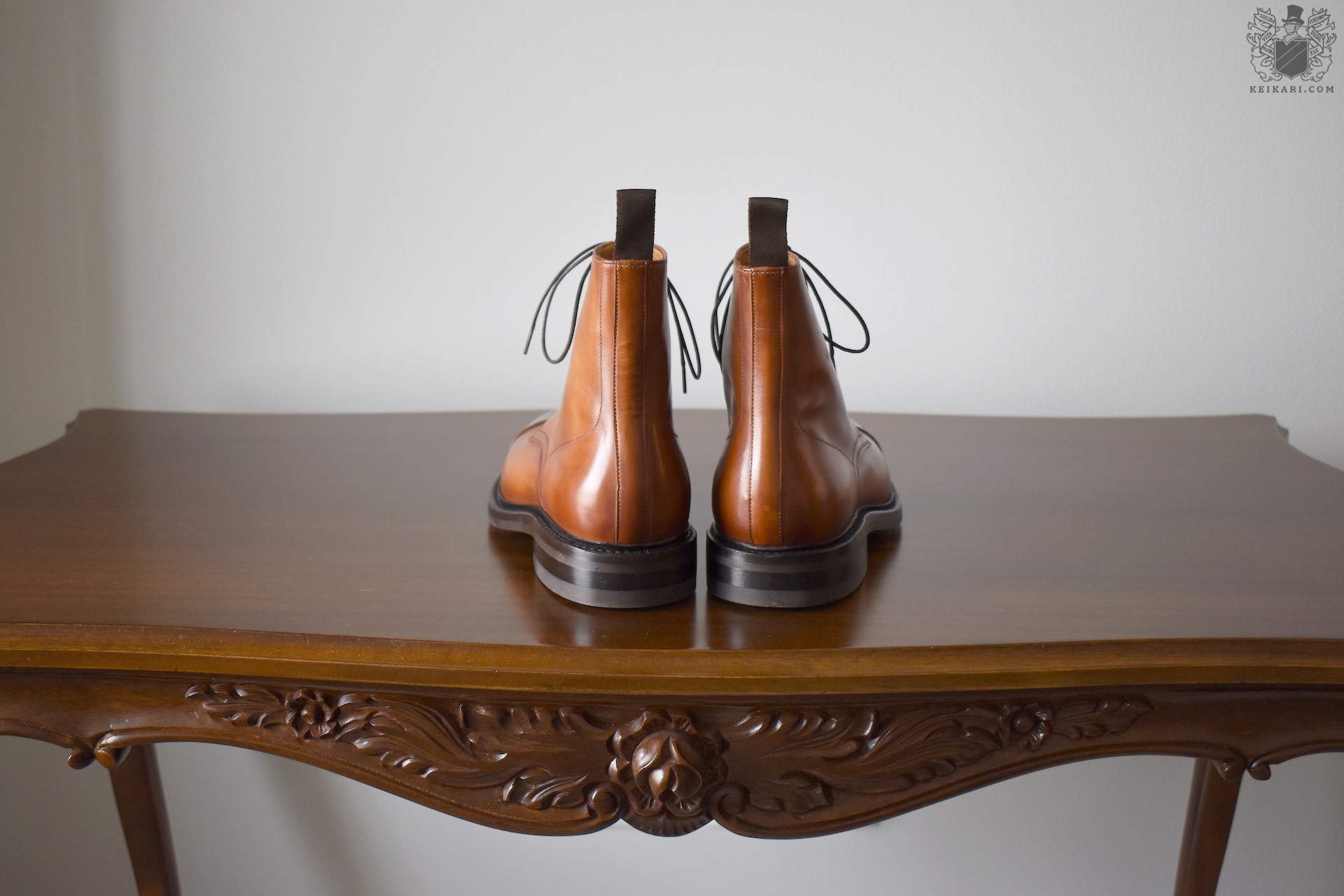
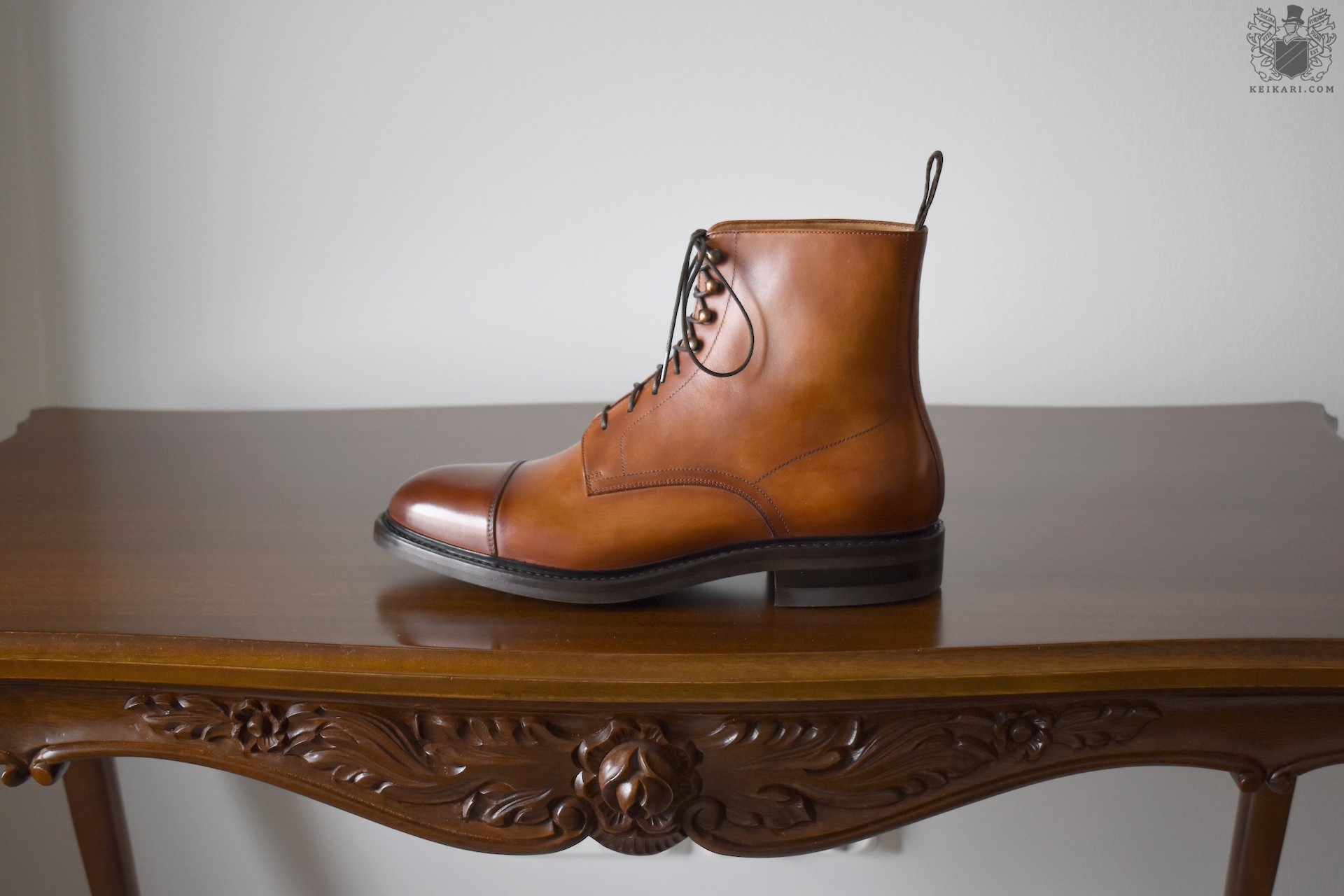
As part of the Carlos Santos service, retailers can have their pairs made up how they like. In Pediwear’s case, the boots have rubber soles along with the patina, and the oddly named last Z333. The last has a regular round toe, but it has a beautiful sculpted shape that rounds downwards. The edges are shaped roundly as well, but it’s the heel that has the most aggressive shape. The fit of the last is eccentric: the width on the toe is narrow enough to demand half a size larger than what I usually wear, but there is volume elsewhere so the sock must be a thicker one. The shape of the boot is more on the casual than dressy side.
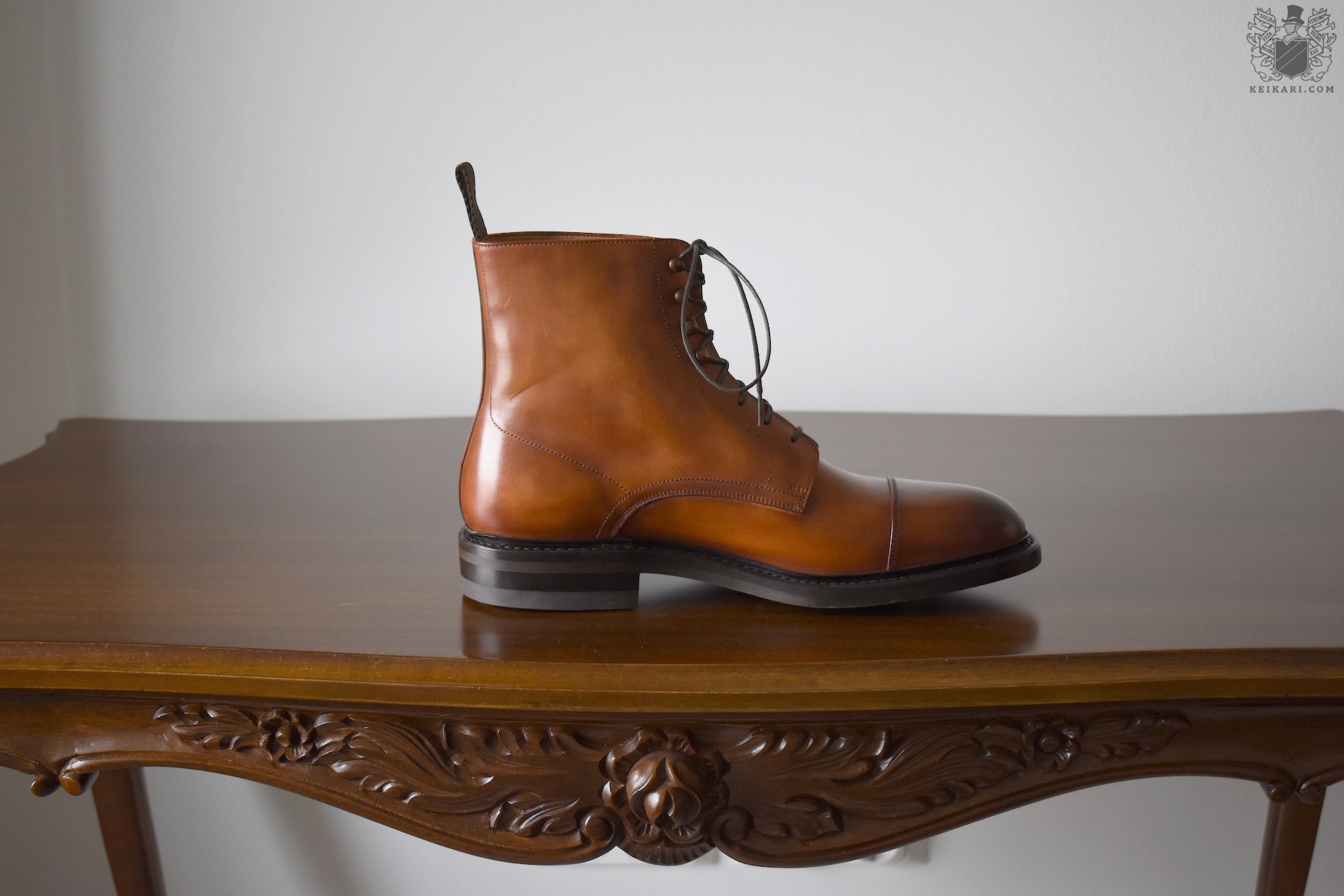
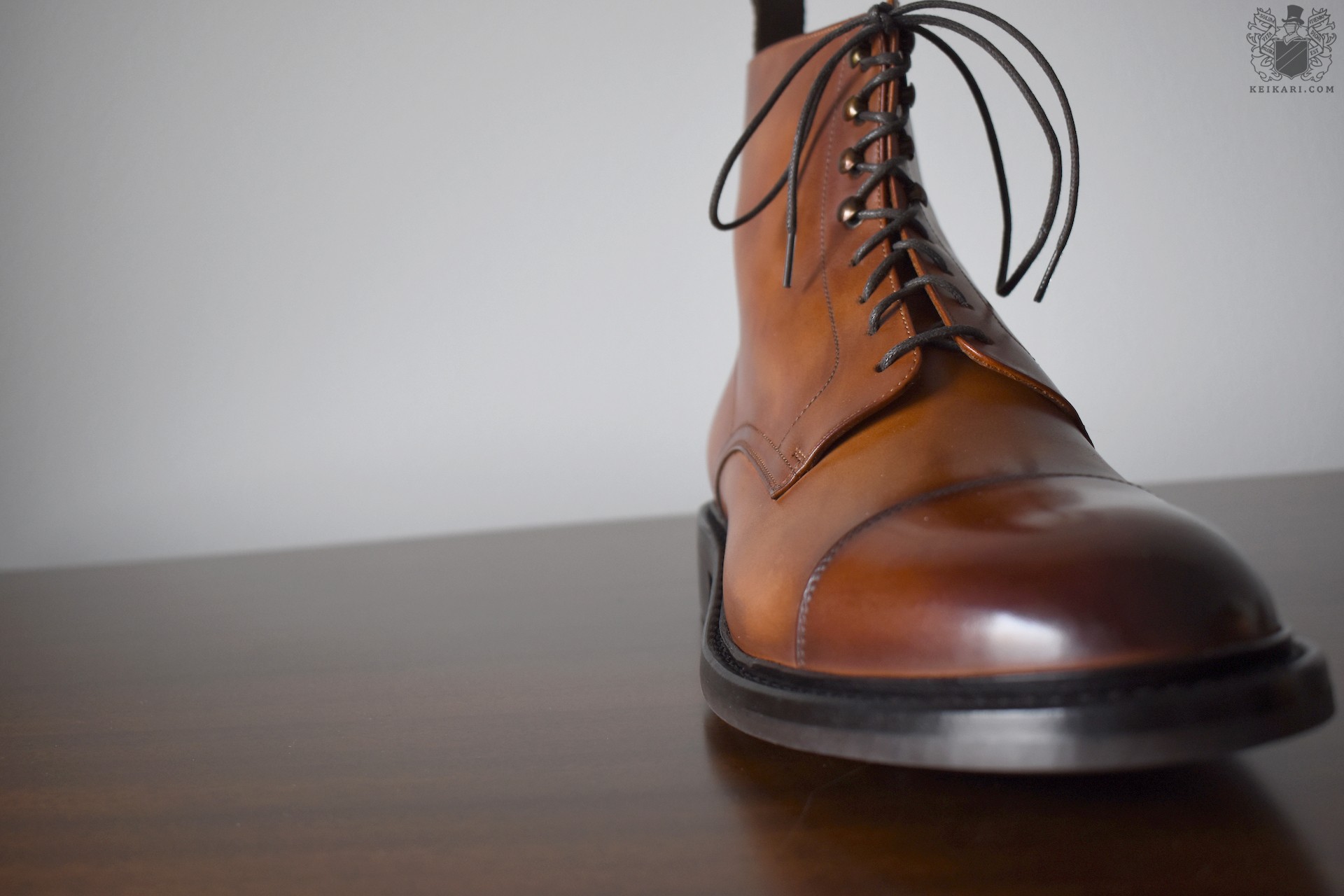
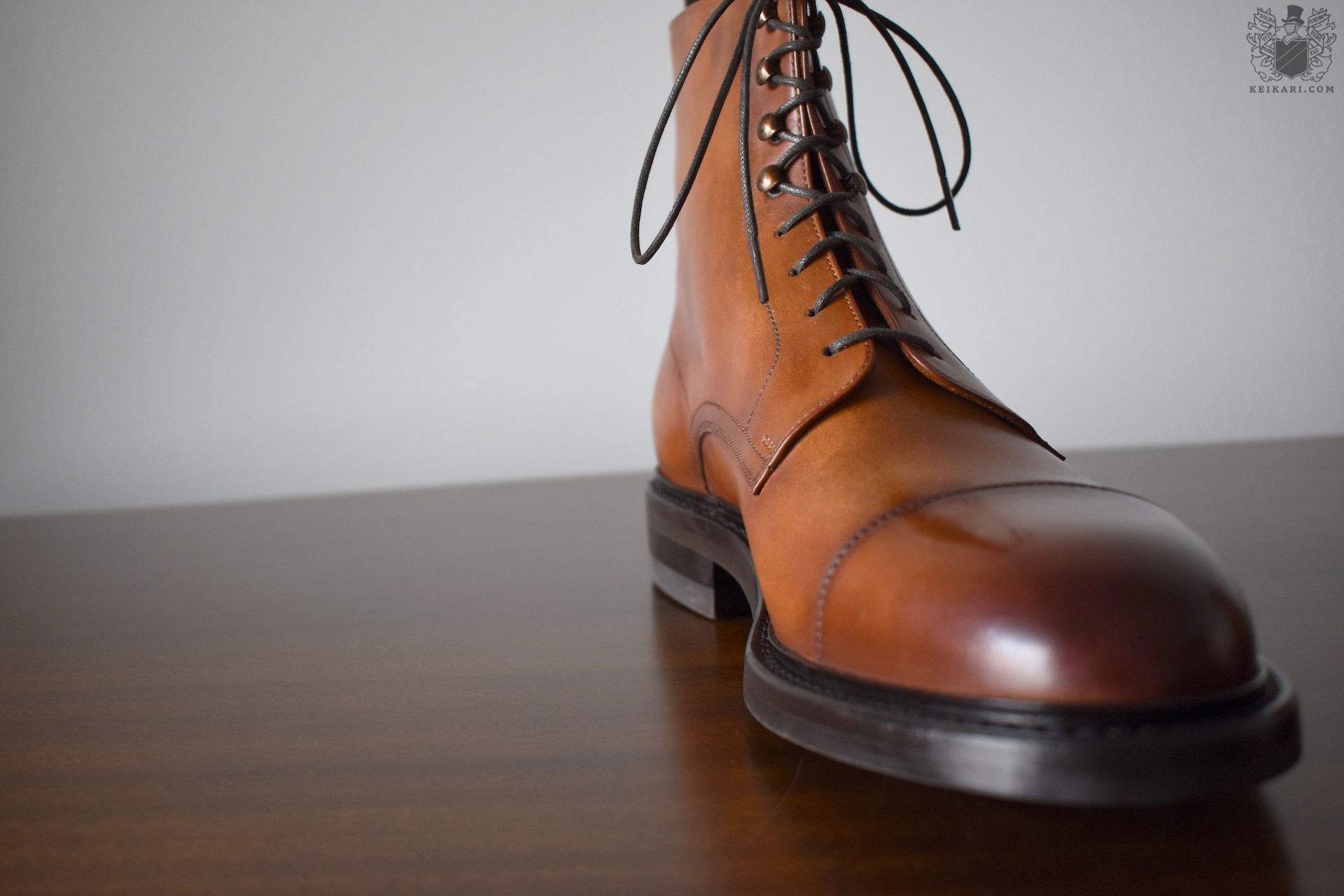
The stitching is clean, the finish good, and I must also mention the pull tab. It’s the best one I’ve handled: it quickly returns to its upward shape, doesn’t have ugly logos, and feel smooth and firm. Too many factories overlook the humble pull tab! The speed hooks have been treated to look somewhat worn, and the boots arrive with a bright factory polish. The one thing I would change in this pair is the width of the welt, which is on the wider side. If it only were narrower, the front part of the boots wouldn’t look so heavy, and the 360-degree welt also makes the heel look wider. All in all, Carlos Santos is among my favourites in the + 300 euro price range. I hold this opinion after having tried other Santos shoes as well in store. The factory offers beautiful patinas, clean designs, and handsome lasts which combine to make their shoes look more expensive than they are.
Category Footwear, Quality makers
An Interview with Maximilian Mogg
1October 7, 2019 by Ville Raivio
VR: Your age and occupation?
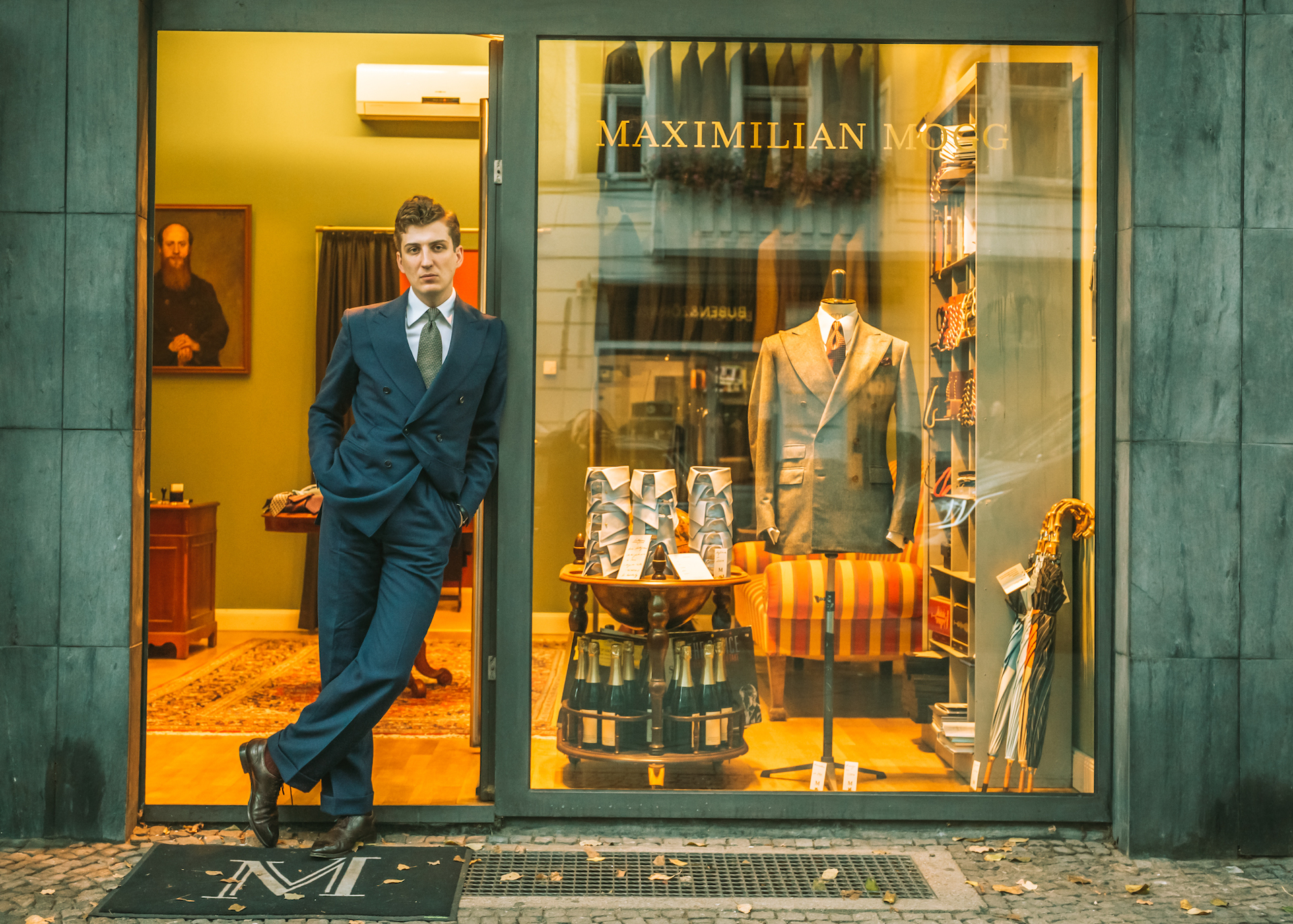
MM: I am 26 years old and I am founder of my own eponymous MTM atelier. We’re also working on offering bespoke in the near future.
VR: Your educational background?
MM: I started with business, before shifting my focus to brand management during by studies in the United States, Germany, and France.
Vr: Have you any children or spouse (and how do they relate to your clothing enthusiasm)?
None that know how to find me.
VR: …and your parents and siblings’ reactions back when you were younger?
MM: We have one golden rule in our family. If you’re doing something (whatever it is) with real passion, the whole family will support you. My father, in particular, always taught us that if you lack passion, you can never be at your best. You just won’t go the extra mile. So, from a very early age, they’ve always supported my choices. When it comes to clothing, I sometimes think that they maybe should have taken me aside and had a word with me. I recall a particular pair of very tight fire-engine-red jeans that left very little to the imagination. Although, ultimately, I think those experiences contributed to my very conservative dress nowadays.
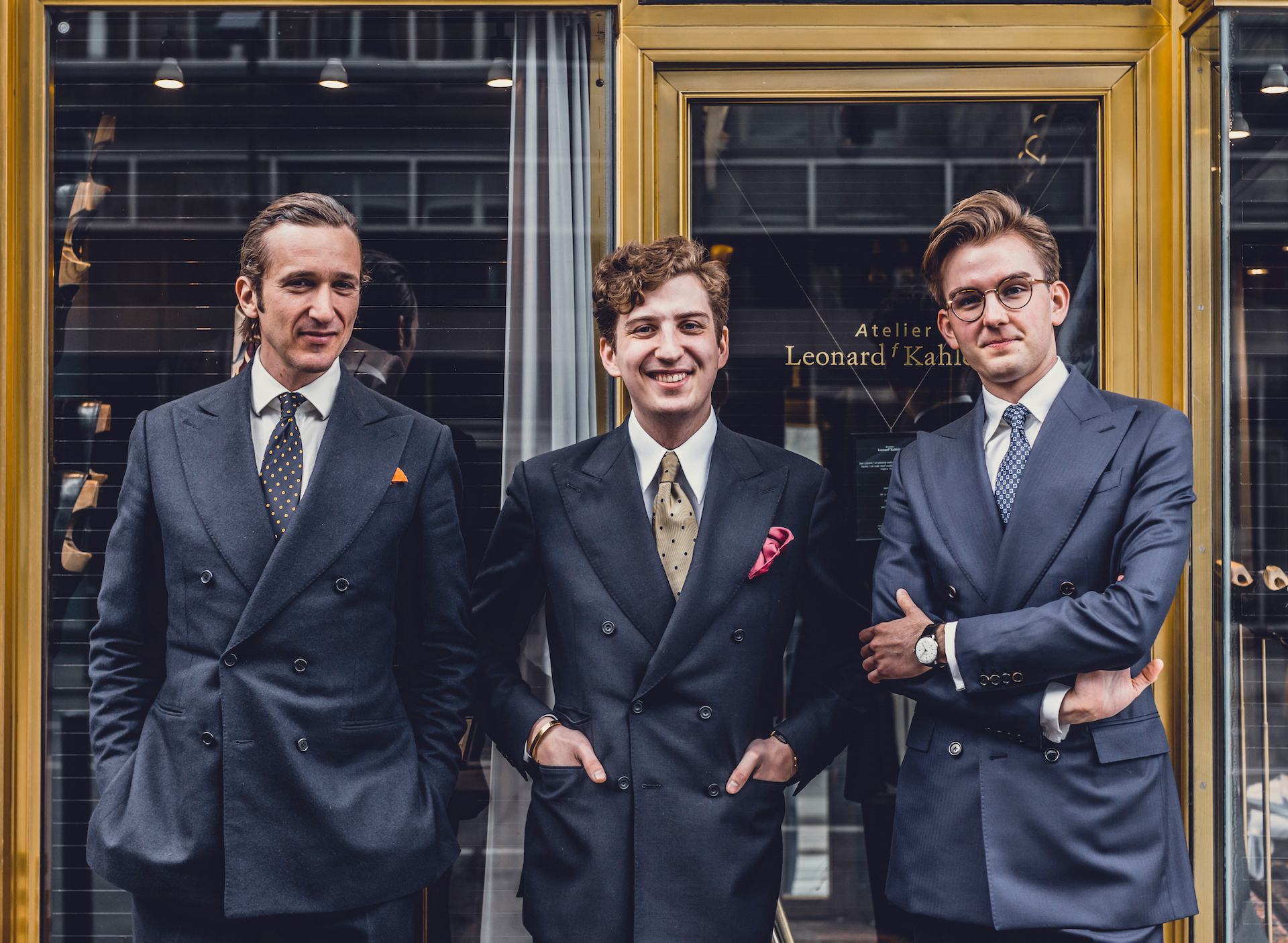
The Mogg team, featuring shoemaker Kahlcke
VR: What other hobbies or passions do you have besides apparel?
MM: I was a high-level sabre fencer for years. I was in the Germany national team, actually. That was really my main focus in life for a long time and clothing was my hobby. That has obviously flipped over time. Other than that, I have a thing for ’80s music, I write about menswear and other topics, and I love drawing.
VR: How did you first become interested in style, and when did you turn your eyes towards more classic pieces? Why these instead of fast fashion?
MM: Fashion generally and the aesthetics associated with it, in particular, fascinated me from a very young age. I can’t really say what the actual trigger was, I simply cannot remember a day when appearance and the act of communication that takes place through clothing was not important to me. I feel that the aesthetics are ultimately secondary to the respect and politeness that a certain way of dressing conveys.
With regards to the second part of that question, the enthusiasm of my early teens for cyclical fashion quickly waned because I disliked the idea of feeling pressured to follow trends. So I did what anyone would probably do. I looked for alternatives and the rest, as they say, is history. I started with classic films, did some research, developed a love for classic English style. That led me to Savile Row, and to high-quality suits. These suits have managed to stand the test of time, give their wearers a means of expressing themselves non-verbally, of dressing sustainably (a high-quality suit can last you a lifetime), of showing erudition, and of covering up their physical flaws.
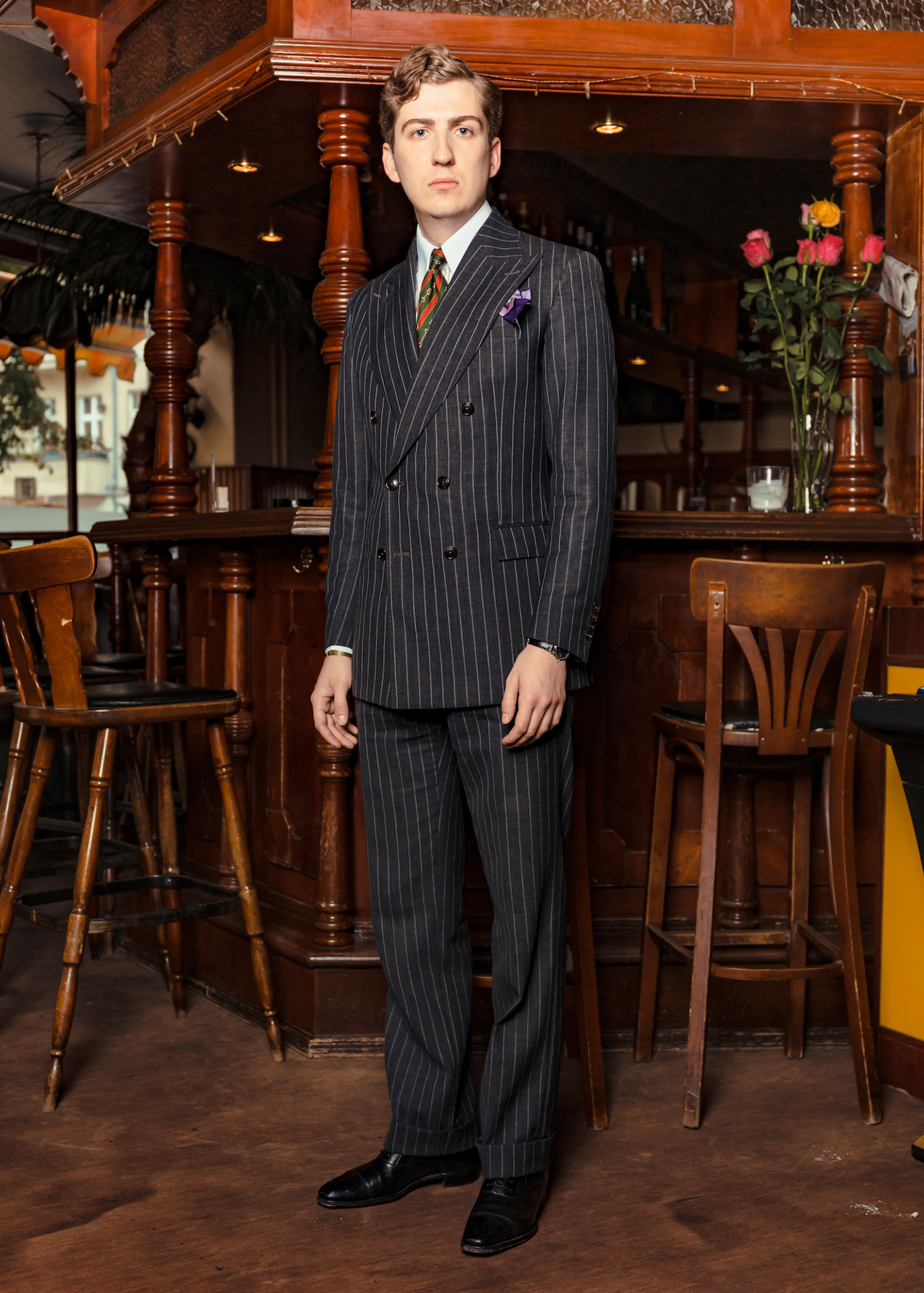
VR: How have you gathered your knowledge of the tailored look — from books, talks with salesmen or somewhere else?
MM: It all started with books. Reading, reading, reading. We actually have my whole library in the shop and we lend out books to customers if they want to read up on something. From there, I transitioned to writing. I went to Savile Row and interviewed any tailors that I could get my hands on for my blog. This brought me into contact with – in my eyes – some of the best-dressed men in the world. I like to think I learned from every single one of them.
VR: When did you decide to set up your own clothing company, and what goals did you set for yourself in the beginning?
MM: I suppose it all started, as so many things do, with a huge disappointment. My employer at the time called me into her office for a performance review and I still remember the exact phrase: ‘I just don’t believe that you possess an entrepreneurial spirit.’ That was a real slap in the face for me. However, I took that as an invitation to prove her wrong. I haven’t looked back since. My first goal was to make sure that I was making my own decisions, trusting myself, and doing what I love. Everything else has developed from there. When I made the decision to have my name on the products, it became clear to me that I would never compromise on quality.
VR: What’s your style or cut philosophy behind the clothing?
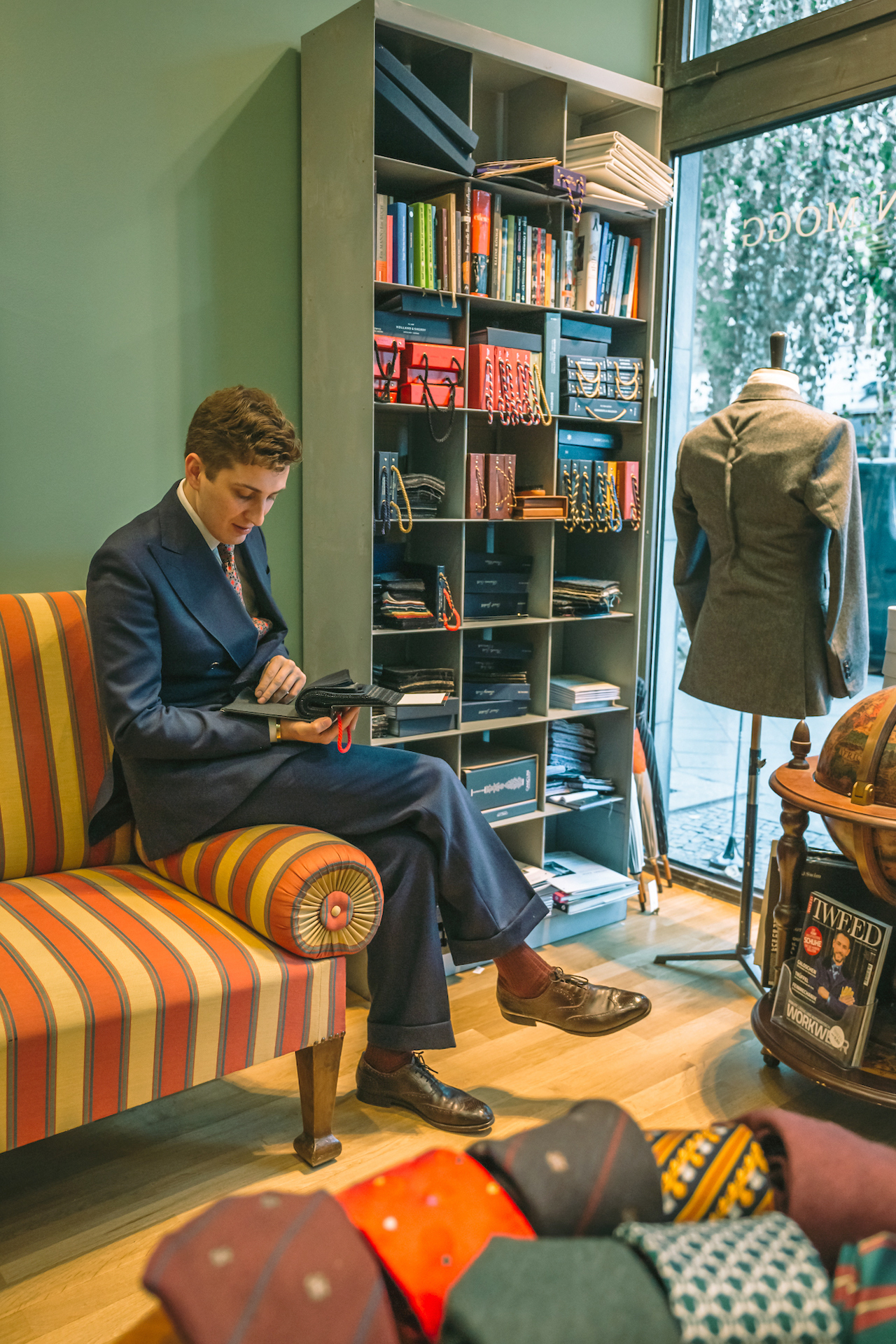
MM: It all starts with one basic assumption. For me, only classic suits, coats, and jackets can sculpt the wearer’s body, communicate formality in a highly-conventionalised way, and be practical at the same time. Our style and cut have to fulfill those three goals.
VR: I trust the “young foolish man” on your site’s story is you. If this is true, why did vintage clothing make such an impression on you?
MM: I can neither confirm nor deny your hypothesis regarding that foolish young man. I can only speak for myself. And, for me, vintage Savile Row suits struck me as being as near timeless in style as something can be and I love the idea of a piece being so well-made that you can pass it on to the next generation. That’s also where my slogan comes from: “My children should wear it, my grandchildren should be inspired by it.”
VR: How would you describe the “House Style” of Maximilian Mogg?
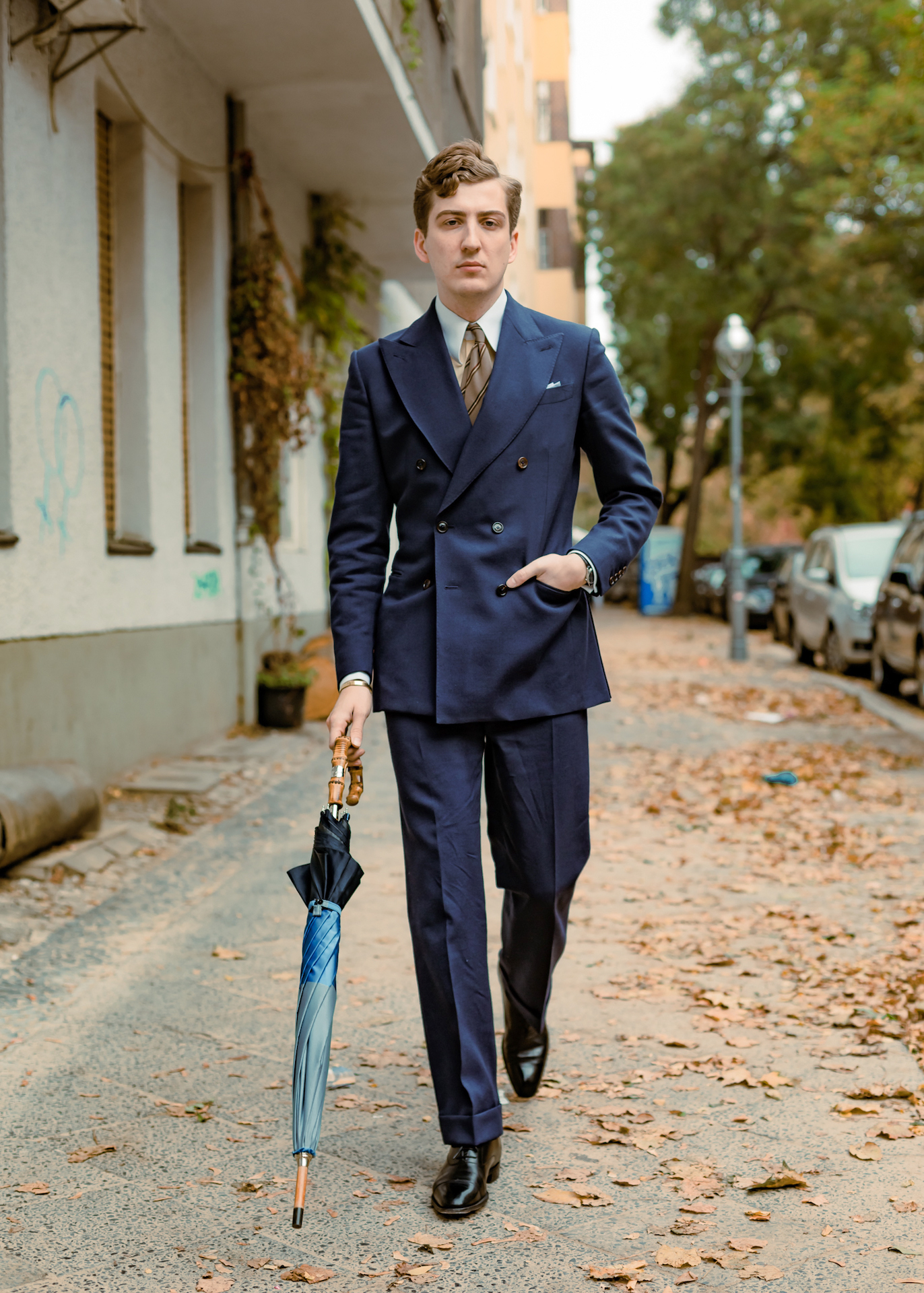
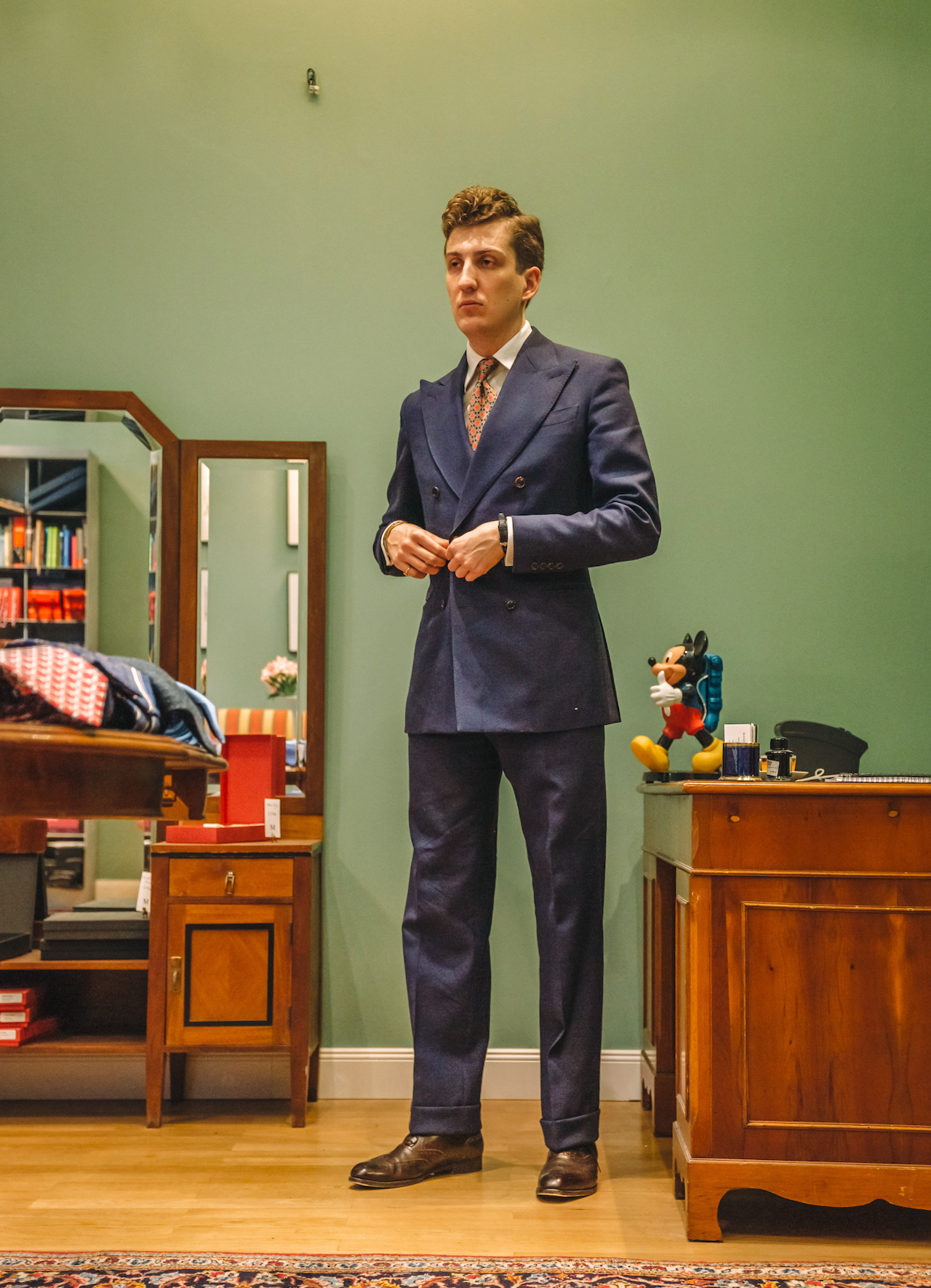
MM: Our house style (which we generally refer to as ‘Deco Drape’) has various inspirations. From the very beginning, Savile Row has fascinated me (It’s still surreal to me that we now regularly host our own trunk shows on the Row). A real game-changer for me was when I was lucky enough to work with Edward Sexton and with his creative director Dominic Sebag-Montefiore, both of whom are great style role models of mine, and purveyors of an incredibly elegant and masculine aesthetic. London and my experiences there were a valuable starting point for our aesthetic.
That being said, there is a secondary reason why British tailoring makes more sense for us. I think the average German/Central European physique is going to be closer to the British than to the average Italian physique, for example. British suits were designed around that physique and, as such, just serve that body type better. The same goes for fabrics. That is why we favour heavier English fabrics (330 g/m and upwards). They are generally more durable (I’ve used vintage fabrics that were thirty years old!), drape better, and fit the weather in Germany better.
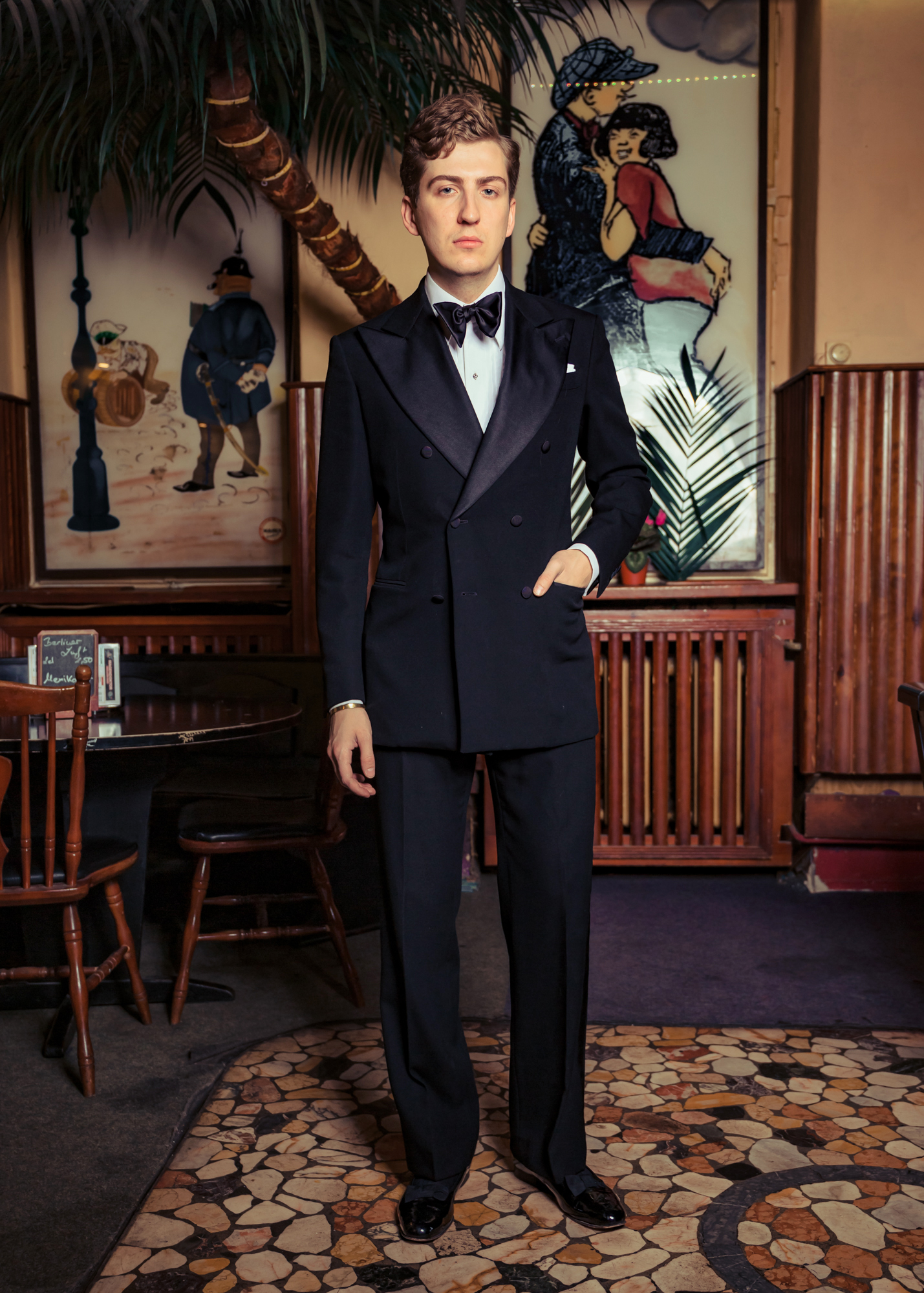
Finally, the Art Déco period and its classic, masculine elegance is another major source of inspiration. This is most clearly reflected in the shape of our lapels and in our signature Zee Jerman shirt collar.
The idea behind our house style is to elongate the wearer’s silhouette and make them appear more athletic. The elongating effect is achieved through various means. We cut the armholes very high (and the sleeves relatively slim), have the overall fit through the body slim but never tight (there should never be any signs of pulling), and cut the back as narrow as possible without restricting movement. This creates an hourglass shape through the body. Then, we give our wide-legged trousers a very high rise, and make sure our jackets are long enough to cover the fork of the trousers. This creates a sort of optical illusion, whereby it looks like the legs never end.
To give the wearer a more athletic look, we cut our roped shoulders a little wider than the natural shoulder line and the chest a bit fuller. Our wide and full-bellied lapels put further emphasis on that broad chest.
The final touch is the button stance, which is relatively low (around the natural waist) and accentuates the narrowest point of the wearer’s body. This is key to making the contrasting elements work together.
VR: Who or what inspires you?
MM: People who are following their dreams.
VR: What’s your definition of style?
MM: Authenticity.
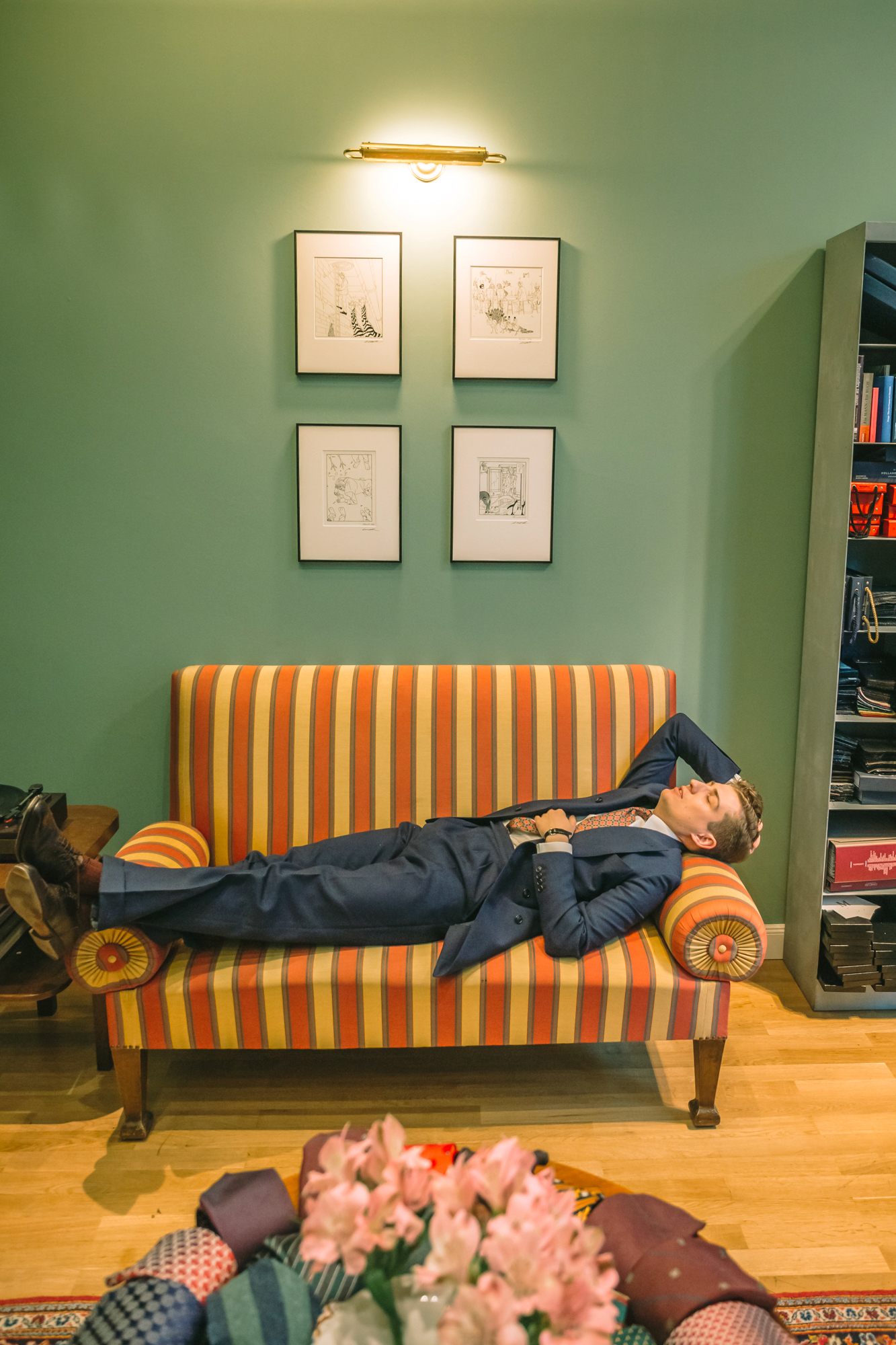
Featuring drawings by M.M.
Category Interviews, Quality Stores, Tradesmen
Copyright © 2013 Ville Raivio