Captain Hogspear and the sport of kings
0February 25, 2014 by Ville Raivio
Category British Style, Videos
The first men’s runway show ever by Brioni in 1952
0February 24, 2014 by Ville Raivio
Brioni made history in 1952 by holding the first ever runway show for men’s clothing in Palazzo Pitti’s Sala Bianca. By this time models did habitually make that terrifying journey down the catwalk, but these shows were only held for women. Tailor Nazareno Fonticoli and entrepreneur Gaetano Savini made history with the help of employee-slash-model Angelo Vittucci, who left the firm in 1963 to found his own emporium in Angelo Roma.
http://www.brioni.com/experience/us/type-stories/1952-la-prima-sfilata-uomo-della-storia/
Category Italian Style, Videos, Vintage
The Tailor of Panama
0February 23, 2014 by Ville Raivio
“A suit from me, Mickie, it’s not a drunken scream. It’s line, it’s form, it’s rock of eye, it’s silhouette. It’s the understatement that tells the world what it needs to know about you and no more. Old Braithwaite called it discretion. If somebody notices a suit of mine, I’m embarrassed because there must be something wrong with it. My suits aren’t about improving your appearance or making you the prettiest boy in the room. My suits are not confrontational. They hint. They imply. They encourage people to come to you. They help you improve your life, pay your debts, be an influence in the world.”
~ Harry Pendel in The Tailor of Panama
Category Quotations
Anatomy and review of Hilditch&Key shirts
0February 23, 2014 by Ville Raivio
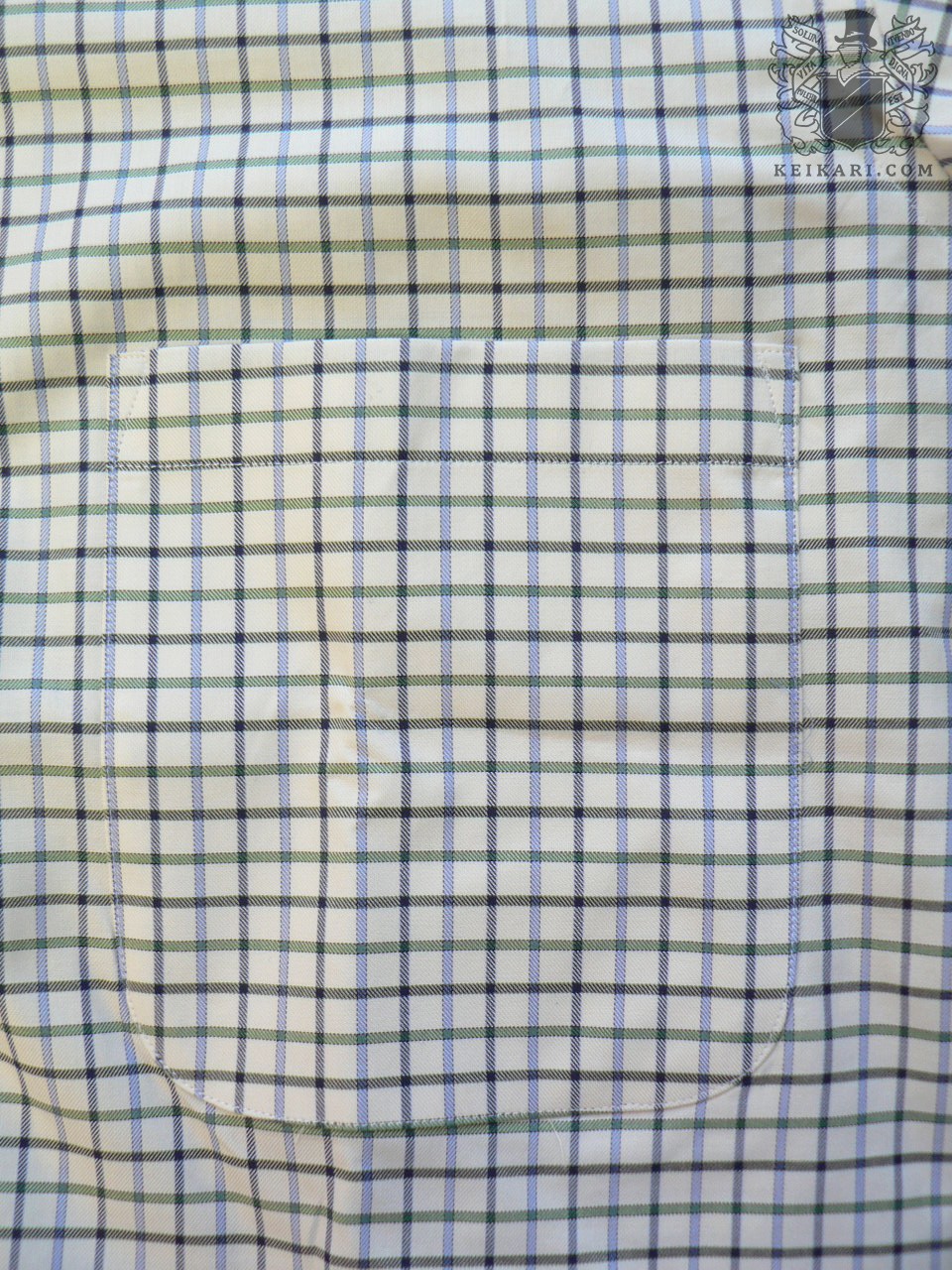
Hilditch&Key has been making very British shirts since 1899, and represents the old guard of Jermyn Street. They offer 10 shirt collections, ties, formal wear, knitwear, nightwear, accessories and other wear for men, with a smaller offering for the ladies. A basic shirt from them is priced at three digits, costing around 120 pounds in England, and sales offer no relief for the frugal man as H&K’s sales percentages are miniscule. The company uses woven Italian and English 2-ply fabrics, mother of pearl buttons and has production in Scotland. All collars and cuffs are unfused, sewn instead of glued. A small leaflet comes with every shirt, espousing the quality and details as follows: removable collar bones, two-piece yoke cut on the bias, pattern-matching throughout, reinforced gauntlet with extra fabric, gussets, two-piece collar turned by hand, MoP buttons, longer tails, very nice fabrics, dense single needle stitching, shirts pressed by hand. With all these nice details, a closer look at a H&K shirt was in order.
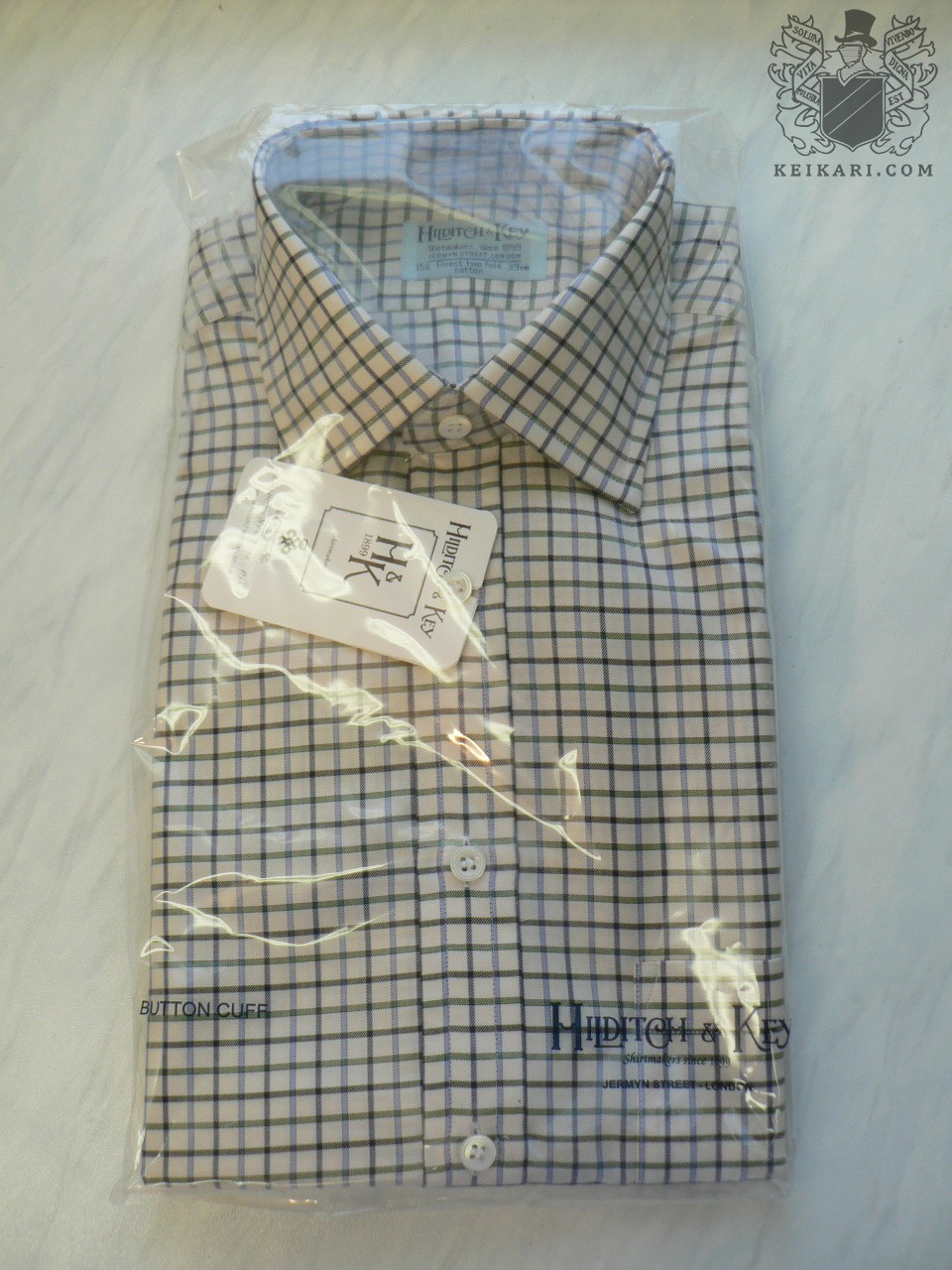
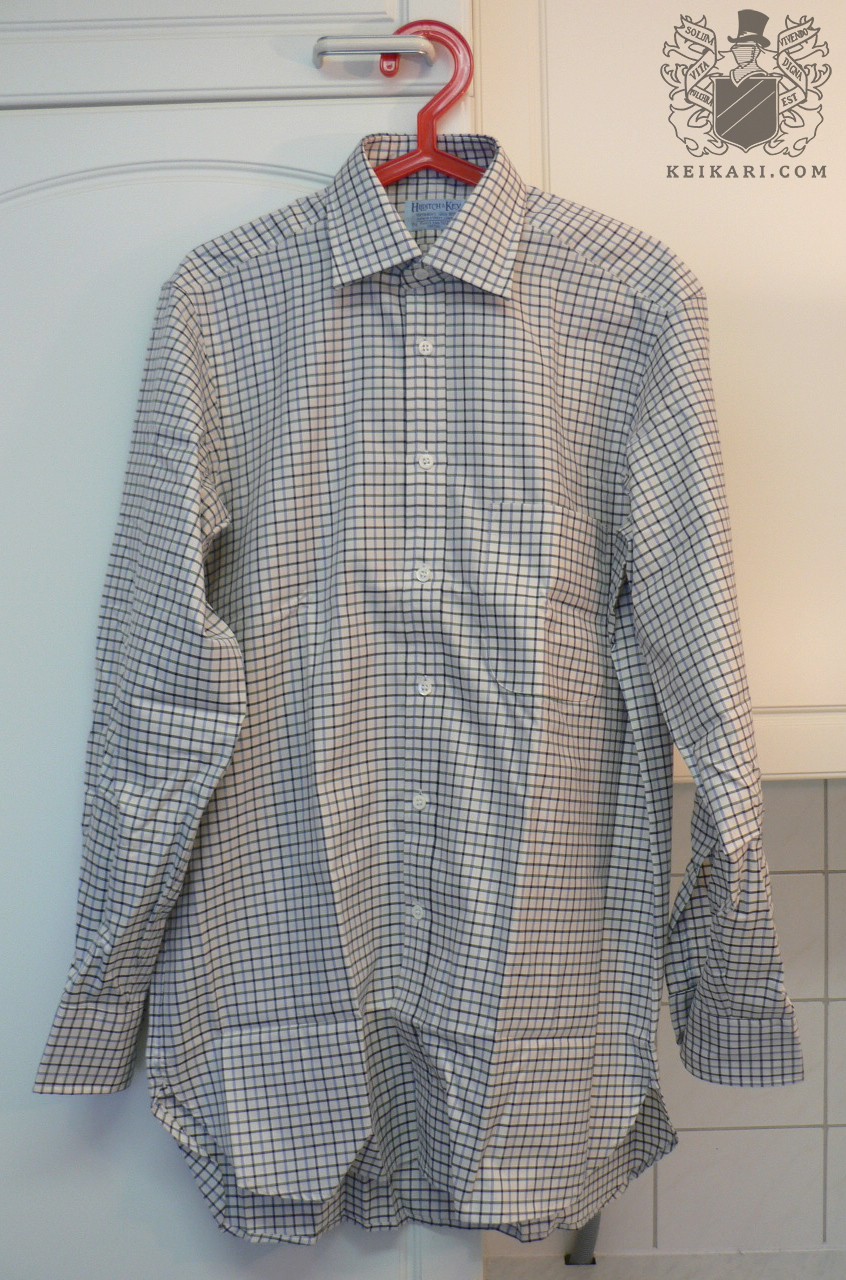
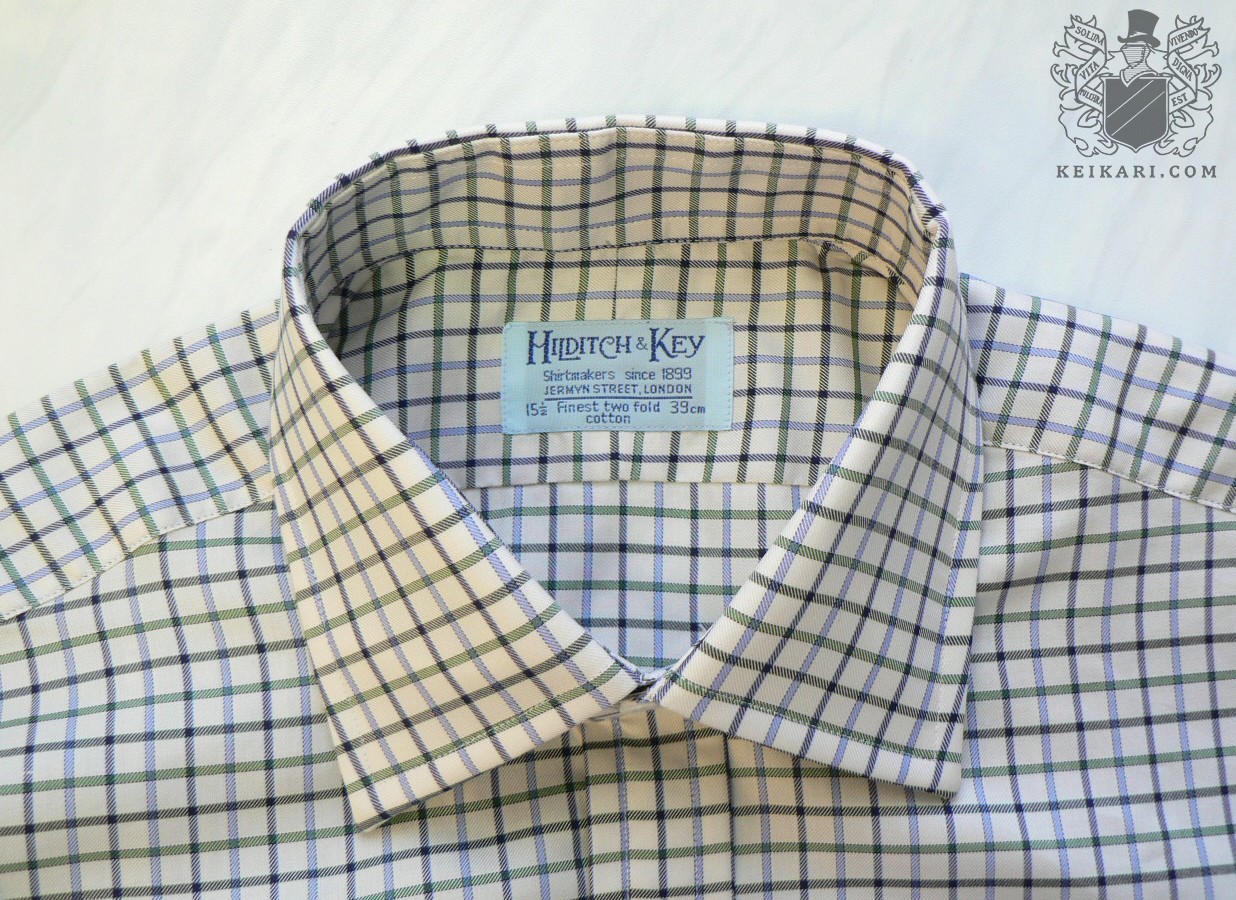
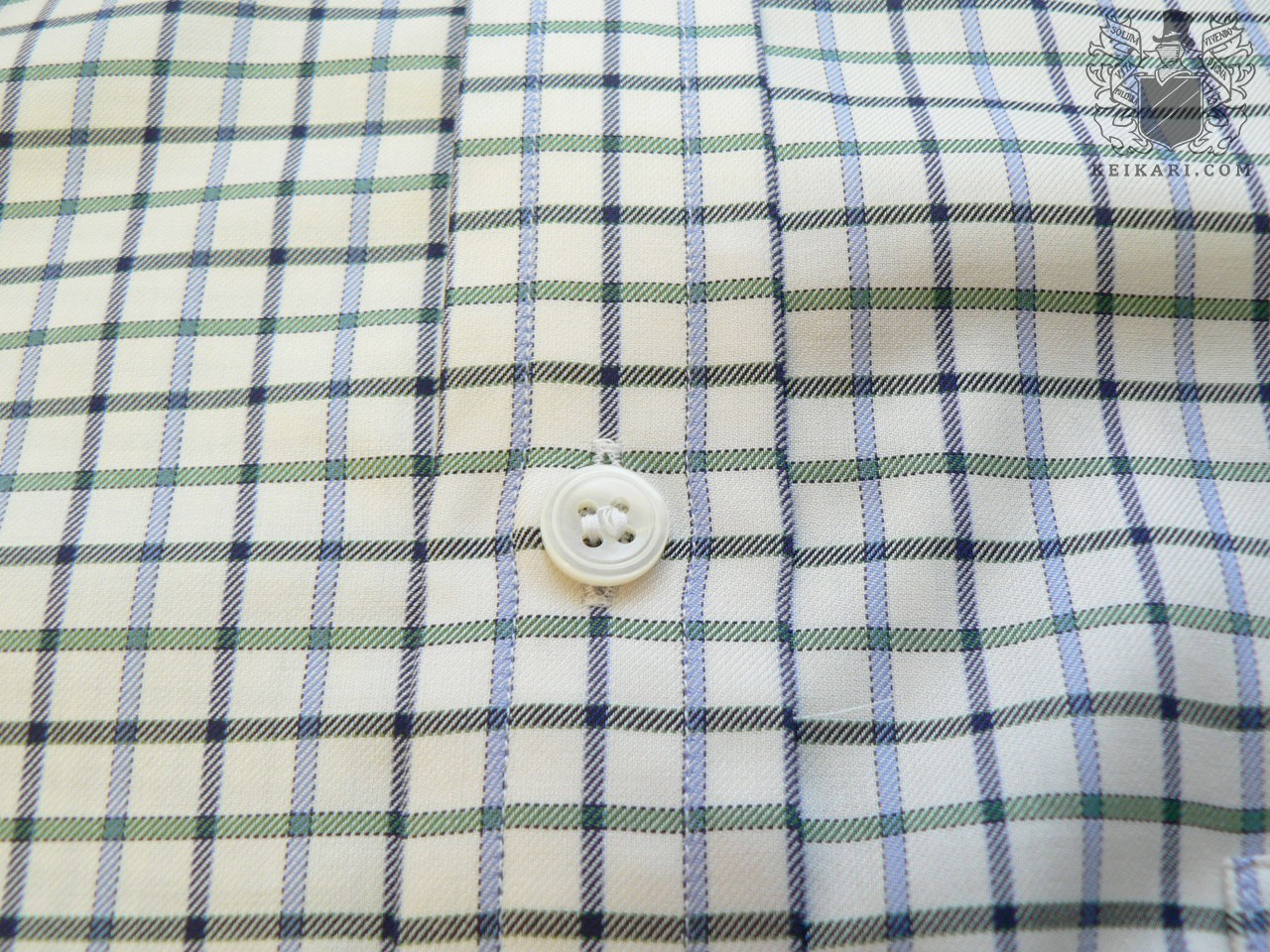
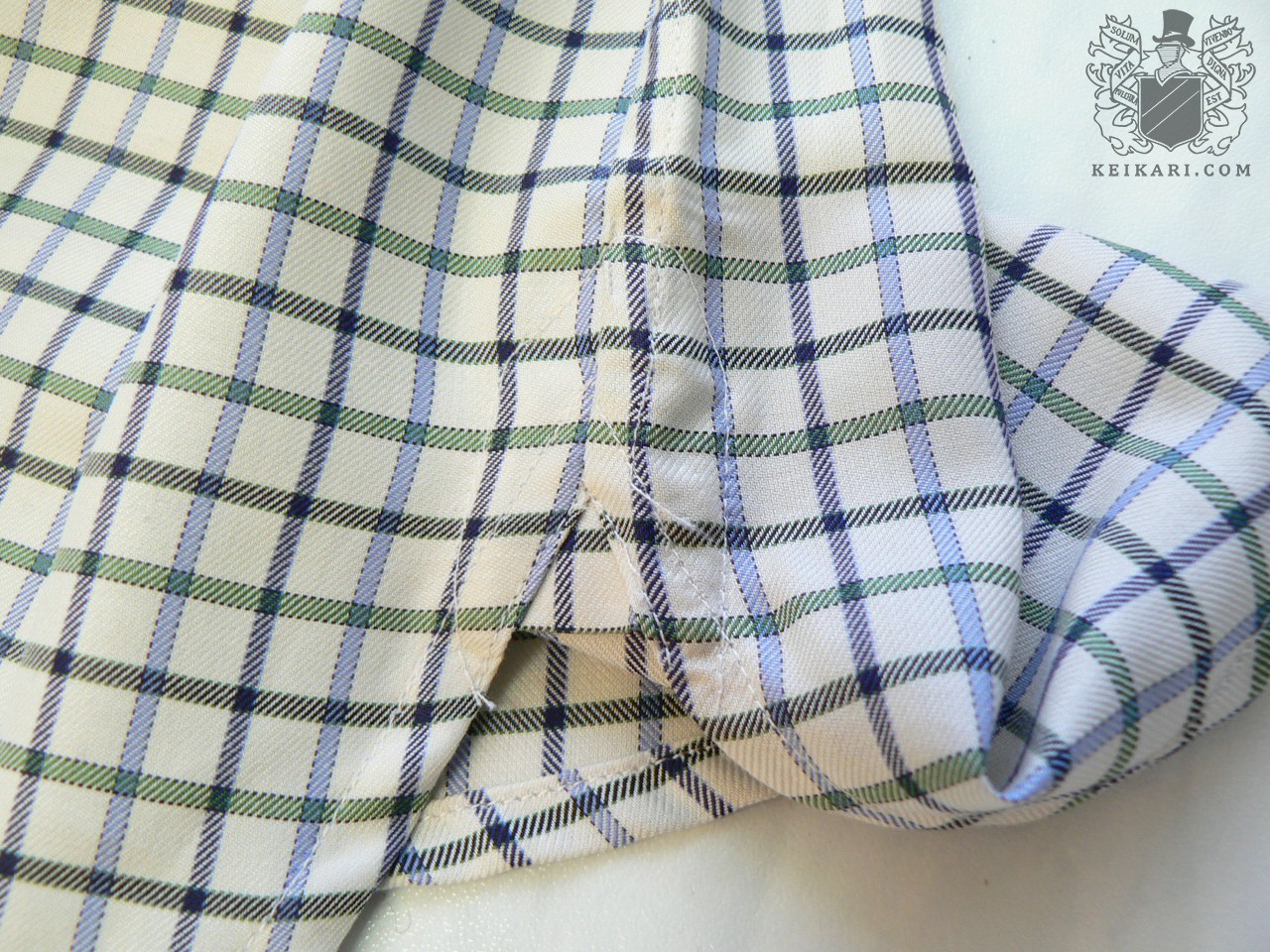
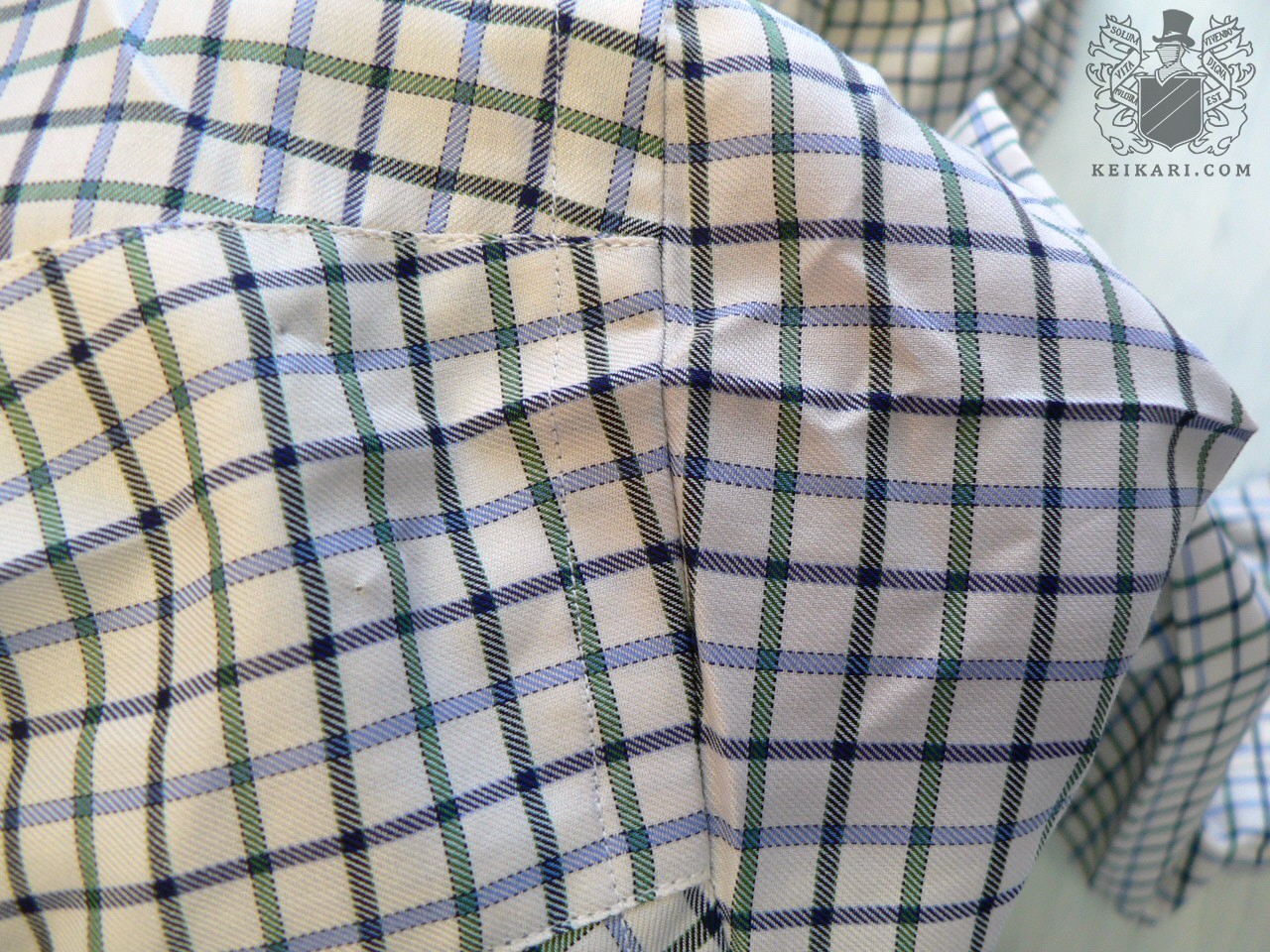
The example shirt is a checked one from the firm’s Chatsworth range, a button cuff model with chest pocket and classic collar. All collar shirts rise and fall with their collars, so this variable must be taken care of first. I want to be clear: Hilditch&Key’s classic collar is the dullest, most sad thing called a classic collar on Jermyn Street. While the back height is a reassuring 4.3 cm, the points end at 7.7 cms with an 8 cm spread, which makes for a maximally understated miniscule collar. When buttoned, the collar demands a tiny tie knot lest the points rise from the body of the shirt. A look most odd for any chap with broad shoulders or wider face. What’s good and proper: the single needle stitching is neat and even all around, the purl buttonholes are tight and clean, the MoP buttons are pleasant and have not broken in three years.
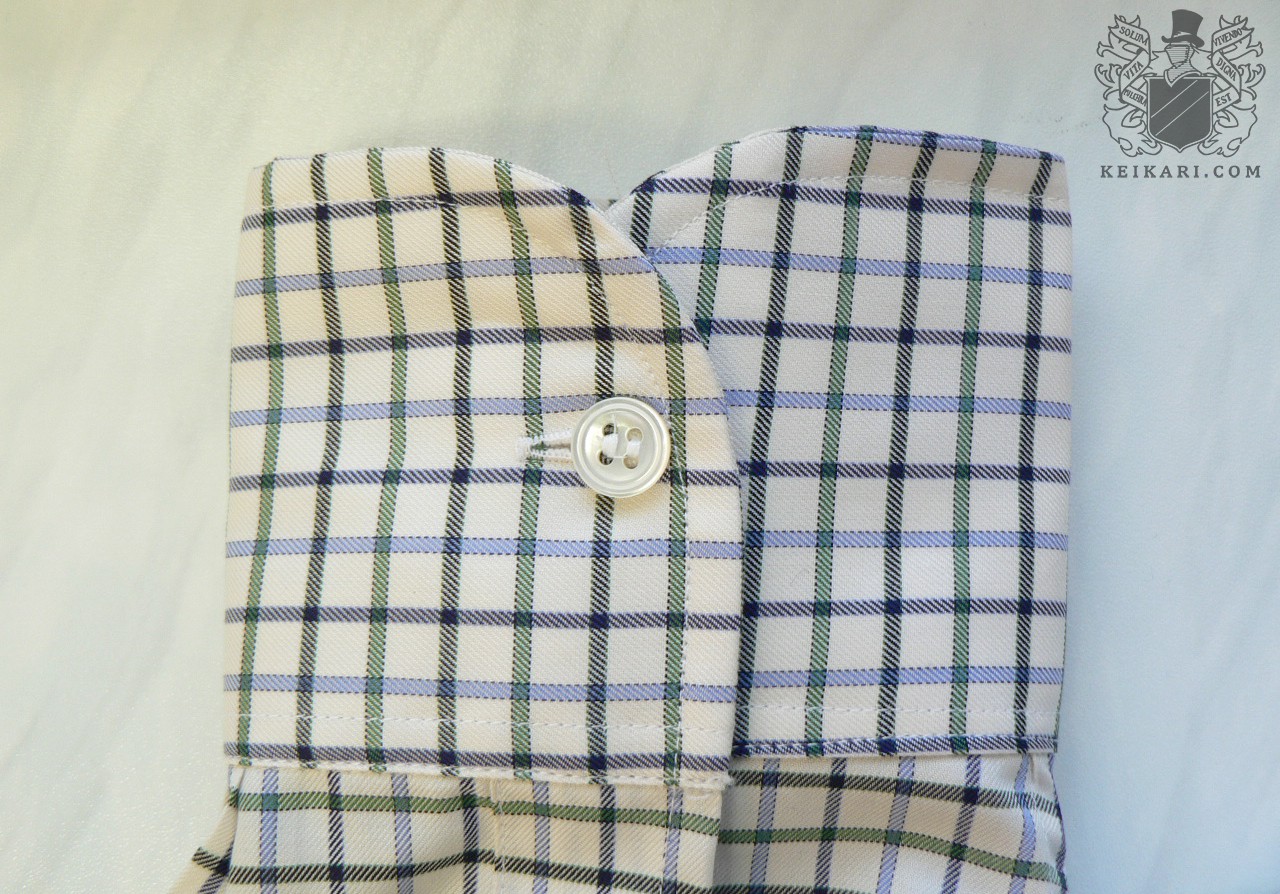
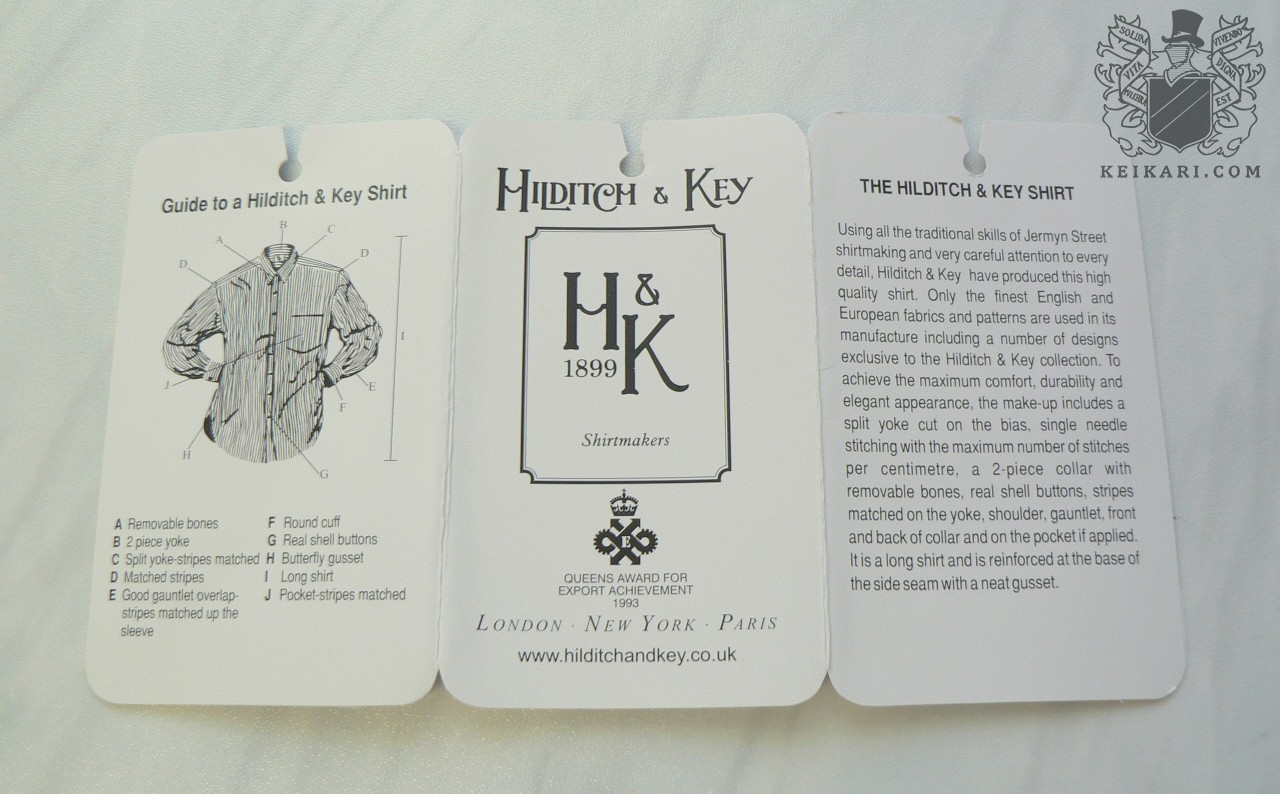
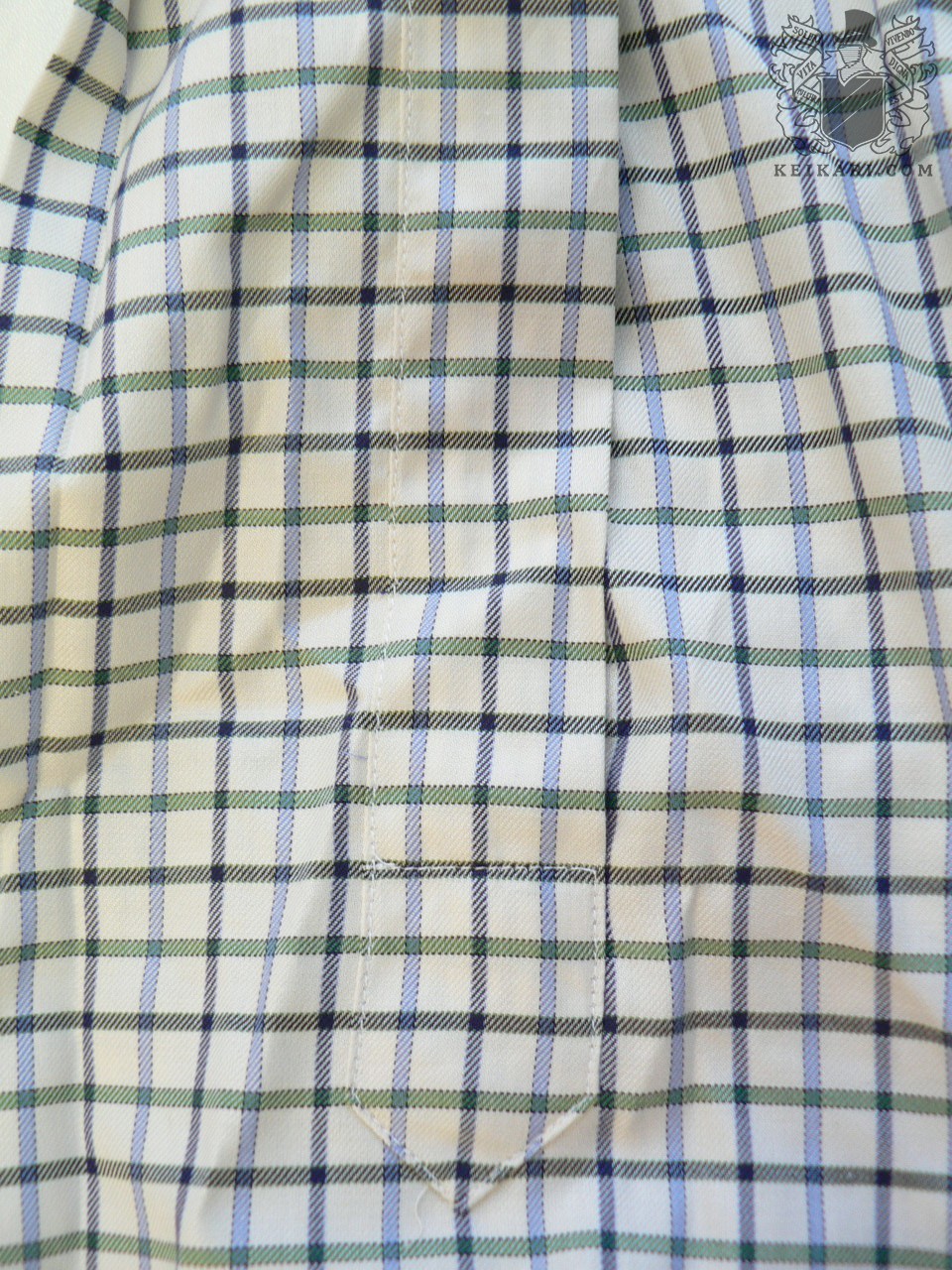
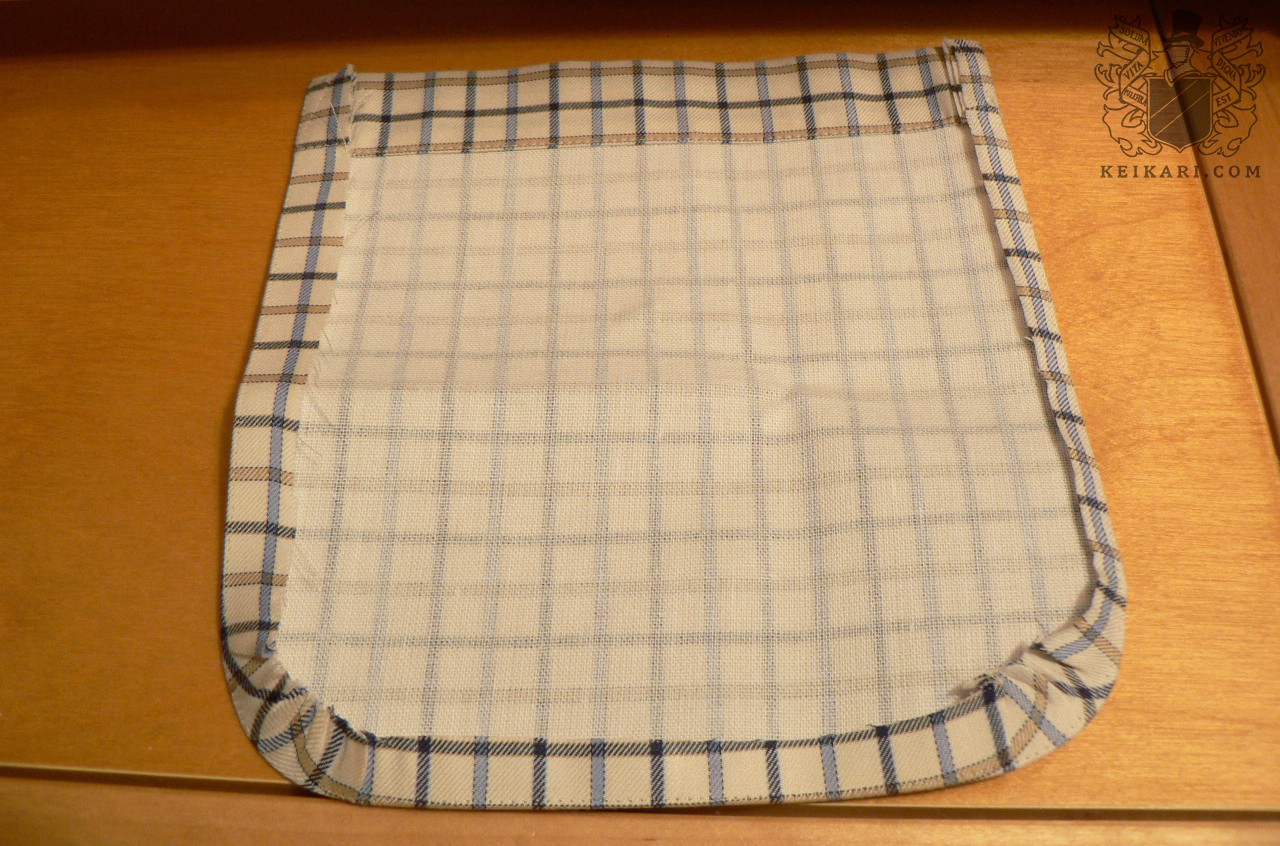
Pattern matching is very careful, placket is sturdy and pleasantly wide at 3 cms. The long tails do stay tucked in no matter what, seams are tidy and armholes have been cut high, if not small, to allow great range of movement. The overall cut is average, not for the corpulent or wisp-thin but normal. While I’d prefer a stiffer lining on the collar and cuffs, these H&K’s unfused models do stay presentable after ironing. They’re also pleasant on the wrist and neck. The shirt fabric is very smooth, soft and enjoyable. It hasn’t really aged in three years. The button cuffs are okay, not interesting but not poor either. A last surprise: after removing the chest pocket, which has no real use for any trouser-wearing man, I noticed that the pocket came with lining. Something to guarantee a somewhat stronger pocket. I’ve never seen a similar detail from other shirt makers.
For a bit over one hundred pounds, Hilditch&Key offers a well and carefully-made shirt with many fine details. It fails to offer an interesting collar, one with shape and presence like Turnbull&Asser’s, its closest competitor in both make and pricing. The selection is wide enough, with excellent fabrics, and the very British unfused construction is a huge bonus in my strange books. With an hour or two spent in collar design, H&K might offer the best British shirt on the market. What’s available now is a nosedive in collars, when all other details are in order. Coming so close and failing in the one variable that lends its name to a garment is ironic if not moronic. Still, make no mistake, these are some good shirts.
http://www.hilditchandkey.co.uk
First published in Finnish 8.9.2011.
Category Jermyn Street, Quality makers, Reviews, Shirts
Interview with Hiro Yanagimachi
0February 23, 2014 by Ville Raivio
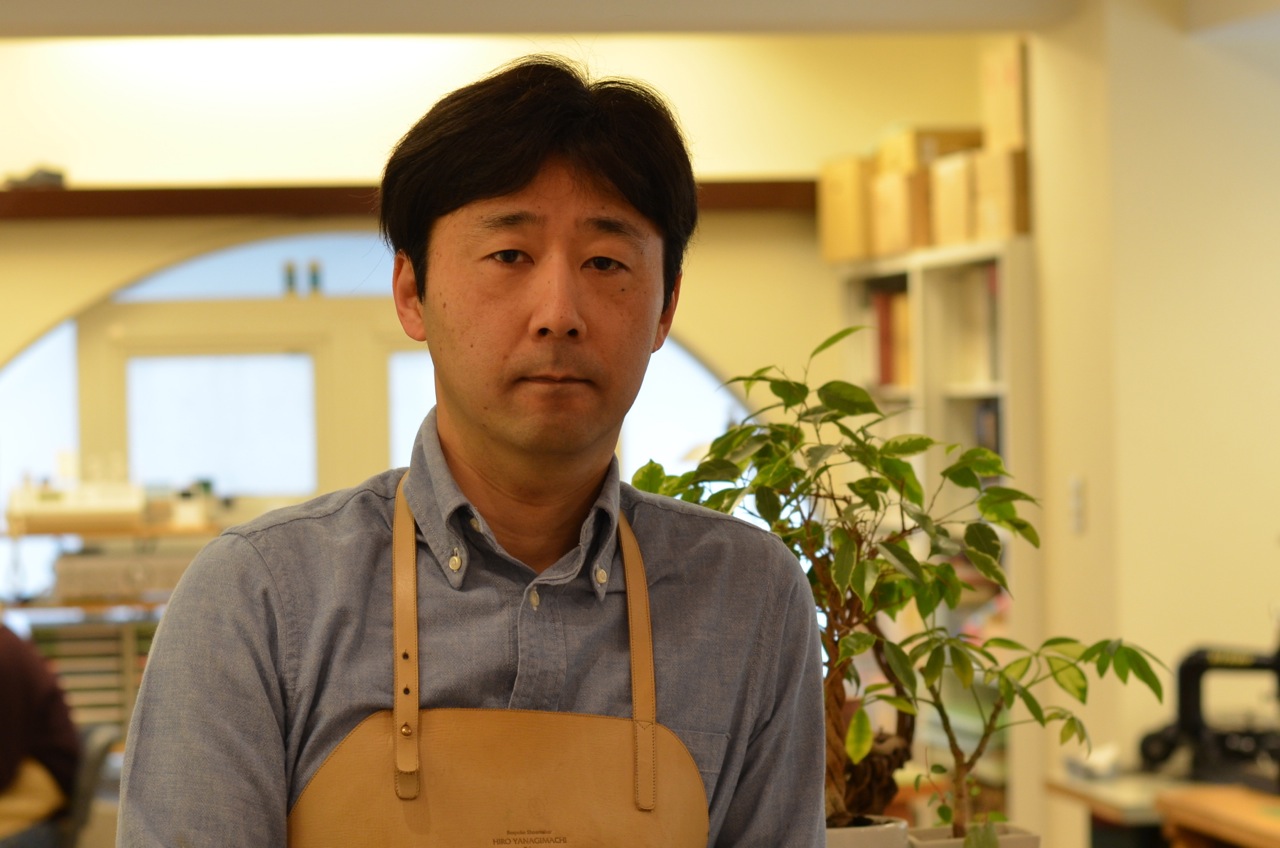
VR: Your age and occupation?
HY: I am 49 years old and a bespoke shoemaker.
VR: Your educational background?
HY: I have studied Industrial Design at ChibaUniversity and graduated in 1990, with a master’s degree in Industrial Design. I had learned shoemaking at London Cordwainers’ College, graduated with honors in 1996, and got a Higher National Diploma.
VR: Have you any children or spouse (and how do they relate to your shoe enthusiasm)?
HY: I have a wife but no children. She always supports me a lot and gives a good mental condition for me to be able to concentrate to shoemaking.
VR:…and your parent’s and siblings’ reactions back in the days?
HY: They might worry about me when I decided to go to London to study shoemaking. But now they understand my job and way of my life.
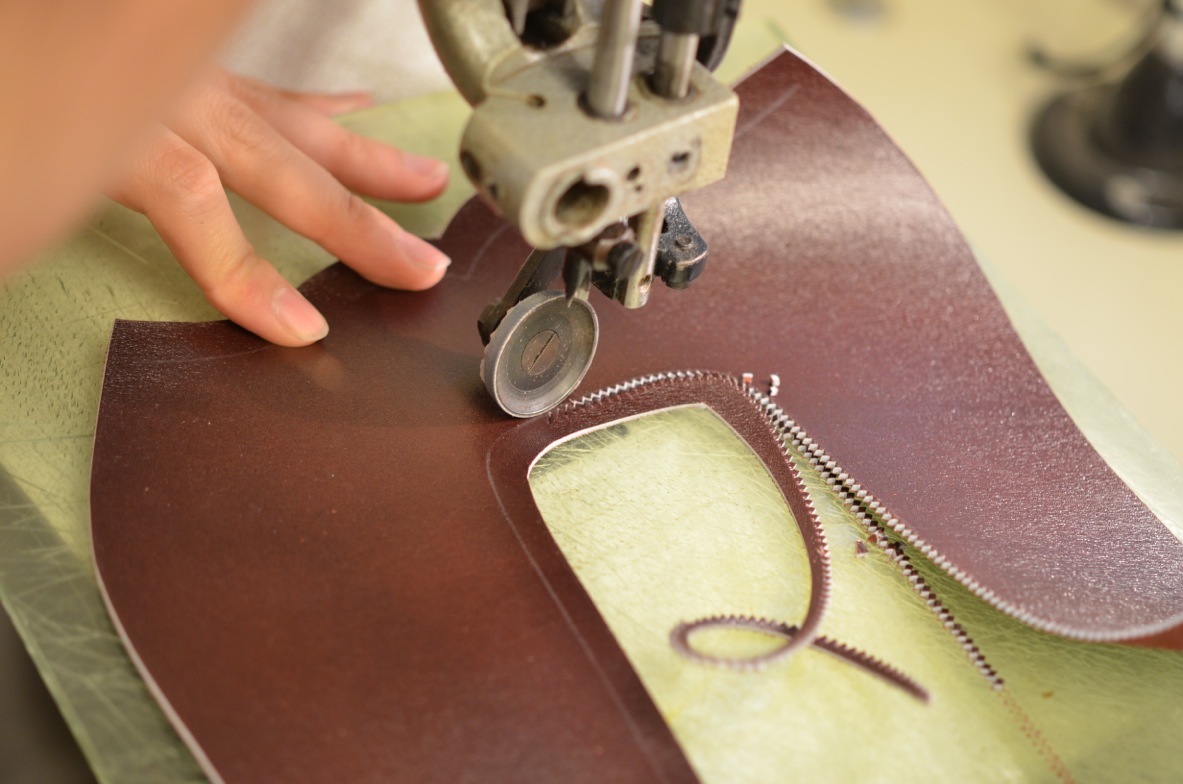 Gimping for style
VR: What other hobbies or passions do you have besides shoemaking?
HY: I don’t have any hobbies in particular.
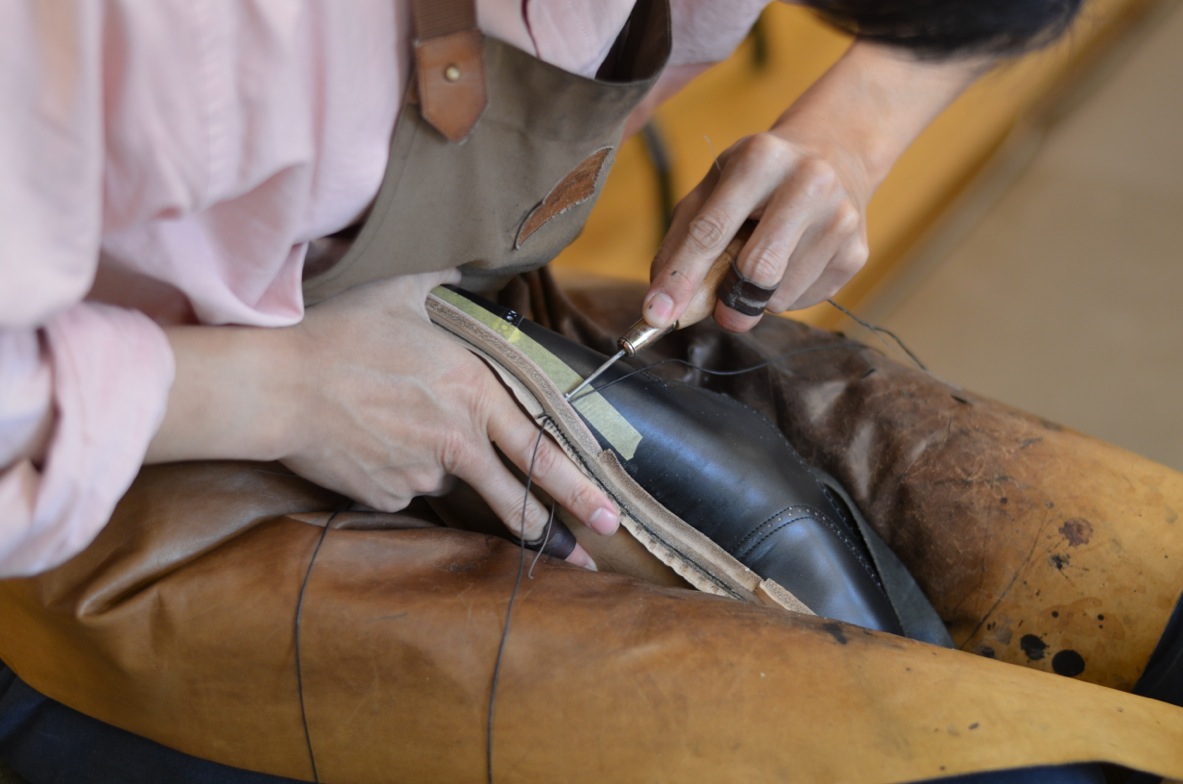 Tight stitching
VR: How did you first become interested in footwear, and when did you turn your eyes towards classic models? Why classics instead of fashion?
HY: I have been interested in footwear as a part of fashion since my youth. When I was an industrial designer, one day I saw a magazine that introduced English classic leather shoes. Beautiful shoes, attractive leather materials, craftsmanship and its traditional culture, all of them made a deep impression on me. Maybe that was the first time I had a strong interest in classic footwear and turned my eyes towards it. Fashion changes time with time and this change itself is the essence of fashion. Classics do not mean old, it includes knowledge, technique and style that has succeeded predecessors beyond the times. That is the reason why I chose the classics.
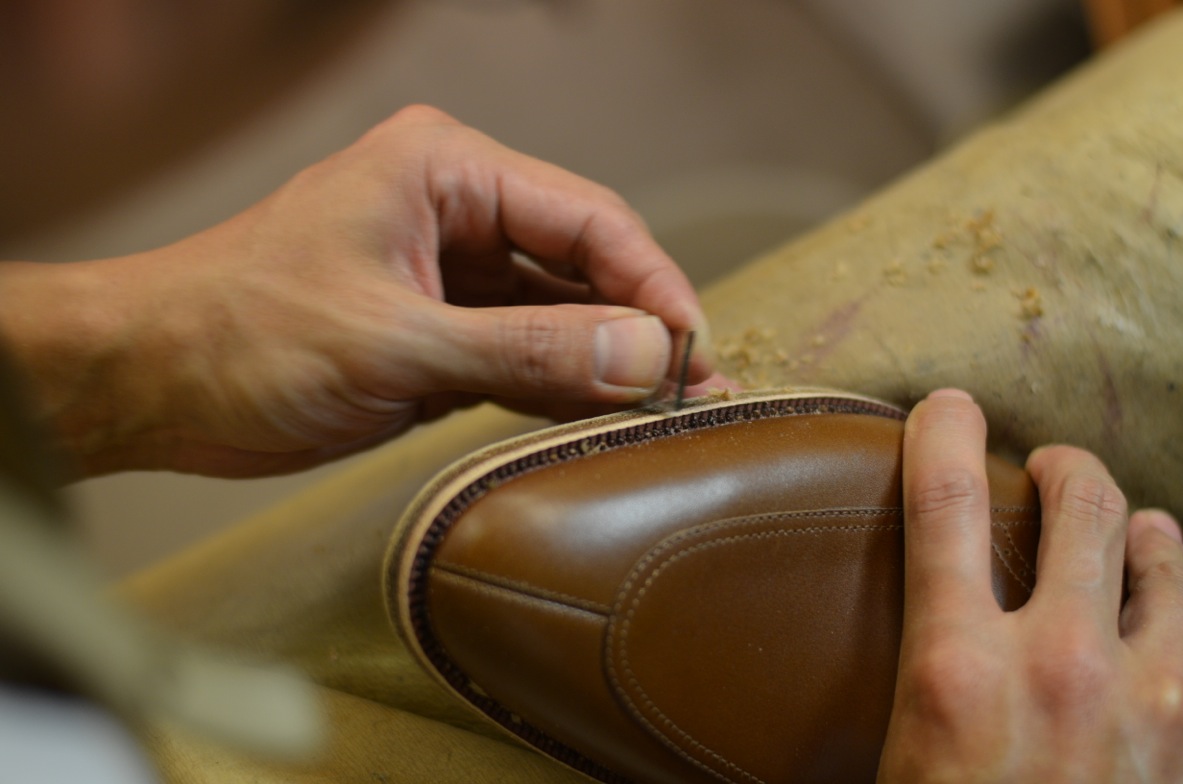 Broken glass for smooth welt
VR: How have you gathered your knowledge of shoemaking — from books, in-house training, workshops or somewhere else?
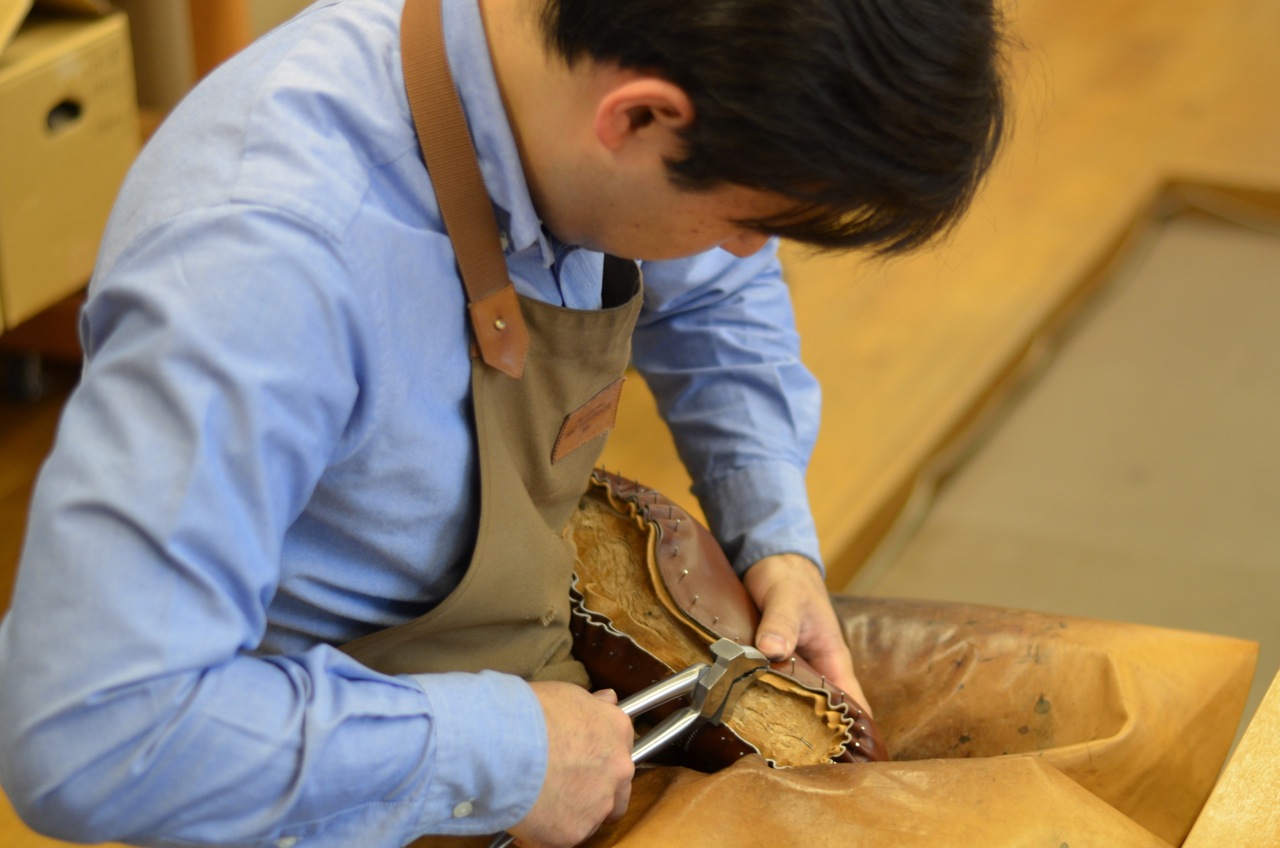
HY: I studied basic footwear design and technology at Cordwainers’ College in London. During this period I learned hand-sewn shoemaking which was just experience to understand the traditional way of shoemaking. I made two pairs of shoes only. I also had an opportunity to learn last making at bespoke shoemaker John Lobb Ltd. I had learned how to make a bespoke last there, but for a very short period only, I merely made two pairs of last. So, almost all of my knowledge and techniques of bespoke shoemaking have been self-learned at the workshop. I have developed my shoemaking skills by trial and error through my daily works. My shoemaker friends and old books or documents help me understand shoemaking knowledge very much, of course.
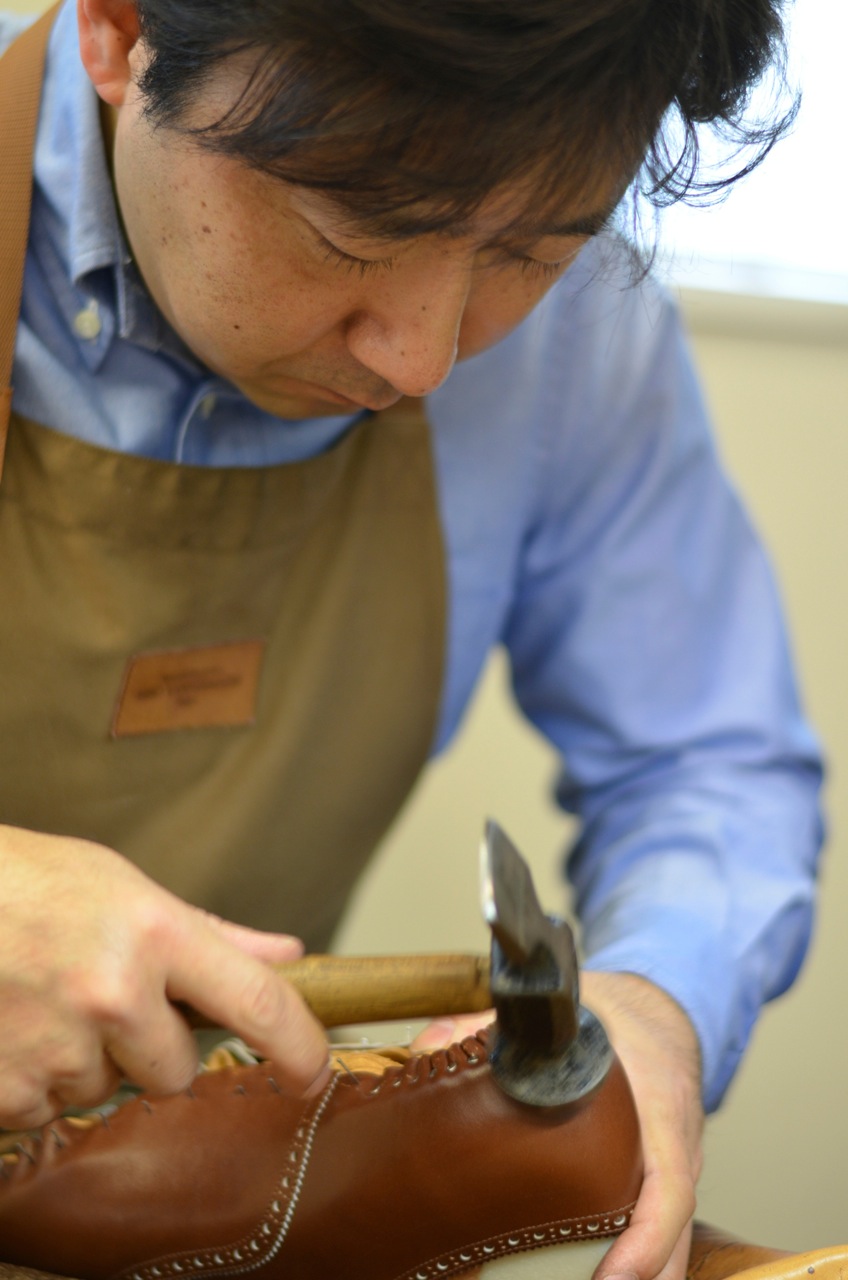
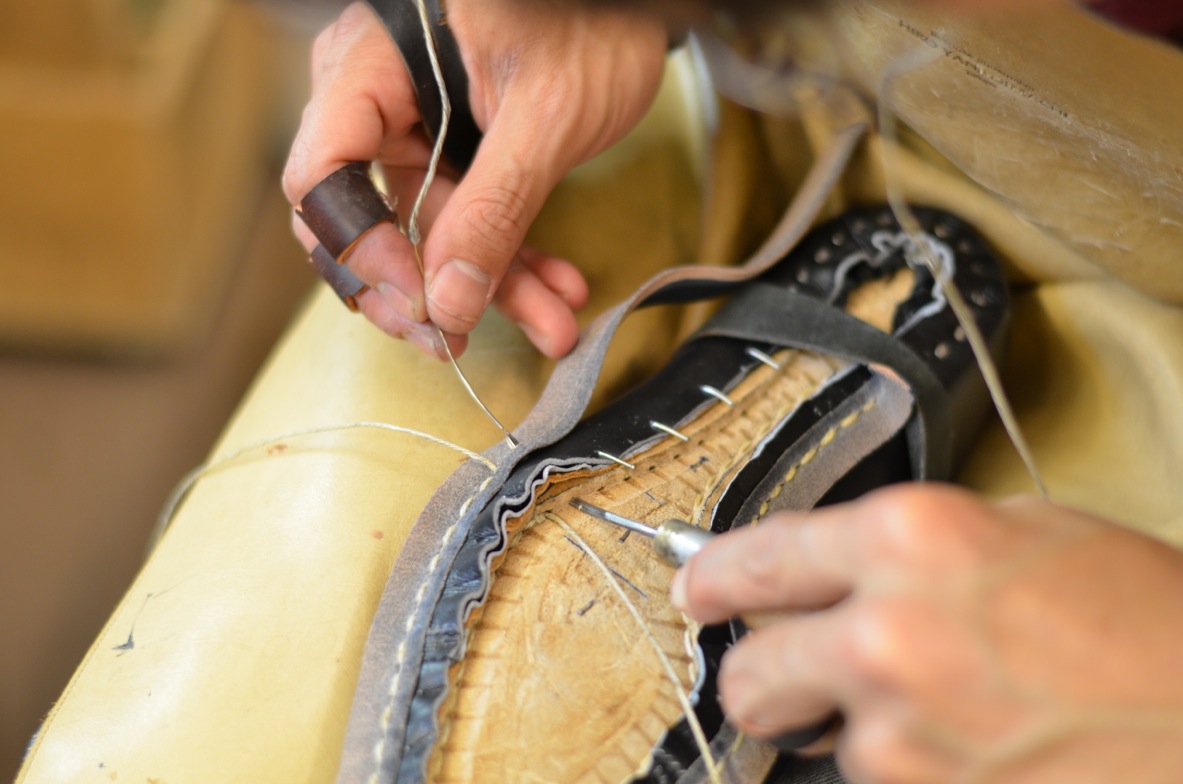 Welting
VR: Please tell us how your company was born and what goals you set for yourself in the beginning. How have you been received so far?
HY: I started my workshop at a different place in 1999. My workshop was in the shoe retail shop “World Footwear Gallery” (located very close to the present workshop). At this time there was almost nothing that could be called bespoke shoe workshops or culture itself in Japan. So, it was a new trial in collaboration between shoe retailers and shoemakers to introduce and to spread the hand made shoe or bespoke shoe culture within the Japanese shoe market. We wanted to tell the consumer that you could get shoe bespoken as an alternative to readymade purchases. I have built up my bespoke shoemaking service step by step by thinking of the customer’s needs.
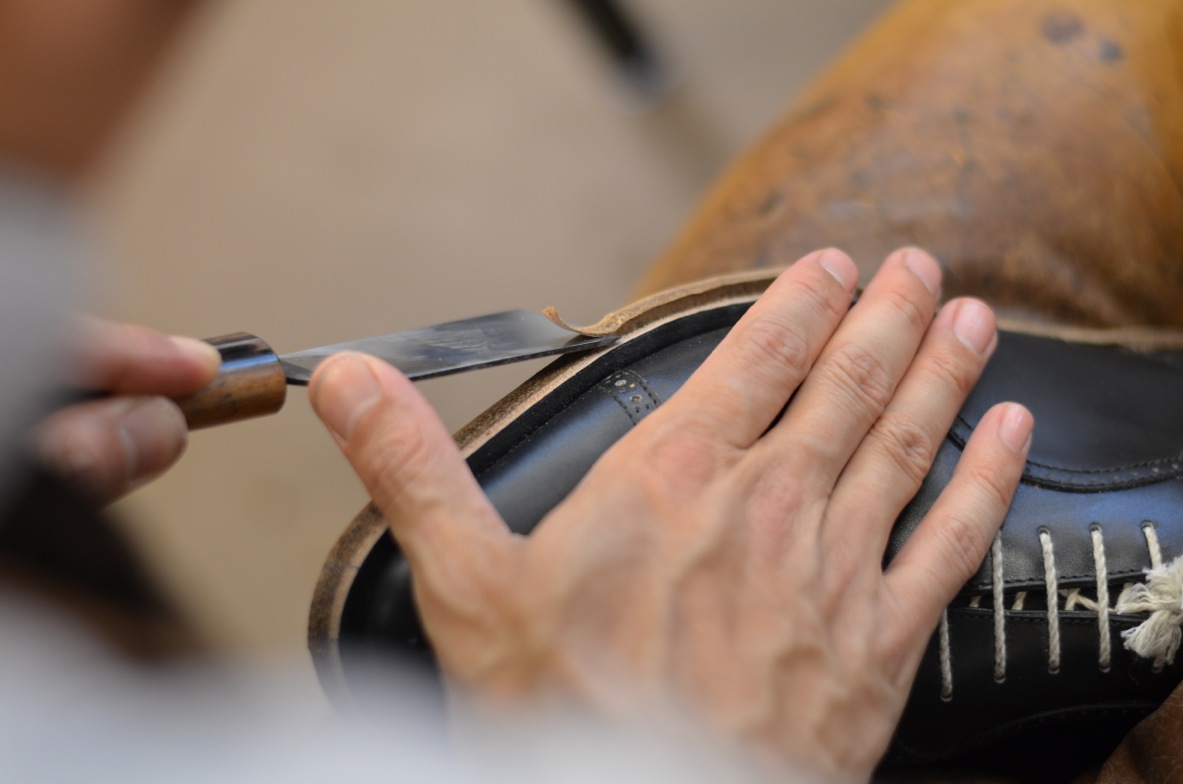 Trim welts
VR: Do you have a favourite shoe model (eg. monk, derby, oxford, balmoral boot) and leather type?
HY: I love all types of shoe models. But if I had to choose one, I’d choose the ghillie model that has loops on the face instead of eyelets. There are some ghillie models in our collection that some people might see as the icon of HIRO YANAGIMACHI. My favorite leather materials are box calf and pure aniline finished smooth calf leather. They are very elegant and also very durable materials, which are essential features required for a classic shoe.
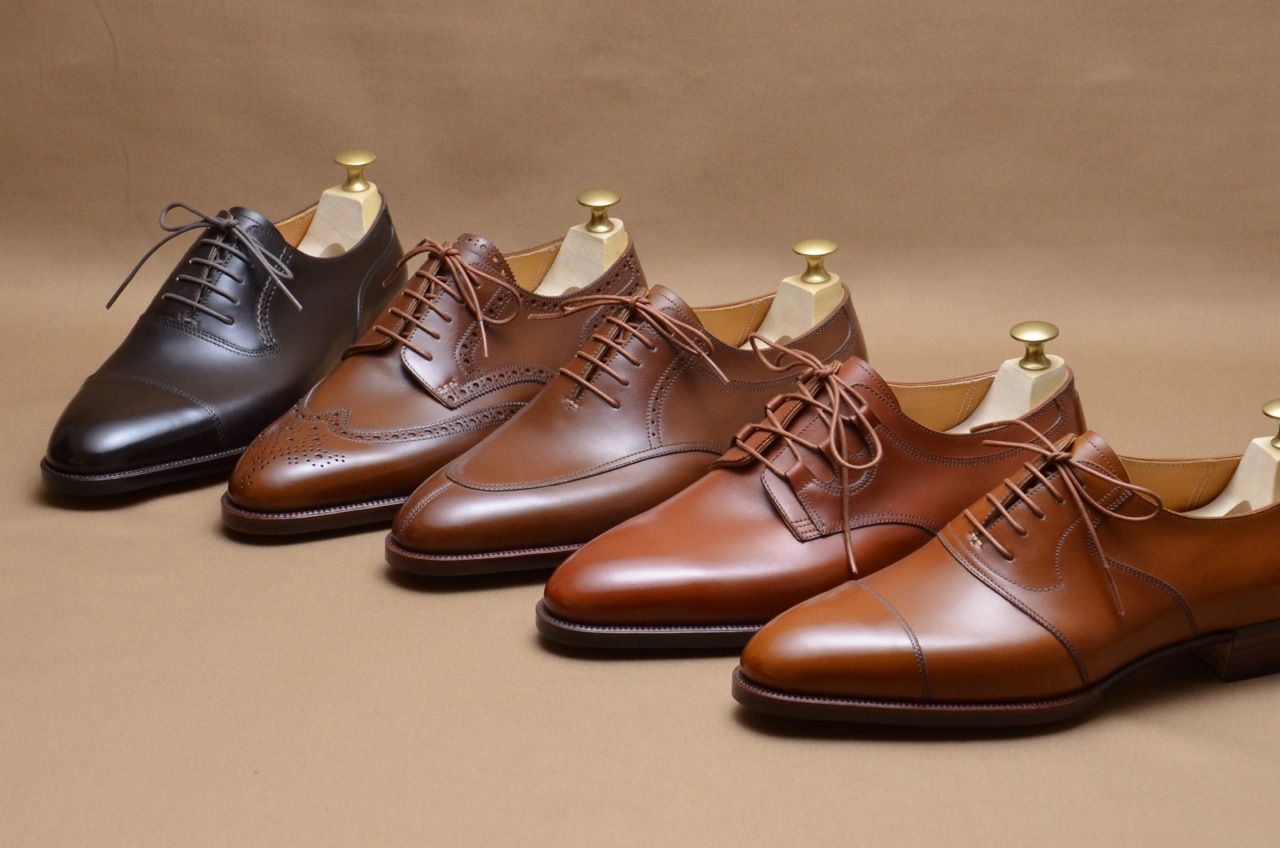 Yanagimachi selection
VR: How would you describe the ‘house style’ of the shoes you make?
HY: I consider that our “house style” is not visible but invisible. I believe that our customer can feel it in our shoes and regards that it is the HIRO YANAGIMACHI style. I attached a part of “A Message from Us” from our English web site below that expresses our shoemaking philosophy very well. I could call it “my/house style”.
HIRO YANAGIMACHI shoes are based on traditional shoemaking knowledge and techniques, but this does not mean returning to, or remaining in, the past. In a time of continuous change, we look to the present and future in order to respond to customers’ modern lifestyles and needs. While carrying on the essence of shoemaking tradition and bearing in mind our responsibility to preserve it, we continually challenge ourselves and always aim to innovate.
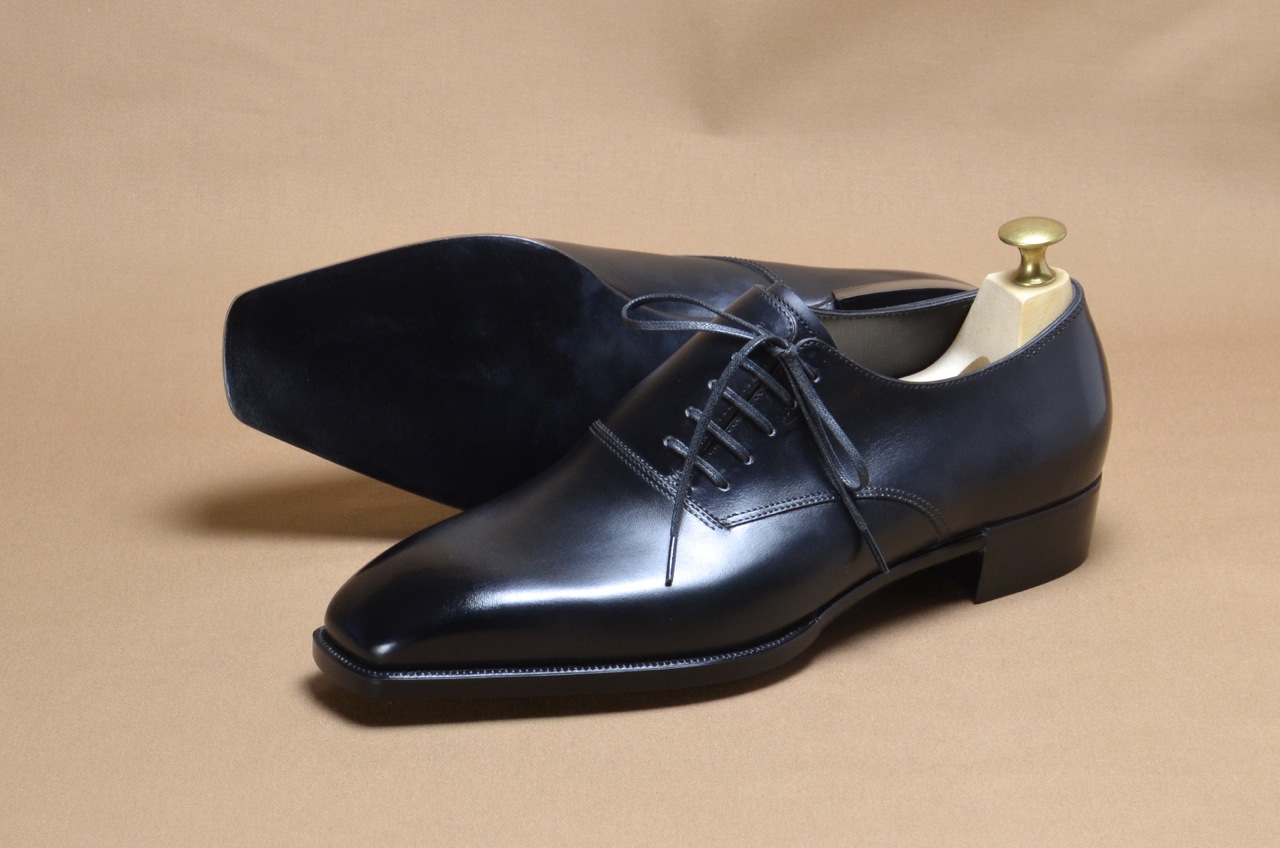 Side lace oxfords
VR: I understand you’ve just launched an international website. Should my readers look for new ventures or trunk shows from you anytime soon?
HY: I am very sorry to say that I have no idea about overseas trunk shows at the moment. I just wanted to introduce us to the non-Japanese speaker as a first step to the next trial that has not been decided exactly yet. So, it is one of the possibilities that we might set up overseas trunk shows in the near future. But to realize it, I have to find collaborators.
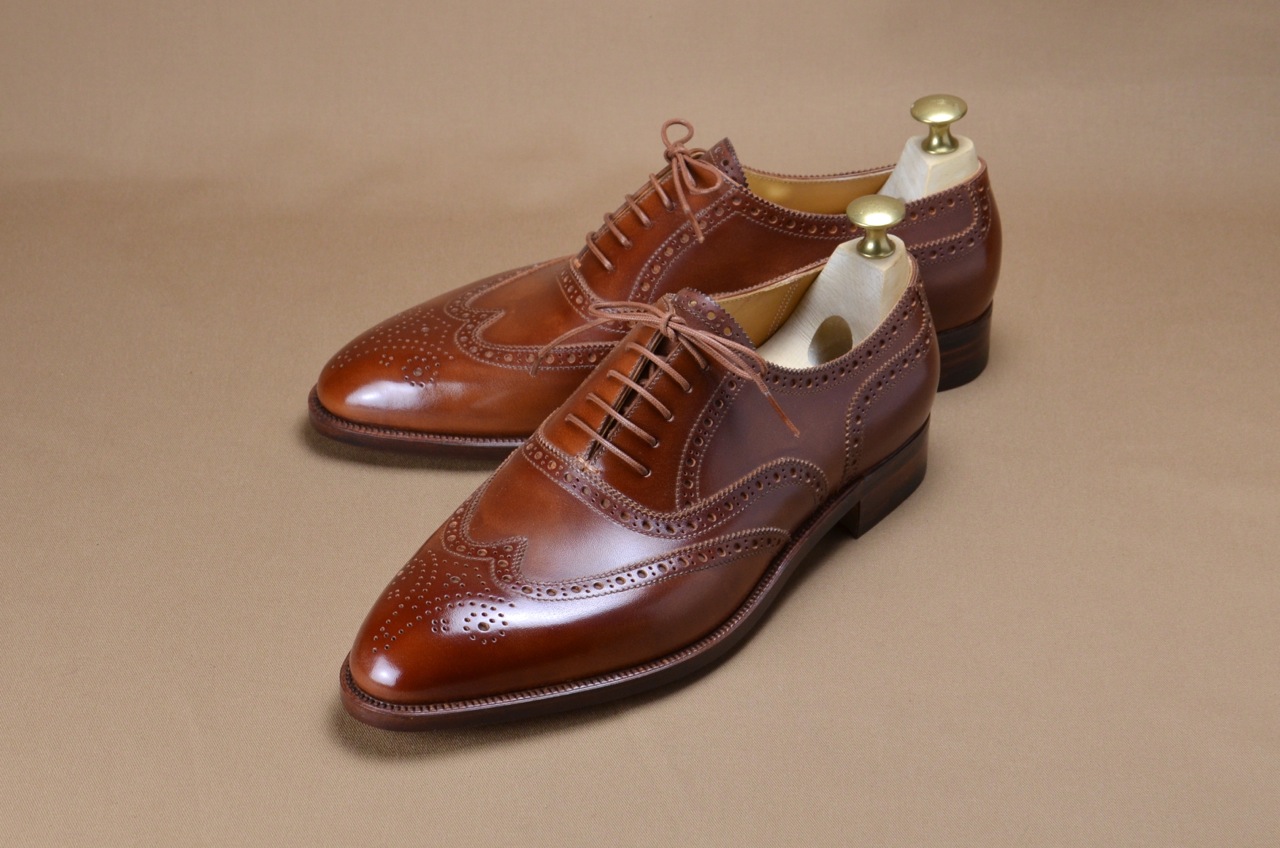 Full brogues
VR: How would you describe your own dress? Which tailors or RTW makers do you favour?
HY: Sorry, I don’t have any particular answer for this question. I am a shoemaker, so the ordinary style I choose has to be appropriate wear to work.
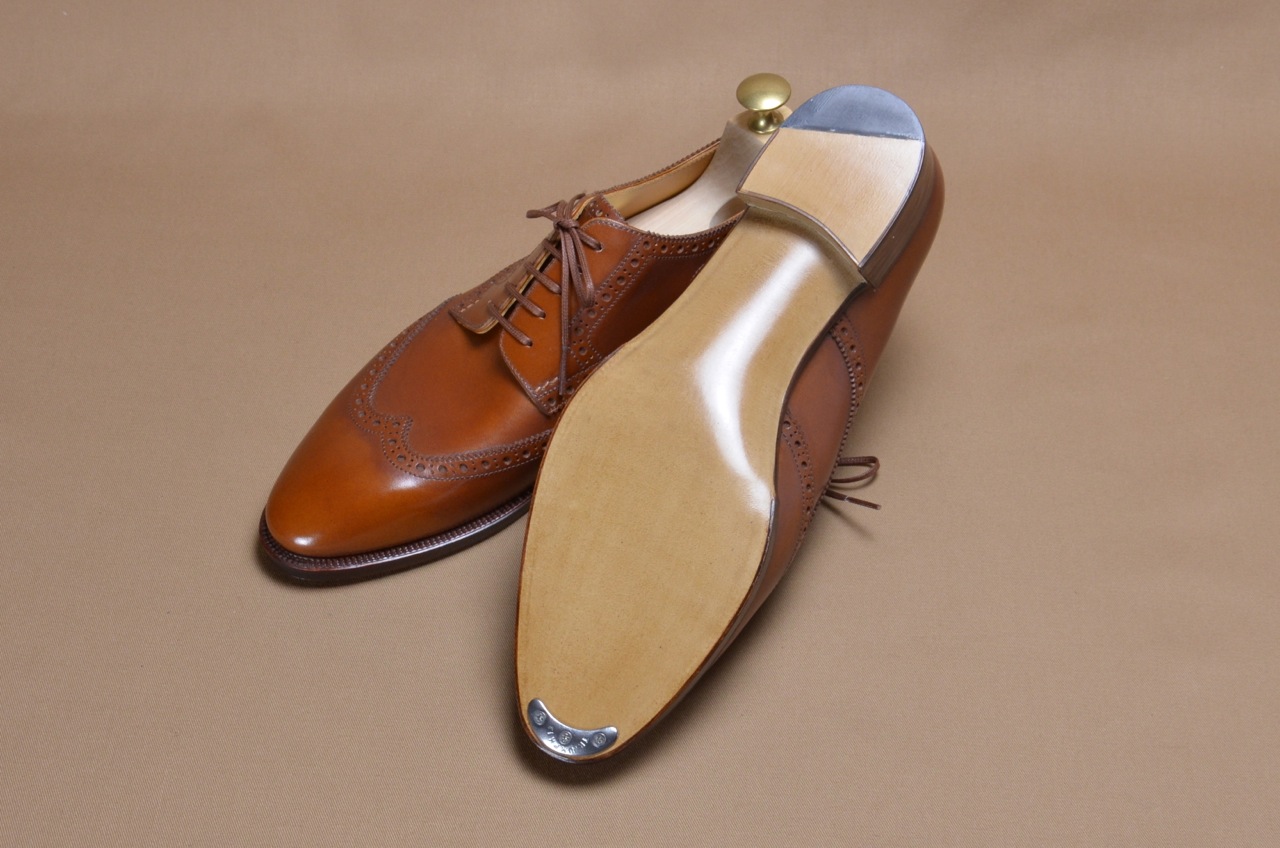 Art and soul
VR: There are hundreds of cordwainers in Japan alone — why should my readers visit you?
HY: I have been making bespoke shoes for customers since 1999, so I can say that HIRO YANAGIMACHI is one of the pioneers of bespoke shoemaking in Japan. I have shoemaking skills, especially in lastmaking, through my experience. Lastmaking is the key to bespoke shoemaking. I believe skill in lastmaking and understanding the relation between the foot and the shoe’s fit are gained by experience only. We have developed lots of footwear styles and made each samples for many years. Now customers can find and order all types of footwear at our workshop. We also offer the other ways to make a shoe, that is MTO and MTM besides bespoke. We can suggest the correct way of making an order according to the customer’s foot and budget. We can also offer original shoe bags, shoe trees, shoe horns, leather belts and so on, that have been developed by ourselves. Of course, we have just launched an international website that explains our services completely. I never say HIRO YANAGIMACHI is the best in Japan, I can only say that we have the skills, knowledge, experience, styles, samples, products and services so that any customer can be satisfied. And I understand that customers decide the shoemaker or brand according to his or her taste. We just do our best for the customer who entrust us with shoemaking.
VR: Who or what inspires you?
HY: I respect all kinds of artists and artisans, such as painters; photographers, craftsmen and designers who have a strong will, and make efforts to create something new. When I see antiques or vintage products that were made in the no-machine era, I really wonder at the beauty of them, most of all the wisdom of the makers. I feel a strong passion with them, which is never felt from the mass products of the present age. I am very impressed when I meet the possibility of handwork.
VR: What is your definition of style?
HY: It is very hard to say my definition of style. We are still on our way to become better shoemakers. I just want to make the shoe, which fits both of the customer’s foot and his mind that has elegance.
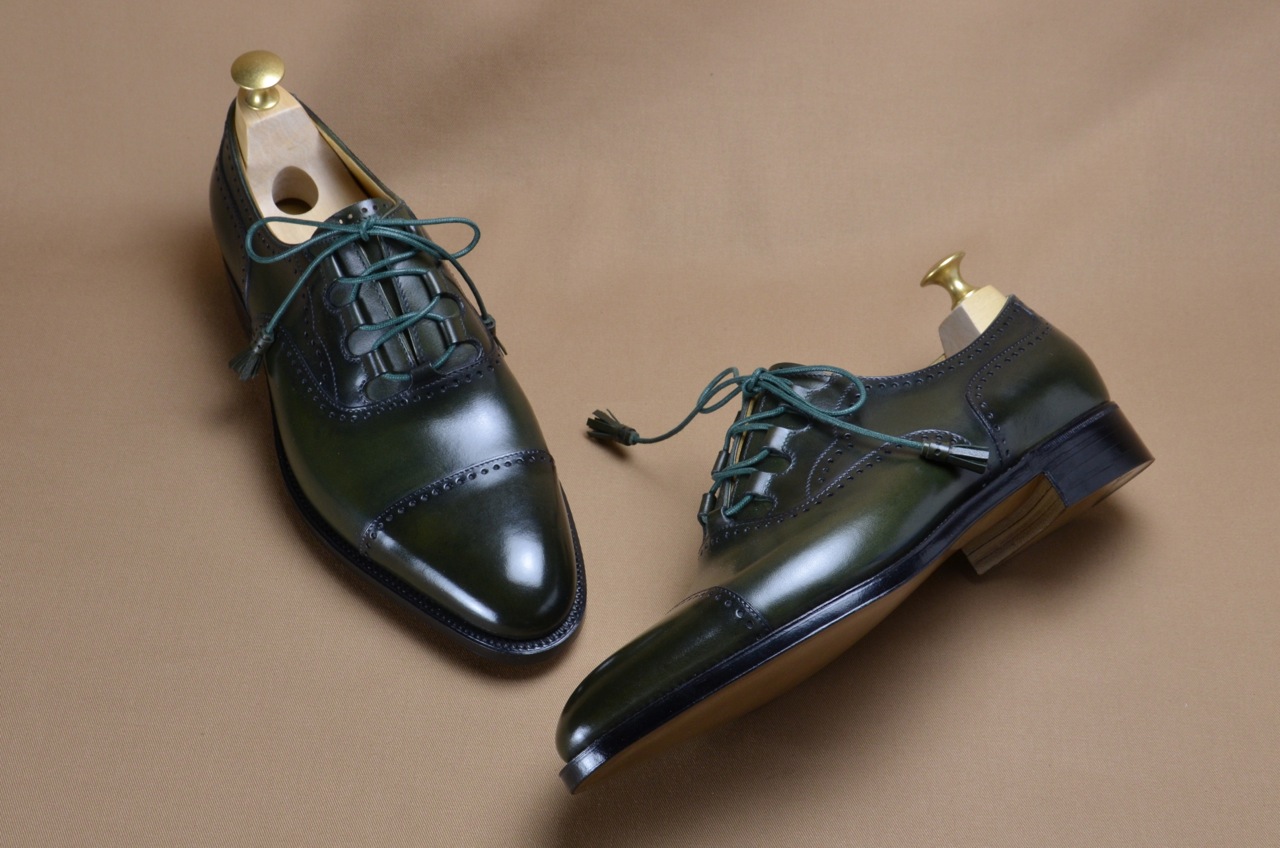 Cordwainer’s delight, the ghillie model
VR: Over the years you must have learned quite a bit about shoes. Is there something you wish more men would know about Japanese shoemaking? This is an extremely useful chance to have a lasting effect on many young men.
HY: I quote my words from “A Message from Us” in our English website for this question. Please see below.
In Japan, there is a belief from ancient times that spirits dwell in all things, like mountains, water, wind and fire. Furthermore, it is believed that the true essence of something is not found in what you see, but rather in what you cannot see, such as in the feelings or spirituality present in an object. These ideas are also reflected in HIRO YANAGIMACHI shoes. Our shoes are not just products. They are what we submit from ourselves to the world, containing our sense of purpose and pride. We put our soul into our shoes so that our customers will be satisfied.
For me, making shoes is my profession, my life, and who I am. I believe that shoemaking, more than being the work of “making an object” that is visible to the eye, is really the work of “instilling the thoughts and feelings” from ourselves and our customers into an object. If the shoes that we make, containing these mutual thoughts and feelings, can be even a little bit helpful to the lives of our customers, that is the greatest satisfaction for us at HIRO YANAGIMACHI.
http://www.hiroyanagimachi.com/en/
Category Cordwainers, Interviews, Japanese Style
Copyright © 2013 Ville Raivio