Free EU-shipping for Vass shoes
0December 5, 2015 by Ville Raivio
Pleasant news for all interested in Vass shoes: I finally managed to negotiate free shipping for Keikari’s EU-readers. They have no webstore as of yet, but Vass has recently renewed its English site that now presents their full collection. It can be perused through lasts, leather types, colours and other variables. Orders are filled through emails or phone calls.
The reader’s code is Vassinkeikari.
Category Footwear, Quality makers
Handmade British caps and hats from Lawrence&Foster
0December 2, 2015 by Ville Raivio
Category British Style, Hats and Caps, Quality makers, Videos
How to identify quality cloth with Savile Row tailor Celia Williams
0December 1, 2015 by Ville Raivio
A recent vicuna sample from England brought cloths to my mind. The trouble with most clothes, of course, is that we cannot choose all the details that may have interest for us. Cloth is one of them, but very important for me visually, tactilely, and emotionally. Some cloths
just bring about more pleasure than others. Now, nearly all clothes have the maker’s label today, and this label seems to have become much more important than the cut, material, detailing or cloth. Yet readymade clothes are what we wear. So, how can my readers know if a piece of clothing is made from wonderful cloth? I turned to Celia Williams, who just happens to be a Savile Row tailor over at Steven Hitchcock. Below are some pointers that may just help you.
* * *
VR: What’s your definition of great cloth?
CW: My personal definition of great cloth would mean that the cloth would have to be 11 or 12 oz. in weight, meaning it would have enough ‘guts’ to drape well, be able to wear all year round (assuming no drastic climates) and it would have the ‘guts’ to last for years if not worn like a work horse.
The weave that would be ideal would either be a twill or a herringbone. This is because the intricate way that the cloth has been woven would mean that the cloth is a closed/tight weave. Meaning that the cloth would be hard wearing, somewhat less attracted to holding dirts/liquids, less prone to pulls and catches. It would also mean that the cloth would have an interest, a detail. An excellent cloth for drape is the Bird’s eye weave. As the weave produces a circular pattern, this means that you get a soft fluid drape due to the 360-degree weave. However, the heavier the cloth- the larger the ‘Bird’s eye’, which to me looks clumsy and un-refined, so bird’s eye weaves are. for me, reserved for slightly lighter weight cloth.
The composition would be all wool. Wool used for suiting is always imported from Australia or New Zealand. This is because their breed of sheep produces soft and fine wool, as the climate is warmer than England’s. English wool is reserved for carpets and rugs, as it is courser and harder…not suitable to wear next to the skin.
Colour-wise, that is up to the wearer. However, my advice would be to choose a blue, as there are so many shades of blue that there is a shade for all skin tones…choose wisely.
VR: Some RTW suits have tags from the mill, but most have only the maker’s tag, so we’re left with our eyes and hands for discerning quality — how can we use them to our advantage?
CW: The senses are so important when looking at cloth. Once you have the knowledge of how cloth should feel, you don’t need to read labels or tickets. To use your hands is not something you can teach, it will come over time. However, for the novice, you should be aware that most natural products are warm to the touch…not hot, not cold. When you feel wool, silk, wood, plants, ivory, leather, etc…they are just pleasant to touch, as they are not cold.
There are exceptions, of course, stone, metal, granite, etc…they are natural and are cold to touch. However, man-made products such as plastic, acrylics, concrete, etc…are all cold to the touch. So, when handling a cloth and it at first touch has a cold feel to it, I would question whether the cloth had a percentage of man-made fibre in it, such as polyester. Another telltale sign for polyester is if the cloth has a slight crispy feel and a hard gloss sheen to it.
All wool cloth should feel warm, have a slight prickle to it, smell a little oily, have a soft sheen to it and feel fluid in your hand. If the all-wool cloth is a super 120/150/200, it should have a smoother texture, like paper, and have a brighter sheen like you see on freshly groomed race horses. Mohair is warm and gritty to touch, a definite sheen and a wire-like movement in the cloth.
Cashmere, angora and vicuna are all very warm and soft to touch. Varying in weight, the heavier cloths will have a bouncy feel with a fuzzy texture. The lighter weights with be smoother to handle with a crimp in the pile and, again, with a gloss sheen like a long-haired dog.
Linen and cotton are cooler to touch but not cold. They both have a smooth and hard texture. Linen will crease extremely easily when crunched in your hand; when released, the cloth will stay in the crunched position. Cotton will crease, not as much as linen. However, if crunched in the hand, the cotton will try to spring back flat, but with a few creases. Silk is warm and has a sticky touch. If you run your fingers over the silk, they will almost stick to it as the silk will be so smooth like satin or will be grainy like an eggshell, such as foulard.
VR: One Finnish tailor who I interviewed defines his job as design (in the somewhat industrial sense) because he is merely shaping cloth. Would you agree with him that cloth is the most important factor in clothes?
VR: Tailoring is so much more than design. It is very simple to design something. You could design a house, but would it function as a house? Could you live in it? Will it stay upright? Tailoring is about knowing the client, understanding what he wants, how he will look and how he will feel when wearing our clothes.
The engineering is in the cutting and making the suit fit, making sure it functions on wearing. One of the components is the cloth; it is not the most important as all aspects of the process of meeting the client, measuring, choosing the cloth, cutting the pattern, fitting the baste, making and finishing the suit are all the most important. No one factor is more important than the other, all have to work together in harmony. Guiding the client to pick the right type of cloth for his purpose for the suit, his body shape, his wear, potential and expectations is all part of years of experience and just one of the factors to produce a bespoke suit.
VR: Why should a man pay up to get the suit with great cloth?
CW: To buy quality is wise. To choose a cloth that is made well with good yarn, then it will help with the longevity of the suit. However, there is no point in buying a quality cloth and then have the suit made cheaply. There has to be a balance and a working harmony between the quality of cloth, quality of cutting and quality of craftsmanship.
In a RTW suit, buy the best made quality suit you can afford, look after it, wear it in rotation, and you should get a decent life span from the RTW suit.
VR: Finally, which cloth types are your favourites? Which mills do you usually recommend?
CW: My favourite cloth is flannel. I love its texture, drape, notion and history. Flannel was woven by the Welsh in the 16th Century. It was very course, ugly and used by peasants to keep warm. Over the years, it became refined and became popular with the traditional English ideal. Flannel now exudes relaxed luxury, British-ness and harks back to being old-fashioned. It has become a timeless classic thanks to the peasants of Wales…which is highly ironic. Flannel drapes well in nearly all weights, has beautiful marl colours, excellent texture and looks good on everyone.
The cloth merchants that I use the most are Harrison’s of Edinburgh, which encompass H.Lesser and Sons, as well as Porter and Harding for tweeds. Harrison’s are an excellent company to work with, they produce a
varied amount of different cloths, but owe their talent to keeping the quality high.
Category Fabrics, Savile Row, Tailors
Albert Einstein on style
0November 28, 2015 by Ville Raivio
“If most of us are ashamed of shabby clothes and shoddy furniture, let us be more ashamed of shabby ideas and shoddy philosophies. It would be a sad situation if the wrapper were better than the meat wrapped inside it.”
— Albert Einstein
Category Aphorisms
Interview with Amrik Chaggar
3November 12, 2015 by Ville Raivio
VR: Your age and occupation?
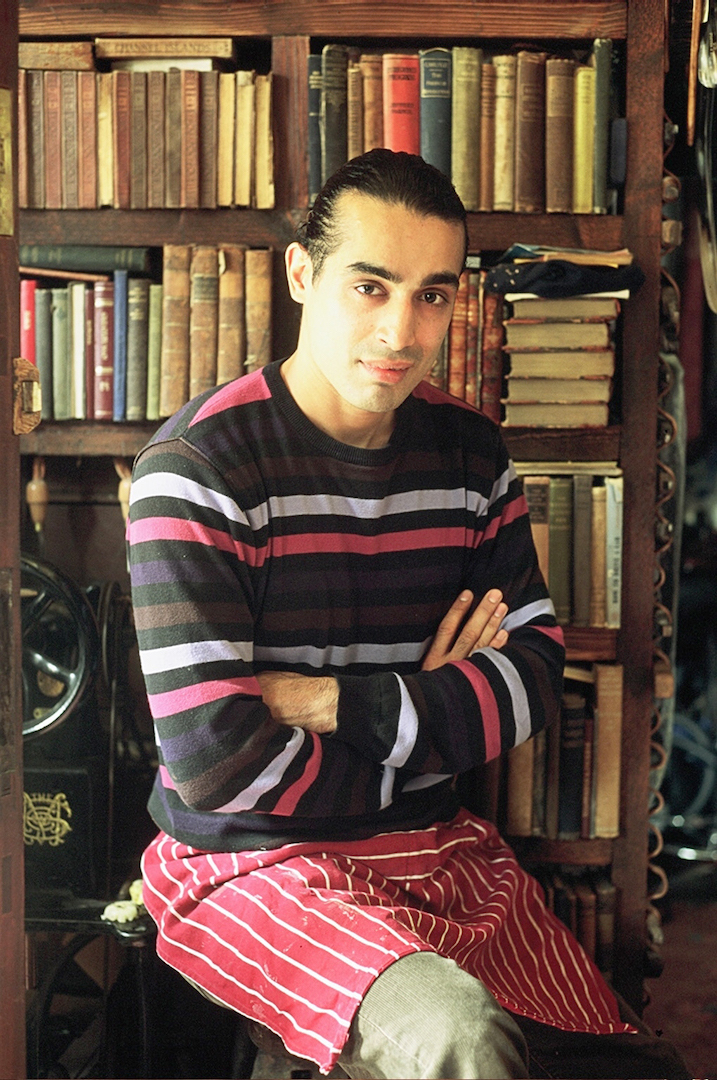
AC: I am 39 years old. I specialize in Bespoke Shoemaking & Bespoke Tailoring, I also trained as a Fashion Designer.
VR: Your educational background?
AC: I started out at London College of Fashion, followed by a Bachelor’s Degree in Fashion&Design at The Surrey Institution, and undertook a Master’s Degree at Central Saint Martins.
VR: Have you any children or spouse (and how do they relate to your shoe and tailoring enthusiasm)?
AC: I am married to my loving wife for five years, looking forward to becoming parents soon. My Wife has learned that being a Bespoke Shoemaker/Tailor is no nine to five job, but she totally shares my enthusiasm especially in shoemaking .
V R:…and your parent’s and siblings’ reactions back when you decided to become an artisan?
AC: I come from a family of four siblings, one older brother and two younger sisters. My Father came to the UK after the ‘Idi Amin era’, at a time of aggression. He was a man’s man, a builder by trade. When I went off to Fashion College he raised his eyebrows, as he did not see Fashion as a manly thing to do. He was a champion wrestler in Africa. Idi Amin sent a jeep with his armed solders especially to my Father’s house, as he was known to be one of the strong ones. Later, he played an important part in my shoemaking business as I taught him how to make shoes when he was unable to work due to a very unfortunate heart condition. He sadly left the world in 2006…he joked that he should have become a shoemaker, instead of bricklaying in the cold and rain.
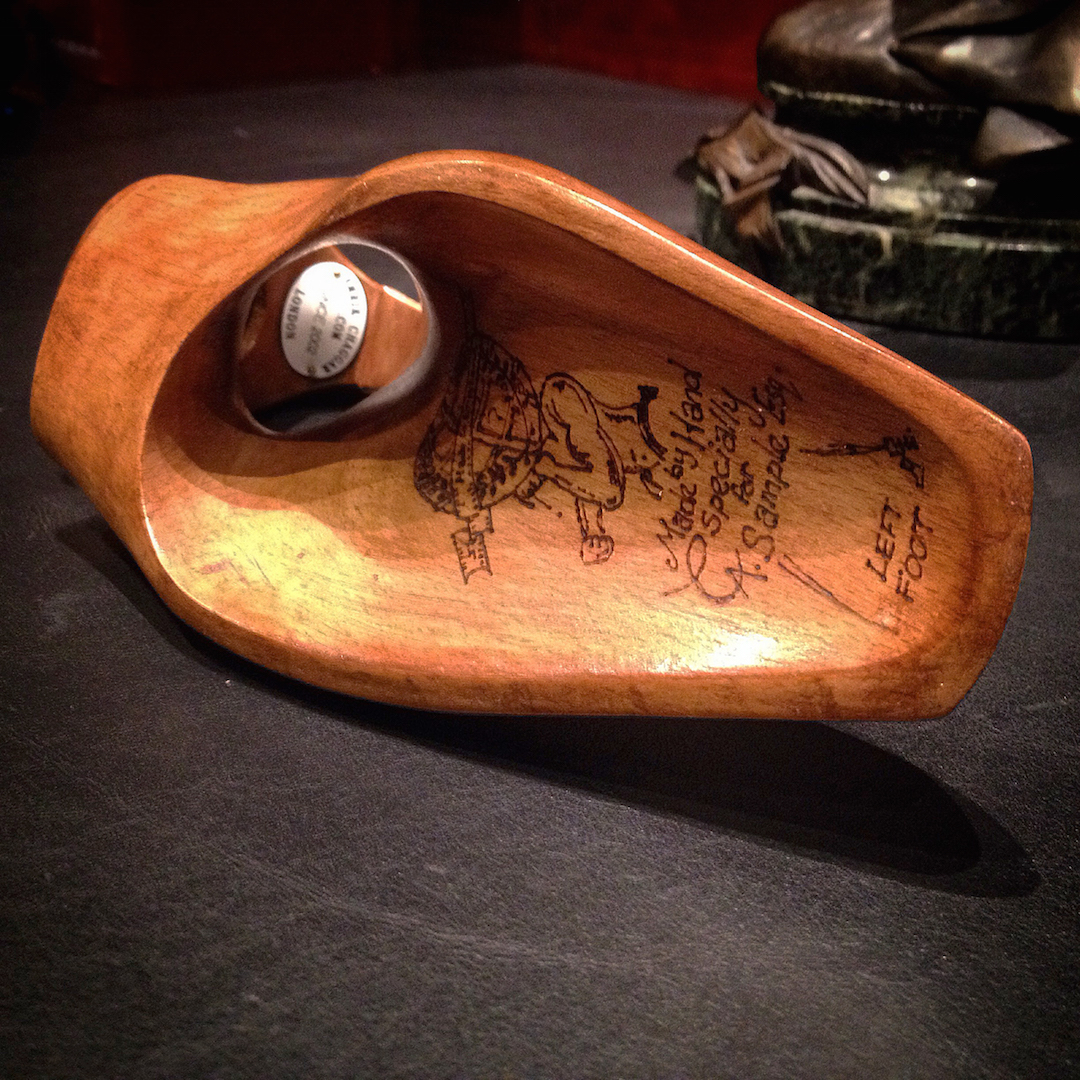
VR: What other hobbies or passions do you have besides apparel?
AC: Renovating Houses, Building Construction, Designing and Boxing.
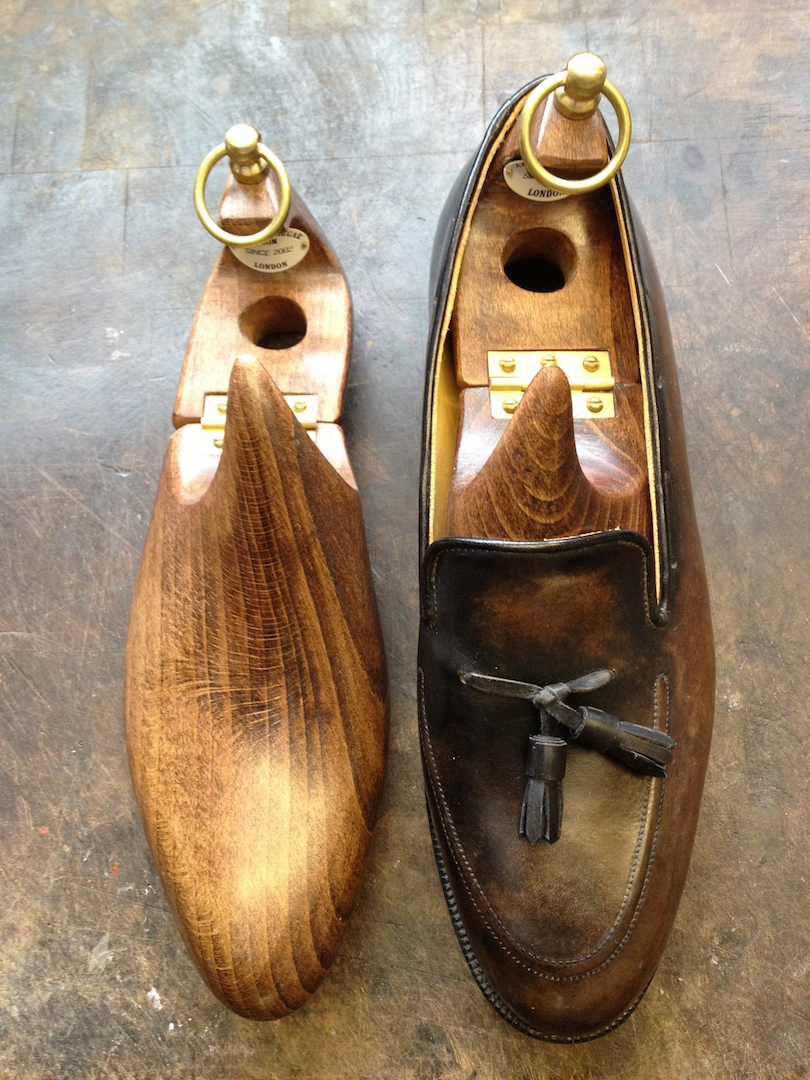
VR: How did you first become interested in shoes, and when did you turn your eyes towards artisanal shoemaking? Why classics instead of fashion? The same questions for tailoring, of course.
AC: I started off at London College of Fashion studying Fashion. One day, whilst studying, I went to Berwick Street to buy some fabric and I saw a tailoring shop called Sam Arkus. I asked the owner if I would be allowed to come in as an Apprentice. He said that I was allowed to watch, as long as the toilets were cleaned and the workshop was spotless. I was allowed to watch, but I was not allowed to ask any questions. From there, I was asked to deliver a pair of trousers to Mr. Neilson at Neilson&Nutter, Tommy Nutter’s old shop. This is when I discovered Savile Row.
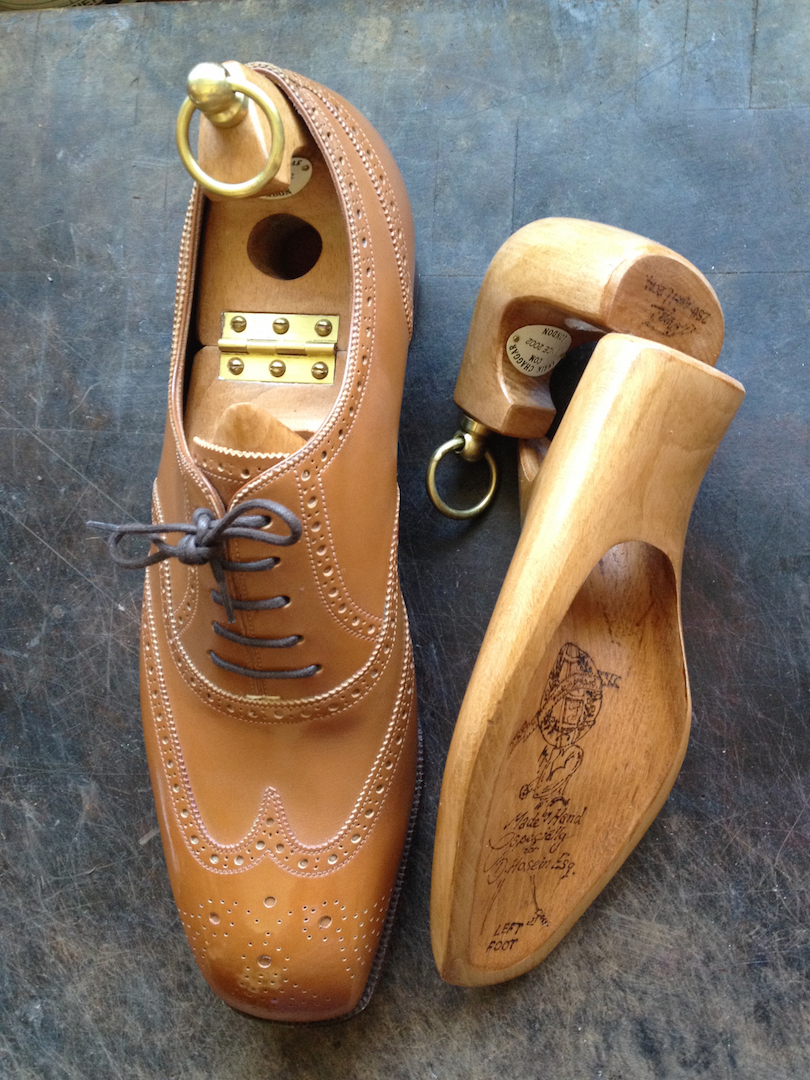
I got to speaking to the Tailors and I became friends with Malcolm Plews at Welsh&Jefferies, who recommended me to pop into Gieves&Hawkes. They took me under their wing and I learned Coat Making.
I watched the best Pattern Cutter in the world, Ian Fadden, at Kilgour, French&Stanbury, and I met Gordon from Huntsman. With my curiosity and drive to try out new things, I convinced Master Cutter Malcolm Plews, who has clients like Al Fayed and the Royal Family, to show me how to cut patterns. And he did.
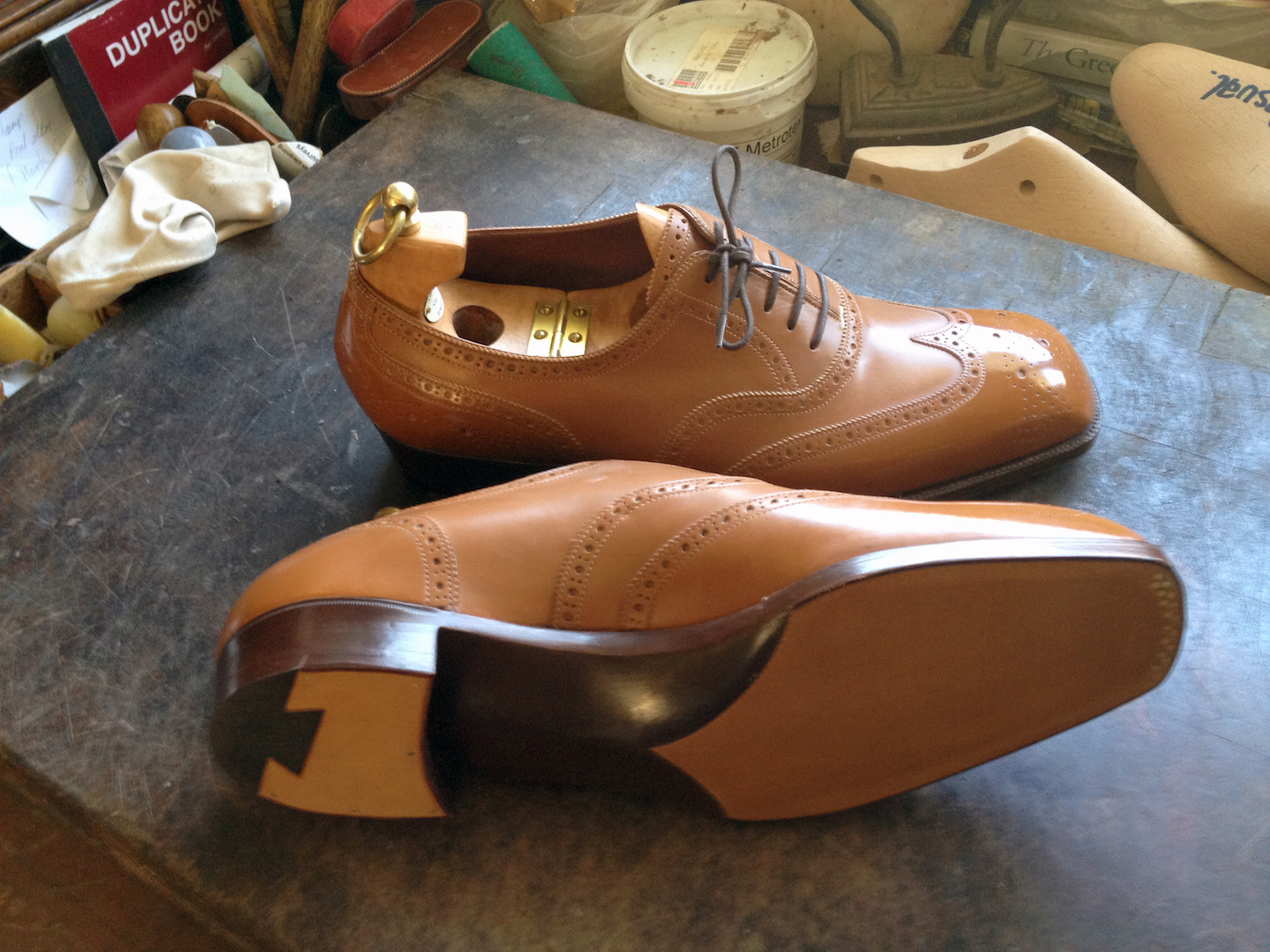
I formed a Saturday Club with Malcolm and we would cut patterns from scratch; from smoking jackets to dress coats. During my time at Gieves and Hawkes, I was further exposed to the art of making trousers and coats, working with the Finishers and all the ladies from the Military Department, in a real old school establishment. I bought loads of old Tailor and Cutter magazines to read, and applied all the skills that I was learning continuously every day. I still have all of my book collections from back then and I still hold these valued relationships with my connections on Savile Row today.
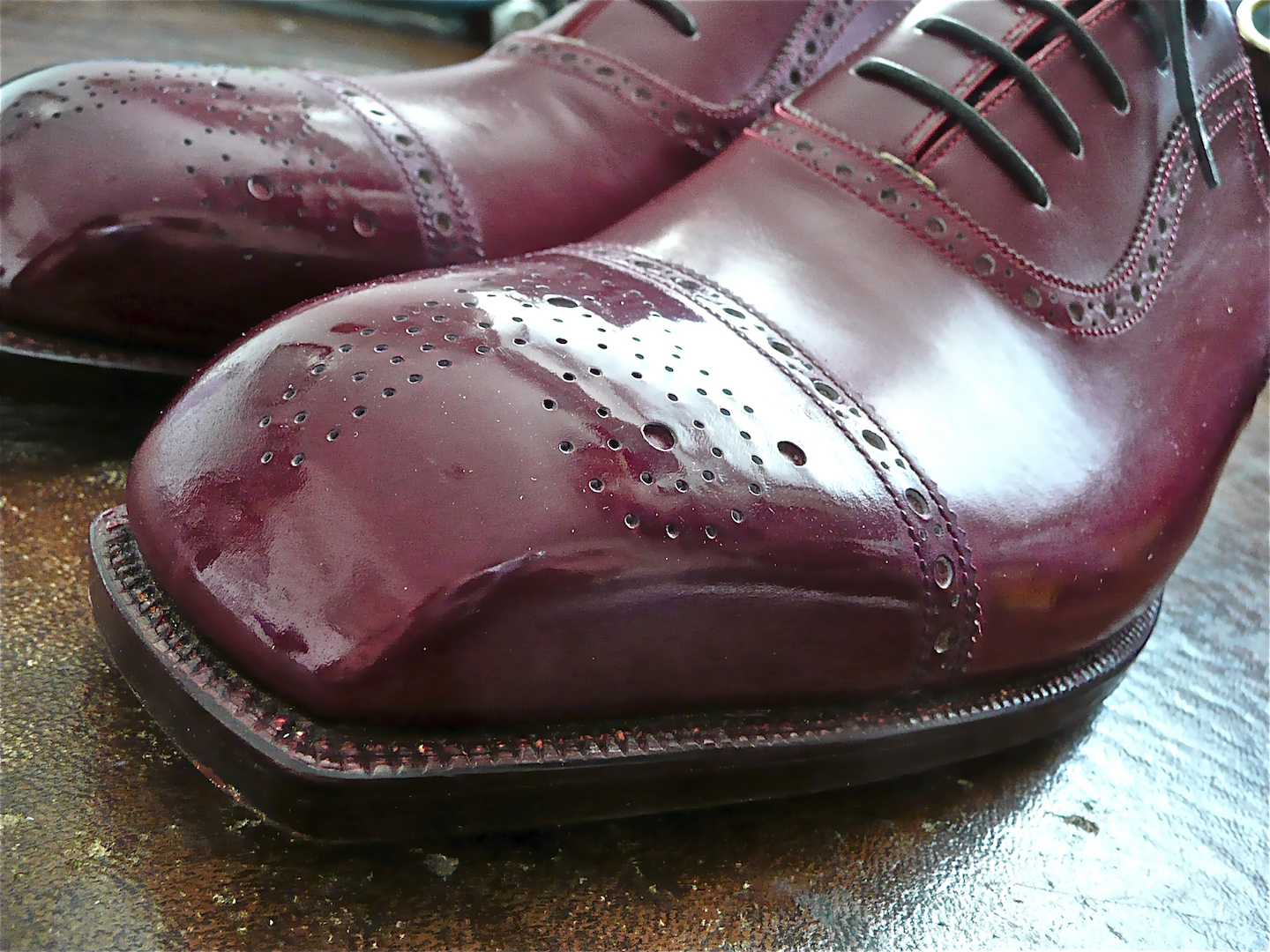
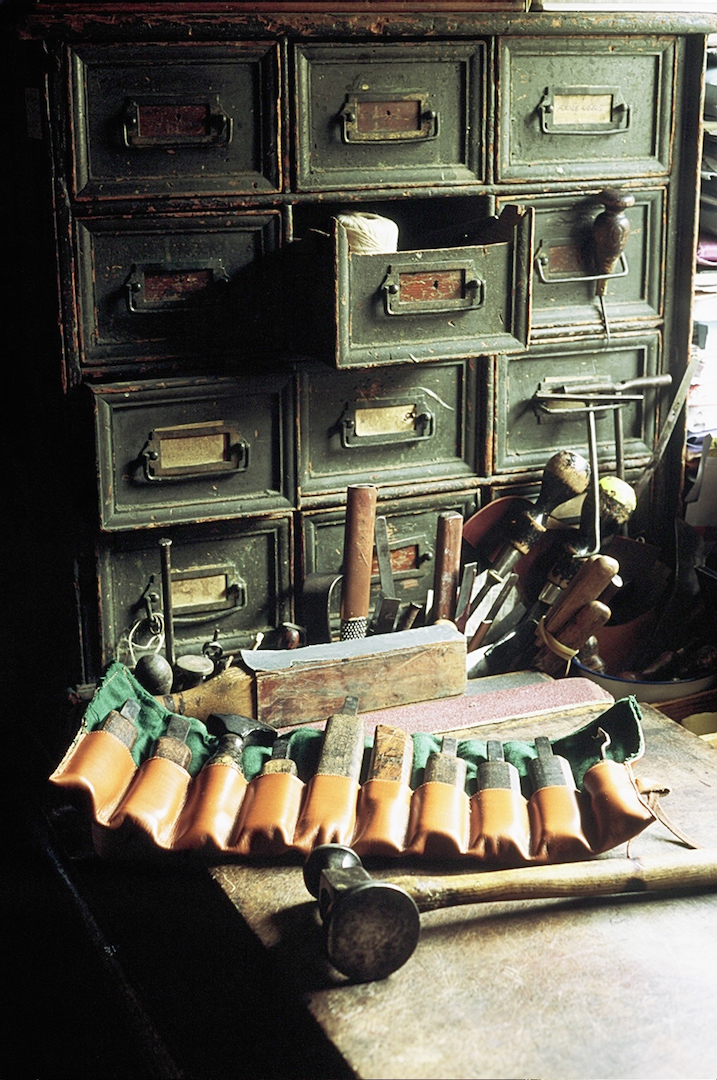
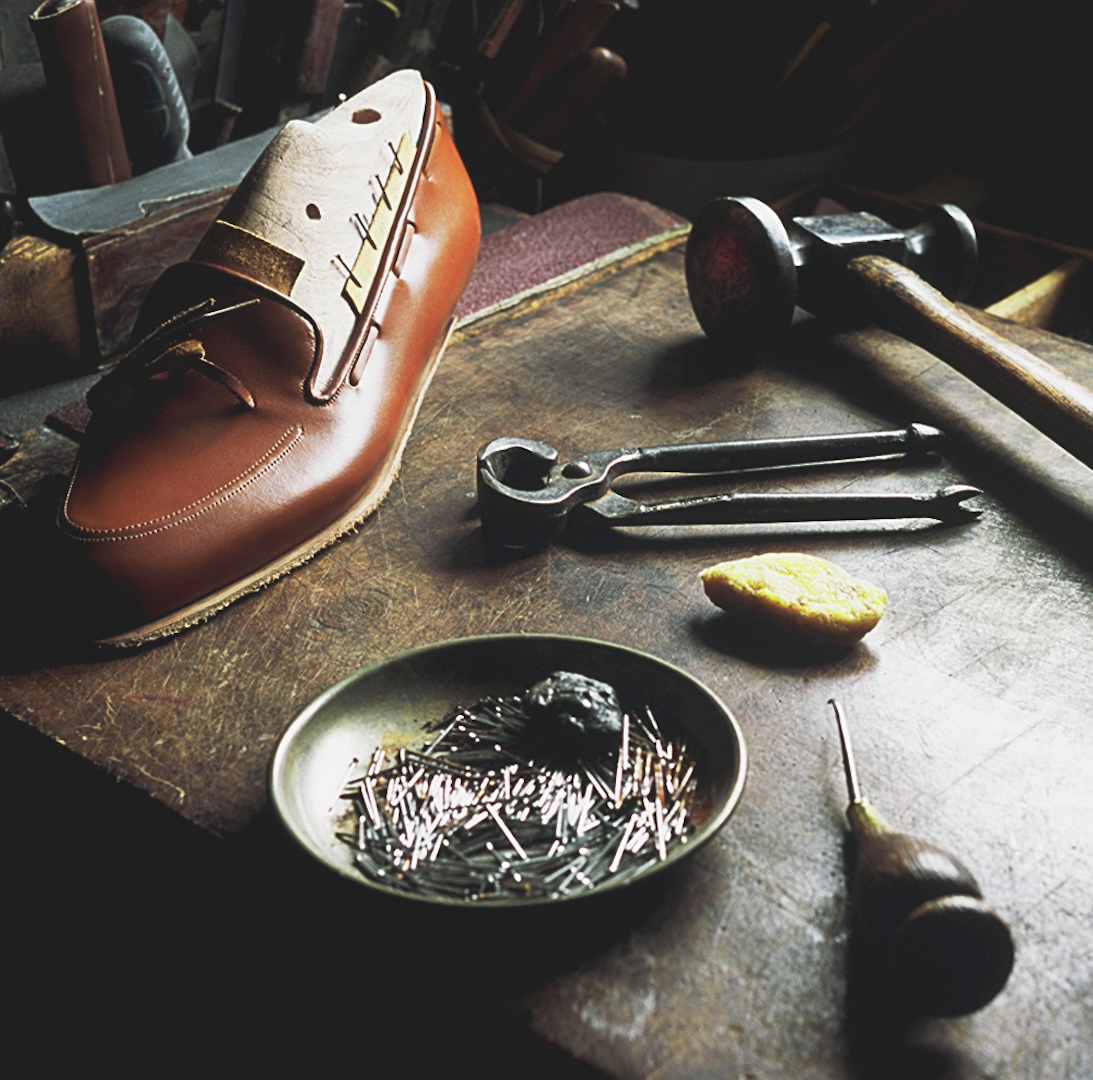
Whilst I was learning how to become a Tailor and Coat Maker in Savile Row at Gieves & Hawkes, I finished my first degree. I worked as I studied. As part of my final Fashion Show, I made some metal shoes which were prototypes, not wearable’s but one-off art-pieces that caught the attention of the media, which led me to be head hunted by Foster&Son. They were intrigued by my ideas. I then made a shoe sample from my Granddad’s carpentry tools, which was laughable looking back now, but a couple of weeks later they called me up to offer me a post to become a Last Maker.
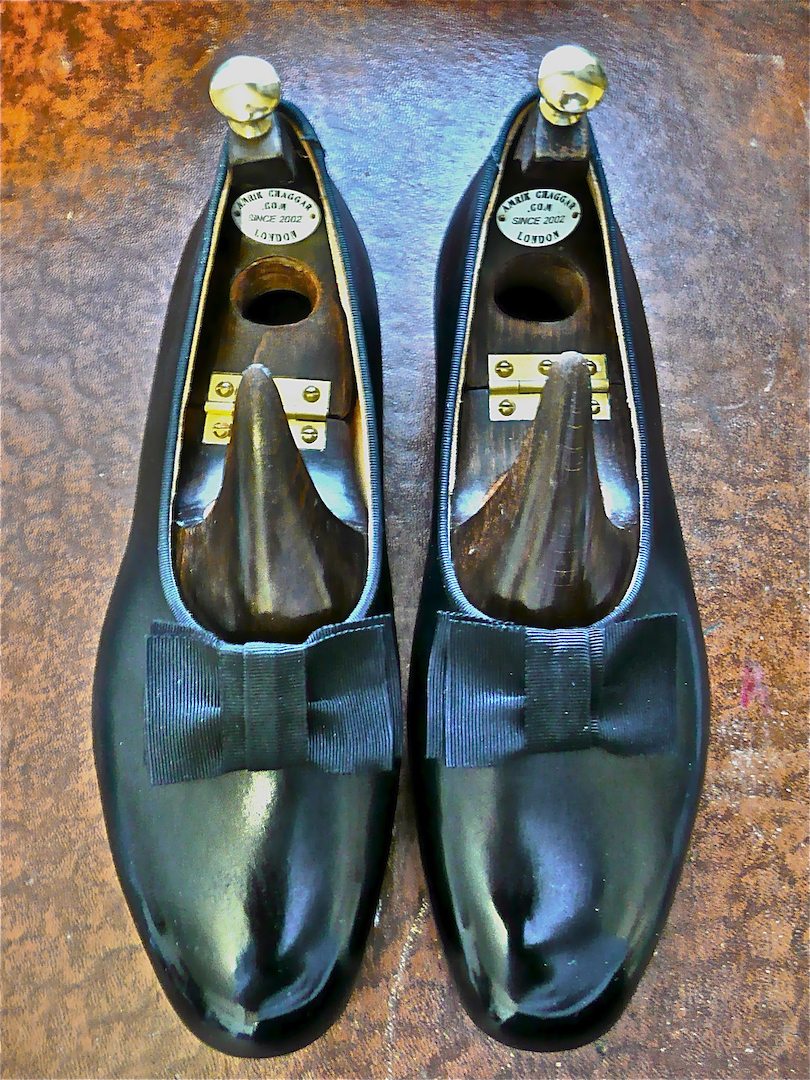
Even though my first shoe sample was laughable, made with no supervision using only Carpentry tools rather than shoemaking tools, they must have seen something they liked. Mr. Terry Moore approved my work. He then introduced me to the boss, the late Mr. Adlam. I really like him a lot. He was with the Church of England, a Christian, a really nice man who came from a Timber background. He had bought the business for One Pound as it was going into receivership. A huge backlog of work had built up, of up to 10 years of orders, which I cleared up. I got the business up and running again, got on top of all the orders and made it possible for Mr. Moore to work from home, because it was becoming more and more difficult for Mr. Moore to commute to work with old age.
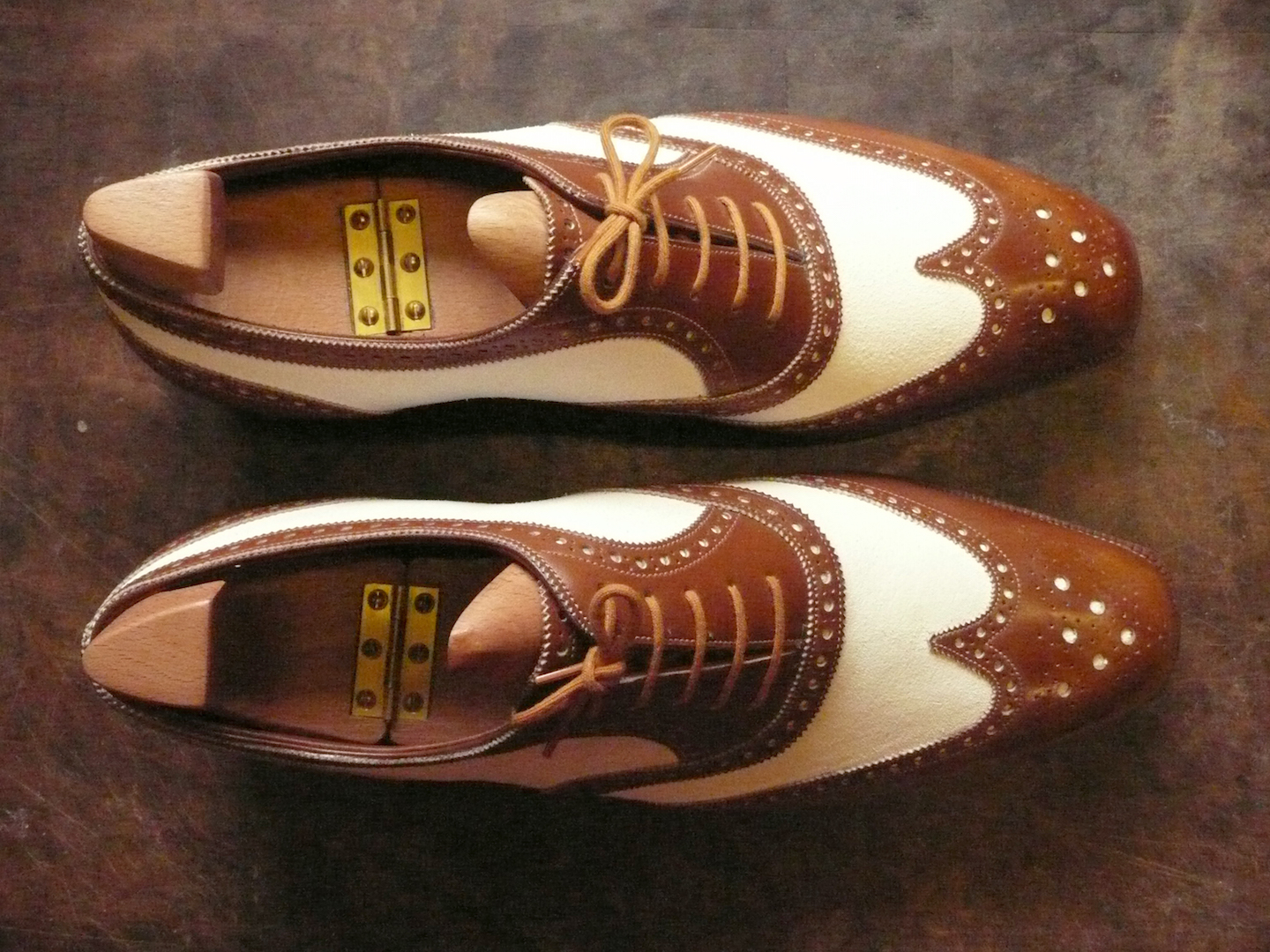
I was at the right place at the right time and, although I appreciated having the honor and privilege of learning Last Making, Pattern cutting, fitting and all aspects of high-end shoes, I was even more grateful for getting to know Mr. Adlam, and of the relationship I had built with him. He was a drinker, but we had a connection. It was he who gave me the opportunity. He said to me “learn everything from Mr. Moore, learn the business, make it your own, and own it”.
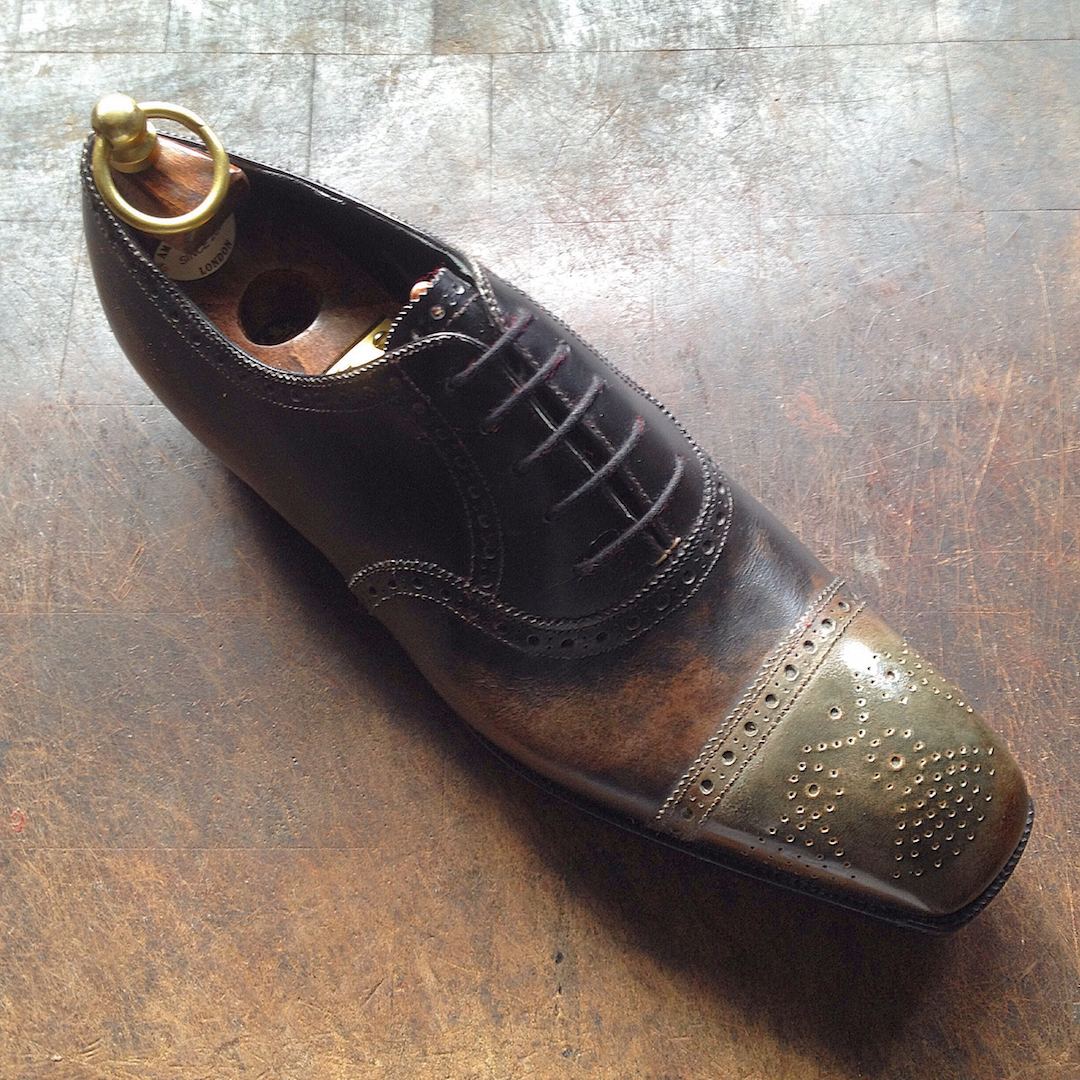
He left me to it and I took on every word of advice. I worked extremely hard and took the opportunity with both hands. Five years later, he sadly passed away. I parted from Foster & Sons and became independent, working for elite international world-class clientele from senior members of the Rothschild family to Famous Horse Breeders, Authors, Private Bankers and CEOs around the world, who have allowed me to manage their wardrobes.
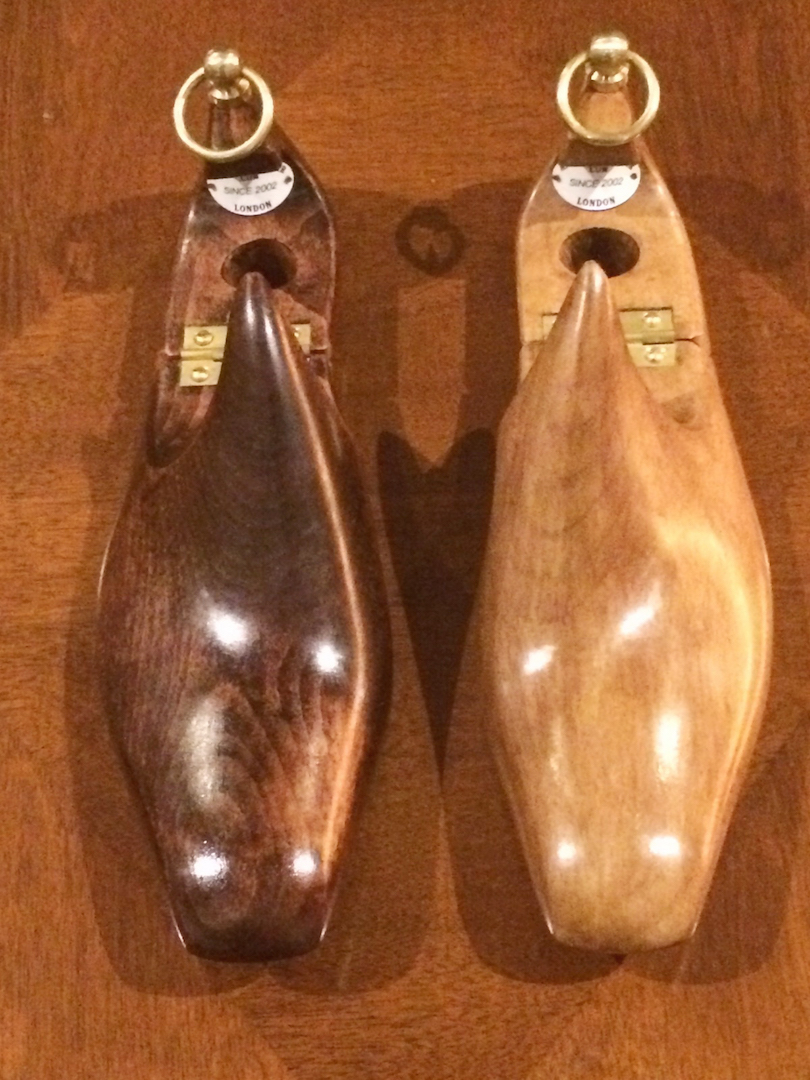
Whilst I was at Saint Martin’s, I wrote in my dossier that fashion was becoming redundant and the modus operandi of the way designers were beginning to create collections, season upon season, had no value. Designers were using fashion for attention mixed with their personal lives, or simply to be accepted rather than what was more important, like creating good design work. Designers working from mood boards that were merely a collection of the conscious mind would end up just becoming eclectic borrowers. This proved that a new paradigm in design was needed and that R&D is what would lead to the vintage of tomorrow. All of this was confirmed to me when McQueen committed suicide. I have great admiration for Haute Couture for its theatrics, design and craftsmanship. Haute Couture will always have a role to play, as it brings together a sea of unique ideas and desirable artistic creativity. A copy of my dossier was given by hand to Hussein Chalayan, it can be found in Central Saint Martin’s library today.
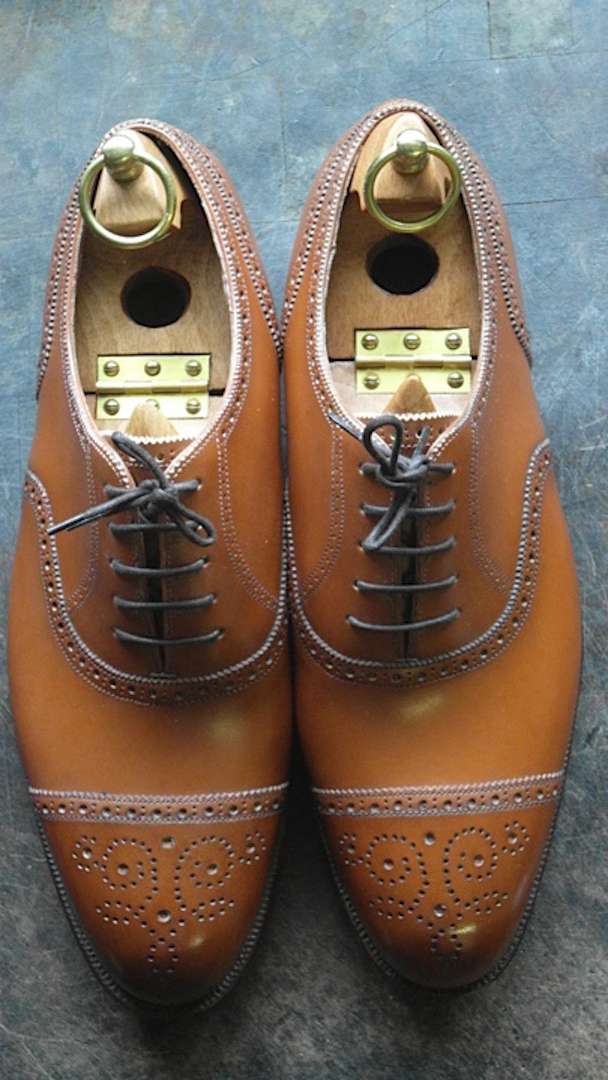
VR:How have you gathered your knowledge of the crafts — from books, in-house training, workshops or somewhere else?
AC: See my words above. If you have enthusiasm, drive and determination with the passion and curiosity to learn like I have, then it just happens. The reality is that I was destined for this journey, to become an artist and a craftsman, and to show the world the art of shoemaking
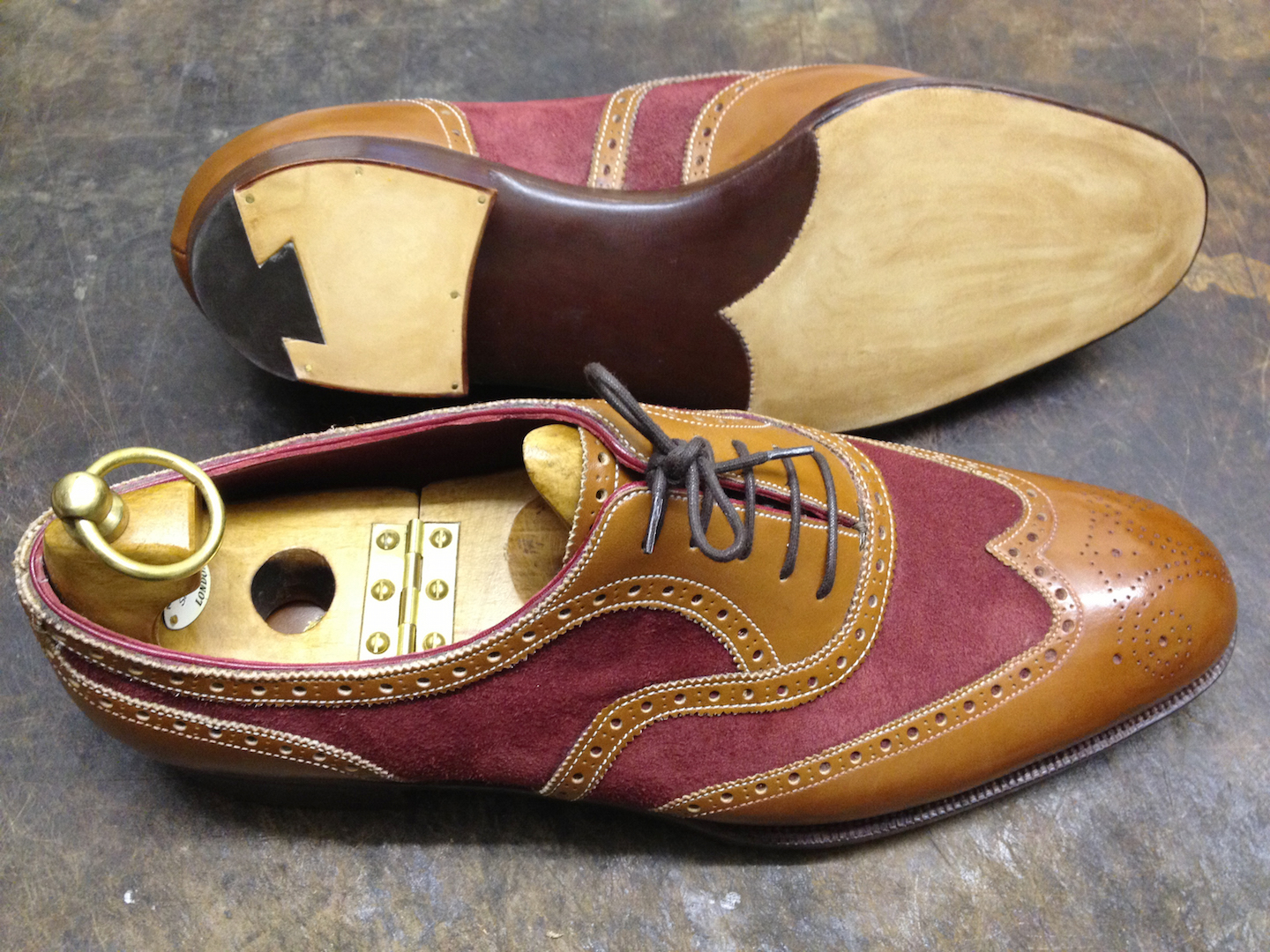
VR: How would you describe the styling of the shoes you make? How about the clothes?
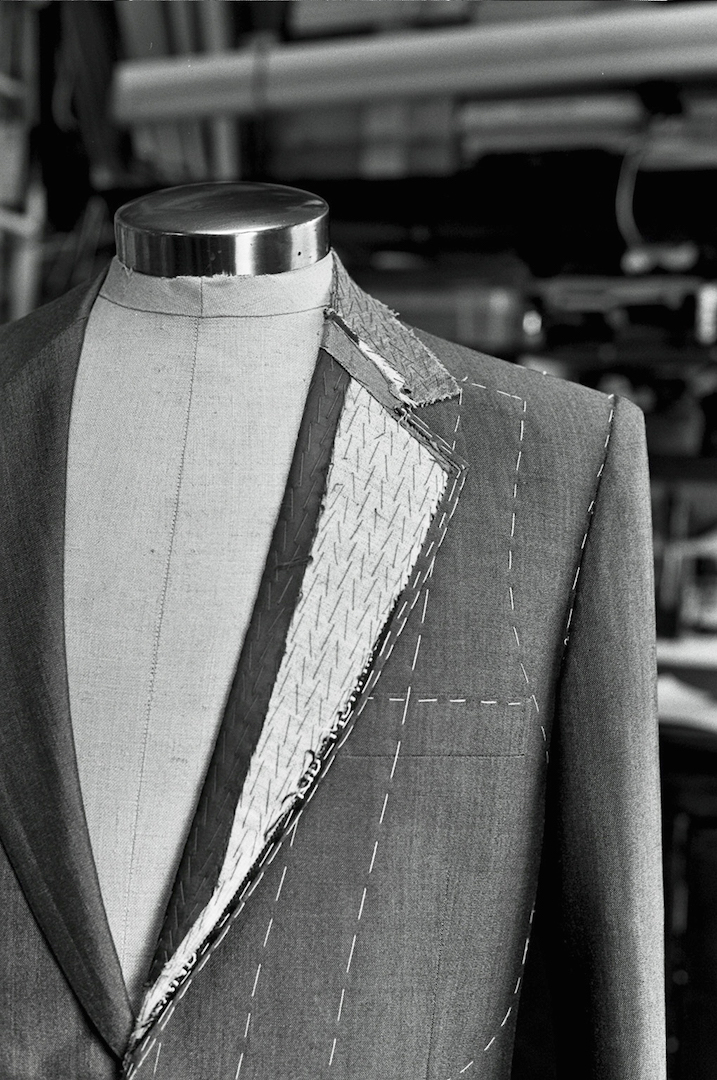
AC: The shoes I make are handcrafted to absolute perfection and there is more to come. I learned the proper way of crafting handmade shoes from start to finish. There are customers of bespoke and there are connoisseurs of bespoke. I have a very sophisticated and unique eye, and a ritual way of working. I believe one can only be as good as the last pair of shoes made. I take orders for all traditional bespoke styles and create modern lines in the Last. I make all styles, from pumps, slippers, riding boots, to casuals, Derbys and Oxfords. The same signature applies to Tailoring. I handcraft and cut my jackets with sharp clean lines, razor sharp lapels with the best new, fine cloths available from English Mills. When a customer invests in me, I work with the intention that the shoes and suits I make will take the client to successful places.
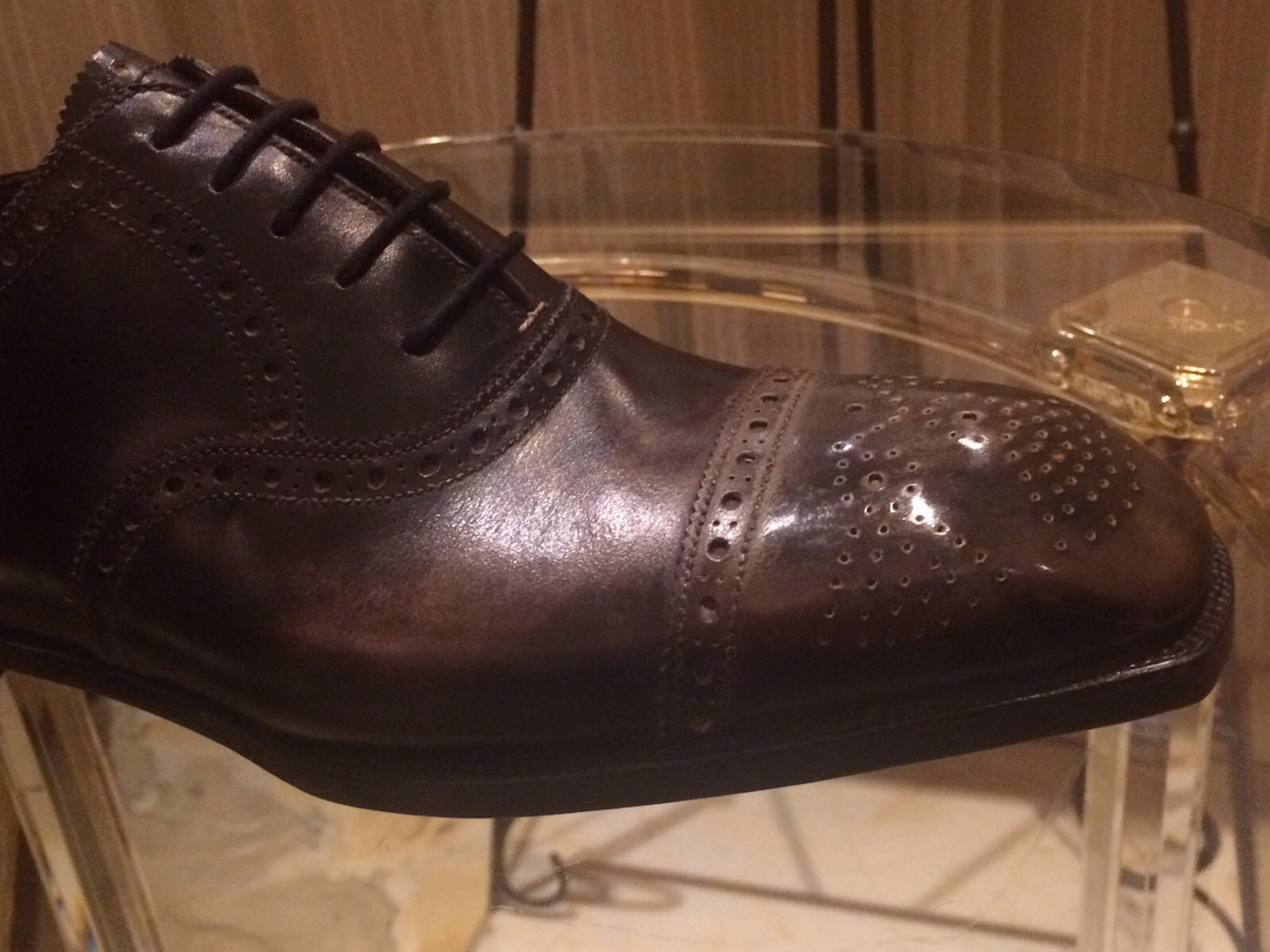
Soon I will be releasing products that are collector’s pieces and limited editions made from luxurious materials combined with unique elements of design. These products are targeted for people who desire and appreciate luxury. These products will be made from only the best materials and the best leathers. I am fortunate to hear existing customers say to me “make me what you want to make me…” evidently the trust has been built and my work has already landed on such feet. This is my bespoke ethos and I can work continuously with this drive and desire, sometimes days on end without any sleep.
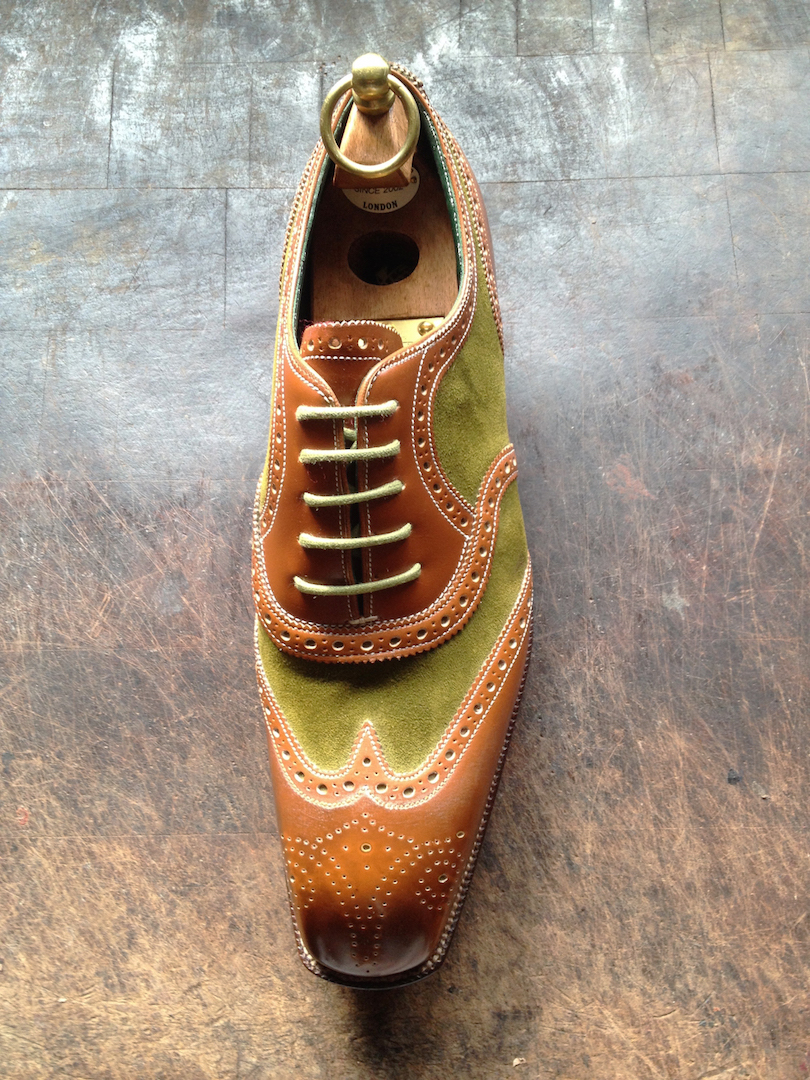
VR: Do you have a favourite shoe model (eg. monk, derby, oxford, balmoral boot) and leather type? How about for tailored garments?
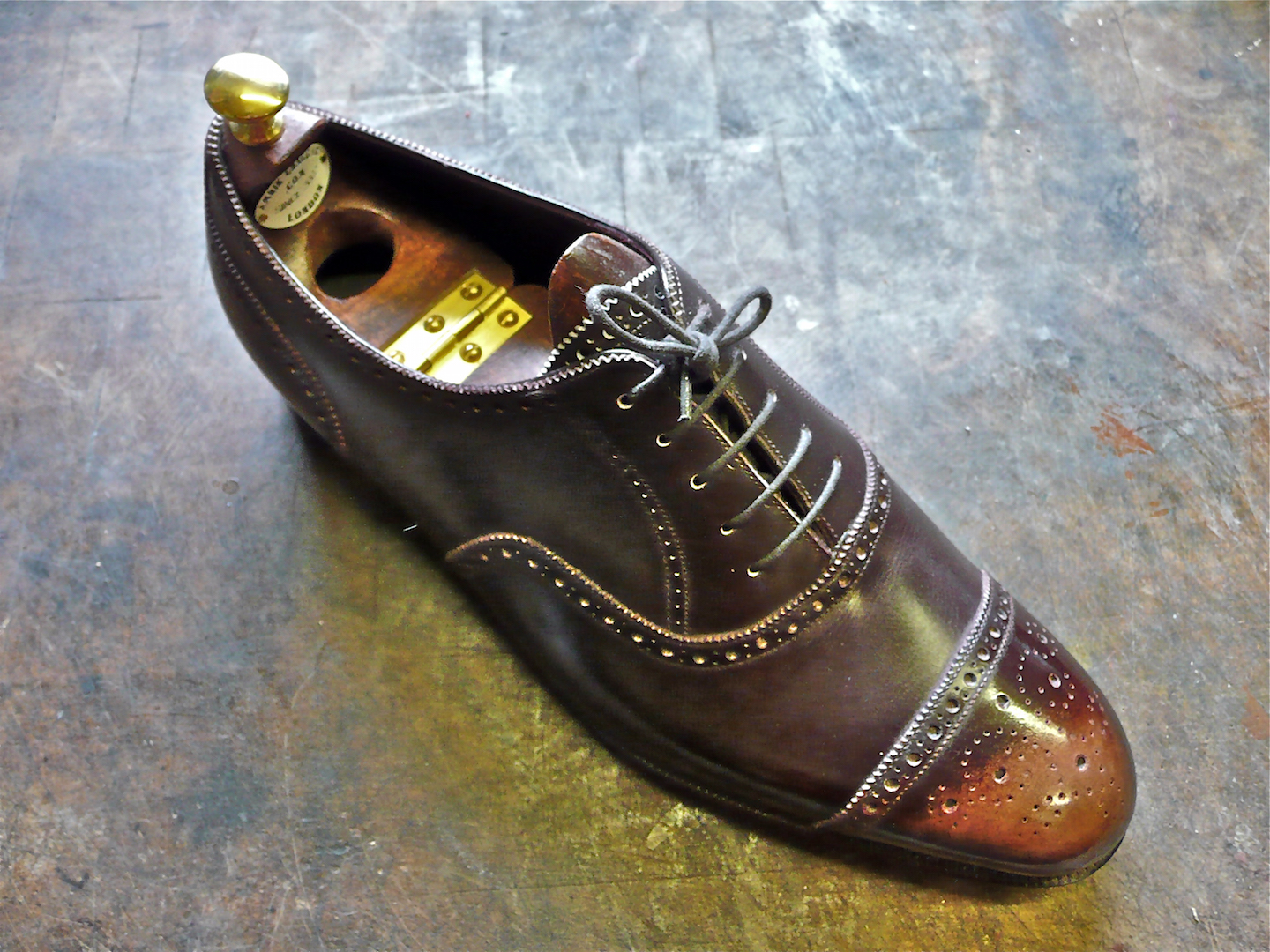
AC: Correspondents, Red Adelaides, Square Toe Half-brogues and I also enjoy making pumps and velvet slippers. Be it shoes or suits, it is all about the fit that matters. The study of anatomy combined with manipulation to the foot come together to bring a quality of life for the customer.
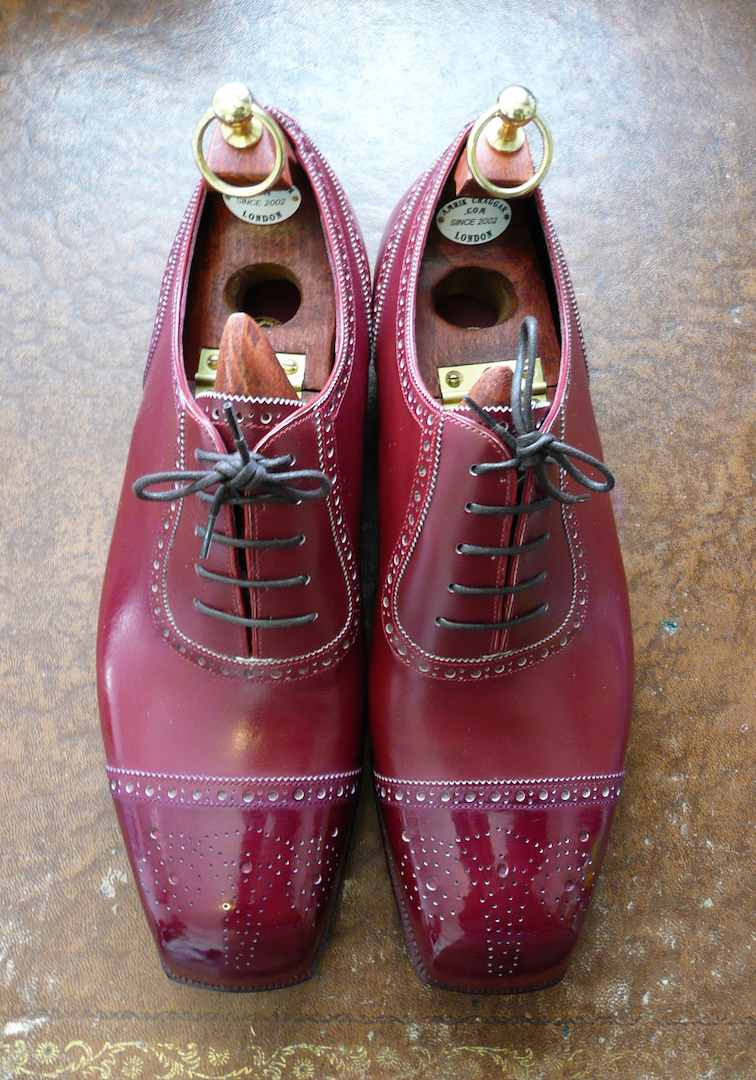
VR: There are dozens of cordwainers in the UK — why should my readers choose you?
AC: 1 – I am the compulsive disordered gatekeeper of refined quality craftsmanship. I handcraft to absolute time stopping perfection, using only the very best leather.
2 – I pride myself that I can travel all corners of the world, I am a mobile craftsman and can bring convenience to my clients who are mostly extremely busy leaders, CEOs, elite global businessmen.
3 – I give my clients a piece of a museum rather than charging them for walking into one.
4 – I am young. Just because a shoemaking company has been around for 100 years does not mean that a craftsman is still making those shoes. When I am making shoes, I am making them end-to-end with my own hands. I do not farm out my work to other makers.
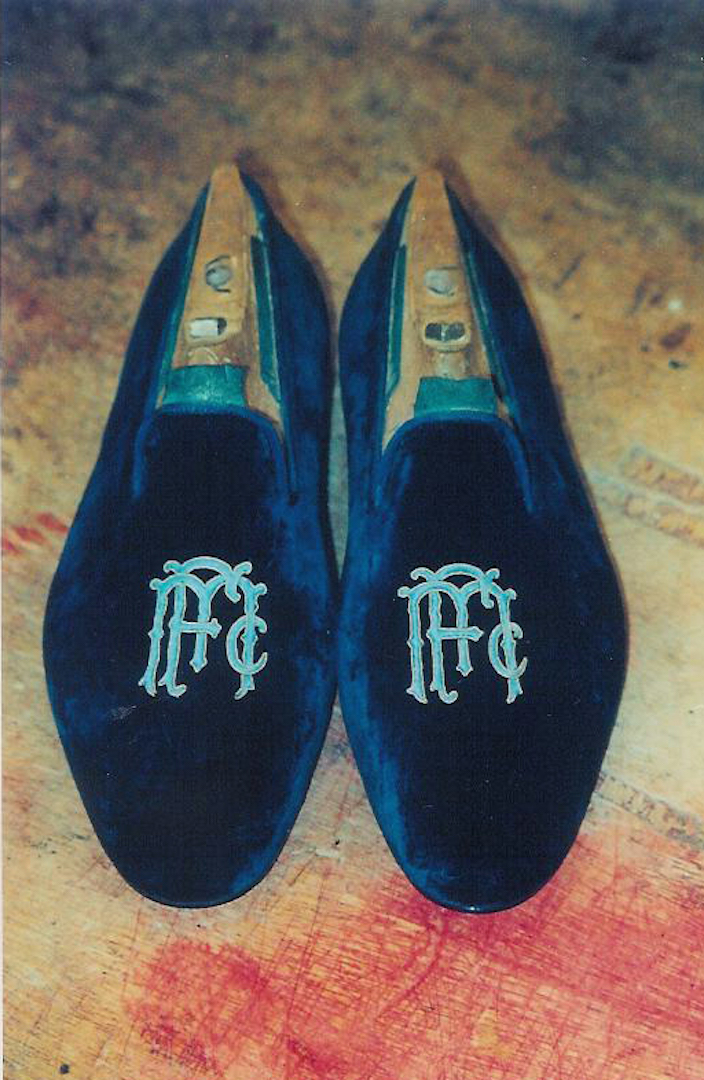
In summary, my view is that modernism will become post-modernism, the new world order will become post-world order, some men will have a tendency to be feminine and some women will always attempt to de-throne a man, London will always have a traffic jam, the blessed Queen will always love her Corgis and Amrik Chaggar will always handcraft the finest bespoke shoes in the world.
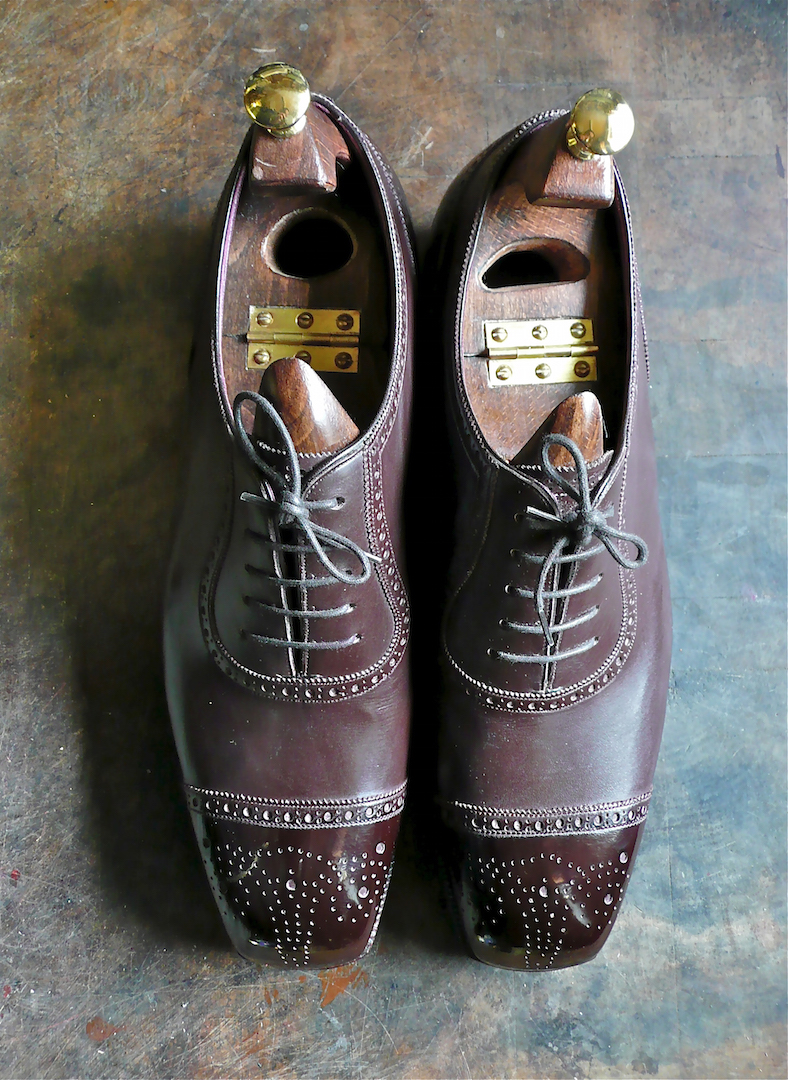
VR:What is your definition of a good shoe?
AC: Firstly, the foot needs to be supported throughout. This is normally constructed within the Last Making process. This art can only be achieved by an exceptional Last Maker who has dedicated his life to strive for perfection in craftsmanship like I have. To achieve this, one must have the unique ability to hold a customer’s foot in one hand and to create a rotating three dimensional image in their mind, taking the customer’s actual foot measurements and then finding a fine balance between maximising the support required to improve the longevity of the anatomy, as well as being able to create an extremely elegant object of desire, right the way through to the final execution of the product.
I made a conscious decision to concede my life, obsess my self, to strive for perfection. This is only one part in the process because when a client inserts his/her feet into shoes made by me, something magical happens. The client suddenly finds himself standing transcendent at the centre of gravity; the planets align and begin to revolve around him, rather than the other way round. This in my opinion is just the beginning of style and if you don’t get that..? Then forever chase your tail.
The genius Albert Einstein once said in his paper on relativity “matter and energy tells space and time where to go”. And in Martin Scorsese’s epic movie Taxi Driver to the sounds of Bernard Herrmann, the great Robert De Niro said, “Damn, days go on and on, they do not end. All my life, I needed a sense of some place to go. I don’t believe that one should devote life to morbid self-attention. I believe that someone should become a person like other people. I first saw her at Palantine campaign headquarters at 63rd and Broadway. She was wearing a white dress; she appeared like an angel out of this filthy mess. she is alone…They…cannot…touch…her…“
Although the character Travis is referring to a woman, the same applies for a man in the form of a beacon of light, a glimmer of hope. Be it a dress, or a pair of bespoke shoes the ‘Becoming’ process of a man ends when a man takes his last breath. Until then, it is not the destination that matters it’s the journey. So whatever steps one makes…make your carbon footprint ‘Bespoke’.
I sometimes wish I could walk on to the film set of life and say, “Cut…cut…cut! What are you doing?” I am sick of this obsession people have with their name tags wrapped around their necks whilst unveiling products that create billions to the world. This detachment between new money and the art of clothing concerns me. Go and buy a pure silk tie from Salvatore Ferragamo or Hermès, get yourself a decent business card, and place an order for a pair of bespoke shoes and suit by yours truly. Invest in yourself and update your wardrobe like you do your software.
VR: Who or what inspires you?
AC: I grew up in a family of builders so I developed my hand co-ordination skills for using tools and having a genetically gifted sharp eye without even knowing. The very first day after I finished high school, I travelled alone to Rostock, Germany, when the Germans had gone on strike to join my Grandfather, Father and Uncle who had gone out to build.
My Grandfather was my everything. He came to England in 1962 from Africa. He woke up at 4am every morning, did his prayers, went to the local temple daily to cook food for a community of an average of two hundred people. He owned many properties in England and abroad, paid for 16 weddings for people who could not afford to get married and let them borrow his house during the weddings. He installed and plumbed baths and boilers in most houses in and around Plumstead and Woolwich, in South-East London, for free, when baths were first installed. He was a Master Builder and had hands that could do anything. He was a smart man who had a super sharp brain.
He could sum up his week’s shopping faster then the women could scan the items on the tills. If an electrical appliance or a drill or clock stopped working, he would figure out a way to make it work. He built his own house from scratch. He climbed four-story scaffolding buildings with a walking stick until the age of eighty-two.
He had always been with me whether it was building extensions, renovating homes or little projects that I had took on. He also used to sit with me when I made shoes in my workshop. My Granddad was my biggest inspiration in my life and although he did not speak much English and probably did not realise his philanthropy, he certainly instilled it in me. Although I do a small bit now for those who need it, I look forward to a day when I am in a position to help make a real change. I also have tremendous respect for Mrs. Melinda and Mr. Bill Gates for their foundation in Seattle, which I have visited, and find inspiring.
VR: Finally, how can my readers find out if a shoe has a truly good fit? Not too loose or tight is a very vague tip often bandied around.
AC: After the design consultancy has been finalised, all shoes are made halfway and double-checked with a fitting, leaving no room for error. To experience the feeling of truly good fitting shoes or suits, email me by appointment only at [email protected] and do not worry about the fitting, I have already mentioned that I have dedicated my life to bespoke craftsmanship.

Photos: Amrik Chaggar
Category Cordwainers, Interviews, Tailors
Copyright © 2013 Ville Raivio