Anatomy of a vintage Brooks Brothers button-down shirt
6March 5, 2017 by Ville Raivio
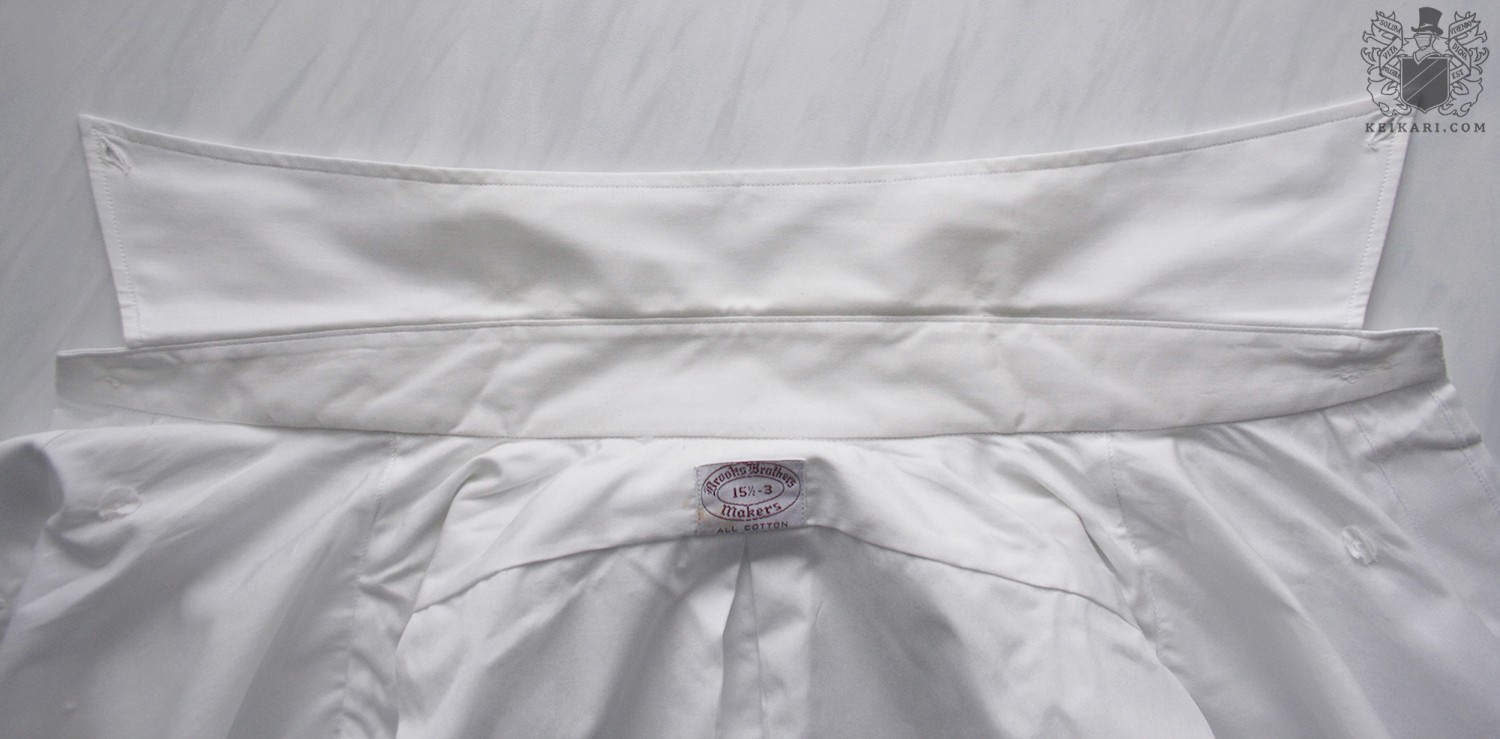
Those in the know also know that Brooks Brothers used to make “The” button-down shirt, as was good and proper since they created the first American models. Thing is, style addicts have been decrying the ever-declining make and quality of BB’s button-down shirts from as far back as the 1970s, when the style writer George Frazier opined so. As fate would have it, I found a very old, unused, still wrapped-up BB shirt from one flea market — in Helsinki, Finland, of all places. It was high time to find out what the hey all this shirt talk was about. The example shirt was made during the 1960s in BB’s own factory in America as part of their Makers series. The model is Polo, the original button-down shirt.
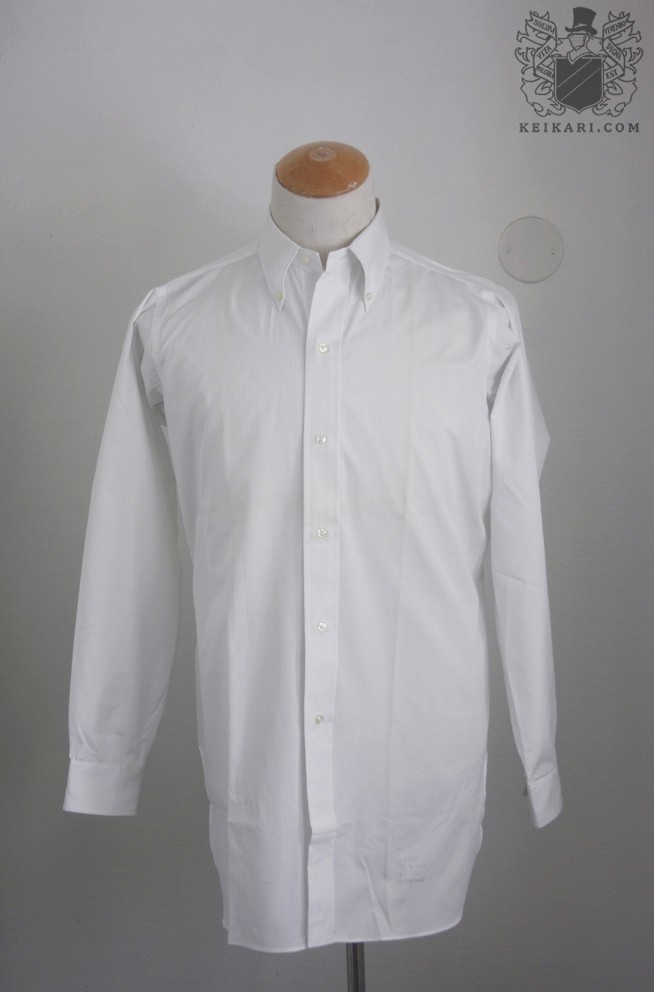
First, the cut. Is it billowy and sail-like on the chest, waist and upper sleeve. On this size 15.5 shirt, a European 39, the chest is 63 cm, the waist 56 cm and the upper sleeve 46 cm. This combination hardly flattered anyone, but back in the days smart shirts used to be covered under knitwear or jackets. They could also be slimmed down for the body-conscious man, but just the one and wide cut was faster to make and easy to fit on most men. The extra slim fit was not invented yet, thank the gods of style, and spandex was not the thing to do. Still, the shoulder-to-shoulder seam measurement is 45 cm and similar to what most contemporary size 39 ready-to-wear shirts have. The wrist measures 22 cm and the collar is a true 39 cm one.
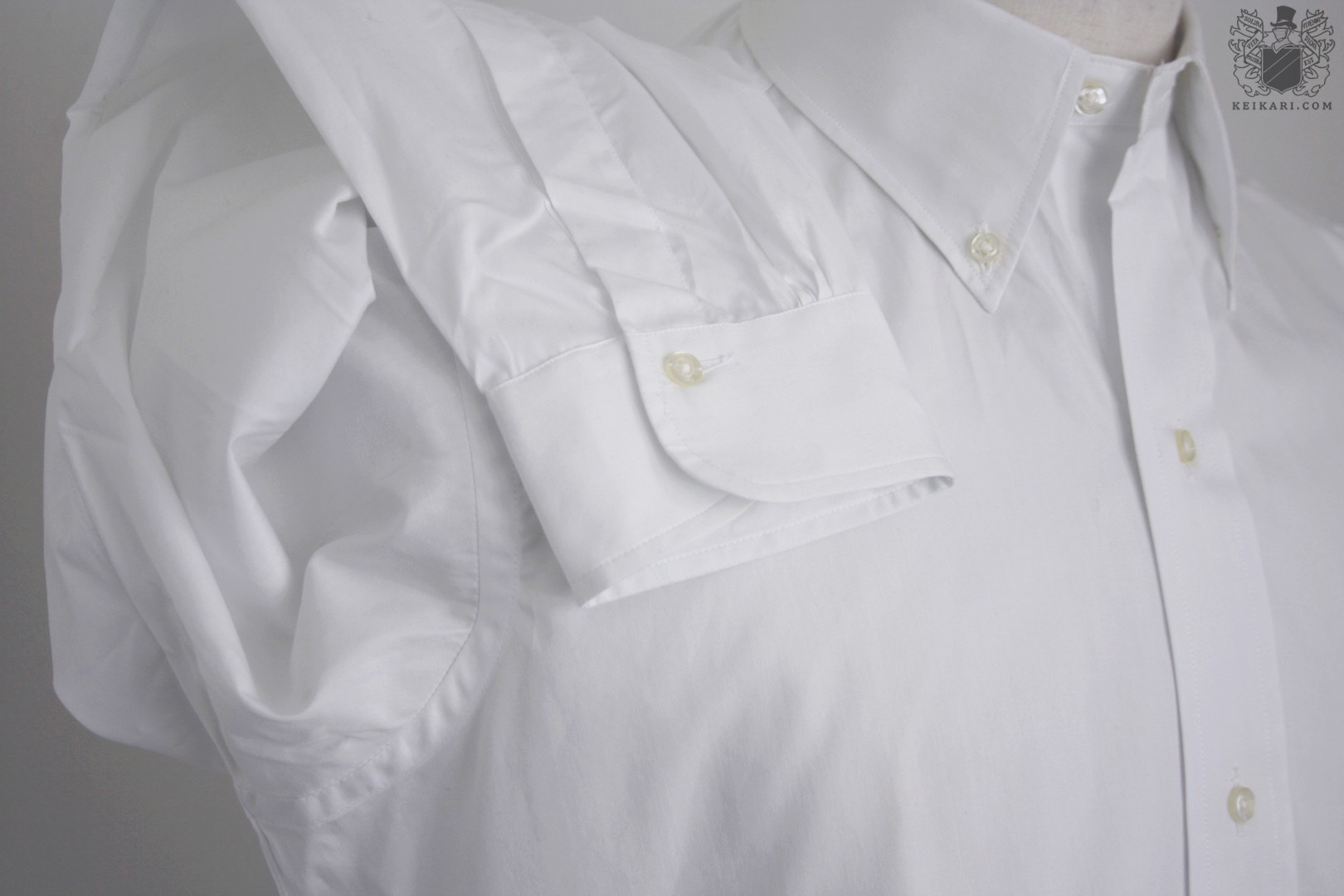
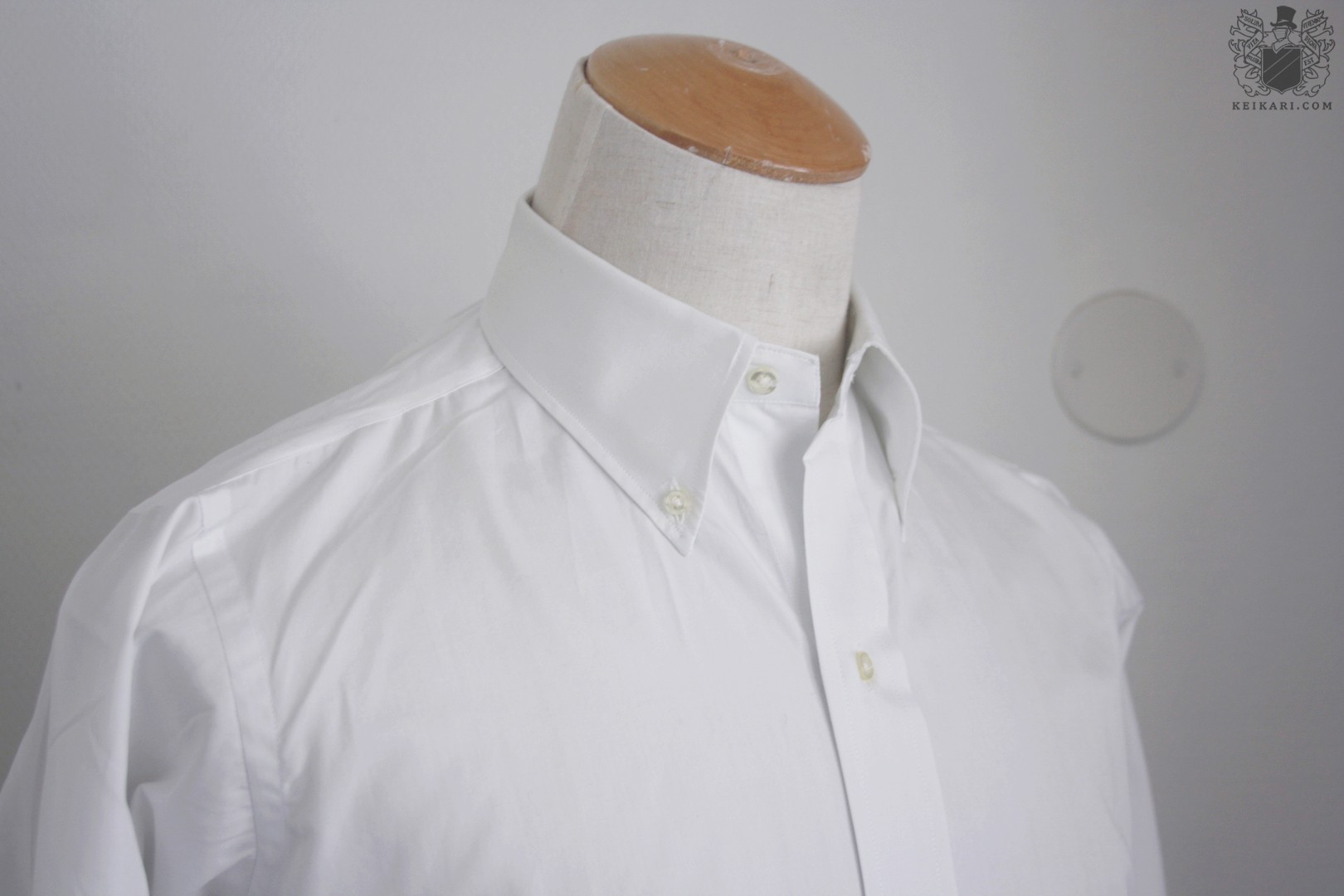
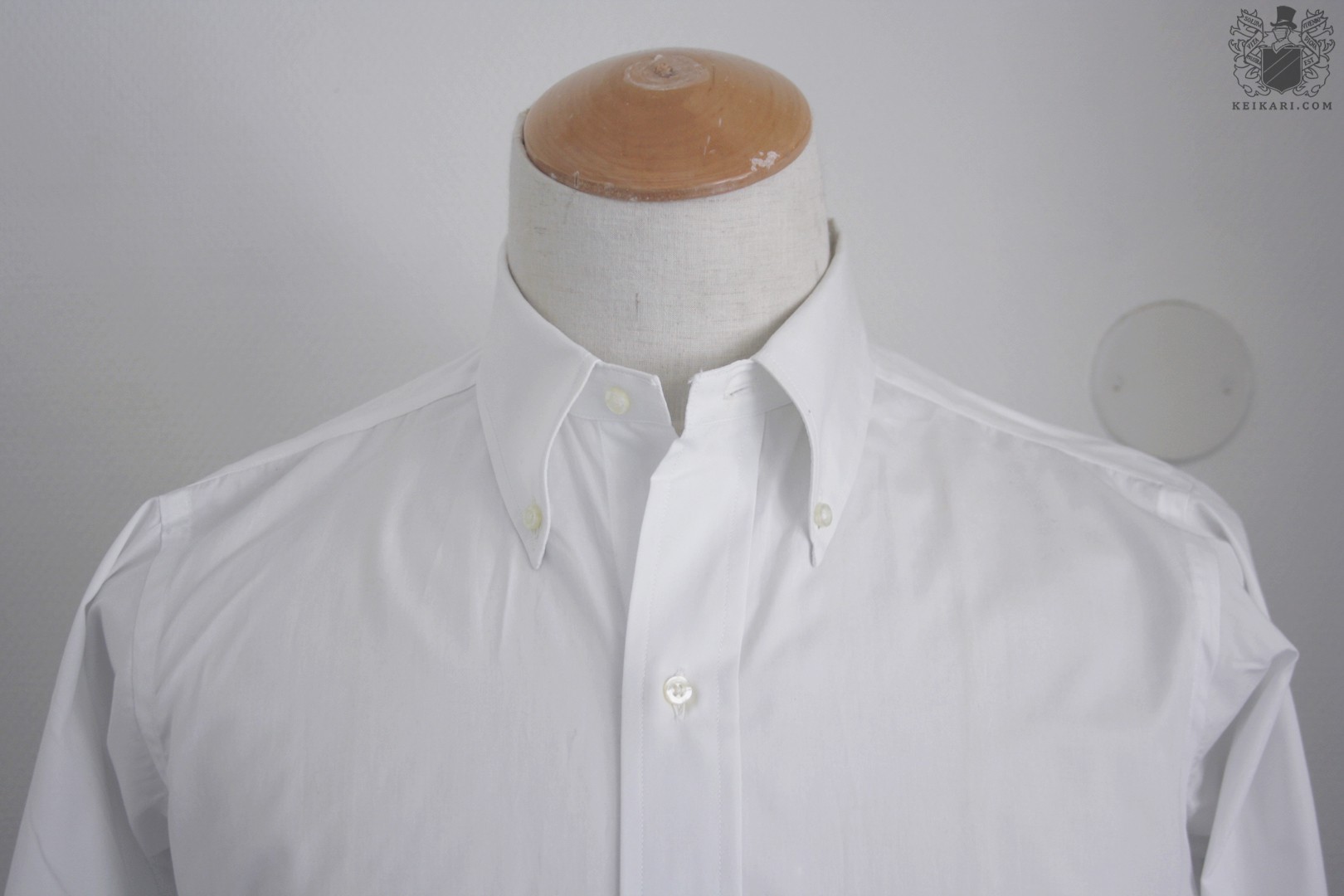
Second, the collar. The quitenssence of all button-down shirts is the collar and they shall rise and fall with it. With a back height of 4 cm, pointh length of 7,5 cm and spread of 9 cm, this is The Golden Ratio of the Brooks Brothers button-down collar from the Golden Age of the company. The proportions are mild but enough to make it look most handsome as the collar’s inner structure is extremely soft: no glue or stiffener, just a thin layer of cotton fabric. The collar rolls. It does not chafe or restrict. The same goes for the cuffs.
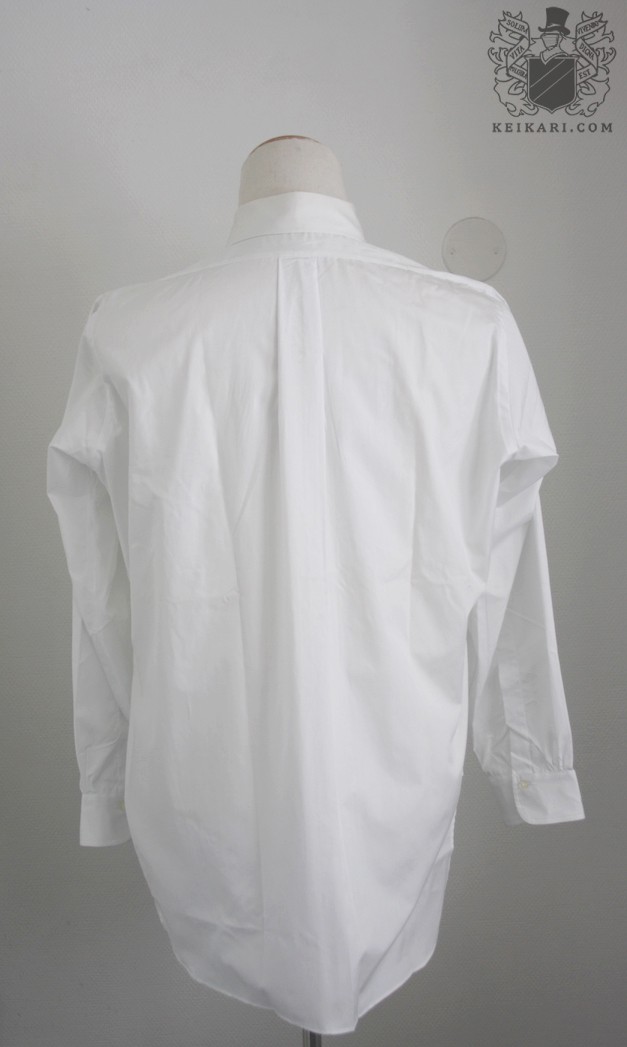
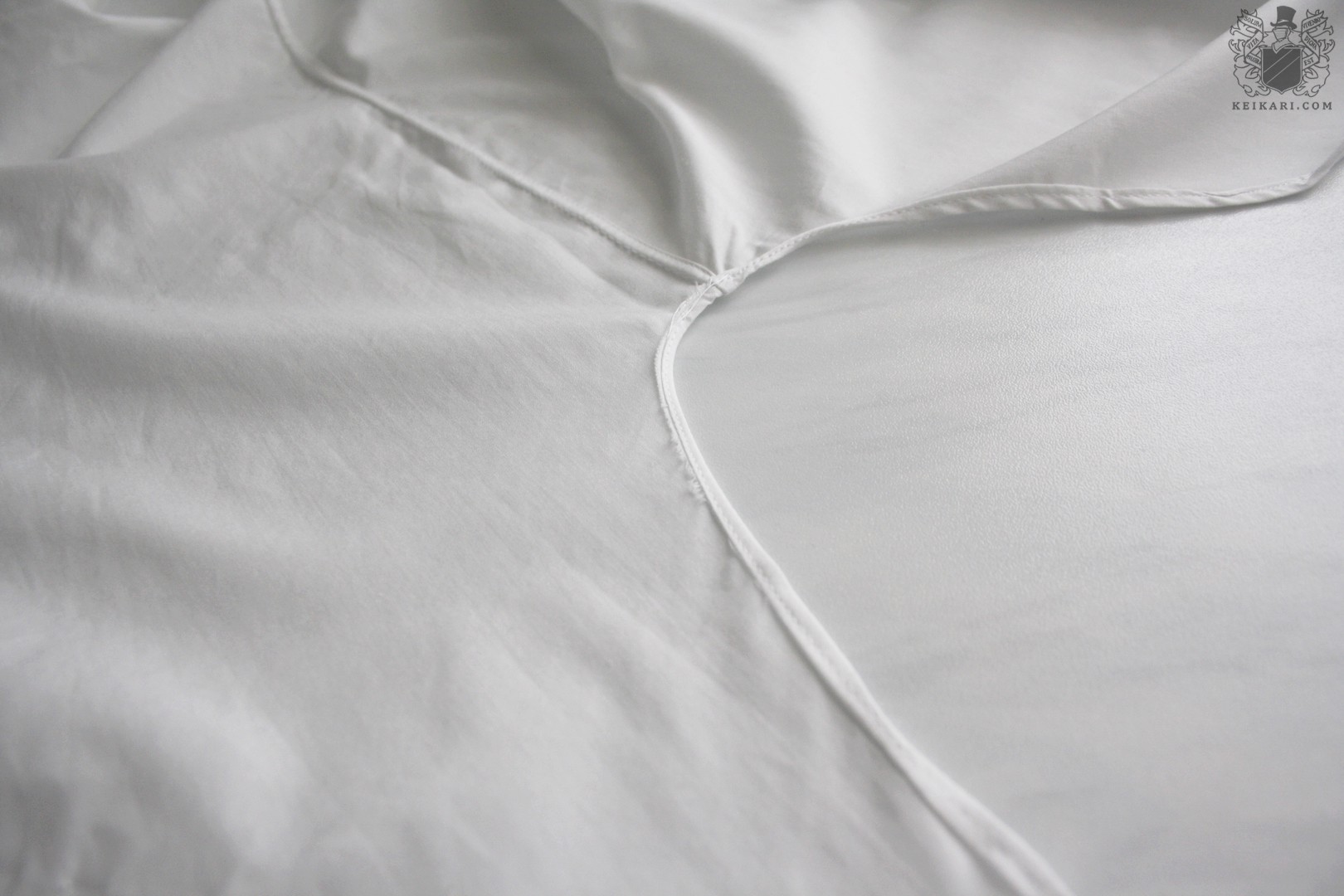
Third, the fabric. This one has sanforised cotton instead of the heavy oxford weave cotton that made the most famous BB shirts. Compared to contemporary shirtings, this one feels coarse but has a clean, smooth surface. The sanforisation promises less shrinkage with washes and wear.
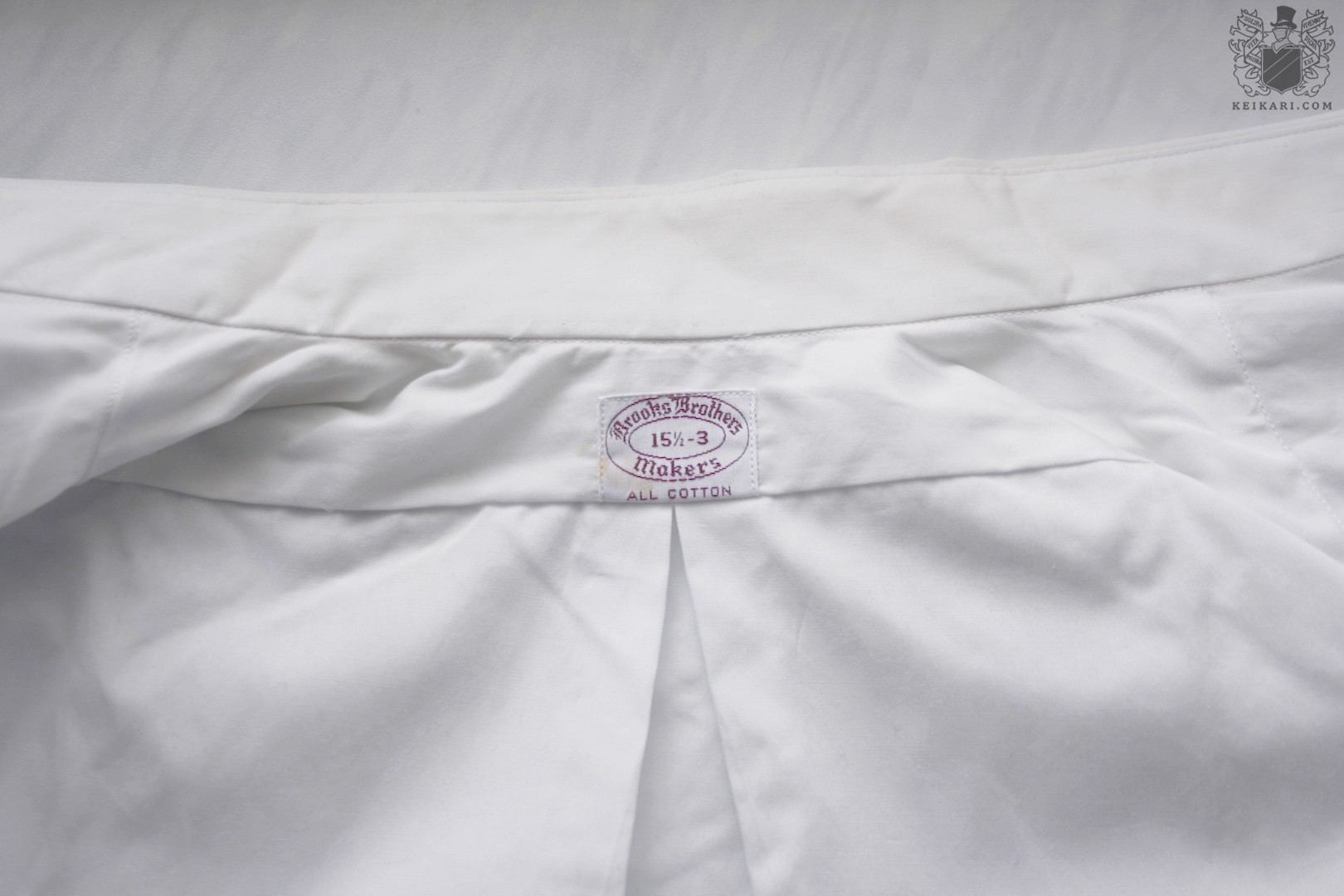
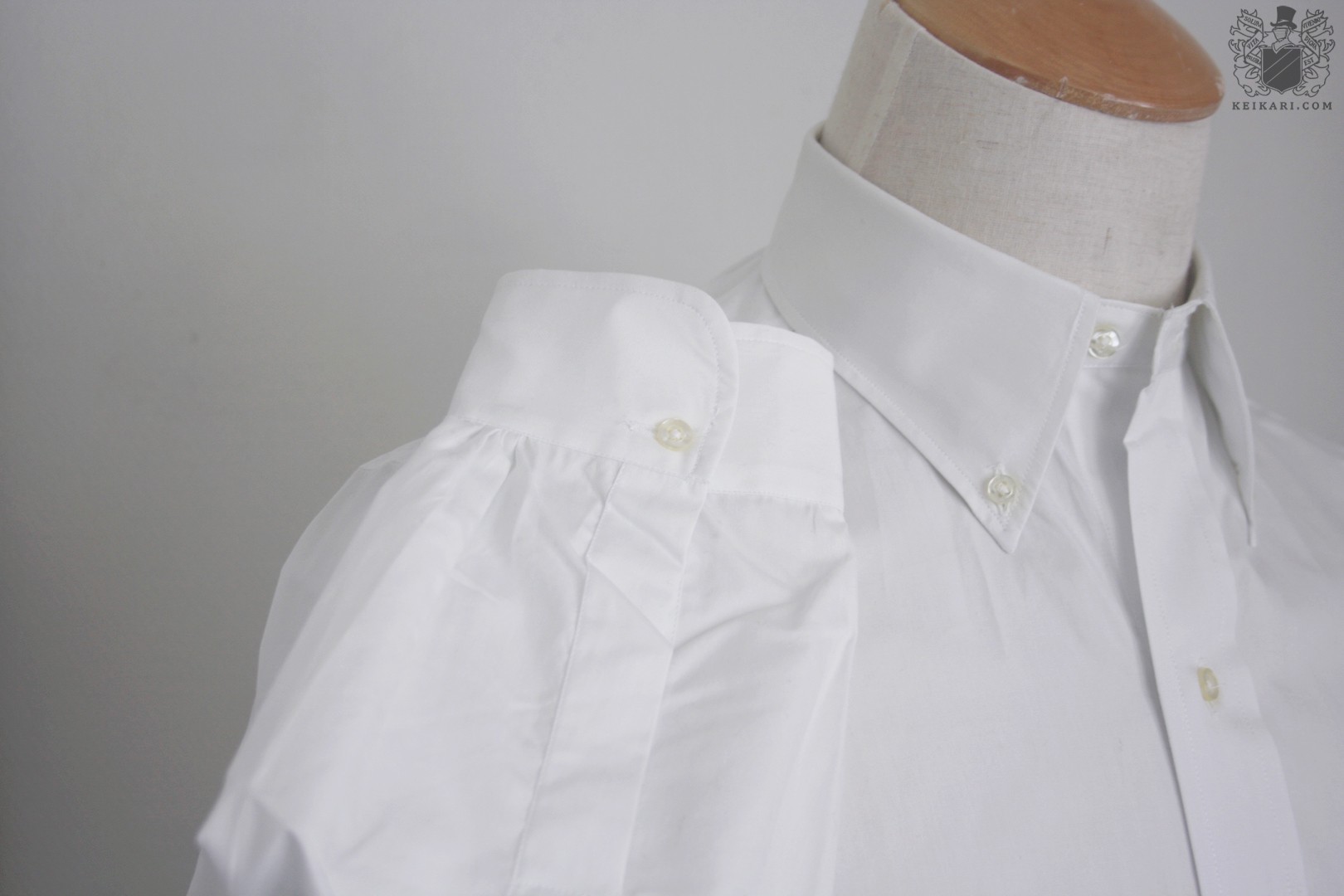
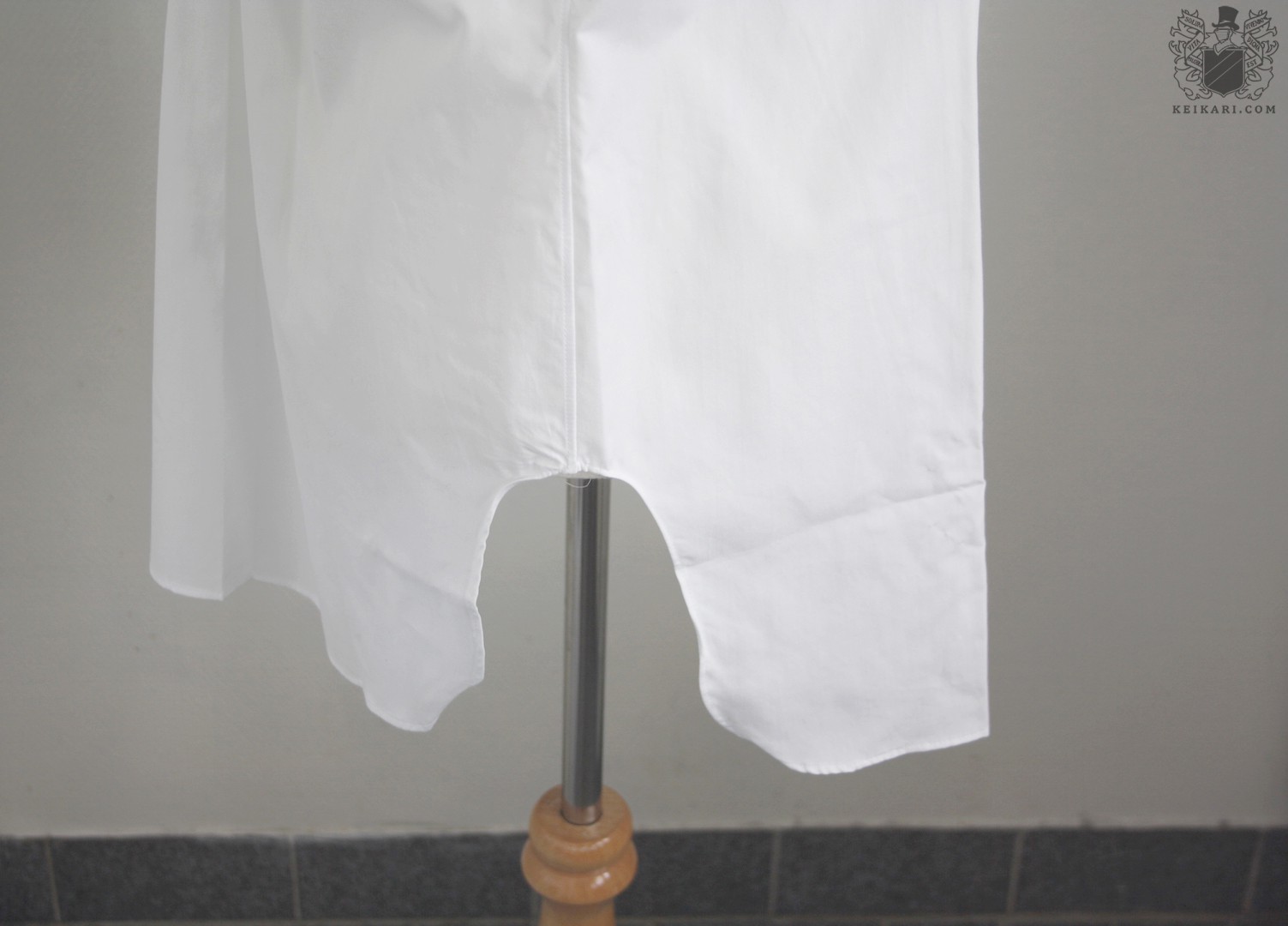
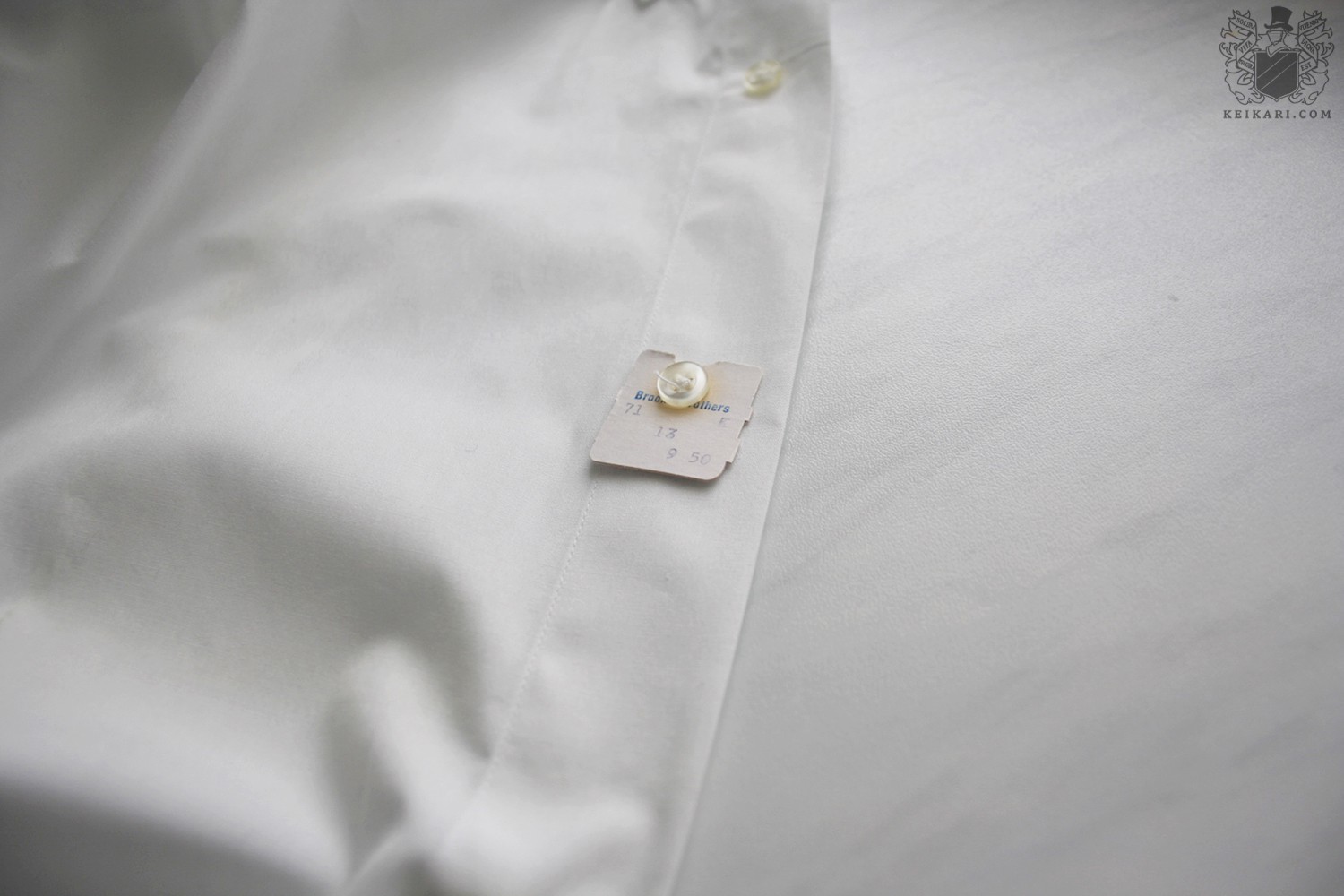
Fourth, the details. Here is where the halo around vintage BB shirts dims for me. The buttons are ugly yellow plastic and attached shoddily. The buttonholes are far from tight and raised, loose threads abound, some stitching is wonky and hem edges are turned shoddily. Still, the sleeve ends have nice and tight pleats, the longer hem stays tucked and the heavily rounded hem sides look swell.
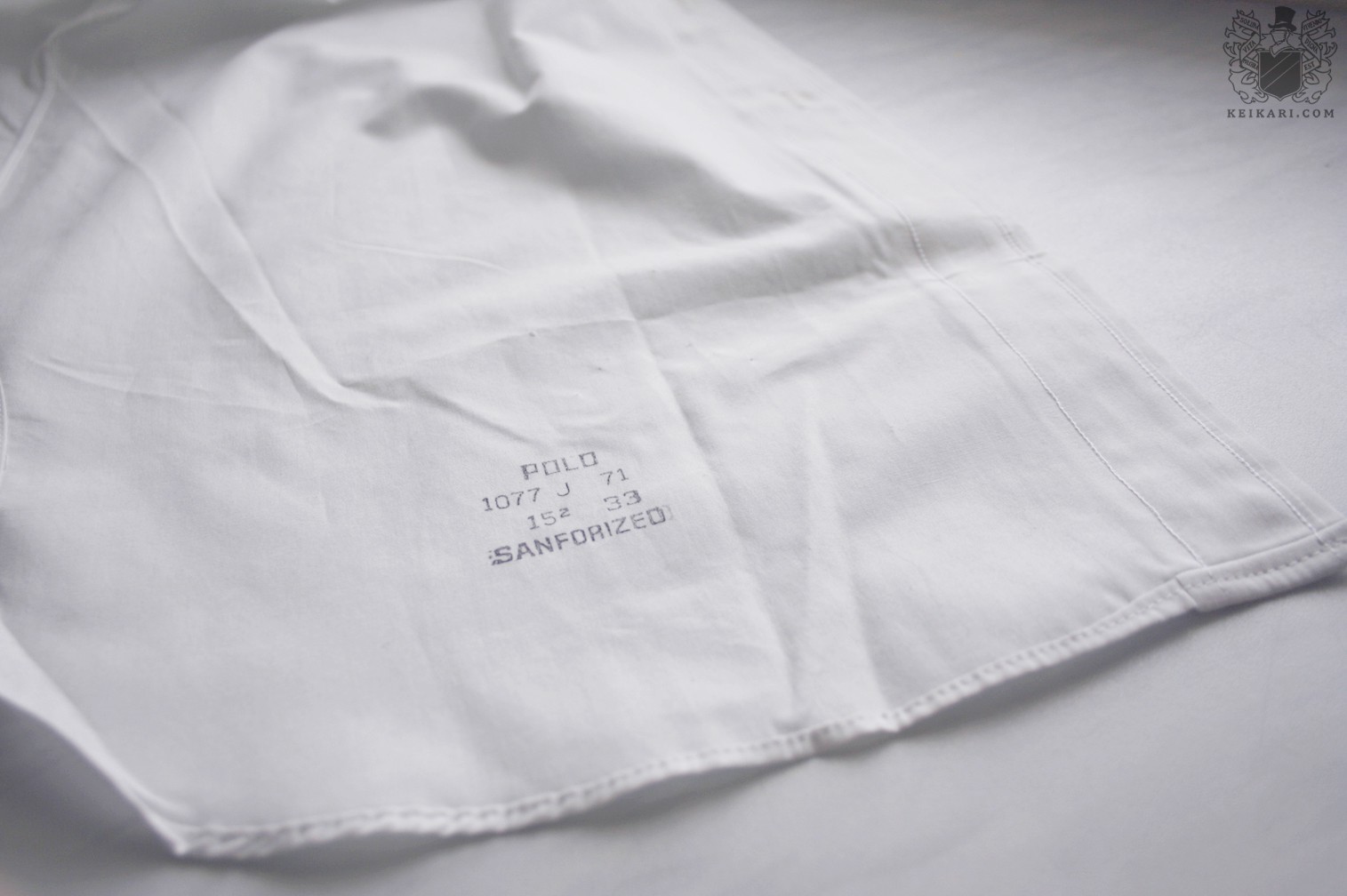
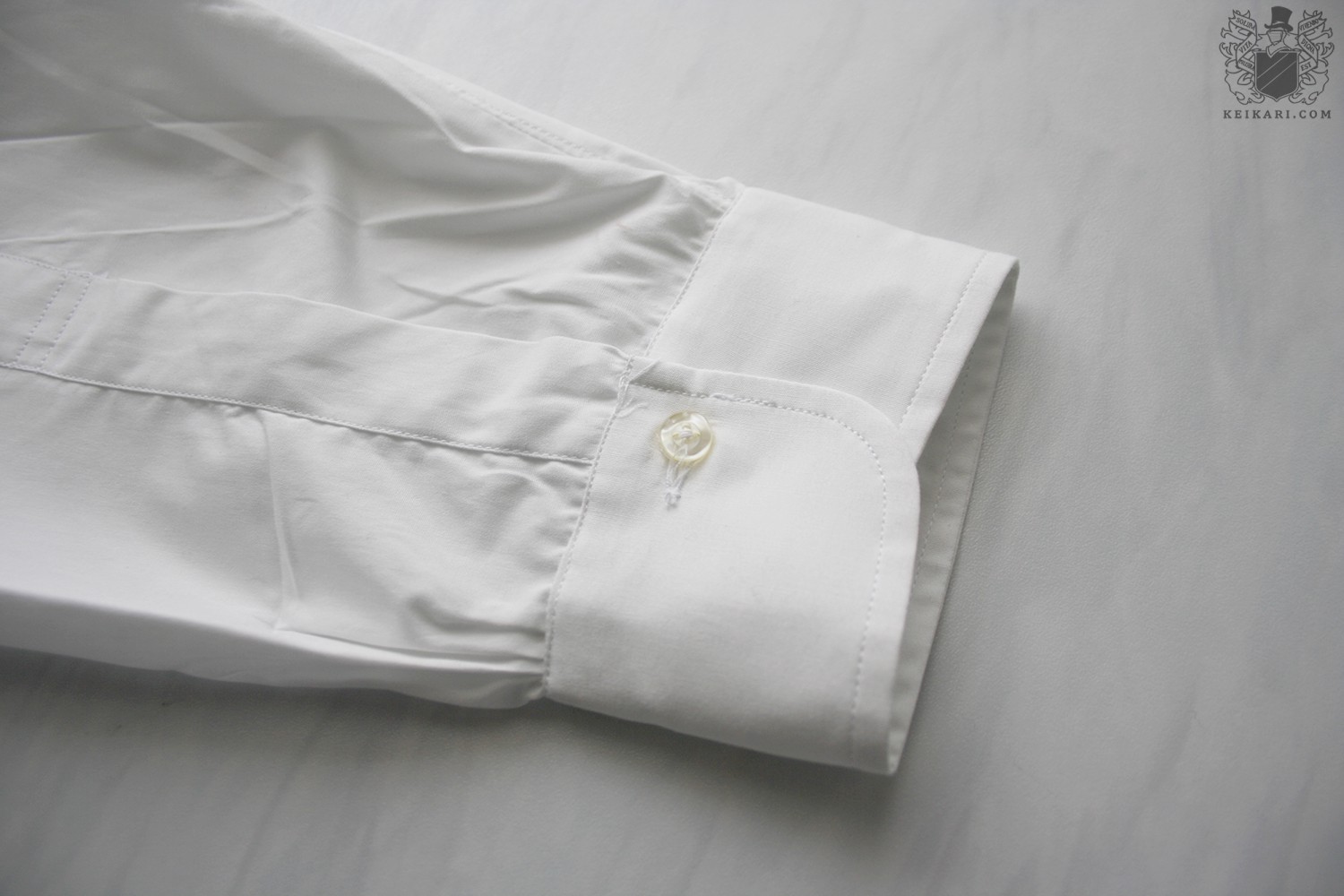
In short, Brooks Brothers offered great-looking and comfortable collars but the quality of their finishing and the greatness of their cut leaves me unimpressed. The nostalgia value is strong with these ones. Obviously I am making sweeping generalisations here, so reader beware, as I have no intention of looking up and buying dozens of BB shirts just to see how their make differs with time.
Category American style, Reviews, Shirts, Vintage
Made to measure shoes by Buday
0February 22, 2017 by Ville Raivio
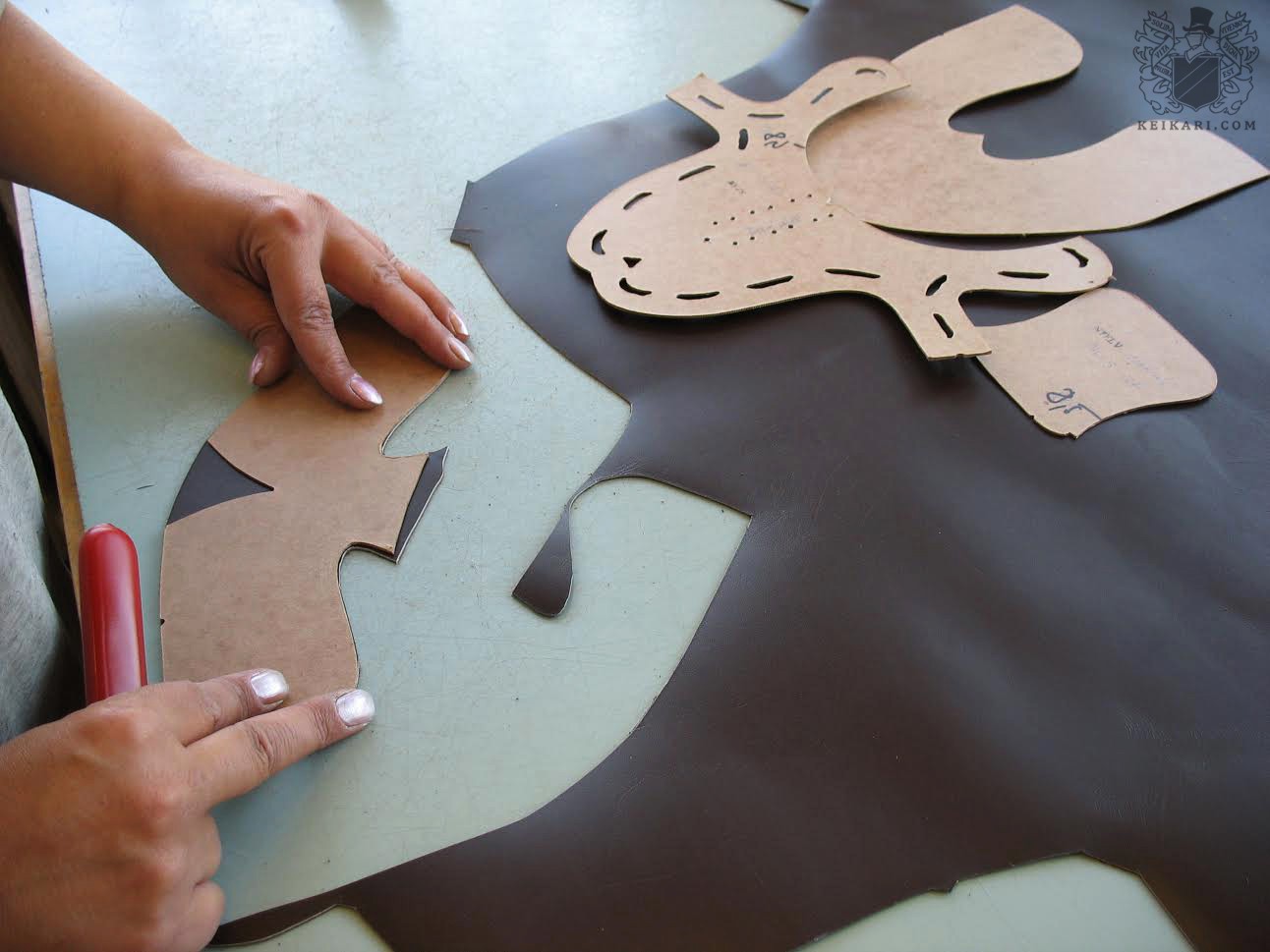
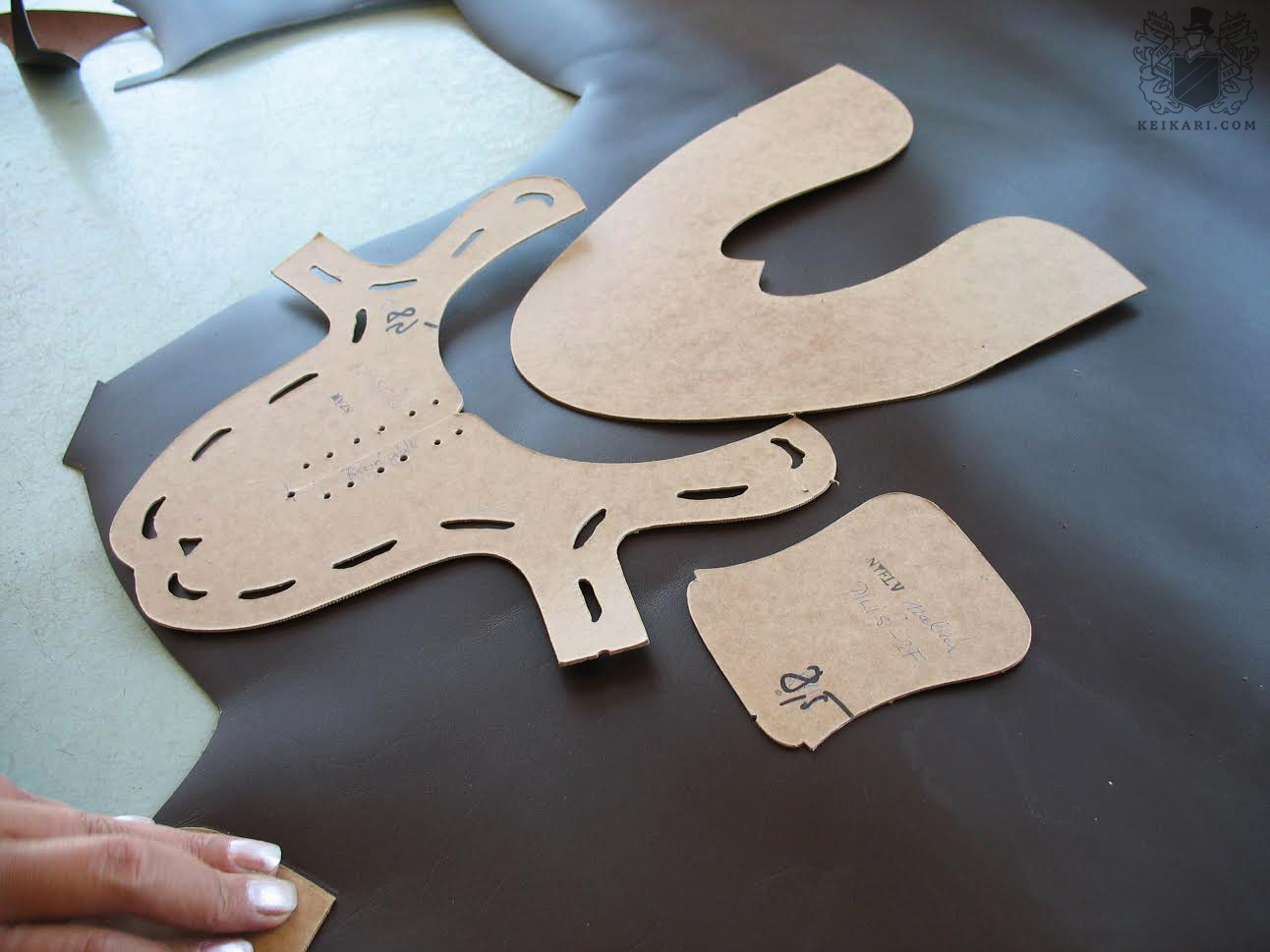
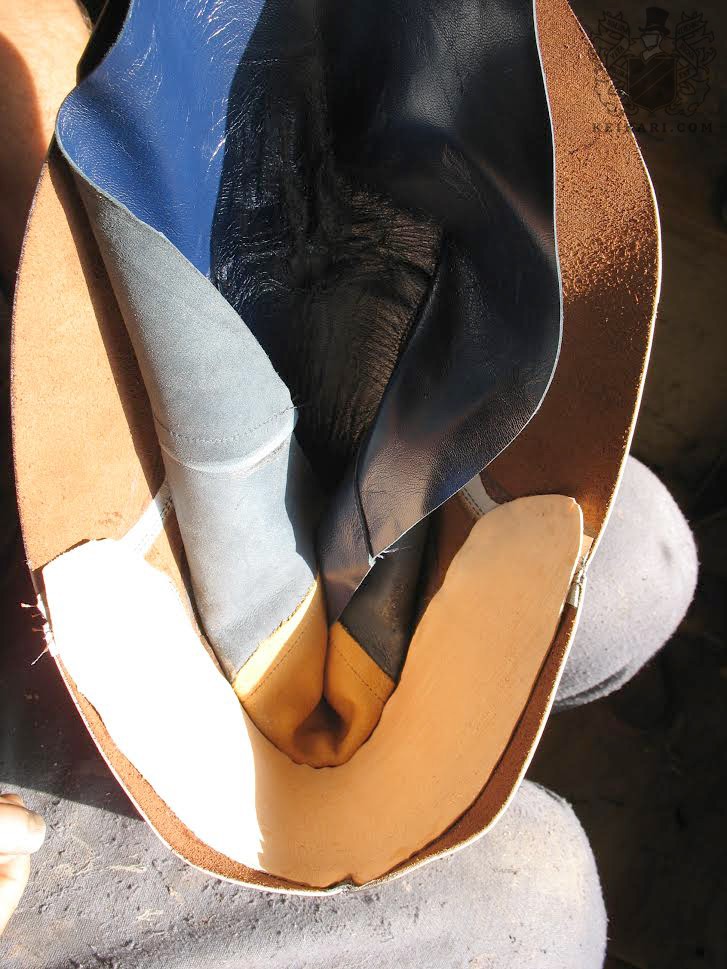
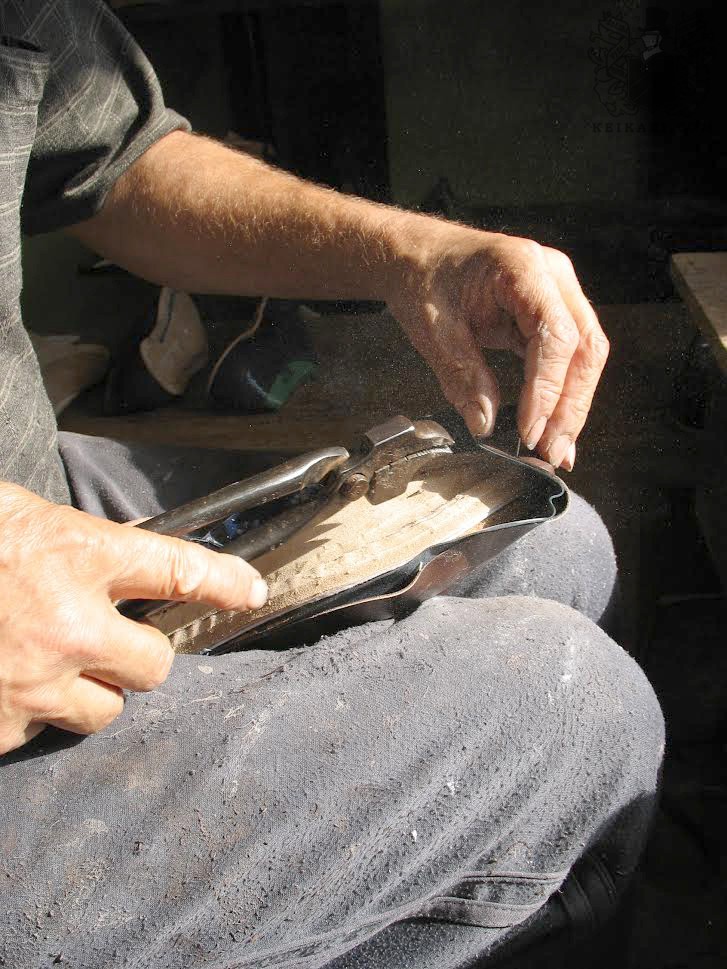
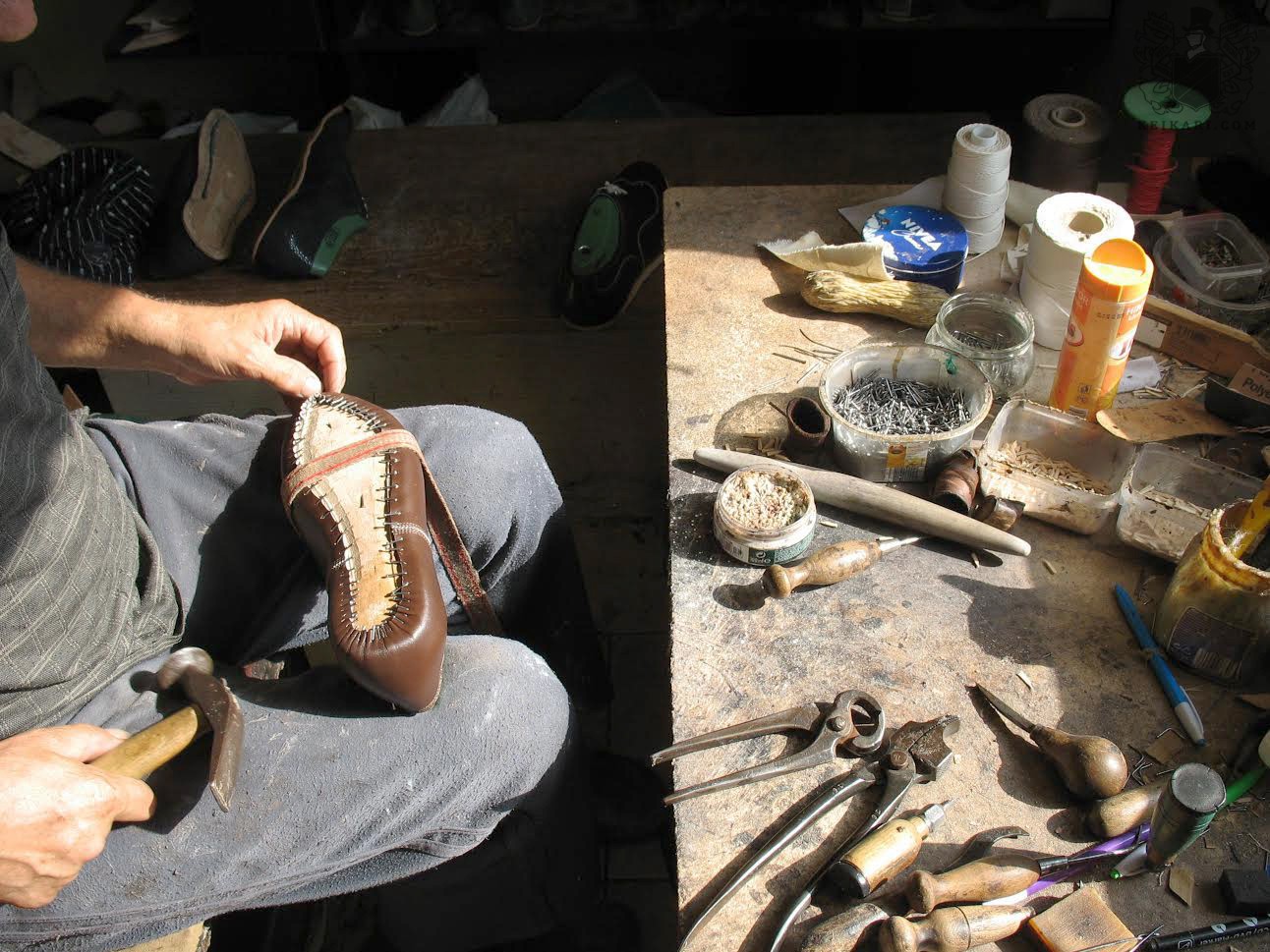
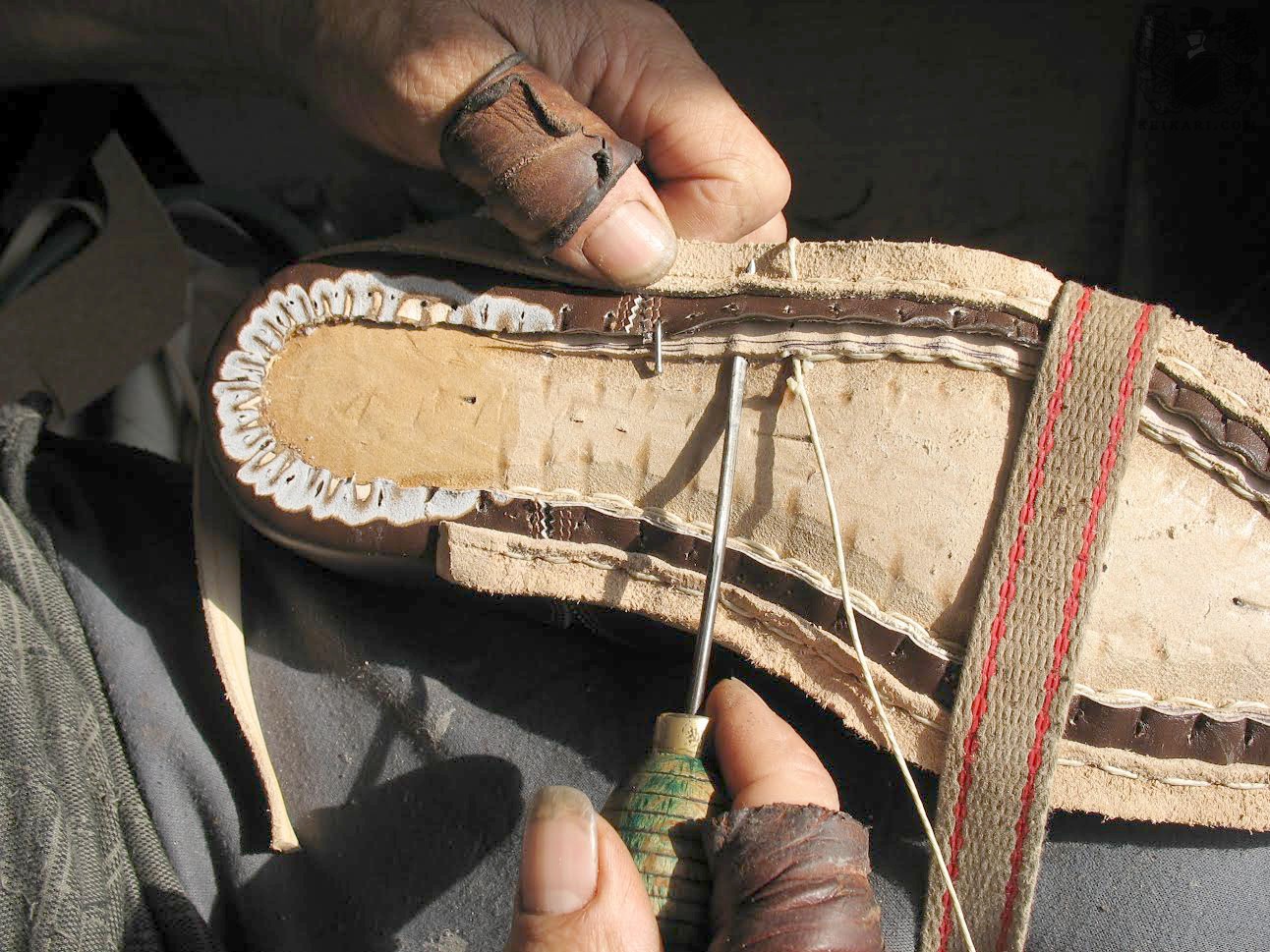
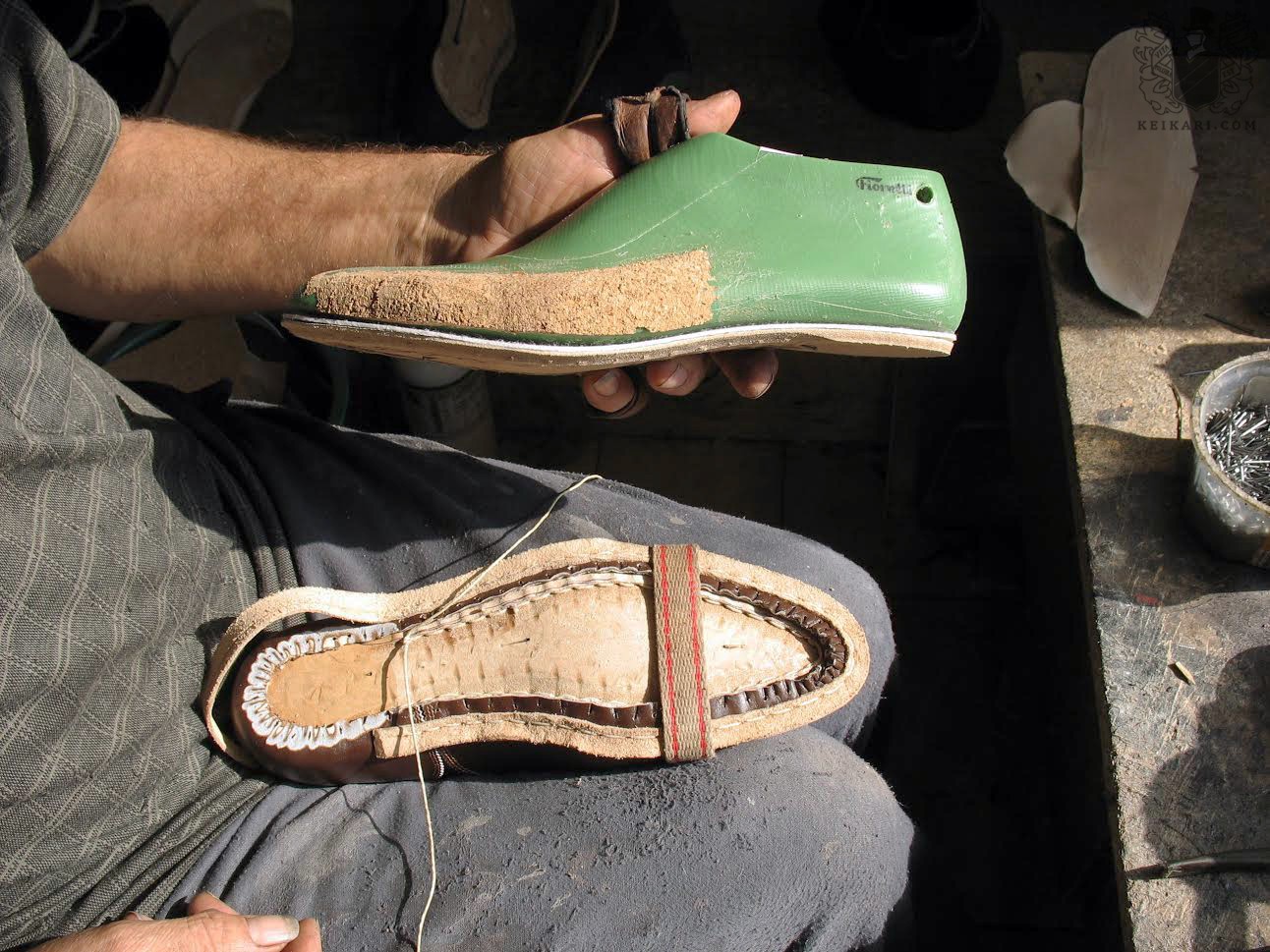
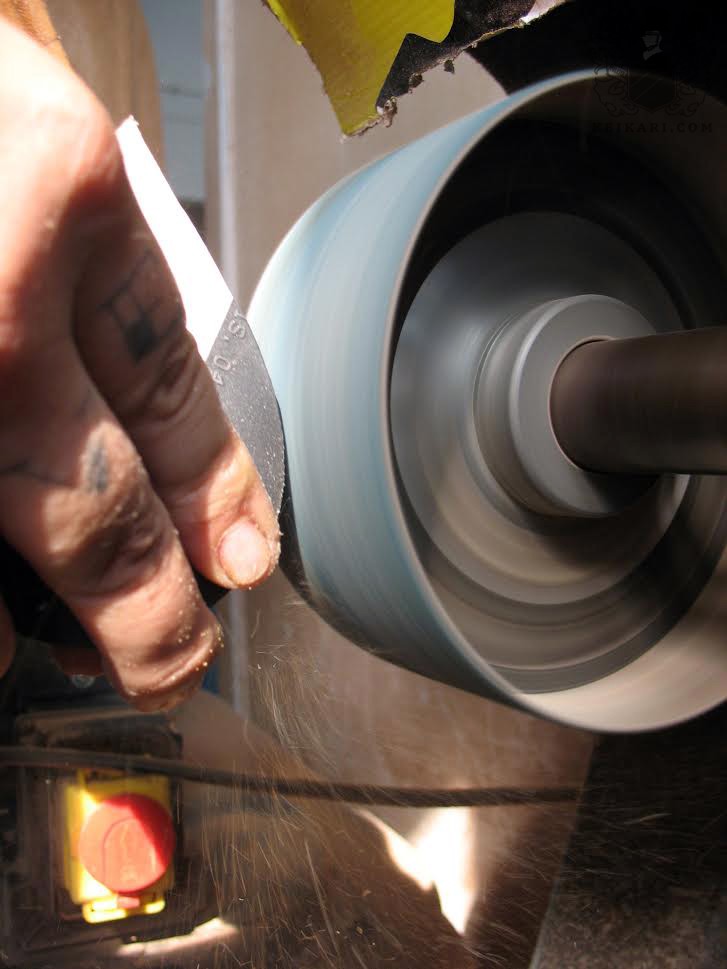
Last year, with the help of Buday Shoes Ltd., I set about to try yet another Hungarian shoemaker I had read about but not seen in person. The end result is arrived in the form of the Pismany model: a gimped austerity brogue made on the London-last from mid-brown boxcalf by the Perlinger tannery, with single oak-bark leather soles, double-spaced lacing, piping around the ankle, steel toe plates and clean seamless heelcups. To make the pair more personal, the shoes were also made to measure and feature bright blue lining along with an undyed welt top and white welt stitching. These small details delight the owner, but won’t stand out like the ever-more popular “luxury” sneakers that feature stamped brand logos. In having clothes made, there is no need to shout — a commission is already personal without large gimmicks.
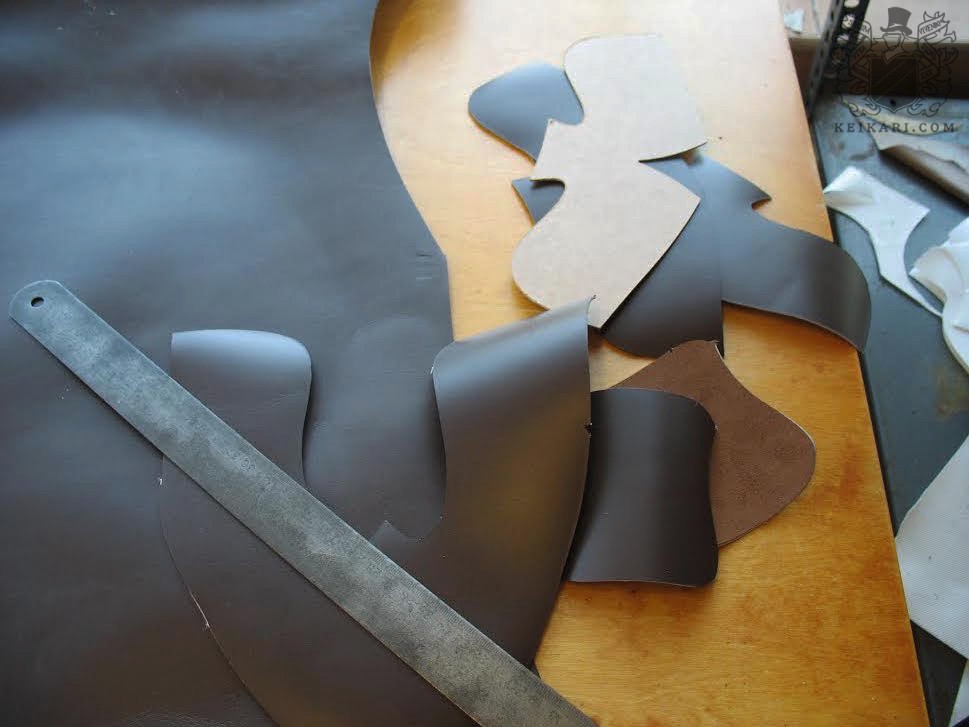
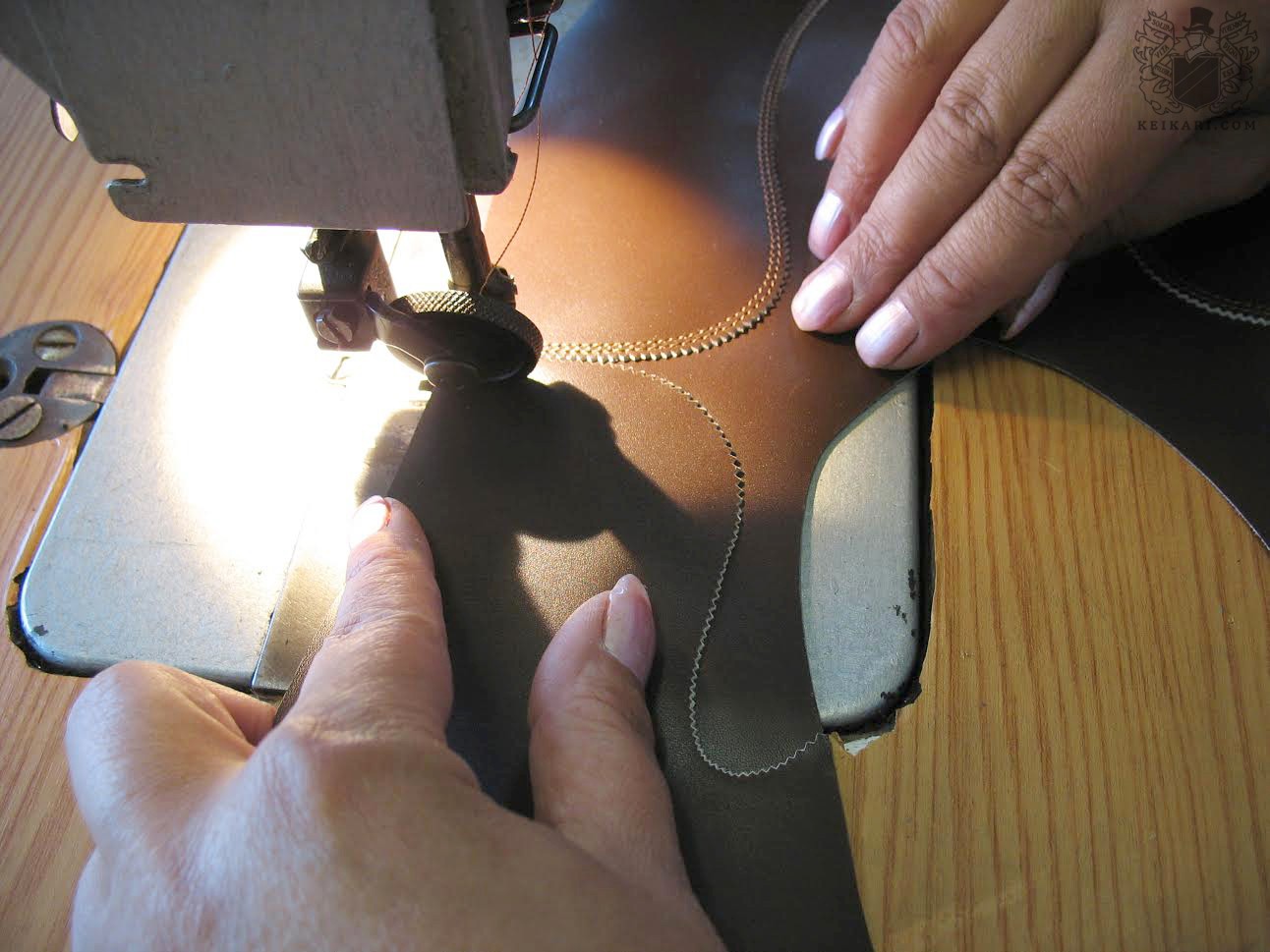
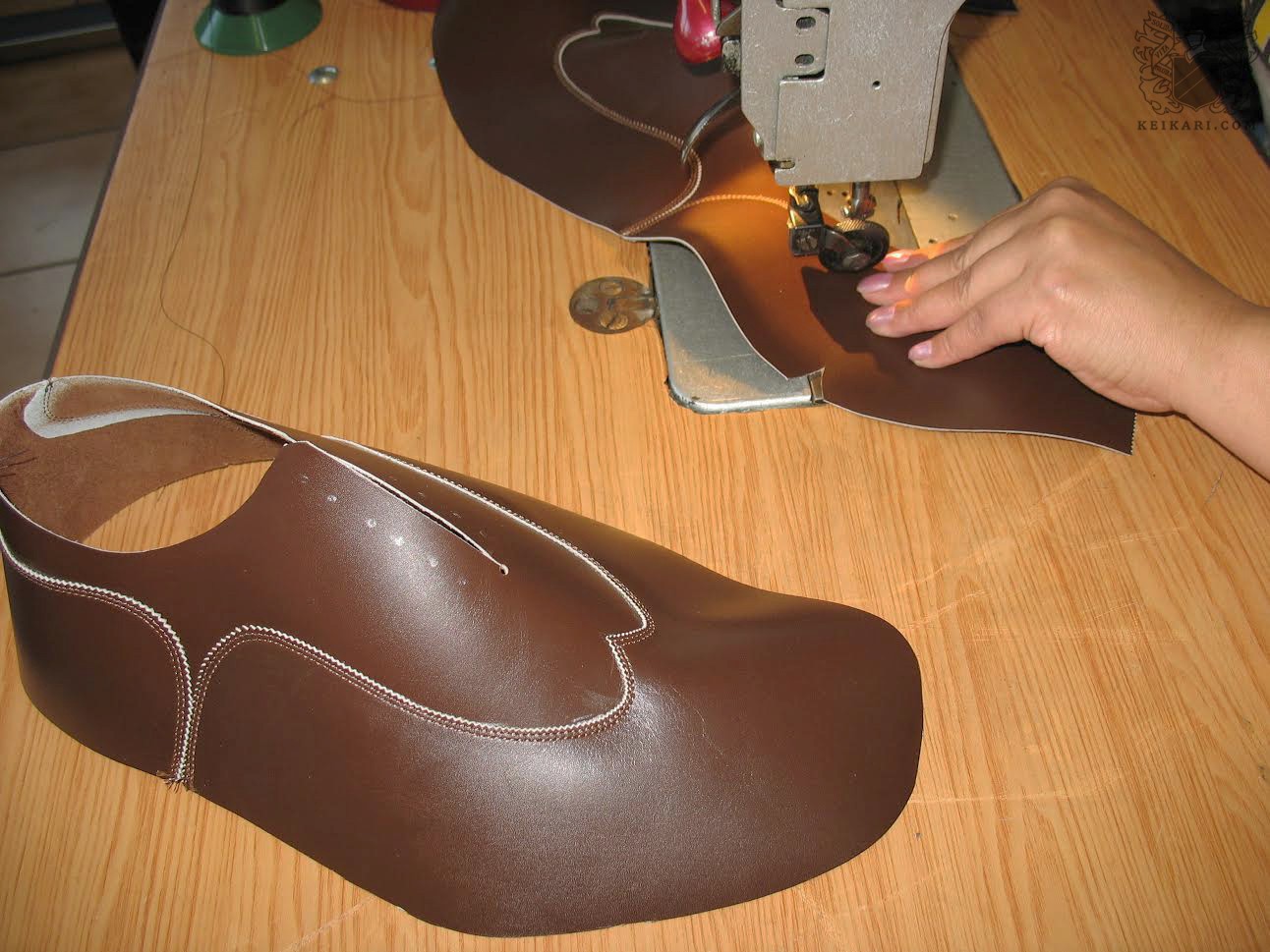
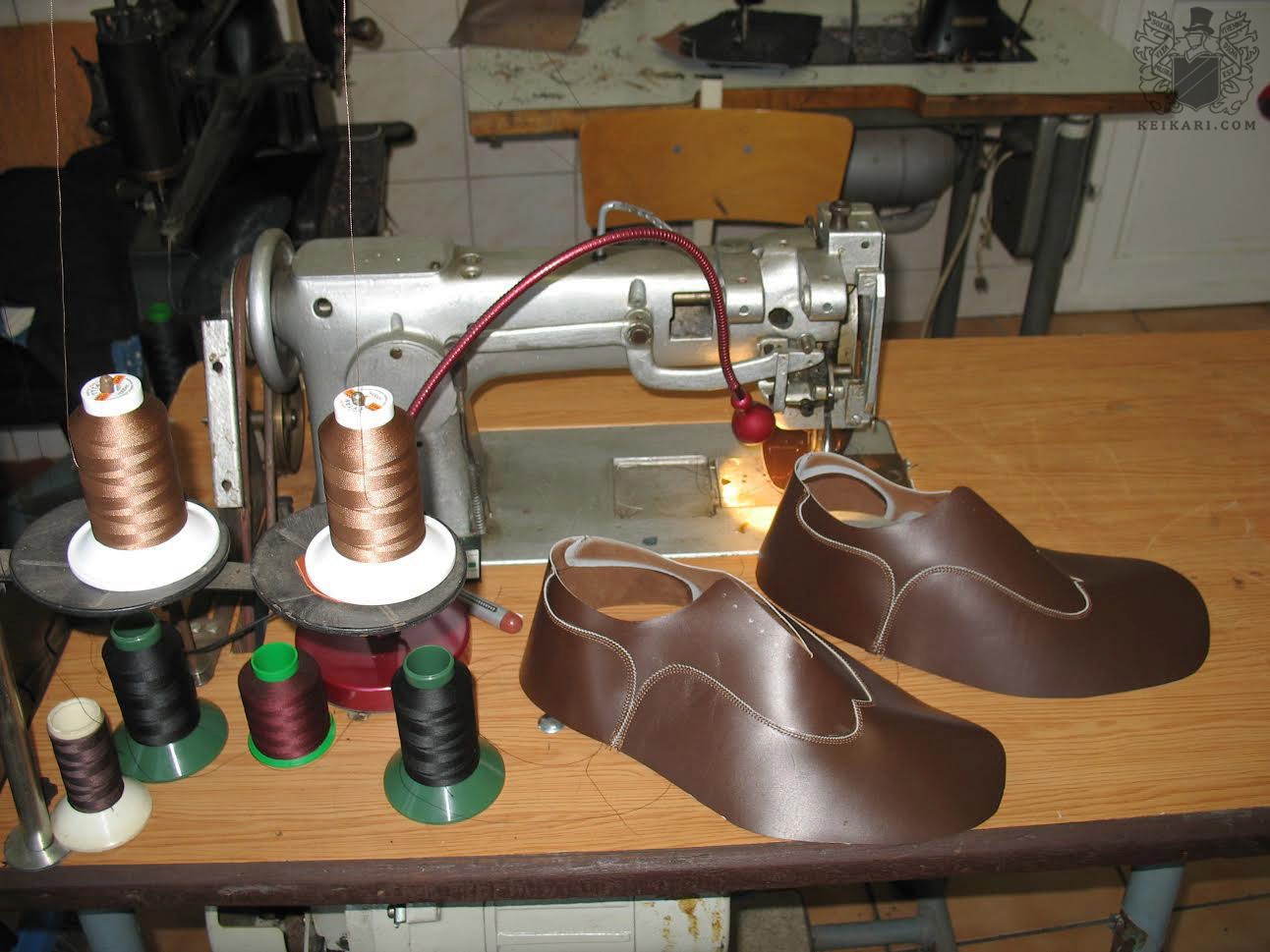
Pictured below, some shots of the pair in the making.
Category Footwear, Projects, Quality makers
Buday Shoes
0January 18, 2017 by Ville Raivio
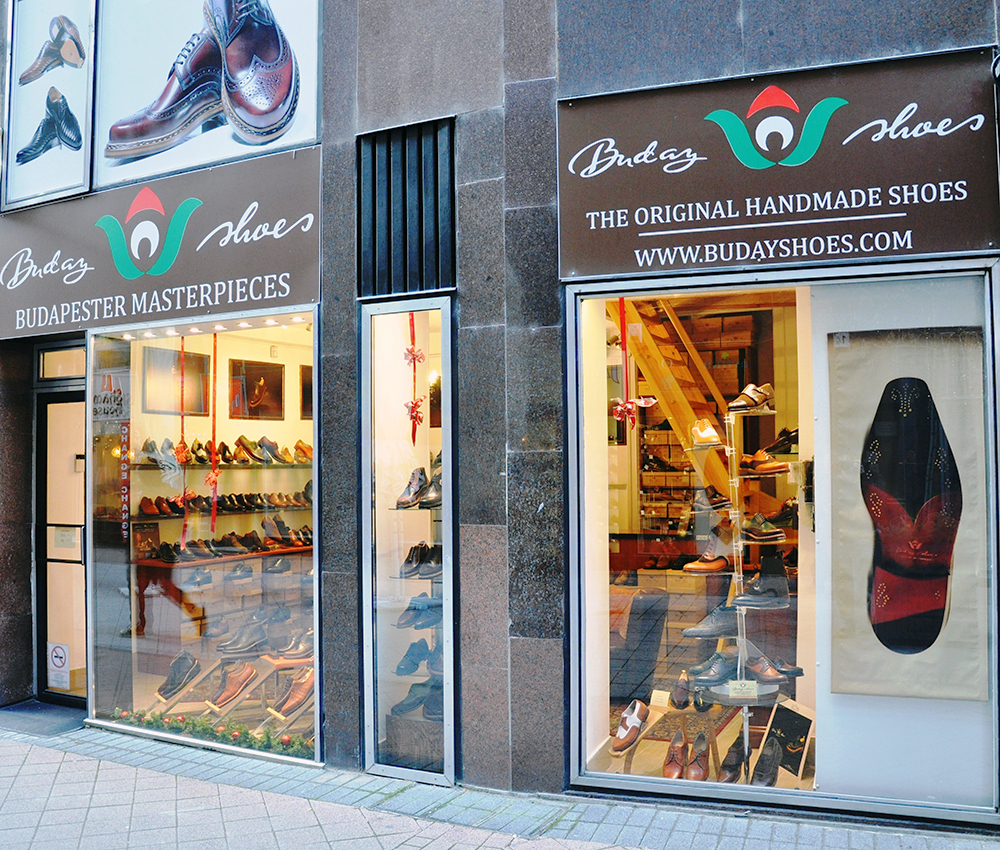
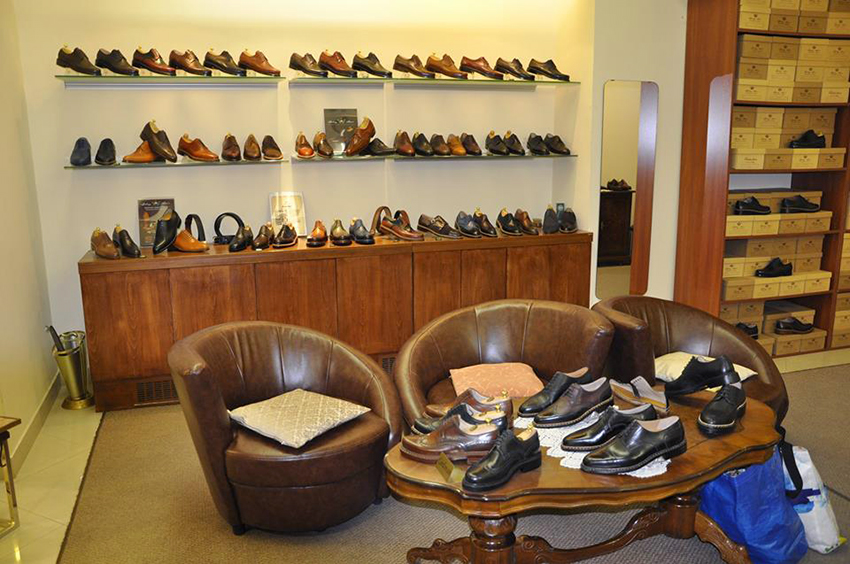
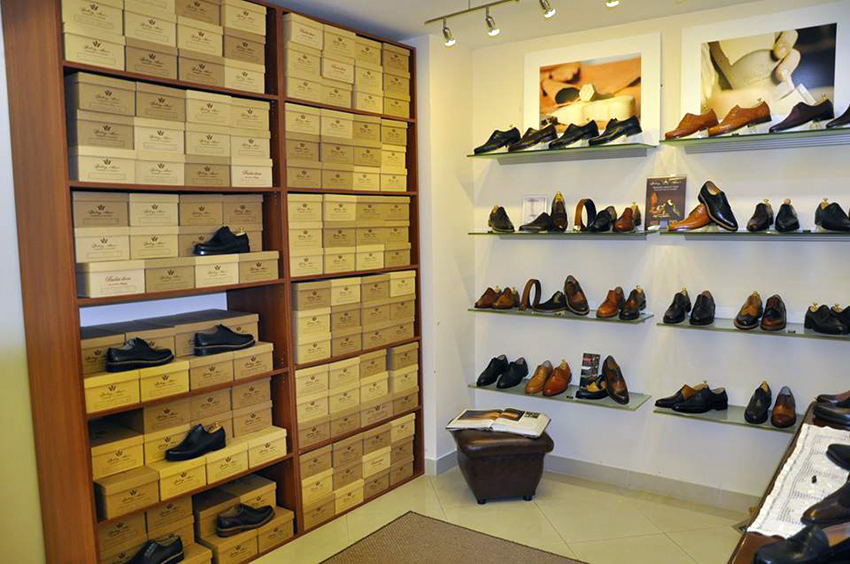
Buday is an artisanal shoemaker from Hungary, founded by Gabor Gyöngyösi in 2007. The company has stayed true to the principles of the age-old manual shoemaking where machines are only used to sew uppers and linings. With six shoemakers and two office personnel, 40 shoe models, 20 leather types, 6 welt constructions and 16 lasts, of which eight in regular use, Buday exports a full range of footwear to ten countries.
Sole leathers are oak-bark tanned and made in Germany, most calfskins are German as well. As for a so-called House Style, the company representative tells me that “we are trying to mix traditional styles with modern shoe fashion influences.” Compared to most companies, Buday favours strong colours for its designs and patina work. For exotic leathers, the company sources CITES-certified hides from reputable retailers. Besides ready-to-wear, Buday offers made-to-order, made-to-measure and bespoke shoes. The final option includes a fitting pair and individual shoe trees to boot.
Category Footwear, Quality makers
Yukio Akamine’s words
0January 13, 2017 by Ville Raivio
“With beautiful things [like clothes], it is all about learning to wait, being patient. People today, they don’t want to give it time. But it is like love, it is like a relationship, it is like learning, like all the things we admire, it takes time. Anything that happens in the snap of a finger isn’t good.”
— Yukio Akamine
Category Quotations
Side elastic shoes
2January 1, 2017 by Ville Raivio
The side elastic or side gusset or elastic sided shoe is an eccentric footwear type that has its origins in 1837. I’ve read several dates for the exact year, but have decided to put my trust in a museal source, courtesy of The Victoria&Albert Museum in London. One J. Sparkes Hall, bootmaker to Queen Victoria, launched his new invention back then; a “a slip-on boot with the gusset made from tightly coiled wire and cotton”, though it took three more years before this shoemaker of legend came up with an elastic similar to those in use today. His slip-on boot inspired the Chelsea boot, which was later followed by the Beatle boot and other elasticised models.
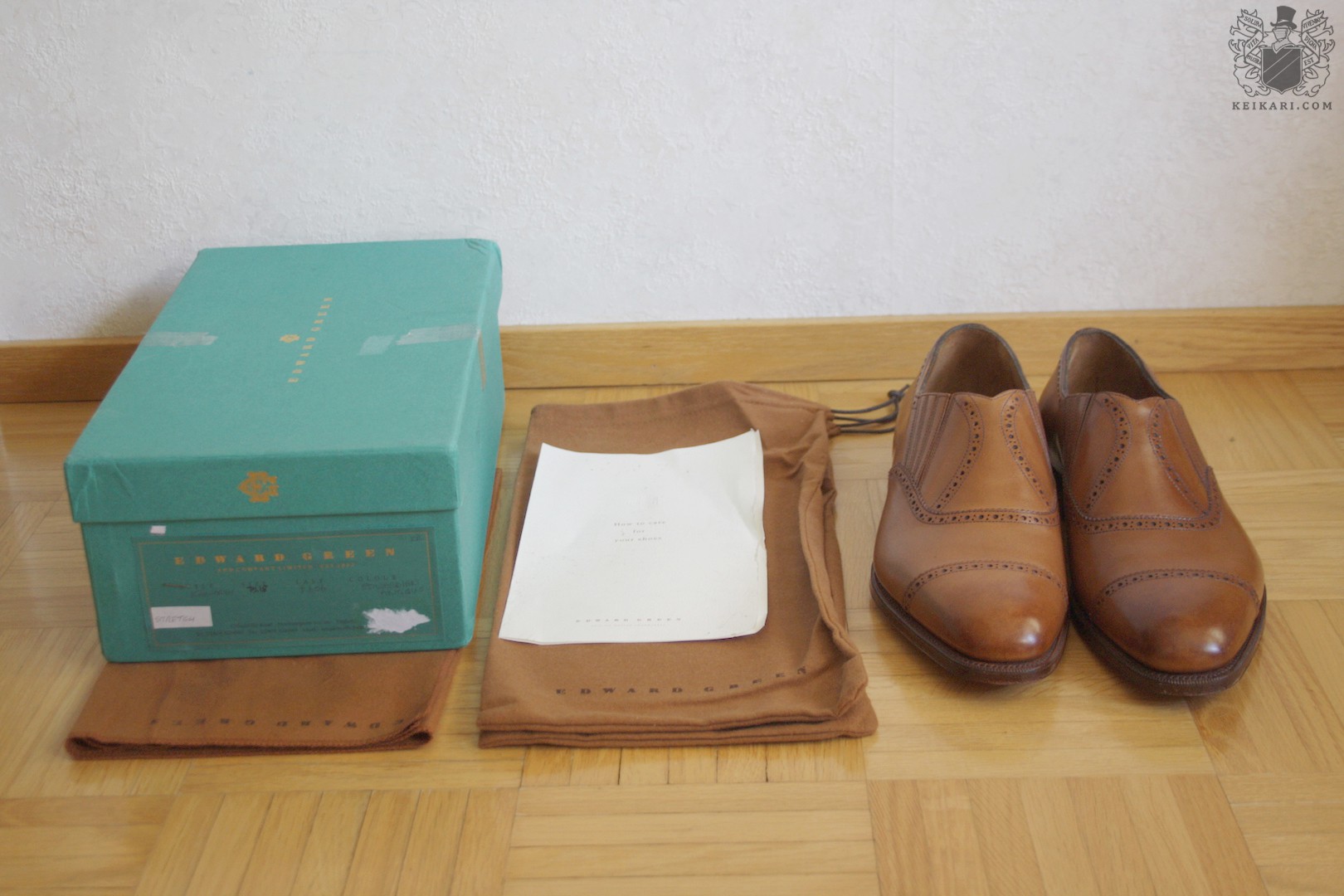
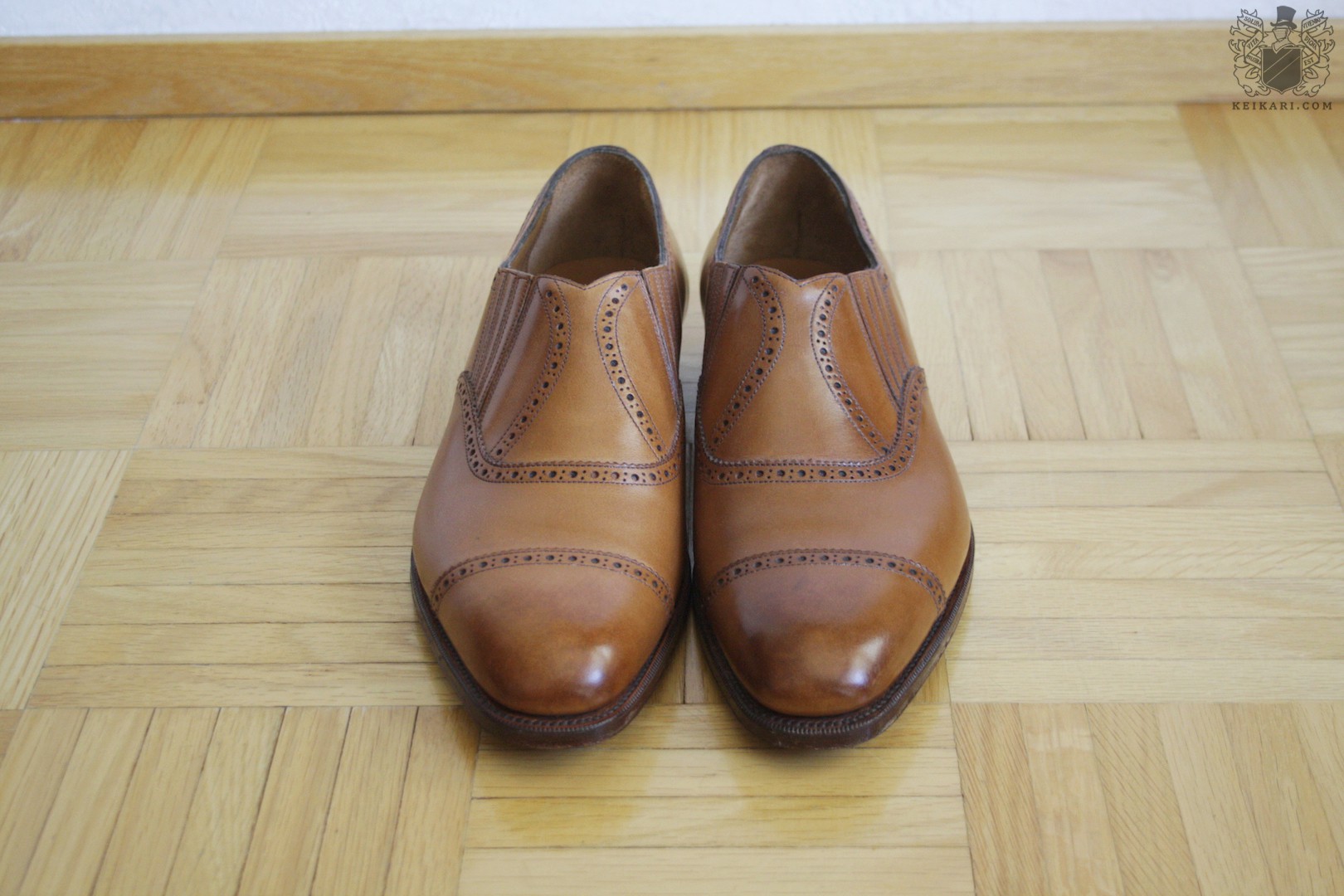
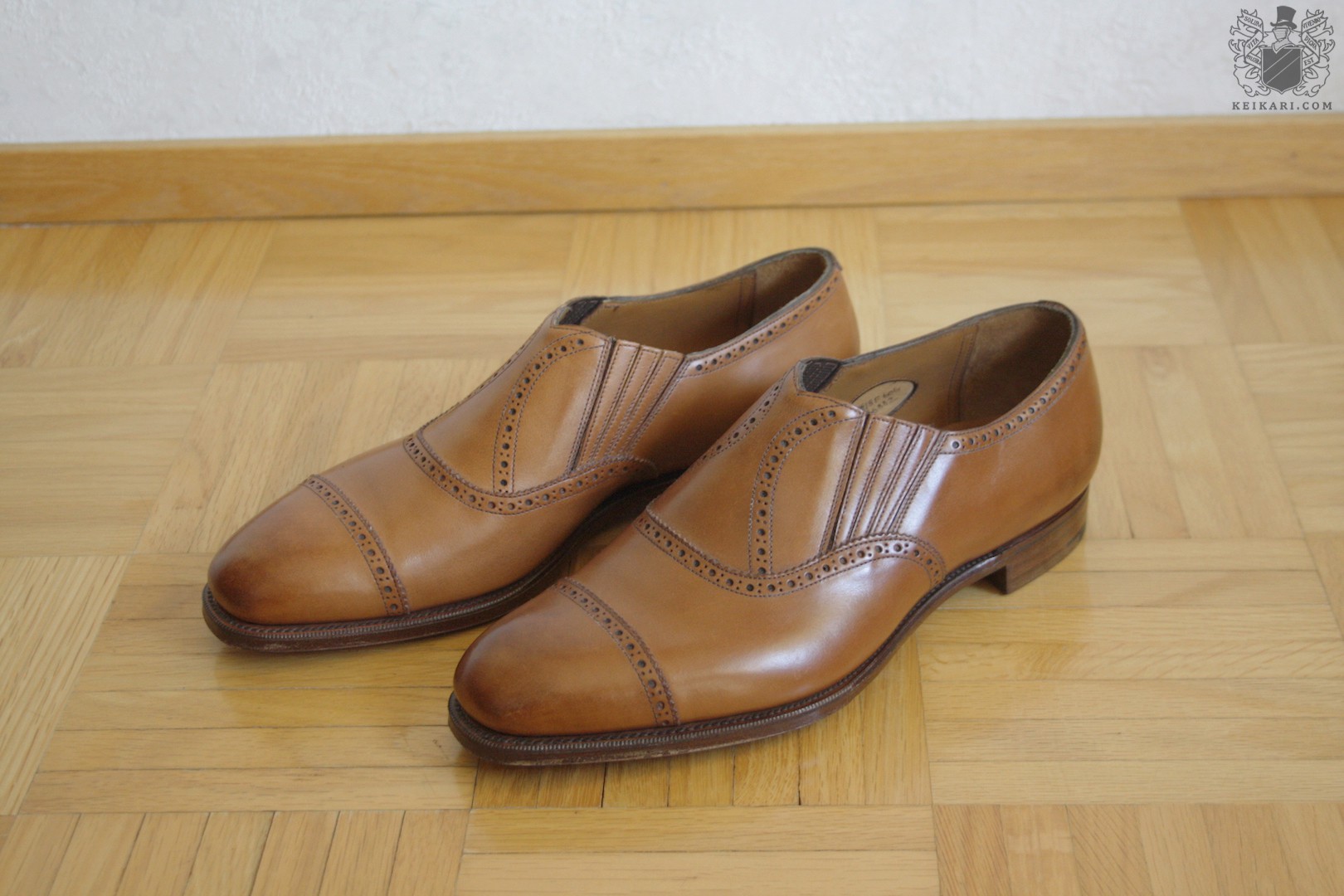
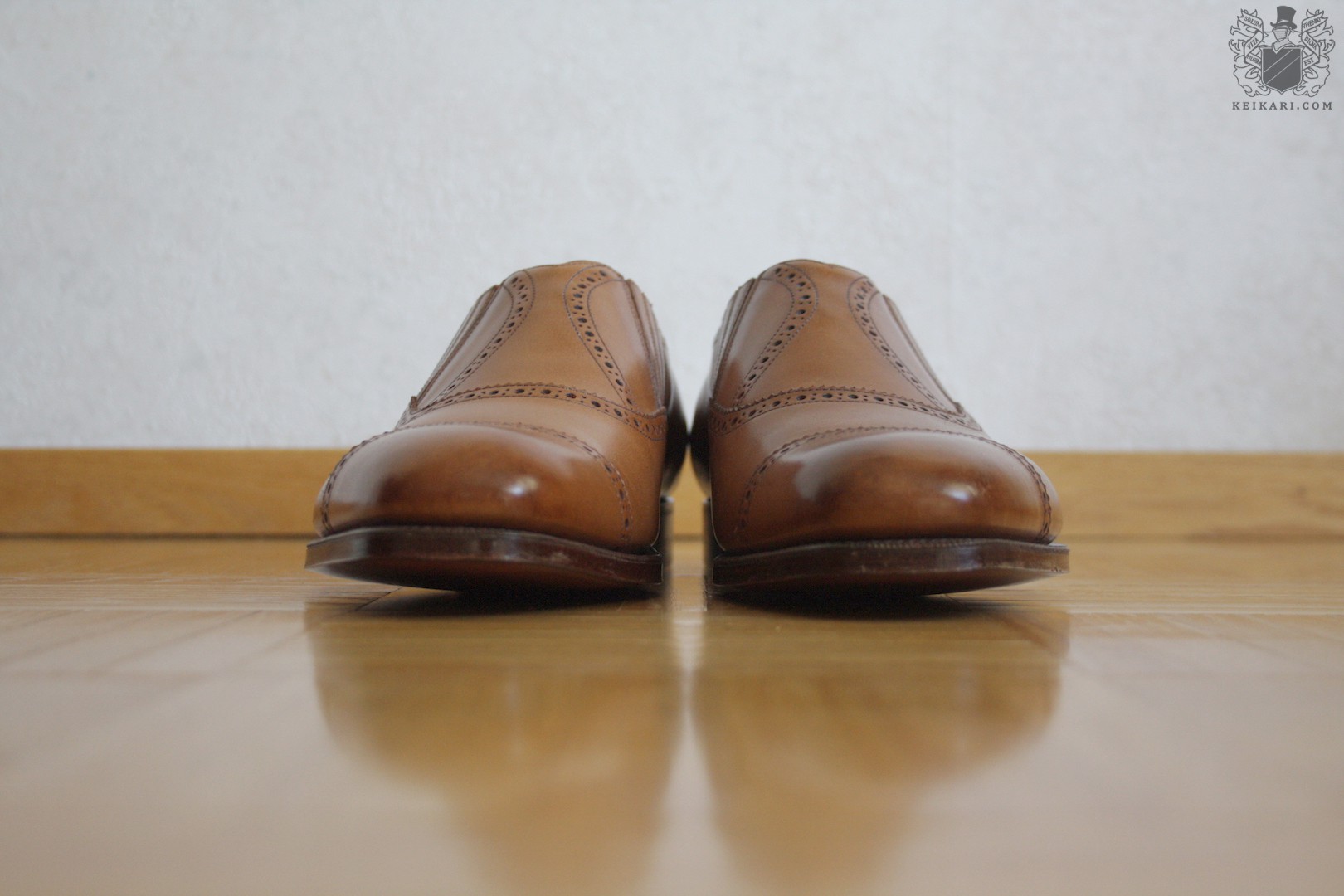
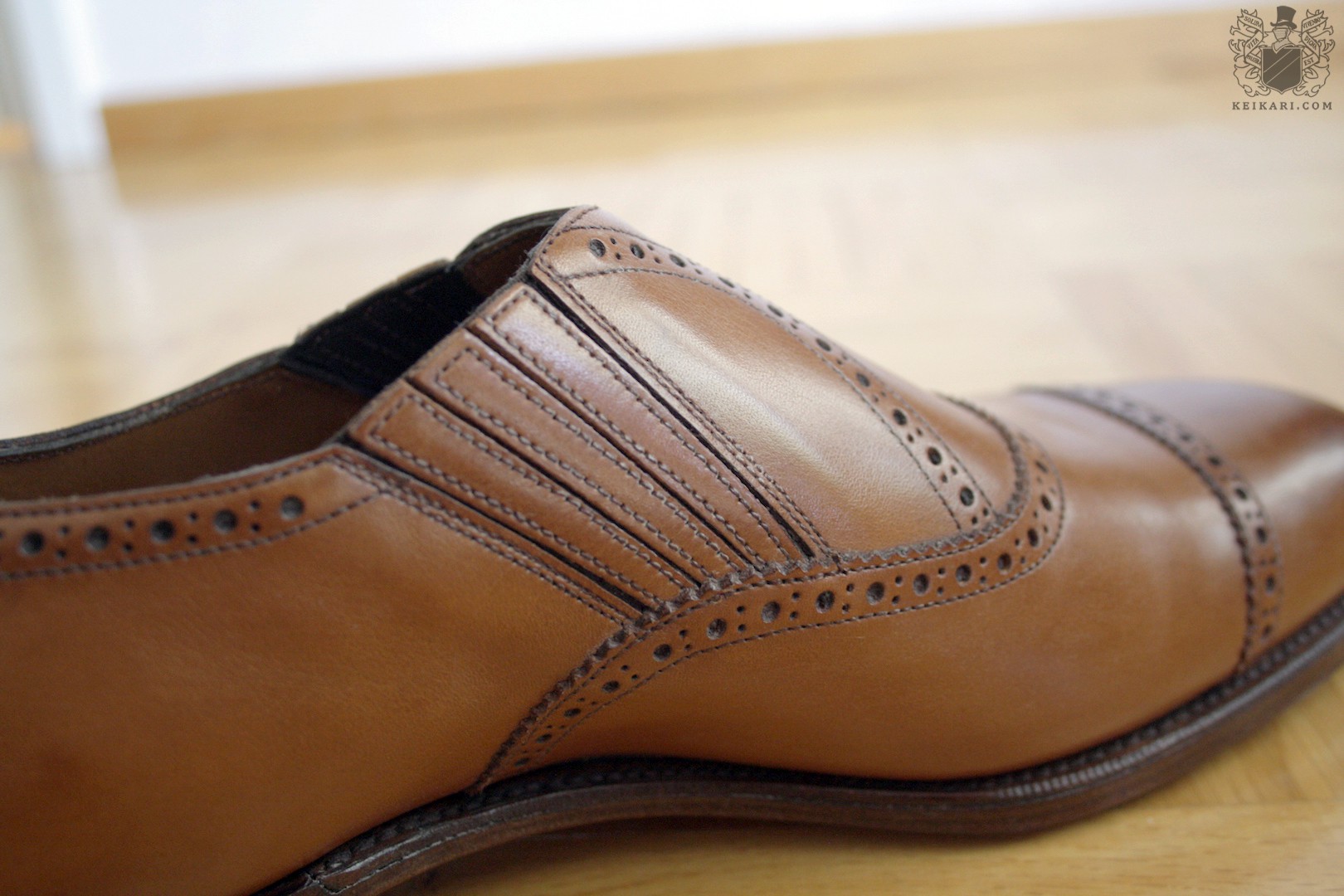
Side elastic shoes were made by the likes of Nikolaus Tuczek, a mostly-forgotten London cordwainer of note, and John Lobb Ltd., who still remember the late master with a model named in his honour. As patterns and styling go, the shoelaces are just replaced with a strong elastic that keeps the shoe in place. This seems easy enough on paper, but the fit cannot be adjusted without lacing. Side elastic pairs are thus a hybrid with the ease of the loafer and, depending on the details, often with the looks of a nice oxford. Most loafers lack the elastic bit, though, so they won’t stretch as well to fit the individual contours of the foot. Chelseas notwithstanding, well-made elastic shoes are not widely available in most high-street stores for reasons that escape me.
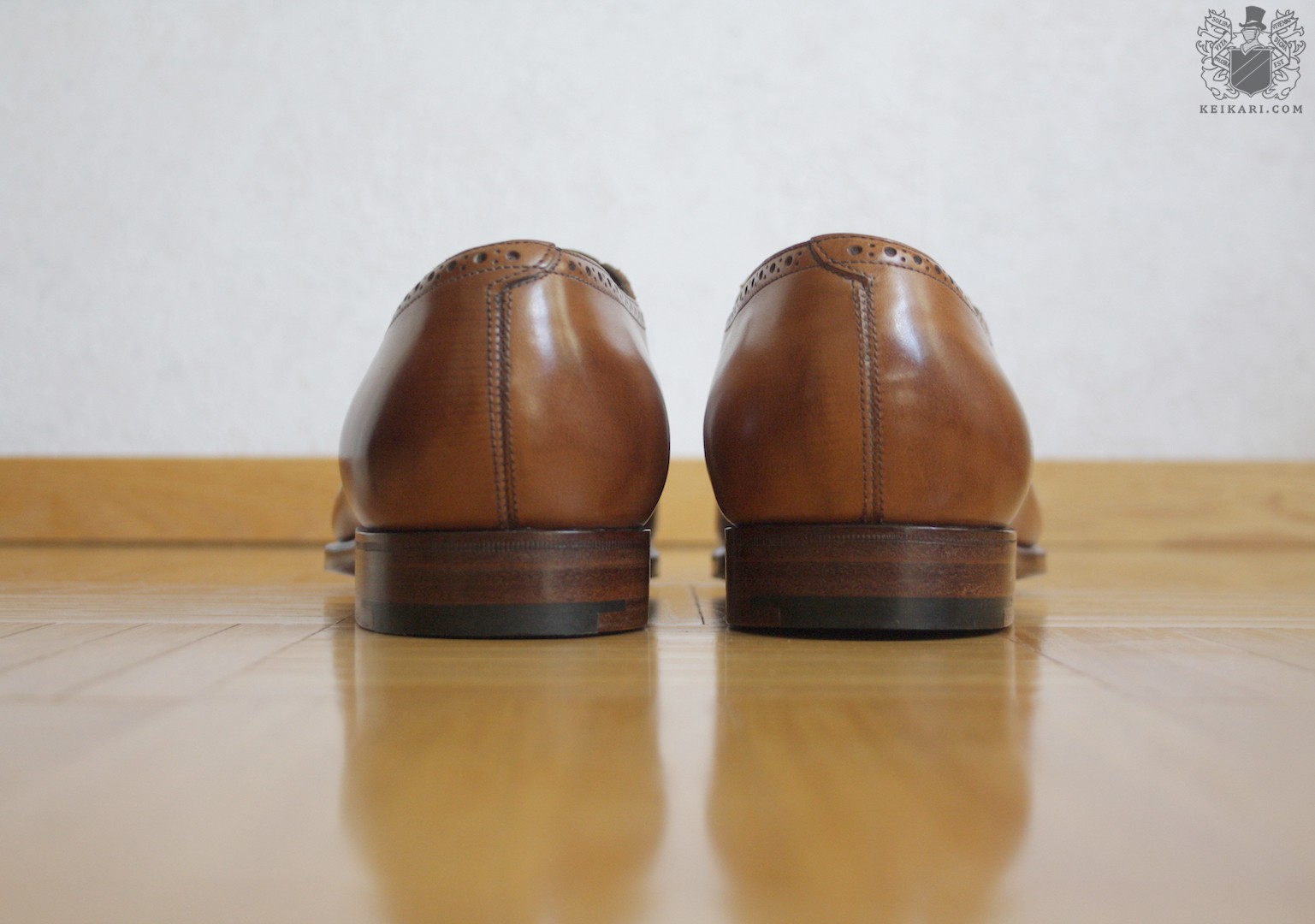
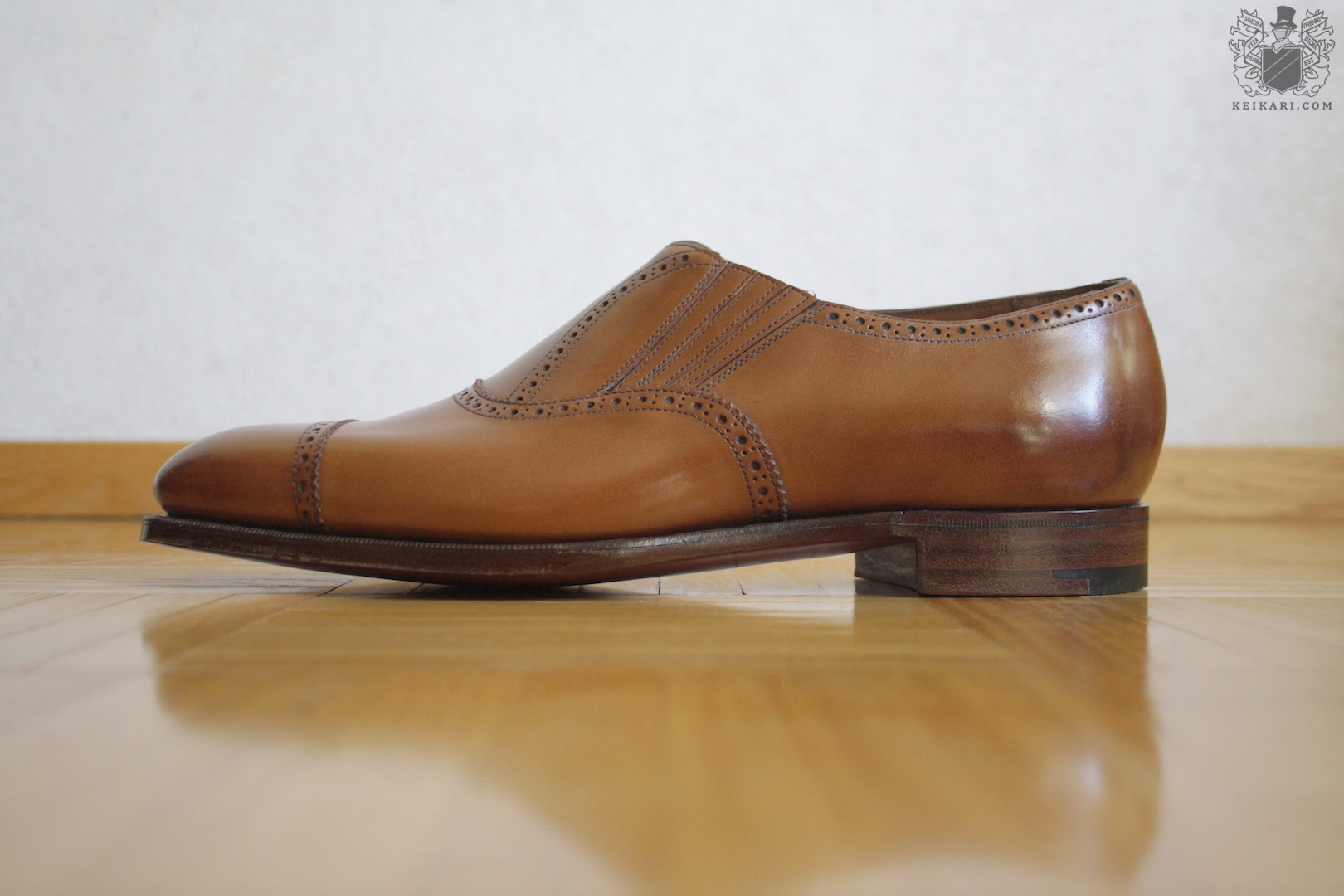
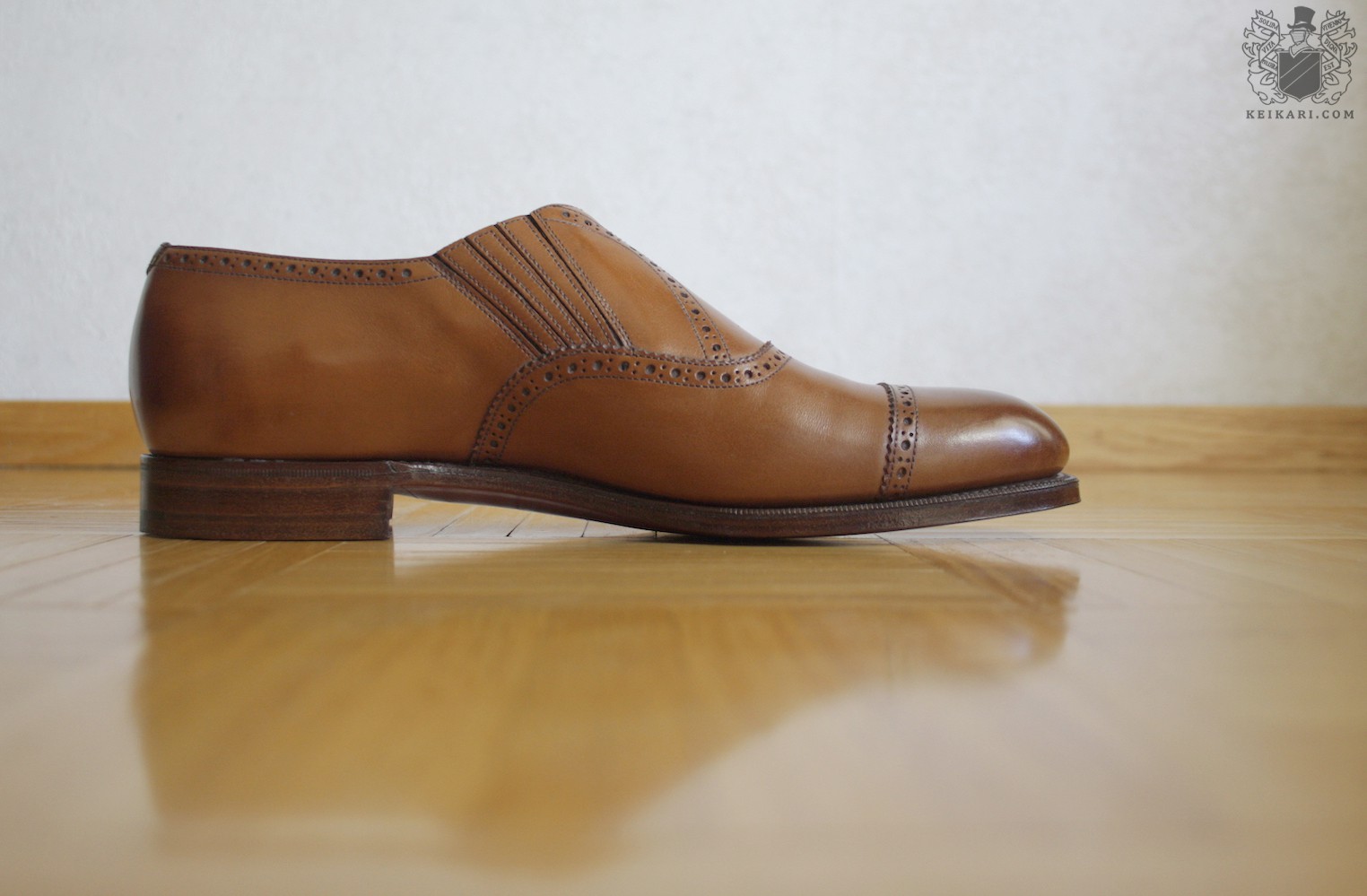
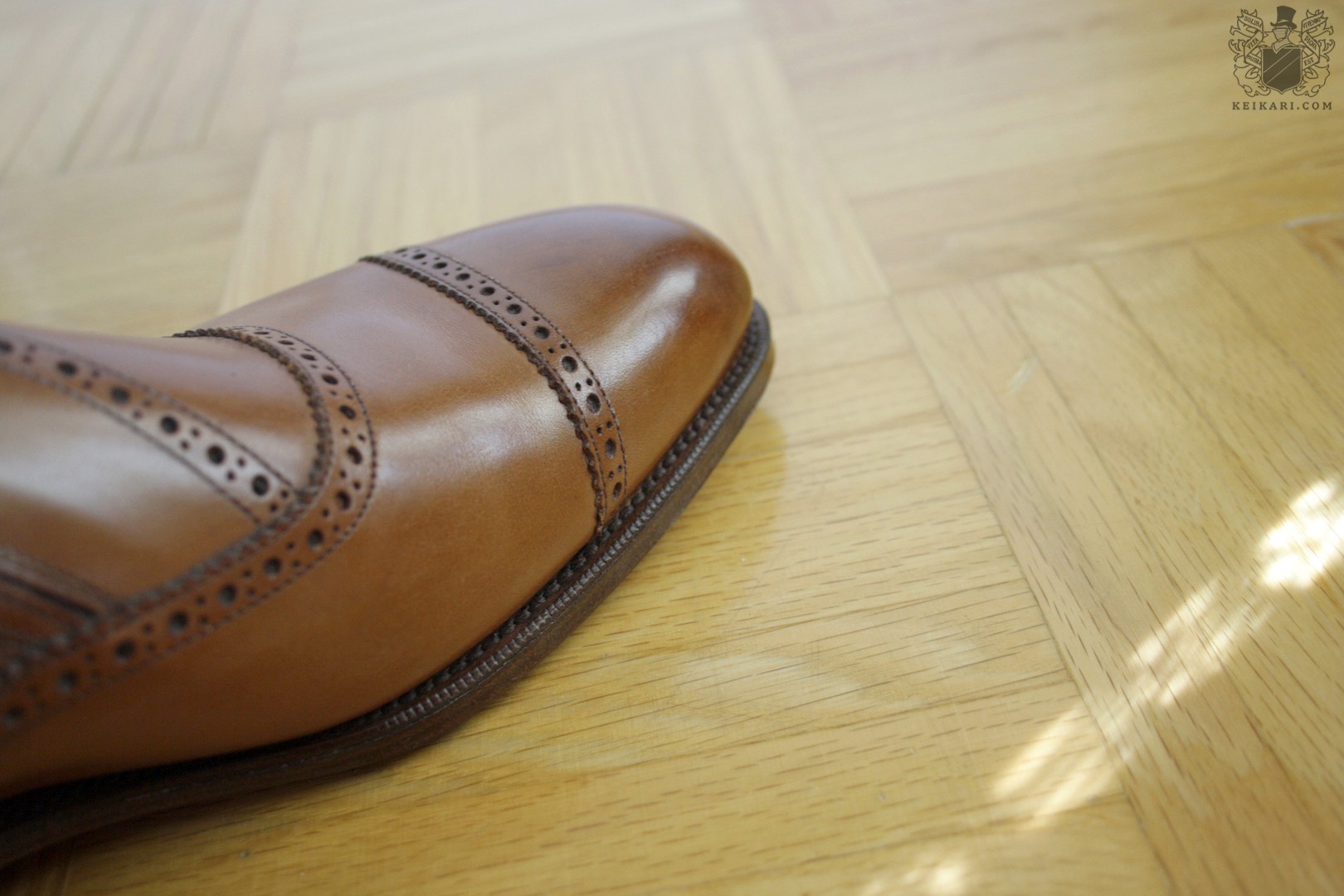
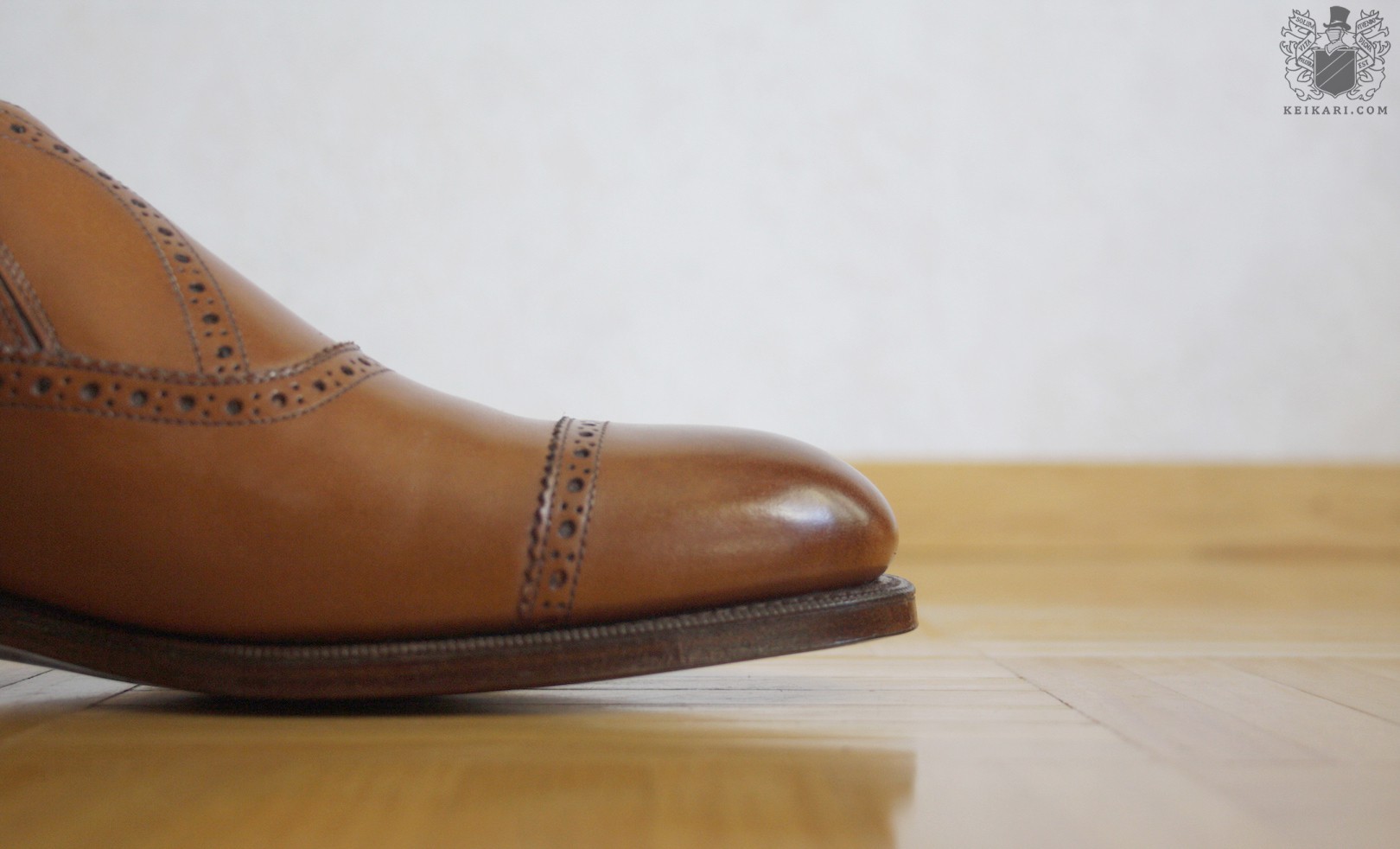
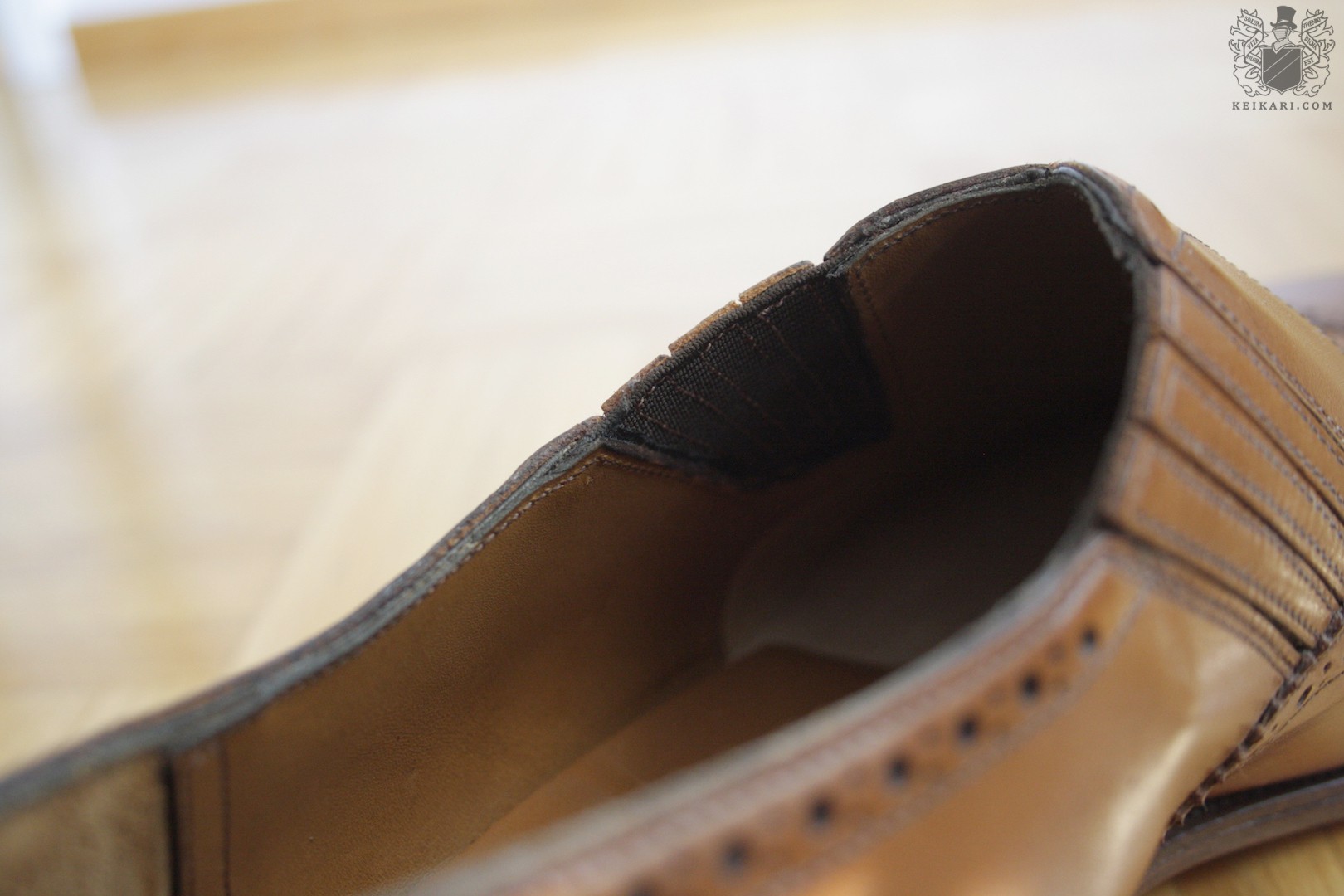
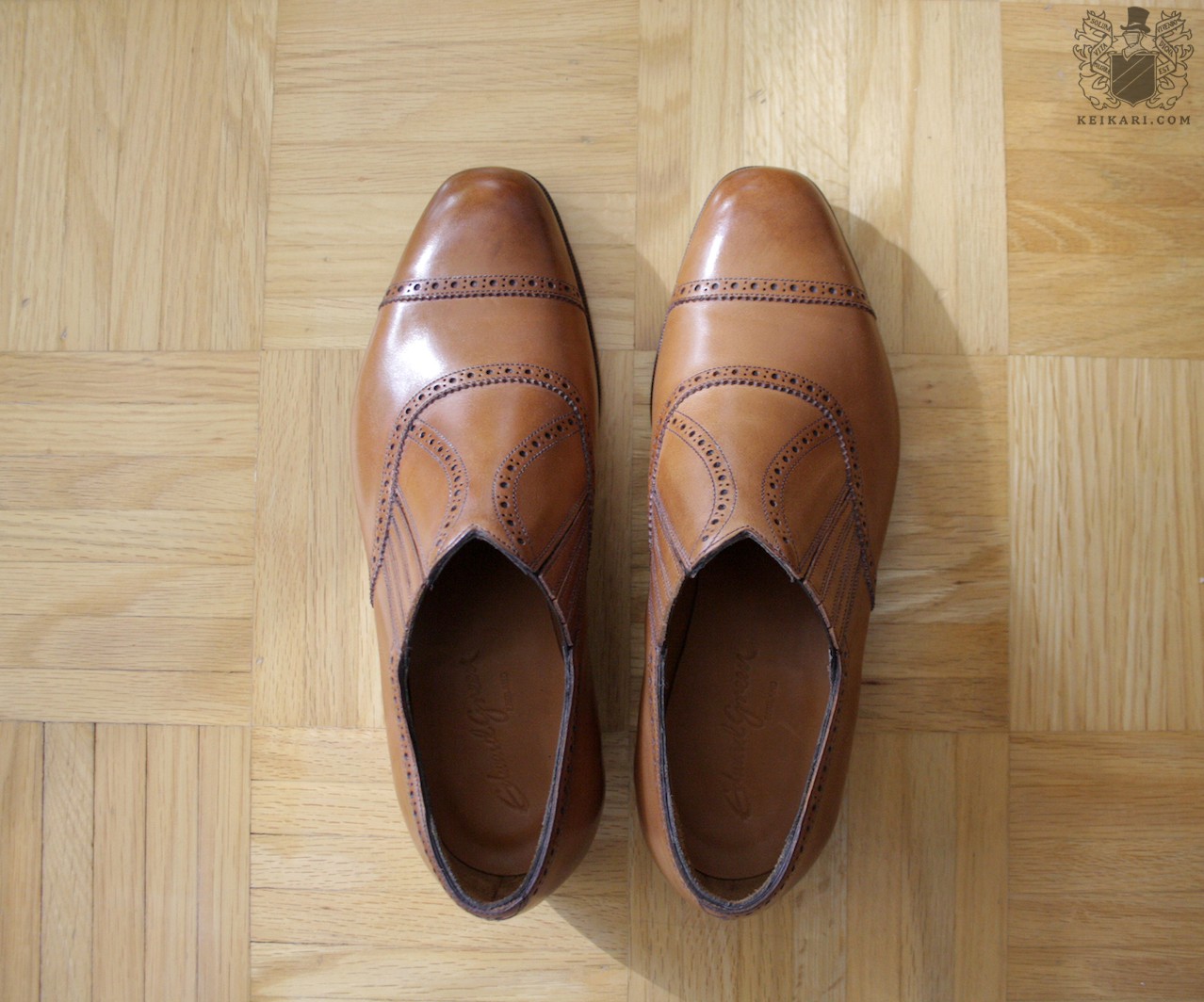
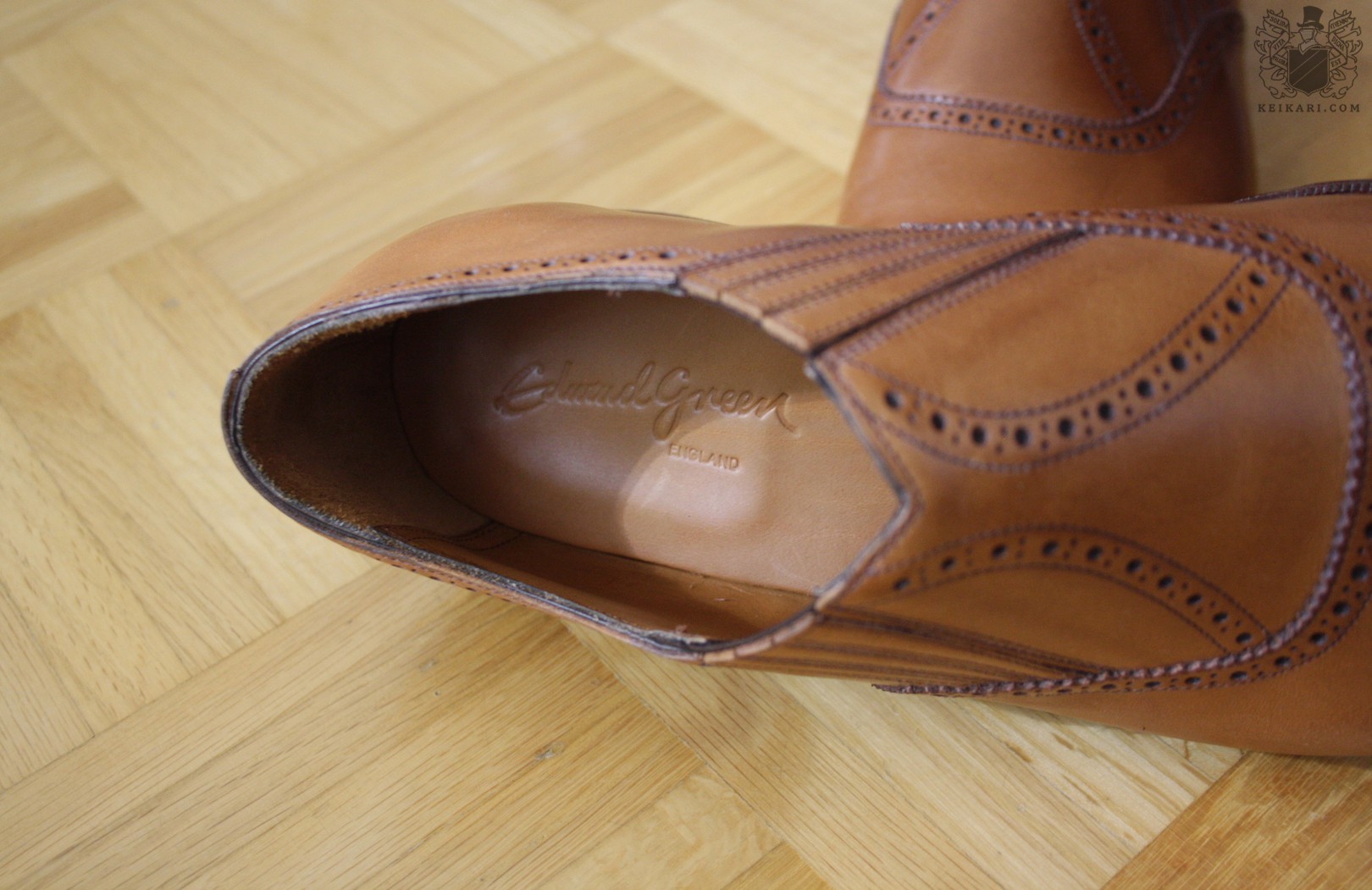
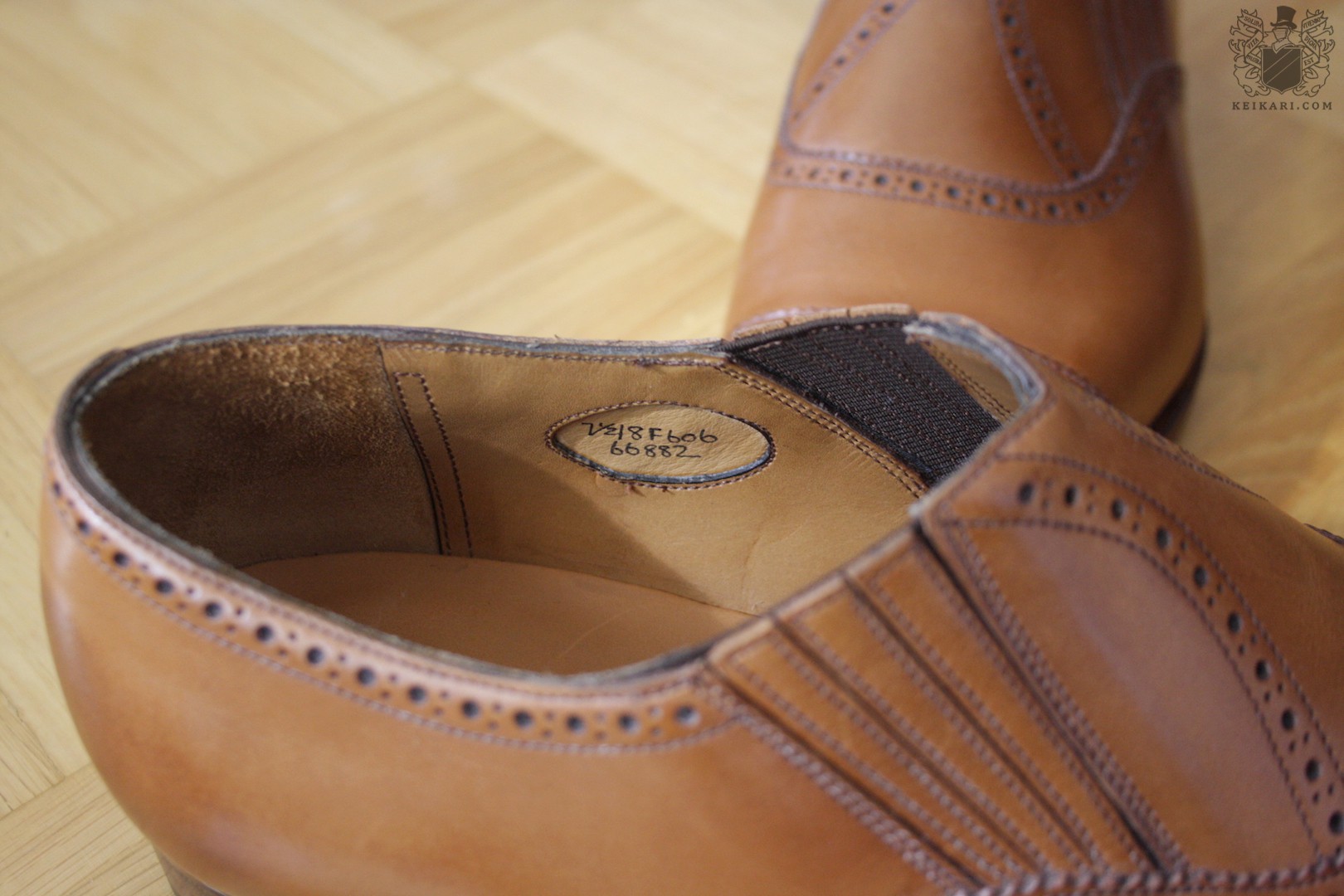
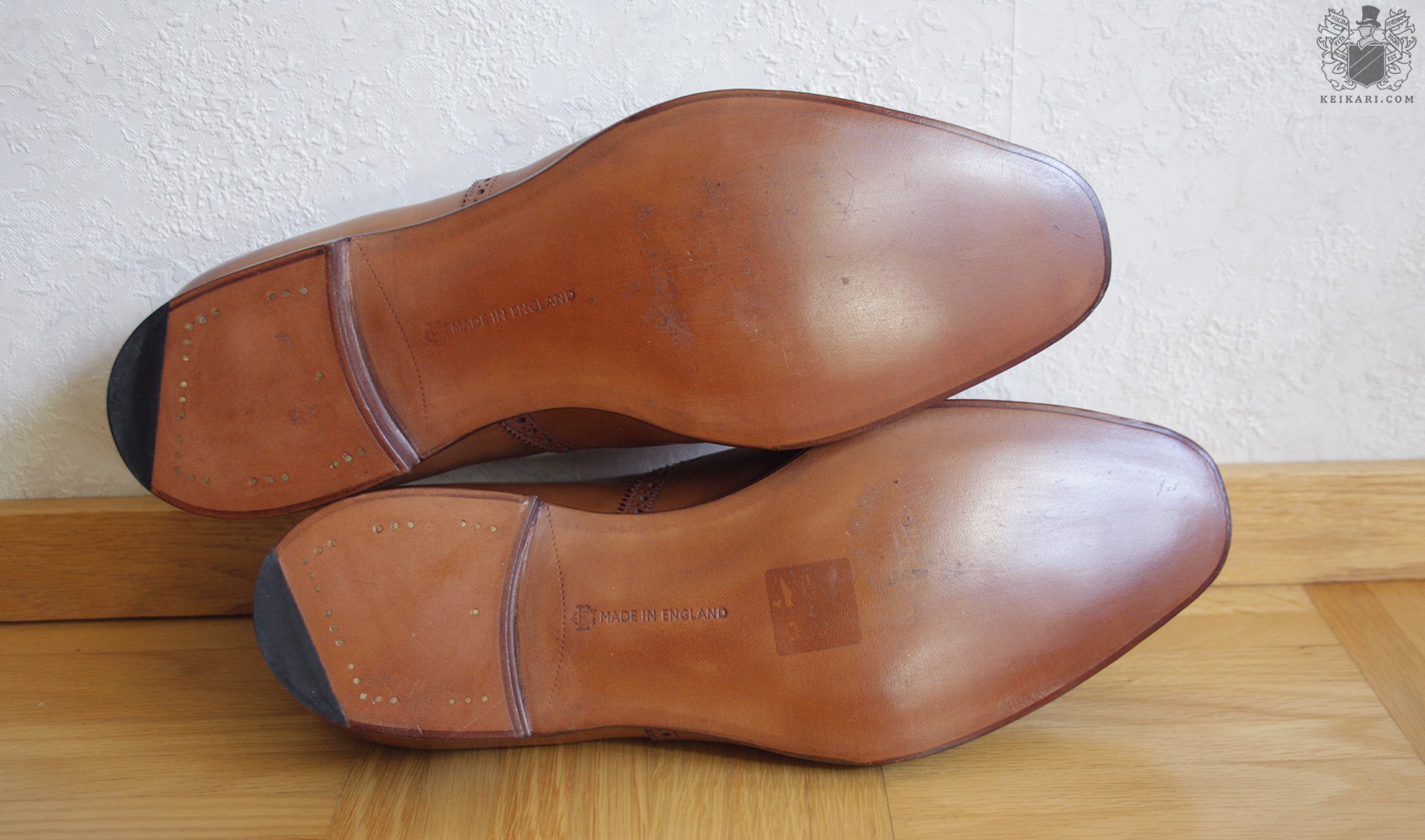
The example pair is the model Kibworth from the miracle makers Edward Green. I cannot remember when I first saw photos of elastic oxfords, but I knew I had to try them one day, the design intrigued too much. The pair is an older make with the former EG stamp, and doesn’t have a specialised loafer last. Instead it’s made on the 606-last, which they call square-toed but looks far from one, with hidden elastics and from Edwardian Antique calfskin. A combination of the looks of an oxford and the comfort of a loafer, I’m surprised more factories won’t offer elastic shoes. As things go, the shoe type seems to be most popular in Asia and Japan in particular, perhaps because shoes are usually taken off indoors in the land of the rising sun. As for other elastic shoemakers besides EG, at least Carmina and Crockett&Jones spring to mind if the reader would like a try.
Category Footwear
Copyright © 2013 Ville Raivio