Jamieson’s of Shetland Knitwear: a Factory Tour

0

January 22, 2025 by Ville Raivio


Anatomy of Enzo Bonafè Shoes

0

December 30, 2024 by Ville Raivio

Enzo Bonafè is an artisanal Bolognese shoe factory founded in 1963. For several decades, the family-run maker was not well-known and relied on private label work in service of other, respected companies. Among these, the Aubercy footwear store in Paris was a regular showcase of talent from Bologna. Bonafè also made the store’s famous button boot model which has that lovely vintage look and feel. Their fame as a maker with its own story and name has risen steadily in the 2000s, so it was high time that Keikari jumped on the EB bandwagon and took a pair out for a ride. I’ve owned or handled no Bonafès before.

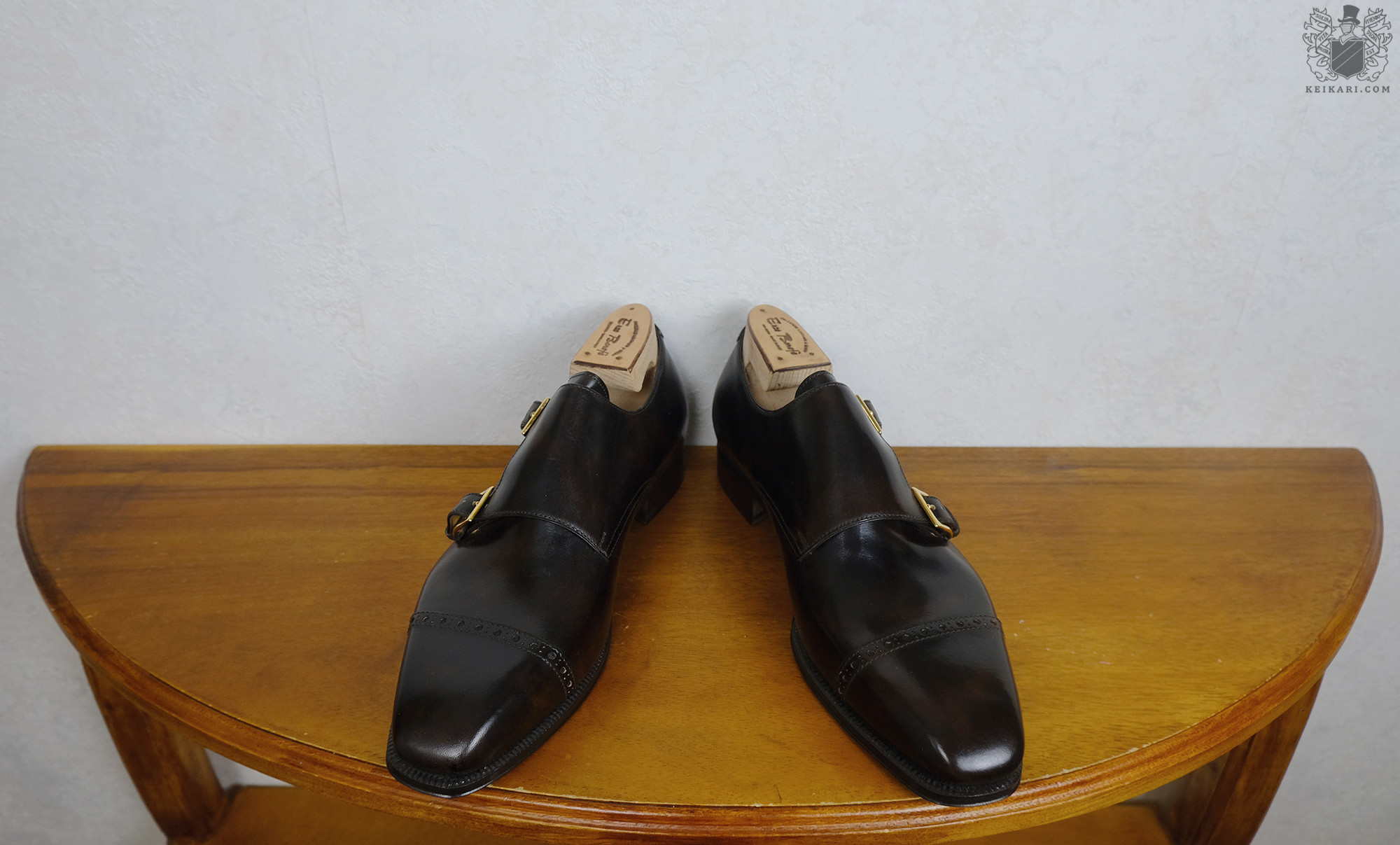
Today’s example pair, the 2364MOD, comes from the selections of The Noble Shoe web store. On the surface, it’s a traditional double buckle shoe with patina calfskin uppers. There is more to the story, of course, but EB’s chief herald of quality is a hand-sewn welt which is attached above the outer sole. It’s a challenge for any salesman to convince a customer that it’s worth paying a bit more for one, given that the welt is hidden inside a pair. It has become a rare feature these days because the welt is attached with machines much quicker, and few customers share thoughts towards welts in their lives. A hand-sewn welt should last longer and it’s the traditional feature.

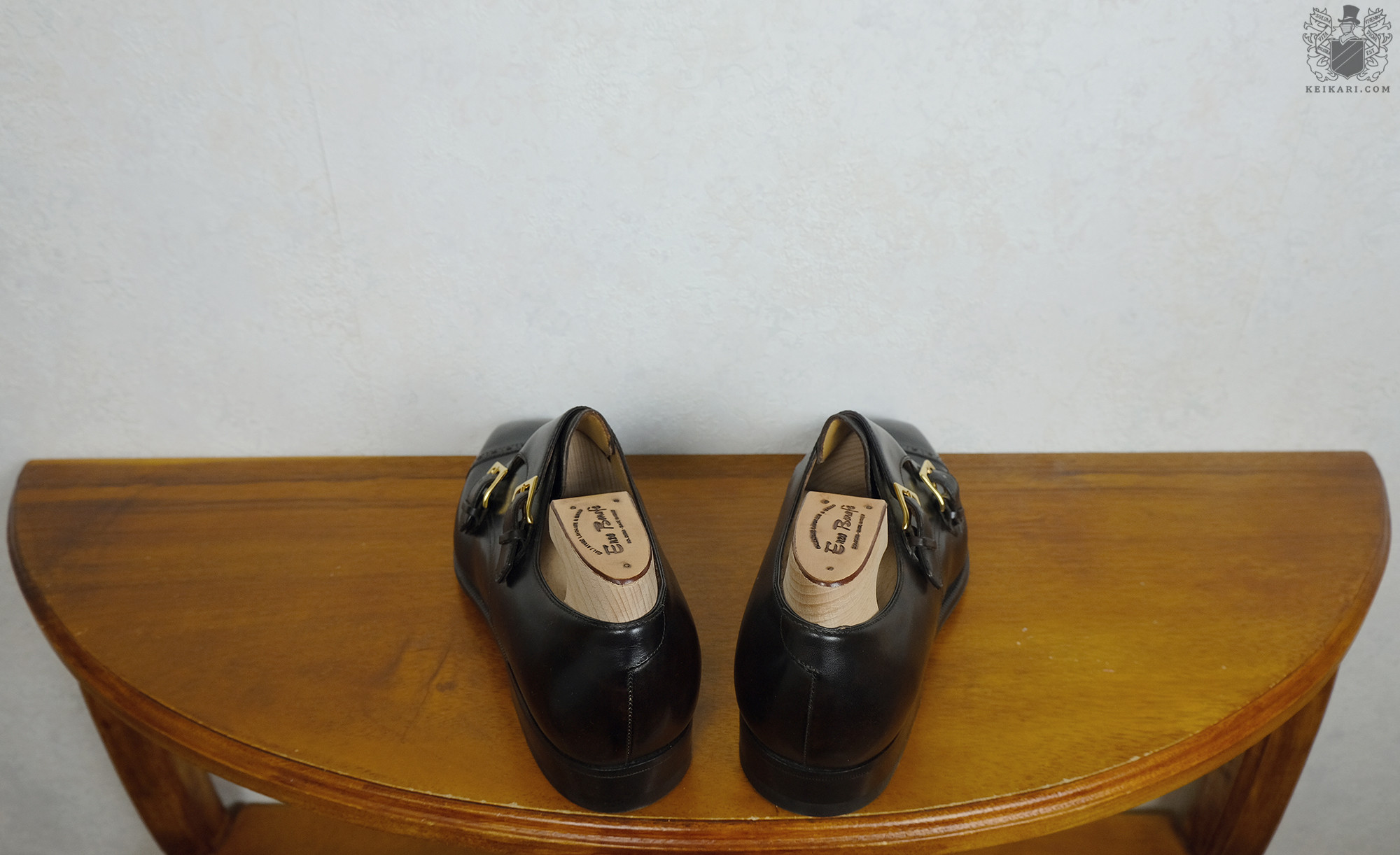
As for comfort, I cannot say whether it’s this construction or perhaps a thick inner sole or the last, or every single one in unison, but the pair feels very comfortable. Nothing squeezes or bounces inside loosely. Granted, the last fits very close and is a challenge for most feet. Either it fits or it doesn’t. There is only so much a shoe will stretch with use. Particularly the heelcup is very close and shapely, and its edges curve toward the ankle. The contoured shapes of the last are between Edward Green and Gaziano&Girling. The whole feels natural and looks excellent. What feels Italian, for me at least, is the aggressive walled shape of the toe edges and the chiseled toe. This is no boring, mild, middle-of-the-safely-paved-road toe.
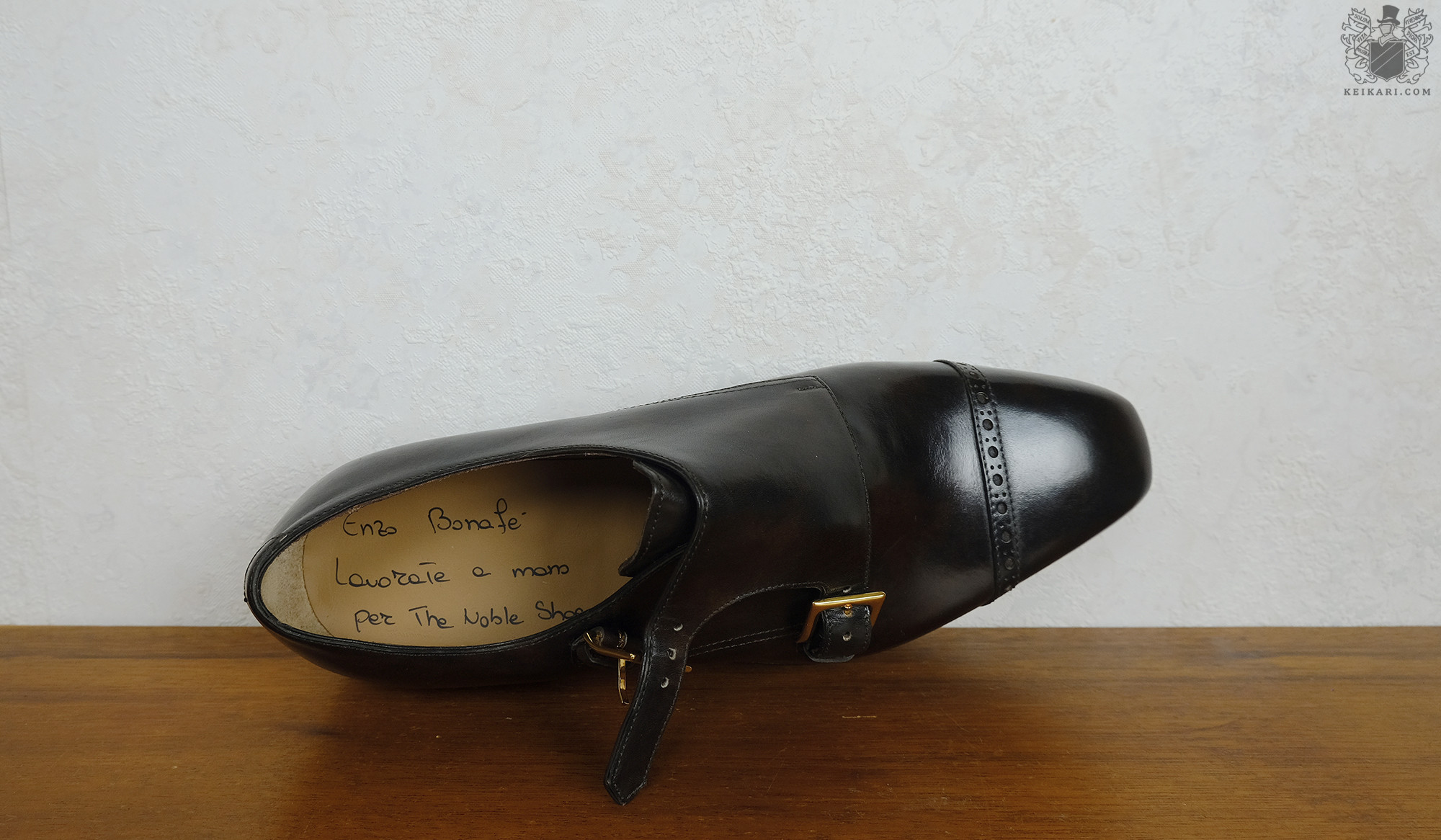
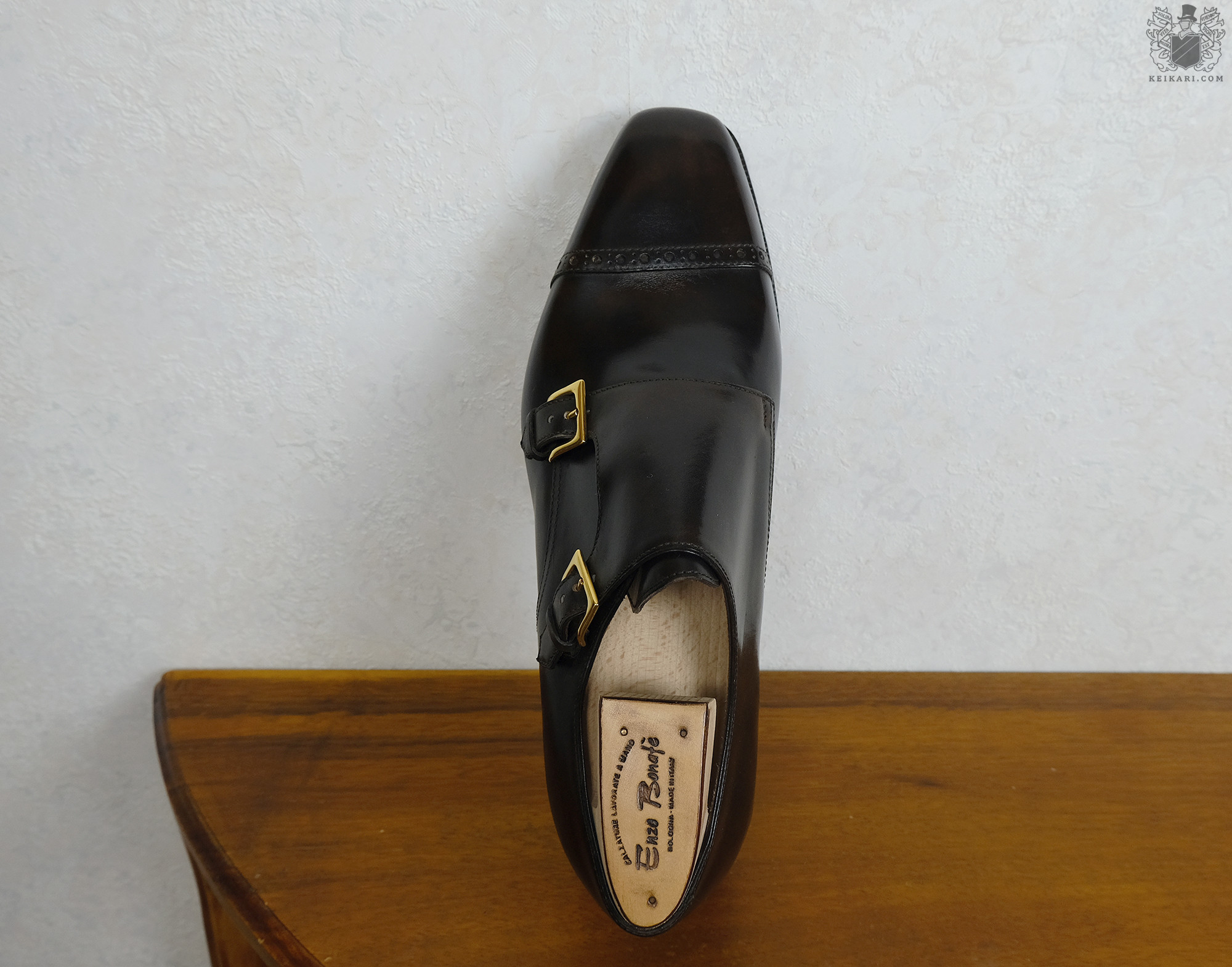
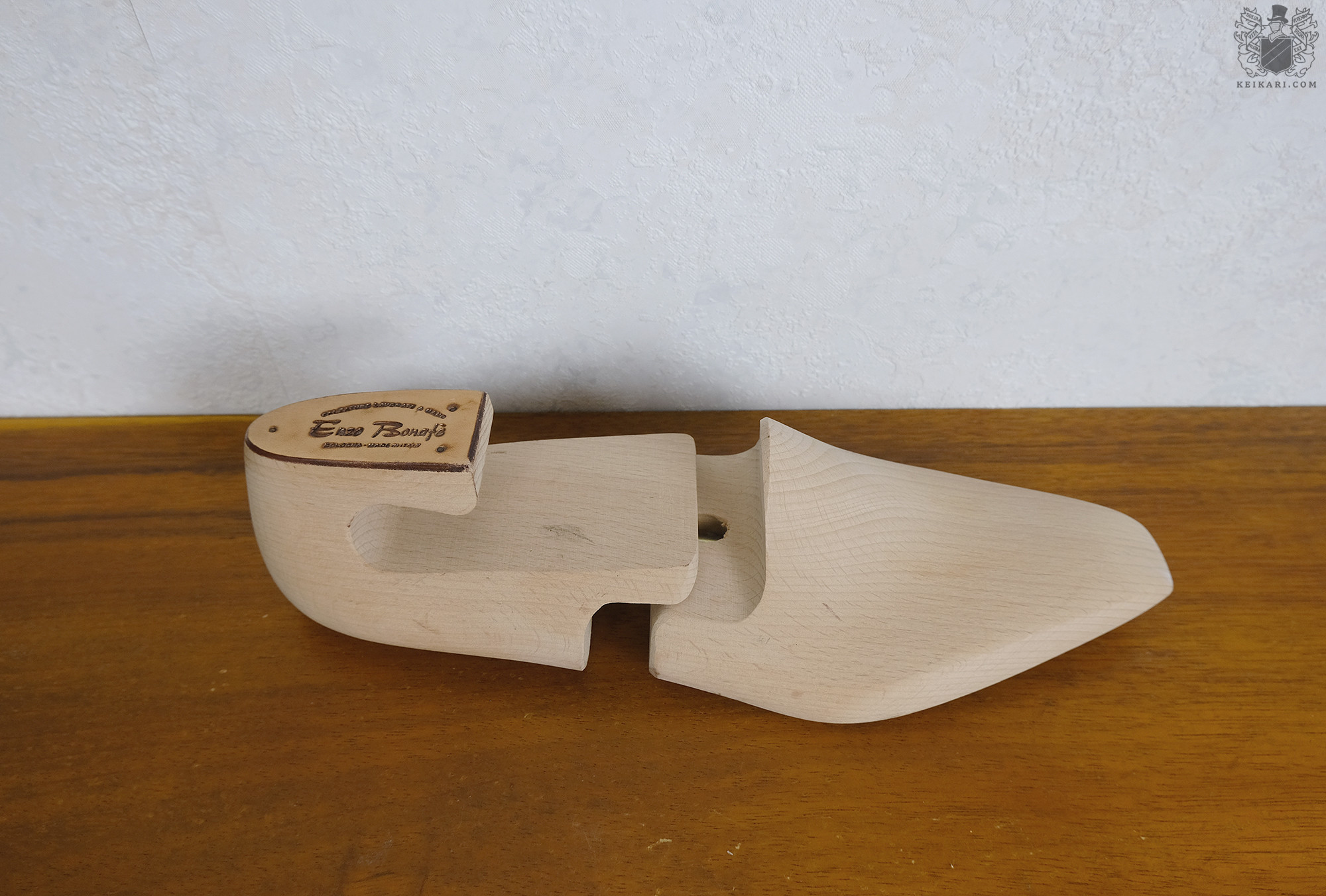
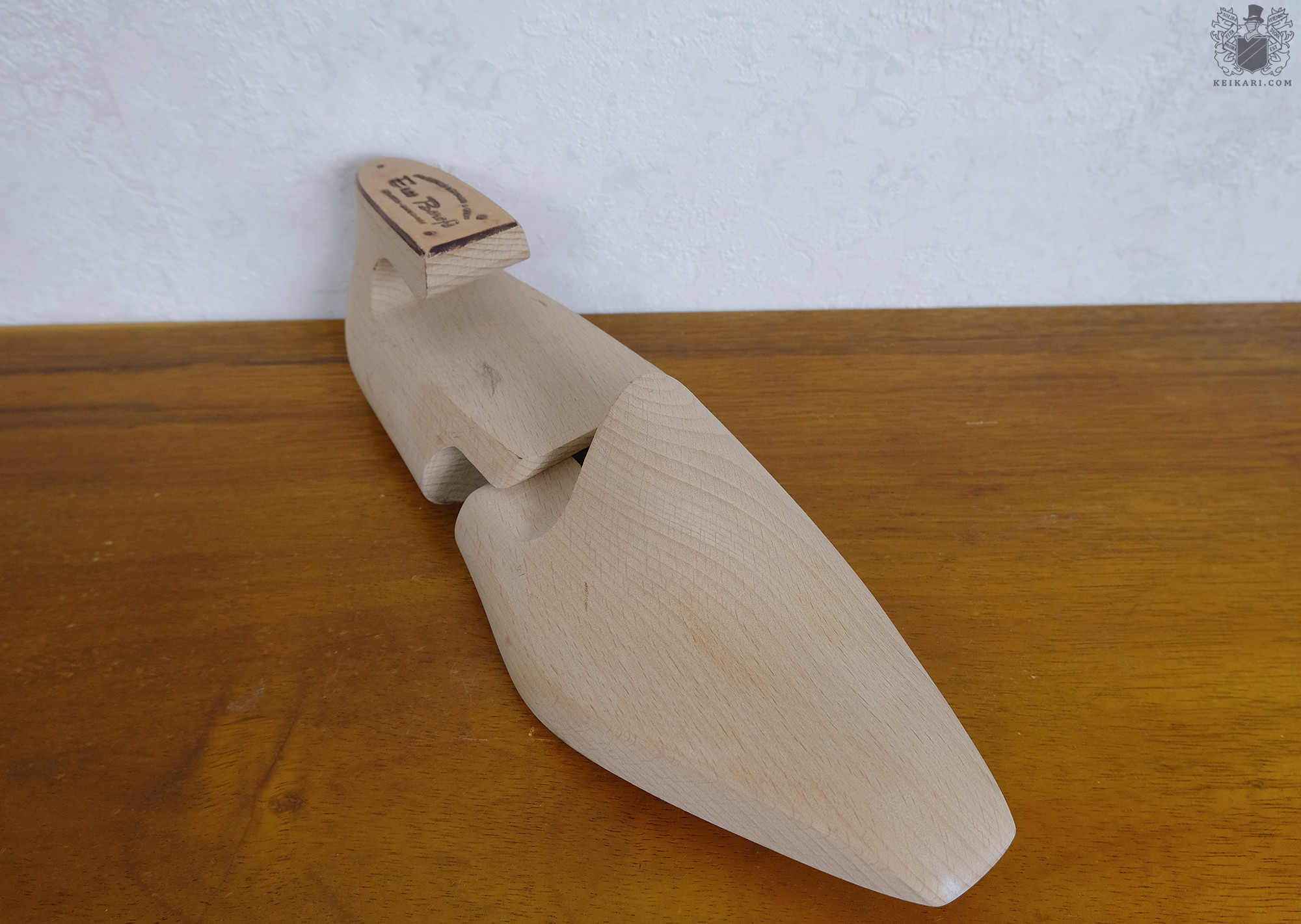
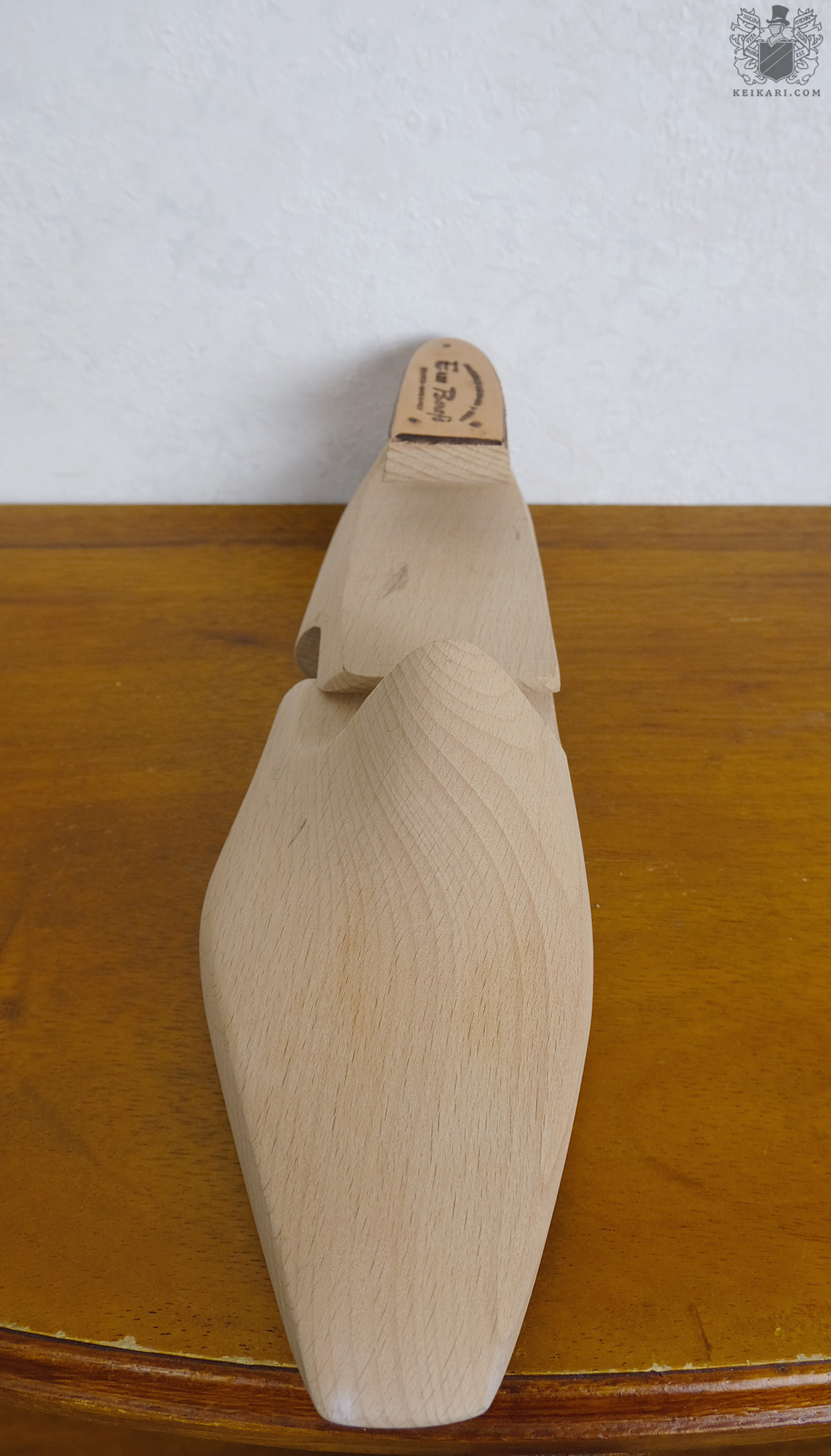
Then there is the depth and shades of the lovely, soft, smooth leather upper. They are among the best I’ve seen. My favourite detail, however, is the buckle colour. It is not a boring silver, not a middling shiny brass, but a deep and dark yellow. Almost like gold. It’s the best damn buckle shade so far. The shoe trees fit like a last (what else?), have a smooth surface, no garish lacquer treatments, and come topped with a handle which helps more than a standard ring. A detailed touch is the leather top on the handle, burned with the maker’s name. The ankle has a strong leather support which runs from the heelcup to the middle part.
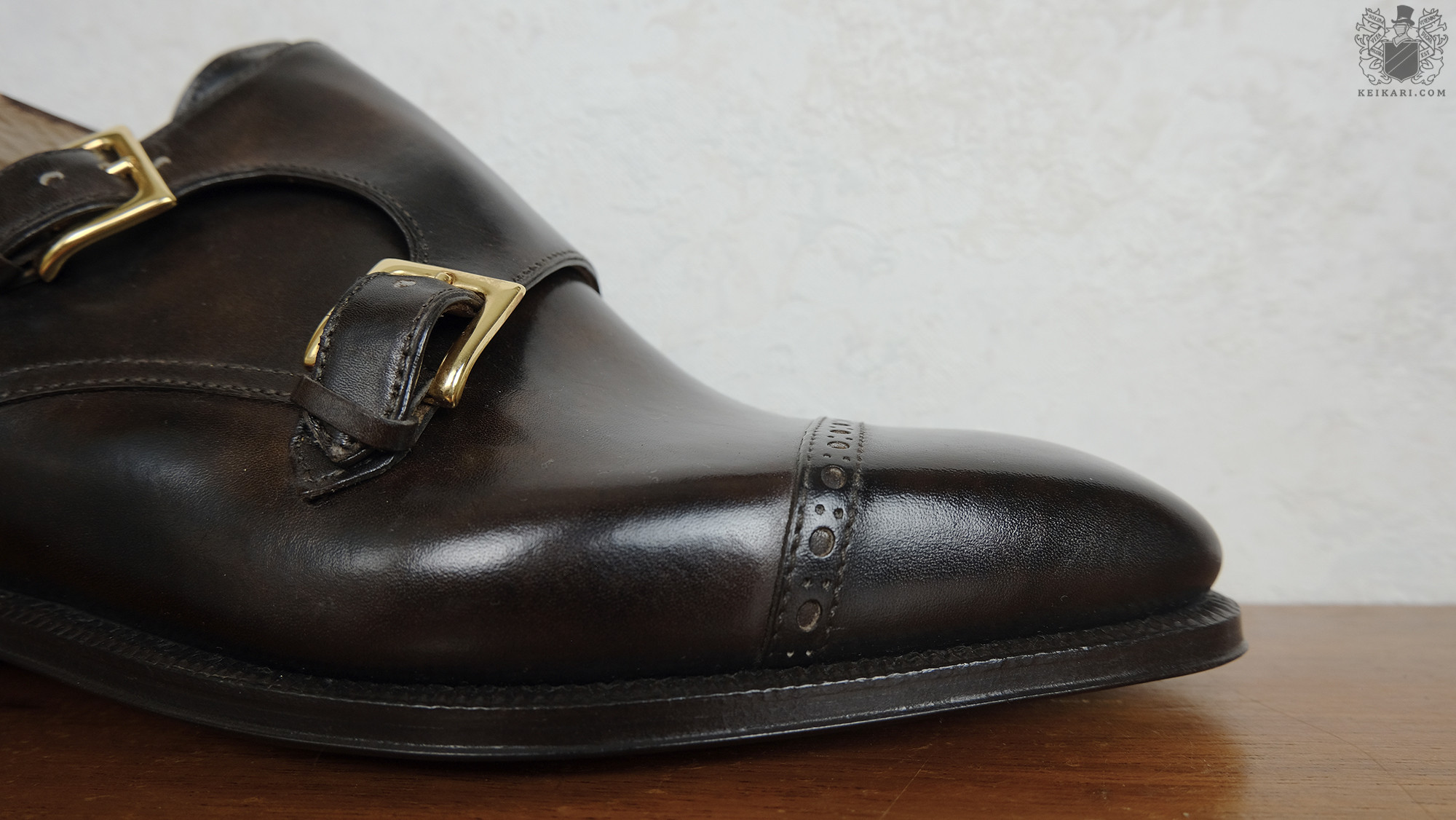
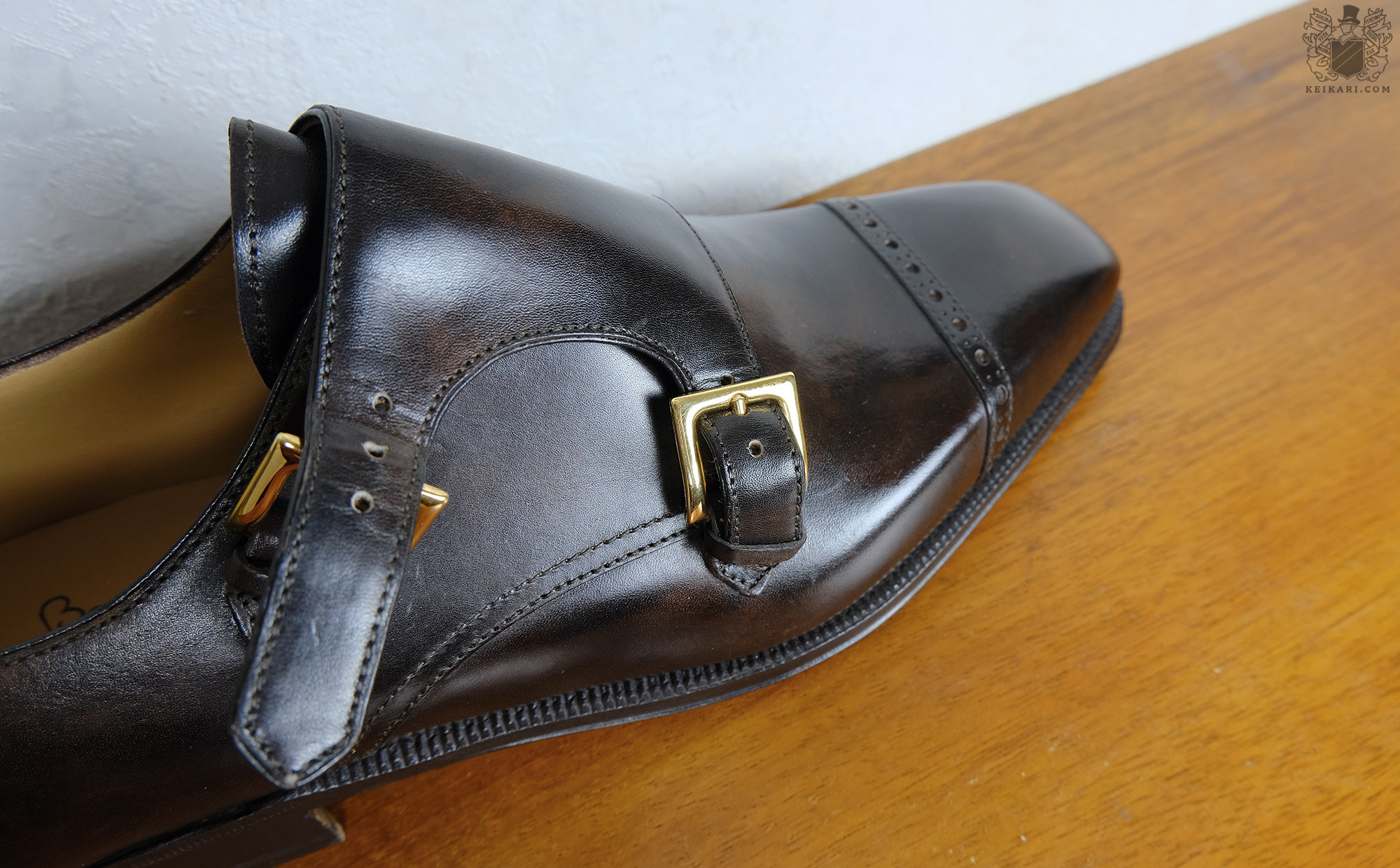
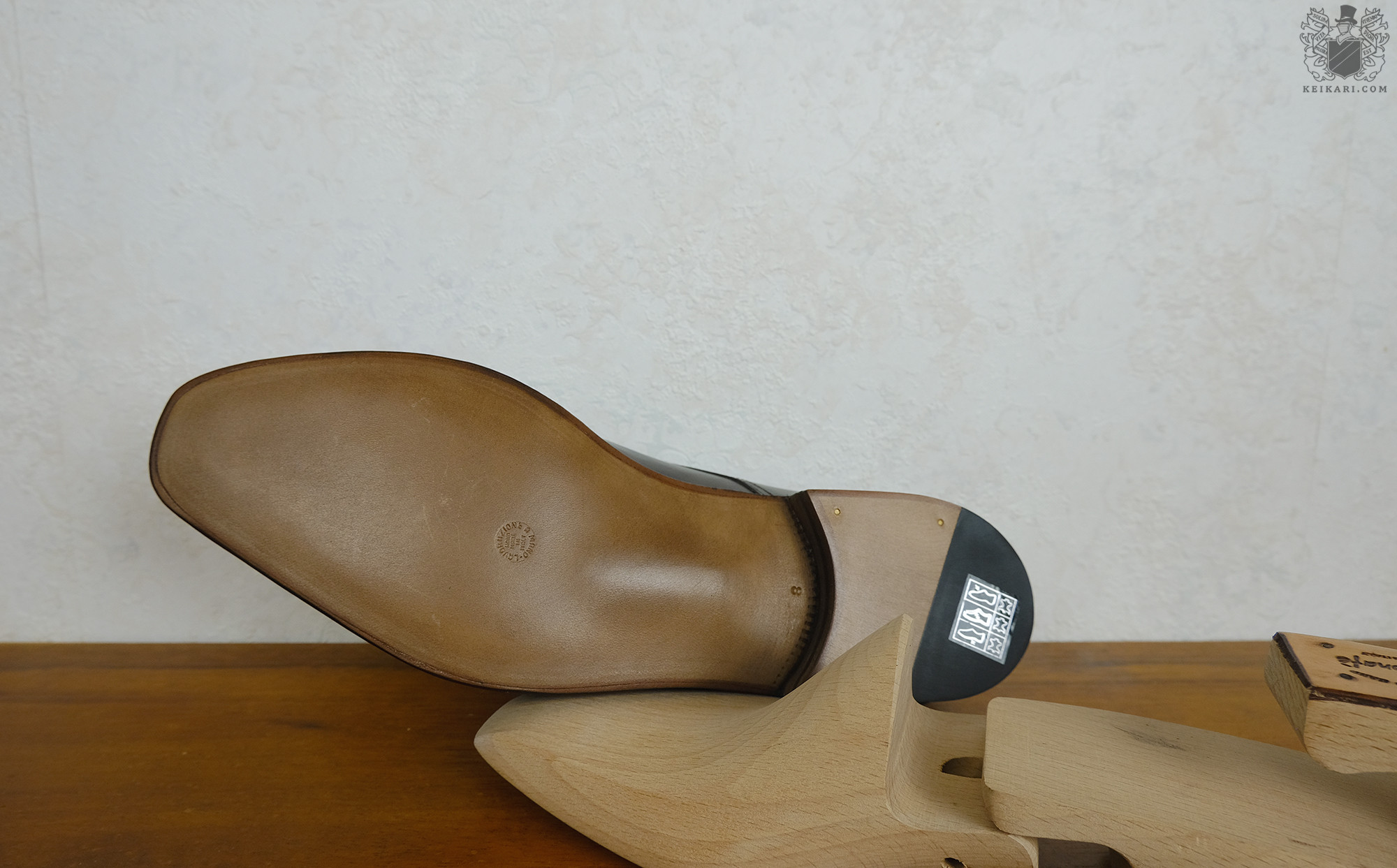
The stitching is dense and clean, the finishing clean as well. The one thing I’d change is the mid portion of the outer welt: cutting it closer or having it disappear under the waist would make the pair more slender. Graceful is another word I could throw about. The lining leather is smooth and soft and comes in a regular, quickly forgotten shade of tan. It seems to be what every factory uses. The oak bark tanned leather soles have that clean, boring, standard look which most fine shoemakers also go for. There is just a bit of rounded shape on the waist portion.
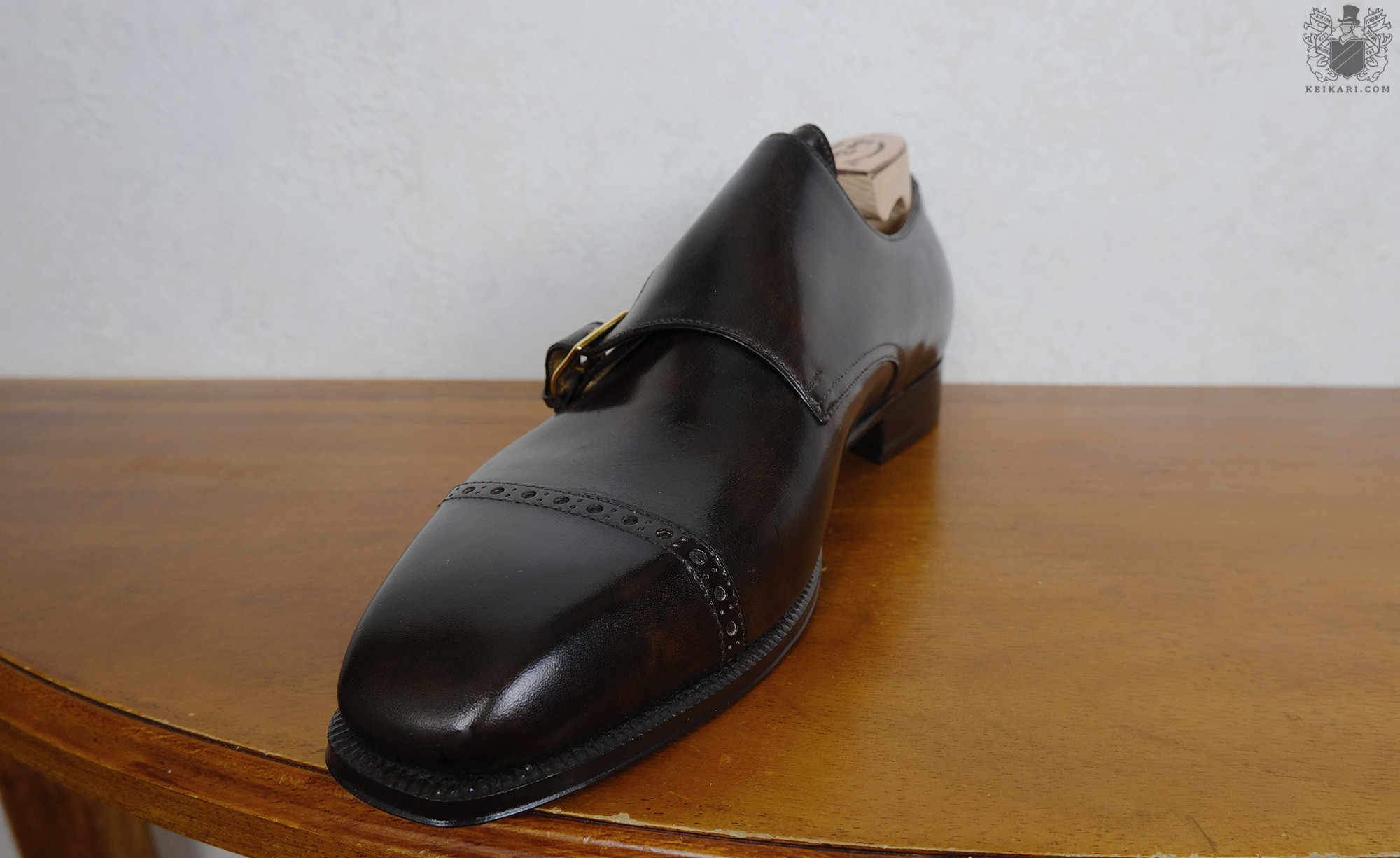
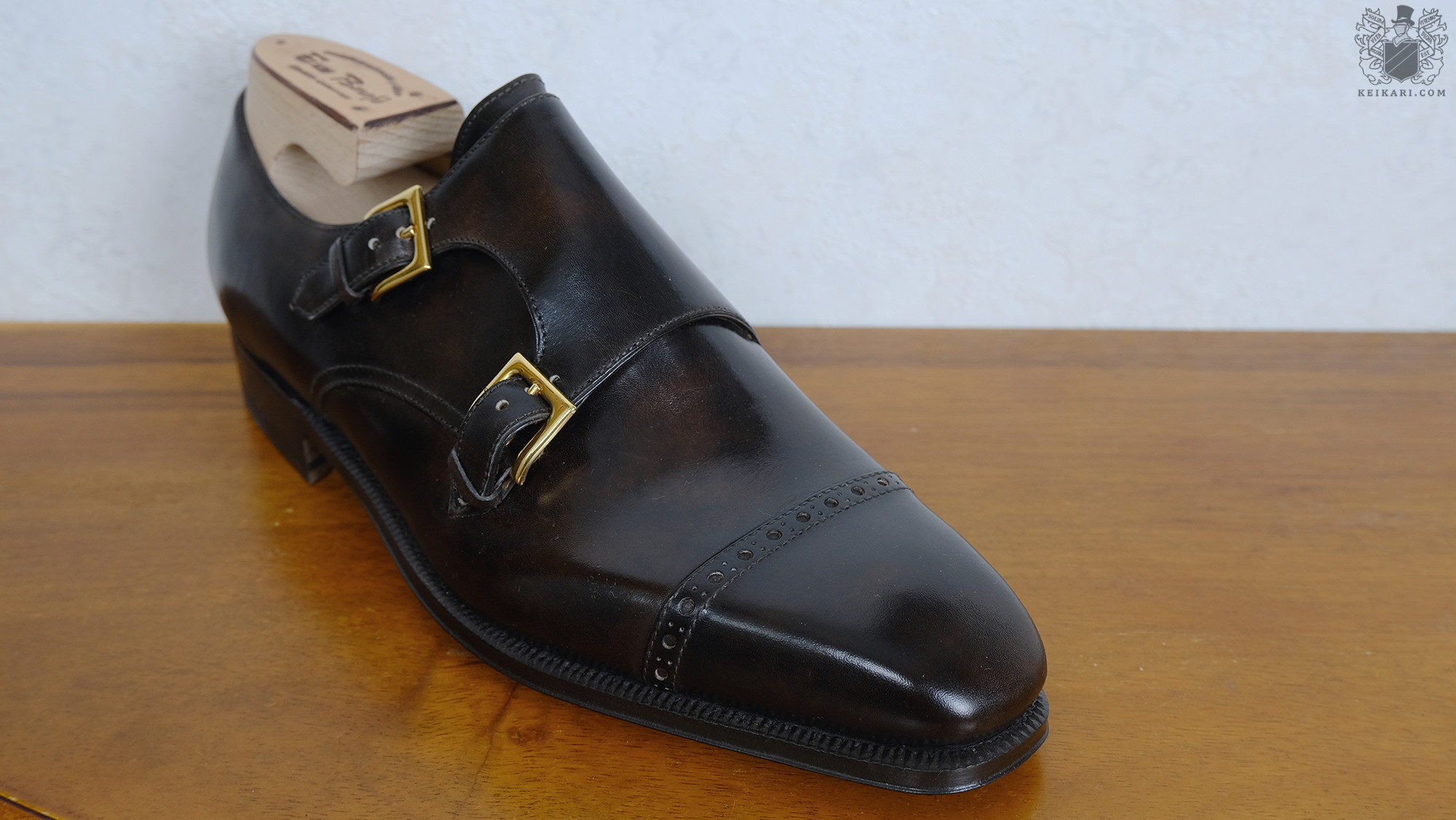
On the whole, I feel Enzo Bonafè makes excellent footwear. The look, feel, comfort, and fit is on a high level. There’s enough hand work to call this an artisanal shoe, if not “hand made”, whatever the word means today on the market. It offers more price-quality than Edward Green and John Lobb, which have kept on raising their prices all through the 2000s. Shoe trees are included with EB’s standard pricing. So far I’ve tried most of the better Italian shoe factories, and so far Bonafè feels like a favourite. It’s a shame we’ve only two feet.
An Interview with Thành Đức Huỳnh

1

December 2, 2024 by Ville Raivio

VR: Your age and occupation?
TDH: I’m pushing 40 years young (how time flies!) I have experience working in technology, engineering, and logistics. Currently, I’m practicing/working in the legal field.
VR: Your education?
TDH: I have an Associate’s and a Bachelor’s Degree in Science and another degree in Legal Studies.
VR: Do you have children or a spouse (if you do, what do they think of your style passion)?
TDH: My current and past partners started out complaining how I’m always “overdressed.” Overtime, they subside and let me style them, too. Persistence and cooperation win.
VR: …and how did your family members react when you first started dressing classically?
TDH: Oh, for the last decade, my mother has been commenting about my overdressing and not dressing “timely and era appropriate.” Other relatives probably just keep to themselves. I heard those words but do I care to change my way of dressing, not really.
VR: What hobbies or passions do you have besides clothing?
TDH: Besides clothing, I do woodworking in my small garage workshop. I enjoy making small furniture and restoring vintage guitars.
I have also played the flamenco and classical guitar on and off for about 18 years. I do photography, mostly landscape and nature. Finally, I am a huge supporter of “the Second Amendment” – the right to bear arms AND stricter gun control laws. I train and participate in local shooting competitions.
VR: How did you first become interested in clothes? Why classic clothing instead of fashion?
TDH: It was probably 9 or 10 years ago that I bought my first pair of “quality men’s dress shoes” – the Allen-Edmonds Strand. I was working for a semiconductor company and just like any “tech bros” – my daily “comfortable clothing” was jeans and T-shirt. Of course, leather dress shoes don’t look great with those. I wanted garments which were appropriate with my swanky leather dress shoes, last a long time, and comfortable. Hence, I started exploring classic menstyle. Fashion is something extraterrestrial to me – I don’t understand them, can’t follow them, and refuse to pay their price tags.
VR: How have you gathered your knowledge of dressing well?
TDH: I pick up my knowledge of dressing well from everywhere. Youtube videos, Facebook groups, Instagram, blogs: namely Keikari – your website has been a tremendous library for me early on and up until now. However, the key is filtering. I chose to read and learn as much as I can but use only a fraction of the information on myself.
VR: How would you describe your personal style?
TDH: Comfortable, practical, and unapologetic.
VR: What is your definition of style?
TDH: My definition of style has been shifting over the years. Currently, it stands as a “personal expression of oneself.”
VR: Who, or what, inspires you?
TDH: My style hero is Jimmy Stewart. He has a certain way of carrying his style and a very easy-going aura – some might call it “sprezzatura.”
While I’m nowhere as handsome or tall and lean as he is, I took his ways of dressing and interpreted it on myself. Combining patterns and color, balancing proportions, and being comfortable in my clothes. Additionally, and importantly, my environment – mother nature! I live in the beautiful Pacific Northwest of the United States so I’m surrounded by beautiful sceneries – waterfalls, mountains, beaches, creeks, rivers, wild birds…etc. Through billions of years, mother nature has perfected her color schemes, so why not utilize existing resources? I can simply walk to my backyard and copy exactly the same color schemes I see, and voila!
VR: You’re in the shoe polish and sock businesses. What motivated you to create the companies?
TDH: I am fed up seeing people not taking care of their shoes. I am also bored of people wearing the same mid-calf navy socks (which won’t stay up and look horrible with lighter color garments!) Some call me OCD and that’s OK, but I’d like to see a well-rounded overall ensemble aka complete uppers and polished lowers.
VR: You’ve taken the longer road of bespoke. What are your tips for choosing the most suitable artisans?
TDH: Oh, this is my most favorite question! I have made numerous mistakes throughout my bespoke journey, I still make some mistakes here and there.
First and foremost, I want to make sure I have absorbed enough knowledge and wisdom from others, especially their mistakes. I try to avoid all the “talkers” – they often like to talk without having real knowledge and wisdom. People who walk the walk talk the talk – they often keep to themselves but will share if you are willing to learn. This is where I set my foundation. I also love thrifting for vintage clothes – the knowledge from vintage clothings contributes to at least 40% of my current information base and 50% of my wardrobe!
Once such a foundation is built, below is my general process of how I review and determine a bespoke suit maker. I start with watching/witnessing an artisan – bespoke maker throughout a period of time – days, weeks, months – depending on how often the maker shares their work (or if I was fortunate enough to go visit them). First and foremost, I look for a well set collar and properly placed drape on a coat, and the balance of the trousers. The heritage, name brand, handwork, and styling don’t matter if those 3 foundational elements aren’t done correctly. Next, I determine whether their style (from their photos) would fit me and my style or not. For example, I like a comfortable, soft, roomy, and slightly slouchy garment because it serves me and my lifestyle better. Hence, I won’t proceed with a structured tailor. And vice versa.
Additionally, I almost always look at how their garments fit on a “less than ideal” body shape aka stooped, erect, fat, big bellied…etc. I don’t care for ay tailor houses who always share photos on perfect models – I’m also very good at detecting post-processed/photoshopped photos, they are my red flags. I then proceed with some discussion on the maker’s housestyle/preferences and learn how we could both benefit from an order (if I was to place one). Questions regarding the fitting process (remote fitting is a huge plus because it showcases the tailor’s competency and passion), payment, wait time, and delivery shall follow henceforth. Subsequent orders may follow if the first one worked or did not.
VR: Finally, you’ve moved from Vietnam to the US. How would you compare the men’s style of both cultures?
TDF: Vietnam is a tropical country – warm and humid year round. We may get 5-6 days of cool breeze per year so this is quite a challenge, but also a blessing because Vietnamese makers have to find ways to work around that – much lighter construction, slightly roomier fit, much less lining, and very open weave fabrics. The tailored garments market has been rising over the last decade thanks to high quality fabrics becoming more attainable while the labor cost remains relatively low compared to Western counterparts.
Meanwhile, the US has shifted towards fast fashion and “pseudo-comfort clothings.” By those I mean the dreadful-looking catwalk style, and the lower quality artificial fibers being mass produced into “performance” and “comfortable” clothes – the sweatsuit, tracksuit, non-collared T-shirts, low-rise slim fit elastic jeans. Of course, there are bespoke artisans offering high quality handmade products, but the cost is high and the wait time is long which prevent the “regular Joe” from enjoying the experience.

A Tour at the Borsalino Hat Factory

0

December 2, 2024 by Ville Raivio


An Interview with Hoang Tuan Anh

1

November 7, 2024 by Ville Raivio

VR: Your age and occupation?
TA: I am a Vietnamese man who turned 35 in September 2024. I am currently an accountant and a part-time tailor. I don’t like to talk much about my work or education because I am a private person. I prefer to share my style, hobbies, joys, and passions in life rather than my work or personal life.
VR: Have you any children or spouse (and how do they relate to your clothing enthusiasm)?
TA: Actually, I’m still single.
VR:…and how did your family members react when you first started dressing differently?
TA: That’s an interesting question! In fact, many Vietnamese people think that classic menswear is something too formal; only for weddings, banking or political work. But my family has a quite comfortable lifestyle and always respects each member’s preferences and styles, though my style caused a bit of curiosity for my family members at first. But now they’re used to it.
VR: What hobbies or passions do you have besides clothing?
TA: I love history, video games (I’m a big Devil May Cry fan), drawing, reading, and admiring historical architecture.
VR: How did you first become interested in clothes? Why classic clothing instead of trendy fashion?
TA: As mentioned above, I love history and historical architecture. The first time I was impressed with classic menswear was when I was about 12-14 years old. At that time, I watched TV-series set in the early 20th century and was very impressed with classic suits. When I was a little older, I had a special interest in modern history. Through historical images of the first half of the 20th century, I was very interested in the way men dressed at that time.
After I went to high school and college and then to work, I felt that modern clothes were very inappropriate. It’s not comfortable and it doesn’t make the wearer look better and it’s not comfortable. Low-rise slim pants are the ones that make me feel the most uncomfortable. I bought my first pair of relaxed fit pants and it completely changed my life. From those first items, I gradually went from loving classic clothes to playing my own dress game.
VR: How have you gathered your knowledge of vintage apparel?
TA: I got my information from classic menswear websites and blogs on the internet. The first websites were Gentleman’s gazette, He Spoke Style…then a little bit of the rest: The Fedora Lounge and, of course, Keikari. I also consulted Esquire’s Golden Age illustrations and historical photos or classic Hollywood movies.
VR: How would you describe your personal style?
TA: Almost classic. I use the word almost because, although I really admire classic style, there are still some things that I am not really satisfied with in my own style. So I just call myself almost classic, not purely classic.
VR: What is your definition of style?
TA: Style is when you understand it, love it, and want to pursue it no matter what.
VR: Who, or what, inspires you?
TA: As in the answer above, I am a history buff and the first persons who inspired me were WW2 leaders like Winston Churchill, Franklin D. Roosevelt, Harry S. Truman. Personally, I was most impressed with Mr. Truman’s style. Then, when I learned more about classic menswear, the next person who inspired me was, of course, the Duke of Windsor, the idol of idols. My other inspirations are classic Hollywood actors like Gene Kelly, Fred Astaire, Gary Cooper, Clark Gable…and, of course, Esquire illustrations, which, to me, are like the multiplication table of menswear.
VR: How do locals react when they see your tailored outfits?
TA: Actually, there was a bit of curiosity at first but now they are used to it (laughs). Tailored clothing is now developing in Vietnam, so wearing my outfits is no longer so special although there are still some local prejudices such as it is only for grooms, finance person, bankers.
VR: How do you keep cool in a suit in a very hot climate?
TA: In fact, summers in Vietnam, especially in Hanoi, are quite terrible. I rarely wear a suit in the summer even if it is linen or lightweight tropical wool, like a hopsack suit. In Hanoi, in the summer, besides the high temperature (which can reach 38-40 degrees Celsius/100-104 degrees Fahrenheit), there is the harsh sunlight and high humidity which will make your body always sweaty. If you do not have a place to avoid the sun or a room with air conditioning, wearing a suit outdoors in the summer in Hanoi is really horrific. In the summer, I mainly wear polo shirts or dress shirts with a lightweight jacket to keep myself comfortable, instead of reluctantly and uncomfortably trying to wear a suit and tie in the hot summer air.

VR: Finally, what do you think my blog readers should know about men’s style in Vietnam?
TA: Classic menswear in Vietnam is growing and becoming more socially acceptable as celebrities and KOLs on social media are switching to more tailored clothing. Personally, I also have some young tailored clients who have a very clear awareness and perspective of classic menswear, which is a good sign. Tailoring costs in Vietnam are now quite reasonable and the skills of Vietnamese tailors are getting better and better. There are many good tailors around me, besides ready-to-wear and vintage brands, making men’s style in Vietnam very exciting today.


Copyright © 2013 Ville Raivio


Pukimo Raivio.

Only a beautiful life is worth living.


"If John Bull turns around to look at you, you are not well dressed; but either too stiff, too tight, or too fashionable".

~ Beau Brummell

Archives