An interview with Lauro Guglielmini
0June 29, 2018 by Ville Raivio
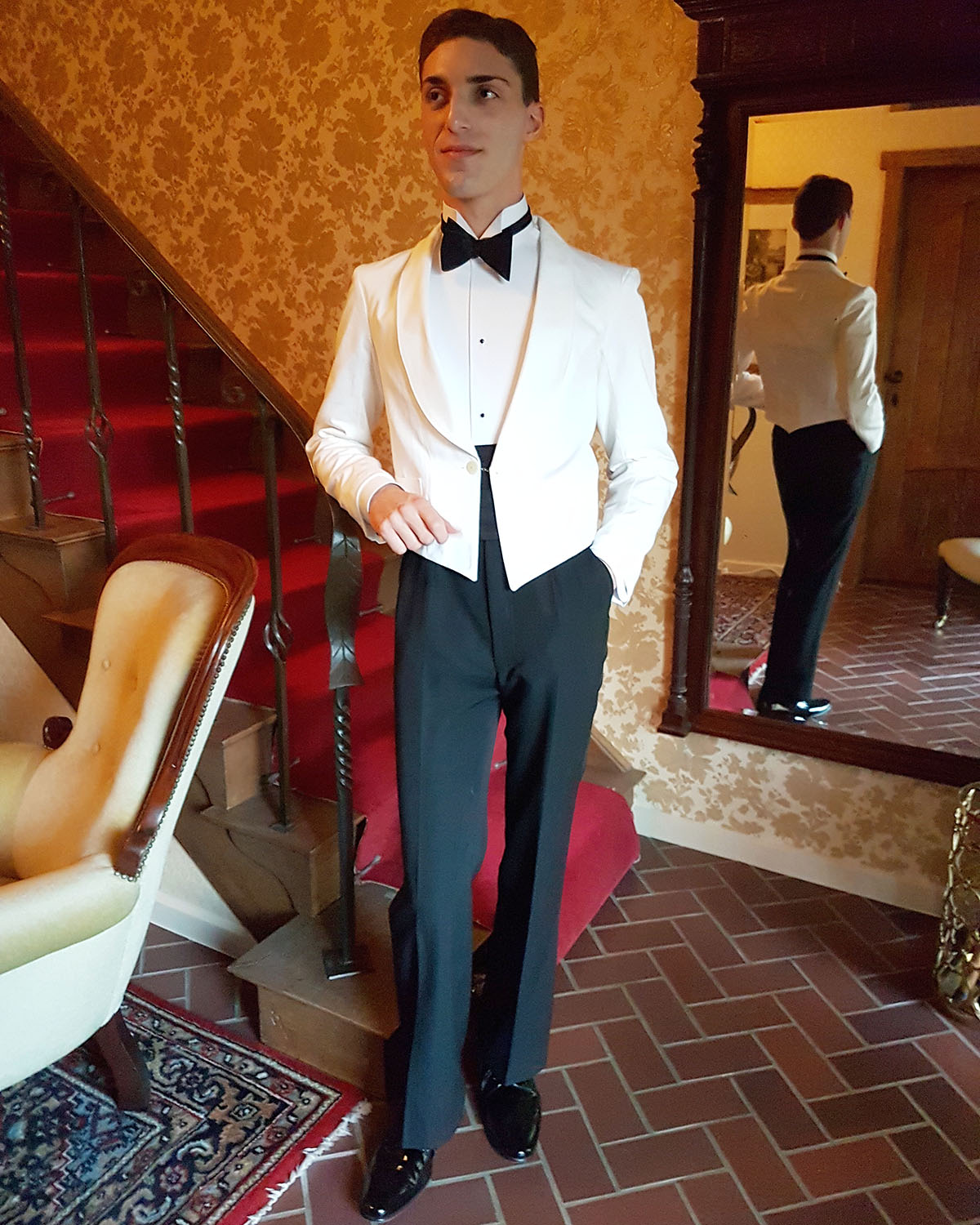
LG: Hello, I am Lauro and I am 18 years old. At the moment, I study foreign languages and science at a secondary school in Belgium.
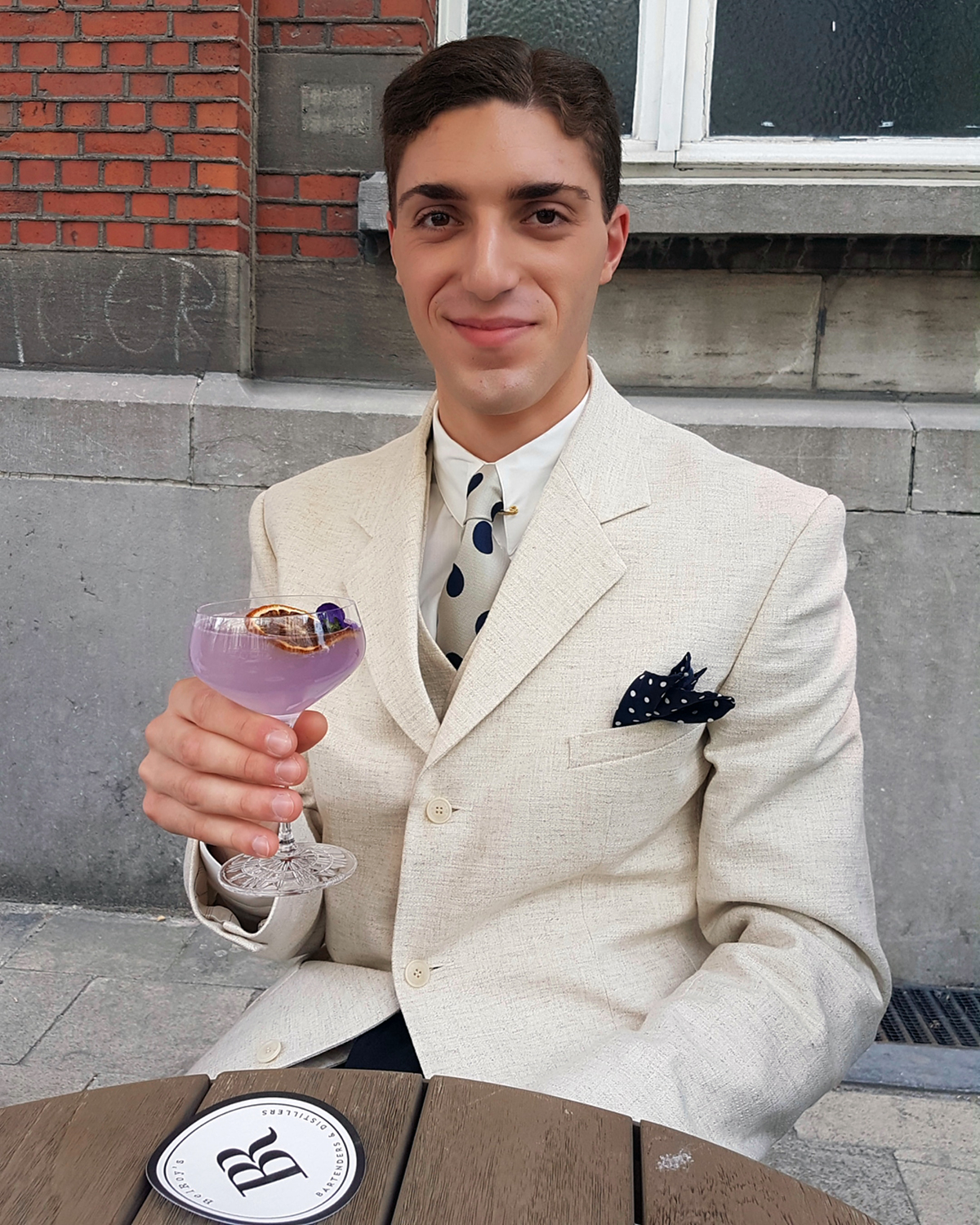
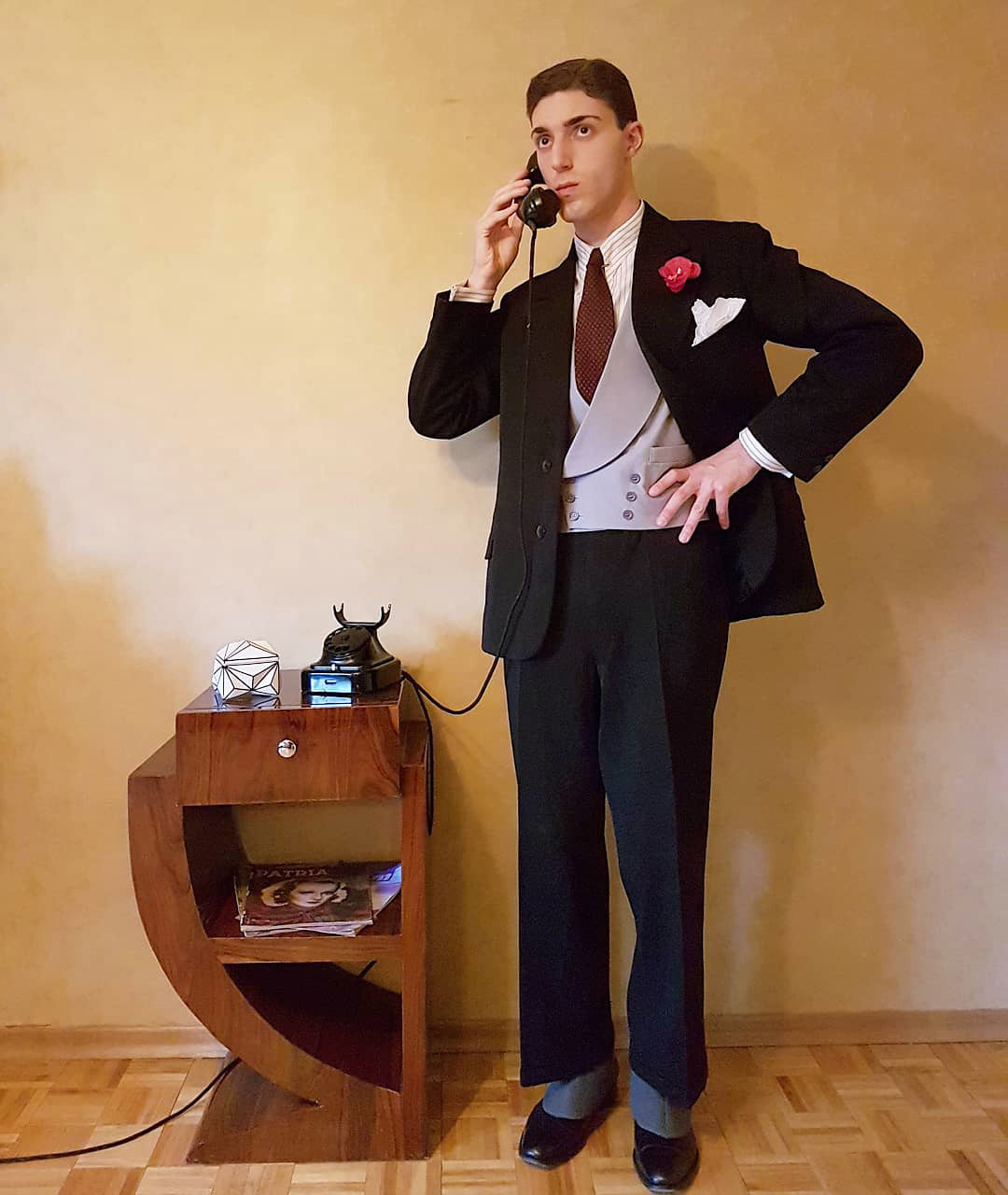
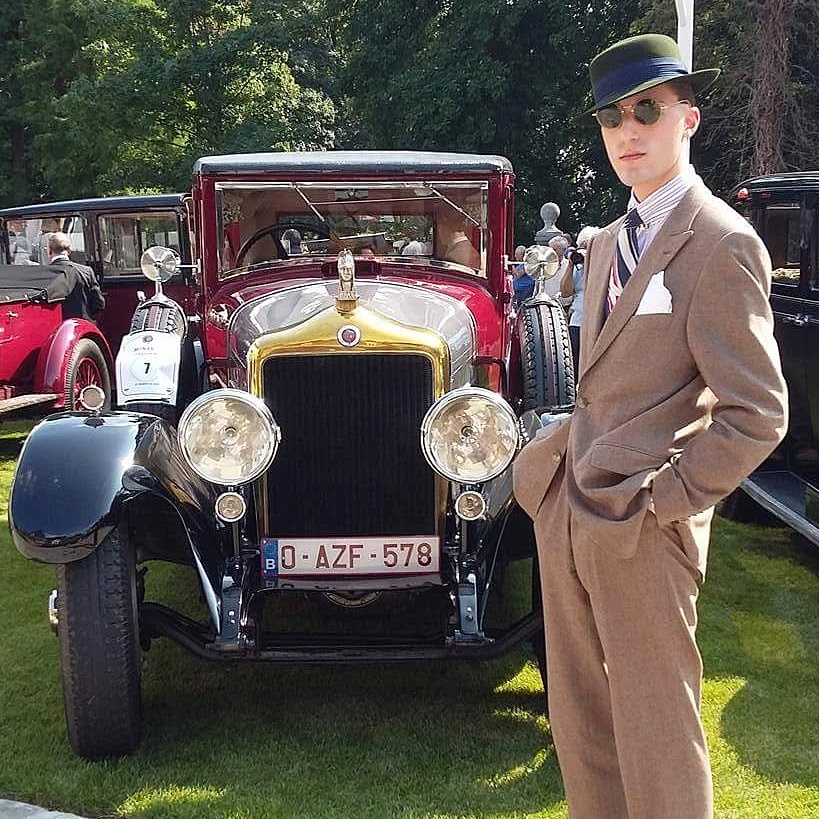
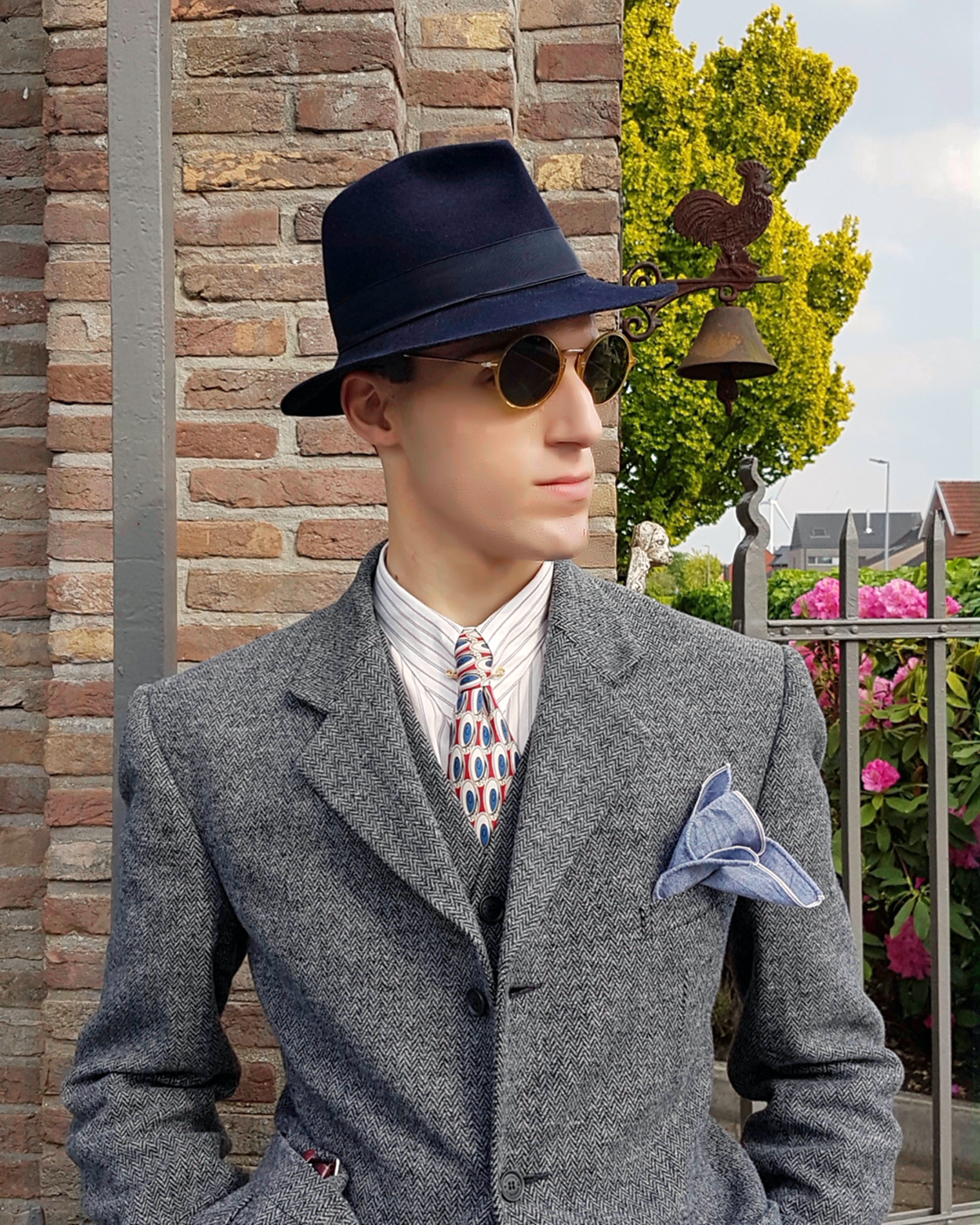
LG: At first, my parents were quite surprised when I told them that I wanted to dress up as in the 1940s. They thought that certain garments such as double-breasted suits should not be worn by a 13-year-old boy. In their opinion, I was too young to wear suits at that time. As the years went by, they became more interested in vintage fashion, the music and architecture from the 1940s.
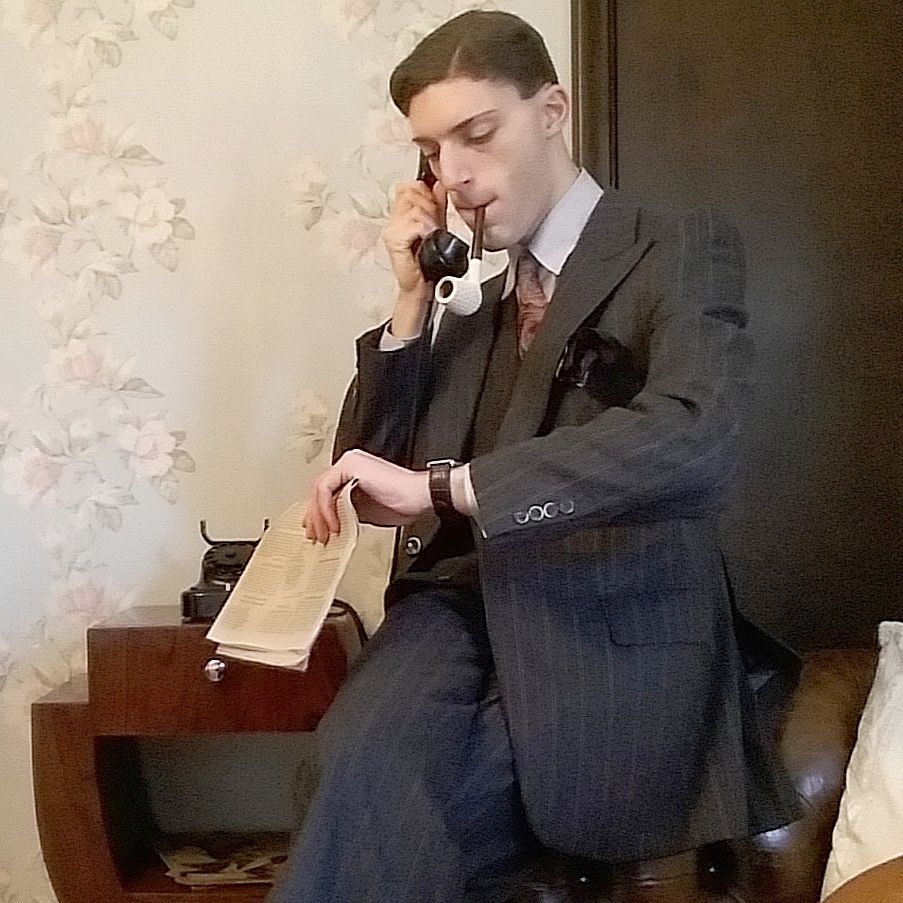
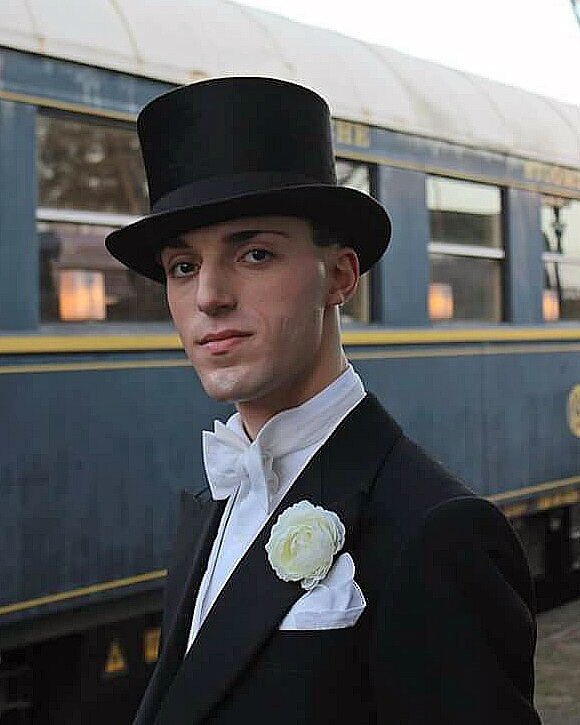
LG: I became interested in vintage fashion at the age of 13, thanks to the video game L.A. Noire, set in the 1947 Los Angeles. I was immediately fascinated by the clothing and the music and I therefore wanted to dress as the gentlemen in the game. However, I must admit that my outfits at the beginning were not sublime. Throughout the years, I started doing more research on vintage menswear, consulting various sites and blogs and I was eventually more fascinated by the previous decade, the 1930s, than the 1940s. From the age of 17, I favoured the interwar period apparel over the 1940s fashion.
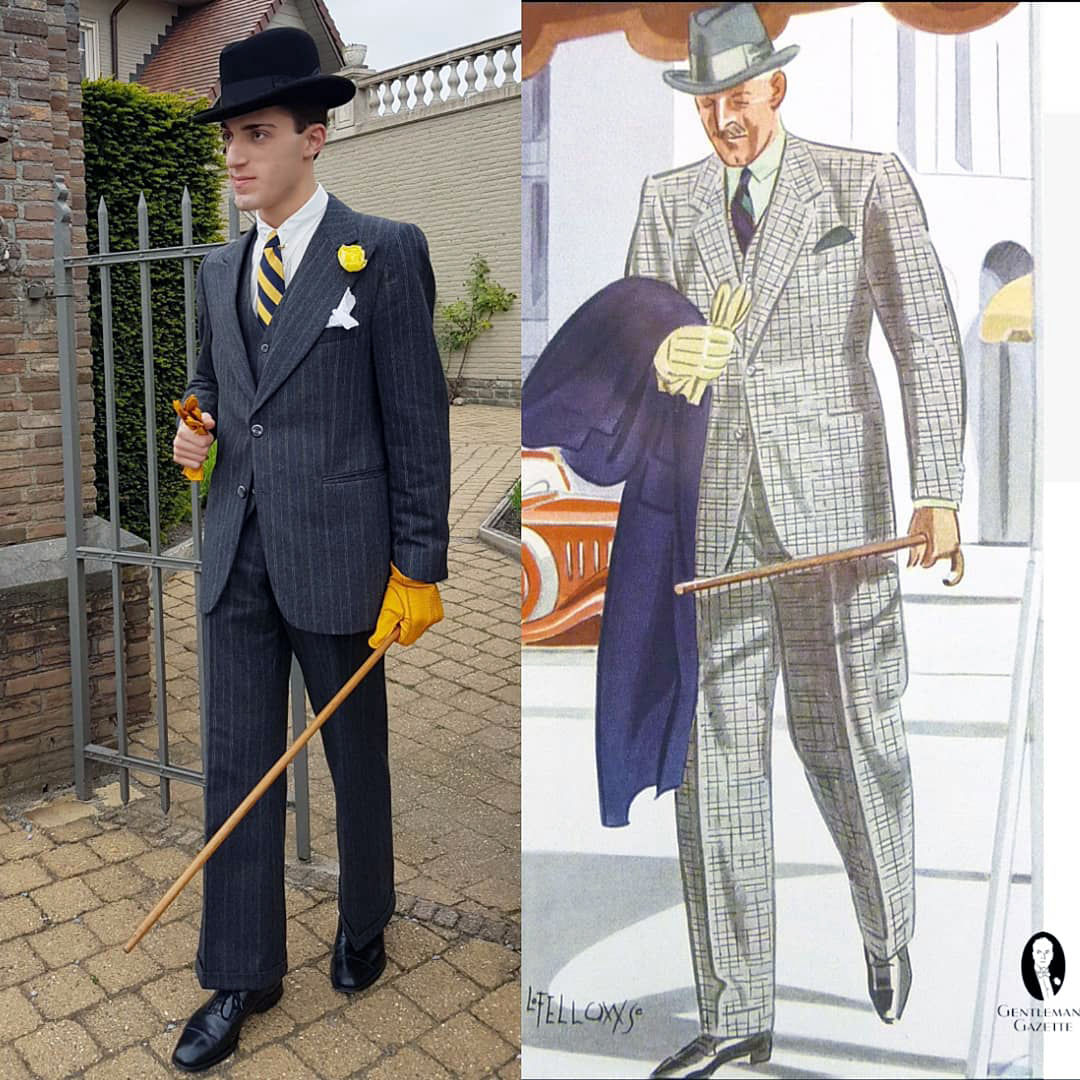
LG: I gathered my knowledge of clothing from the Gentleman’s Gazette’s Ebook Gentlemen of the Golden Age, which is dedicated to the illustrations published in Apparel Arts and Esquireof the early 1930s. After having joined various vintage groups on Facebook, I obtained much information on how to recognise vintage items and how to date them. I browsed the Internet for images of 1930s apparel and tried to find items, both original and reproduction, to recreate the outfits in the photographs.
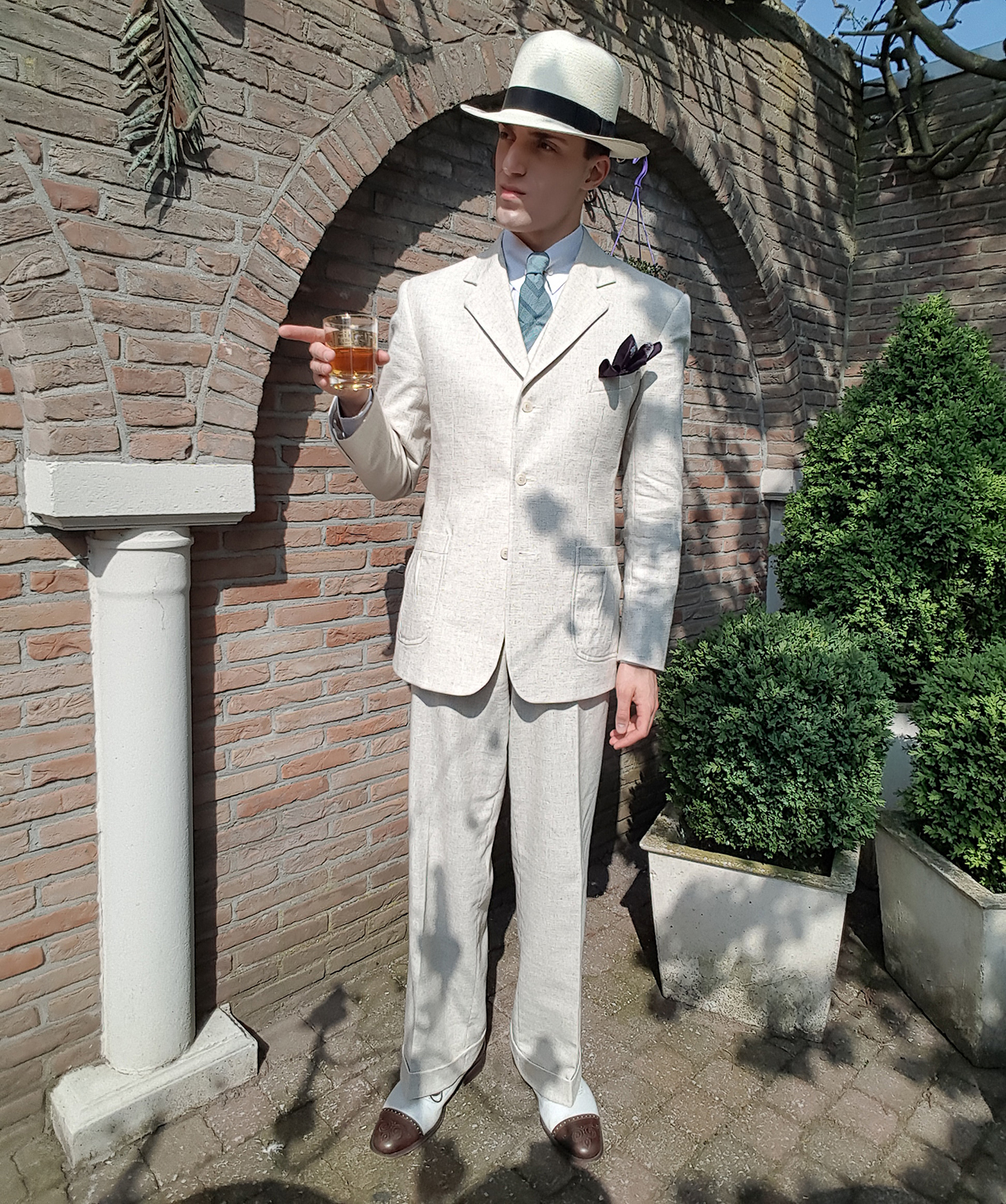
LG: I would describe my dress as intercontinental. In the beginning, I preferred American menswear over European but when I discovered more about the sartorial past of Europe, I also began dressing up according to European fashion. I normally dress according to the American apparel as it appeared in Apparel Arts and Esquire on the one hand, but on the other hand I also dress according to the German, English and French fashion from the 1930s. In my opinion, the German magazine Das Herrenjournal is a great source of inspiration. The colour combinations proposed in this magazine are simply outstanding.
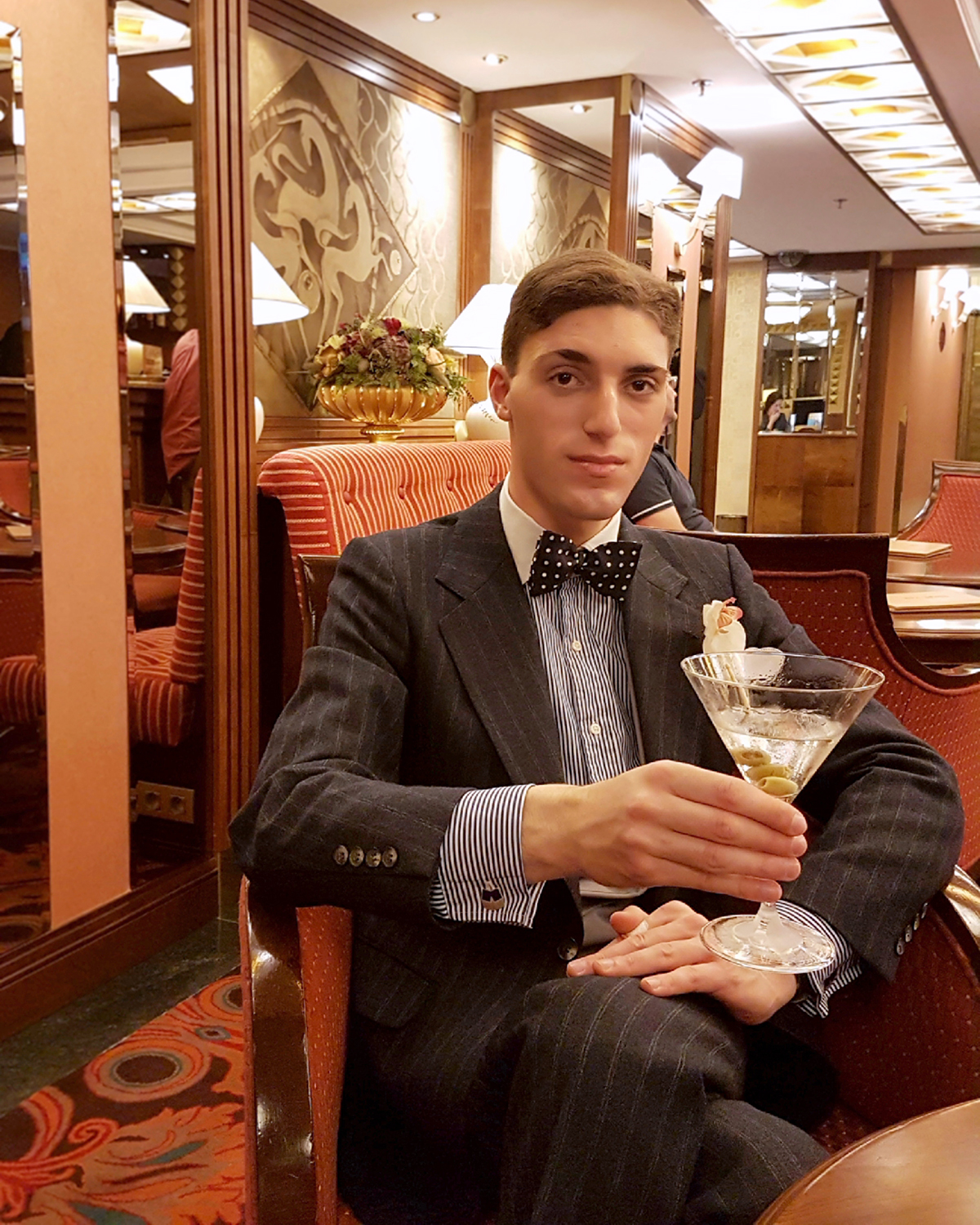
LG: Not only fashion magazines but also personalities inspire me. As far as I am concerned, William Powell is the most elegant actor of Hollywood’s Golden Age. I find his style truly exquisite and his acting skills were on point. Other gentlemen to whom I look up to are Cary Grant, Fred Astaire and Errol Flynn. All of them had a very interesting take on fashion.
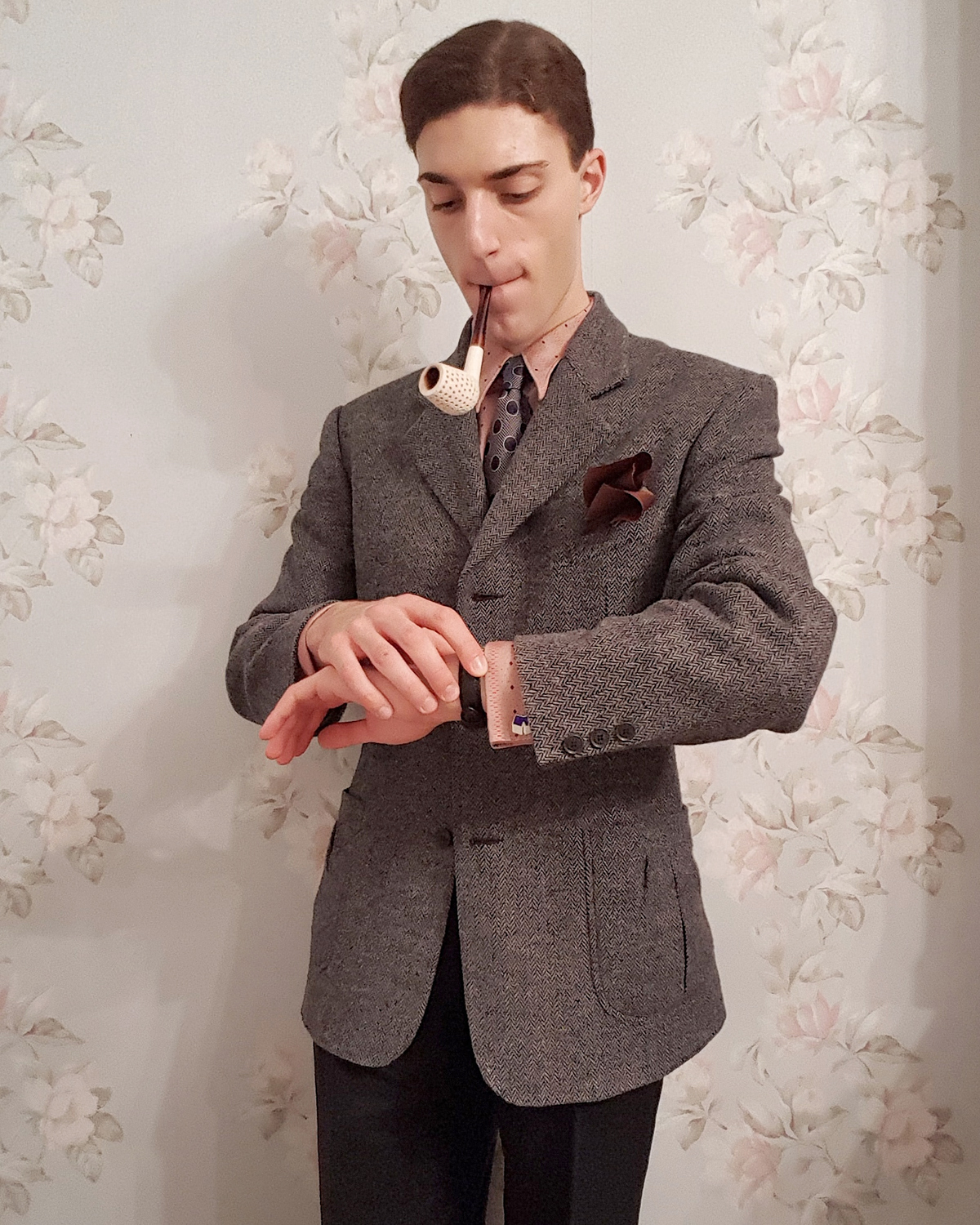
LG: To me, style is the deliberate harmony between personality and clothing. One must feel comfortable in what one is wearing. If one does not feel confident in wearing a certain garment, one should not wear it. Others will notice it when one is uncomfortable in wearing it.
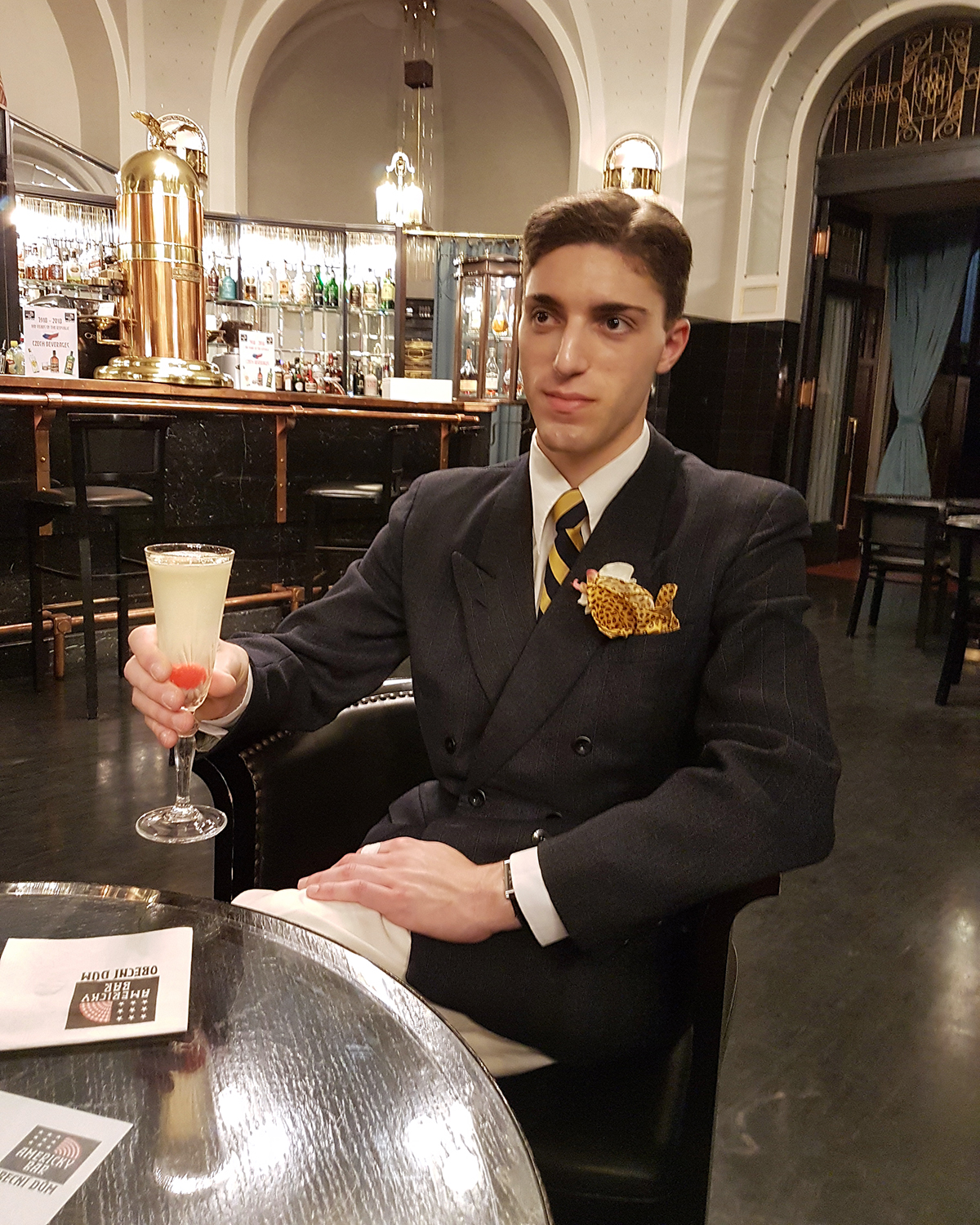
LG: I initally started wearing 1940s clothing, however; my interest in the 1930s have grown significantly over the last three years and it has practically extinguished my passion for the 1940s. To me, the 1930s were the summit of elegance for architecture, motoring, travelling and fashion. It was the golden age of the oceanliners, such as the glorious Normandie, and the golden age of automobiles, and, in my humble opinion, the era’s Art Deco was marvellous.
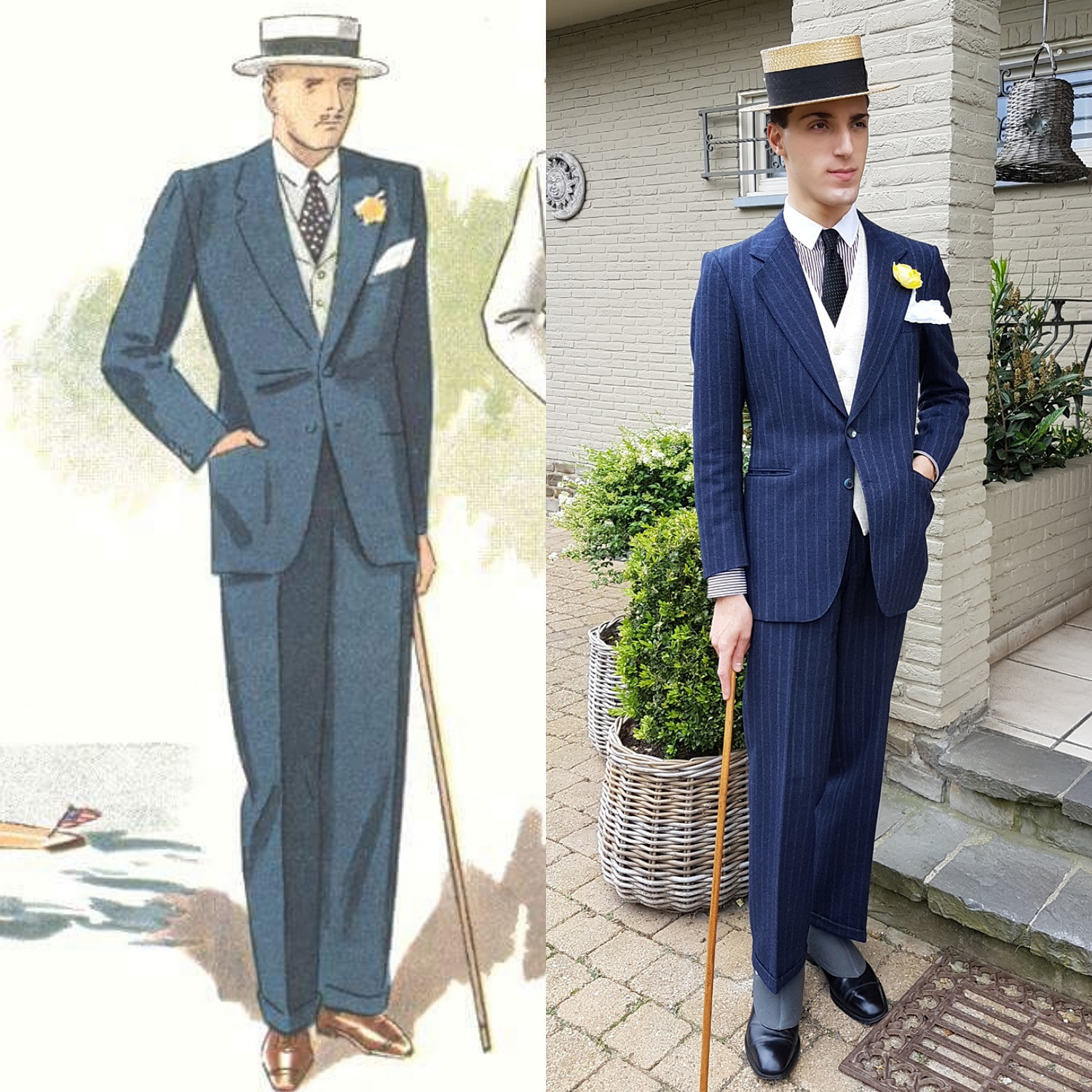
LG: In my opinion, vintage fashion brings more diversity to the street scene. I find that the colour and pattern combinations of the 1930s were superb and that they, therefore, should be brought back into modern fashion. I can only encourage one to discover the world of vintage fashion and to take inspiration from it in order improve one’s style. I believe that the art of combining colours and patterns of the past and the modern well-tailored cut lead to perfection.
Category Interviews, Men of style, Vintage
G. Bruce Boyer’s life as a style writer
0June 26, 2018 by Ville Raivio
Today’s question: what has the act of writing about men’s tailored clothing taught G. Bruce Boyer? In the collection of Boyer’s writings I’ve collected on Keikari, this bit is among the most interesting ones because of its theme and findings.
As far as journalism goes, women’s magazines, Boyer feels, still seem to encourage their readers to “burn your old wardrobe and get these new things so you’ll be thought both in style and youthful.”
Do head over to Parisian Gentleman to see the rest.
https://parisiangentleman.co.uk/2018/03/29/my-life-as-a-style-writer-by-g-bruce-boyer/
Category Arbiter Elegantiae, Links, Reading
Marco Facchinetti from Riccardo Freccia Bestetti
0June 26, 2018 by Ville Raivio
Category Footwear, Tradesmen, Videos
Interview with Gaetano Aloisio
0June 20, 2018 by Ville Raivio
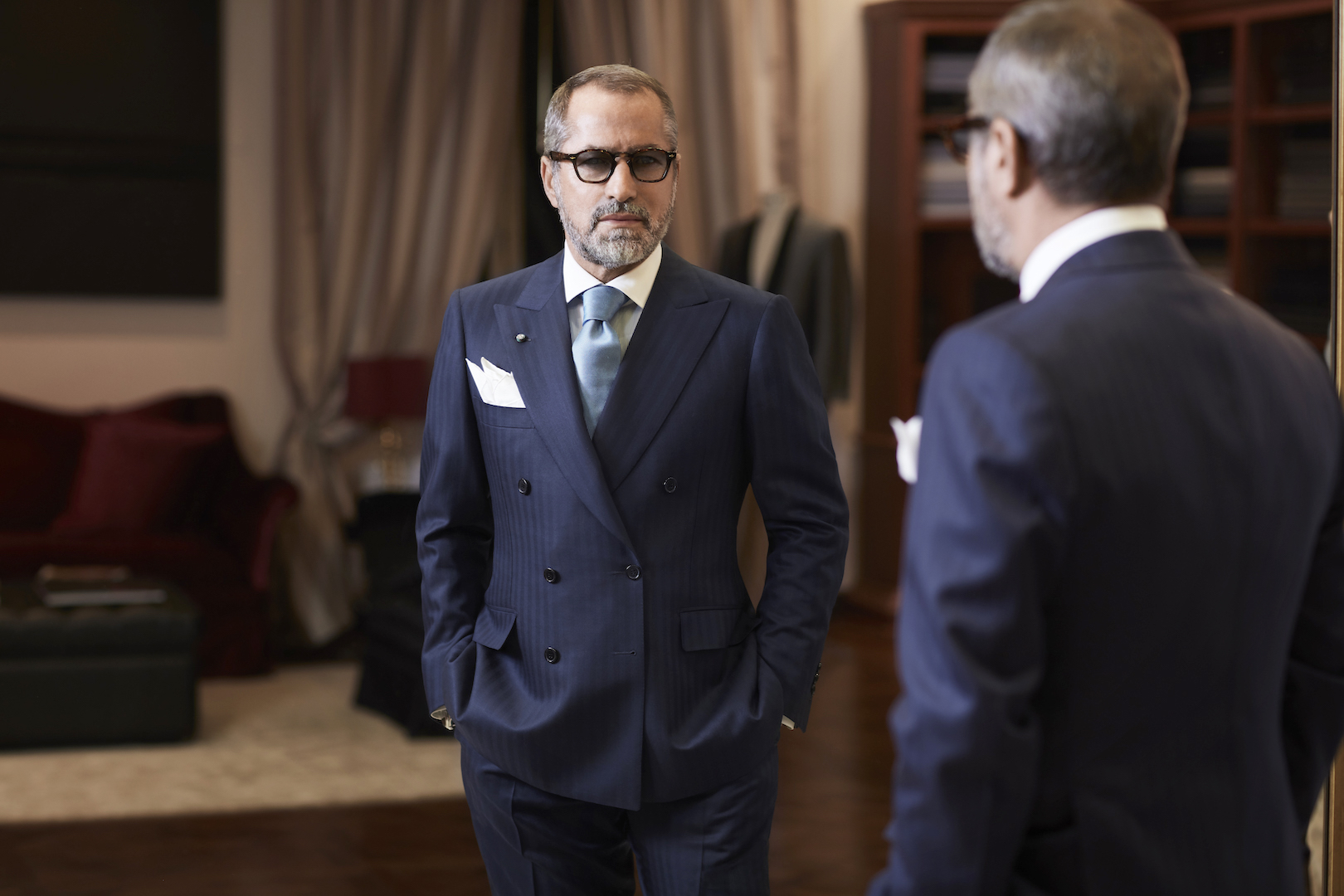
VR: Your age and occupation?
GA: I am 54 y.o. and I am a tailor.
VR: Your educational background?
GA: High school in Crotone, the city of Calabria, my birth region, and studies in tailoring.
VR: Have you any children or spouse (and how do they relate to your tailoring enthusiasm)?
GA: My wife is the General Manager of our company. We have an 8-year-old-son. My wife is very proud of what I do. She not only sees the finished result of my work but also lives it from within. And when she talks about my work with admiration and enthusiasm, it’s the best compliment for me. My son grows up in the Atelier. He’s very curious about every step and detail. But sometimes he asks me to change my occupation because he sees me very little when I travel
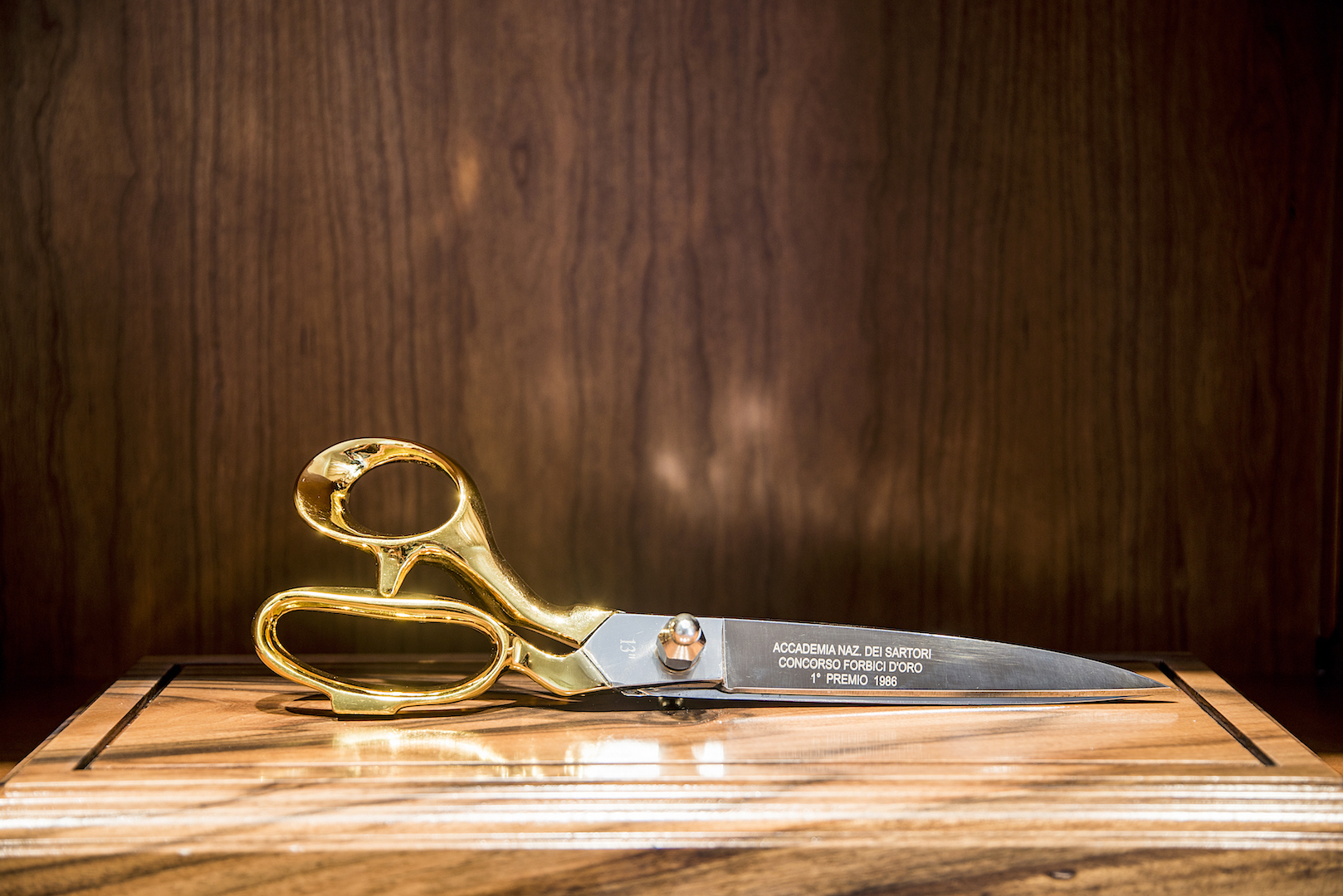
A Golden Shears-award from his younger days
VR: …and your parent’s and siblings’ reactions back in the days when you began?
GA: My father followed me, step by step, from the beginning of my professional growth. He has always been proud of my choices and me. There is no other tailors in my family. I hope one day that my son becomes a tailor but I will let him choose. Any profession he will choose, he will have my maximum support.
VR: What other hobbies or passions do you have besides apparel?
GA: I am a sailor, a lover of the sea, of good cooking and traveling.
VR: How did you first become interested in clothing, and when did you turn your eyes towards learning tailoring?
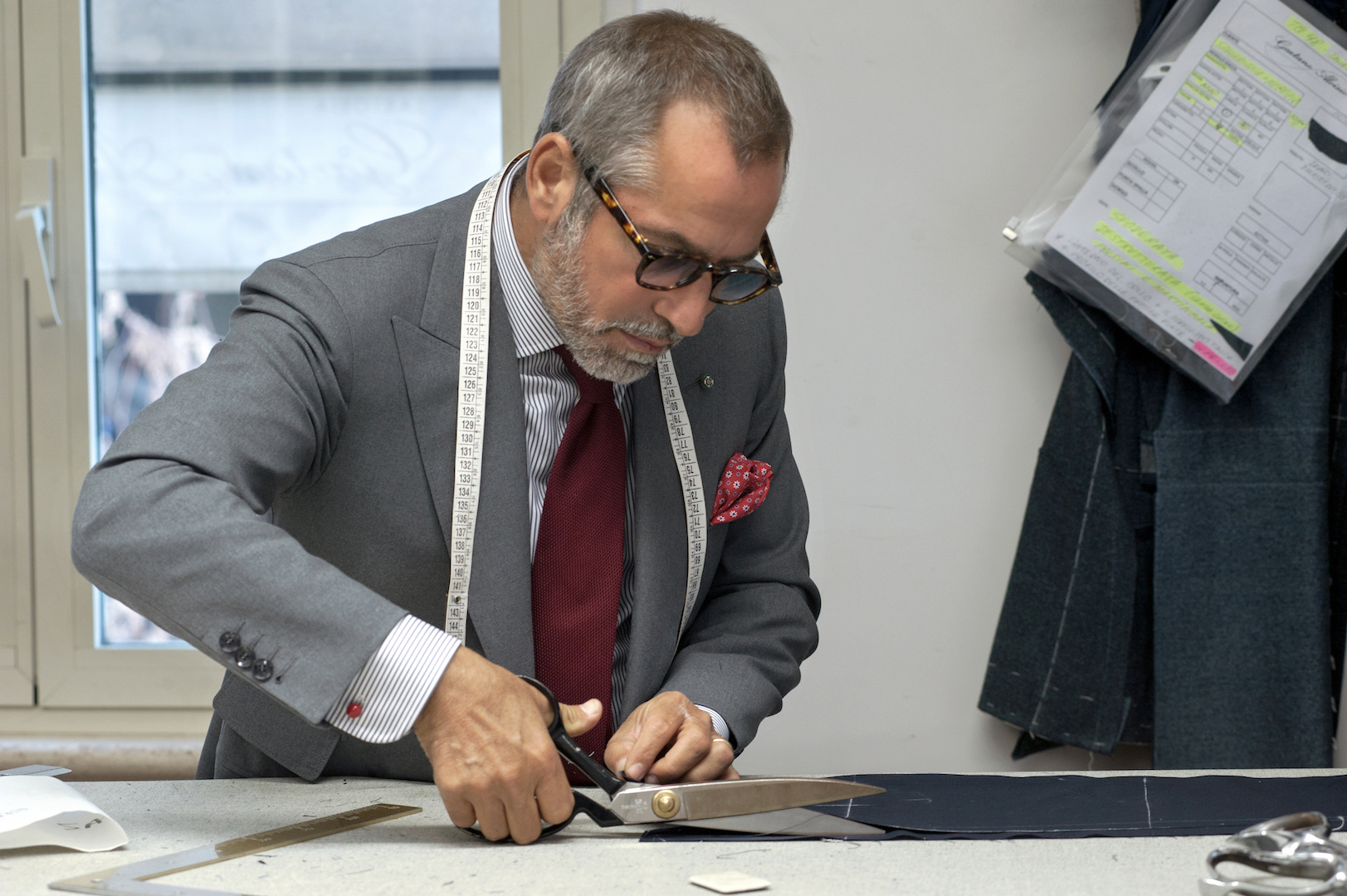
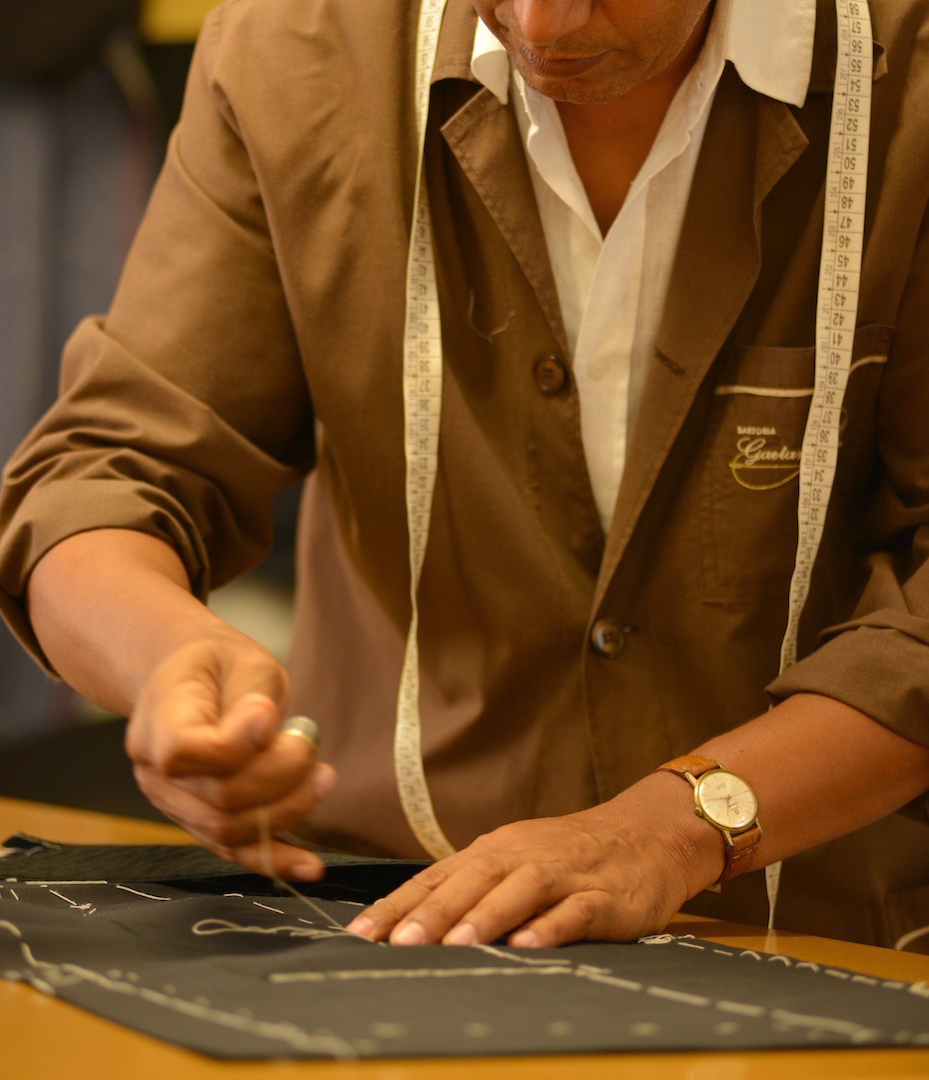
GA: At the age of 11 I started to be interested in tailoring, after school I used to go to the “bottega”, the tailoring shop, to learn cutting and sewing. It was just a small tailoring shop in our village in Calabria, with no specific name.
VR: How have you gathered your knowledge of the craft — from books, in-house training, workshops or somewhere else?
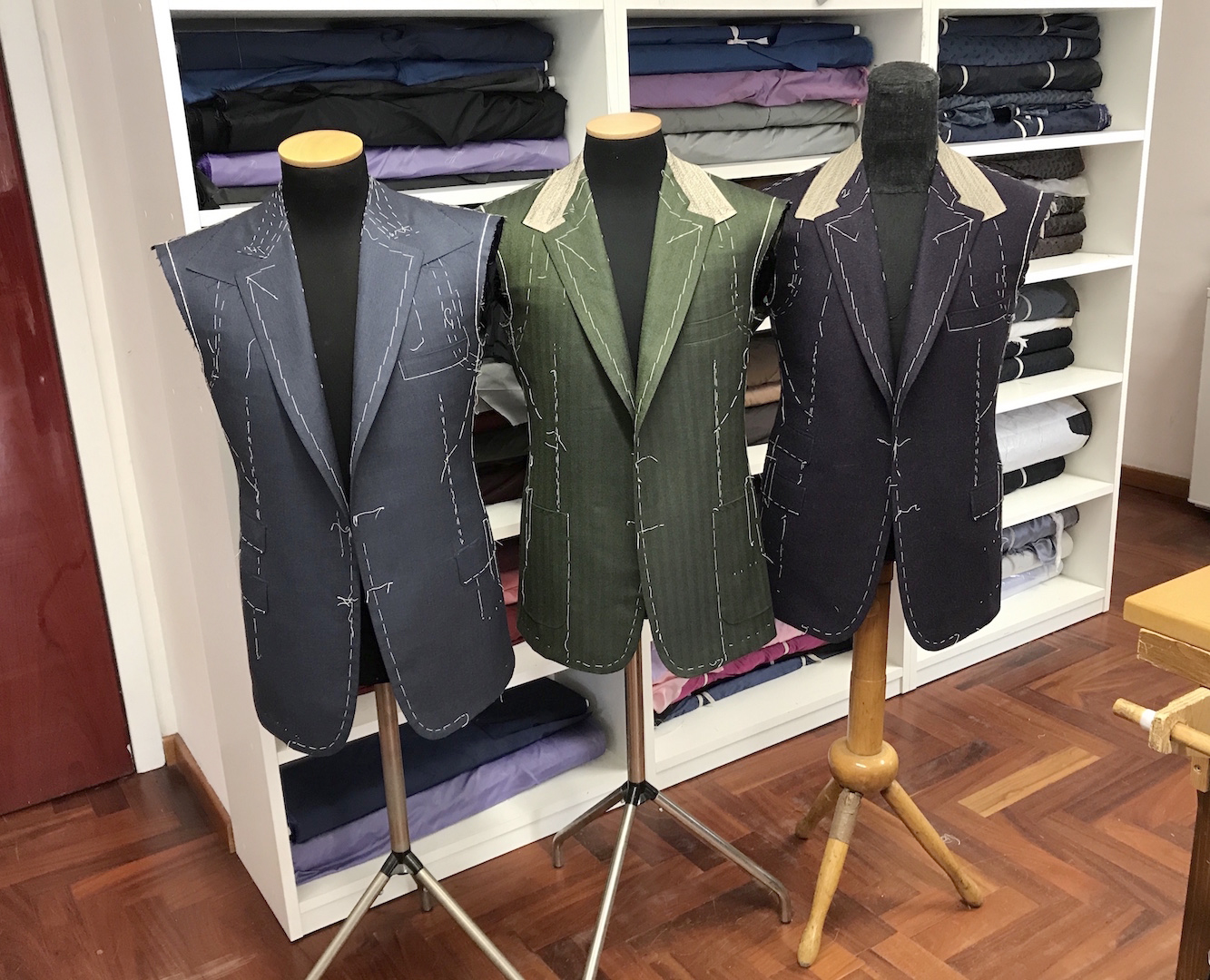
GA: I learned my first notions in ateliers where I worked at the beginning of my career, first in Milan and then in Rome. In Milan I worked with Cesare Tosi, one of greatest tailors ever, who was called the “human architect”. He made suits for Umberto II of Savoy, the last King of Italy, and many other celebrities. Later I moved to Rome where I attended a tailoring school and at the same time worked at one of the tailoring shops.

VR: How would you describe your own dress? How about your “house cut”?
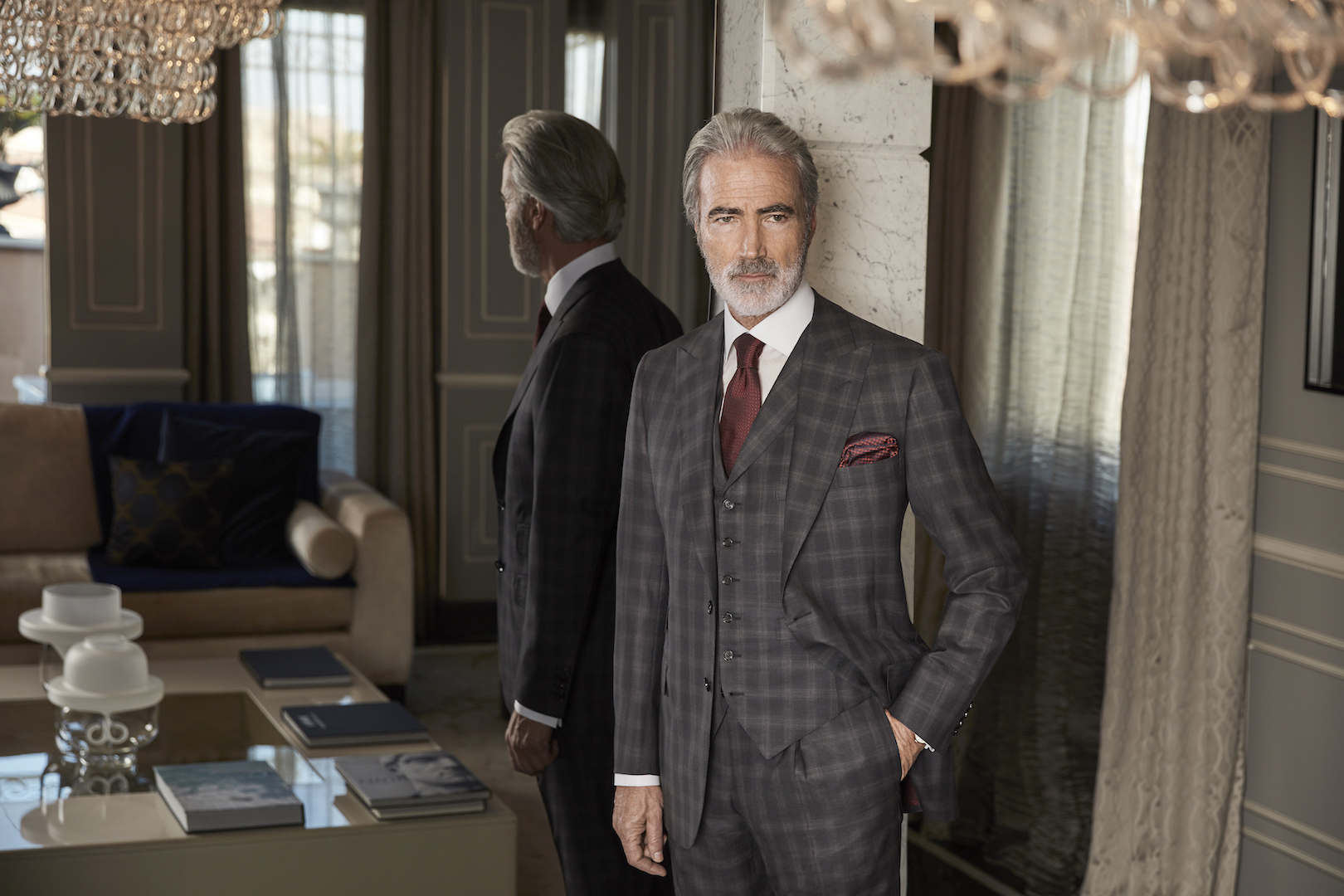
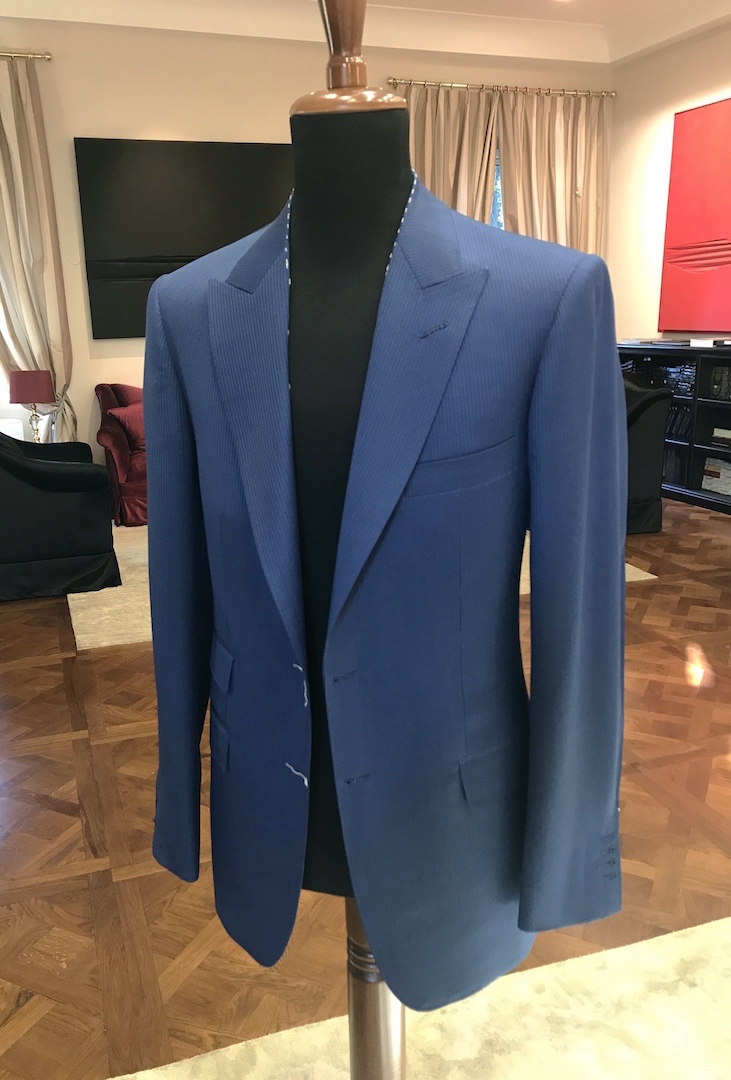
GA: I would say that I am a tailor who creates elegance. My suit is principally an elegant suit. Although my garments are recognisable, I try to give to each Customer something unique created specifically for his body. So, if you talk about my “house style”, I would say that I create one style for each Customer, and it’s always an exclusive style, which improves the possible defects of the body and makes the man feel always at ease and unique.
VR: Please tell us when you decided to set up your own store, and what goals you set for yourself in the beginning. How have you been received so far?
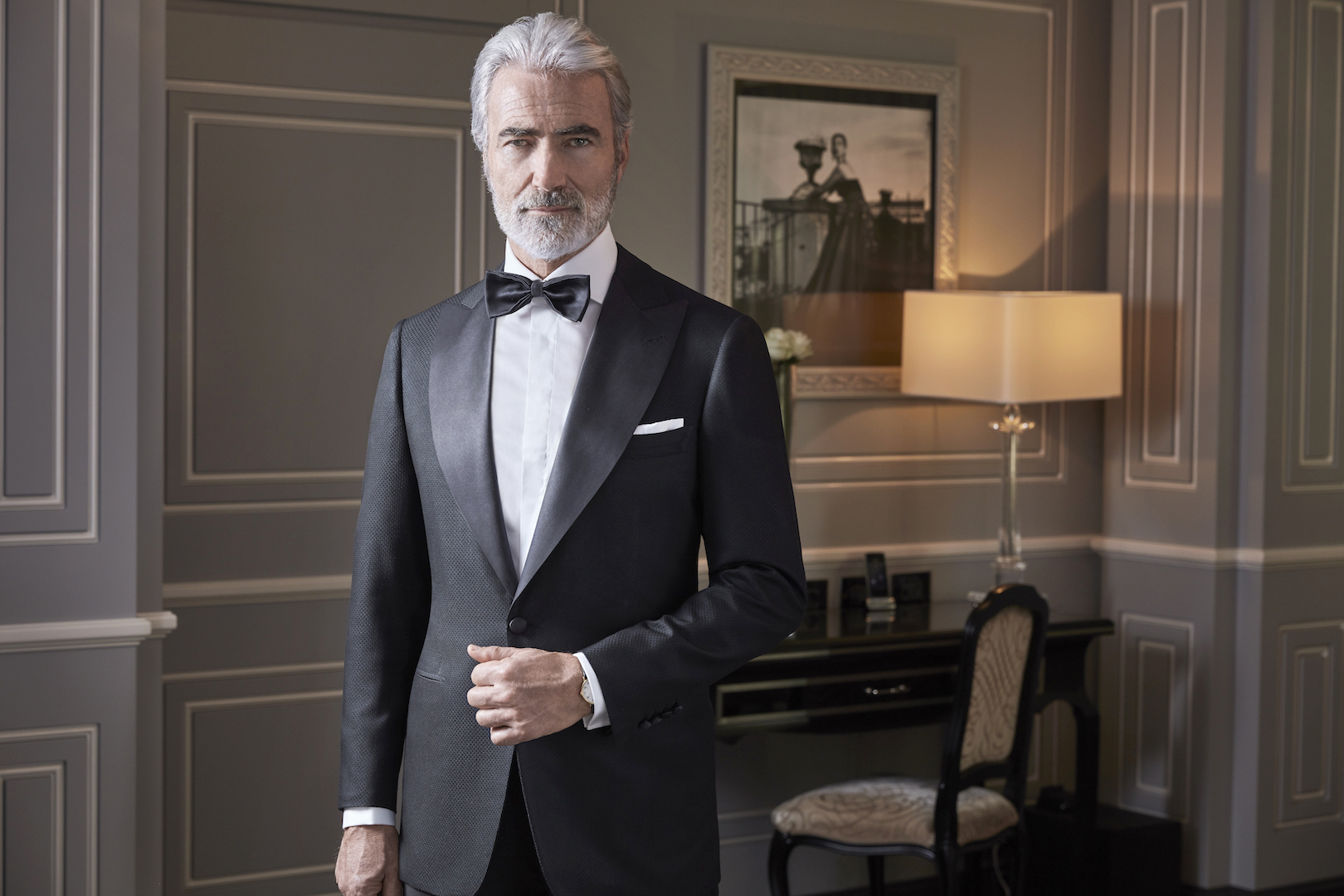
GA: When I started my career in Milan, I wished to become a great Master tailor and open up my own atelier. I set up my own company in 1991, in a couple of years I will celebrate 30 years of my business. Today I am considered one of the best tailors and my Sartoria is one of the biggest and the most important ones in the world. I would say my dreams have come true but now I have many other projects.
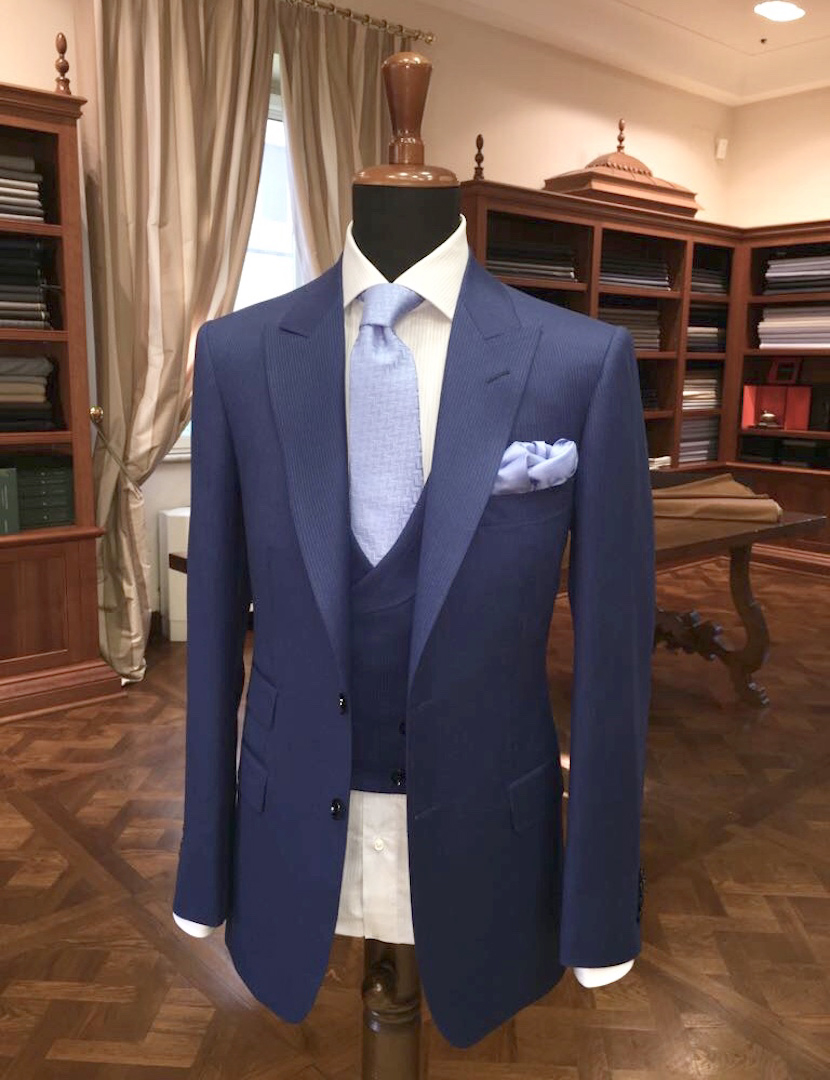
VR: Why should my readers visit Gaetano Aloisio over other Italian tailors?
The gentlemen who are looking for quality, uniqueness and elegance must come to visit my Sartoria. Every detail is important, nothing is left to chance. In my tailoring the garments are made with the oldest traditions of craftsmanship but in the same time with the continuous and constant search for modernity, and the highest quality and with the most refined fabrics.
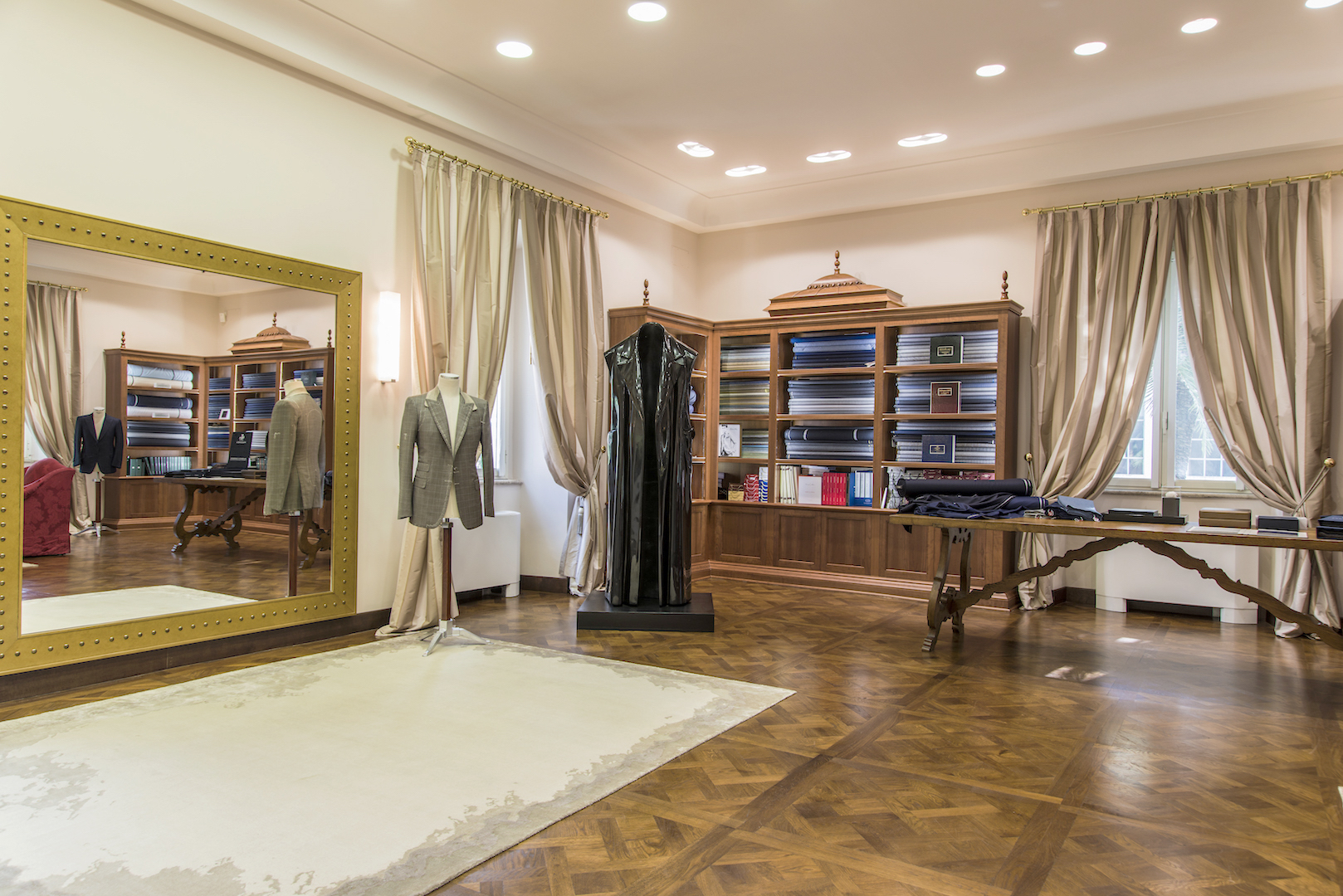
VR: Who or what inspires you?
GA: I am continually inspired by my customers. I observe them a lot trying to understand their characters, the style of life and the tastes. From there comes my inspiration in creating the personal distinctive style for each client.
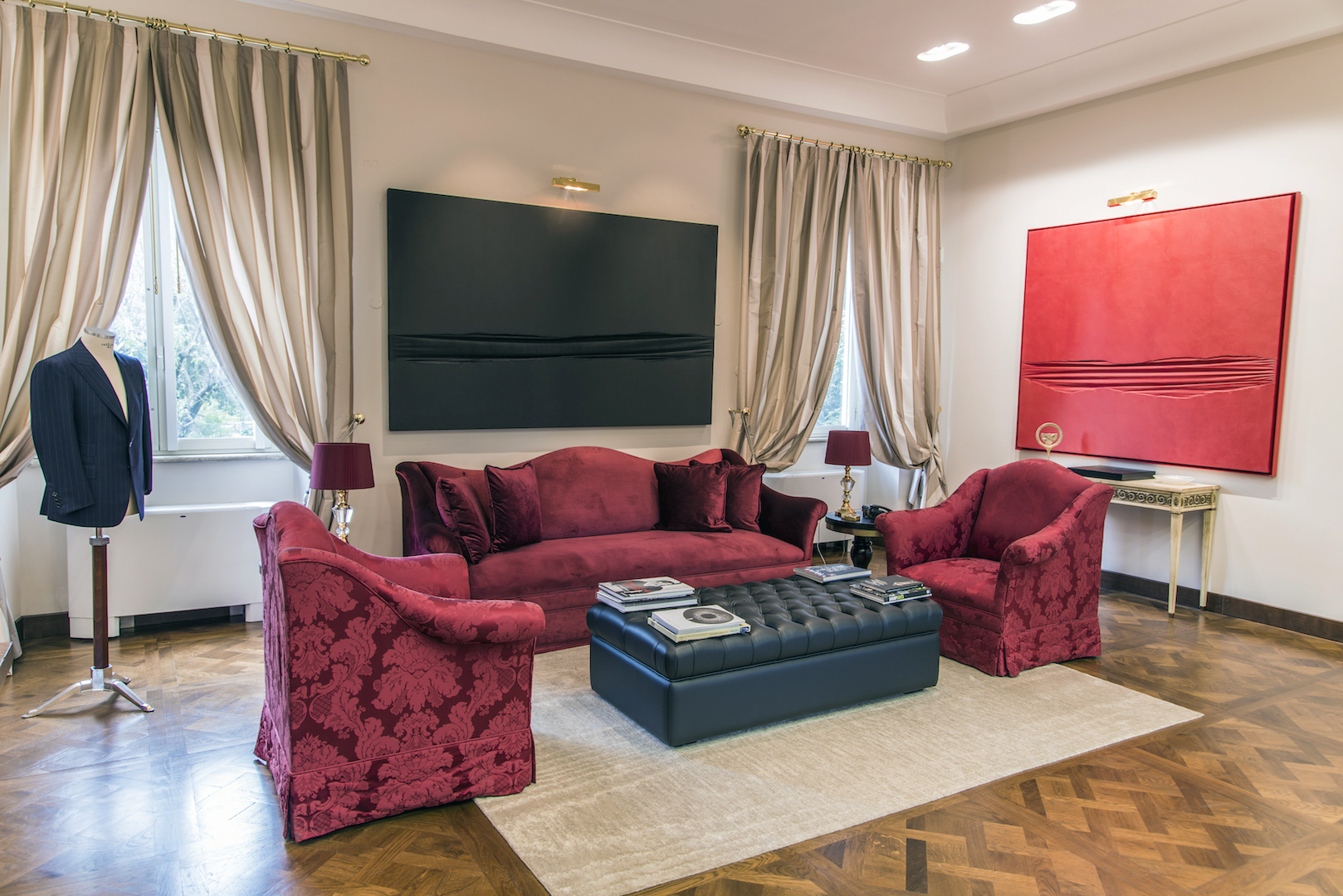
VR: What’s your definition of style?
GA: If I think of style, surely I do not stop only at the way of dressing. It is a combination of choices in the way of living, the choice of savors, even the rhythms of a person are important to define his or her style. Those who follow fashion can have a certain style but most of the time it is plain and common with many others. Not many people have the courage to have their own unique style that fully expresses their personality and makes them feel at ease in every occasion.
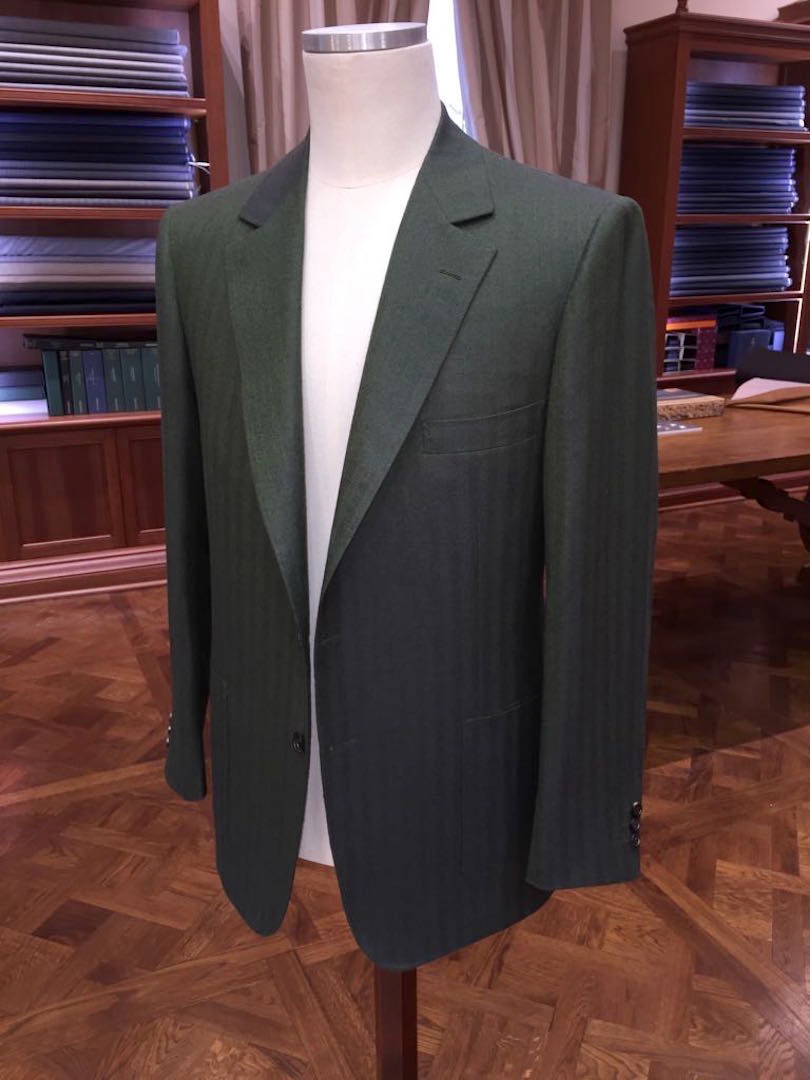
VR: Finally, in your view, how does Roman tailoring differ from the styles in other Italian cities?
GA: Roman tailoring is like the people of Rome. The people of the southern Italian cities are more creative and imaginative, they have a kind of fanciful way of dressing. The men love a soft-tailored jacket with very light structure. The people of the northern cities are more rigorous and have more rules in the way of dressing, therefore they prefer more defined jackets. Rome is located between these two realities. I would define the Roman tailoring as balanced.
Category Interviews, Tailors
Andrea Luparelli and Sartoria Ripense
0June 19, 2018 by Ville Raivio
Category Italian Style, Tailors, Videos
Copyright © 2013 Ville Raivio