An interview with Jack Simpson
1September 6, 2018 by Ville Raivio
Age & Occupation
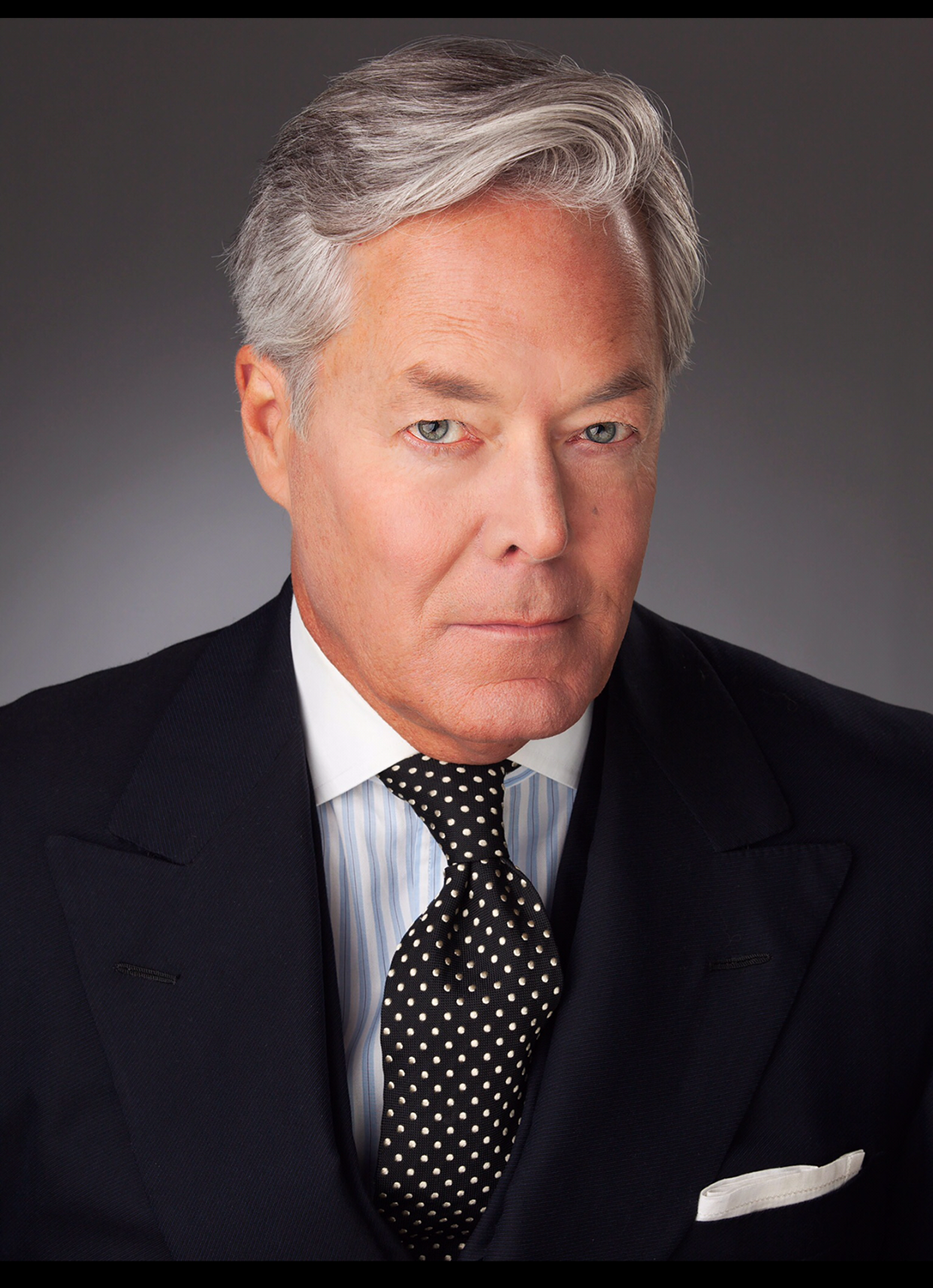
As most who find themselves in the creative field, I see age bias to be especially shortsighted. Outside of my couture endeavors, I am a model, albeit one on a select basis. Age is an elusive factor, as an image of a senior man with a young woman is often of greater emotional interest than a similar photo with a woman of a certain age; the same is true for an older woman and a younger man. Giorgio Armani teaches us that age may even enhance one’s design vision, and, moreover, innate appeal. Mr. Armani and I have one thing in common: he started his business at the age of 40, as did I.
Education
I had the good fortune to be awarded a Morehead Scholarship to the University of North Carolina, one given to those young people who show promise in both scholarship and leadership. However, I left after two years, perhaps naively so, for more creative stimulation.
Inspirations
Spouse & Children
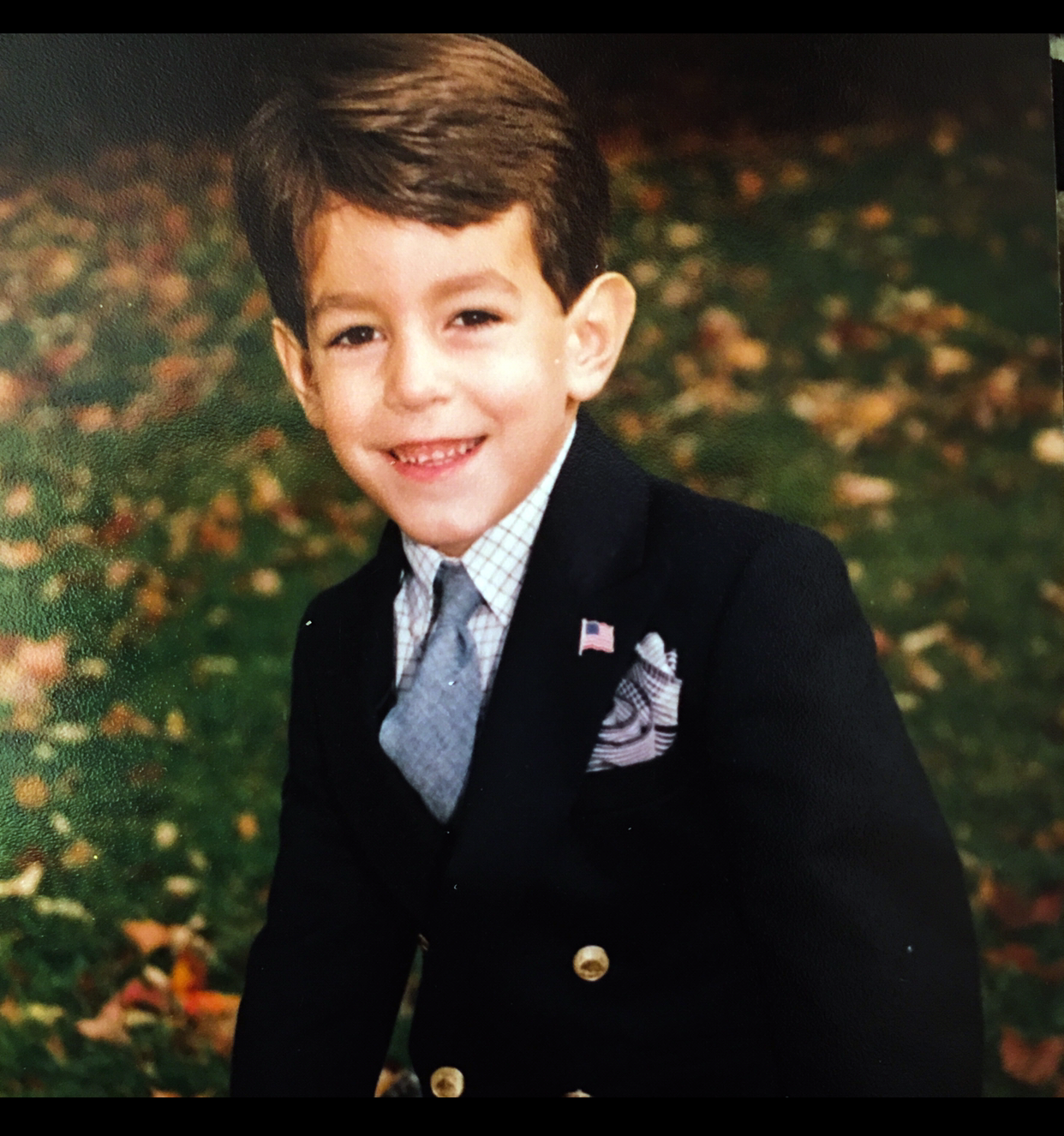
My wife’s career has also been in the luxury apparel industry, and she is the only woman to have served as the North American agent for the revered cashmere brand Malo. One of my two sons managed a luxury menswear boutique at 25; the other is far too well-grounded to consider apparel as a career, even though we had a bespoke cashmere blazer made for him at four years of age. Both my wife and I shopped for the boys in Paris and Milan when they were very young. It now seems to me that it may have been somewhat frivolous, yet it surely instilled in them an appreciation for the value of refined self-expression.
The infamous cashmere jacket
Father & Siblings
One of my first memories of rejection related to the adult world was when my father, a long time clothing enthusiast, took me to the local menswear shop to be fitted for a sports jacket. The owner told us that I was too slight for any of their stock, a crushing moment then for me. I later worked, while in high school, for a similar independent specialty retailer of menswear, perhaps motivated by my earlier experiences; two of my three brothers did the same.
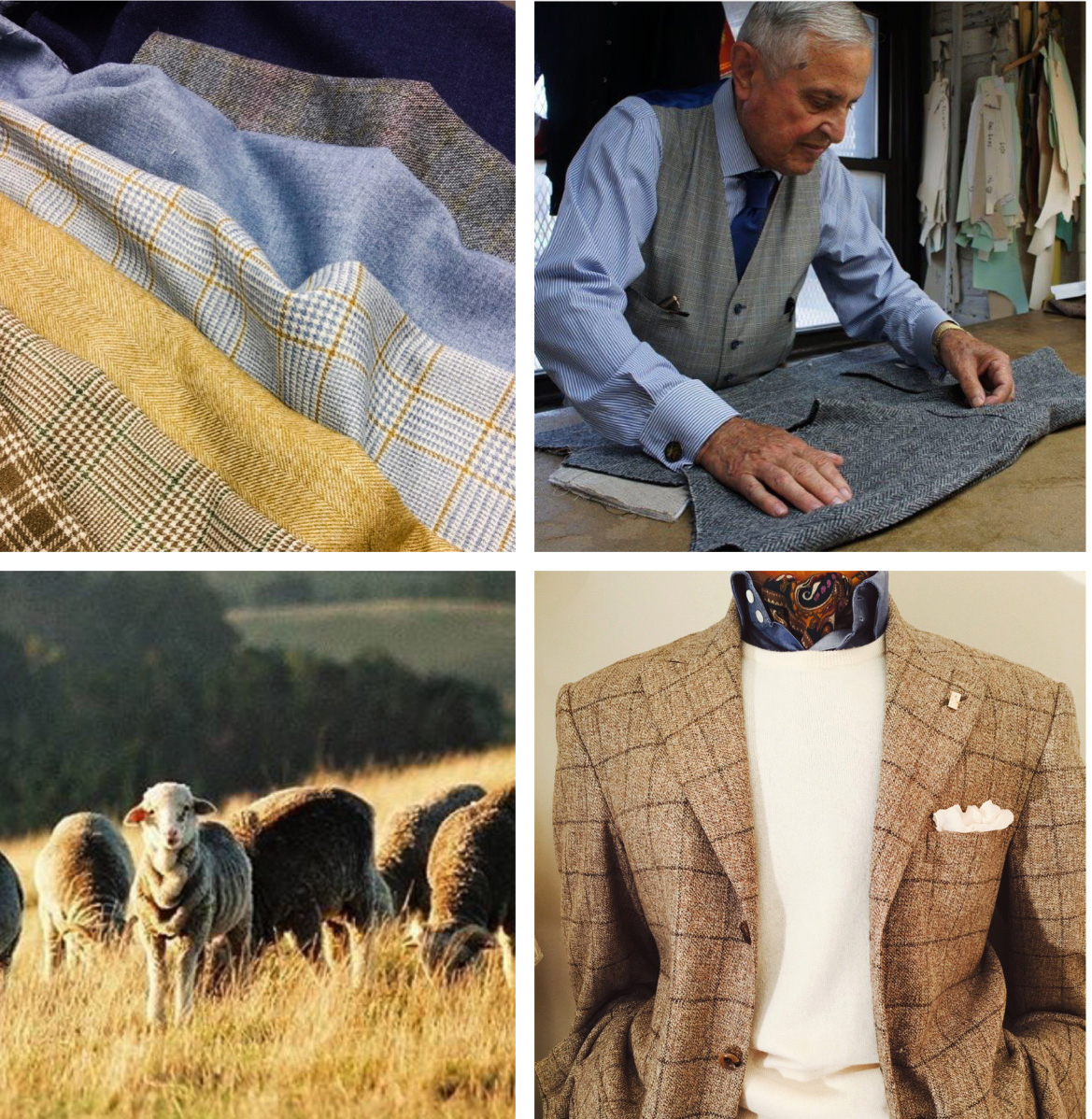
Jack Simpson MTO comes from the Martin Greenfield factory
Other Interests
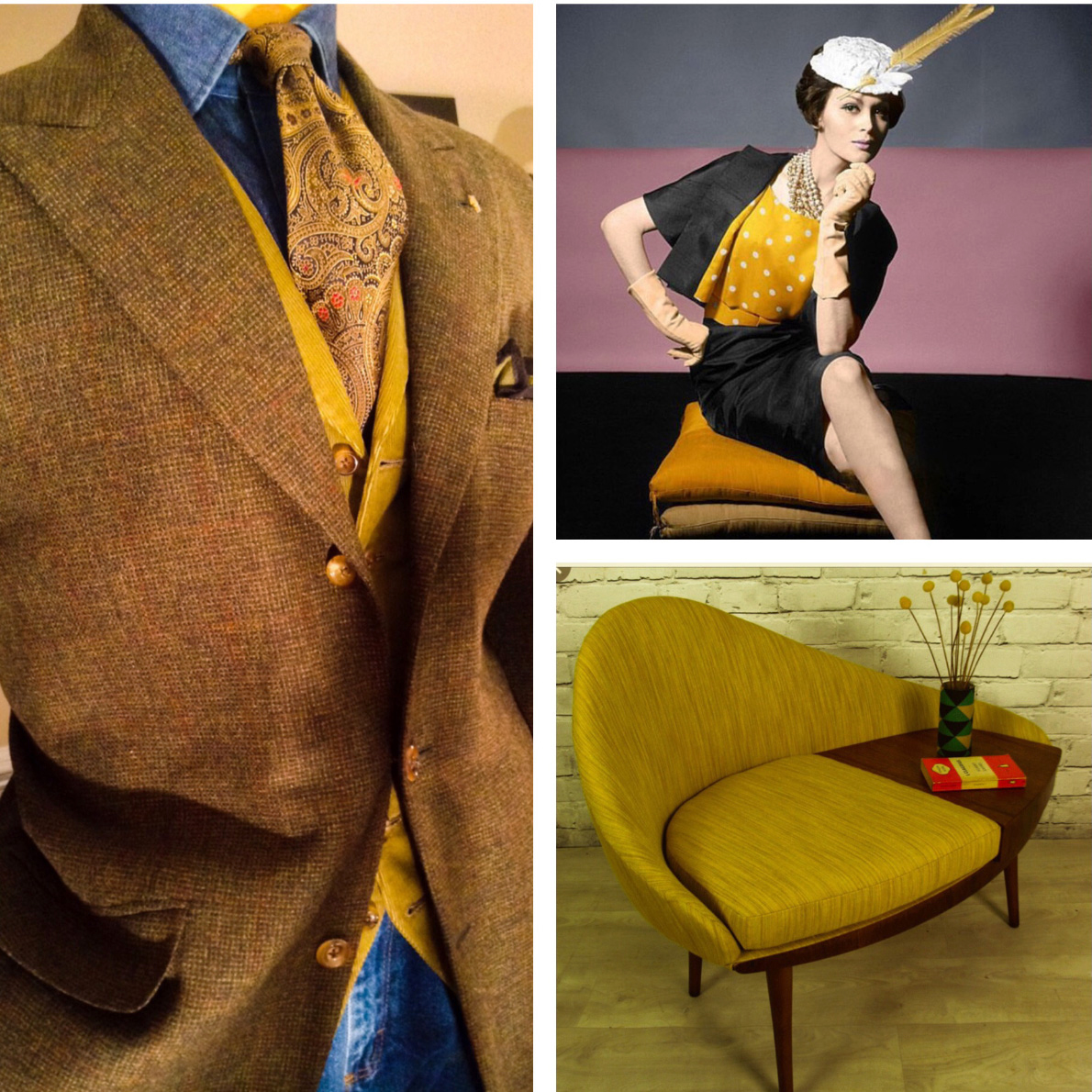
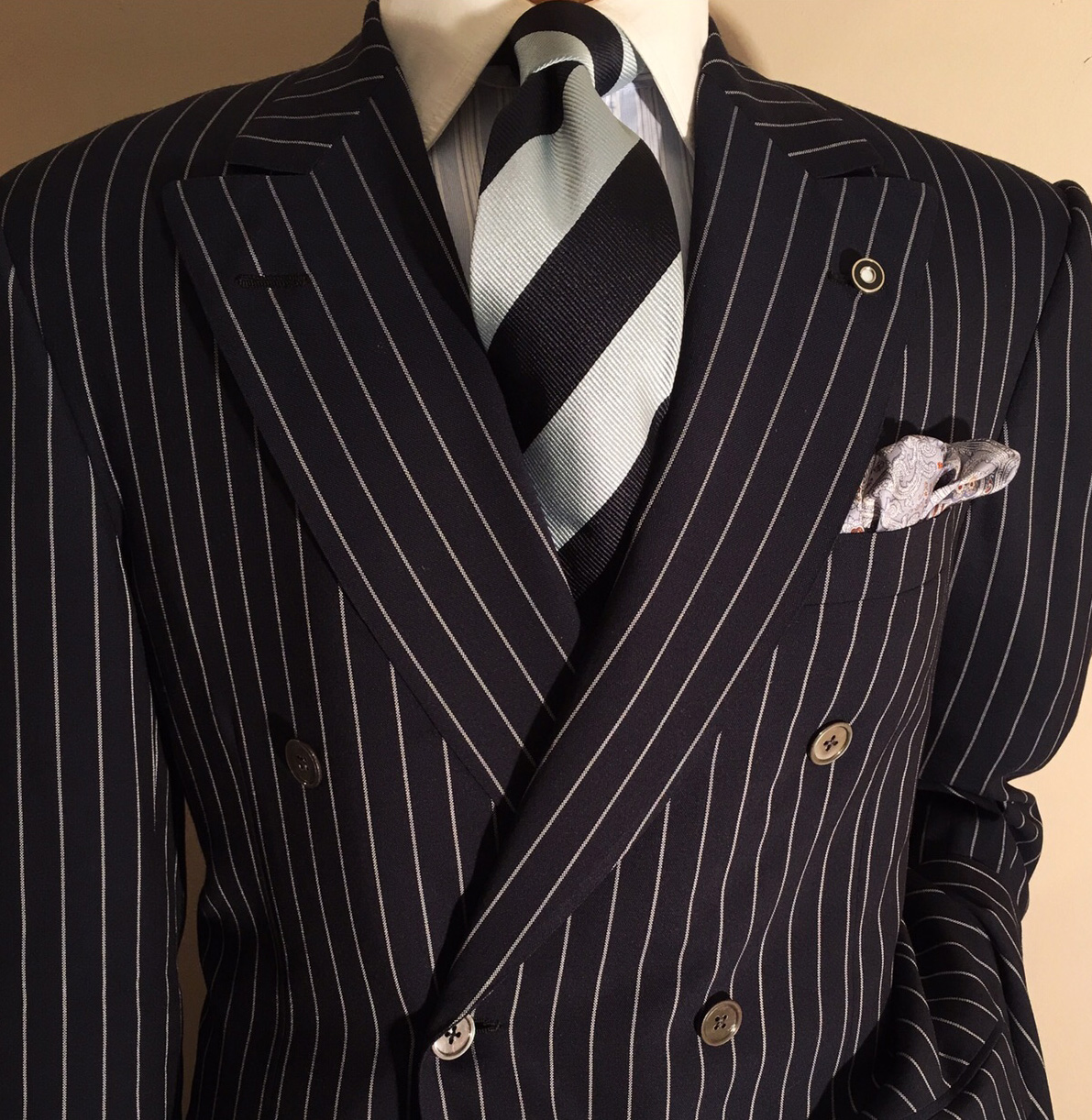
My interests outside of clothing design are diverse. Sport has long been a passion, and I served as both a head coach, as well as president, of youth football in the Connecticut town where we raised our sons. Both Formula 1 and IndyCar racing have long been of keen interest. I structured a deal for the company I headed at the time for an associate sponsorship of Paul Newman’s IndyCar team, and I often flew with him to races. Paul became a client, and the suits we made for him carried his unique signature of classicism edged with irreverence. Each was made in a 4/1 DB with three open patch pockets…even his tuxedo. If one were to review my Instagram feed, you would find my principle subjects of interest to be period automobiles, the Golden Age of Hollywood, fashion illustration of the 1930s and 1940s, vintage furniture, and those gifted artists and painters whose voices reflected the intersection of color and movement.

First Inspiration
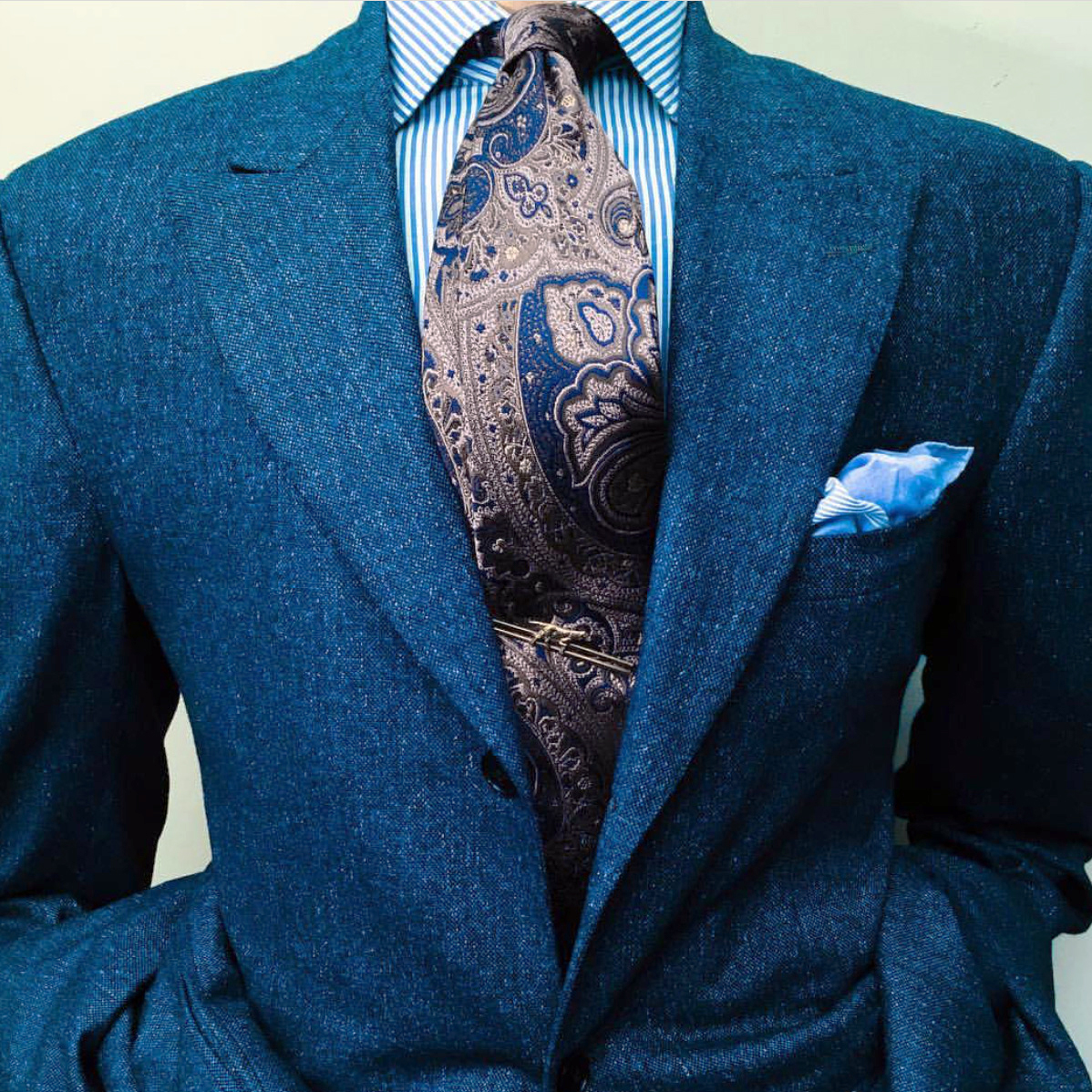
I read Ian Fleming’s James Bond novels in my early youth. The way he described the clothing and overall lifestyle moved me greatly, as later did the films. Sean Connery’s clothing in “Goldfinger”, especially the brown barleycorn tweed jacket, which was most memorable when he stood aside his silver Aston Martin in Switzerland, provided an invaluable lesson in masculine classicism and rakish male elegance.
Gleaned Knowledge
My design aesthetic, both personally and professionally, has benefitted greatly from life experiences. I had the good fortune of being recruited by the noted designer Alexander Julian when his company was in its infancy. This gave me the opportunity to be involved in all aspects of the business from textile design to marketing. Alex, a five time Coty Award winner, taught me much.
Design Influences
Elegance has long been a focus, and I have had the opportunity to create designs for a number of actors and statesmen who have been greatly admired for their sophistication and grace. These relationships allowed me to study the presence, style, and personal presentation of each man. Through my early attendance at the international trade fairs Ideabiella and Premiere Vision, I was exposed to equally elegant men in luxury menswear. It is from these collective experiences that the lessons of taste and creativity remain at the forefront.
But I am also an avid reader, and the wisdom of a great many have influenced my design aesthetic. Among them are:
Oscar Wilde, “Consistency is the last refuge of the unimaginative”;
Lord Chesterfield, “Dress is a very foolish thing, and yet it is very foolish not to be well dressed”;
Charles Baudelaire, “Dandyism emerges in times of transition”;
Coco Chanel, “In order to be irreplaceable, one must always be different”;
Karl Lagerfeld, “Trendy is the last stage before tacky”;
Sir Francis Bacon, “Fashion is the only attempt to realize art in living forms and social intercourse”;
Diana Vreeland, “Style, all who have it have one thing…originality”;
David Bayles, “Craft is the visible edge of art”;
Frank Lloyd Wright, “Give me the luxuries of life, and I will willingly do without the necessities”; and
Harry Winston, “People will stare. Make it worth their while”.
House Style
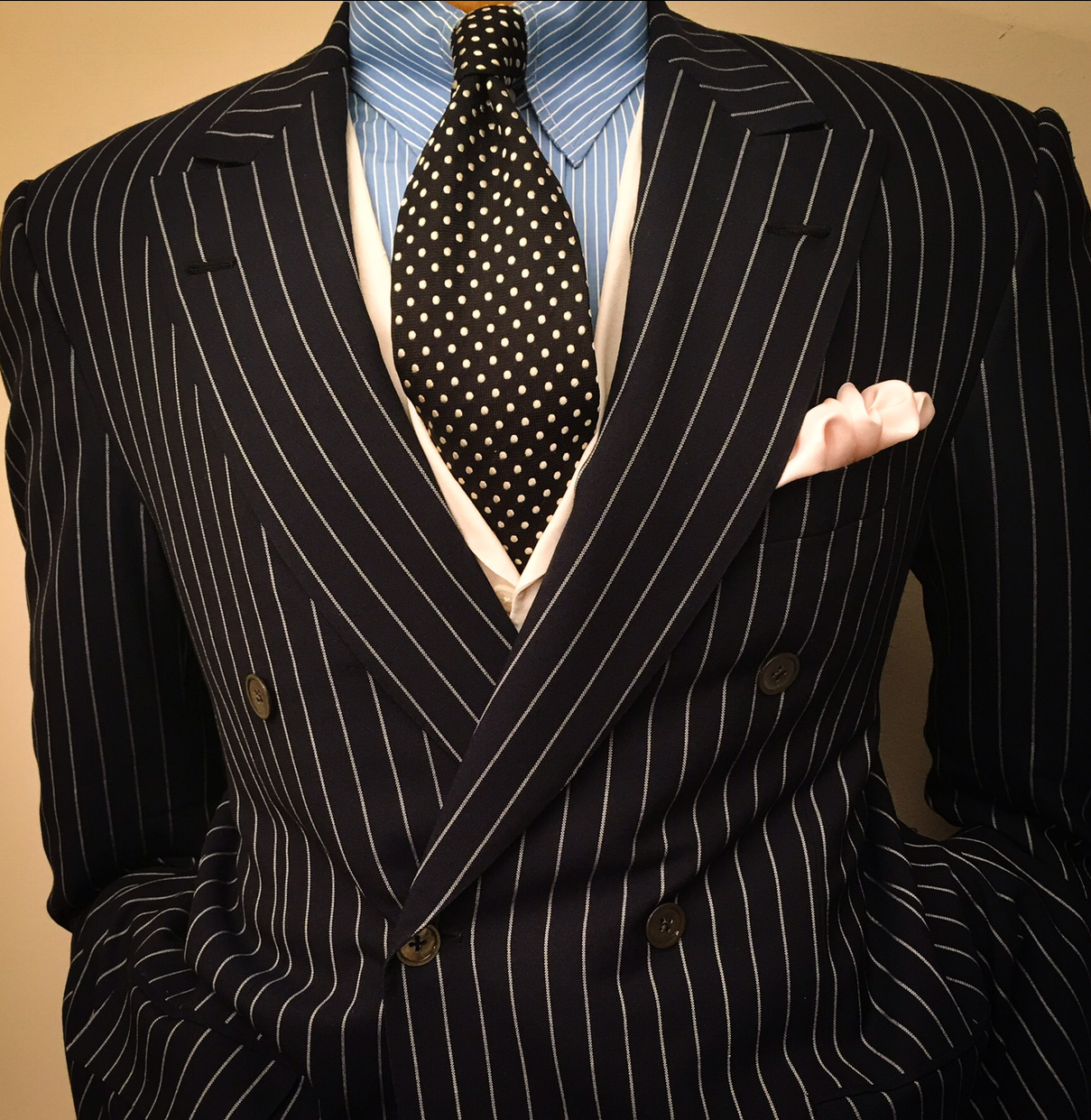
We believe that style emanates from individual taste, and our house design centers on exacting architectural disciplines in model and pattern development, with the first objective to provide the client the opportunity of wearing a garment for upwards of 15 years. We also favor the idea of appropriate dress for every occasion. We encourage our clients to develop a balanced wardrobe; this includes elegant casual wear in addition to a tasteful, demonstrative professional wardrobe. Additionally, we believe that formal wear should be the most dramatic in the male wardrobe. Where anatomically appropriate, we think that these clothes should be steeped in an elan of natural glamour, with softly roped shoulders and superbly sculpted waistlines. Above all else, our design aesthetic subscribes to the twin tenets of classicism laced with wit, and of convention challenged by creativity.

Company Founding
When I founded the company in 1994, it was my belief that the world of designer menswear, which had been my professional focus for 13 years, and the world of custom tailoring would one day be merging. We were likely early in that reality, but it seems to me that this union is very much the case in the present day.
Couture v. Custom
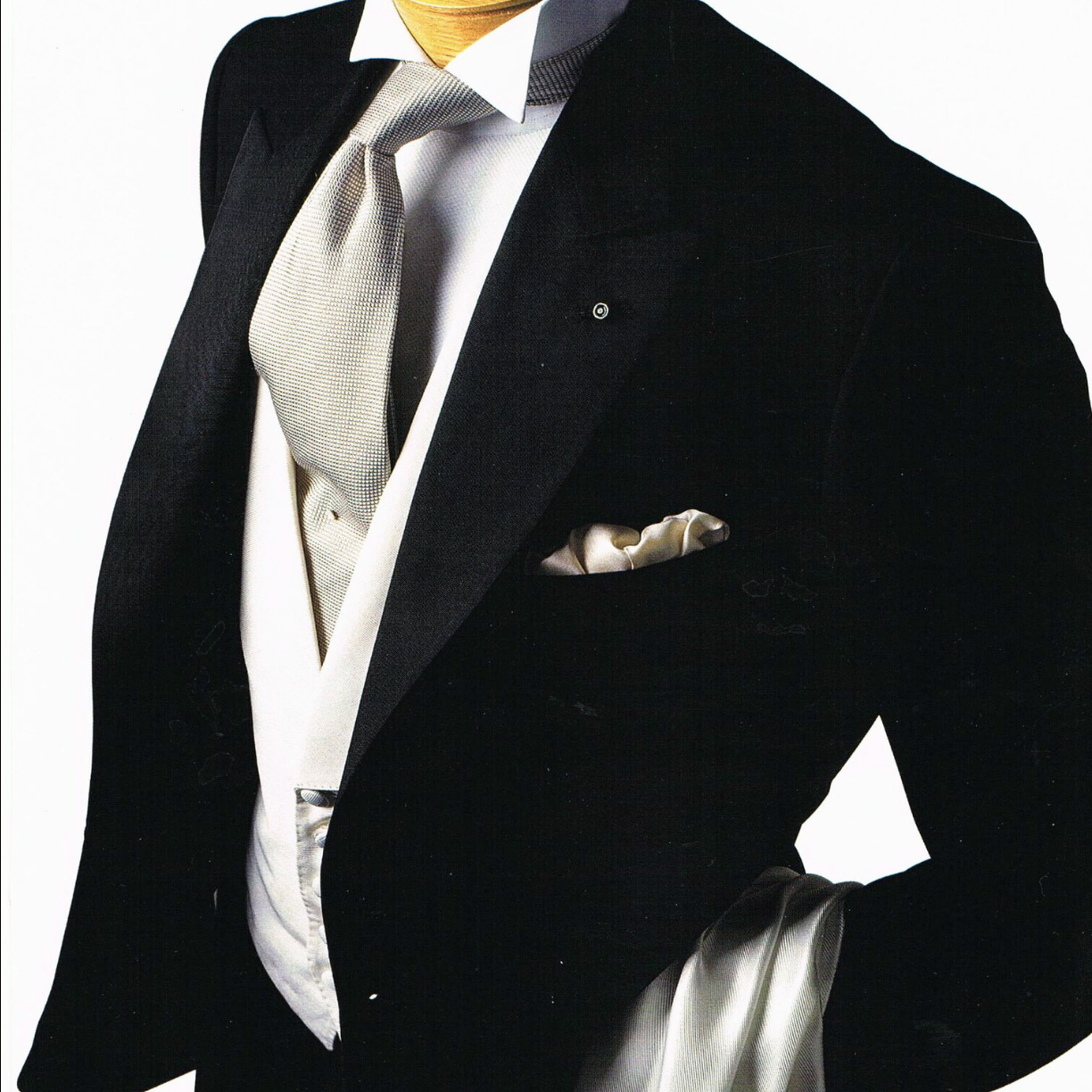
The notion of couture was developed in Paris in the 1930s, with a one-on-one relationship between designer and client. In contrast, the modern day custom experience in America is rarely guided by the hand of an experienced designer. As such, our service is fundamentally different. Not only was my brand an exclusive at Neiman Marcus, I have also served as creative director and designer for Oxxford Clothes. This gave me the opportunity to work directly with textile designers in the finest mills in Europe to create proprietary fabrics, as well as to work with highly experienced pattern makers to create proprietary patterns. It is this body of knowledge that distinguishes our couture services.

Workshops and Quality
We have two levels of artisanal craftsmanship from our tailoring partners: bespoke and hand-finished, made-to-measure. When a man buys our suit, he is also buying our reputation, our tradition, our quality, our durability, and our value. The same is true for shirtings, for which we have both a made-to-measure factory and a full bespoke atelier, with whom we have worked with for 25 years. The Robb Report, in its 13th annual Best of the Best issue, named our made-to-measure suit among the world’s finest.
Brand Aesthetic
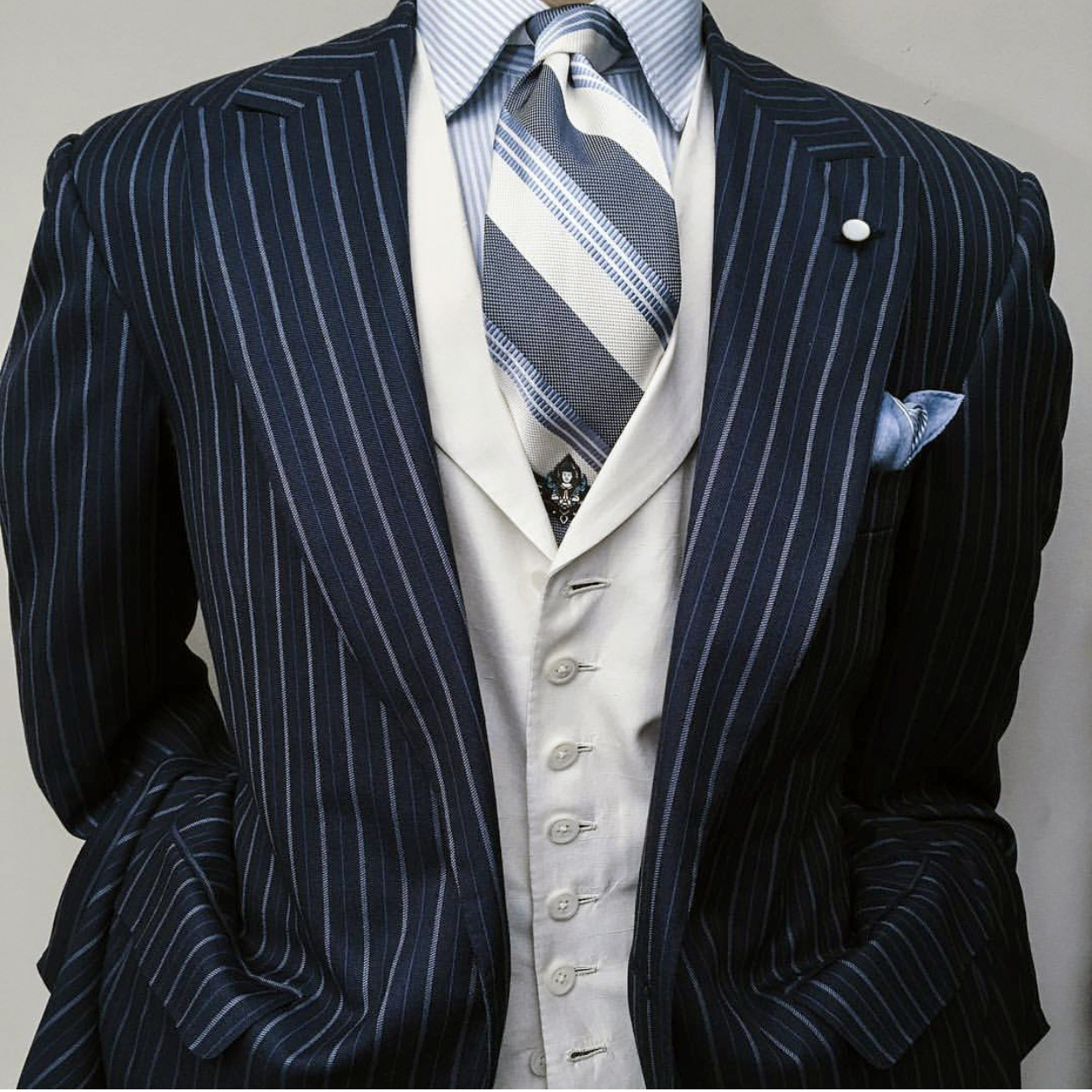
The most distinguishing feature of our service is the individual lifestyle approach to wardrobe development. Within our presentation, The Nine Categories of Dress for Accomplished Men, are over one hundred seasonal boards, each with a swatch presentation of complete ensembles. This allows me to study a man’s tastes and inclinations in order to nurture him through the wardrobe development process. Dress for men, be it for professional or personal use, has seldom been more confusing. Corporate America has shaken the very foundation of conventional business attire through the movement to casualization. Few men seem to understand the new rules; fewer still have the time to research the best options. I have spent my entire career in luxury apparel. Through interviewing my clients about their wardrobe needs, I have seen a pattern emerge. The lifestyle of the accomplished man demands that he have separate clothes for business, for high profile social occasions, and for formal events. Our goal is to design a modern wardrobe that fulfills all of a man’s lifestyle needs: designs developed exclusively for him in models created to flatter his physique.
Inspiration
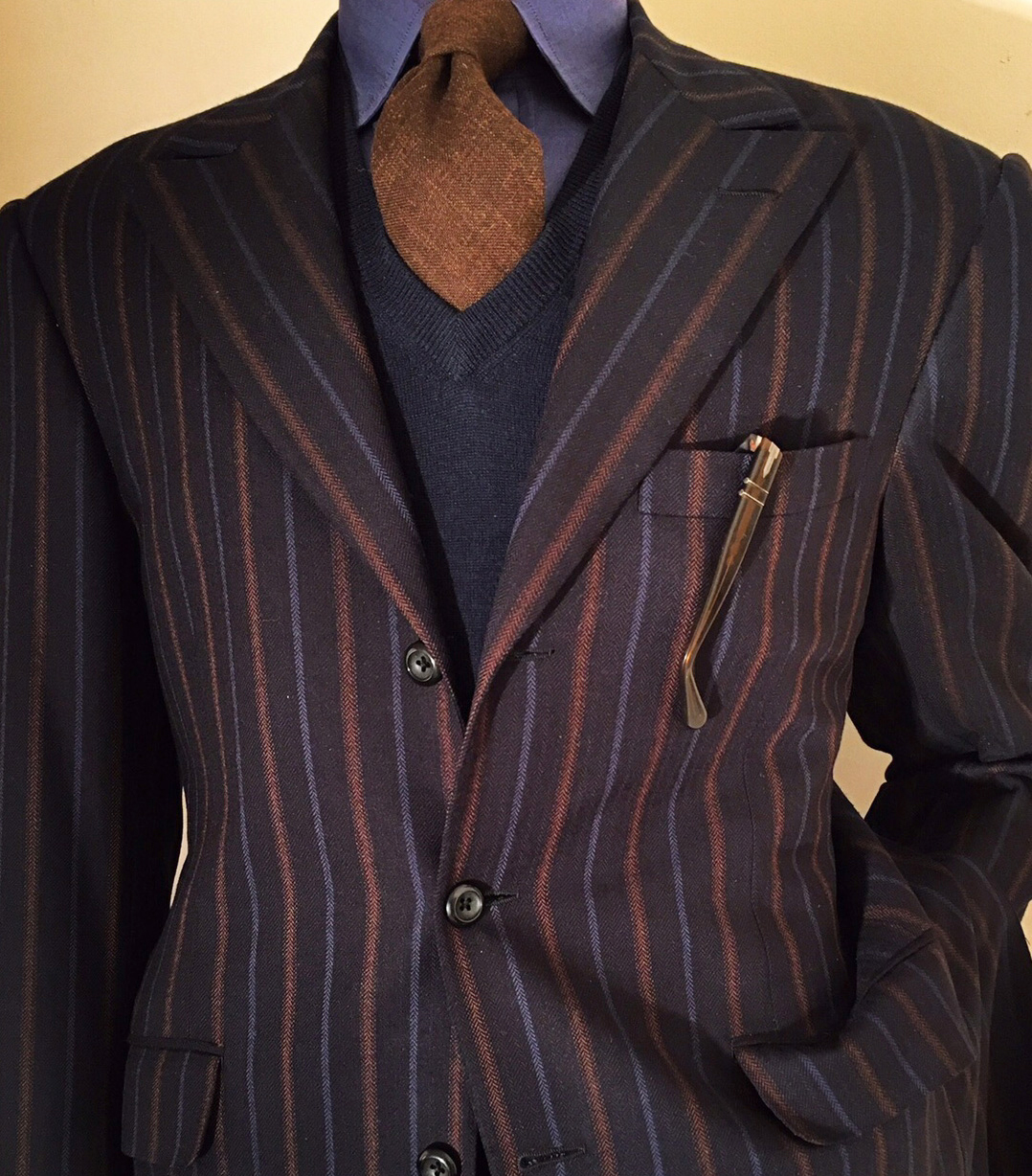
I am informed by art and inspired by the elegance of the Golden Age of Hollywood. I am also challenged by the lifestyle needs of our clients. After our inclusion in a feature on the world’s top custom brands in Departures magazine, the first five men to contact us offered the same personal insights: “I am in my late fifties and my wife is twenty years my junior. I want to change my look, but I do not want to look foolish.”
Style
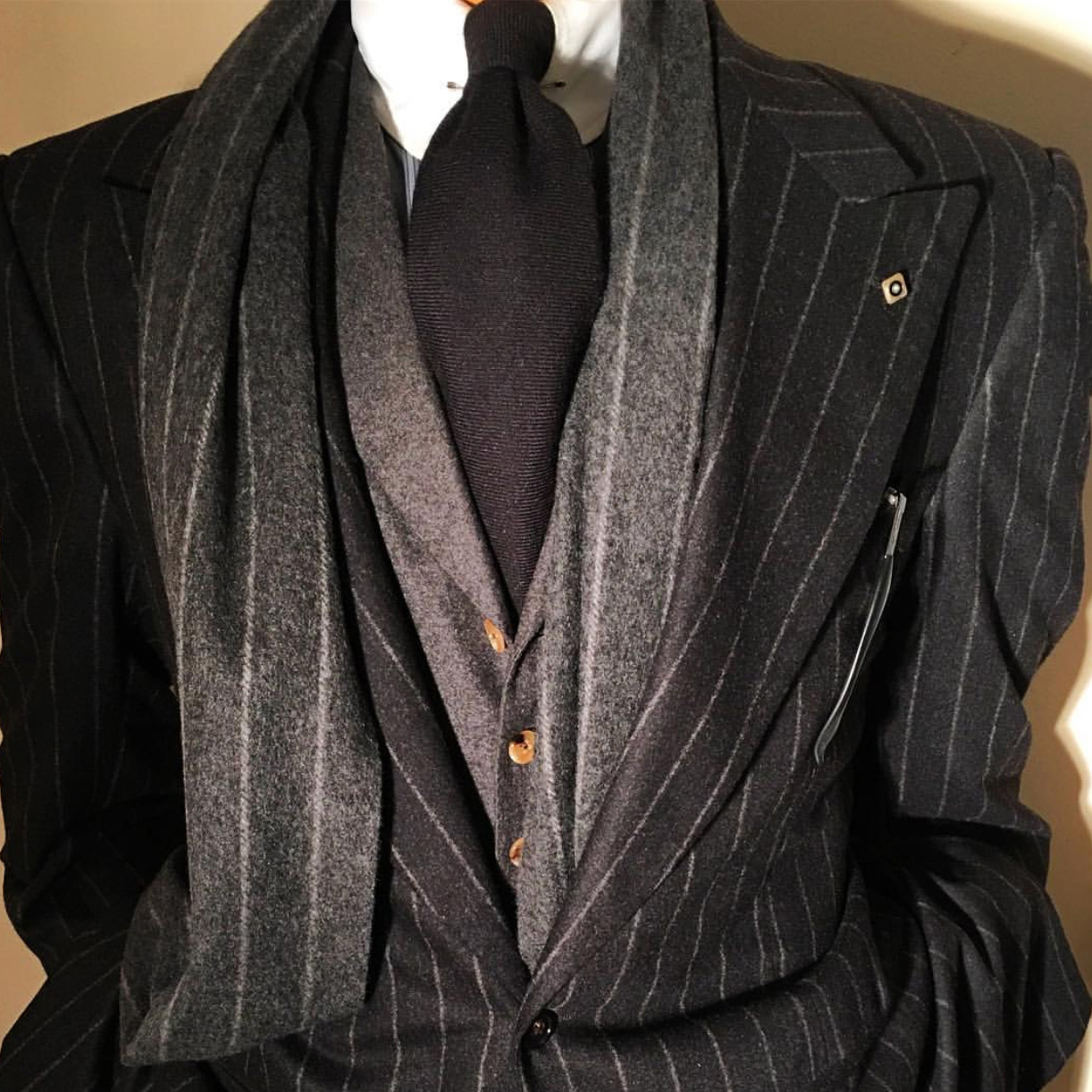
Style, to me, is the outward expression of one’s creative intellect. As my friend Bruce Boyer has written, “Real style is never right or wrong. It’s a matter of being yourself on purpose.”
Design
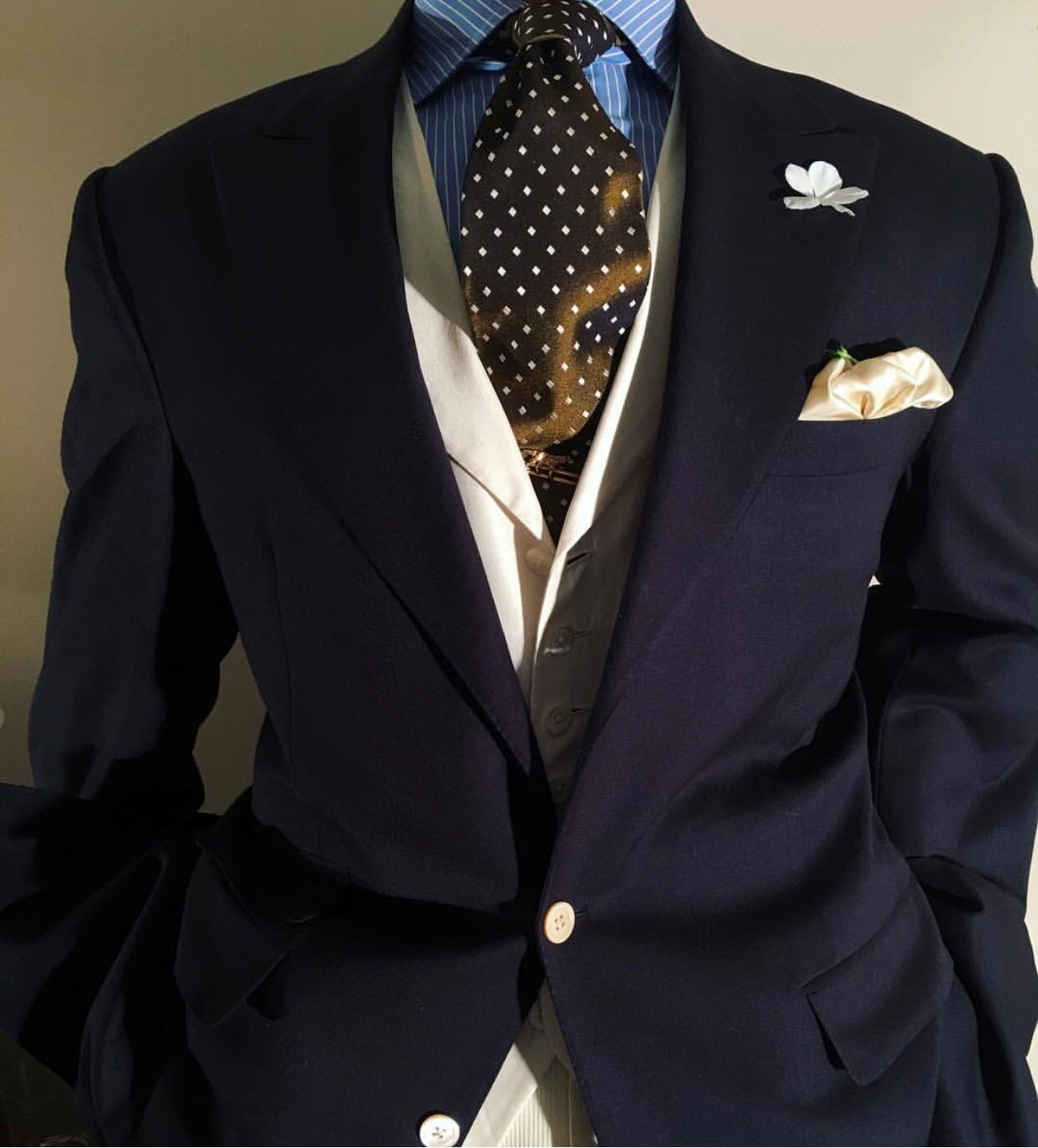
The design process starts with color. In advance of each season, I develop concept boards with twenty key shades, as well as thirty additional colors to be used in complement. This palette is consistent throughout all categories and ensures continuity in overall presentation. If a man selects two ensembles, the shirts and ties will be interchangeable.
The most expressive aspect of the men’s field is neckwear, and I turn to mill archives in England and Italy for pattern design inspiration, adjusting for scale and color pairings. That said, in menswear it is fabric that determines direction. I have long felt that the clothing must honor the cloth; this, without question, is the most pivotal aspect of design for the individual, as it instructs me on the nuances of cut, the elements of drape, and the line of shoulder for each of our clients.

Category Designers, Interviews
Frank Lloyd Wright’s wisdom
0July 31, 2018 by Ville Raivio
“Give me the luxuries of life, and I will willingly do without the necessities.”
— Frank Lloyd Wright
Category Quotations
Many men actually don’t know what to wear
0July 26, 2018 by Ville Raivio
”It used to be rather simple and time-saving: a man would get up in the morning, put on his business uniform – dark suit, white shirt and tie, black cap toes – and go to work. If he wanted to incorporate a few personal touches, like a natty pocket square or somewhat intricate wristwatch, fine. But he didn’t need to spend a great deal of time worrying whether or not his mock turtleneck was appropriate with his canvas gamekeepers jacket, or whether he should wear his leather blousson with the pastel gabs or the jewel-tone, narrow-wale cords, or what sort of footwear would be appropriate with the peacock blue stretch denims. Today, with all the high-tech innovations and information at our fingertips, it would seem that many men actually don’t know what to wear. I mean, they can’t dress themselves because they no longer know what’s appropriate for virtually any occasion except weight-training.”
– G. Bruce Boyer
Category Quotations
Factory tour at Gaziano&Girling
0July 18, 2018 by Ville Raivio
Category Footwear, Northampton, Videos
Interview with David Evans from Grey Fox Blog
1July 12, 2018 by Ville Raivio
VR: Your age and occupation?
DE: I’m 63 years old, a former lawyer and latterly school teacher. I’m now largely retired and spend much of my time on my blog – although that’s more of a hobby than a career.
VR: Your educational background?
DE: I’ve a law degree, am a qualified solicitor (now no longer practising) and a qualified primary school teacher.
VR: Have you any children or spouse (and how do they relate to your style enthusiasm)?
DE: I’ve a wife who heads a national charity in the UK, a son and a daughter in their late twenties. After initial surprise, they’ve all become great supporters of my blog.
All were surprised to say the least. Blogging has always been seem as a young person’s pastime and I hadn’t shown any great interest in matters sartorial or stylish before. My children seem proud of their dad; I suppose being a blogger at an age when most of us have retired with our slippers and moth-eaten cardigan is different enough to be seen as pretty cool!
VR: What other hobbies or passions do you have besides apparel?
DE: My family, my dog Harry, mountains and mountain walking, The Lake District (where I spend much if my time), my 50-year-old Land Rover, cycling, reading, photography, the sea, wildlife, the great outdoors, British-made menswear and accessories.
VR: How did you first become interested in style, and when did you turn your eyes towards the classics? Why these instead of fashion?
DE: It came about simply because I’ve always thought I had a book in me and I wanted (in mid-2011) to start a blog to practise my writing skills. I didn’t have any idea what the subject of this blog was going to be, however, but someone suggested I find a topic I could write about from personal experience. All men and women over 40 find it hard to know how to dress and where to buy clothes. This is because brands and the fashion press ignore them, despite their relatively huge spending power. Not being the object of advertising and style discussion most of us give up. This is exacerbated by the fact that we tend to have settled into jobs and relationships, so the need to dress well is less acute than in our younger days. This all seemed an interesting basis for discussion.
With this in mind I thought I could write about the topic in a lighthearted way for a month or so when I would inevitably grind to a halt through boredom and lack of material. It didn’t quite happen like that. In starting the blog, I’d unwittingly dived into a huge hole on the blogosphere (which largely still exists despite many older Instagrammers) and the rest, as they say, is history. This all happened some six and a half years ago, in late 2011.
VR: How have you gathered your knowledge of the tailored look — from books, talks with salesmen or somewhere else?
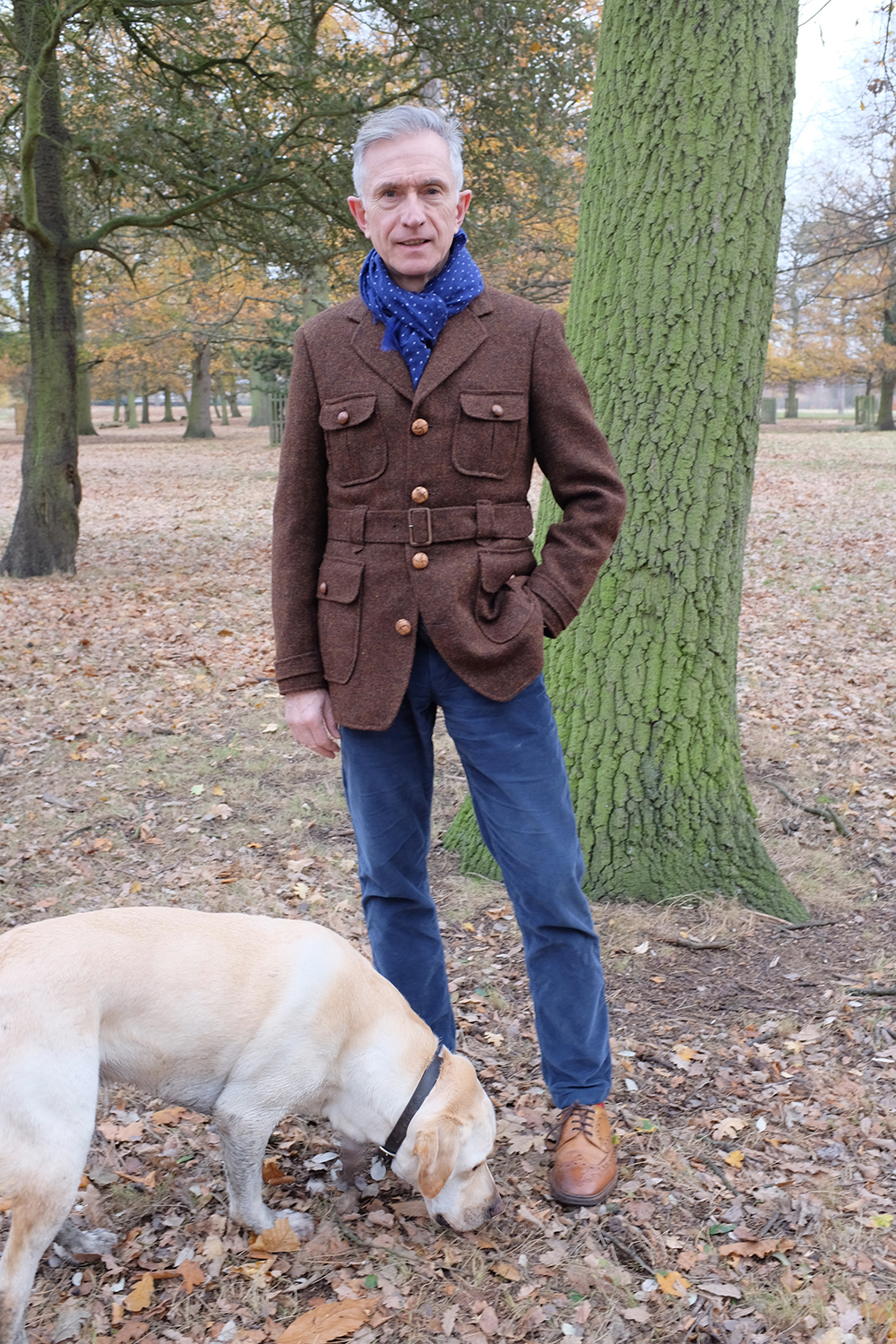
DE: All those things. Mostly from books and speaking to tailors, but there is so much information out there on the blog as well, although we have to be very careful about that as its quality is variable. I’ve been lucky enough to have had jackets and suits made bespoke by Dege&Skinner and Brita Hirsch and I learned much from that. I’ve had even more made to measure garments made and that gives a different perspective. Most of my clothes are ready to wear, although I’ve also had shirts made bespoke by Budd and Turnbull&Asser.
Visiting factories, mills, tailors’ workshops, shoemakers, tie makers and shirtmakers has given me a lot of background knowledge too. Until you’ve seen something being made you can have no idea how much work goes into it or how it’s constructed.
VR: Why did you decide to set up your blog, and what goals did you set for yourself in the beginning?
DE: My goals to start with were simply to write and see how it went before I found a more interesting topic! However, I became drawn to British-made clothing and accessories and writing about these became a sub-theme of the blog. I’ve always shied away from making the blog too commercial but this does mean that I feel taken advantage of on occasion as many brands expect much for nothing. Being gifted items is necessary if I am to write about them, but it doesn’t pay the many bills of blogging.
I’m beginning to find a balance with some brands giving me the opportunity to do paid projects which subsidise the blog and enable me to write about new and young businesses and other topics I want to pursue. I’m gradually expanding the range of the blog as I want to appeal widely to the older demographic by covering other items of interest to the older guy: cars, watches, holidays, fine dining etc.
I want the concept of style and authenticity to lie behind everything on the blog. There are many brands that I’ve turned away that don’t fit this philosophy; so no cosmetic surgery, no tobacco or unethical products, no cheap clothing companies that rely on suspect employment policies in Asia and other third world areas, no gambling companies, however much they may offer financially.
VR: Have you any particular style or cut philosophy behind your own clothing?
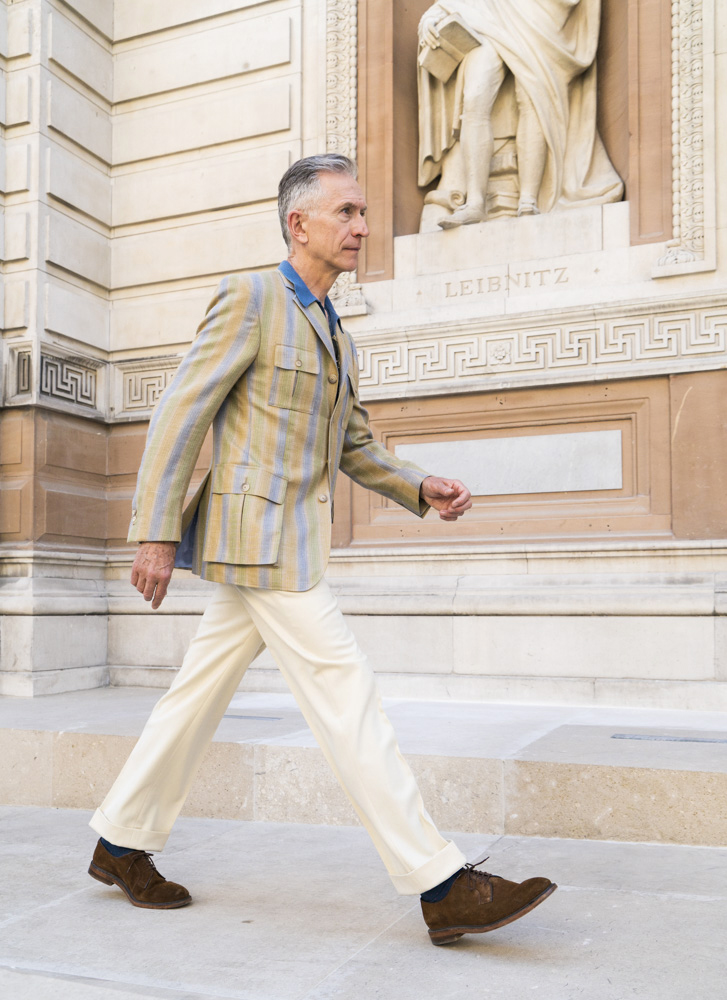
DE: Not really. I like the relative classic nature of British style softened by the unstructured shapes of Italian tailoring. Style must always be comfortable – even formal wear must be easy to wear.
VR: Who or what inspires you?
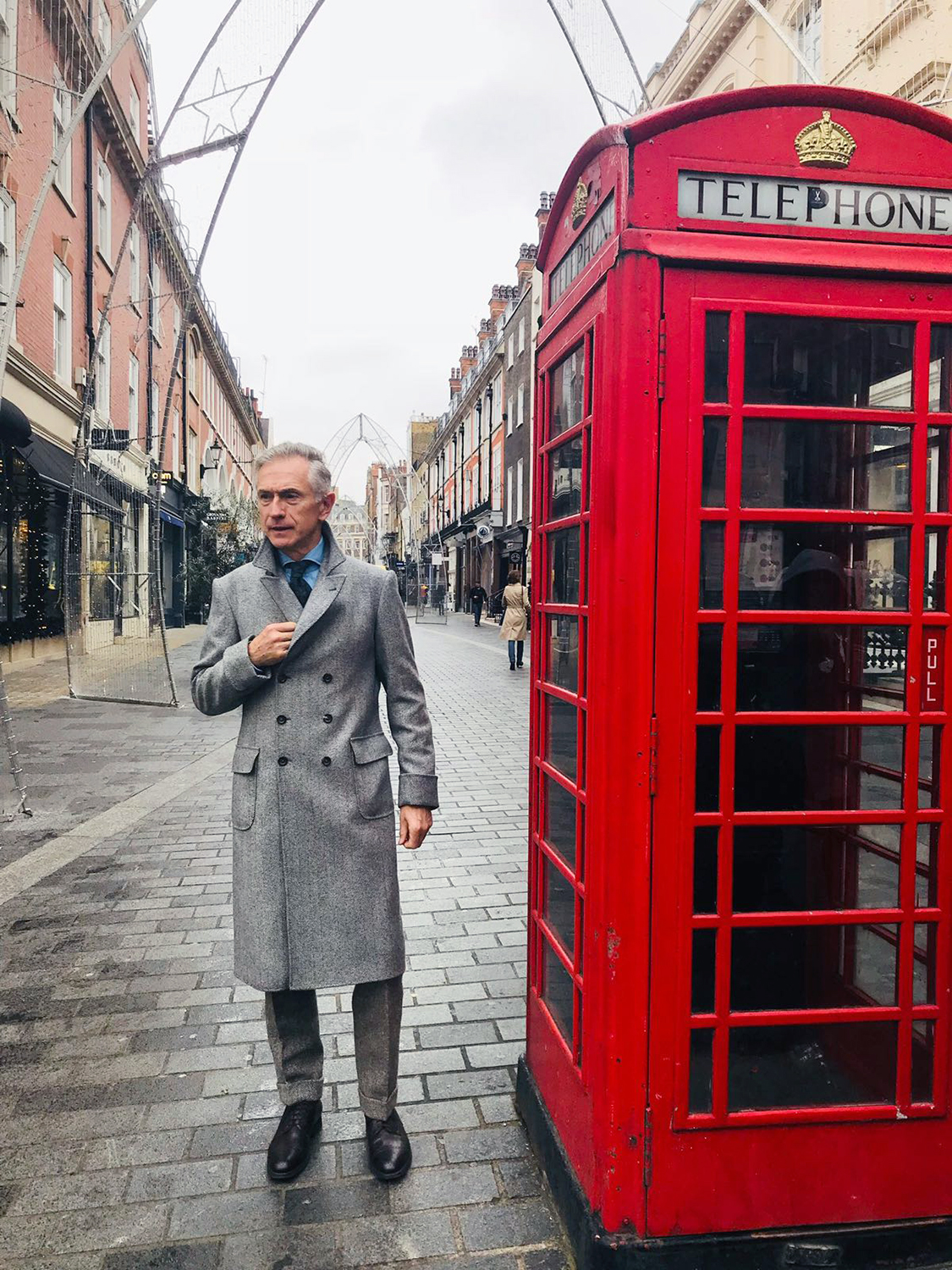
DE: My wife and children generally. They are focussed and determined. Sartorially, I’m inspired by Prince Charles and his love of the best quality clothing and his ethical approach to clothes. He wears them until they’ve worn out, patching and mending when needed. A lesson for those of us who buys piles of cheap clothes each month, throwing them out after a few wears.
VR: How would you describe your style?
DE: British, preppy, soft tailoring, classic.
VR: What’s your definition of style?
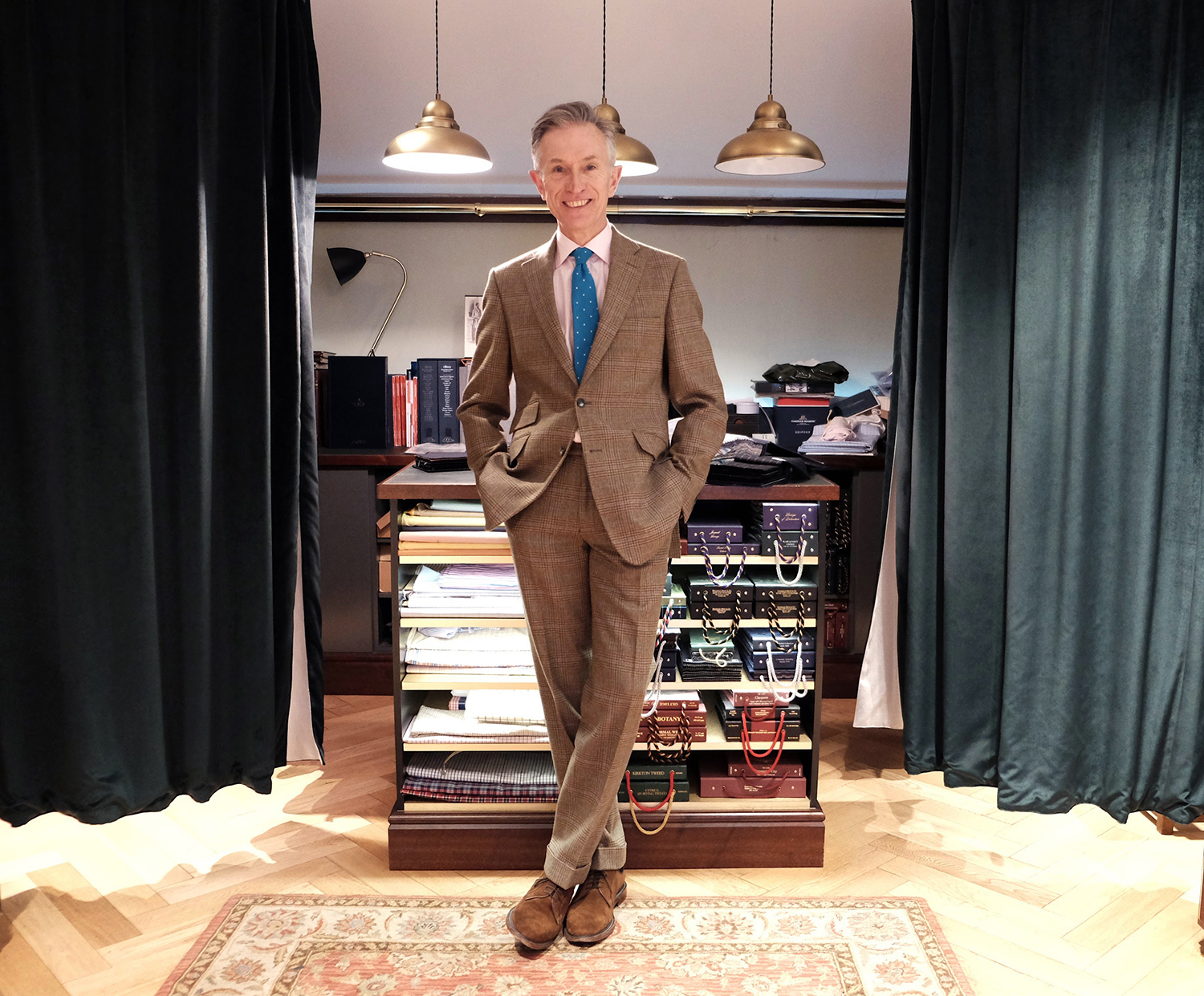
DE: Style is the expression of yourself through what you wear and how you live your life. Clearly there can be good and bad style. Good sartorial style respects shape, proportion, colour, good workmanship and heritage and also respects self and others.
VR: Finally, given your expertise on the subject, how could middle-aged men improve their style in a convenient manner?
DE: Buy clothes that fit. The commonest error is spending a lot on, say, a business suit that doesn’t fit – too wide over the shoulders and too long in the leg. The other common error is dressing like your teenage son. Age is a privilege, not a threat: work with it, not against it. Buy classic and simple styles and as you develop confidence you can become more sartorially adventurous.
Photo credits: Artefact Tailoring, Harvie & Hudson, Hirsch Tailoring, Dashing Tweeds.
Category Bloggers, British Style, Interviews
Copyright © 2013 Ville Raivio