How to Mend Cracked Leather on Shoes
0August 8, 2013 by Ville Raivio
Today’s link leads to the Japanese cobbler Brift-H’s site. Although most of the text will be lost in translation, or simply after one too many Suntory whisky shots, the example photos are inspiring. The cobblers have hidden the many cracks on the vamp of a vintage pair by sewing a new leather vamp on top of the old one. Instead of taking the shoe completely apart or patching it like Prince Charles’ old Lobbs, the new layer brings new life to an old, trusty pair. A great tip for saving inherited or thrifted shoes.
Viyella Fabric
0August 8, 2013 by Ville Raivio
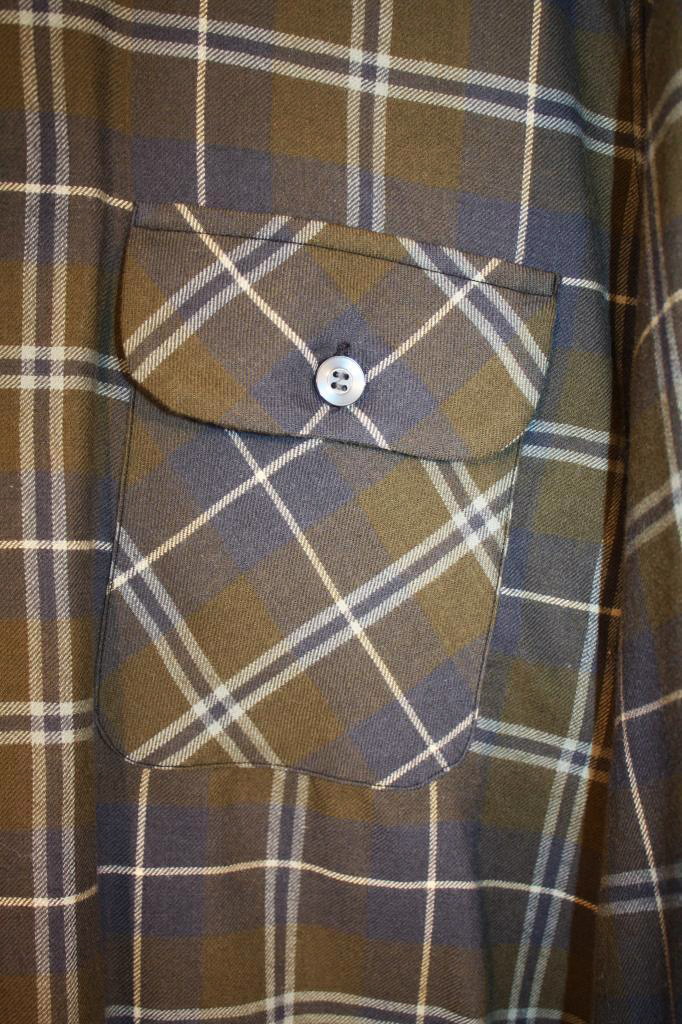
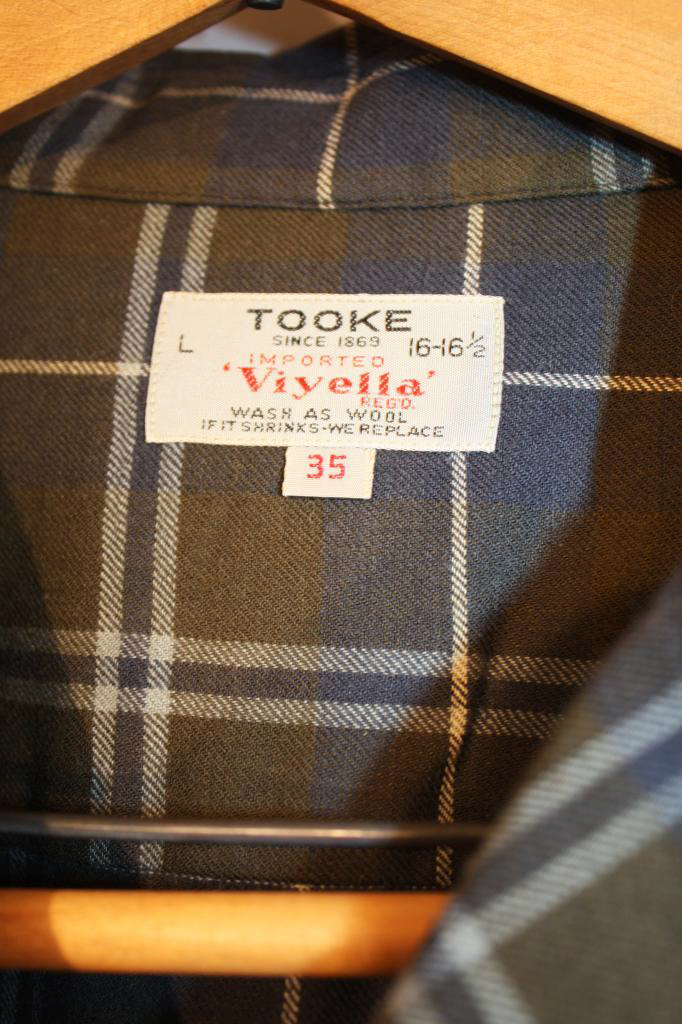
Viyella is a shirt fabric woven from a mix of cotton and wool. Its name was derived from Via Gellia in Matlock, Derbyshire, where the original maker bought a mill in 1890. It was created by William Hollins&Co. in 1893 to combine the warmth of wool with the comfort of cotton, and originally woven as a 55% merino wool, 45% cotton blend. One year later the Viyella name and fabric were registered to become one of the first trademarked fabrics. The cloth was soft and lightweight, woven in Tattersall checks, grids and multi-coloured patterns for casual use. First used in shirts and nightwear, Viyella proved popular and was soon used in sheets, dresses, slips, so on. Even grumpy military officers embraced the pleasant shirting.
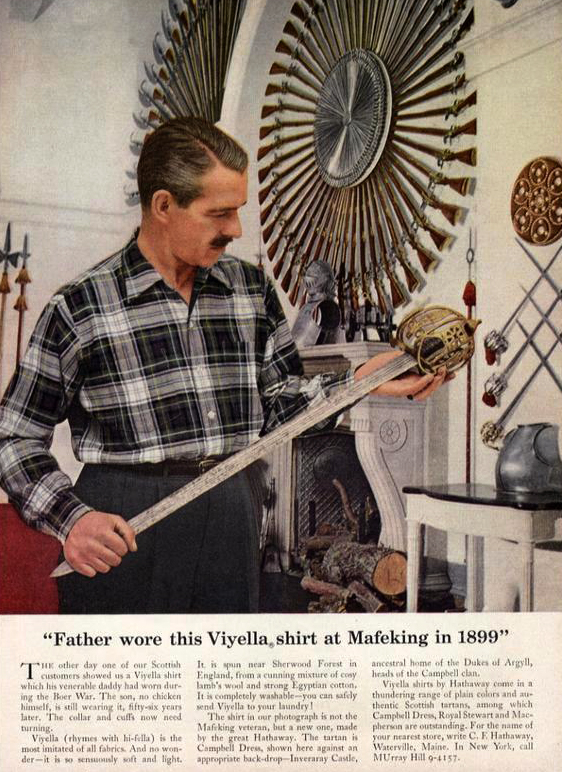
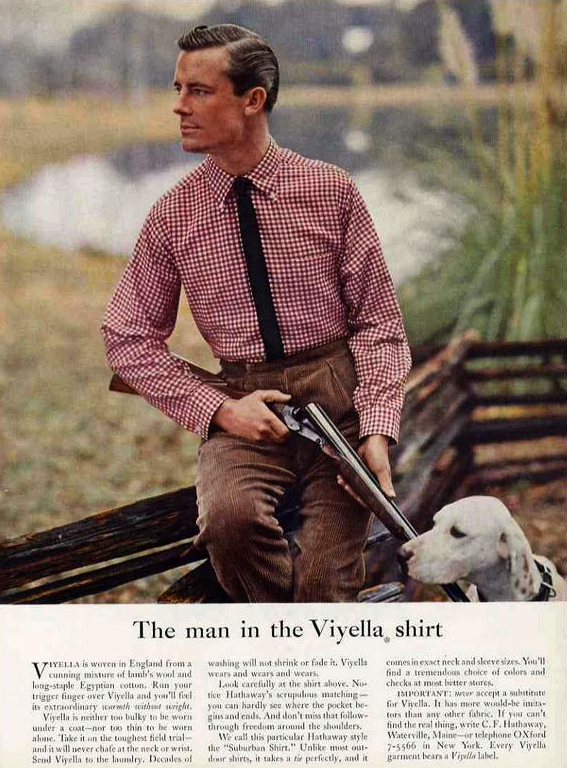
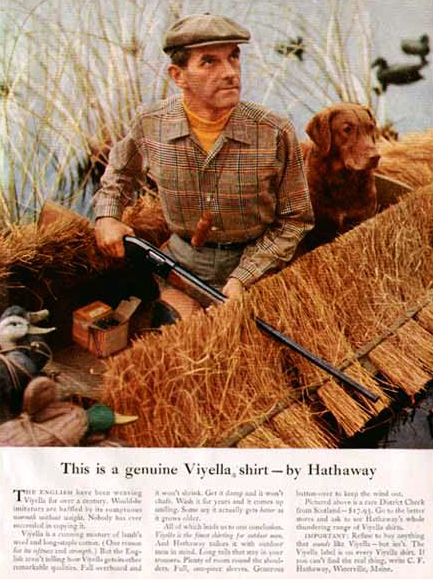
The Hollins company has since merged and been sold several times to become the bland Viyella it is today, and no longer makes the renowned wool-cotton Viyella fabric. As with so many once-great goods, the wool-cotton blended fabrics of today usually have but 20% of wool in the the mix. They wrinkle more and wear less warm, though today’s houses have better insulation and heated cars have become ubiquitous. Viyella’s time may have passed for good, yet hunting, riding and similar sports do require suitable cloths for comfort. The marriage of cotton and wool has proved itself golden, and may just be right addition for the outdoorsman’s wardrobe.
Category Fabrics
Frederick Scholte’s Fortunes
0August 8, 2013 by Ville Raivio
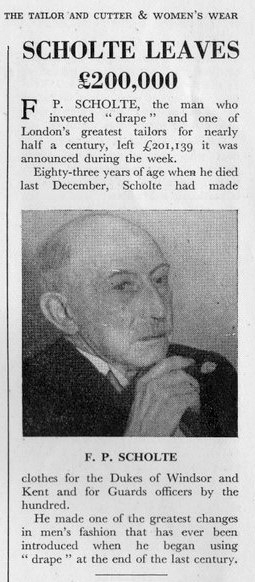
Below is the only photograph of the legendary Frederick Scholte I’ve found online. It’s a scan from Tailor&Cutter magazine’s February issue, 1949, and describes the vast fortune the clever Dutch-born tailor left behind. Around sixty years ago, 200 000 pounds had quite a bit more buying and staying power than today. According to The National Archives currency calculator, the sum would be around 5,5 million pounds today. Drape and royal patronage paid off despite the cranky tailor’s draconian customer service.
Category Arbiter Elegantiae, British Style, Tailors
Interview with David P. Lochner from Briar Vintage
0August 7, 2013 by Ville Raivio
VR: Your age and occupation?
DPL: 31, Managing Partner at Briar Vintage.
VR: Your educational background?
DPL: I have a High School Graduate.
VR: Have you any children or spouse (and how do they relate to your style enthusiasm)?
DPL: I am not a father and am currently single.
VR: …and your parents and siblings’ reactions back when you were younger?
DPL: My parents liked it. They were squares. Both were conservative so when I took an interest in wearing a tie outside of the parochial school I attended, they were quite happy. They had grown up when men still wore jackets and ladies still wore dresses when going out on the town.
VR: What other hobbies or passions do you have besides apparel?
DPL: I like music. Mostly pop music from the first half of the 20th Century. I also enjoy swing dancing, good food, and burlesque shows.
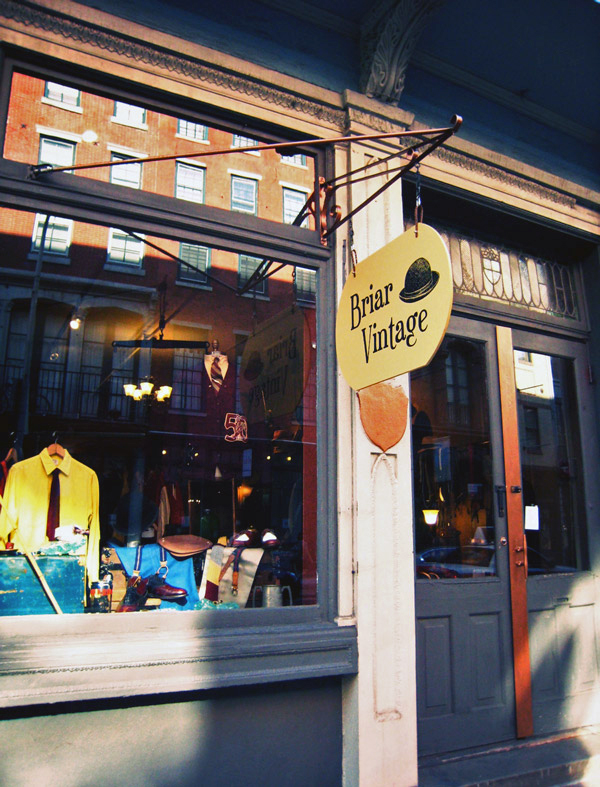
VR: How did you first become interested in clothing, and when did you turn your eyes towards more or less tailored pieces? Why classics instead of fashion?
DPL: That’s easy, I saw a movie called Swing Kids. That for me was the birth of a love affair with clothing. Learning about proper tailoring took a bit longer. I had heard all my life that I would “grow into it”, whatever it was at the time. I learned about hemming clothing, trousers mostly, but getting things properly tailored was beyond me until I started learning more and more about menswear. I started noticing that jackets didn’t fit me properly. So, I visited an alterations tailor. The classics, to me, just look better. I find the lines more elegant. They withstand the test of time. Hence our reason for labeling those items “classic”.
I have also found that I have re-read Alan Flusser’s Dressing the Man more than a few times. Men like Mr. Flusser and Mr. Boehlke, from the blog A Suitable Wardrobe, have been a pivotal influence on stressing the idea of a “lifetime” wardrobe. Meaning that men should get clothing that fits them well so that, no matter what is in fashion, they are always stylish.
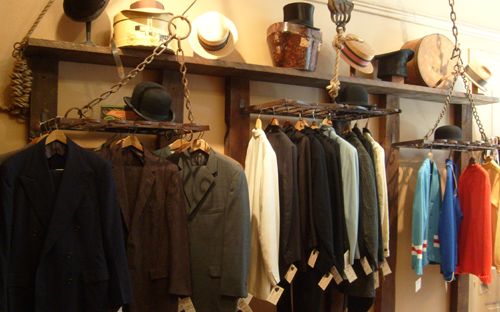
VR: How have you gathered your knowledge of vintage apparel — from books, in-house training, workshops or somewhere else?
DPL: My knowledge has been acquired any way possible. I spend long hours researching labels on the internet. I read a lot as well. But mostly my knowledge comes from asking others. Talking to other people who have been dealing in vintage clothing far longer than I have has helped me increase my understanding immensely.
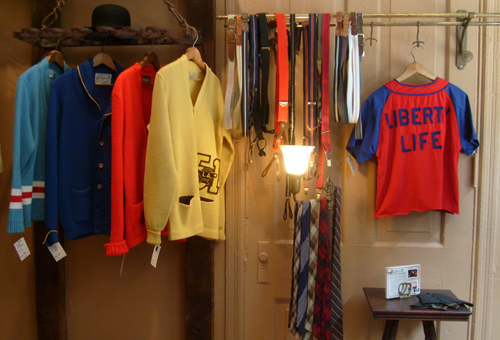
VR: How would you describe your own dress? Have you any particular style or cut philosophy?
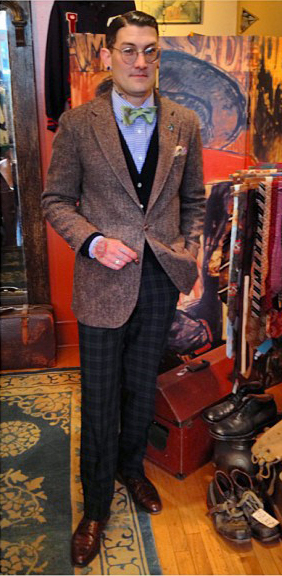
DPL: I always say that I just dress how my grandfathers did. I am more prone to lean towards a fuller cut and drape as far as cuts go. As one who enjoys dancing, I have found fuller cut garments more comfortable to move around in.
VR: I share an appartment with two vintage enthusiasts up here in Finland. I’ve noticed it’s common among the ilk to have a strong appeal to a certain era as opposed to all decades past. What’s you favourite time and why?
DPL: I am a big fan of the 1920s and 1930s. I am always inspired by the advertisements and photographs from the period as well as the music and architecture.
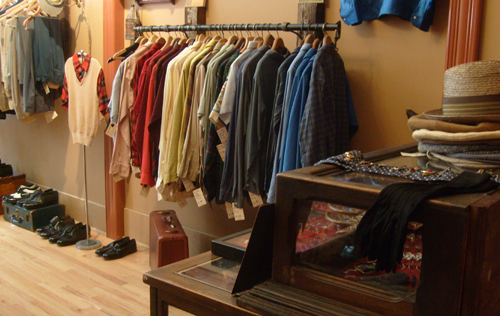
VR: Which old RTW makers or tailors do you mostly wear today? Is your whole wardrobe vintage or have you commissioned some items?
DPL: I’m not that loyal when it comes to brands, labels, or tailors. I wear what fits, looks good, and feels comfortable. I am a fan of American classic companies such as Brooks Brothers and J. Press. But I have a few vintage suits made by lesser-known companies such as J.C. Penny’s “Townclad” line as well as Botany 500. I think Ralph Lauren did a lot in bringing back classic menswear lines and have some of his different labels included in my closet. Whether it’s modern or vintage, I like what works for me.
VR: Please tell us how Briar was born and what goals you set in the beginning. How have you been received so far?
DPL: Briar came about as an offshoot of my partner Amanda’s other company, Sazz Vintage. Our one goal was to have a well curated collection of men’s vintage clothing from the 1800s – 1960s. All of our items would be cleaned and mended. We also would strive to offer customer service that seems to have been forgotten in retail over the past few years. So far, people seem to like the store.
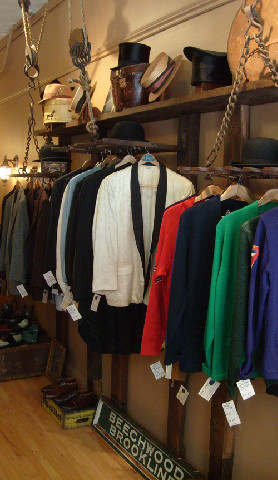
VR: How would you describe the goods you offer and do you stock alleras?
DPL: I would say the goods we have to offer are well constructed vintage menswear garments and accessories. As for eras, we stop at the mid to late 1960s. It sometimes makes my life more difficult, but there are lots of other stores that primarily carry lots of 1970s through modern day men’s clothing.
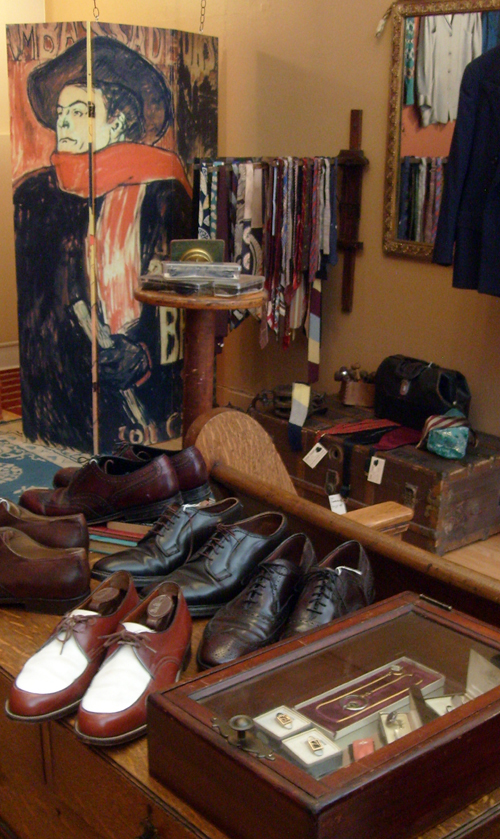
VR: There are dozens of vintage stores in the US — why should my readers visit you?
DPL: I’m not one who is big on hard selling to people. I don’t like pressuring people into buying things. I am more of the mind to let the items sell themselves. While I might make a suggestion now and again, the majority of our customers can come in and find a few things that speak to them. We try to carry something for everyone’s taste. We make sure that we are selling the best vintage pieces we are able to acquire. Briar Vintage is definitely an experience, as we strive for the old customer service values.
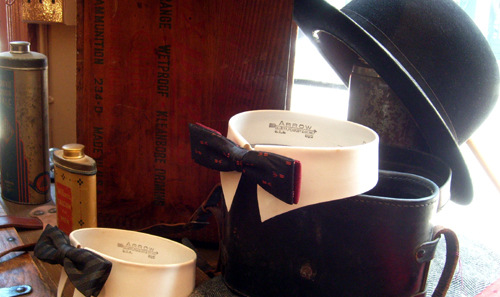
VR: What’s your definition of style?
DPL: My definition of “style” is learning the rules to break them…a little.
VR: Who or what inspires you?
DPL: Inspiration comes from everything I take in. From music to architecture, to a walk in the park. People who inspire me can range from my oldest friends and closest family members to the person I don’t know who I see on the street, or the person I see in the coffee shop each morning.
http://workingclassdandy.tumblr.com/
Pictures: © Briar Vintage
Category Interviews, Tradesmen, Vintage
The London Cut
0August 7, 2013 by Ville Raivio
‘So what defines the London Cut and sets it apart from Italian or American tailoring? Edward Sexton says “a little more emphasis on the shoulder, a little more expression into the chest area: that’s what gives a suit Sexton appeal.” It is Sexton who cheekily proclaimed that when the actors he dressed for the movie Poor Little Rich Girl (about the doomed heiress Barbara Hutton) put on his suits they got an erection.’
~ James Sherwood in The London Cut: Savile Row Bespoke Tailoring
Category British Style, Quotations
Copyright © 2013 Ville Raivio