Interview with Emiko Matsuda from Foster&Son
1March 30, 2016 by Ville Raivio
VR: Your age and occupation?
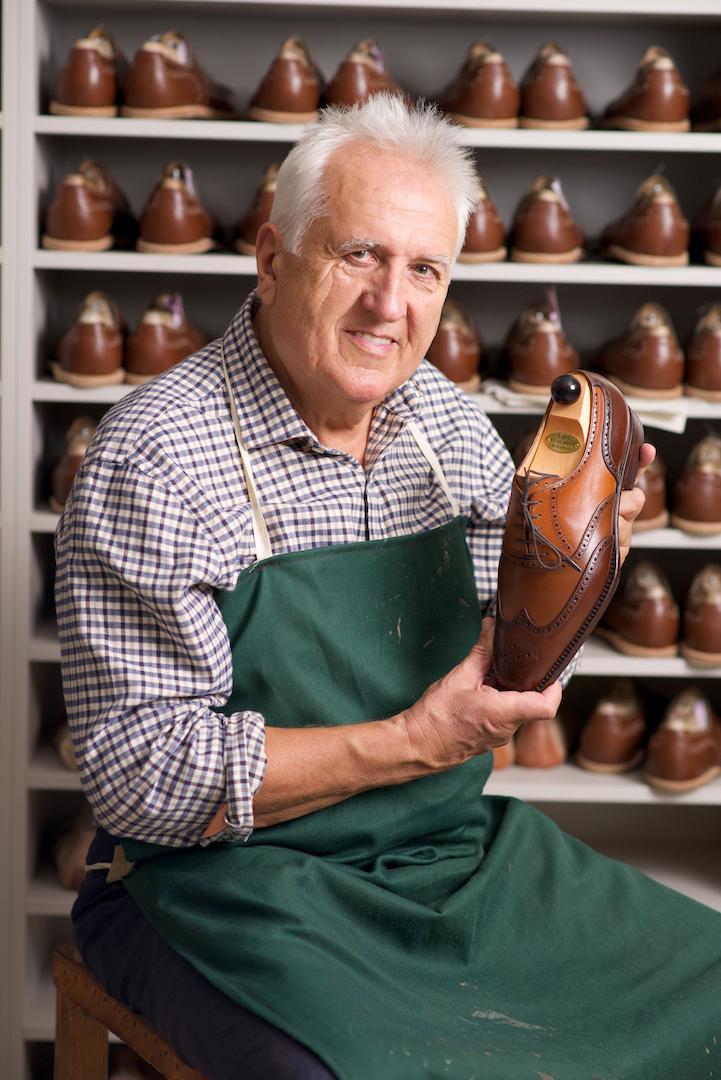
EM: I was born in 1976, I am a senior shoemaker at Foster & Son.
VR: Your educational background?
EM: I went to Cordwainers’ College to study footwear design & I also did a hand-sewn shoemaking course in ’97.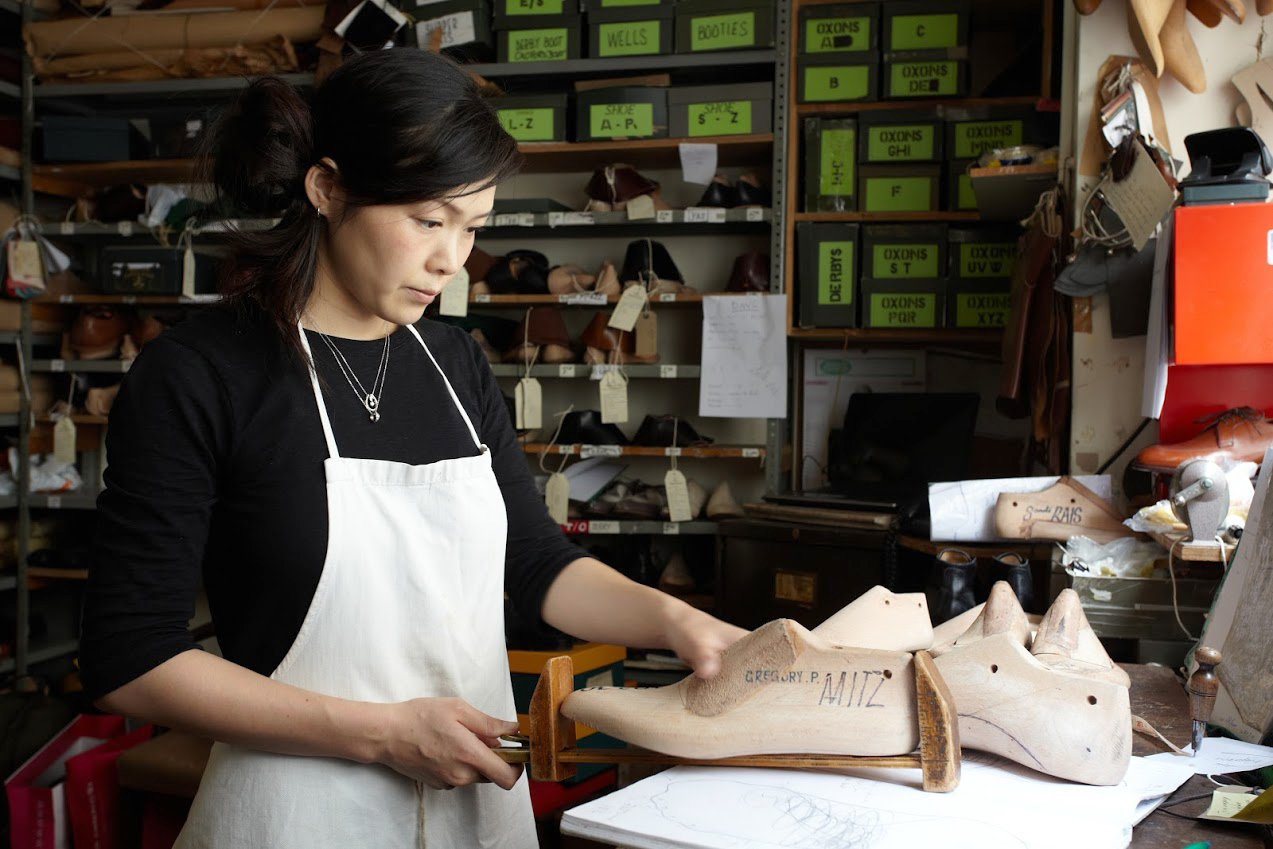
VR:Have you any children or spouse (and how do they relate to your shoe enthusiasm)?
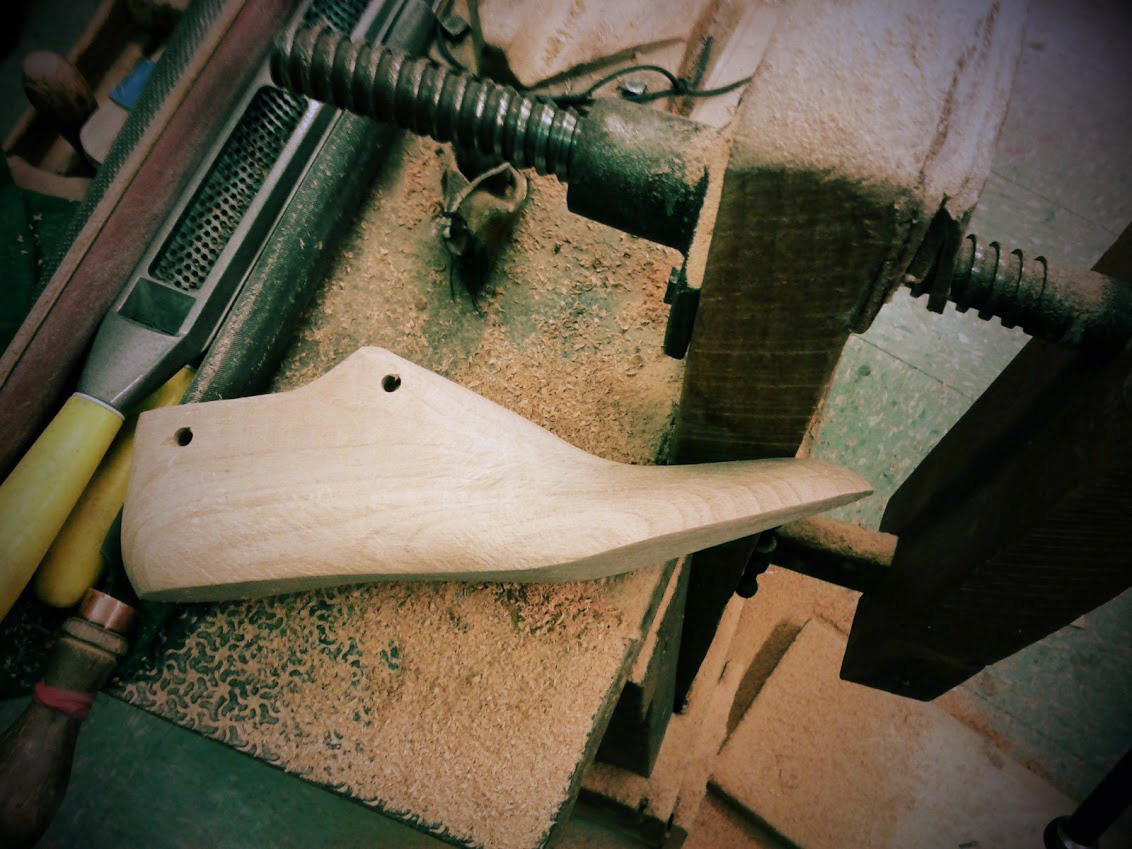
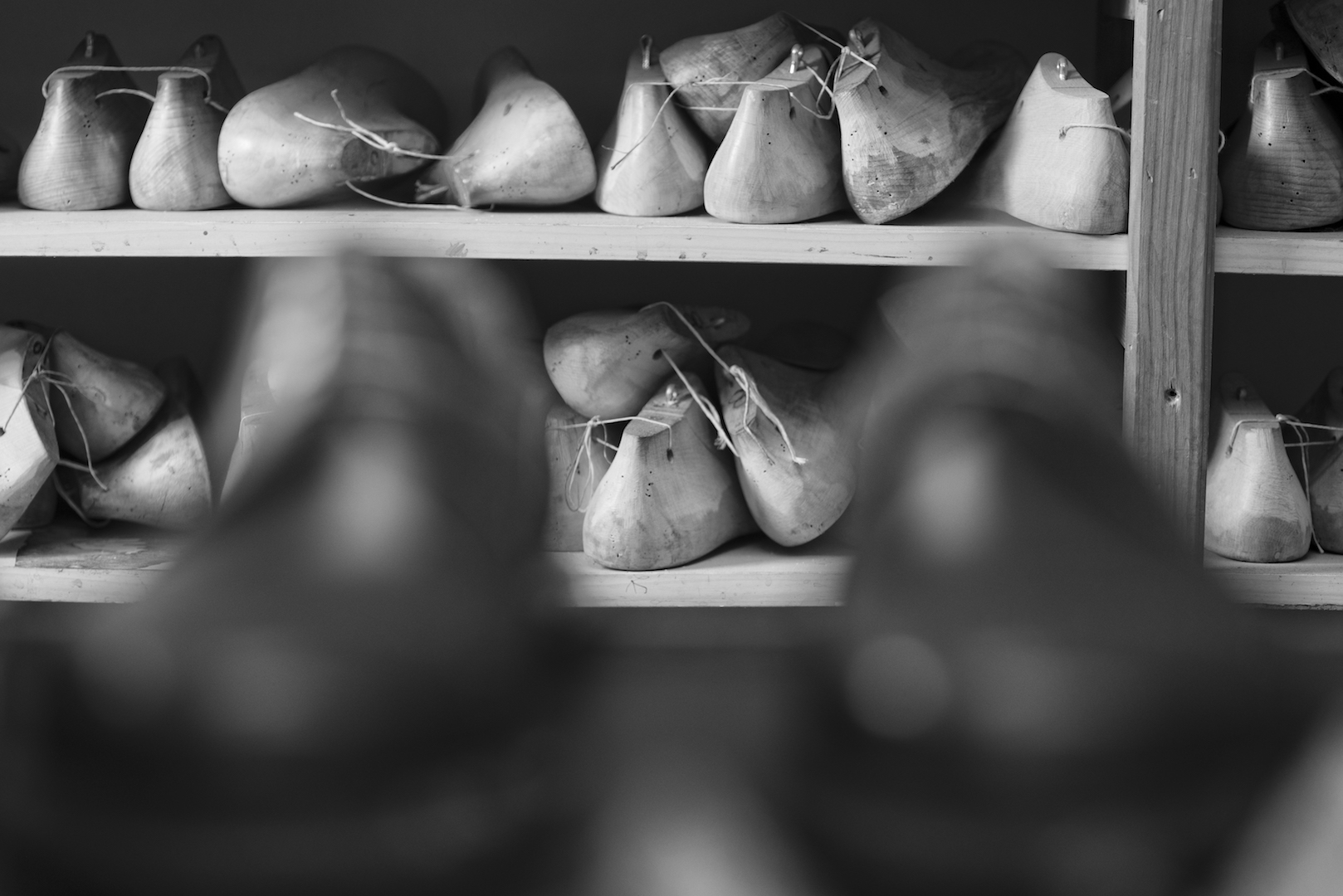
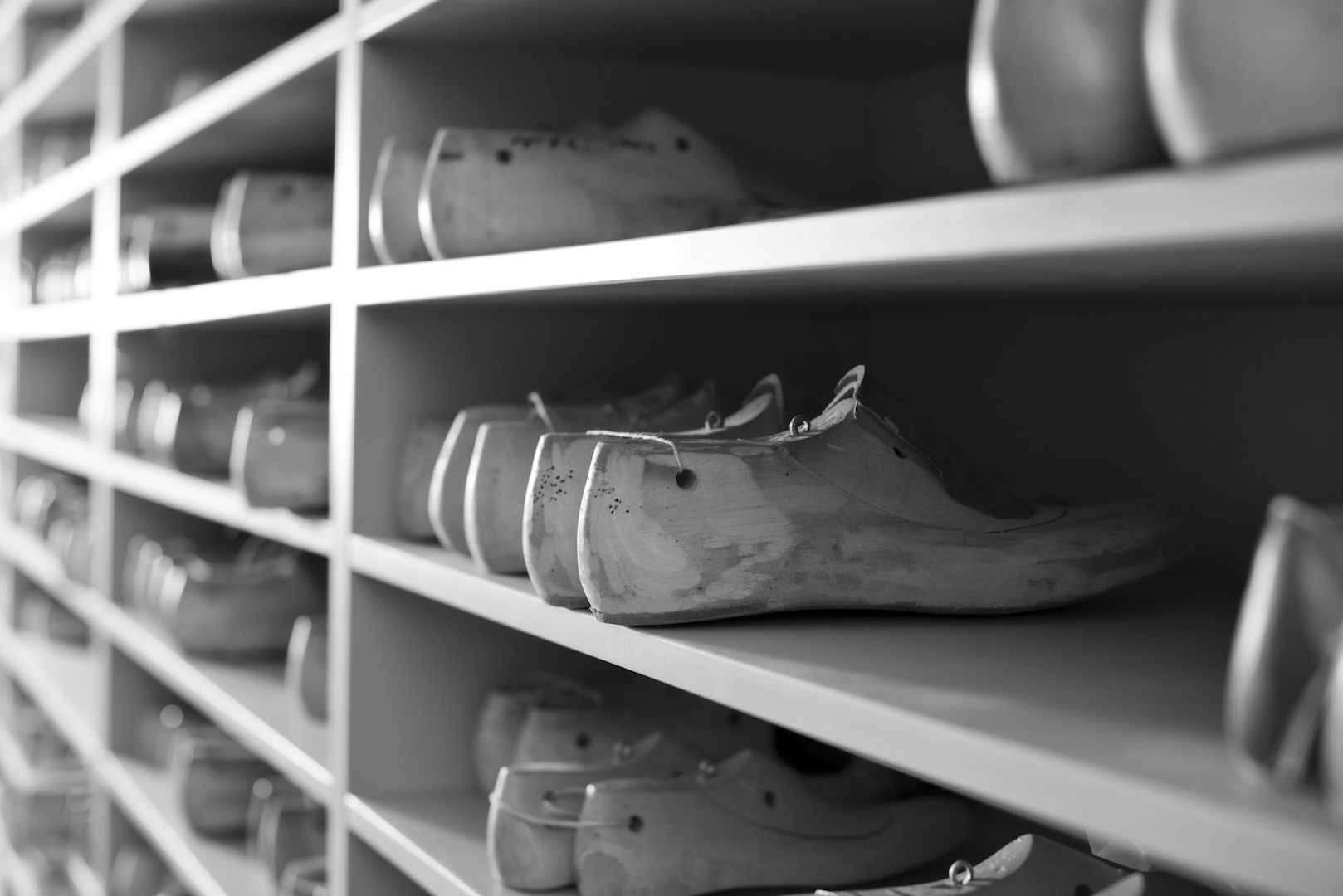
EM: I have two boys (aged 7 and 2). My husband is also in this trade, we both have a passion for bespoke shoes. My kids love watching us work, especially the oldest, it is a special treat for him to come up to the workshop and explore. I was making lasts up until 2 weeks before giving birth to both boys, so it is natural for them to hear banging noises and the scratching of wood, always being surrounded by shoes and tools!
VR: …and your parent’s and siblings’ reactions back when you decided to become a shoemaker?
EM: My parents have always been supportive, my great grandmother had a Geta (Japanese clog) business, though it came as a little surprise to them when I decided to go into the shoe trade, they were happy about it too.
VR: What other hobbies or passions do you have besides footwear?
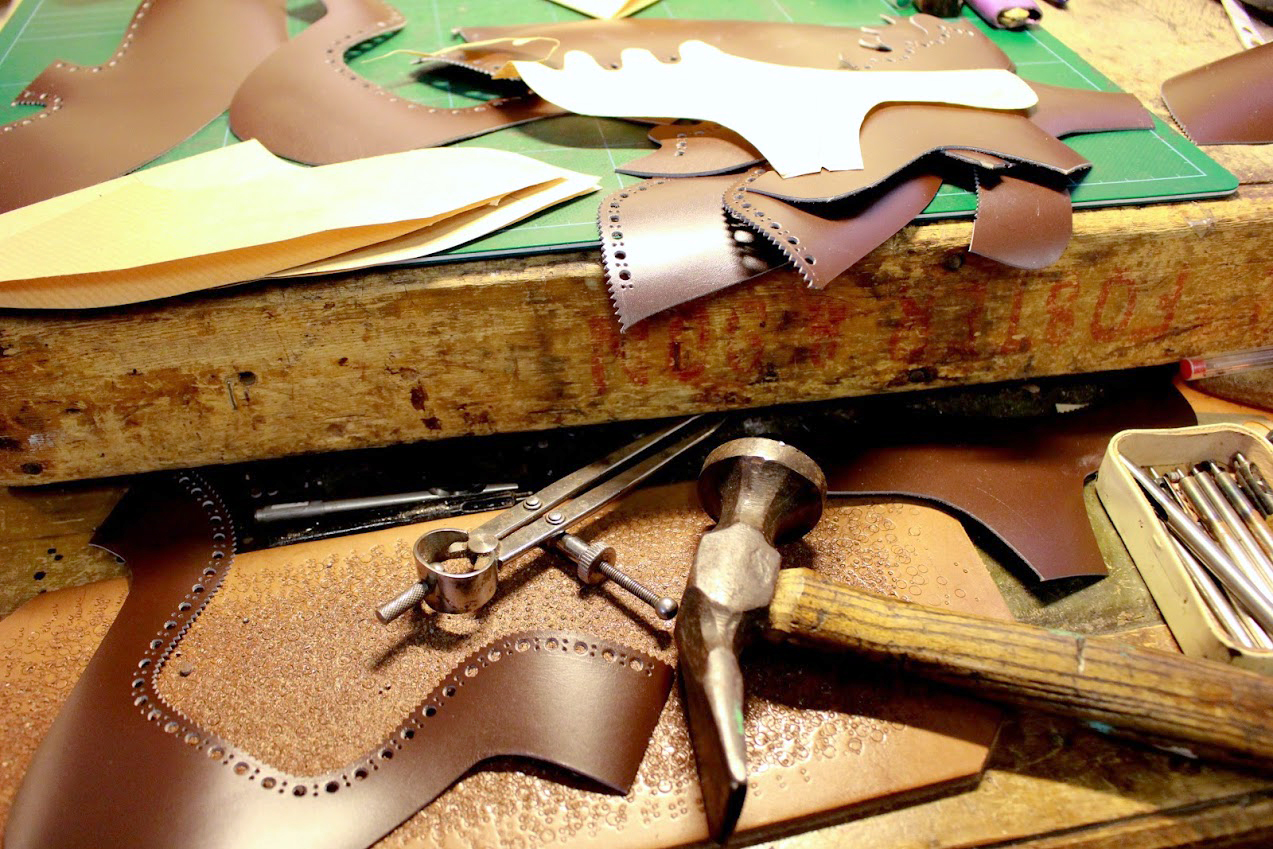
EM: I enjoy cooking, painting and drawing but, above all, I have to say ” shoemaking”. It sounds insane but that’s what I do when I have free time. I love making shoes for myself, to be more precise! I enjoy thinking of what I want to make next and without realising it, my hands are already working. Having said that, I rarely find my own time nowadays, being a mother is hard work!
VR: How did you first become interested in shoes, and when did you turn your eyes towards artisanal shoemaking?
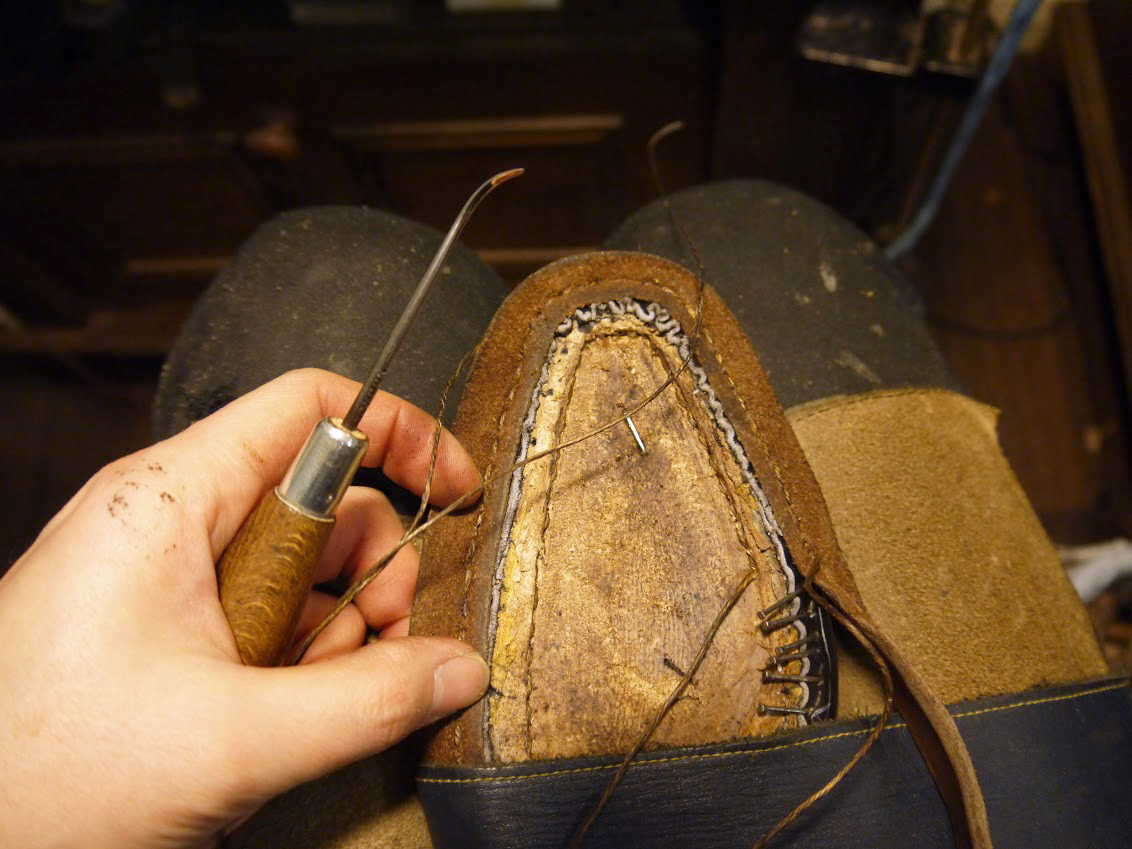
EM: I have relatively large feet for a Japanese girl and always had problems finding shoes that I can wear in Japan, even when finding something I liked they often didn’t have my size. Then I thought about designing and making shoes by myself. So I decided to take a footwear course at Cordwainers’ and moved to London.
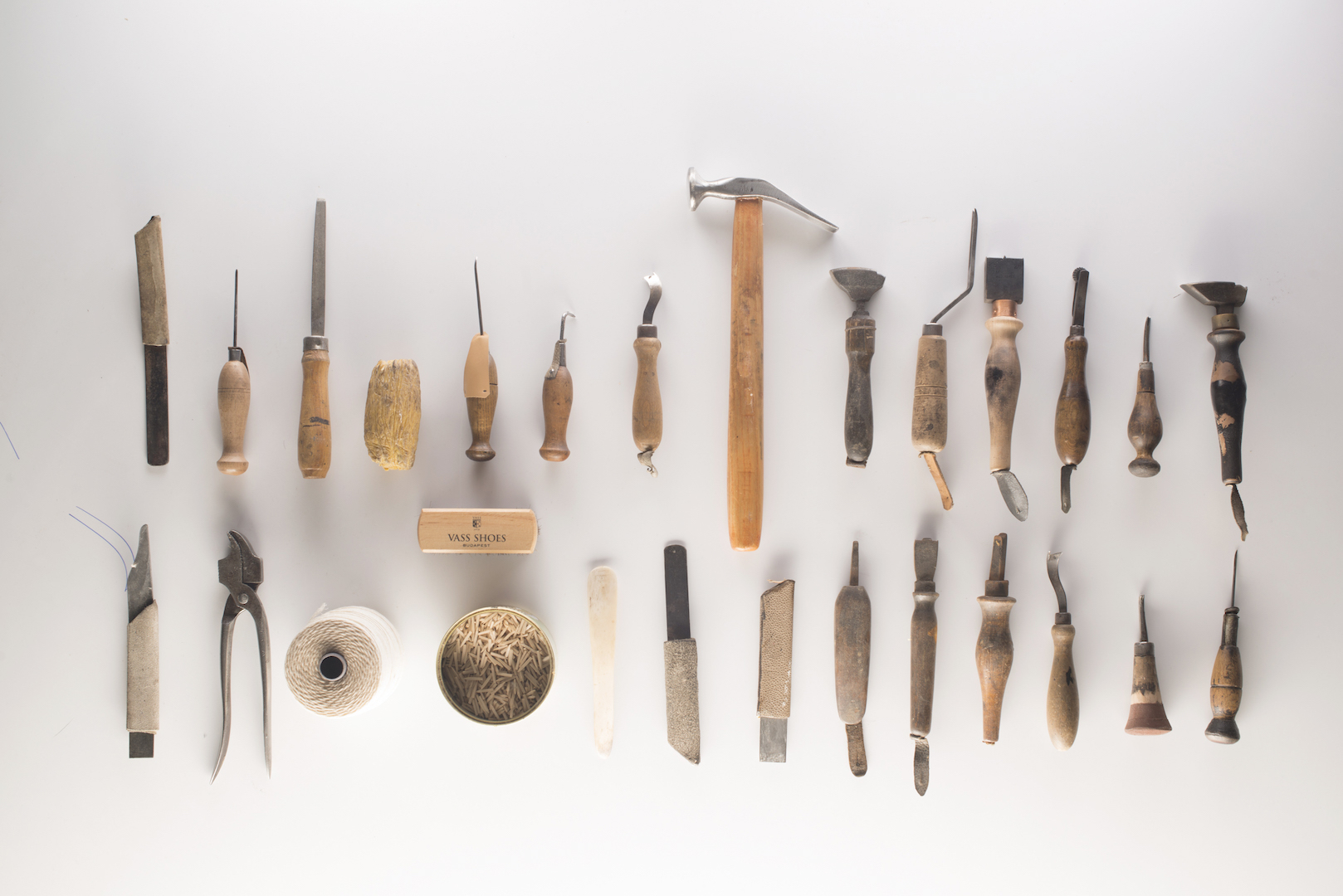
They had hand-sewn shoemaking classes that fascinated me so much, seeing the traditional way of making shoes changed my perception completely. That’s when I learnt about bespoke shoemakers for the first time and visited Terry Moore, at Foster’s, with my friend. He was making a pattern by using normal brown wrapping paper and making a last using a shabby bench.
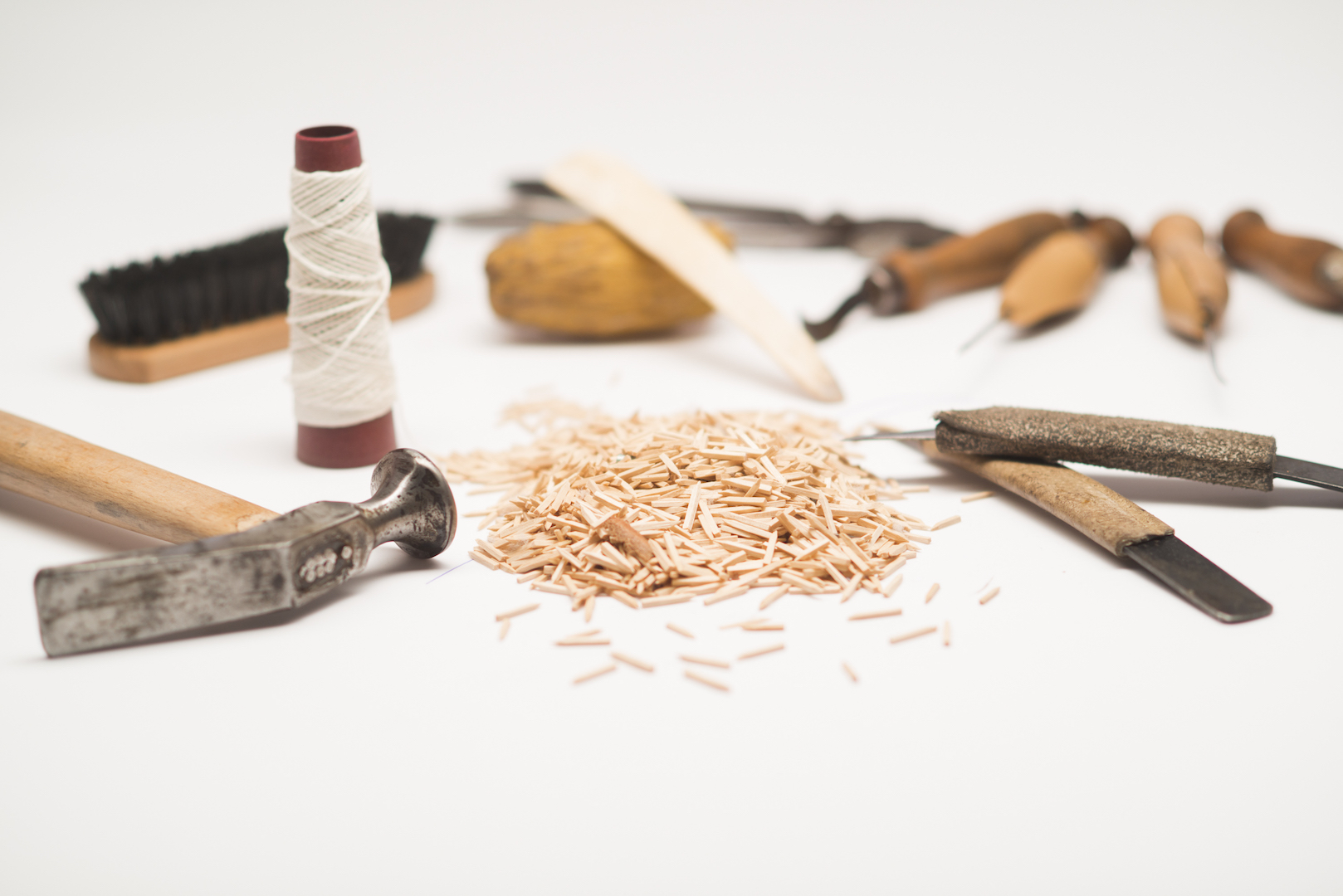
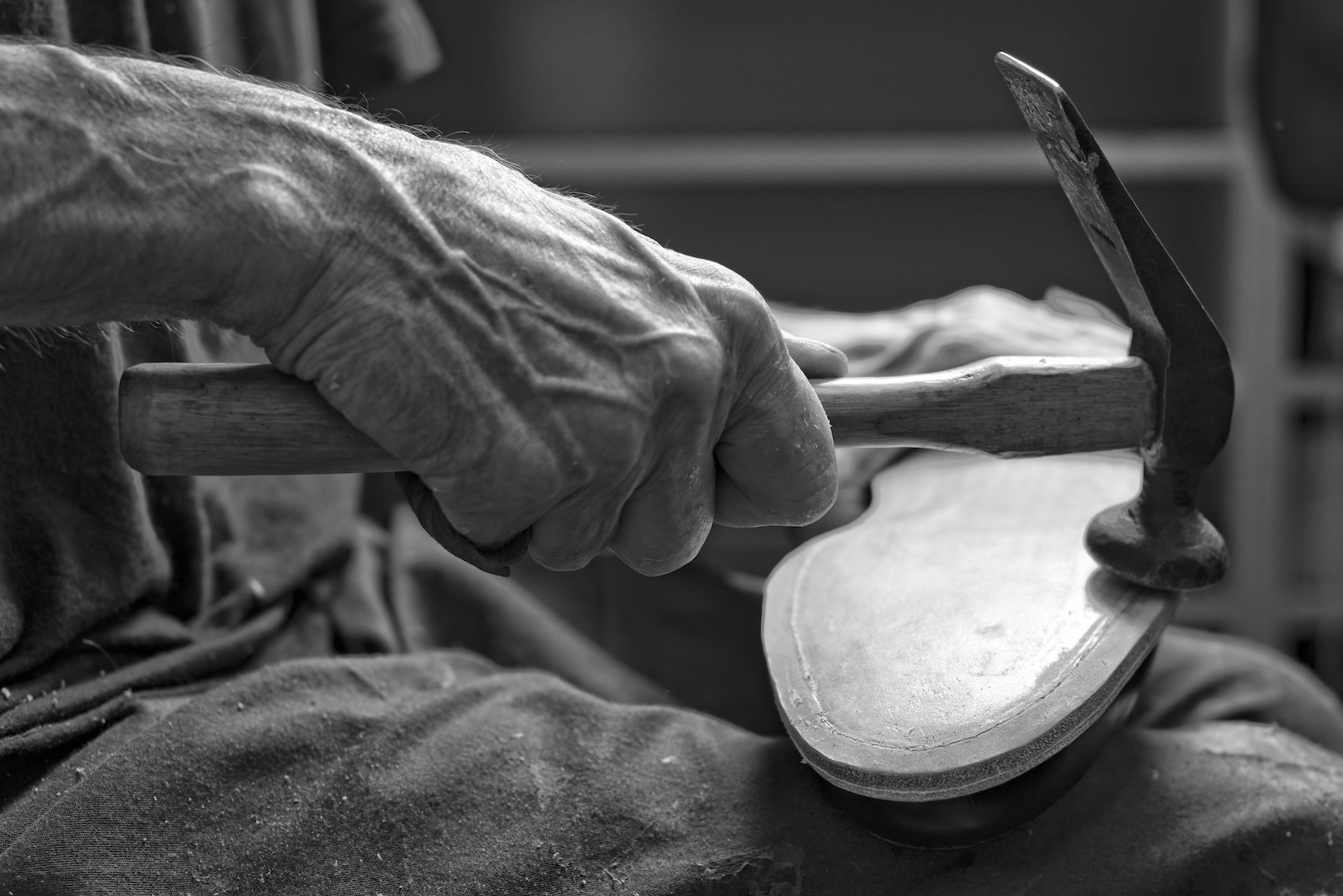
Using beautiful old tools, it was absolutely amazing, I thought this is it. This craft and the hand skill is what I want to gain. From that point I was determined to become a Bespoke Shoemaker.
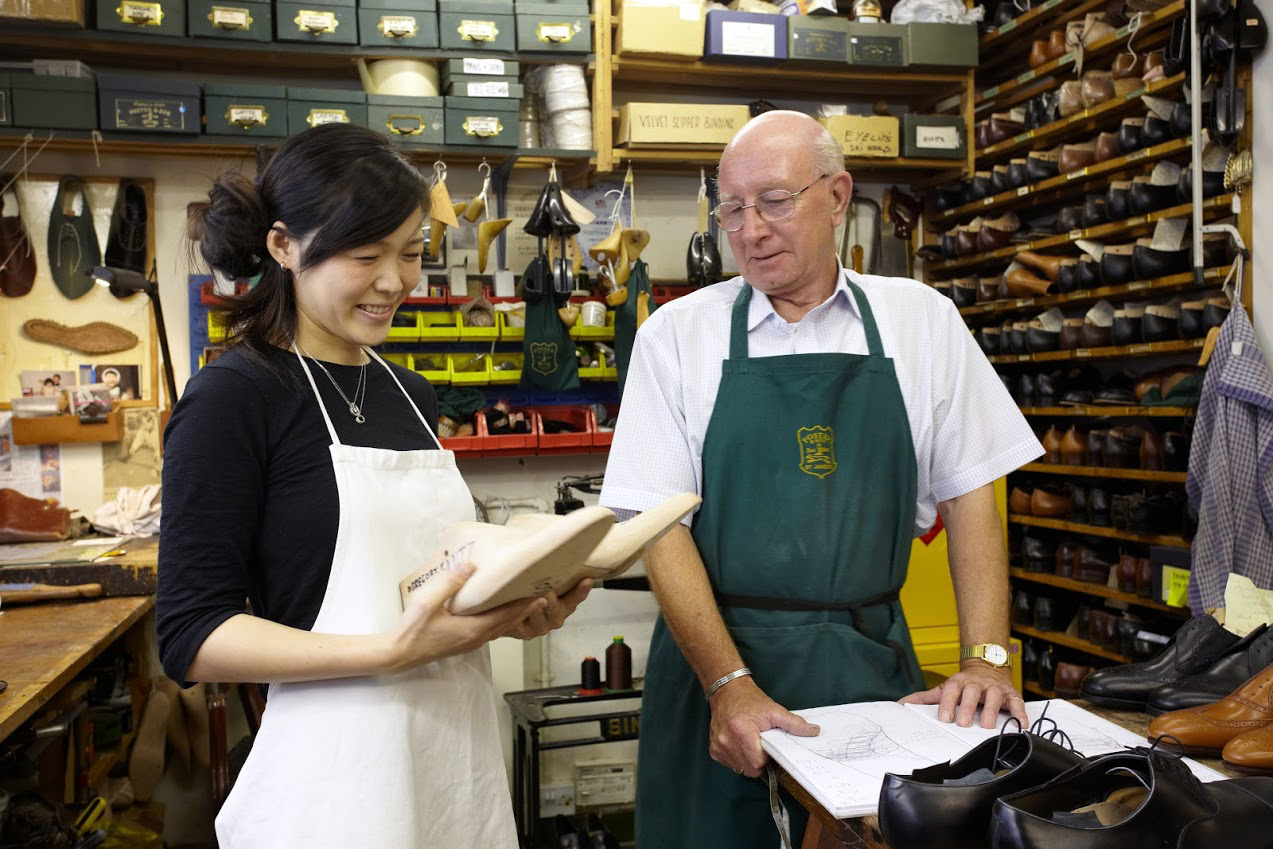 With the last savant Terry Moore
VR: Why classics instead of fashion?
EM: With fashion, you need to keep creating new designs constantly. That, to me, is very tiring. Even with classics they do have trends but the movement is very slow. That’s what I feel comfortable with. My master always says, in terms of shoe designs, that all were completed around the 1930’s & after that it has been going around in this same circle.
VR: How have you gathered your knowledge of the crafts — from books, in-house training, workshops or somewhere else?
EM: I was apprenticed to Terry Moore at Foster’s, there learning most of my skills from pattern cutting, last making to shoemaking. I had a chance to see lots of good samples and also the shoemakers used to deliver shoes to Terry. I would ask questions about how they did things, little tips here & there constantly & I would take this information home with me, experimenting by trial and error. In terms of fit, being my own guinea pig was the best learning curve. You feel the comfort as well as pains.

VR: How would you describe the House Style of the shoes you make?
EM: With each customer, I simply try to produce the style that would suit him (and his feet), in the most elegant way possible within the accepted look. Never going for extreme. Understatement is the key.
VR: Do you have a favourite shoe model (eg. monk, derby, oxford, balmoral boot) and leather type?
EM: It is hard to choose! I enjoy making any types and wearing them as well. When I started learning, old Freudenburg stocks were the main leather available. I was so lucky that I got to practice with those beautiful leathers. They were like silk. Such soft and fine surfaces yet strong.
VR: There are several bespoke companies in the UK — why should my readers choose Foster&Son?
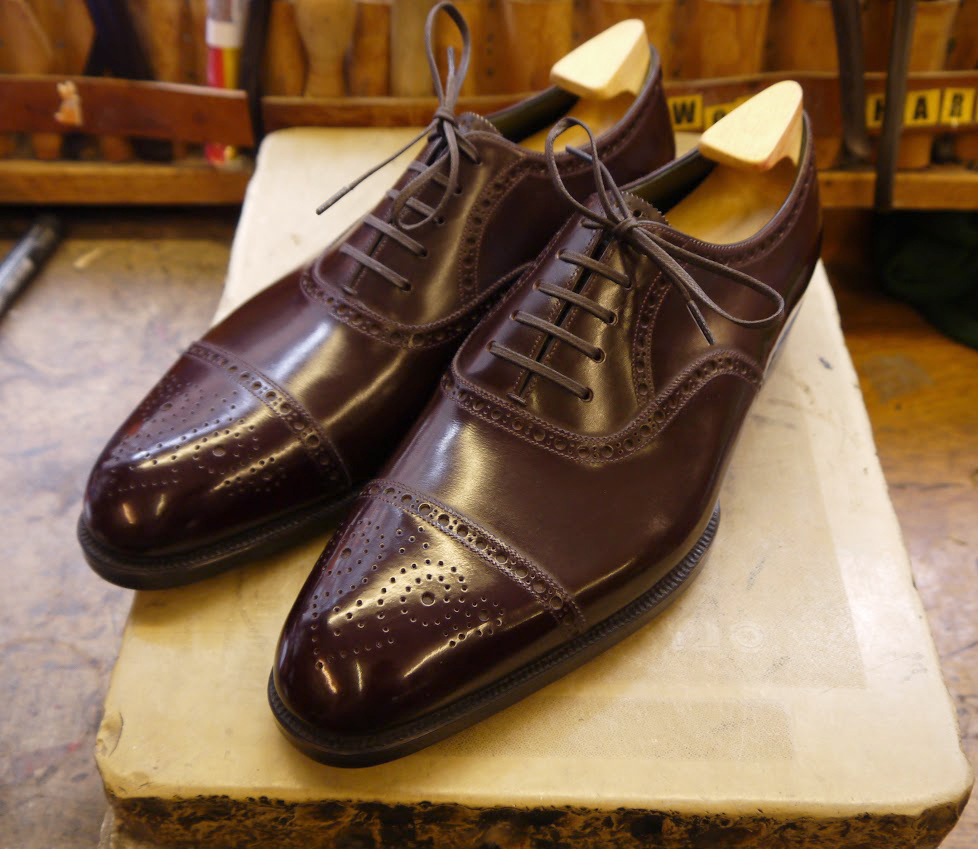
EM: We are traditional shoemakers, clients come to order their shoes for their life style needs. With the best materials and craftmanship provided, we produce anything from simple business shoes to evening dress shoes, country shoes, golf, riding boots & so on, depending on his life situation and the client’s needs, for different occasions. So, building long-term relationships with our clients is very important, to get to know them, to become trusted shoemakers. Having said that, we are happy to make you just a very special pair of shoes, of course!
VR: Who or what inspires you?
EM: My master, his attitude towards the way he deals with things, and discipline. Also my husband, his devotion to his work is purely exceptional. His knowledge and inspiration always help me get going.
VR: Finally, how can my readers find out if a shoe gives great support for the foot?
EM: Simple. You feel it.
Photos: Foster&Son
Category Cordwainers, Interviews
A history of dressing gowns
1March 26, 2016 by Ville Raivio
The dressing gown is a loose, light and comfortable layer for pyjamas or leisurewear. Its pedigree reaches back to the court dress of Persia, which was carried all the way to Europe on the journeys of diplomats and the like on the Silk Road. Enthused by them, the banyan, a flashy, long and loose lounging jacket for home use was born in the 1700s. It was cut in the shape of the letter T and preferably made from richly decorated silk as a sign of wealth. At first, the garment had no buttons and it was closed with a belt while the sleeves were rolled back. Often this lounging jacket was worn with a vest underneath, made from the same fabric. Contemporary heavy perukes were usually removed at home and replaced with sack-like turbans, a part of the banyan dress. It was most suitable to lounge, receive close guests or play cards in this costume. As time advanced, the garment was increasingly made to reseble an overcoat, even though the hem was very loose and gentlemen already took to heading outdoors while wearing banyans. Dressing gowns, based on previous banyans, were finally created before the end of the 1800s. These were not baselayer underwear but worn above pyjamas, nightshirts and such.
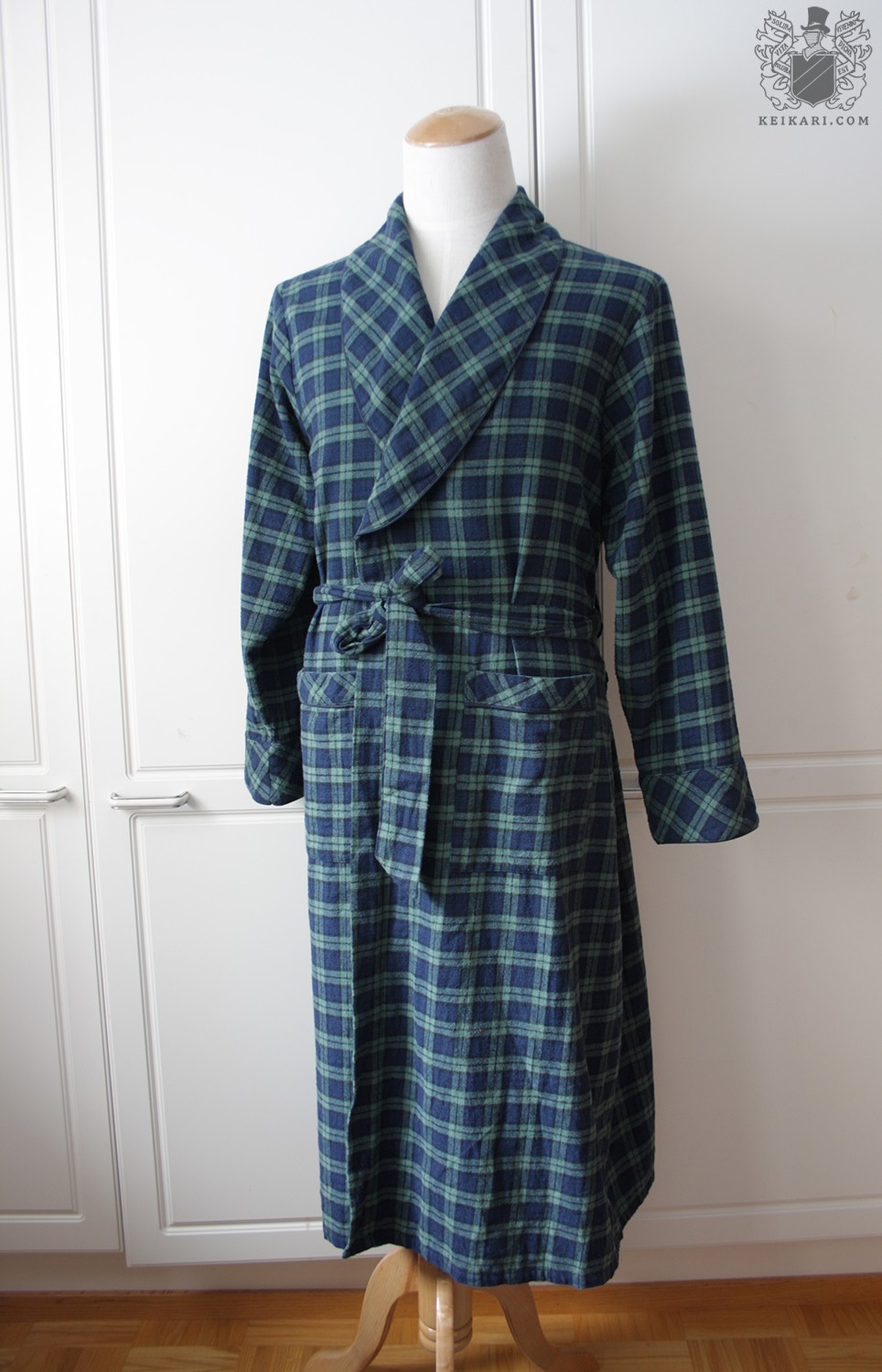
Before modern insulation- and construction techniques as well as central heating arrived, western appartments were invariably cold or at least draughty places. The inner constructions of suits and ceremonial clothes were likewise stiff, so most gentlemen threw them off at home. For more than a century, the dressing gown was useful so that shivering was avoided, lolling succeeded – and one didn’t shame himself half-nude when a surprise guest arrived. Most dressing gowns were tartan-patterned or plain before the 1920s, and their material was strong, warm wool or cotton flannel. Only later did the banyan-spirited crackling cloths return on men, and the gown’s belt or cords were reworked more ornamental. Pockets as well grew greatly in size.
The most common lapel model for dressing gowns has been the rounded shawl- or roll collar, familiar from some dinner jackets worn by a certain James Bond. The garment’s hem has shortened in time, tender silk cloths have become rare, and these days few men even own a dressing gown. The bathrobe has become much more popular and its plain terry cloth removes moisture after showering, is easy to clean and lasts well with wear. As apartments are warmer still around Europe, the popularity of dressing gowns has plummeted — and neither can they be called essential clothes as one can do without just fine. Still, the dressing gown likely appeals to vintage-inspired dressers and the man who enjoys stylish lounging.
Category Accessories
A history of tab collar shirts
0February 27, 2016 by Ville Raivio
The tab collar is an eccentric detail that stands out from the rest. A small tab, closed with snaps, a loop or magnets, is sewn between its sides and this bit raises the tie knot upwards. The collar type was born in Great Britain sometime in the 1920s but its inventor has been forgotten by my reference books. The collar gained fame and popularity when the Duke of Windsor (who else?) took a fancy to it. The Duke’s outfits were closely watched by all media and menswear shops grew their selections when the future king was seen wearing something novel. On the shoulders of the young prince, the tab collar travelled across the world on state visits. With him being the most photographed man of the times, tab collars spread to commonwealth and friend state stores in no time, ending up gracing the necks of thousands of others.
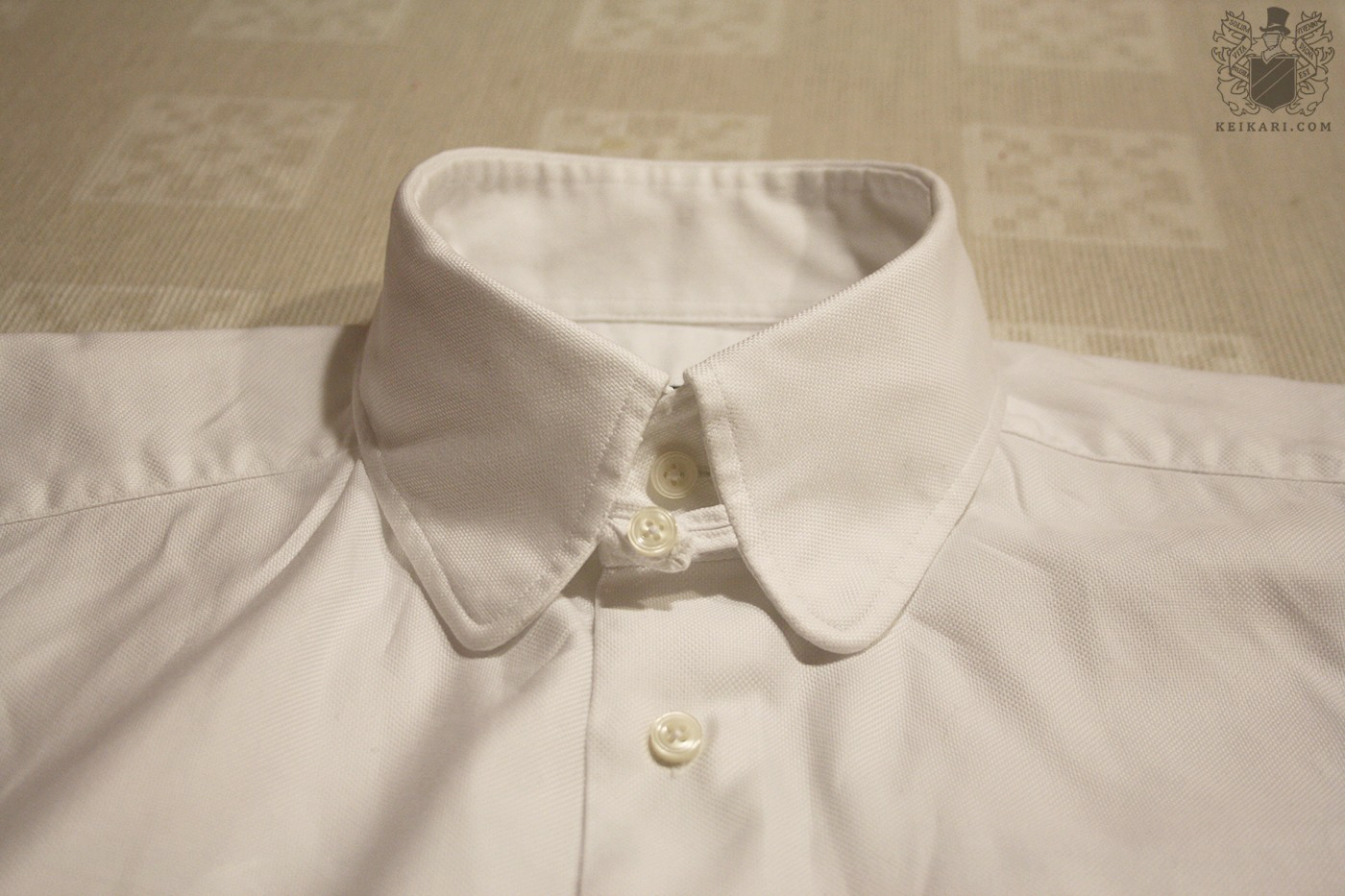
The most common tab collar have sharp, fairly long points, but rounded club collars have also been popular. The popularity of the tabbed collar continued to the 1930s, but waned after these times just to wax again in the ’60s. Frank Sinatra particularly favoured keeping tabs as part of his style and men followed his suit. The tab collar has its uppers and downers. The finer points include the fabric piece that nicely raises the tie and keeps it in place well, no matter how the head turns during the day. At the same time it also keeps the collar points close to the body of the shirt, a look that’s always clean. Still, tabs lose their shape and appeal if worn without a tie, the tab usually calls for a tiny knot and the collar has become rare. Like all rare and thus eccentric things, it attracts attention — not always for the better. Signs of the tab collar’s return have been in the media for a while now. James Bond, for one, has chosen it for his use in the latest films as this collar has long been the darling bud of Tom Ford, the latest Bond stylist.
The Mad Men series, as well, gathered great popularity in America, depicting the crazy years in advertising during the 1960s, and tabs were commonplace clothes during the times and thus in the series. Boardwalk Empire told stories about America’s prohibition years and marched numerous criminals onto screens, doing evil things in stylish shirts. Despite the ramifications of Donald Rumsfeld’s political positions, the fervour of his tab collars cannot be denied. Finally, Suitsupply, a popular young adult clothier, has offered the shirt for several years. While the collar type is still rare, it has better stayed alive in the USA than Europe, which it only visited to be born.
Category Shirts
Copyright © 2013 Ville Raivio