A profile of bespoke shoemaker Dimitri Gomez
0June 13, 2016 by Ville Raivio
Category Cordwainers, French style, Videos
Interview with Chi McBride
1June 9, 2016 by Ville Raivio
VR: Your age and occupation?
CM: age 54, occupation actor.
Vr: Your educational background?
CM: Education: 1 year of college. College is like sushi. It’s not for everybody.
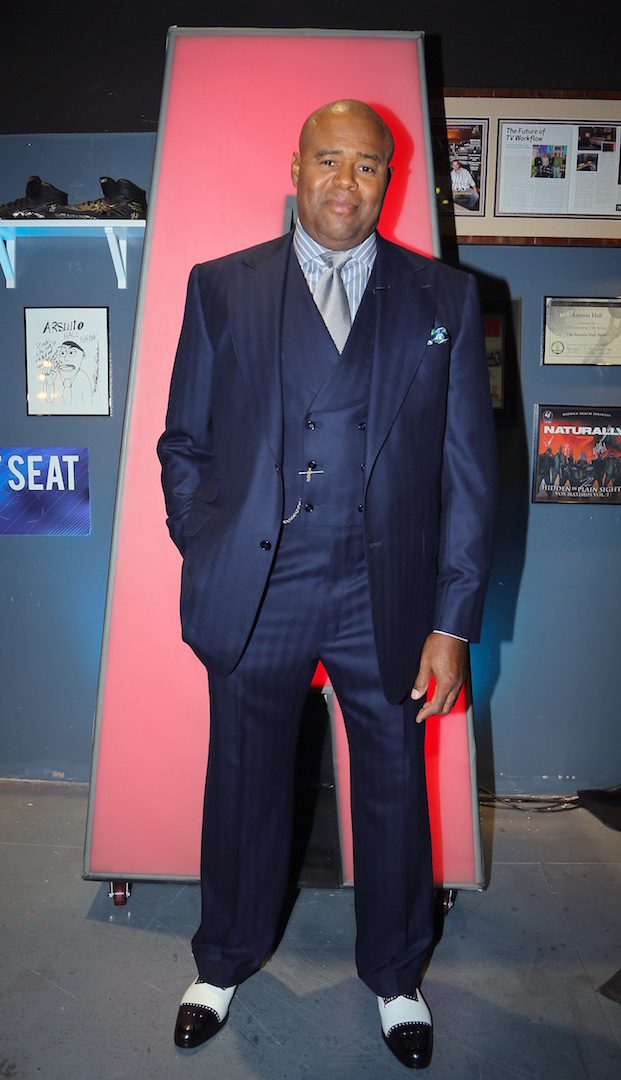
VR: Have you any children or spouse (and how do they relate to your style enthusiasm)?
CM: Married, Father of three. I rarely discuss my family in interviews.
VR: …and your parents and siblings’ reactions back when you were younger?
CM: My Uncle Raymond was my main fashion influence. He was always in a sportcoat or suit and he ALWAYS wore a Borsalino hat.
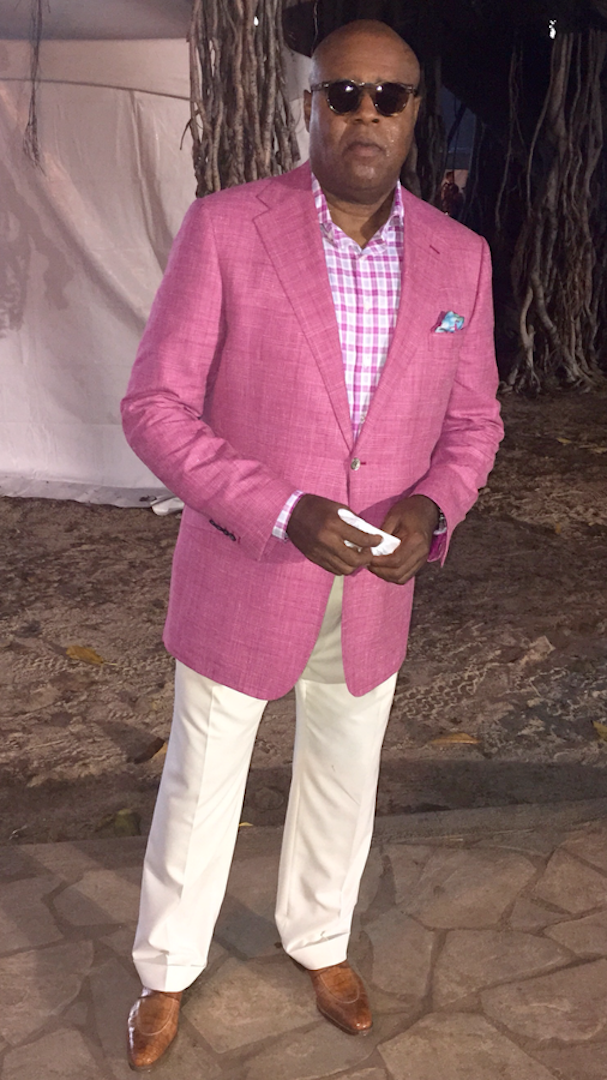
VR: What other hobbies or passions do you have besides apparel?
CM: My passions include collecting and drinking wines, fine dining, cigars and golf.
Vr: How did you first become interested in style, and when did you turn your eyes towards the classics?
CM: I first became interested in style from my favorite uncle, as well as watching films starring Cary Grant, Rex Harrison, Humphrey Bogart, William Holden and George Raft. I probably began really eyeing the classics as an influence beginning in my teen years. I also consider the book Dressing The Man by Alan Flusser an undeniable influence on my own personal style.
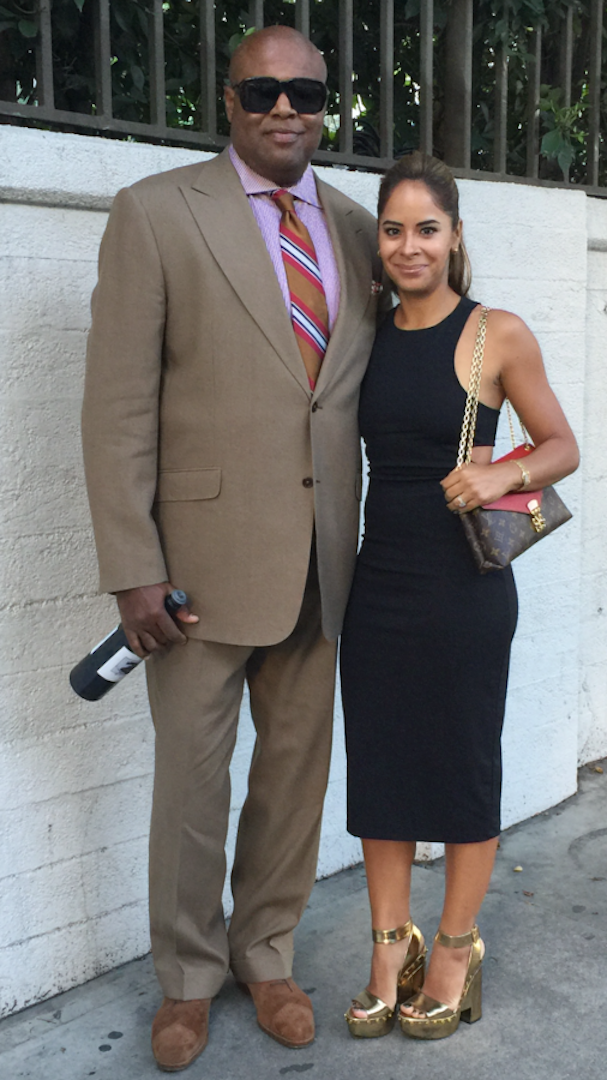
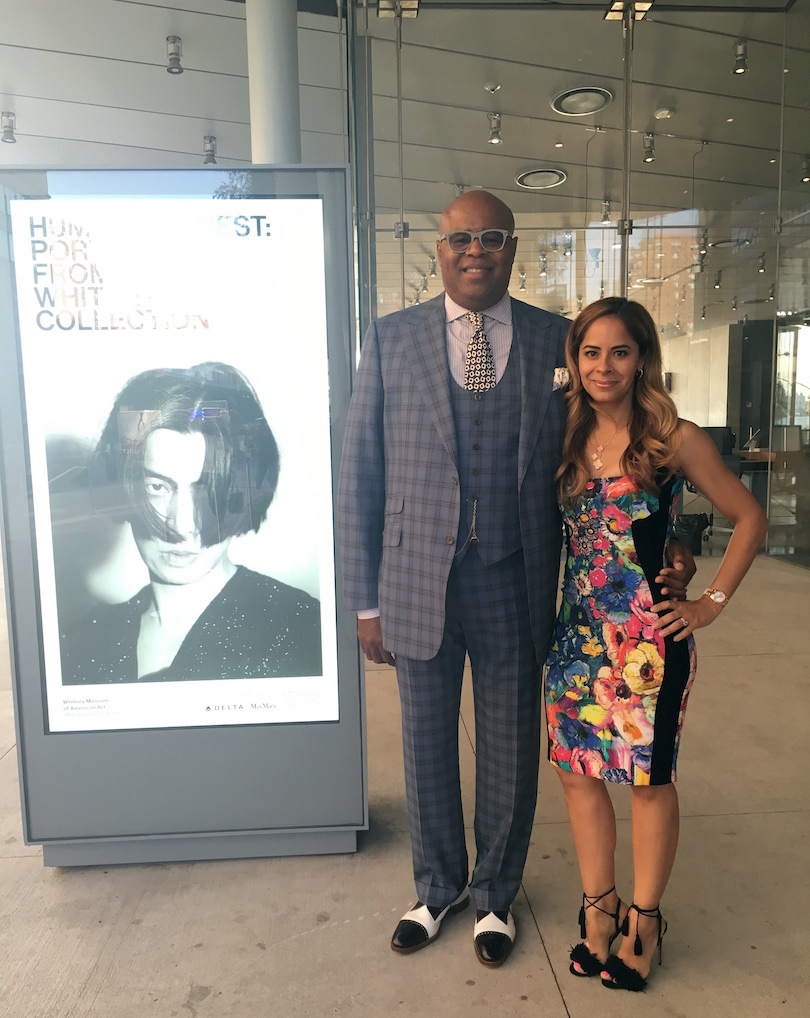
Featuring the lovely Julissa
VR: How have you gathered your knowledge of the tailored look — from books, talks with salesmen or somewhere else?
CM: One of my most memorable influences was a salesman for Neiman Marcus that I met in my late 20s by the name of Jance Reynolds. Jance was always impeccably dressed and was a GENIUS at mixing patterns. His influence on me was his classic style, but most of all he influenced my style by teaching me how to steer clear of “the safe look”, as he once said. The next time you’re out in a park, look at the way the colors of nature blend in ways that incorporate unlikely color match-ups, and yet, it all works. It was a profound discovery for me to compliment my accessories, ties, pocket squares, etc., choosing to match the square with a color in the shirt instead of the suit, for example. It became a fun challenge to find “unsafe” choices, when putting together an outfit.
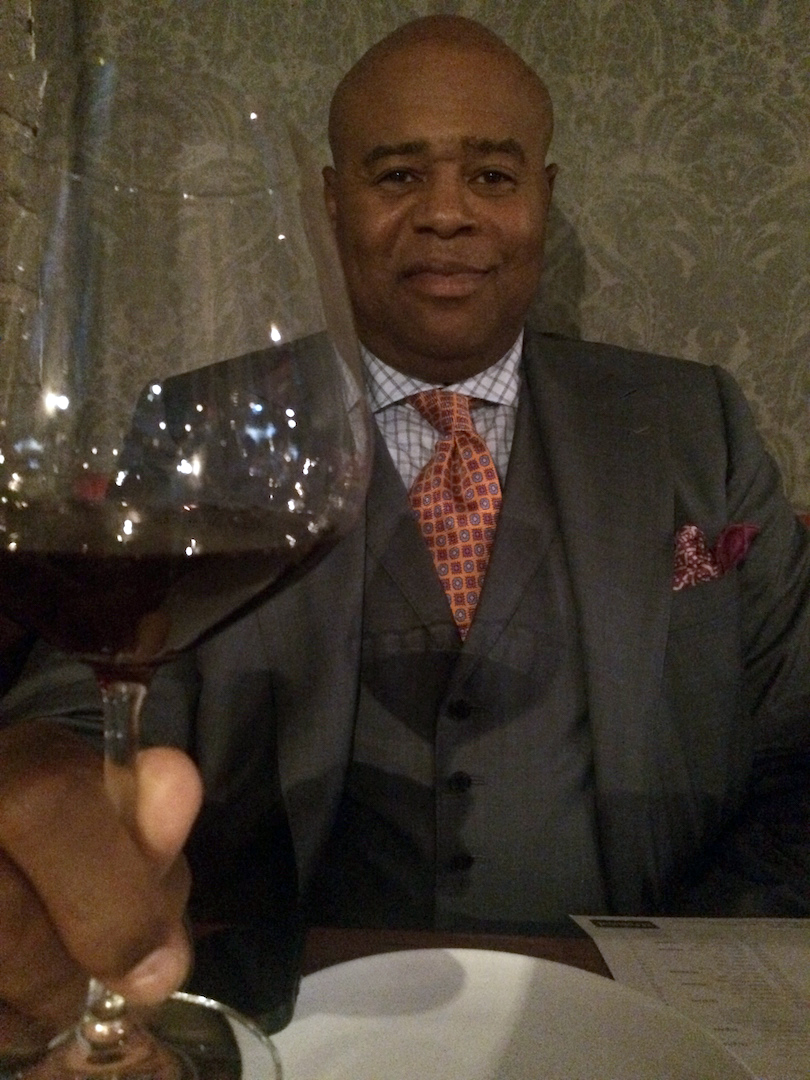
Vr: Which tailors or RTW makers do you favour and why?
CM: My fabric supplier and tailor are somewhat of a guarded piece of information. My Uncle Raymond, who was as old school as they come, once said to me when I was very young: “Never loan anybody your pen, your car, your tailor or more than twenty bucks.” So, I never do. However, I will say why I favour them is because they’re both extremely knowledgable about their business, wonderful collaborators, have razor-sharp sense of style and are two of my dearest, closest and most valued friends. Being 6’5″ with a generous frame, the RTW market, for me, aside from some pocket squares and socks, is closed. Unless, I’d prefer shopping at the local “Big Man” shop, which I do not. So, I’ll give you some of the MTO/bespoke makes that I prefer.
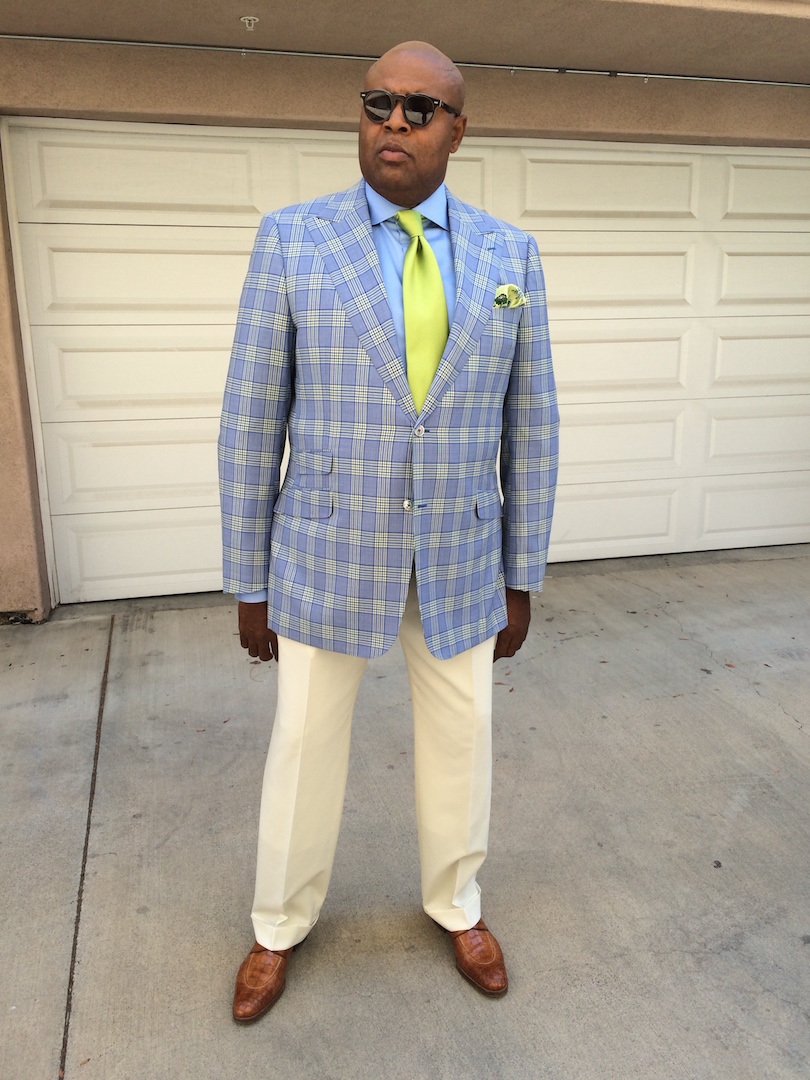
MTO/bespoke
My personal Fabric provider and my personal tailor: Suits, shirts, sportcoats, slacks, topcoats, outerwear and formalwear
Socks: William Abraham
Shoes: Saint Crispins, Edward Green, Koji Suzuki, Barbanera
Ties: Patrizio Cappelli
RTW
Pocket Squares: Hermès, Kiton, Drake’s, Charvet, Tom Ford, Cesare Attolini
Suspenders: Trafalgar
RTW as well as MTO eyewear: Morgenthal-Frederics
Cufflinks: Deakin&Francis, Micheal Kanners, Kieselstein-Cord, Cartier (vintage), Thrift shops
Ties: Robert Talbott
As for why, the same goes for all. In my opinion, they are the best.
VR: How would you describe your personal style?
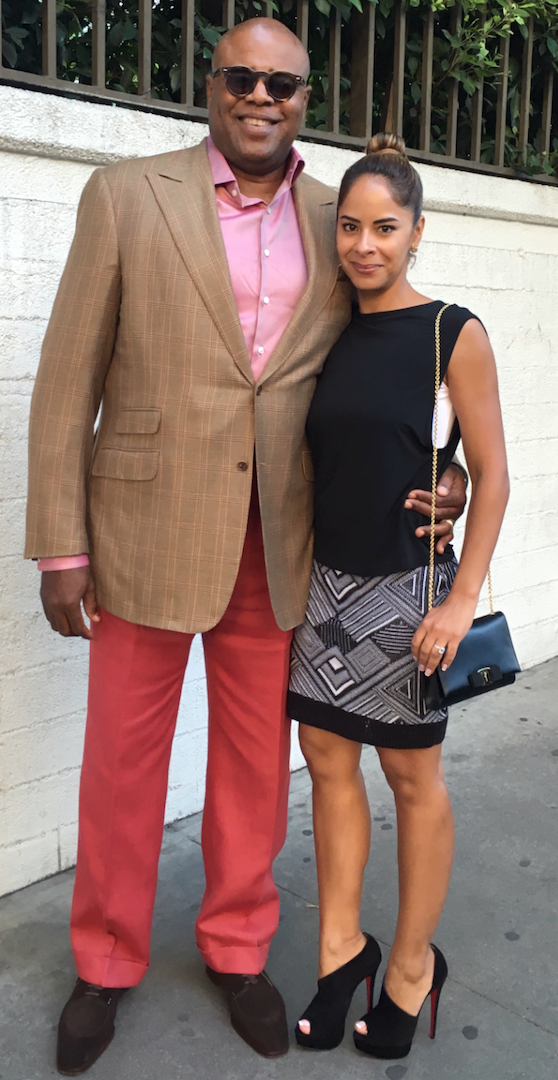
CM: If I were to describe my style, I would call it a modern update of 1940s jazz musician’s style. Another style influence that I think very highly of in terms of his personal style is a doctor by the name of Dr. André Churchwell. Google him. All I can say is, Wow. When I grow up, I wanna be like him.
VR: Have you any particular style or cut philosophy behind your items?
CM: My style or cut philosophy? I don’t know if I’d call it a philosophy, however, there are some things I always consider as a rule.
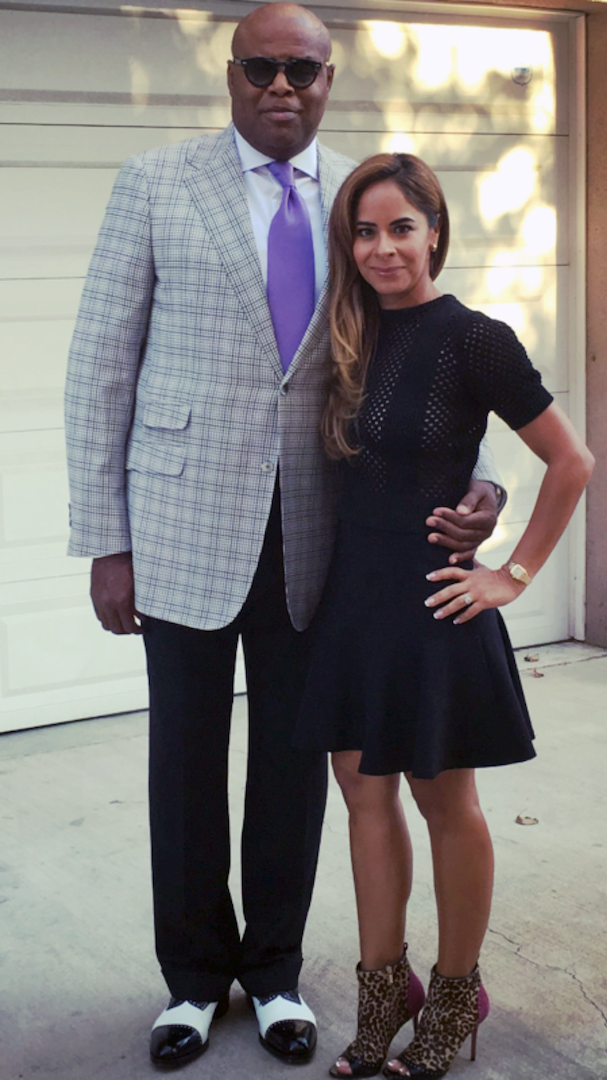
1. Dress for the WEATHER, not for the season. If it’s 85F degrees outside on Christmas Day, I’m wearing white pants, and white shoes.
2. Always take one thing off before settling on an outfit.
3. Spend money on the best shoes you can afford.
4. There’s no such thing as too many shirts, ties, or pocket squares.
5. A stylist can’t give you style.
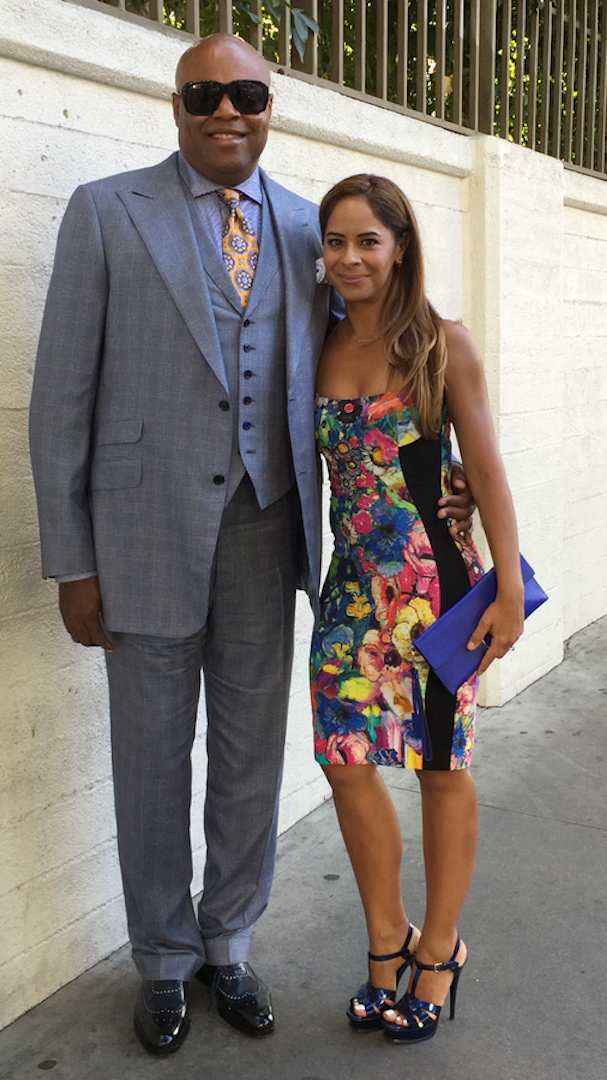
VR: Who or what inspires you?
CM: I am inspired by any craftsman. As simple as that sounds, it takes a lot to be recognized as a craftsman in the truest sense of the word.
VR: What’s your definition of style?
CM: Style, in my opinion, is simply being confident and comfortable in your own skin and enjoying your own company, when no one else is around.
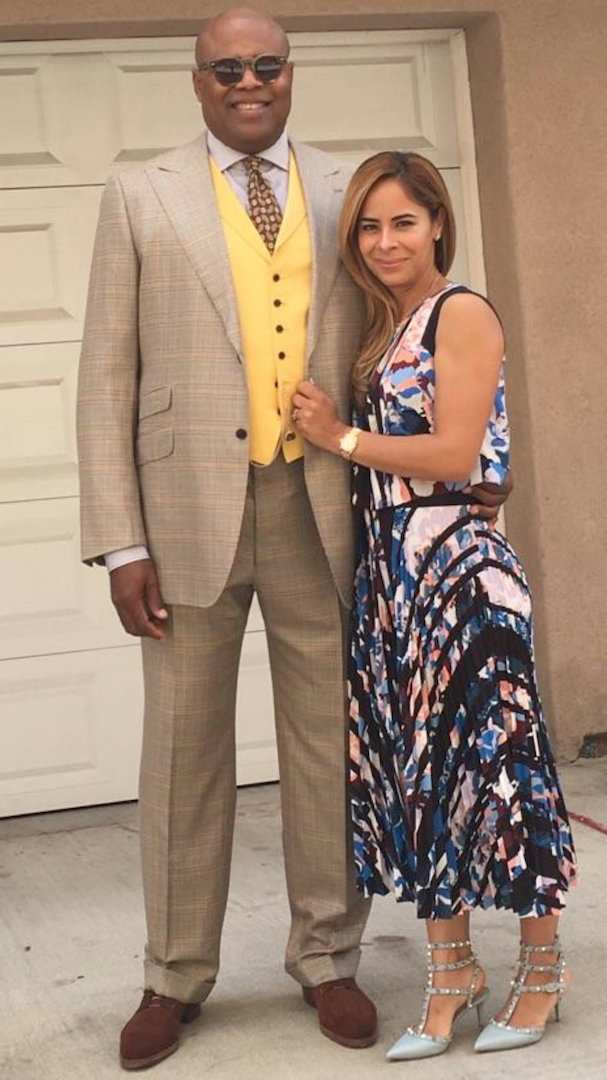
VR: Finally, given your knowledge on the subject, how would you describe the dress of American male actors off-screen?
CM: Like I said. A stylist can’t give you style.
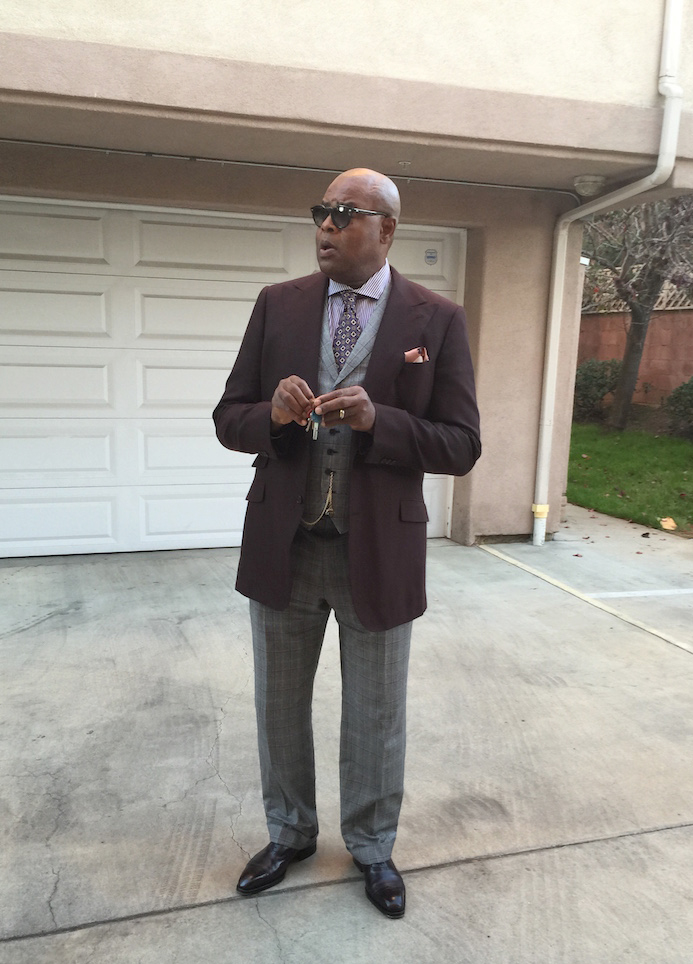
Photos: The McBride archives
Category Interviews, Men of style
A history of the 3-roll-2 cut
0May 29, 2016 by Ville Raivio
The 3-roll-2 cut is a peculiar look that has been especially favoured by American clothiers in their jackets, suits and, occasionally, coats as well. The 3/2 jacket has three buttons on the chest, but only two of these have been cut for closing. A very long time ago the top two buttons could be closed, but on modern models only the middle one is actually used. The top-most third button is decorative and usually sewn on the lapel’s lowest point. In addition, these jackets are usually pressed to roll directly to the middle button. In text-form, this explanation is, of course, a bit addled but once the reader has seen one of these jackets, he will remember. Brooks Brothers, the most influential American men’s clothier, has told more about the cut’s history based on its archives. According to BB, the eccentric design was born at the beginning of the 1900s when young university students decided to have their 3-button jackets pressed to look like 2-button versions in force. During this time, the two button jacket was the so-called greatest fashion, but the young and hungry students couldn’t afford to renew their whole wardrobe. With steam and iron, the three-buttoned was altered to close like the two-buttoned. Following the students’ example, Brooks Brothers took to using the cut in their readymade clothing — and the model spread across the country.
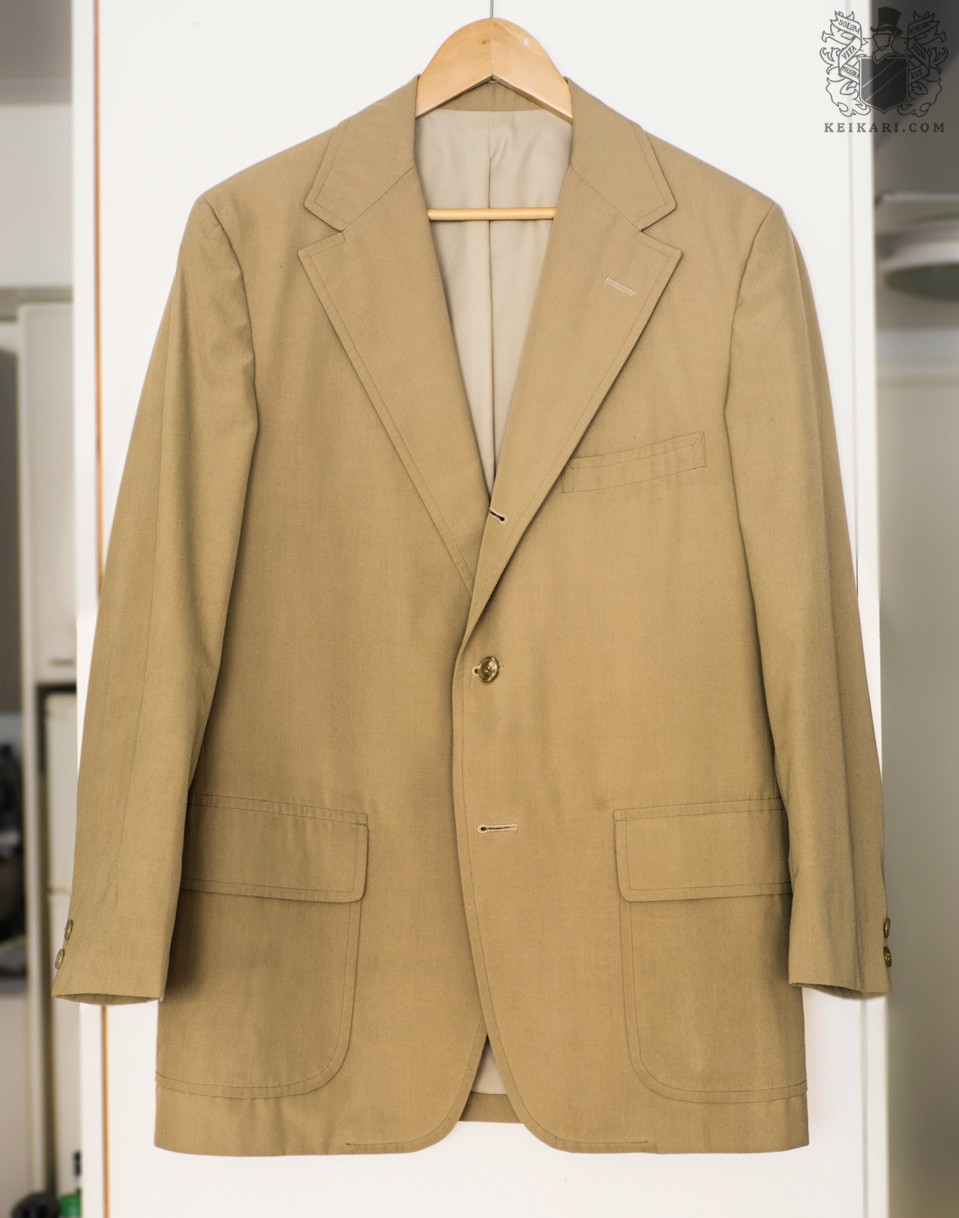
The 3-roll-2 jacket is as fine and dandy as the rest of the models, though I consider it less plain and less formal due to the additional buttonhole on the lapel. On the 21st century, the cut is not widely seen in the selections of European clothiers. Perhaps this is due to traditions as the 3-to-2 was born and gained fame in America, and boys merely followed the example of their fathers. In the Ivy League school of style, the cut was an essential part of most jackets and suits. The cut spread to the other side of the Atlantic on the shoulders of tourists and travellers, but for one reason or another it didn’t gain as great a following in Europe. Some Italian tailors vehemently favour the look, but big factories have not fallen for it in droves. Ultimately Brooks Brothers also chose to use the 3-roll-2 look in their legendary number one sack suit, which became one of the most sold men’s suit models in the United States. Consequently, and with a stable mind, I choose to call this cut as American as apple pie, jeans, T-shirts and free market economy.
Photographic image: Mr Lauri Hilliaho
Category American style, Coats, Jackets, Suits
Hat-maker Pauline Brosset in interview
0April 25, 2016 by Ville Raivio
Category French style, Hat-makers, Videos
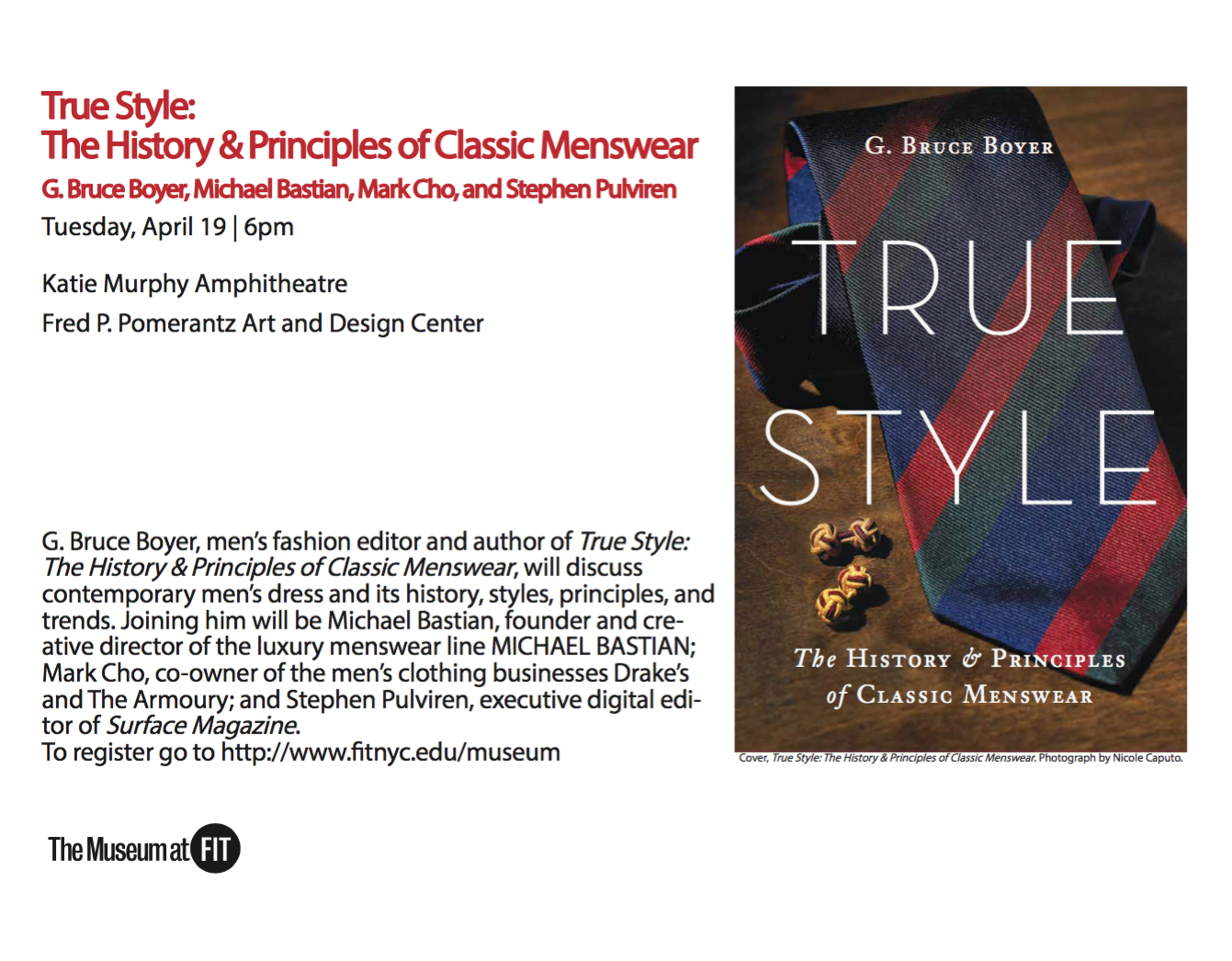
True Style: The History & Principles of Classic Menswear at the Museum at FIT
1April 7, 2016 by Ville Raivio
The good folks from The Museum at FIT reminded me of a nice up-coming assembly that is sure to interest Keikari’s numerous American readers. Info and invitation below — be sure to register at your leisure.
Category Tips
Copyright © 2013 Ville Raivio