Factory tour at Gaziano&Girling
0July 18, 2018 by Ville Raivio
Category Footwear, Northampton, Videos
Interview with David Evans from Grey Fox Blog
1July 12, 2018 by Ville Raivio
VR: Your age and occupation?
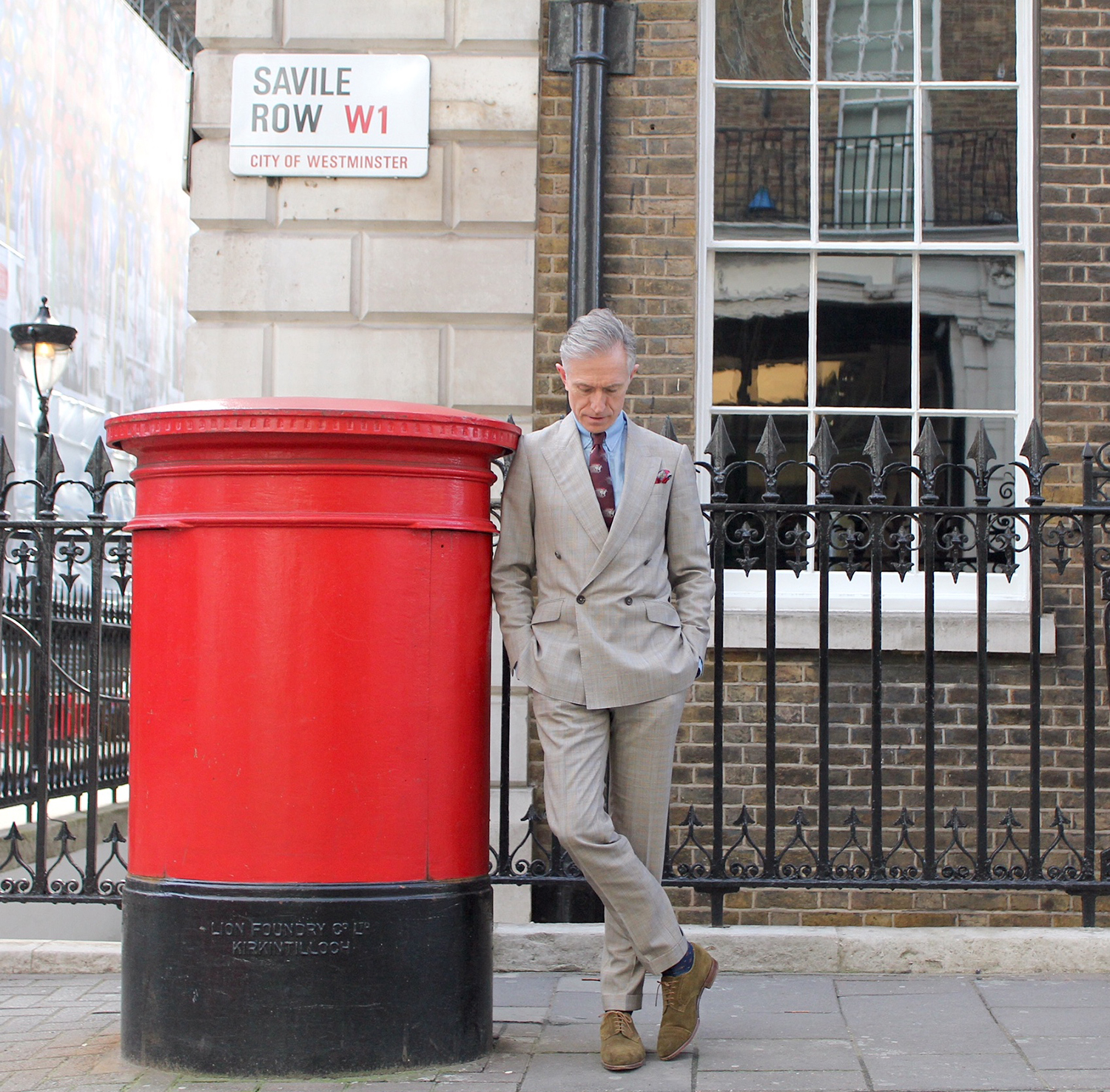
DE: I’m 63 years old, a former lawyer and latterly school teacher. I’m now largely retired and spend much of my time on my blog – although that’s more of a hobby than a career.
VR: Your educational background?
DE: I’ve a law degree, am a qualified solicitor (now no longer practising) and a qualified primary school teacher.
VR: Have you any children or spouse (and how do they relate to your style enthusiasm)?
DE: I’ve a wife who heads a national charity in the UK, a son and a daughter in their late twenties. After initial surprise, they’ve all become great supporters of my blog.
All were surprised to say the least. Blogging has always been seem as a young person’s pastime and I hadn’t shown any great interest in matters sartorial or stylish before. My children seem proud of their dad; I suppose being a blogger at an age when most of us have retired with our slippers and moth-eaten cardigan is different enough to be seen as pretty cool!
VR: What other hobbies or passions do you have besides apparel?
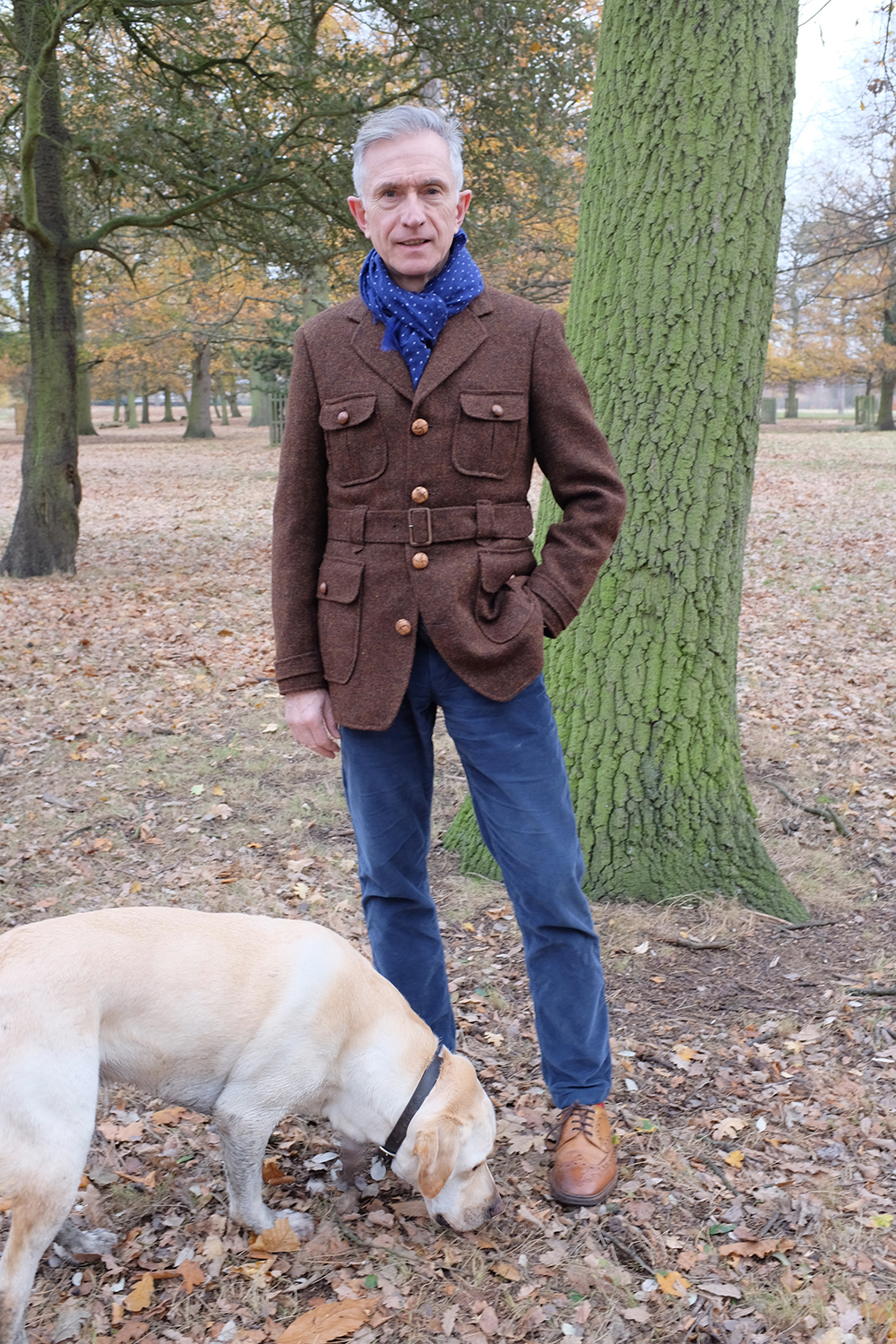
DE: My family, my dog Harry, mountains and mountain walking, The Lake District (where I spend much if my time), my 50-year-old Land Rover, cycling, reading, photography, the sea, wildlife, the great outdoors, British-made menswear and accessories.
VR: How did you first become interested in style, and when did you turn your eyes towards the classics? Why these instead of fashion?
DE: It came about simply because I’ve always thought I had a book in me and I wanted (in mid-2011) to start a blog to practise my writing skills. I didn’t have any idea what the subject of this blog was going to be, however, but someone suggested I find a topic I could write about from personal experience. All men and women over 40 find it hard to know how to dress and where to buy clothes. This is because brands and the fashion press ignore them, despite their relatively huge spending power. Not being the object of advertising and style discussion most of us give up. This is exacerbated by the fact that we tend to have settled into jobs and relationships, so the need to dress well is less acute than in our younger days. This all seemed an interesting basis for discussion.
With this in mind I thought I could write about the topic in a lighthearted way for a month or so when I would inevitably grind to a halt through boredom and lack of material. It didn’t quite happen like that. In starting the blog, I’d unwittingly dived into a huge hole on the blogosphere (which largely still exists despite many older Instagrammers) and the rest, as they say, is history. This all happened some six and a half years ago, in late 2011.
VR: How have you gathered your knowledge of the tailored look — from books, talks with salesmen or somewhere else?
DE: All those things. Mostly from books and speaking to tailors, but there is so much information out there on the blog as well, although we have to be very careful about that as its quality is variable. I’ve been lucky enough to have had jackets and suits made bespoke by Dege&Skinner and Brita Hirsch and I learned much from that. I’ve had even more made to measure garments made and that gives a different perspective. Most of my clothes are ready to wear, although I’ve also had shirts made bespoke by Budd and Turnbull&Asser.
Visiting factories, mills, tailors’ workshops, shoemakers, tie makers and shirtmakers has given me a lot of background knowledge too. Until you’ve seen something being made you can have no idea how much work goes into it or how it’s constructed.
VR: Why did you decide to set up your blog, and what goals did you set for yourself in the beginning?
DE: My goals to start with were simply to write and see how it went before I found a more interesting topic! However, I became drawn to British-made clothing and accessories and writing about these became a sub-theme of the blog. I’ve always shied away from making the blog too commercial but this does mean that I feel taken advantage of on occasion as many brands expect much for nothing. Being gifted items is necessary if I am to write about them, but it doesn’t pay the many bills of blogging.
I’m beginning to find a balance with some brands giving me the opportunity to do paid projects which subsidise the blog and enable me to write about new and young businesses and other topics I want to pursue. I’m gradually expanding the range of the blog as I want to appeal widely to the older demographic by covering other items of interest to the older guy: cars, watches, holidays, fine dining etc.
I want the concept of style and authenticity to lie behind everything on the blog. There are many brands that I’ve turned away that don’t fit this philosophy; so no cosmetic surgery, no tobacco or unethical products, no cheap clothing companies that rely on suspect employment policies in Asia and other third world areas, no gambling companies, however much they may offer financially.
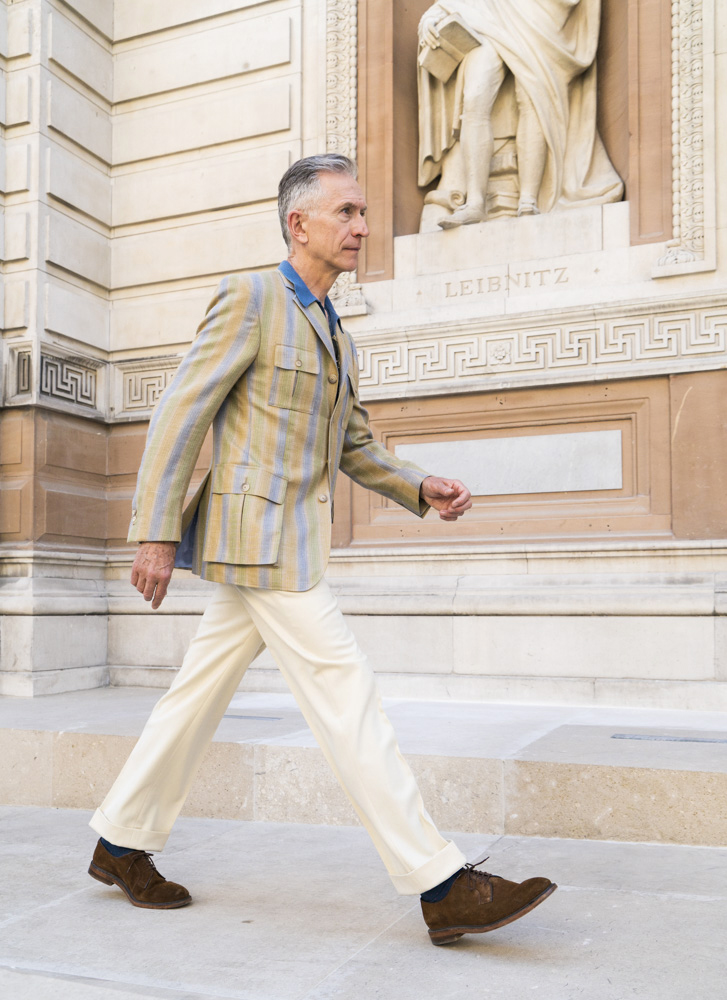
VR: Have you any particular style or cut philosophy behind your own clothing?
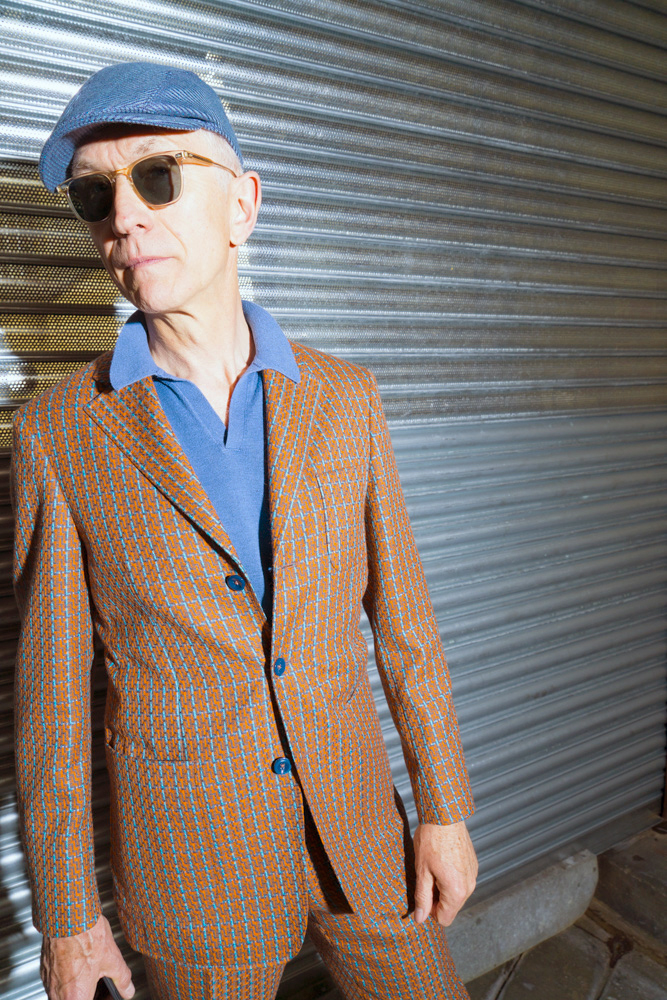
DE: Not really. I like the relative classic nature of British style softened by the unstructured shapes of Italian tailoring. Style must always be comfortable – even formal wear must be easy to wear.
VR: Who or what inspires you?
DE: My wife and children generally. They are focussed and determined. Sartorially, I’m inspired by Prince Charles and his love of the best quality clothing and his ethical approach to clothes. He wears them until they’ve worn out, patching and mending when needed. A lesson for those of us who buys piles of cheap clothes each month, throwing them out after a few wears.
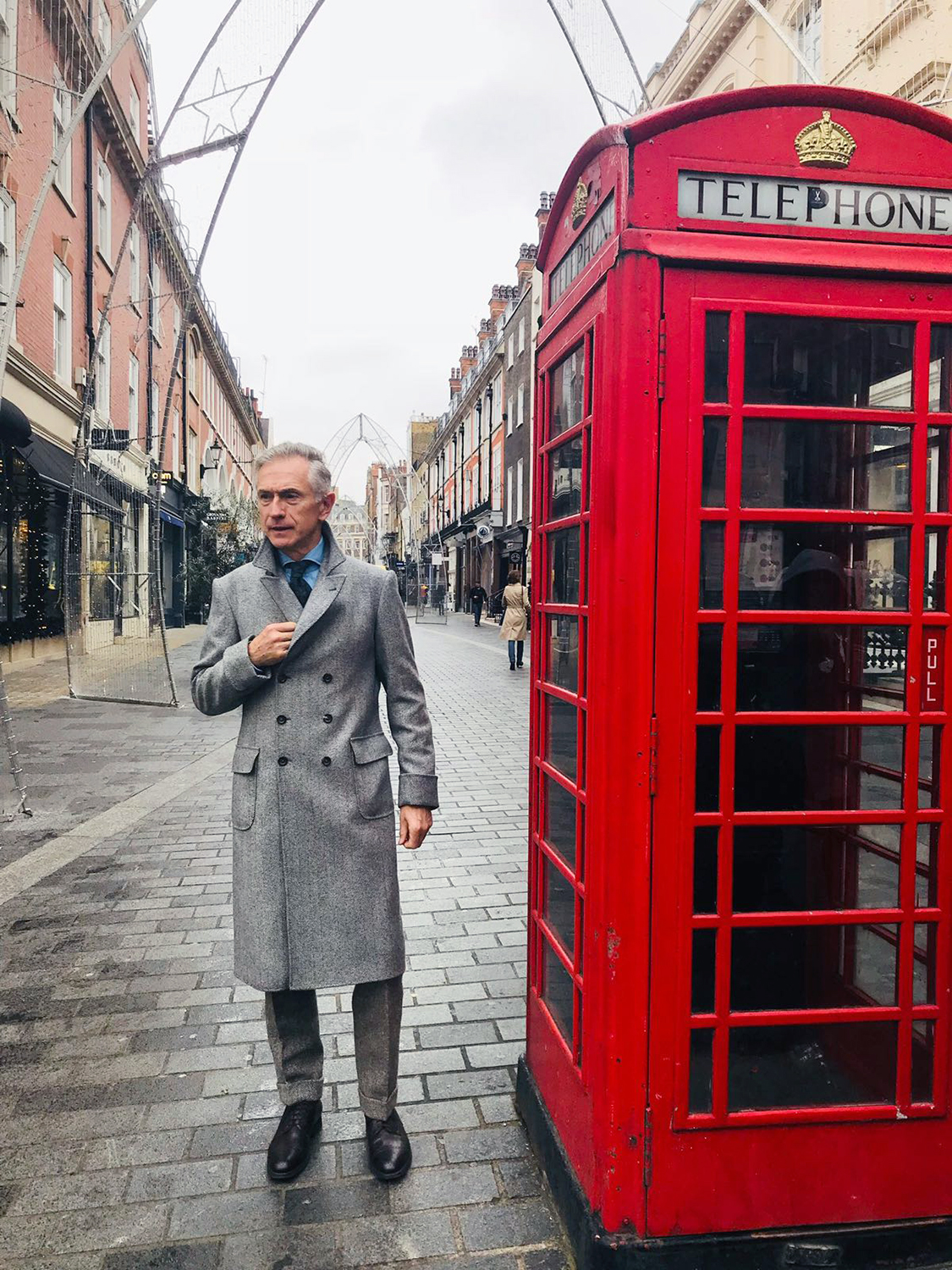
VR: How would you describe your style?
DE: British, preppy, soft tailoring, classic.
VR: What’s your definition of style?
DE: Style is the expression of yourself through what you wear and how you live your life. Clearly there can be good and bad style. Good sartorial style respects shape, proportion, colour, good workmanship and heritage and also respects self and others.
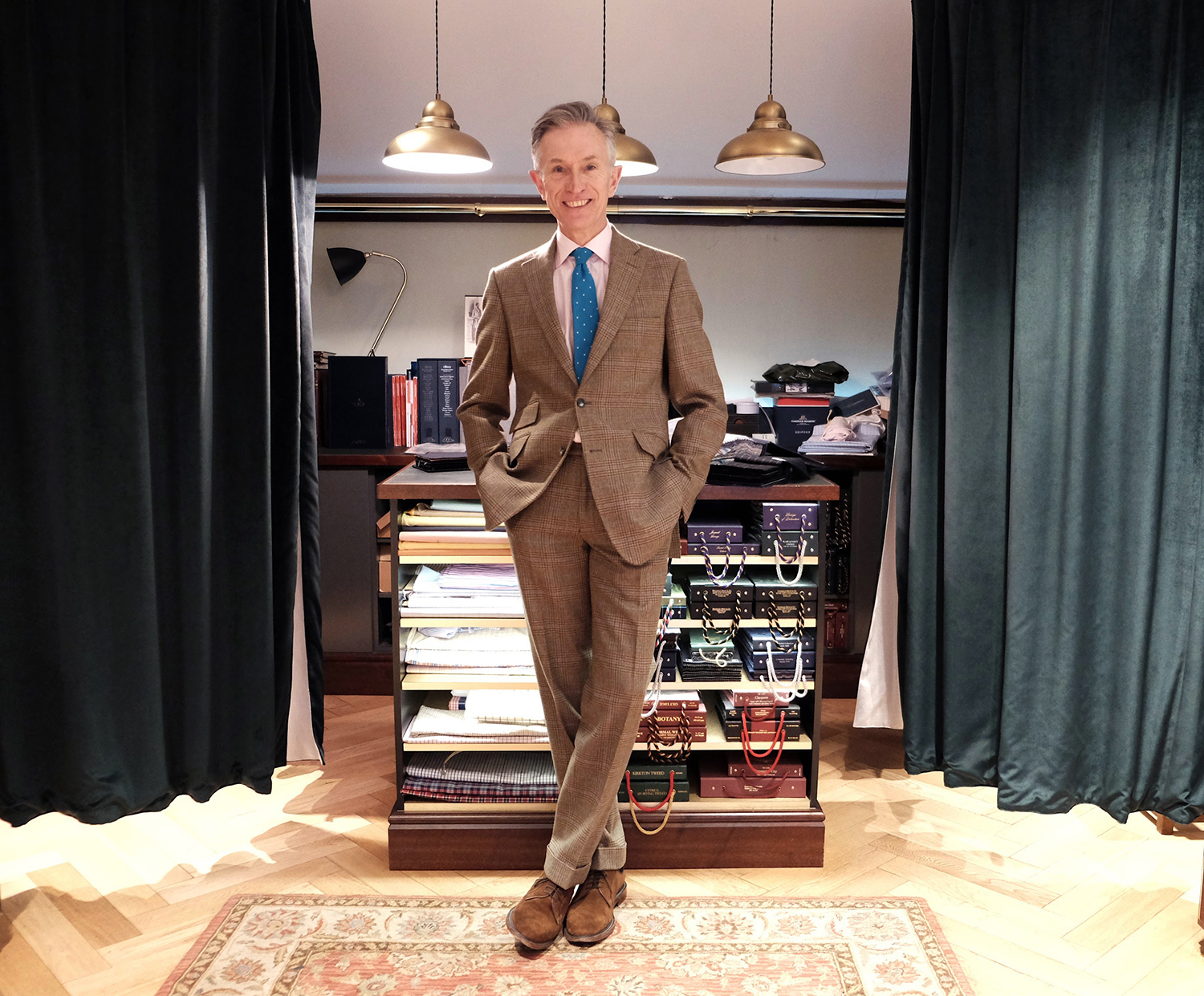
VR: Finally, given your expertise on the subject, how could middle-aged men improve their style in a convenient manner?
DE: Buy clothes that fit. The commonest error is spending a lot on, say, a business suit that doesn’t fit – too wide over the shoulders and too long in the leg. The other common error is dressing like your teenage son. Age is a privilege, not a threat: work with it, not against it. Buy classic and simple styles and as you develop confidence you can become more sartorially adventurous.
Photo credits: Artefact Tailoring, Harvie & Hudson, Hirsch Tailoring, Dashing Tweeds.
Category Bloggers, British Style, Interviews
An interview with Claudia Chan-Deans
0July 4, 2018 by Ville Raivio
VR: Your age and occupation?
CCD: I’m 26 years old and working as a Bespoke Cutter at Sims&MacDonald.

VR: Your educational background?
CCD: Up until the age of 16 I did all my studies in Hong Kong (where I am originally from), studied figurative art and anatomy in Italy, before completing a Bachelor’s degree in Bespoke Tailoring at the London College of Fashion.
VR: Have you any children or spouse (and how do they relate to your tailoring enthusiasm)?
CCD: I don’t have any children but am married and my husband also works in the trade at Gieves and Hawkes.
Although we share an interest in tailoring, I do try to avoid talking about work at home. Of course there will always be the odd question but I try not to get into a deep conversation about the ideal lapel width, for example.
VR: …and your parent’s and siblings’ reactions back in the days when you began your studies?
CCD: They were not sure where a future studying Bespoke Tailoring would lead to but I convinced them it is a skill that will allow me to at least pay my bills. Whilst if I insisted in pursuing a career as a figurative painter, I will probably be eating beans on toast every day.
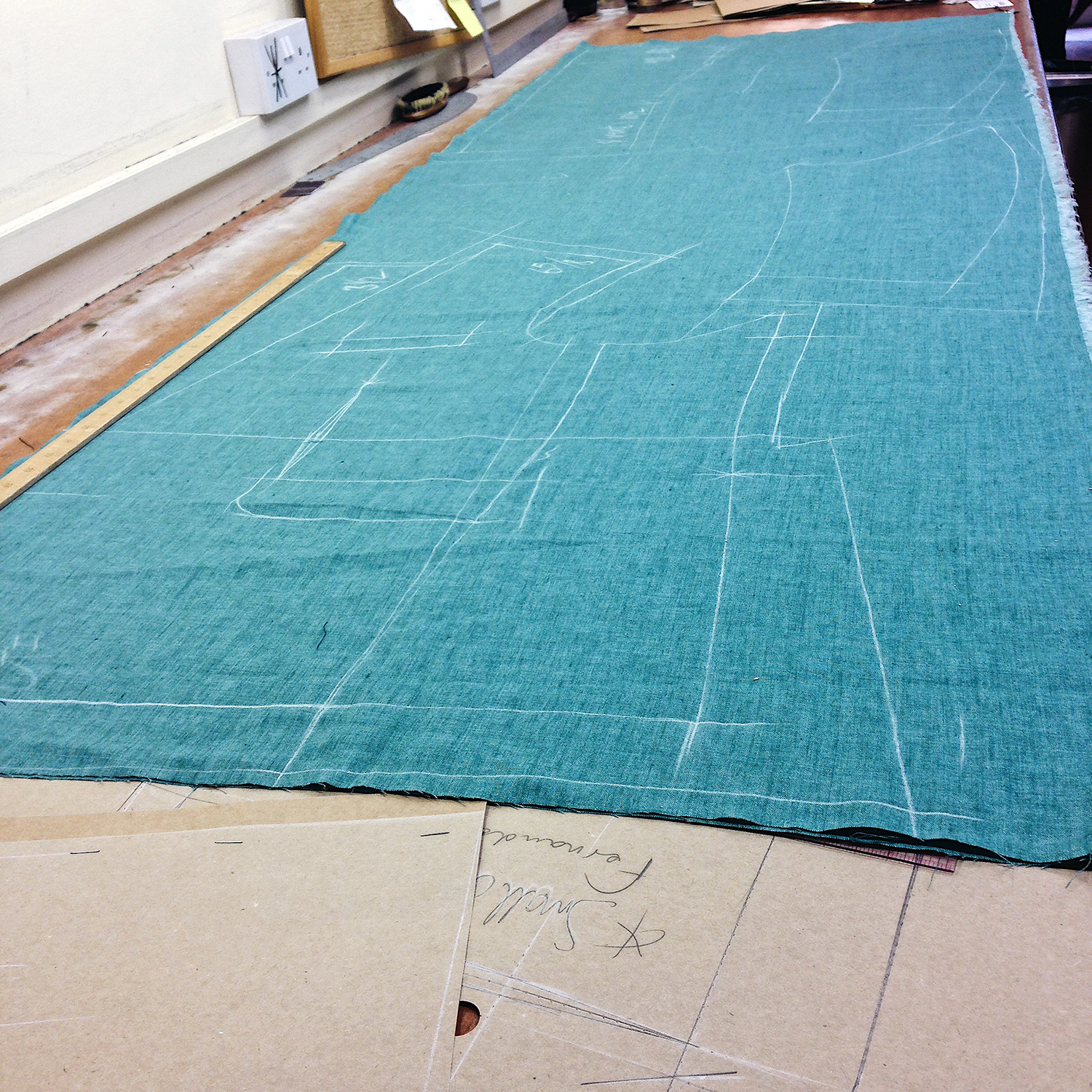
VR: What other hobbies or passions do you have besides apparel?
CCD: Drawing and painting, sports (swimming, yoga and badminton) and simply being within nature.
VR: How did you first become interested in clothing, and when did you turn your eyes towards classic style? Why classics instead of fast fashion?
CCD: Clothing as a means of personal expression probably came as a natural instinct to me. Despite being a rather timid child, I always had a rather bold, or what some might call, eccentric dress sense. Both of my parents had their own unique way of dressing; one was a handbag designer and the other an architect. In a way I suppose I was also mimicking them as a child.
Classic instead of fast fashion because I am a strong believer and supporter of slow fashion for a more sustainable world. The fashion industry has created enough disposable items for this planet; I consider making long-lasting garments for customers, who can potentially pass them on to their next generation, as the ideal of slow fashion.
VR: How have you gathered your knowledge of tailoring — from books, in-house training, workshops or somewhere else?
CCD: I gained the foundation from my university course but it was during my work experience at A.W. Bauer in Stockholm that I realized how much there is to learn on the actual job.
I am fortunate to have had a few mentors in my career who were very willing to pass on the knowledge that they have gained through many years of experience. Clive Phythian, who I currently work with, really helped me to further develop not only my cutting skills but also the cutter’s other main task, looking after the customer.
VR: How would you describe your own dress?
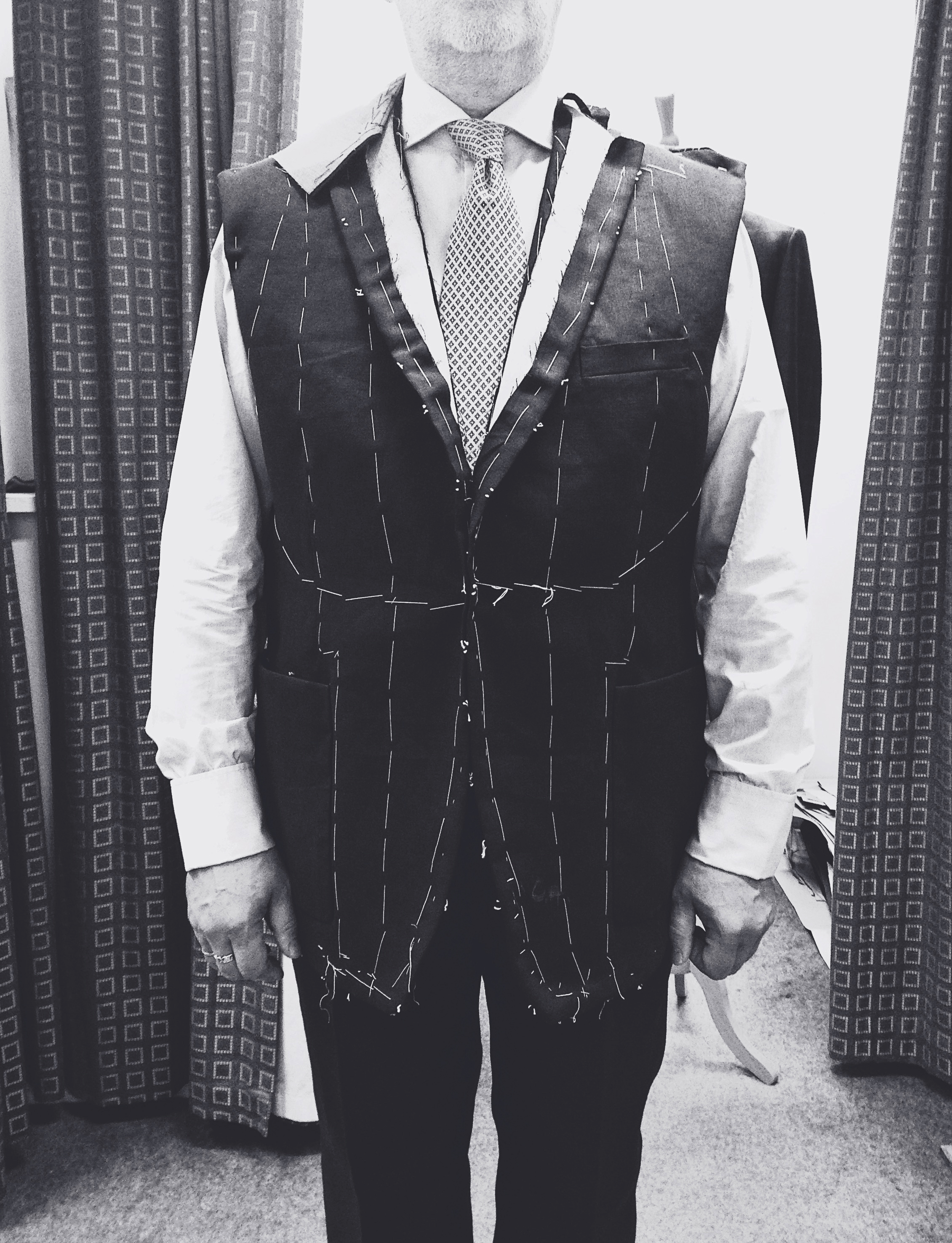
CCD: Bespoke-tailored trousers and waistcoat in the summer and a two- or three-piece suit in the winter. Classic in cut but always something unconventional about the cloth, be it the colour or texture. Appropriate but fun!
VR: How did you join the team at Sims & MacDonald?
CCD: Through people who I previously worked with. I got introduced to the owner at Sims, and voila. It’s been over two years now.
VR: What goals did you set for yourself when you were made a cutter?
CCD: To create garments that will bring confidence to the wearer. This involves working in coherence with the makers as well as trying my best to convert a customer’s vision into an actual 3D-product.
Another important goal is never to stop learning and experimenting. I have a quote of Soren Kiekegaard on my board that translates as ‘courage is the only measure of life’. When one stops trying, complacency sets in. Let it be a new way of cutting or daring to change things at the fitting stage. Be bold!
VR: What’s the Sims & MacDonald house cut like?
CCD: I suppose the standard answer should be a British tailored cut (i.e. quite structured in the shoulders and chest, with a moderate rope to the sleevehead) but I always tell customers that we are here to create Bespoke garments and the wearer’s opinion is equally valid in the cut of a Sims suit.
A prime example would be some customers requesting a softer look with a flat sleevehead and less pronounced shoulder line. I think a good tailor should be flexible in creating different styles rather than being fixated in a certain ‘look’.
VR: Why should my readers try you out over other British tailors?
CCD: At Sims we are offering a product at a more reasonable price. For people that are looking to take their first steps into the world of British bespoke tailoring, Savile Row can have quite a daunting price tag.
You will be seen, measured and fitted by the same person that will be drafting your paper pattern and cutting your suit. We pride ourselves on creating the personal relationships that only the very best bespoke tailors pride themselves on and your garment will be cut and made in London.
VR: Who or what inspires you?
CCD: Anatomy and nature. Egon Schiele, the Austrian painter, with his drawing style and the way of observing a human body has always been a profound influence in my drawing as well as pattern drafting.
VR: What’s your definition of style?
CCD: The best expression of one’s character.
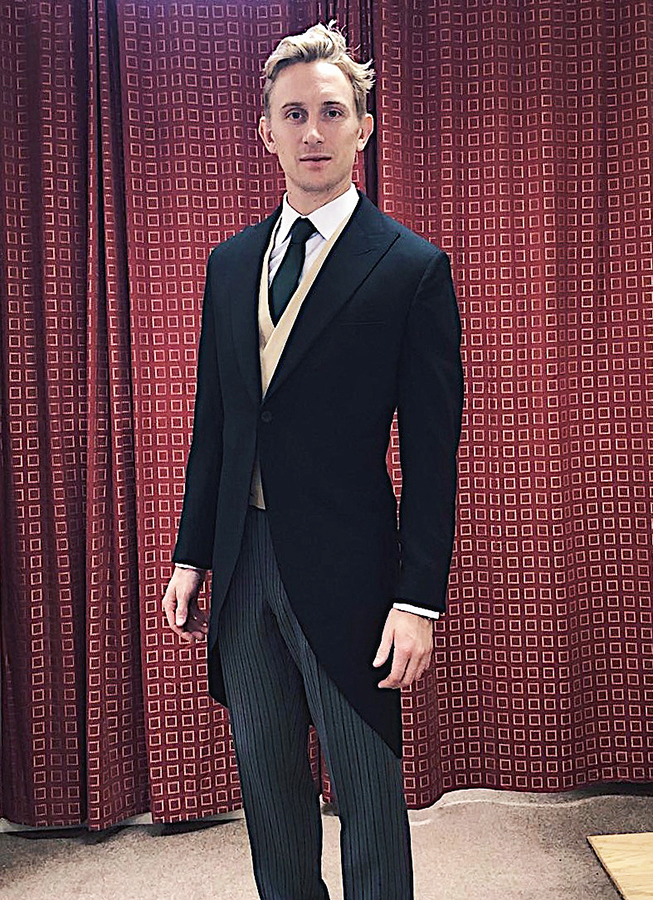 Cut by Claudia
VR: Finally, does the business treat woman tailors differently?
CCD: I find this question, or similar ones being asked more often, not only in tailoring but in a wider social context. For me, I think it is healthy that there is conversation happening.
It is much more acceptable for a woman to play a role in the workings of a tailor’s shop nowadays but mostly as a tailor (maker). Being a woman in a cutting role can be quite intimidating at first, certainly when faced with customers of a more ‘traditional’ mindset but I can also see a change in mentality with the younger generation of bespoke customers. I think the future for female tailors and cutters is optimistic.
Category Interviews, Tailors
Copyright © 2013 Ville Raivio